Beautiful moment, beautiful man.
08 Saturday Jan 2022
Posted in Uncategorized

08 Saturday Jan 2022
Posted in Uncategorized
07 Friday Jan 2022
Posted in Arroyo Grande, Uncategorized
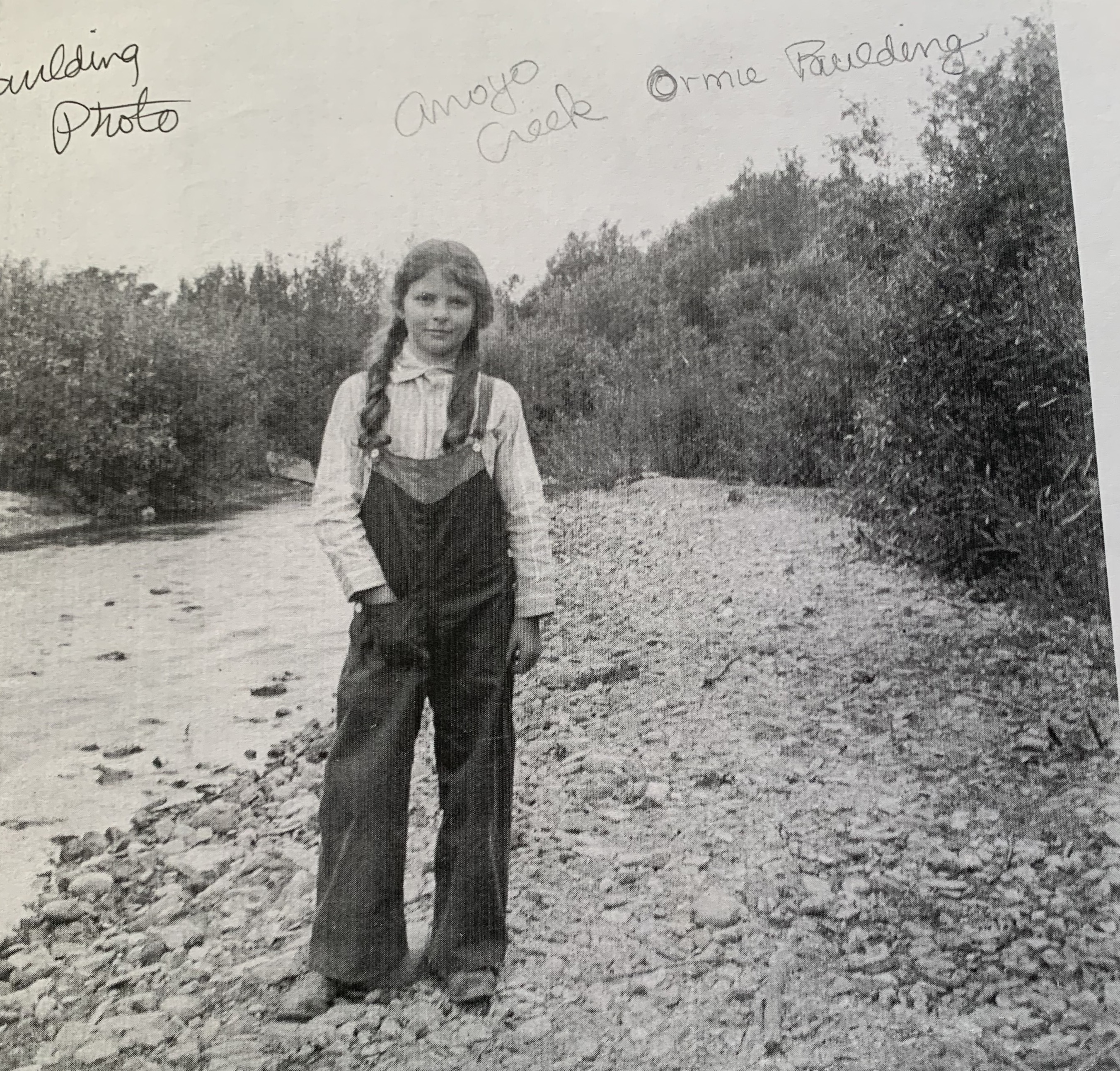
She was born in 1883. As a nearly seventy-year-old who loves his sons but who’s bereft of daughters, I would have adopted her, given the chance. And had I a time machine able to go back to her time at about her age–perhaps twelve–I would’ve had a monstrous crush on her. The combination of overalls and pigtails would’ve been enough to reduce me to silly putty.
She grew up in a little farm town, Arroyo Grande, nourished by a beautiful creek which housed, in season, steelhead fighting upstream to spawn and, in another season, floods that once, in 1911, carried away a fourteen-year-old boy named Sam to his death.
She had the comfort of intelligence–a dubious comfort, admittedly. Both her father and her uncle were medical doctors (another uncle was a pharmacist) the sons of missionaries, born in Syria, whose homes, if her uncle Dr. Ed’s is any indication, were filled with artifacts from the Neolithic Holy Land and Chumash California; homes dense with books, homes full of creative energy inside. Her uncle’s, outside, was bounded by an enormous garden—in dirt her Uncle Dr. Ed found joy— to the point where her Aunt Clara added a bathroom that made it impossible for her husband to re-enter the house without a bathtub stop first. It was only the second bathtub in Arroyo Grande. Sometimes Aunt Clara would hear a soft knock at the door. The folks on the porch asked politely if they could come in and see Ed and Clara’s bathtub.
Ormie’s Aunt Clara, as the saying goes, was a piece of work. She was Arroyo Grande’s foremost schoolteacher; she arrived here in the 1880s and began a career that lasted forty years. She was the descendant of the Puritan divine Jonathan Edwards, but she was an agnostic who just loved going to church. Ormie’s father was the medical director of Santa Barbara County who, in 1918, had the audacity to shut down the bars to stop the spread of the killer flu. He was not beloved.
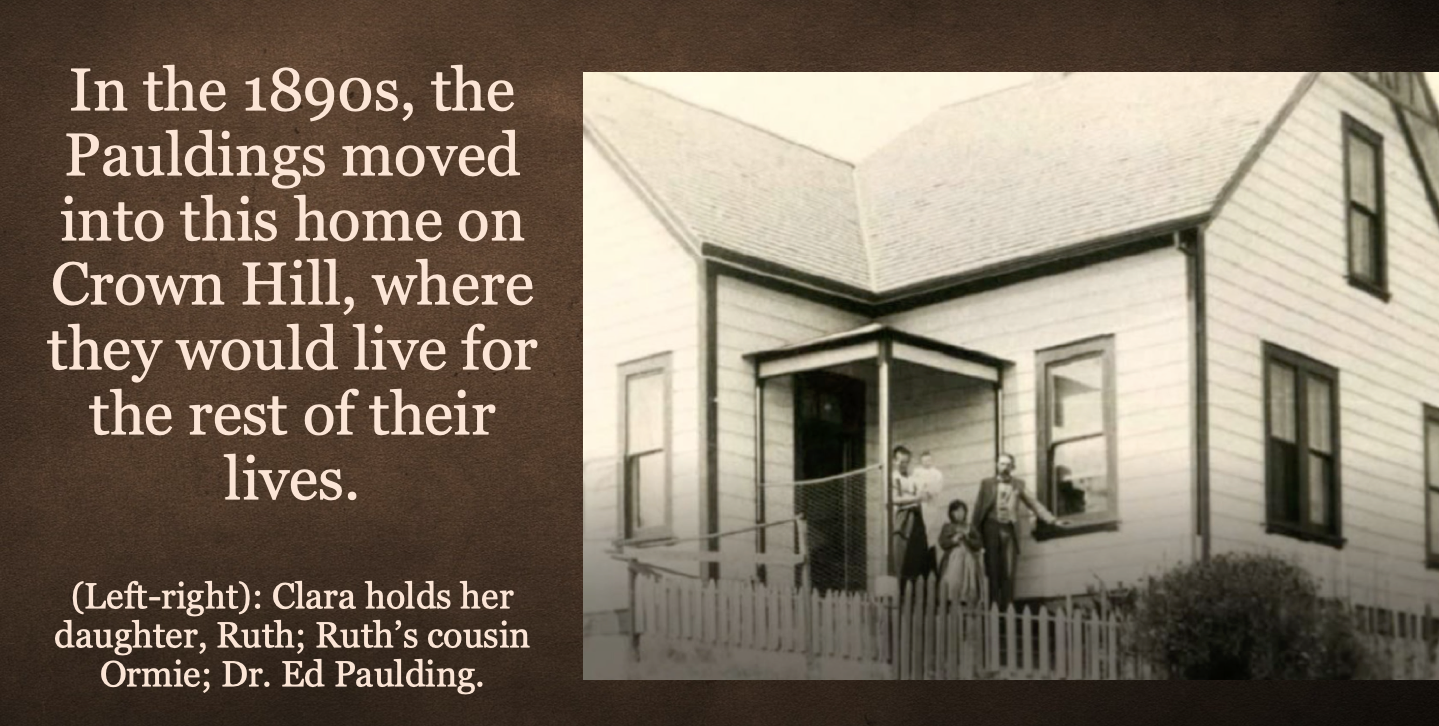
Ormie’s cousin, Ruth was very much beloved. She became such a transformative teacher, of languages, at the Arroyo Grande Union High School (where her commute, atop Crown Hill, consisted of walking across the street) that they would decide to name a middle school after her. That’s baby Ruth, the little blonde. Possibly that’s her cousin Ormie, on the right. The group is posed in the yard of the Paulding home, one that still stands today.
The scene is idyllic, but life, in the 1890s, wasn’t always. Ormie had another cousin, a little boy, the one who was to be first-born, but he was stillborn instead. Her uncle, Dr. Ed, buried him in the garden where he would be close to his parents. Ed planted flowers that gave life to the son who was robbed of the chance to live his.
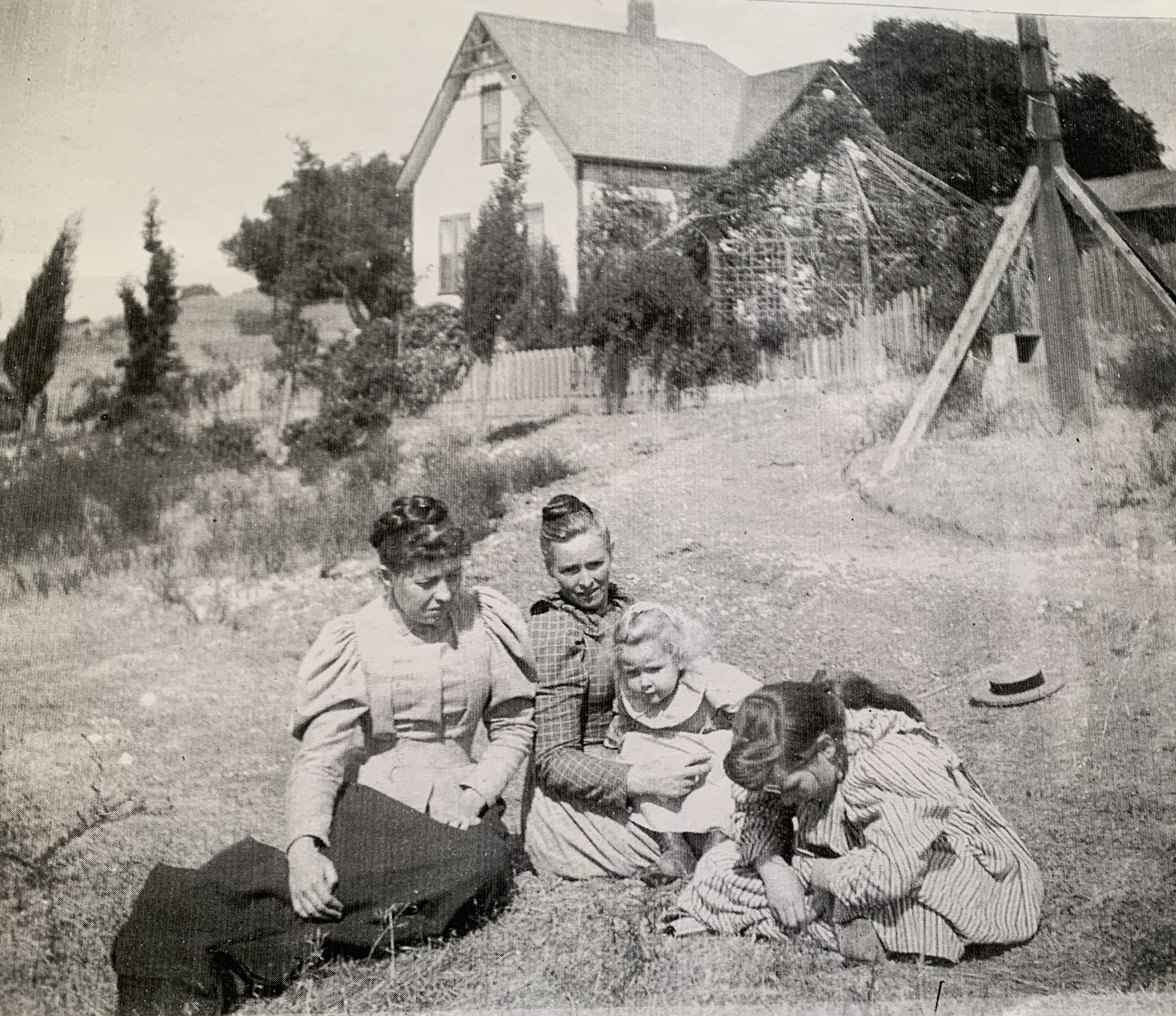
Ormie would move away from Arroyo Grande—but not very far, only twenty minutes or so today, by car—south to Santa Maria, where she would become a Santa Maria High School Saint, and then, years later, the high school’s librarian and then, after that, she worked for the Post Office.
She died in 1955. Here is Ormie’s tombstone:
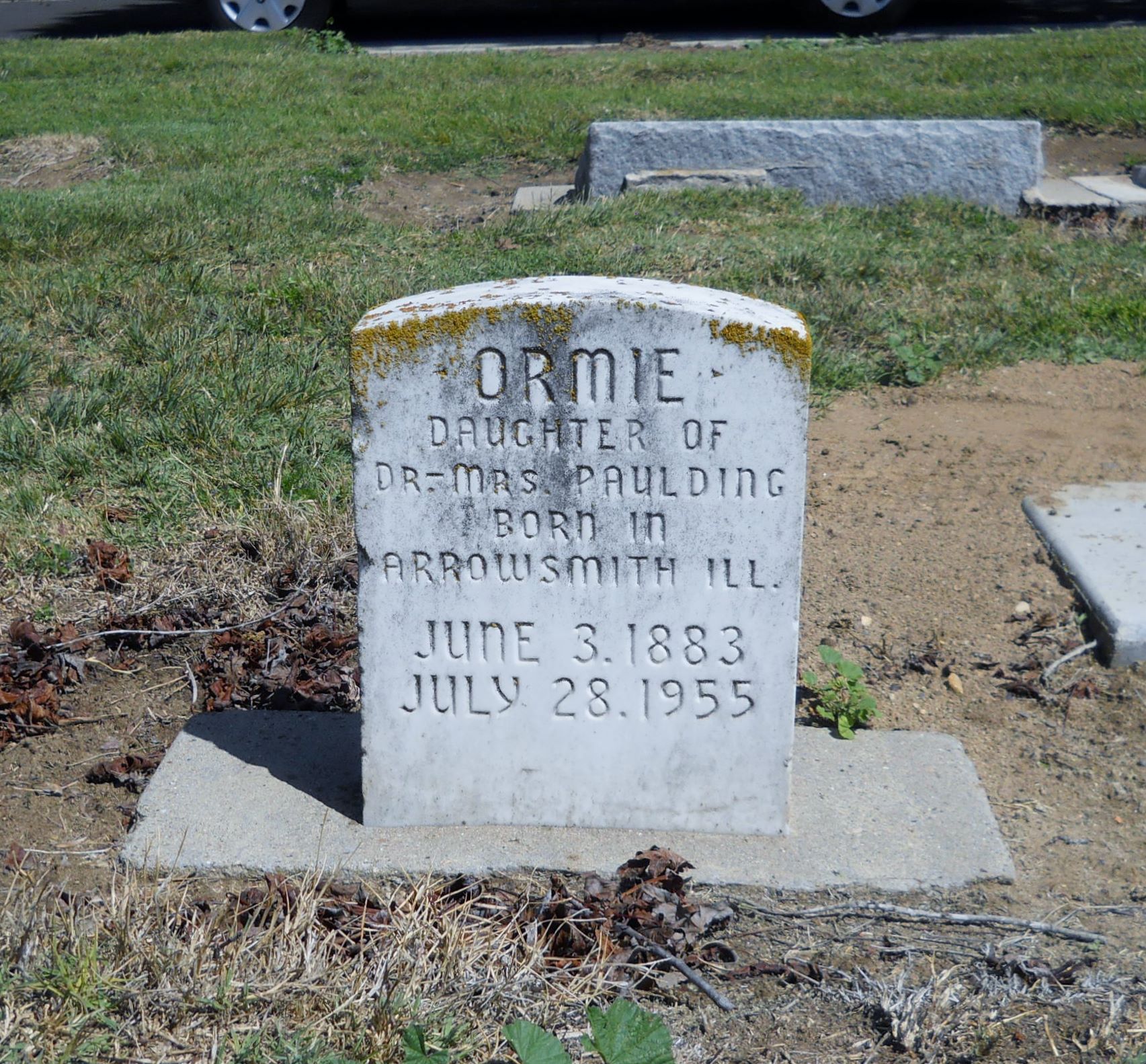
Death be not proud. The Arrogant Male in me regrets that she lived her life as a “Miss,” but this is what she did with her life: She served young people, who, if you haven’t noticed, are sometimes insufferable, and maybe introduced one, thanks to the school library, to The Arabian Knights or Willa Cather’s My Antonia or—on the chance that the Santa Maria High School Library even had it on their shelves–The Autobiography of Frederick Douglass. The power of school librarians is immense and compassionate, which is why the Far Right hates them so much.
And then she worked at the Post Office. Her obituary hints that even this seemingly mundane career gave her the chance to light up other lives. Post office patrons, it suggests, looked forward to buying a book of stamps from Miss Paulding. I think she had the power to reflect a person’s life back at him, in the instant of her look. You saw yourself welcomed in Miss Paulding’s eyes and so you were validated. I’ve known people like that. A friend who met the South African bishop, Desmond Tutu, a small man shaped, in his vestments, like a church bell, told me that he had that power.
In fact, her cousin, fragile and wheelchair-bound when I knew her, had the same kind of power, too. When I received communion at St. Barnabas, the Arroyo Grande Episcopal church, as a teenager, I would glance at the aged and fragile Miss Ruth Paulding as I returned to my pew. A smile from MIss Ruth carried the same freight as a priest’s blessing.
When World War II came, Ormie added a task not on her Post Office job description: She wrote hundreds of letters to servicemen overseas.
Hundreds.
The effort and the generosity of spirit implied in that task is a little overwhelming to me, living in a country where we observe a day—January 6—when patriotism and generosity were so debased.
Ormie’s generosity was boundless.
She loved animals. She was a charter member and a driving force in the Santa Maria Humane Society, and the lives she couldn’t save with letters, lives of young men lost in combat, she saved in the lives of the dogs and cats carelessly put aside. I can see her framing an abandoned mongrel’s face in her hands and looking into his eyes: the dog understands and looks back in the way dogs do, in absolute and unconditional adoration.
Hers was the same look that Ormie’s Post Office patrons saw.
And so she died a spinster—a terrible word—and I was born far too late to propose marriage to her, which I would have done, on the spot, when I was twelve. She didn’t need me. Women don’t need men to live lives that are graced by love, and filled by it, too. I think Ormie’s life was like that.
The life represented in that image, the little girl in overalls and pigtails, turned out to be more than a little miraculous. Women don’t need children any more than they need husbands. But without her knowing it—because I believe that kindness has the power to cross generations and so inform even unborn lives—we are, in a way, Ormie’s children.
07 Friday Jan 2022
Posted in Uncategorized
07 Friday Jan 2022
Posted in Uncategorized
Posted in Uncategorized

It sounds so pretentious–for an Arroyo Grande boy, raised with heifers and chickens—a little boy so sheltered that he was almost overcome by the velvet-suited Santa on the mezzanine of Riley’s Department Store in San Luis Obispo, California–but I miss Paris.
I didn’t get it the first time I took my students to the great city. I think I was overwhelmed. The second time, with my literature teaching partner, Amber Derbidge, and our wonderful Breton tour guide, Freddy, I got it.
It helped, I think, that we’d came south from Anne Frank’s Amsterdam, then through the Ardennes, and finally across Northern France–a stretch of the trip that had begun at Metz, where we saw trout feeding, describing ringlets on the surface of the Moselle, just like the ones I’d tried so hard to catch in the Arroyo Grande Creek when I was little.
At Verdun, a museum guide took me aside and whispered “Your students are so respectful,” which might just be one of the greatest compliments I’ve ever received, because she confirmed to me that they’d learned, in our classroom, what I’d taught them about Verdun.
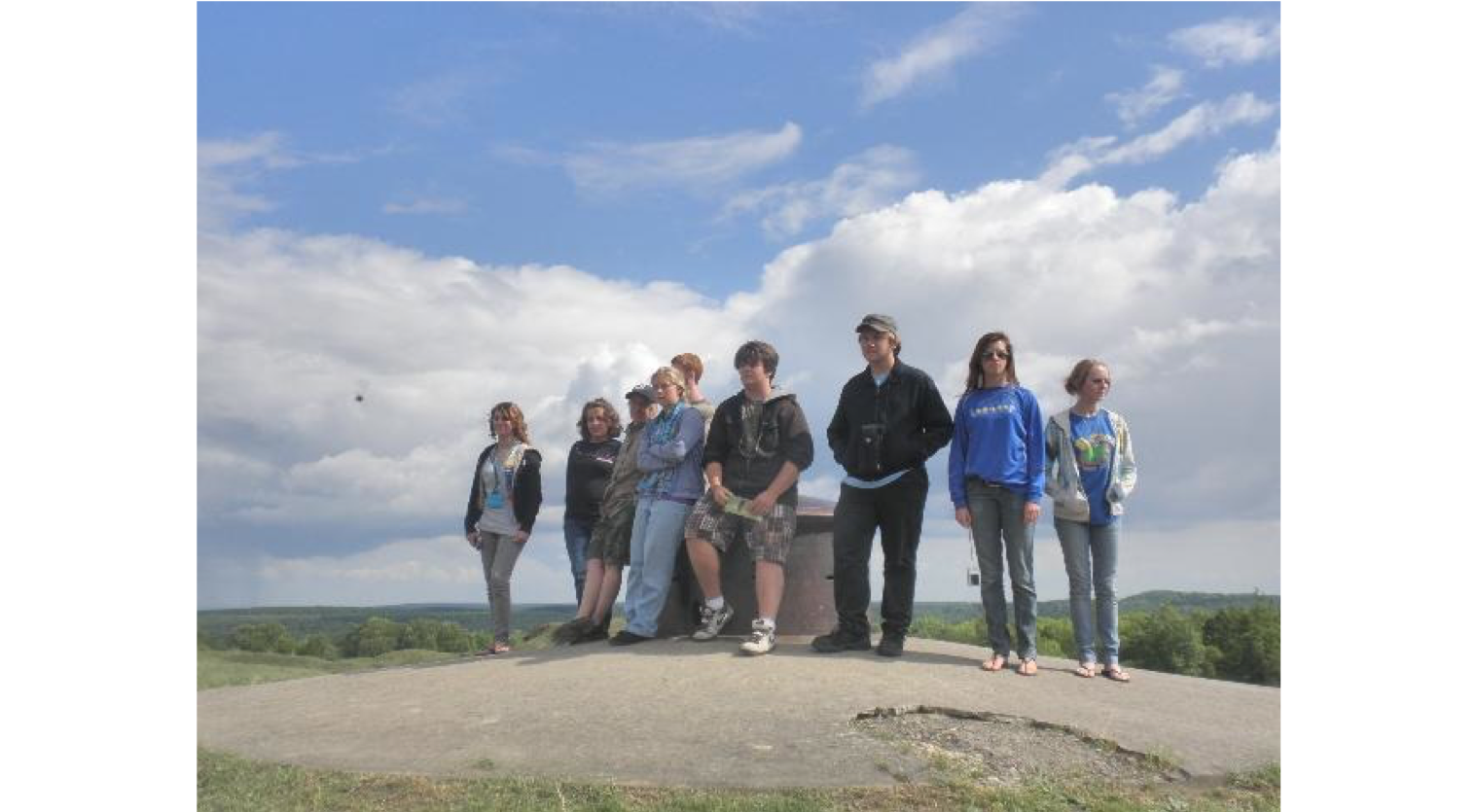
We were greeted, in fact, with immense kindness. At Reims—I’d used, early in our school year, both Bernard Shaw’s St. Joan and Shakespeare’s Henry V to teach my students the meaning of nationalism —a local woman, delighted to meet young Americans, insisted on giving us a tour of the cathedral, one that wasn’t on our schedule.
We didn’t mind because she was so happy and she made us happy, too. It was Rockefeller Foundation money that was helping to repair shell damage to the cathedral facade from the Great War, and even though none of us could be mistaken for a Rockefeller, the important part, for this lovely woman, was that we were Americans.
We reached the coast and the D-Day beaches and the American Cemetery above Colleville-sur-Mer, where we found a local farmworker, Domingo Martinez, a Mexican-American, a member of the 79th Infantry Division, who was killed by fragments from a German .88 shell near Le Bot in July 1944.
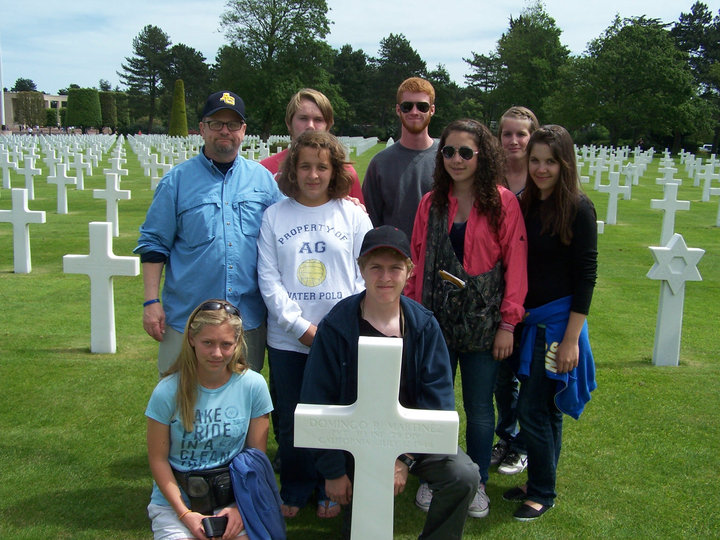
Then, after the cruelty of the battlefields, we ended this trip in Paris. This time I realized how alive Paris is. I got it. I was as enchanted as a Nebraska farm boy—not that far a remove from my actual childhood near the farm fields that border the coast of central California—and when I briefly got lost in the Latin Quarter, I was unafraid. There was far too much for me to explore. I would get back to my students. Eventually.
In the classroom, I used to share the video below with my students to introduce them to my favorite unit—Nineteenth Century urban history, or La Belle Epoque—and they, and I, needed the sustenance we got here, in this chapter, if we were to survive the heartbreak of the First World War.
This year, another heartbreak—another disaster, this time in Covid—has forced the cancellation of the Eiffel Tower’s spectacular fireworks show.
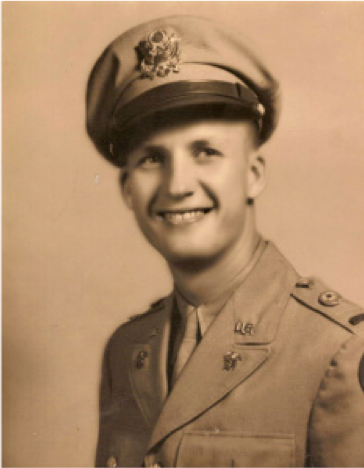
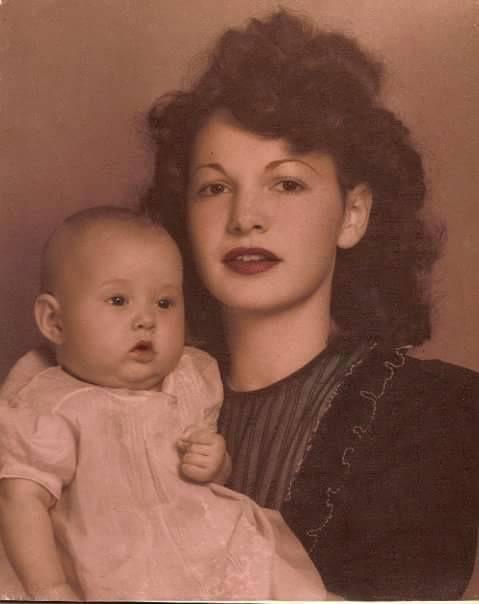
So this blog post is a very little attempt to make up for what we’ll miss this New Year’s Eve. It’s one of several love letters I’ve written to Paris, where my father, an American GI—he spent two years away from my Irish-American Mom, seen here with my big sister—was a tourist in the late fall of 1944.
To teach what I feel to my students, I made this video for them. It’s oddly matched to an oddly beautiful song, “Bittersweet Symphony,” by The Verve, a song that in its own way, is a kind of masterpiece.
Joyeux Noel, my friends.
05 Sunday Dec 2021
Posted in Uncategorized
As you probably know, I have two nieces who are extraordinary. Rebecca, the younger sister, is a poet who chains words together, in meticulous lines, that seemingly don’t belong together (something I love to do), but in the strength of her writing—novel, original, but unpretentious—you suddenly, intuitively, delightfully, understand. Then the poem shimmers on the page.
Emily is a writer, too, but she’s taken the path of acting—in New York City, of all places—and while Becky’s poetry makes me sing little songs inside, with her providing the lyrics, I don’t get to see Emmy’s craft because she’s so far away.
Until I found a sample of it online in this video excerpt. I hope Emily forgives me, but I found bit of monologue so stunning—so oddly and happily humbling— that I wanted to set it down so I would never lose it.
And what I will never lose, either, in the immense pride I feel in my nieces, is the presence of my mother, whom I see in them, down to their naturally curly hair. Even more, and even more happily, I see the presence of my sister Sally. She was the last of the four of us, born when my Mom was 41, so she was kind of miraculous to us.
Her daughters, Emily and Rebecca, have only confirmed the miracle. They are Sally’s gift, and her husband, Rick’s, gift to us.
They are a reminder that the integrity of our family, in generations I’ve traced to the 11th Century, to churchyards in London and County Wicklow and Baden-Wurttemberg, has been made safe by a long line of remarkable mothers. Not a one was perfect. They were remarkable instead. They would instantly recognize Sally as one of their own. I can somehow see them gathering around her, some of them wrapped in warm Celtic tweed, all of them waiting happily for the chance to embrace the remarkable woman who was once upon a time my baby sister.
25 Thursday Nov 2021
Posted in Arroyo Grande, Uncategorized
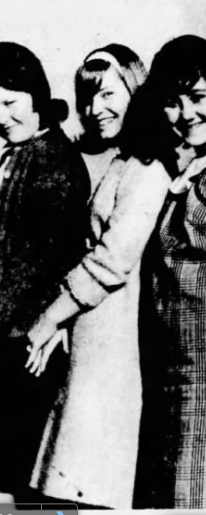
Bonnie was in my ninth-grade art class on Crown Hill at Arroyo Grande High School in 1966. She was so lovely and so kind that I was immediately entranced by her. Not in the way you think. She was another guy’s girl. What I felt for her was more in the line of admiration rather than romance.
Of course, that previous sentence was a baldfaced lie, but there’s more to Bonnie than that.
Some people have the gift of reflecting your own worth back at you. I was never convinced, growing up, of my worth, but Bonnie saw it and communicated it without words. Sketching beside her on big sheets of newsprint bequeathed the most immense sense of belonging, at fourteen, that I’d ever felt.
She came to art class one day fighting tears because she was just a freshman and was therefore barred from going to the Christmas Formal with her boyfriend, an upperclassman.
And then some time in the spring, Bonnie didn’t come to class anymore. She vanished.
I found out later that she vanished because she was pregnant. Other than the whispers, which lasted just a short time, Bonnie was never heard from again.
I missed her so much that twenty years later, as a history teacher, I talked about her, when teaching American cultural history, to my students. They were appalled by the way she’d been treated, which, in their disgust at cruelty and hypocrisy, is yet another one of the dozens of reasons for why I love teenagers.
When I was growing up, a three-times-a-year treat for my family was driving from Arroyo Grande to Morro Bay for fish and chips at Bob’s on the Embarcadero. My goodness, you could still get abalone and chips at Bob’s. It took up a full Sunday, and, for somebody who grew up amid the cabbage fields of the Upper Arroyo Grande Valley, Morro Bay was exotic and enchanting. Abalone steak dipped in Tartar sauce–we drove out to the Rock to eat our lunches and to watch the fishing boats surge over the breakwater–was sublime.
So was the smell of the sea. Morro Bay was doubly enchanting when local farmers had just added a generous layer of turkey fertilizer to the row crops of the Upper Arroyo Grande Valley.
It had to be than twenty years gone before I went back to Bob’s for fish and chips—the abalone, of course, was gone, but the calamari was wonderful—and this time it was with Elizabeth, my wife. I guess we’d gone there a couple of times before but the third time, I recognized the waitress immediately.
It was Bonnie, and it was twenty years later, when I had the audacity to use her as a Primary Source in my classroom, and there she was with her short waitress skirt and order pad and pen. I could’ve easily been appalled, as was a brilliant friend of mine, a classmate, now a lawyer, when she found me working as a liquor-store clerk in the years when I was recovering from the end of a career and the end of a relationship. Most of my recovery was not recovery at all; my life lay instead in the consistent and generous anesthetization that the liquor store’s stock supplied
So my friend, the lawyer, stared blankly for a moment at me, ashamed, behind the counter. “Oh, Jim.” was all she said.
I never saw her again.
But when Elizabeth and I saw Bonnie, she was radiant. She blushed, as I had in the presence of my lawyer friend, for just moment, but the weekend rescued her. It was Poly’s graduation and the child that had been inside her in ninth grade was later that day to graduate with an engineering degree.
She was just as beautiful as I remembered and I saw in her eyes the validation I’d remembered in ninth grade. She was proud of me and proud of us, of Elizabeth and me, as a couple.
I don’t remember, of course, the rest of the meal at Bob’s.
It would be many years later when I learned that Bonnie had died. The news hurt doubly, because I learned that she’d taken her own life, and we teacher types frequently confuse ourselves with Jesus. Surely, I thought, there could’ve been something I could have said or done. Or something I could have done without saying anything at all: Didn’t she see, in the moment before she took our order that day at Bob’s, how immensely proud I was of her?
When we got to the 1960s in my U.S. History classes in the years after that day, I told my Bonnie story again, but I added Graduation Day as the ending I’d never had before. A good teacher can sense when he or she has touched the students in their care; Bonnie touched mine. She inspired them.
As much as teenagers hate cruelty and hypocrisy, they love righteousness. Teaching history, after all, is really about teaching the future, and Bonnie’s story resonated because it gave them the hope that the future in their care would be righteous.
Bonnie resonates to me, too, because she died the same way my mother did. I spent many years in therapy after I lost my Mom until I quit it when the psychiatrist opined that my mother, in taking her own life, was a selfish person.
That’s the last word I would use to describe either my mother or my friend Bonnie. Nobody can understand the immense power of clinical depression and the seductiveness that self-destruction promises when it’s the only reasonable, rational way left for you to fight back.
A high-school administrator—my boss— once smugly confided to me that she could never imagine taking her own life. She was taken instead by cancer. I doubt that she could ever have imagined that, either. But clinical depression and Stage Five cancer are coequals when it comes to conferring death.
I keep a photo of my mother, holding my big sister when she was a baby, atop our mantle. She is breath-taking. So was Bonnie, in her white embroidered apron and red waitress mini-skirt and scuffed white tennis shoes, on the day that Poly graduated her daughter. I don’t know that there is a Heaven–I guess I’ll have to find that out on my own–but if there is, I want to hold my Mom very close. And then I want to ask directions.
Where is Bonnie?
And then, given God’s grace, I will hold her very close, and tell her, in a private voice just above a whisper, how much her life has meant to me. And then, given God’s grace, we will get the chance to sketch again, holding soft-lead pencils that drift noiselessly across the paper of big newsprint pads, We’re close together, sitting on high stools. Every once in awhile, Bonnie might look at my sketchpad, then look at me, and smile.
25 Thursday Nov 2021
Posted in Uncategorized

My earliest memory is typical of me and my inimitable physical grace: I fell down the steps of my grandparents’ home in Williams, Colusa County, and cut my knee open. I still have the scar. That was sixty-six years ago.
My Gramps, Grandpa Kelly, was once a Taft police officer. Some time in the 1940s, he was walking his beat, rattling storefront doorknobs to make sure they were locked, when he was jumped by three oilfield roughnecks waiting for him in an alley. Within about a minute, Gramps remained vertical while the roughnecks abruptly became horizontal.
But to us, Gramps was a gentle man–I once wrote that “he was able to talk whimsy with children unencumbered”– and I can still see the concern in his face. He scooped me up and held me in his arms until my Grandma Kelly, a pragmatic German-Irish woman, came out with the iodine, which probably made me shriek even louder.
But she’d saved me, too, just a little earlier. I was a baby in Taft when the Tehachapi earthquake hit in 1952; it was her turn to scoop me up. She sprinted into the street, clad only in her slip, which had come slightly disarrayed, and so my grandmother provided the neighborhood with a sight they could never unsee.
I adored my grandparents. And we all adored Gus, a gander, who followed us kids all around their almond ranch in Williams. I can’t quite remember him; I was pretty little.
(I don’t know quite why they called it a “ranch.” What do you say to almonds? “Hey! Giddyup, little almonds?” And what do you do with the “l” in “almonds?” Grandma Kelly and Gramps left it out.)
Anyway, Gus thought he was a Kelly, too, and since we were Kelly grandkids, he welcomed us into his flock, which consisted of one goose and three children.
I don’t have much experience with ganders, other than the ones at San Luis Obispo’s Laguna Lake, and they are obnoxious.
I do have a far richer experience with Thanksgiving turkeys. Both of my parents were marvelous cooks, and the only things better than their Thanksgiving turkeys (and Mom’s dressing) were the three days of leftovers that followed.
I loved Thanksgiving.
But I was maybe three years old when the best Thanksgiving ever was served up at my grandparents’ farmhouse–or ranch house–in Williams.
The turkey was moist and tender and a little sweet and my mother put her knife and fork down momentarily and told her mother, my Grandma Kelly, that this was the most extraordinary turkey she’d ever had in her life.
“Oh, honey!” Grandma replied. “This isn’t turkey. It’s Gus.”
Mom stared down at her knife and fork, which remained untouched, except for absently pushing around the peas and mashed potatoes into little hillocks and valleys, for the rest of the meal.
I think the other Gregorys pretty much concluded their meals, too, maybe except for me. I was too little to understand that the turkey that tasted so good was the fellow who’d walked so amiably beside me just a day or two he became the centerpiece of the Thanksgiving table.
My family talked about Gus the Goose for twenty years after that Thanksgiving. The pain in their voices as they told the story, every year, was palpable.
Someday, some Thanksgiving, since I taught “Scarlet Letter” for so many years at Mission Prep High School in San Luis Obispo, I might wear a scarlet “G” pinned to my shirt to the Thanksgiving meal. It would be the decent thing to do to atone for such a sinful sin.
Gus, I am so sorry.
24 Wednesday Nov 2021
Posted in Uncategorized
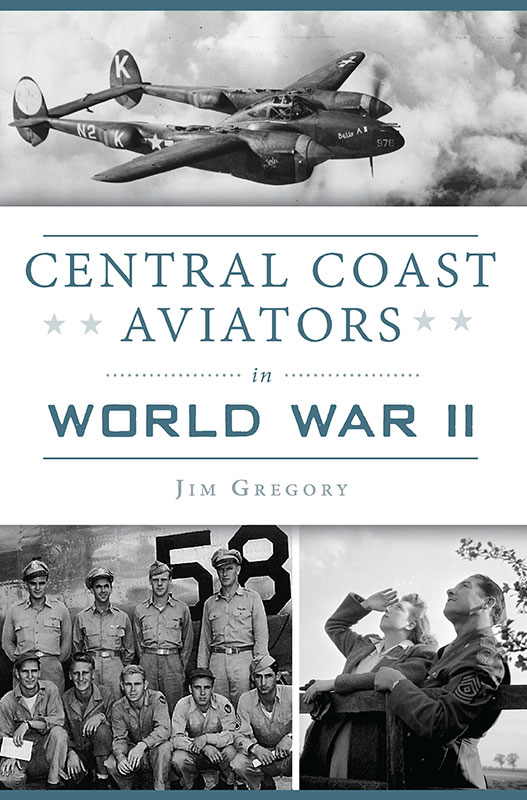
A story—maybe a kind of Thanksgiving story— I learned while writing a book:
Henry Hall of Cayucos was a B-17 gunner in the 91st Bomb Group when, in March 1944 over Holland, his squadron was “bounced” by a dozen German fighters, Messerschmitt 109s.
It had been a hard day already; Hall had seen the landing gear of a bomber ahead lazily drop, the hydraulics destroyed by another fighter’s cannon fire, and then the plane began to tumble. While it was going in, it clipped two more B-17s and they went in, too. This combat footage gives the faintest sense of what young men like Hall endured.
Suddenly, a fighter like the one above—a P-47 Thunderbolt—appeared. Hall and his crew looked on, amazed, as the American fighter pilot flew into the swarm of German attackers.
This moment allowed the teenaged Henry Hall to live into great old age, to survive what the veterans of the 91st Bomb Group called “Black Monday.”
It was only later that he learned that the P-47 pilot had survived his mission, too. He shot down four of the fighters that had come after Henry Hall and his friends.
“Duty” must seem such a quaint word to the self-absorbed generations that have followed Hall’s. That generation fought for freedom, while modern Americans seem to fight for freedom from accountability. But the man who saved the young B-17 gunner’s life that day understood accountability. He understood his duty exactly.
The fighter pilot was the Good Shepherd, and on Monday, March 6, 1944, the 91st was his flock.
20 Saturday Nov 2021
Posted in Uncategorized
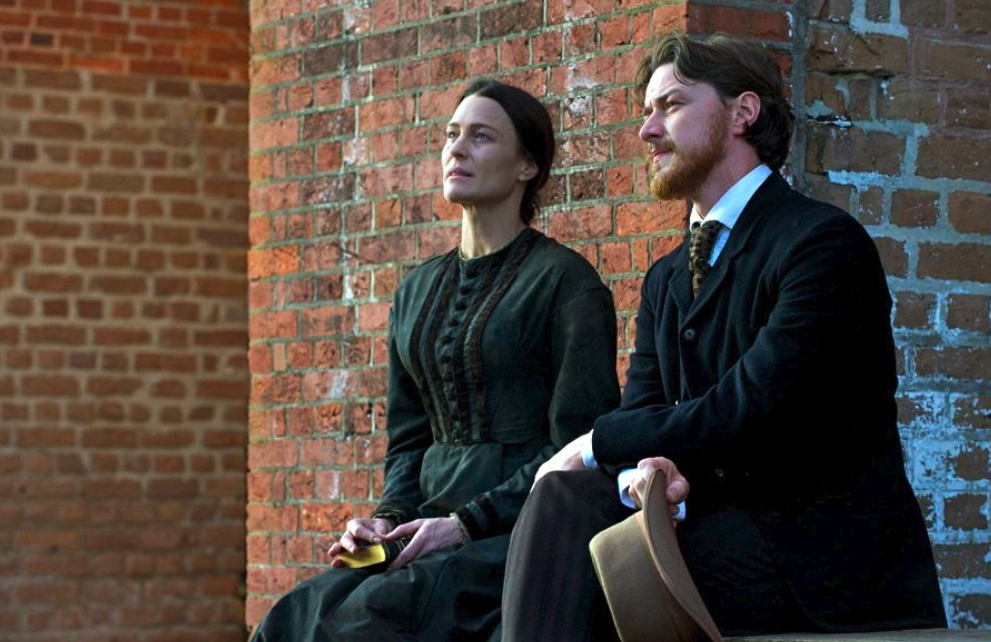
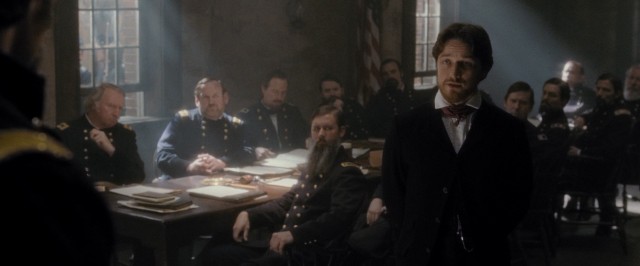
I’m a sucker for movies where the central character takes a moral stand and is pretty much destroyed by it (ask my former students about Robert Bolt’s A Man for All Seasons). I was taken by James McAvoy’s portrayal of accused Lincoln conspirator Mary Surratt’s defense lawyer in The Conspirator, directed by Robert Redford, which was on this morning.
I don’t know much about McAvoy except you need to go immediately to the YouTube video where he plays a Scots air traffic controller on “Saturday Night Live.” It is a gem.
The lead actors, except for Robin Wright, were Scots, English and Irish. My hero among Lincoln actors is Daniel Day-Lewis, who now lives in County Wicklow, where my mother’s ancestors came from.
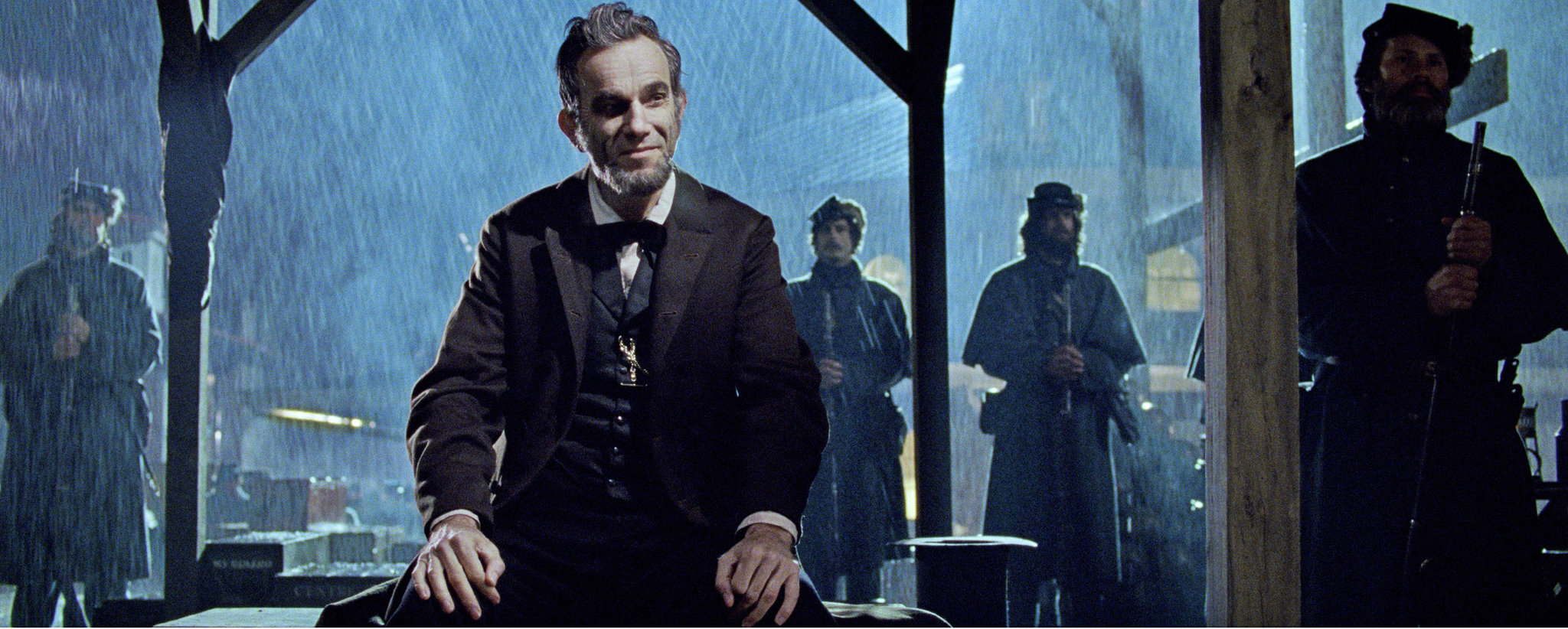
And they all have splendid American accents. You need to go immediately to the YouTube video where Irish young people try to speak in American accents. That’s a gem, too.
But the film reminded me of all the Lincoln assassination oddities. Here are a few:
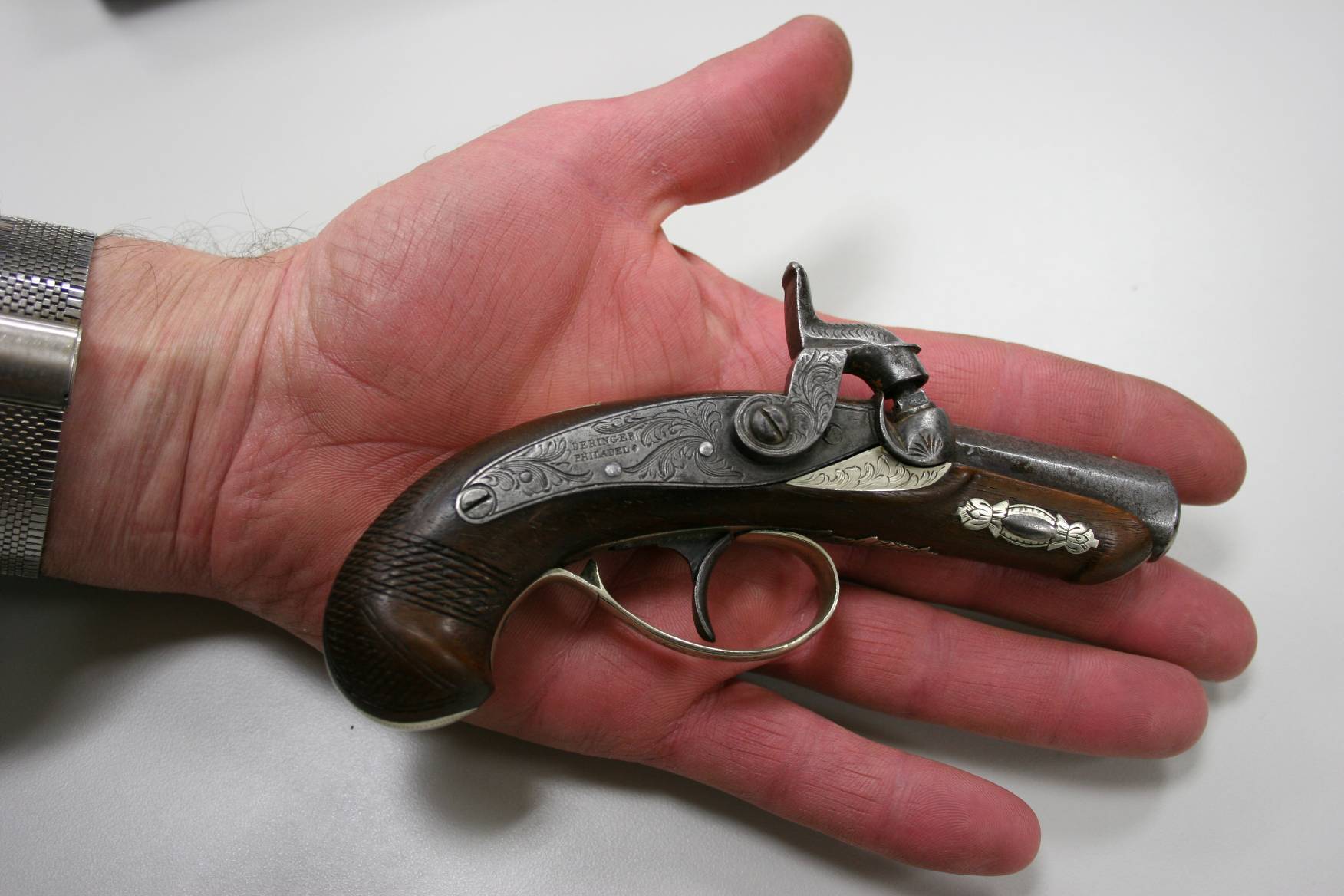
–Booth shot Lincoln with a single-shot 44-cal. Deringer pistol. The pistol ball entered behind his left ear and lodged behind his right eye (sorry). It should have killed him instantly, but he lived for eight more hours. When doctors stripped him after laying him diagonally in a bed (he was too long for it) in a boarding house across from Ford’s Theater, they marveled at his musculature–he looked like a Greek statue. The year before, at City Point, Virginia, where an Arroyo Grande soldier served, Lincoln smilingly held an axe straight out from his body at arm’s length. None of the young sailors who served on the presidential steamer could duplicate the feat.
–Booth, from a family of acclaimed actors, was an exuberant sword-fighter in his Shakespeare plays who sometimes wounded his fellow actors. He leaped athletically from the Presidential booth at Ford’s, caught his boot-spur in a furled flag, and broke his leg when he landed on the stage. He exited like a crab. Good, because Booth remains in my top five for the biggest sonofabitches in American history. The actor, by the way, had fortified himself before the assassination with a few stiff drinks at The Star, a bar next to Ford’s. It probably didn’t register to him that the guy a few pairs of elbows down the same bar was Abraham Lincoln’s bodyguard.
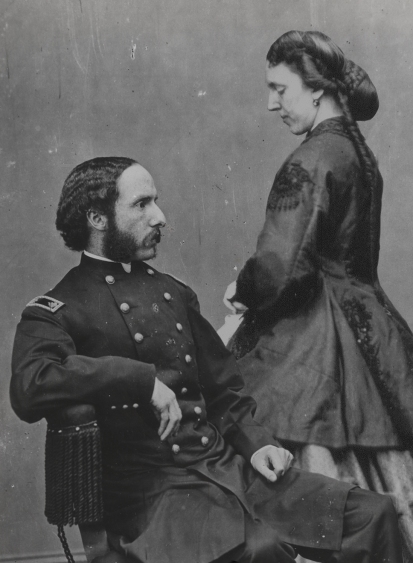
–The Lincolns’ partners in the booth that night were a young army officer, Henry Rathbone, and his bride. Rathbone grabbed for Booth but the assassin laid his arm open with a dagger before that leap to the stage. Eighteen years after the assassination, Rathbone fatally shot his wife, Clara, and attempted to kill himself with a knife. He failed. In 1910, Rathbone’s son burned the dress his mother had worn the night of the assassination, thinking it had cursed the family.
–Booth timed his pistol shot for a moment in the play Our American Cousin, a comedy, when laughter would be at its peak. The last words the president heard were likely delivered to lead actress Laura Keene: “You sockodologizing old man-trap!” Keene made her way to the presidential box and cradled Lincoln’s head in her lap as he lay dying.

–Booth’s final words, after being shot in a tobacco barn lit afire by Union troops, were “Useless, useless.” He’d been paralyzed by the fatal shot, and asked a soldier to raise his arms so he could see his hands one more time. Booth was shot by a soldier named Boston Corbett, a hatter in civilian life. Corbett returned to the business after the war and became increasingly paranoid (mercury was the agent that made for Mad Hatters). He was involved in at least two pistol-brandishing incidents, including one when he was the doorkeeper for the Kansas House of Representatives. Corbett was eventually confined to an insane asylum. In 1888, he escaped on horseback. We’re not exactly sure what happened to him–he either lived out his life in Mexico or Minnesota.

–At the same time Lincoln was shot, Lewis Powell (also known as Lewis Paine), entered the home of Secretary of State William Seward, who was swathed in bandages and casts and helpless in his bed, the victim of a carriage accident. Powell, claiming to be a pharmacist’s errand-runner with a prescription for Seward, bolted upstairs and stabbed the helpless man repeatedly in the face and throat. Since Seward had fractured his jaw, a metal and canvas splint deflected most of the knife thrusts. Powell, thinking Seward dead, burst out of the home, shrieking “I’m mad!”

–Powell was hanged along with accused co-conspirators George Atzerodt, David Herold, and, despite James McAvoy’s best efforts, Mary Surratt. The photograph shows an umbrella shielding Mrs. Surratt from the hot sun just before the trap was sprung.

–The film suggests that Mary Surratt was bait, intended to lure her son, John, one of the conspirators, in to surrendering herself–a situation eerily similar to the execution of accused nuclear spy Ethel Rosenberg. She was indicted in what was an attempt to force her to testify against her husband Julius. Julius was almost certainly guilty of passing atomic bomb secrets on to the Soviets. Ethel wasn’t, and she was as strong as Lincoln–it took repeated jolts in the electric chair to kill her. John Surratt was almost certainly guilty. Mary probably wasn’t. The film depicts a military tribunal that doomed her from the start.
–The Surratts were devout Catholics. In the years after the assassination, John emerged as a member of the Pontifical Zouaves, soldiers charged with defending the Papal States, then the target of Italian nationalists who would annex that territory to complete the unification of Italy in 1870.
–Mary Surratt’s boarding house, where the conspirators planned the assassination, is today an Asian restaurant/karaoke bar called Wok and Roll.
So it goes.

 A Work in Progress