The final chord of “A Day in the Life,” the Beatles, Sgt Pepper’s Lonely Hearts Club Band.
2. The opening to The Who’s “Eminence Front.”
3. The video is not recommended by dentists. But this is one of my favorite R & B songs. The little girl dancing is among my favorite moments.
4. The final note of Linda Ronstadt’s “Blue Bayou.”
5. Merrie Clayton’s backing vocal, “Gimme Shelter,” the Rolling Stones.
She’s no Merrie Clayton–who is?—but this young woman does just fine on the same song. Wow.
6. An indescribable and delicious little hip twitch that the Supremes do, in unison, ten seconds into the beginning of “Stop! In the Name of Love.”
7. I don’t get this video, which was before “video” was invented, but this might be my favorite rock song of all time–the intro, again, percussion and Steve Winwood on keyboards–grabs me every time.
8. The seemingly endless ending to Chicago Transport’s Authority “Beginnings.”
9. The late Pattie Santos’ vocals for “White Bird,” by It’s a Beautiful Day. The whole song is incredible. Santos died young in an automobile accident. No “moment” here, because I love the whole song.
10. Because I have always loved harmonies–the Beach Boys, for example, the Beatles, CSN and Y–this song, so evocative in the Tarantino film thanks to the Canyon murders that helped to end 1960s’ promise. The first two lines (“I used to live in New York City/Everything there was dark and dirty”) which was true in the 1960s–far, far less so now– hooked me.
Bonus: Proof our music was pretty good, from young folks. (The bassist is adorable.). Thanks, kids.
Mr. Rank Amateur Film Critic was once prepared to dislike Baz Lurhman films.
I mean, what kind of name is “Baz?” Almost as bad as “Elon.”
Then I saw “Moulin Rouge”–I was still teaching European history at AGHS, including a lesson on Paris at this time–and I sat in the theater with a stupid smile on my face until the sad part. I love this scene still and, dayamn, Ewan McGregor is handsome. (For a completely different film, his devoted father and husband in 2012’s “The Impossible,” about a family washed apart by a tsunami, restores your faith in dads.)
I had never seen a version of “The Great Gatsby” that I liked until Lurhmann’s. Leo was captivating, and the film’s palette–bright primary colors, like Jay’s roadster amid the ash-heaps–was amazing. In fact, I’d never been that fond of “Gatsby,” the novel–I preferred its prototype, a longish short story, “Winter Dreams.” The Luhrman film gave me a new appreciation for the novel.
So I went back to an earlier film, “Strictly Ballroom,” and the female lead, Tara Maurice, was not so captivating. She was dowdy. And then she kind of blossoms. The final ballroom contest scene is marvelous.
“Elvis” is not my favorite Luhrman film, with the great exceptions of the scenes that connect Elvis to his Black roots and the scene, just after this one, where he begins to gyrate at the Hayride. But this is the scene–I guess because I took a year of the History of the American South in college– that still mesmerizes me.
And, I realized that it would be cheating not to share that scene. Maybe it’s Tom Hanks’s (Forrest Gump/Captain Miller, the character who falls in love with Meg Ryan in two films) lurking, as the Colonel– like a cross between a venomous cobra and Jabba the Hutt–that bothers me about this film.
My father was an Adlai Stevenson Democrat; my mother was an Eisenhower Republican, and, even in the 1950s, one lively political discussion in the kitchen ended with Mom dumping a colander of fresh Oceano strawberries upside-down on my father’s head.
JFK was the first Democrat my mother voted for, but that was because he was Irish.
So those are my political credentials. I am a Flaming Moderate.
As such, it dismayed me to hear the president* shift arguments about his Triumphal Arch. “Who’s it for?” a reporter asked in an Oval Office press gaggle last week. “Me.” Trump replied.
Later, he amended his reason for The Arch. The military wants it. Its height (250 feet, facing the 98-foot Lincoln Memorial) would make it ideal for launching drones and for storing a vast cache of ammunition intended for the snipers who would find vast fields of fire from atop The Arch.
It makes you wonder: For whom are the drones and the snipers intended? And precisely which flag officer implored that the president* build the Arch for those purposes?
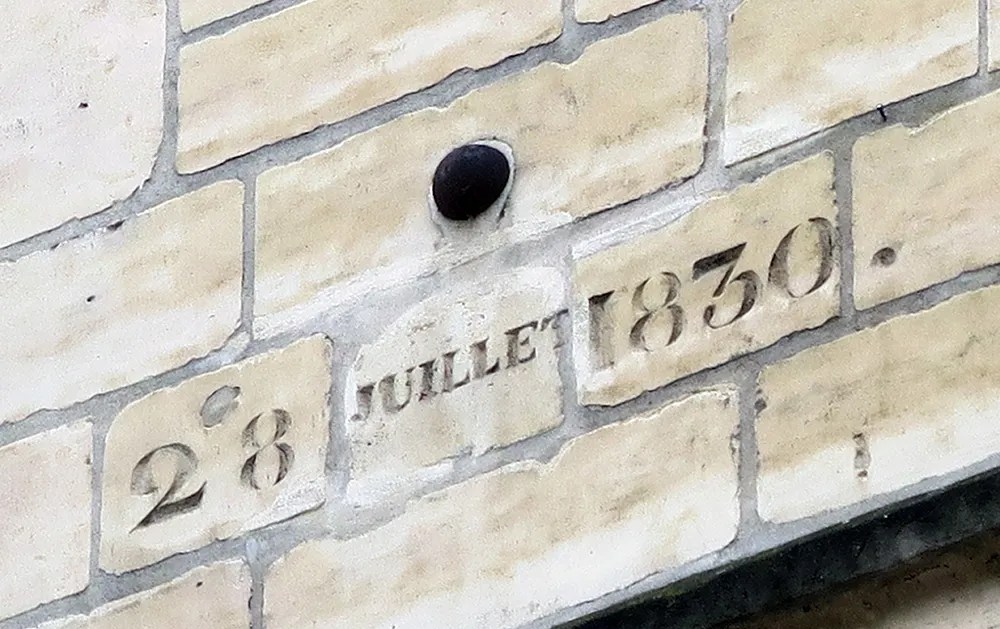
In July 1830–the time of Les Miserables–the French overthrew King Charles X, who rode to his coronation in a gilt coach and entered the cathedral, on a white horse, in a full suit of armor. It went no better than the president’s* Reflecting Pool: hundreds of doves were released above the king and, being excited, they did what doves will do, and all over the King’s burnished armor.
His reign was marked by catastrophic crop failures, which generated inflation in the price of bread, which the king ignored. Charles responded to rising dissent by shuttering the press, dissolving the Chambre, the Chamber of Deputies, and by turning the cannon that defended Paris atop their ramparts inward, toward the city interior.
Parisians rebelled, in what they call the July Days. The cannonball, from July 28, 1830, was never removed from the wall to commemorate the downfall of a tyrant.
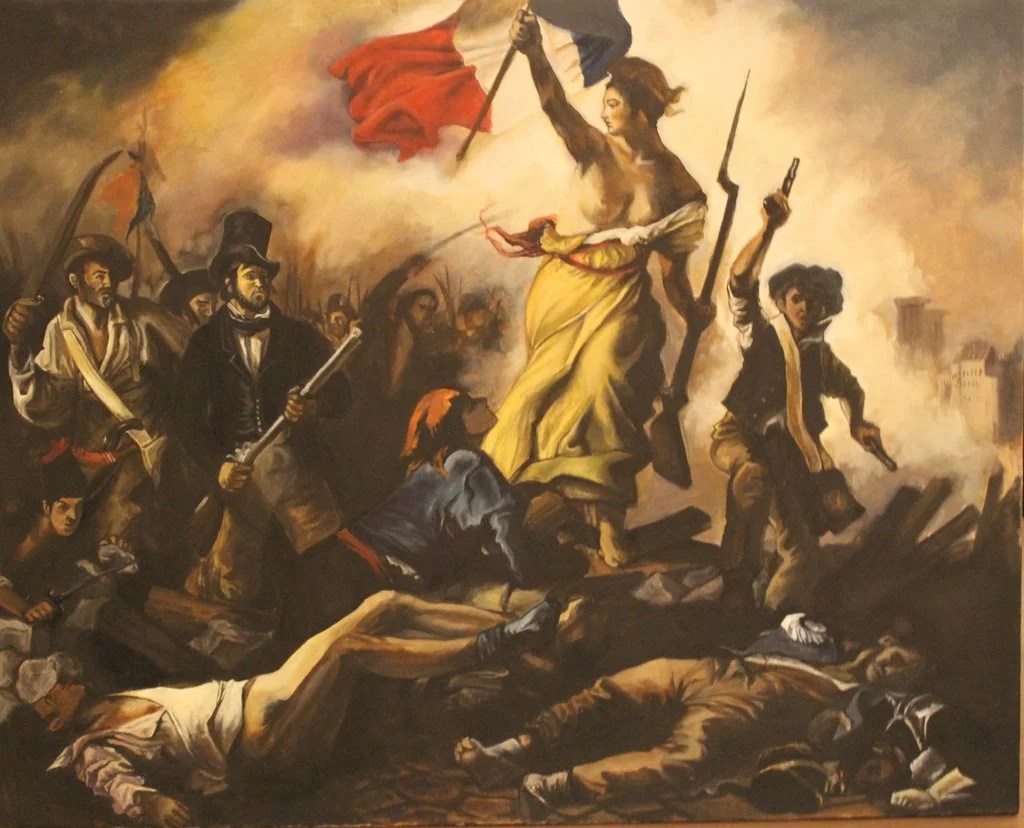
Thankfully, the tyrant abdicated–the revolution against his rule is also the subject of the Delacroix painting Liberty Leading the People-– and fled to England disguised as woman. The throne passed to his son, who likewise abdicated after a reign that lasted fifteen minutes.
Sadly, Charles did not yet have his own arch–the Arc de Triomphe would not be finished until six years after he’d fled France–and, even then, it’s sixteen feet shorter than the one the president* proposes for his snipers’ nest.
They don’t know they’ve been discovered by me, but, by golly, they have been.
Dea Matrona (“Divine Mother”) is a Belfast band whose core members, Mollie McGinn and Orláith Forsythe, are onetime schoolmates. They started out as buskers, playing on street corners, and now are a big deal.
Busking: (The drummer left to finish her education). Fleetwood Mac’s “Oh Well:”
Wait. Weren’t they starting another song at the end there?
Yup. Sure was. How can shoppers just walk past them? Well, that one fellow gets it
Now, they’re concert-ing.
Two more covers:
“Gloria,” from fellow Northern Irishman Van Morrison:
“Crossroads,” another from my day, by Cream:
And one of their own songs:
Another original, very Irish (the thorn trees and the horse are prominent in Irish mythology), but this is a song about hurting a loved one.
Yes, they are attractive and sexy and all that. But, far more important, they rock.
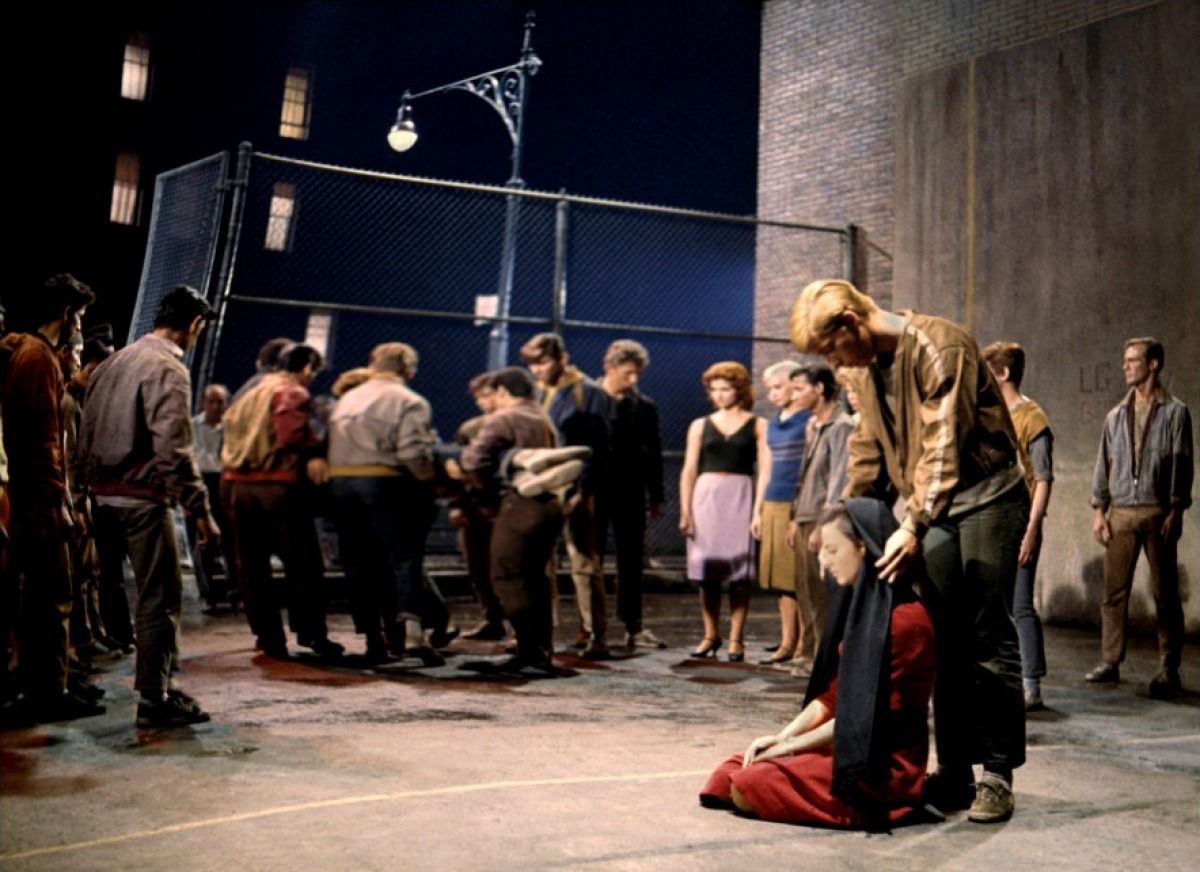
It’s almost a cliche now when two Sharks join the Jets in carrying Tony’s body backstage in 1961’s West Side Story. What I’d forgotten is this moment, when a Jet drapes Maria’s shawl over her head and shoulders, transforming her into a West Side Our Lady.
For those who object to a non-Latina, to Natalie Wood, playing Maria, her casting, given her Ukrainian ancestry, carries more freight today than it did in 1961. And, as the Jets recede from the playground, one of the last, Anybodys, is trans, a term that did not exist in 1961.
When Elizabeth and I watched the film again on TCM last night, the last people you see, beyond the chain-link fence, are the cops, with Chino, the shooter, in handcuffs. Then the screen goes black.
We’ve seen this film many times, but we went black, too. Silence. My inference is that the musical, in its 1957 debut on Broadway, was the same. Silence. It hurt too much.
It was also too powerful. The flip side of that 1957 reaction is that wealthy Manhattanites were suddenly confronted with the humanity of the Sharks and their barrio neighbors. They’ve had to deal with this discomfort ever since. The only one who hasn’t, from Queens, is the man who claims to be our president, the man who mocked Puerto Rico with an exaggerated Spanish pronunciation of the island and who flipped paper towels toward Puerto Ricans. hurricane victims, as if he were shooting free throws.
But he’s a despicable man, and he’s killed, through willful inattention, far more people than Chino or Tony.
We’re here! the film seemed to say about Latino immigrants. We were almost here! this border fence near Tijuana says about Mexicans found dead, dry as driftwood, in the desert on the far side of their border.
The late comedian Ralphie May, in an incredibly politically incorrect way, explained why deportation is an error in judgment:
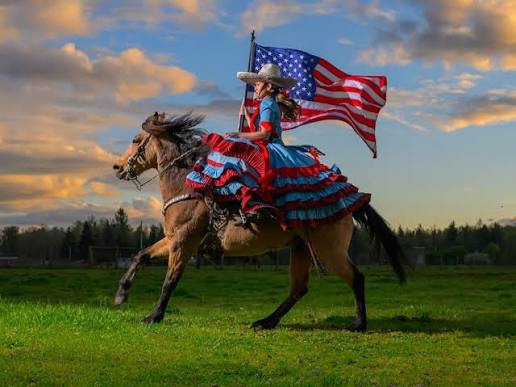
And in the casually insolent and imprecise way that typifies ICE, we run the chance of losing horsewomen. This Mexican is an American.
Returning to the East Coast, it was Wood’s Maria that brought us this:
And it think it’s safe to say that this film had the kind of staying power that compelled Spielberg, a film student as well as a filmmaker, to make his version:
And In the Heights took us into beauty parlors, bodegas and nightclubs inside barrios we would never otherwise imagine:
Antonio Banderas and Katya Virshilas took us farther south, to Argentina
As did Robert DuVall, dreamily on his way home, in Assassination Tango:
And now we are home: Academy-Award caliber Salsa, male, Eduardo, Despicable Me 2:
Home again. New York City again, Salsa again, but this time it’s Academy-Award caliber female. Penelope Cruz woos her police officer boyfriend, the late Paul Walker.
Oh, my.
And “home” implies a flag, a flag that you’re proud of. If you’re an immigrant from somewhere in Latin America, your “other” flag is the American flag: the flag of Los Estados Unidos Americanos.
I’m wearing a necklace that depicts the cross of St. Brigid, the Irish patroness, and Ireland is where many of my ancestors came from. I haven’t forgotten, and neither have these young people forgotten, our long-ago homelands. There is great joy to be found in remembering our origins–remembering, I think, only intensifies the joy we once felt–and seek to fell again–in being Americans.
“Hope” is the thing with feathers – That perches in the soul – And sings the tune without the words – And never stops – at all – And sweetest – in the Gale – is heard – And sore must be the storm – That could abash the little Bird That kept so many warm – I’ve heard it in the chillest land – And on the strangest Sea – Yet – never – in Extremity, It asked a crumb – of me –
Emily Dickinson
Studies show that 30–50% of patients experience clinically significant depressive symptoms within the first year after craniotomy, with the risk highest in the first few weeks to months. This is especially true if the surgery was for a brain tumor or other neurological condition, where the trauma, changes in brain chemistry, and situational stressors can trigger depression.
“Dr. Google”
Yep. Just hit this rut in the road, realizing it last night: lethargy, irritability, loss of interest, loss of motivation.
So, it’s time to turn to Hope. This blog post is for me, but it’s for you, too.
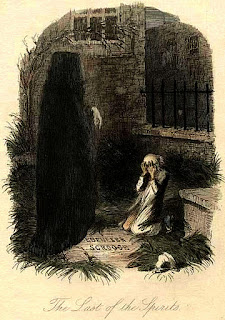
“Before I draw nearer to that stone to which you point, tell me! Are these the shadows of things that must be, or are they the shadows of things that MIGHT be?” Ebenezer Scrooge, to the Ghost of Christmas Yet to Come.
The president tonight will make an “address to the nation,” and even that’s a lie. It’s instead an address to the 36% of Americans who are likely to believe him, including what’s expected to be his relitigating “widespread voter fraud” (34 documented cases) in the 2020 election.
What makes tonight sobering is that Trump doesn’t need the other 64% of America, whose concerns, six years later, include inflation, an unwinnable war of aggression and ICE homicides.
All Mr. Trump needs are True Believers. They can guarantee a perpetual stay in power that will last beyond his lifetime.
History is instructive.
–In 1793, Robespierre’s Jacobins were a minority in the National Convention, the French revolutionary government. Military setbacks and the attempt by the royal family to flee France generated enough fear to put Robespierre in power. The Reign of Terror. symbolized by the guillotine–the “National Barber”–followed, until Robespierre himself died as his blade fell.
–Lenin’s faction of the Russian socialist movement were “Bolsheviks”–the majority. That’s a lie. Lenin’s followers were far outnumbered by more moderate socialists, led, from March 1917, by Alexander Kerensky. In October, Lenin and his then-comrade, Leon Trotsky. engineered a coup that toppled Kerensky. Opposition parties were banned. newspapers shut down a “dictatorship of the proletariat” (working class) began.
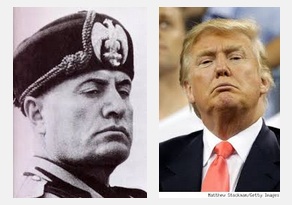
–In 1922 Italy, 50,000 Blackshirts staged the March on Rome. Their leader, Mussolini, took a train. Frustrated by a socialist parliamentary majority in the 1920 elections and an anti-Fascist general strike a year later (when the Fascists won two of 535 seats in the Italian parliament), Mussolini gambled. He was betting against a government that had signed an unpopular peace treaty and on a stagnant economy. He won. The government collapsed.
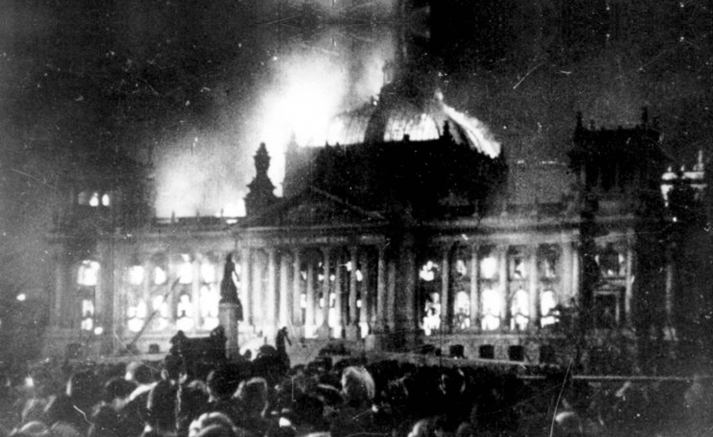
–In the midst of a Depression that hit an already weakened economy, Hitler’s National Socialists won 38%–their electoral high-water mark–to the Reichstag. They used their power to delay legislation, heckle opposition speakers and render the Reichstag impotent. That immobilization led to Hitler’s appointment as chancellor. Four weeks later, the Reichstag was set afire by an arsonist. A convenient suspect, a Dutch communist, was guillotined the following January. In the meantime, due to the “National Emergency” represented by the fire, Hitler became Fuhrer.
Our Reichstag Fire moment may or may not come tonight. But it’s getting closer all time—and all it takes is a minority to make a dictatorship.
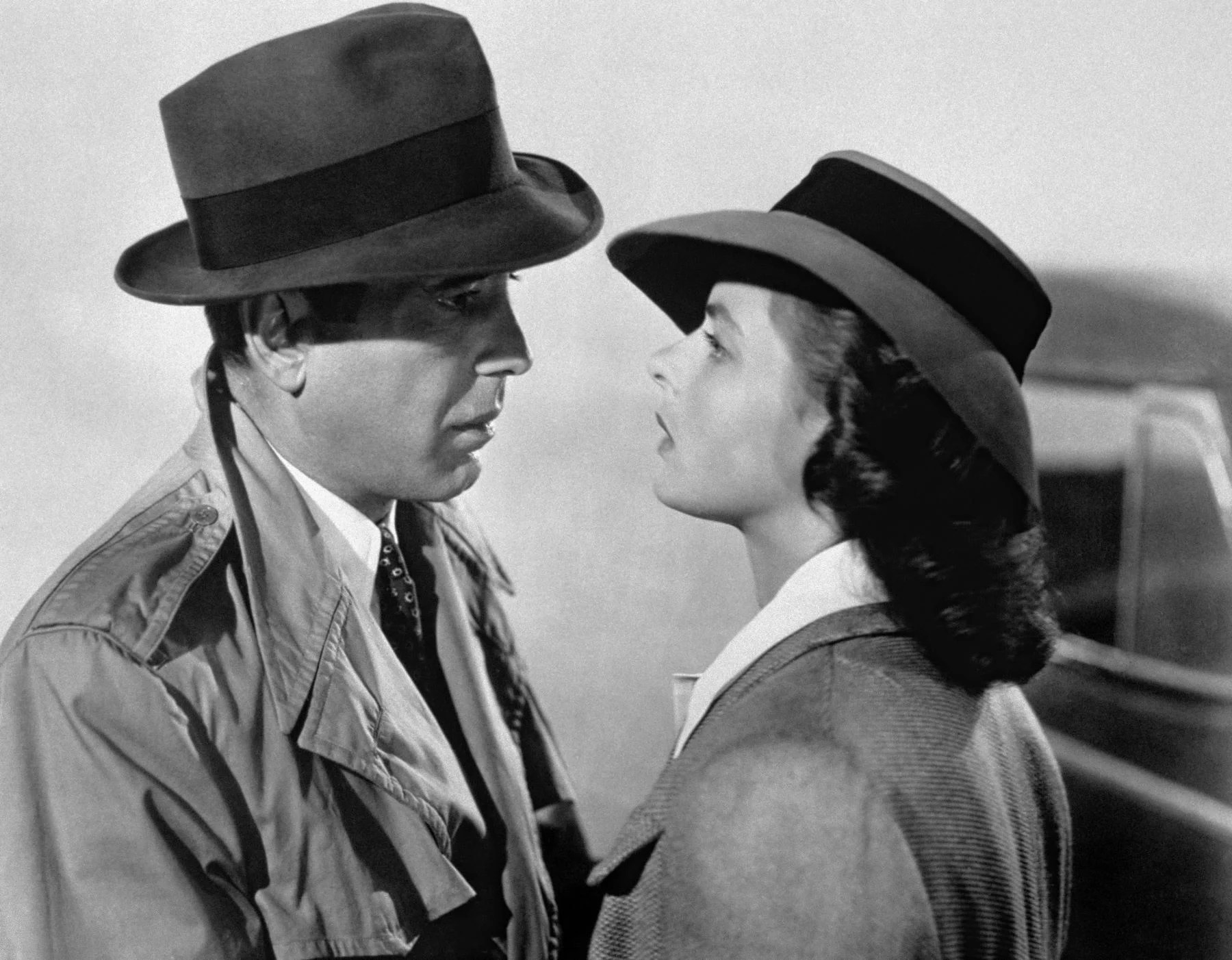
You would think that since Casablanca is my favorite film, I would give its director, the Hungarian expatriate Michael Curtiz, the praise he deserves.
Nope.
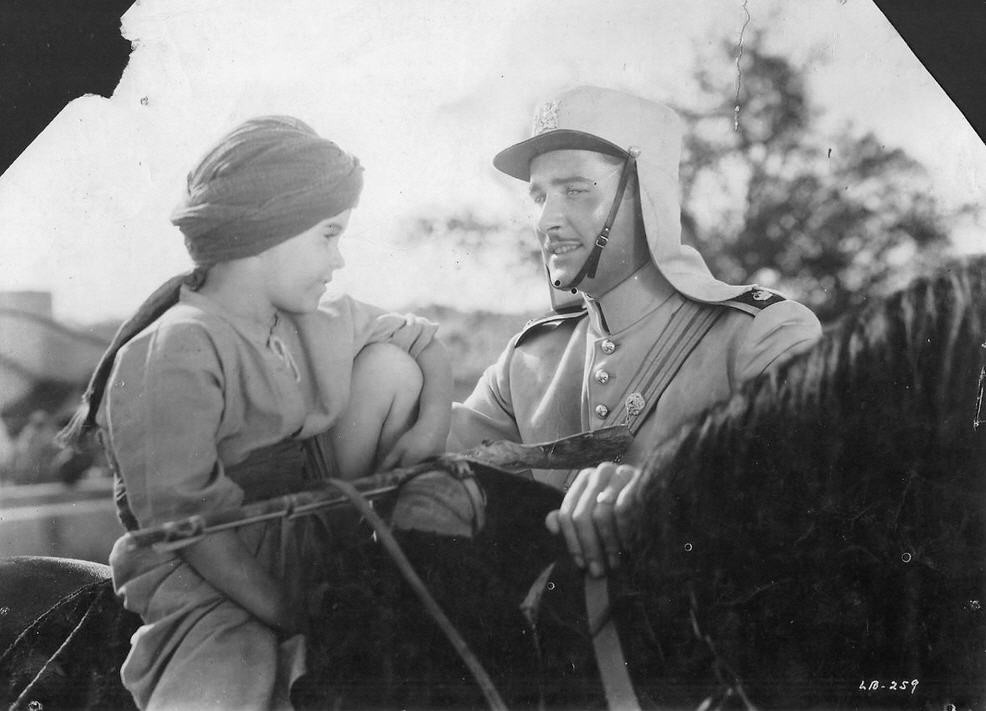
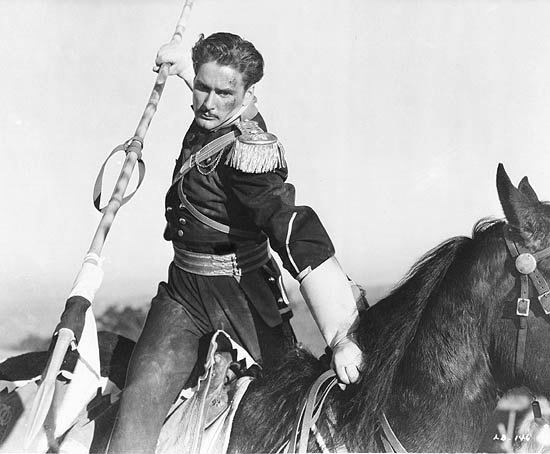
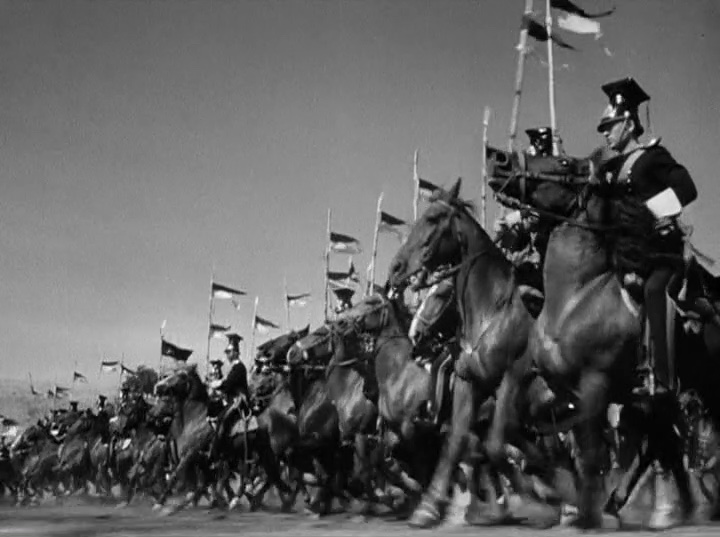
That’s because I watched The Charge of the Light Brigade (1936) yesterday on Turner Classic Movies. Several grievous errors appeared.
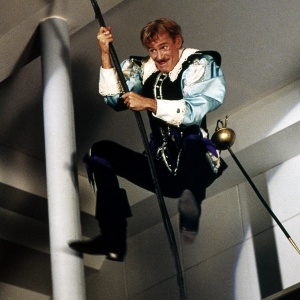
It starred Erroll Flynn, whom I dislike for his smugness. He was brilliant playing an alcoholic swashbuckling actor in 1982’s My Favorite Year. Unfortunately for the then-deceased Flynn, that film actually starred Peter O’Toole.
2. Light Brigade also starred Olivia de Haviland, the insufferable Flynn’s co-star in several Curtiz films. Did this poor woman not suffer enough as Melanie in Gone with the Wind? (The correct answer is “yes.”)
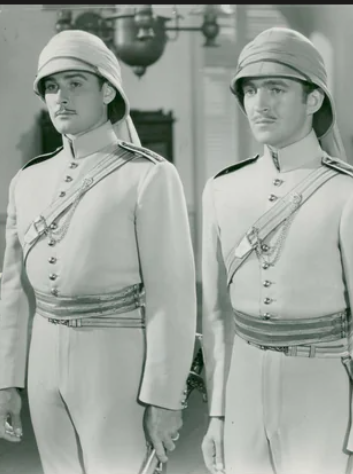
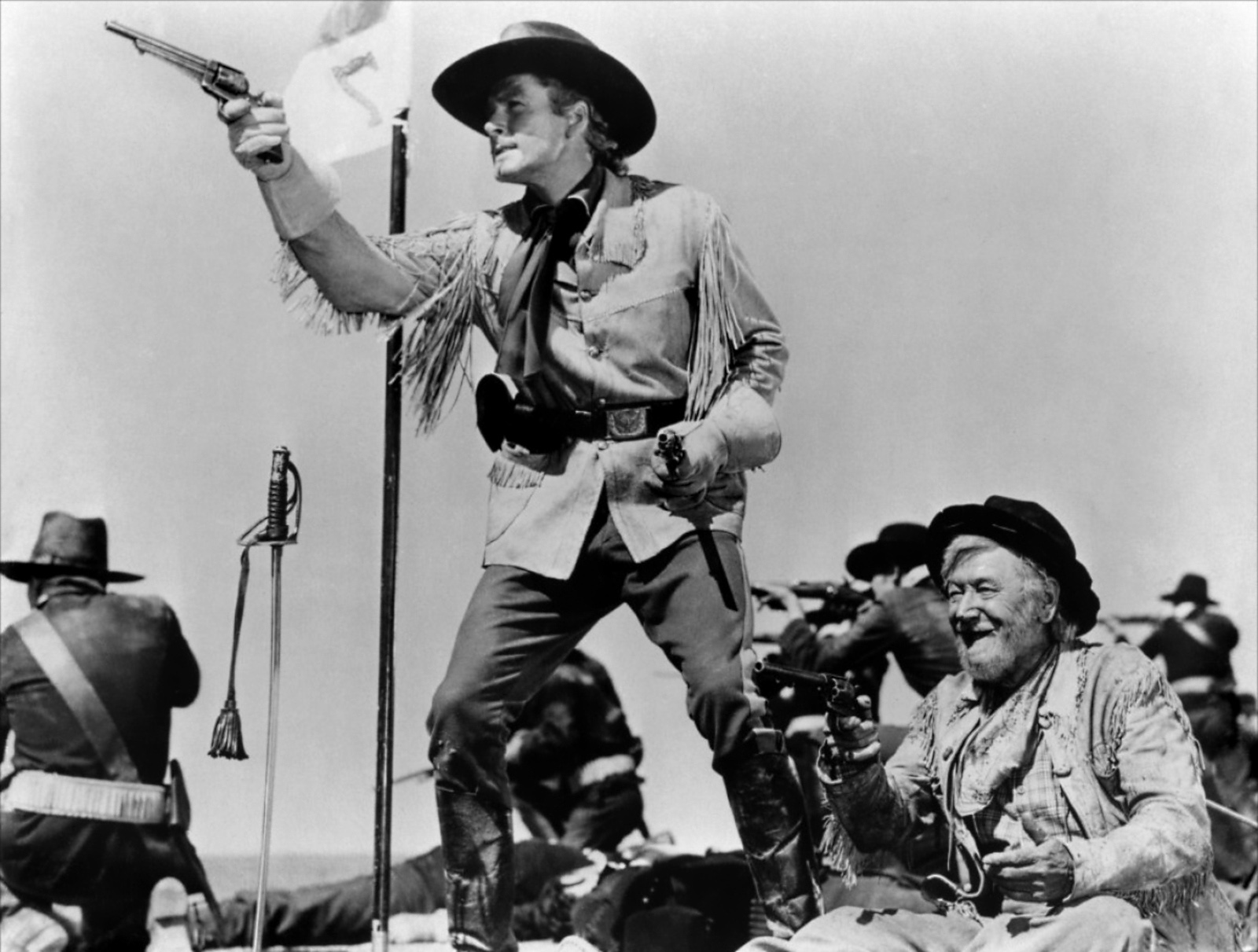
3. The script called for killing off David Niven (at right) halfway through the film. YOU DO NOT KILL DAVID NIVEN OFF HALFWAY THROUGH ANY FILM! Erroll Flynn is expendable, but they wait far too long in this film. At least Raoul Walsh had to wait to send Flynn’s Custer, in They Died withtheir Boots On, to the Underworld, but Flynn was Australian, after all.
Flynn and the wonderful David Niven.
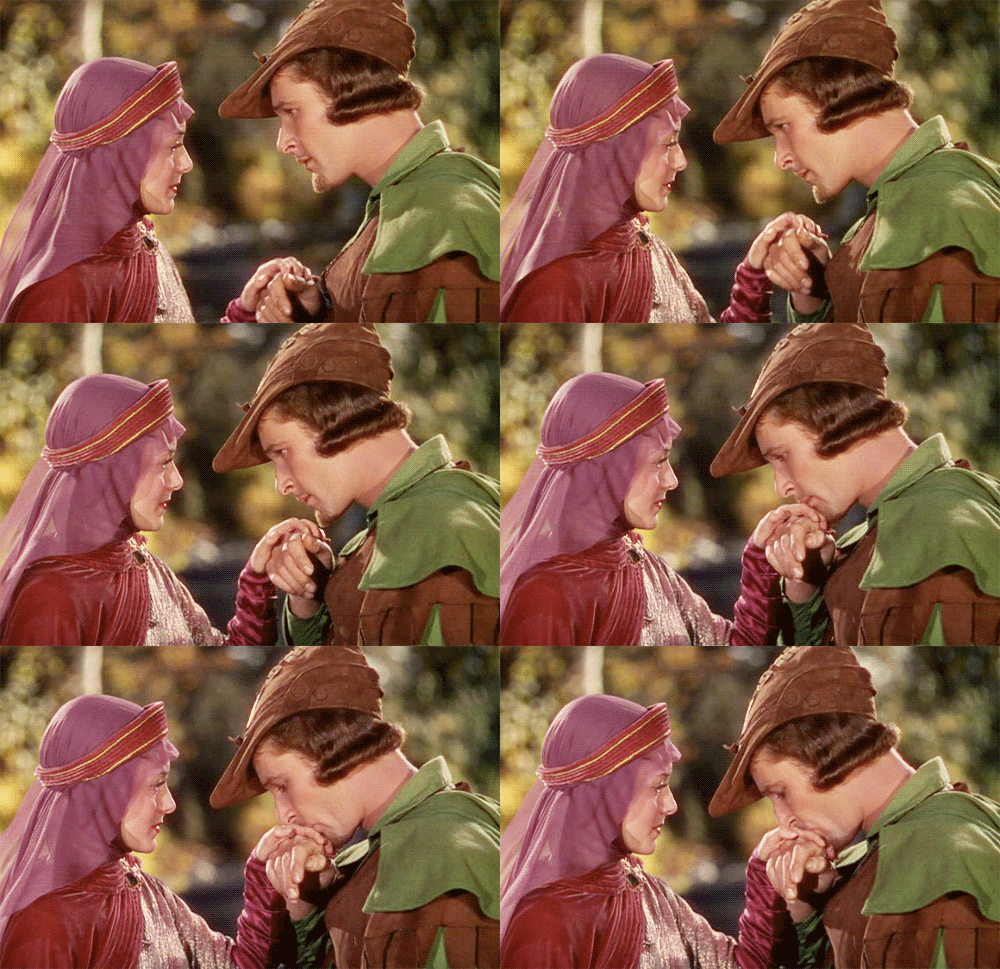
Flynn as Custer; Olivia de Haviland at lower right.
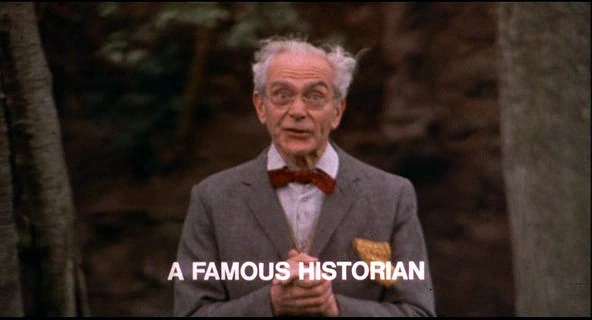
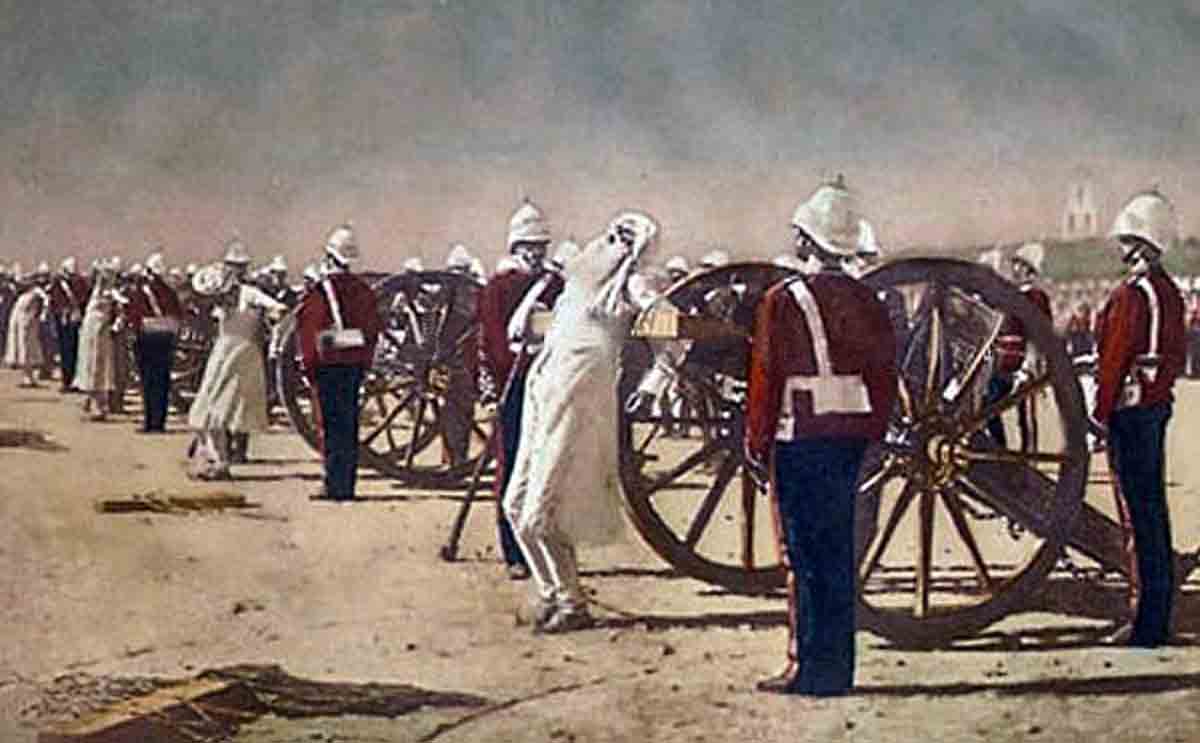
4. The script called for a stiff upper-lip British defense against the Sepoy Mutiny in British India–Sepoys were Indian soldiers and were treated with spectacular insolence–followed by the Charge of the Light Brigade in the Crimea. But some fuddy-duddy historian—possibly the one in Monty Python and the Holy Grail—pointed out that the Sepoy Mutiny occurred three years after the Charge of the Light Brigade. Damn. Get me rewrite, The British, by the way, dealt with the Sepoy Mutiny with all the charm of, say, David Niven. They lashed the accused mutineers to the ends of cannon barrels. Then they fired the cannons.
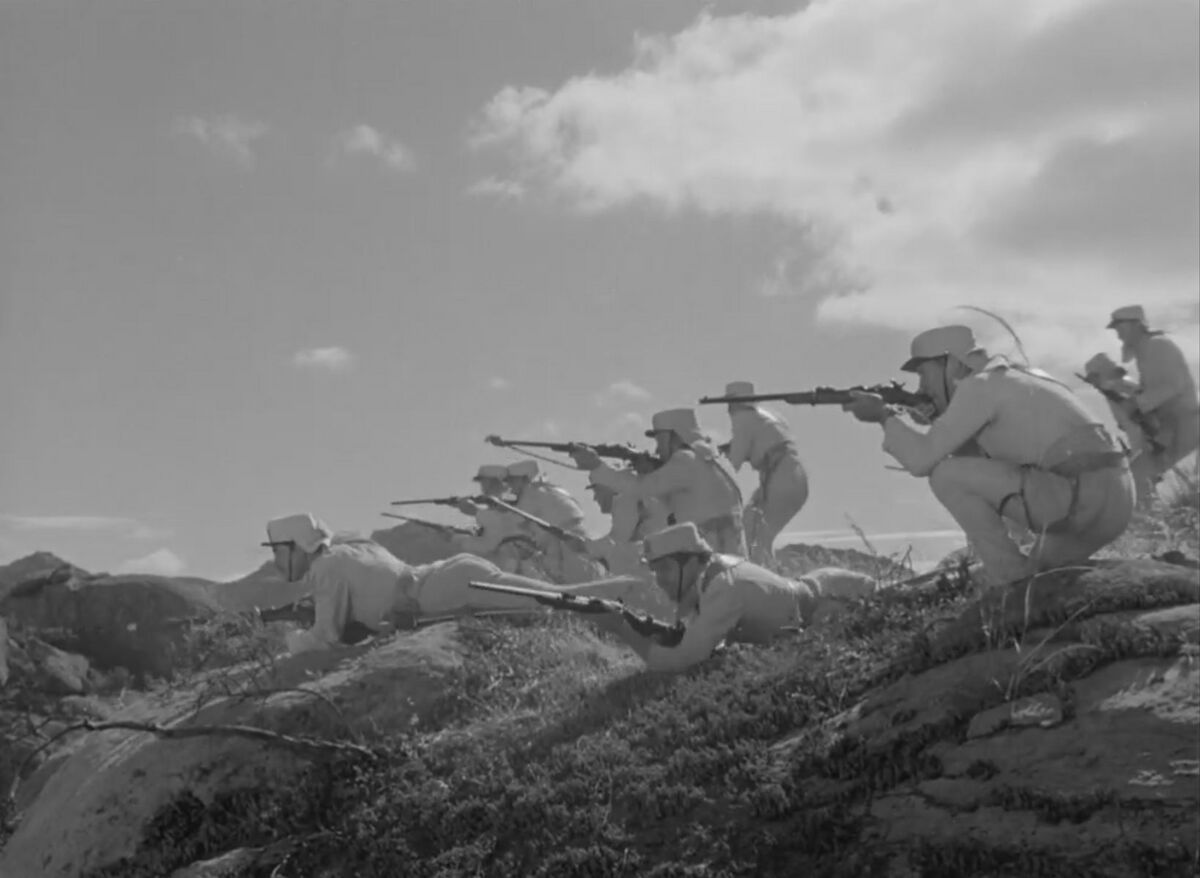
5. People more informed about weapons that I am also pointed out that the British, in this film, were using Model 1873 Springfield carbines, difficult to do in the mid-1850s. Custer’s troopers—there’s Erroll Flynn again!— used them at the at the 1876 Battle of the Little Bighorn. A fat lot of good it did them. (The shells. supplied by a Department of War just as competent as today’s, refused to eject properly.)
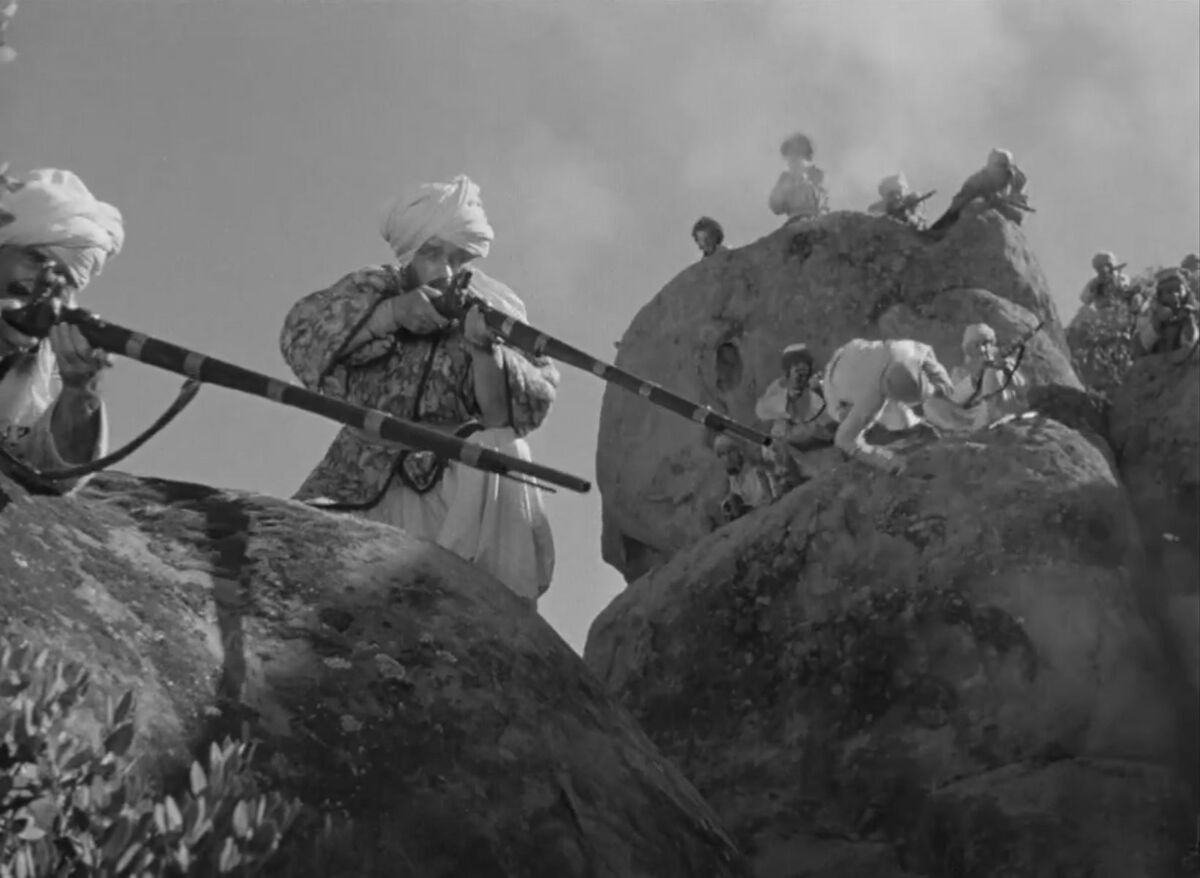
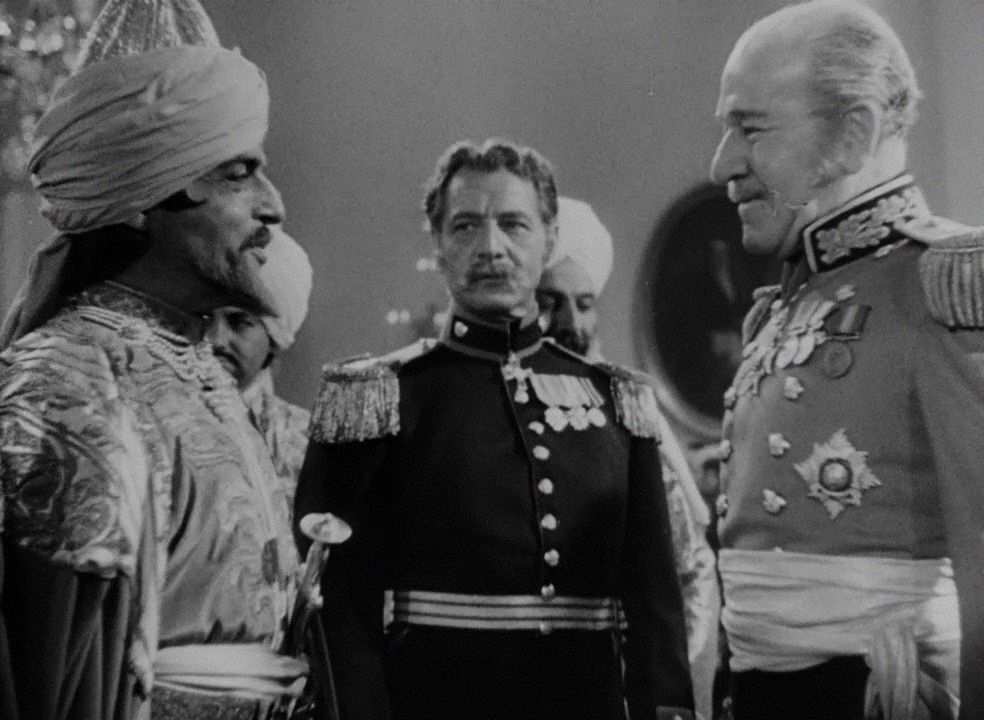
6. Flynn was known for his affection for children, especially teenaged girls. Light Brigade provides a gratuitous chubby little boy, the son of a Sepoy non-commissioned officer. The boy advances the plot, thankfully, by getting killed. His killer. an evil prince, Surat Khan, leads the savages that kill women and children, that terrible man, after fooling Flynn with a fake truce, sort of like the one that today governs the Strait of Hormuz.
Boy howdy, I guess you can learn stuff from history.
Khan schmoozing with the British
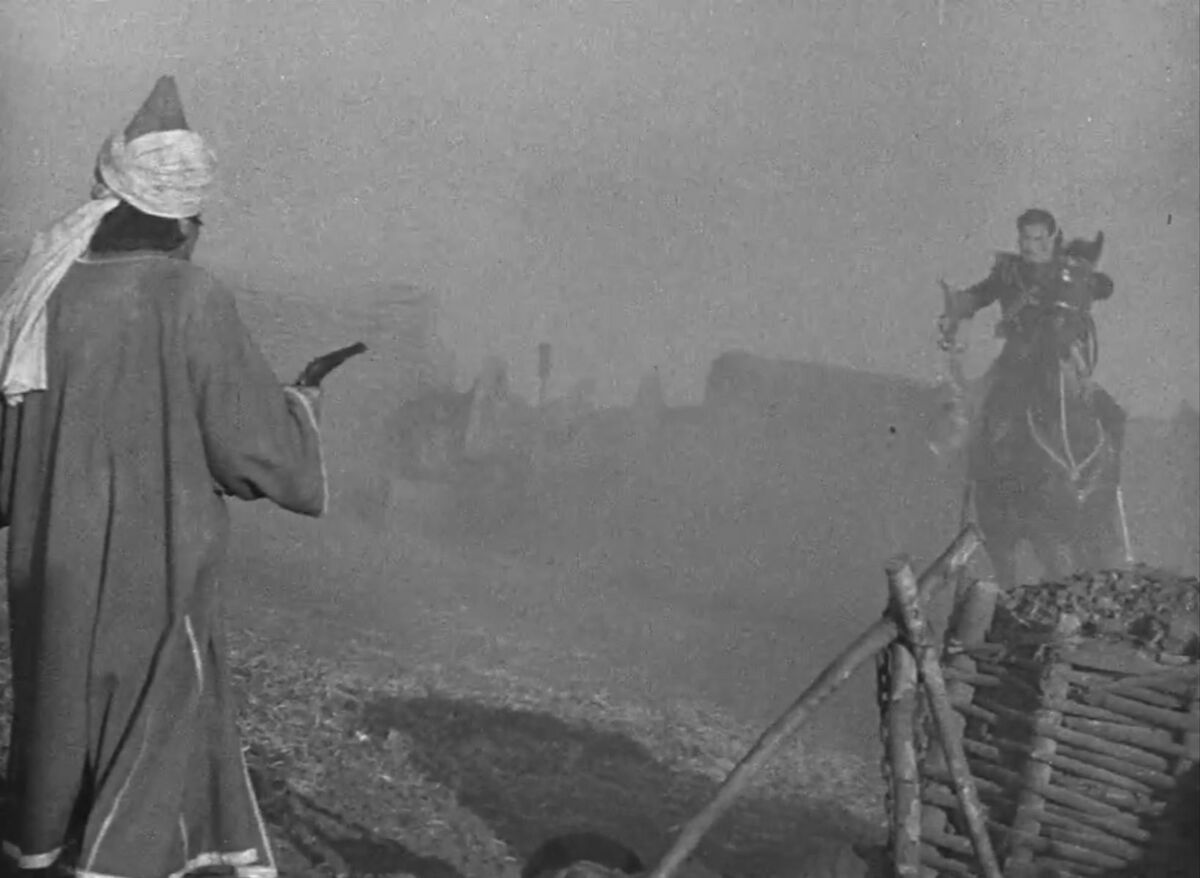
8. Somehow, the villain Khan winds up in the Crimea with the Russians. Maybe it’s because Putin has a dacha there. I don’t know. Flynn charges with the Light Brigade and becomes dead, but not before making Khan more dead. Justice is served.
Khan with stupid pistol.Enter shower sound effects, Psycho.
9. The main order of business: Hating Michael Curtiz
Most of this film is set in India, where it alternates among treacly romance, casual racism and leaden humor.
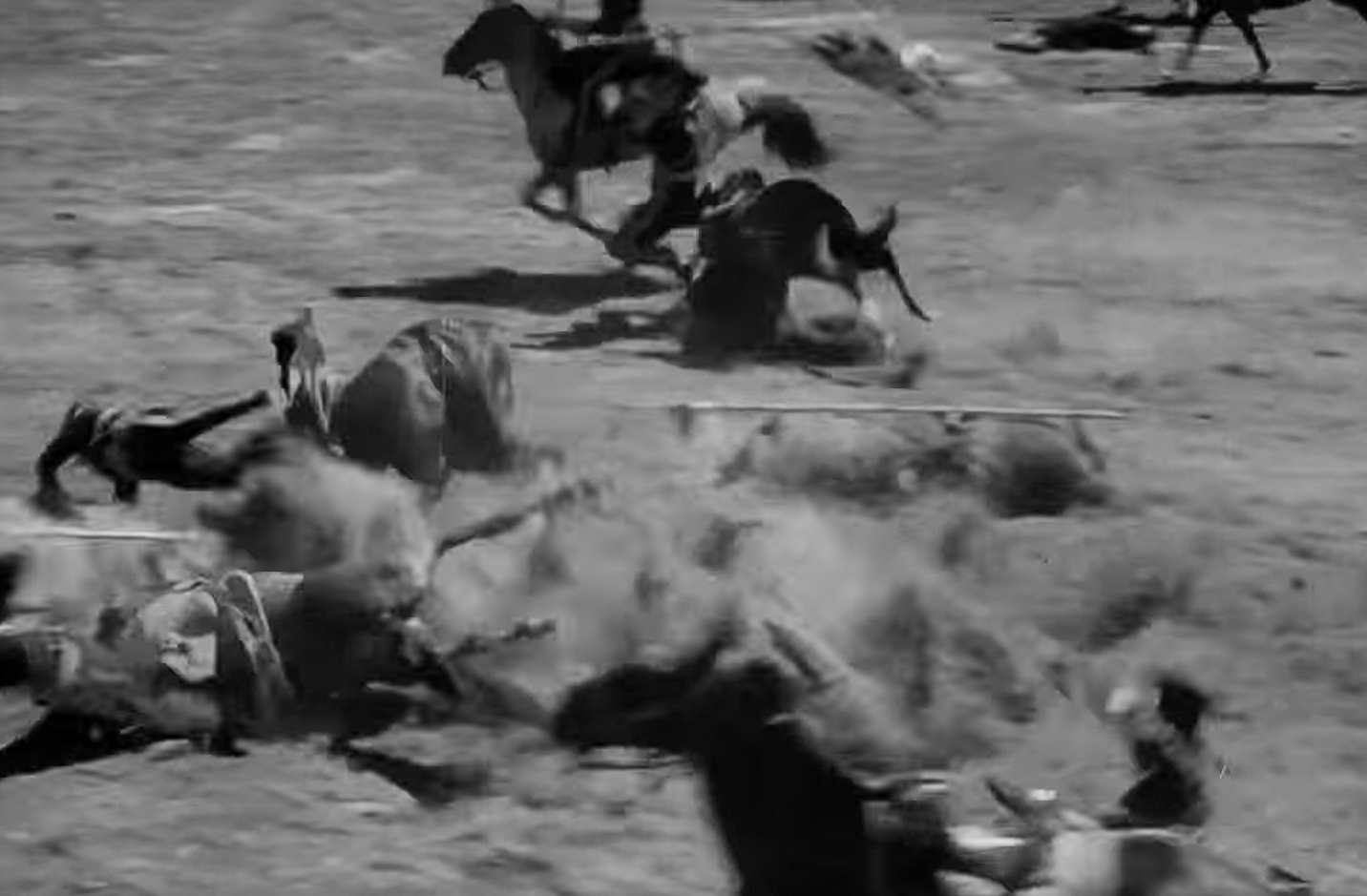
But the last fifteen minutes, the cavalry charge, is one of the most stunning action sequences I’ve ever seen on film. “How did they get the horses to fall like that?” I asked my wife, Elizabeth, as they were mowed down by Russian cannonballs.
It turns out that Michael Curtiz used tripwires. One hundred twenty-five horses were used in the final sequence of the film. Twenty-five of them were killed.
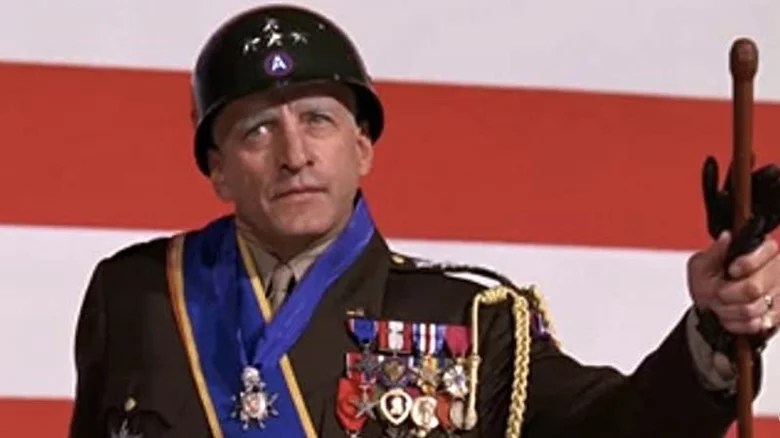
If justice is truly served. Michael Curtiz is shoveling horse manure in hell. Or, to borrow from Patton, in Louisiana.