• About
  • The Germans

A Work in Progress

A Work in Progress

Category Archives: Film and Popular Culture

From Here to Eternity

10 Thursday Dec 2015

Posted by ag1970 in Film and Popular Culture, History, World War II

≈ 2 Comments


montgomery clift & burt lancaster - from here to eternity 1953

Montgomery Clift, as Prewitt, and Burt Lancaster, as Warden, share a bottle in the middle of the road.

From Here to Eternity was on television again last night and I watched it again; in fact, it may be catching up to John Ford’s The Searchers and Milos Forman’s Amadeus as among those films I’ve watched the most.

James Jones’s novel was brilliant and compelling, and Hollywood managed to make a film, an Academy-Award winner, that was just as good. It’s one of the most satisfying films for me to watch, which doesn’t mean it has happy endings: instead, everything that must happen to the major characters eventually happens. You don’t even necessarily root for them because you know full well that they’re all condemned, in some way, by forces too powerful for them to master and too complex for them to articulate, so any cheerleading is futile. But you genuinely admire them: this is my favorite Burt Lancaster film (Elmer Gantry is a close second) and what his Top Sergeant Warden shares with the defiant Montgomery Clift’s Prewitt is an incredible integrity and, in the end, a fierce devotion to The Company that will cost Prewitt his life.
 

46454859.cached

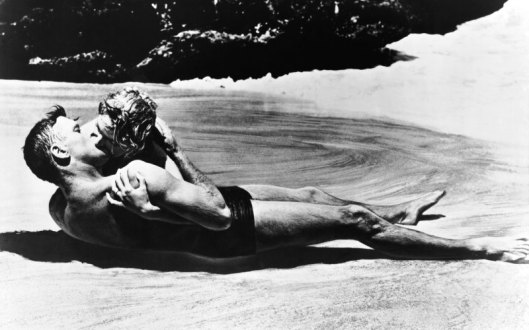
The kiss: Burt Lancaster and Deborah Kerr.

Of course, the most famous, and most parodied, scene in the film is the kiss in the surf between Warden and Karen Holmes, the frustrated, defeated wife of Capt. Holmes, the company commander so insistent on returning Pvt. Prewitt to the boxing ring. Holmes deserves everything he gets–one of the most enjoyable scenes is watching him get his just reward at the hands of Schofield Barracks’ C.O.–and it is Warden who gives Deborah Kerr’s Karen Holmes, if only briefly, the passion and the hope that you want her to have. She’s not a bad person–she’s made, in her marriage to a weak man, a bad choice. She knows it, which makes her decision at the film’s end noble, heroic, and tragic. She has integrity enough to match Warden’s.

This is the film, of course, that revived Frank Sinatra’s career, and he is terrific as Maggio. He has both a Brooklyn toughness and a kind of lost-puppy vulnerability and–that word again–his foolhardy integrity in standing up to the sadistic stockade sergeant, Fatso Judson, seems to be something that Maggio is compelled to do. It’s his destiny. When he finally does go to the stockade, where he’s beyond Prewitt’s protection, it’s a death sentence, and when he describes how he dies while in Prewitt’s arms, it’s a superb piece of acting.

So is the drunk scene between Lancaster’s Warden and Clift’s Prewitt. It is so arresting because it is so funny–you wonder if the two really were lit when they filmed it–but it’s also so revelatory because nowhere in the film, even with Karen Holmes, is Warden so tender and compassionate as he is with the company troublemaker, Prewitt. It’s this scene, and one shortly after, where bugler Prewitt plays two stanzas of the purest, most evocative version of “Taps” ever recorded, that makes the two protagonists’ devotion to The Company and to The Army so understandable.
 

Annex - Lancaster, Burt (From Here to Eternity)_05

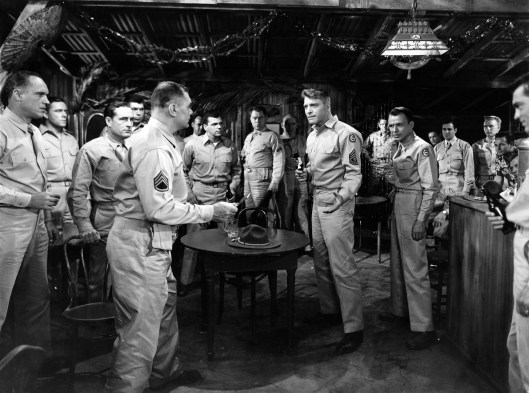
Warden intercedes to protect Pvt. Maggio (right, Frank Sinatra) from stockade Sgt. “Fatso” Judson (Ernest Borgnine).

The film also has a compelling fight, though tame stuff by the standards of today’s gore, between the hapless Prewitt and a sadistic noncom, Sgt. Galovich, who proceeds to beat Prewitt to a pulp. Prewitt, who refuses to box for The Company, won’t fight back. When he finally does, with a flurry of body blows, you want to cheer, and when the tide begins to turn against Galovich, you don’t want the inept Capt. Holmes to stop it. You want Galovich obliterated. But when Holmes does finally step in, late, it’s the captain who’s the victim, because the fight has been witnessed by two of his superiors at Schofield who decide to investigate Holmes’s feckless command of The Company.

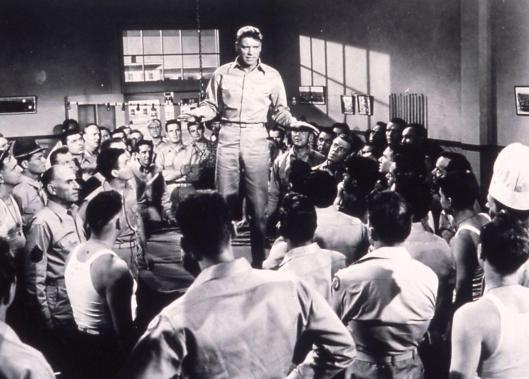
It’s Warden who is the real company commander. As a master of red tape, an almost clairvoyant anticipator of The Company’s crises and needs, contemptuous of weakness in his subordinate noncoms and even more contemptuous of all officers, especially his C.O., Warden is the perfect bureaucrat. Until Pearl Harbor. Then you see the Top Kick rise to the occasion and become the one man in The Company who keeps his head, giving rapid-fire and perfect orders to his men (“Make a pot–no, a barrel!– of coffee!” he snaps to the company cook.), then climbing to a barracks rooftop to bring down an attacking airplane with a .30-caliber machine gun. He becomes a warrior. Part of me doubts that Warden would survive the war, because so many good leaders like him would be weeded out by attrition as we learned to fight in places like Guadalcanal or North Africa, places with unforgiving learning curves. The war would cheat us of our Wardens.
 

77178-004-F46E8E0B

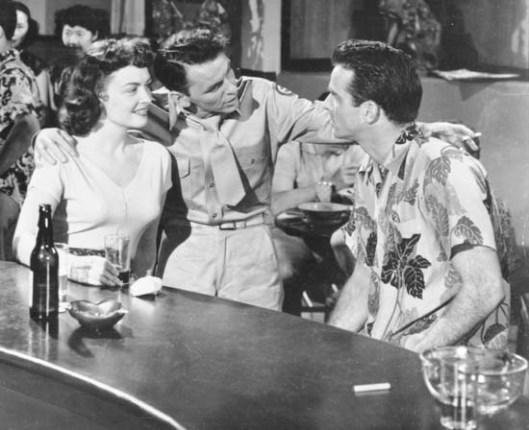
Lorene, Maggio and Prewitt at the bar of The Congress Club.

The only careless element in a terrific ensemble cast is, to me, Pvt. Prewitt’s love interest: Donna Reed’s character, Lorene, a working girl at The Congress Club, a bar/brothel that Schofield’s GI’s frequent. It’s as if the scriptwriters and director Fred Zinnemann can’t quite decide what to do with her. They’ve got to fly a prostitute under the radar of 1950s film standards, so she winds up coming off as more of an undergrad at a Midwestern university instead of a Honolulu bargirl. Her earnest, intellectual roommate has their house full of books. So she is unconvincing, which I don’t think is Reed’s fault: she’s a victim of the one bit of indecision and timidity in a film that is otherwise so honest.(To be honest, Reed may be a victim of my own Baby Boomage and her housewife/mother role from The Donna Reed Show, but Borgnine’s malevolent Fatso is sublime; he transcends his turn in McHale’s Navy.)

But Reed earns redemption as an actress in the film’s denouement, when she speaks of Prewitt as a war hero and you realize that Lorene, with her fantasy of making enough at The Congress Club to build herself and her mother a little home in Oregon, is and always has been gently unhinged. Nothing good will come of Lorene: she will drift away, like the leis the women toss onto the ocean’s surface from the rail of their steamer bound for the States. Only one character will never drift away and will always have a home, and that’s Top Sergeant Warden.
 

still-of-burt-lancaster-and-tim-ryan-in-from-here-to-eternity-(1953)-large-picture

Top Kick Warden takes command, December 7.

 

Why I Love “Lost in Translation”

01 Thursday Jan 2015

Posted by ag1970 in Film and Popular Culture

≈ Leave a comment

Tags

film, popular culture

lost-in-translation-3

Goodbye.

I think we have lost the feel a great writer has for knowing what to leave out of a story. I don’t want to know if Rick slept with Ilse that night. Not seeing the Great White in “Jaws” or the Comanches early on in “The Searchers” made both films terrifying.

And Sofia Coppola knew what to leave out in “Translation, ” including the ending we knew, if we were honest with ourselves, that was the ending we really wanted.

Coppola has too much integrity for that, and it’s integrity that makes Murray and his character admirable. It is his integrity that makes it so plausible that a young woman might fall in love with him—his Ichabod Crane-like arms and legs an insult to Japanese  interior design— and especially a young woman so intensely aware that she is lost.

Steinbeck wrote about opening a book and letting the stories crawl in by themselves, and Coppola knows how to do that,  too. The episodic and seemingly inchoate structure of the film reflect the reality of traveling in a strange land and of traveling through a life so foreign to the dreams either Murray or Johansson might once have dreamed.

maxresdefault

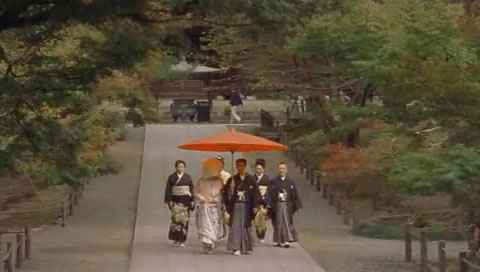
And Japan is a strange land. It is frenetic and crass and as fake as karaoke and it is also impossibly beautiful and the Japanese themselves impossibly graceful. My favorite moments are some of the briefest–Murray’s tee shot with Fuji anchoring but not dominating the beauty of the scene, of a man alone, and then we see Johansson, alone, the serenity and sensory delight of her walk in a Kyoto park shattered by an interruption: a traditional wedding party flanks a youthful couple who are committed to each other and to— -and also because of—tradition.

lost-in-translation-wedding-2-lg

Johansson is so beautiful, but is the only beautiful thing alive in that park without roots, and she knows it.  She is ready to commit herself and to dedicate her life,  but there are no roots and there is no soil. Her ache for them is heartbreaking.

Scar-Jo-Window-Scene

Murray’s life might seem barren, too, when long-distance conversations about floor covering seem to take on the weight of the Versailles Peace Conference. He is not in love,  but he is dedicated to his marriage and he is committed to his family,  and duty may be a poor substitute for love,  but it is profound bravery, and there is no substitute for that. The film is so bittersweet because you know, in the very last moments of his life, Murray will return to that final embrace on the Tokyo street. This time he will not let go. And then, of course, because it is the end of his life, he will let go of it all, let go of her, give her, once again, the freedom to find her way as she was always meant to do.

lost_in_translation-murray-1

Connections

14 Thursday Aug 2014

Posted by ag1970 in American History, Film and Popular Culture, Personal memoirs, Teaching

≈ Leave a comment

Robin Williams and his daughter, Zelda

Robin Williams and his daughter, Zelda

My eyes popped open at 3 a.m. A woman way over on that Other Coast read the thing I wrote about depression and I realized–you could fire a nail gun at this Irish skull and they’d bounce off, bent and useless–I needed to “friend” her, because no one in her family understands what it is she is suffering. I found her page and, of course, was not surprised at what I found: a vibrant, smiling woman with beautiful children–they look grown now–whose faith life is very important to her. I liked her immediately.

Of course this reminded me of Joe Loomis who, again, took care of me after my Mom died. This is that “paying it forward” business.

This is my space, so I get to ramble.

 All of this in turn reminds me of why I became a history teacher. We are not, in the end, fractured and alone–sorry, existentialists. We are all in some way connected to each other and we all have obligations that we may not even be consciously aware of to take care of each other: if you’re lucky, and had the kind of parents I had, then you commit your life to acting on those obligations no matter what you do “for a living.”

This is why so many locals love John Gearing, who works at the cemetery and had the article in yesterday’s Tribune. John has dedicated his life to caring for that cemetery and in the process has become, because of his compassion, a great comfort to those who have lost loved ones.

What John does is so important because my calling has led me to understand that we are connected even to the dead: I have never felt more heartbroken than I did in Anne Frank’s home in Amsterdam, nor more intimate with a family I had never met. I wanted to go backward in time and rescue her and the Franks from the evil that would sweep them up, but then I had to remind myself that Anne was fulfilling her obligation to all of us, at a terrible, terrible price. She reminds us, to this day, of what it is to be human, reminds us that we have a purpose, even in a life so brief, and she reminds us, too, that what we do matters.

The wonderful thing about history is realizing that the dead are not really dead. They stay with

John Gearing

John Gearing

us. They walk with us on our journeys, and, if we pay attention and are watchful, they light the path ahead for us.

The Bravest Soldier

14 Thursday Aug 2014

Posted by ag1970 in Family history, Film and Popular Culture, Personal memoirs

≈ Leave a comment

fd9a12bb7240bd0b539fb3fd3663c4c92be4e37c

Heartbreaking.

This is what happens: A voice is born inside you. It lies to you –and it is so persuasive–and it never, ever lets up: it tells you that you are no good, that you are weak, that you are a failure, and you go through life the way I have been the last few weeks after minor surgery, as if you’re on crutches, like I was, when sometimes anything you do demands the greatest effort to achieve the smallest of results.

It’s a drumbeat in the background every waking moment of your life, and you use alcohol or work, and I’ve used both, to mute the sound of that voice. It’s not a surprise to me that he is dead. What he lived with in the murmur of that insistent voice for 63 years was a burden that would crush anyone else in a matter of weeks.

The fact that he fought this for so long–and gave so much joy in the process–speaks to me of a man with courage beyond understanding.

That voice has spoken to me. It took my mother’s life. We are not weaklings, we are not failures, we are not cowards. (Those ads for suicide hotlines? The voice tells you that making that phone call is confirmation that you are a coward.)

Finally, we are not “selfish.”

We have a disease that turns every day into combat and the trick isn’t to win, because you never will. The trick is to fight that lying, seductive voice inside to a draw. The next day you begin again. Robin was simply exhausted from fighting not one, but two, diseases. Civil War soldiers remembered that the comrades who finally, finally broke and ran were the bravest soldiers they’d ever seen.

I hate rudeness in a man…

28 Monday Jul 2014

Posted by ag1970 in Film and Popular Culture, Uncategorized, Writing

≈ Leave a comment

This photo of my grand-niece Sarah, a gifted horsewoman–she is lovely, like her Mom–set me to reminiscing about the miniseries Lonesome Dove, and what a grand job they did of making the TeeVee Machine literate for those nights. I will never forgive the cable company which dropped the signal the last half-hour of the last episode.

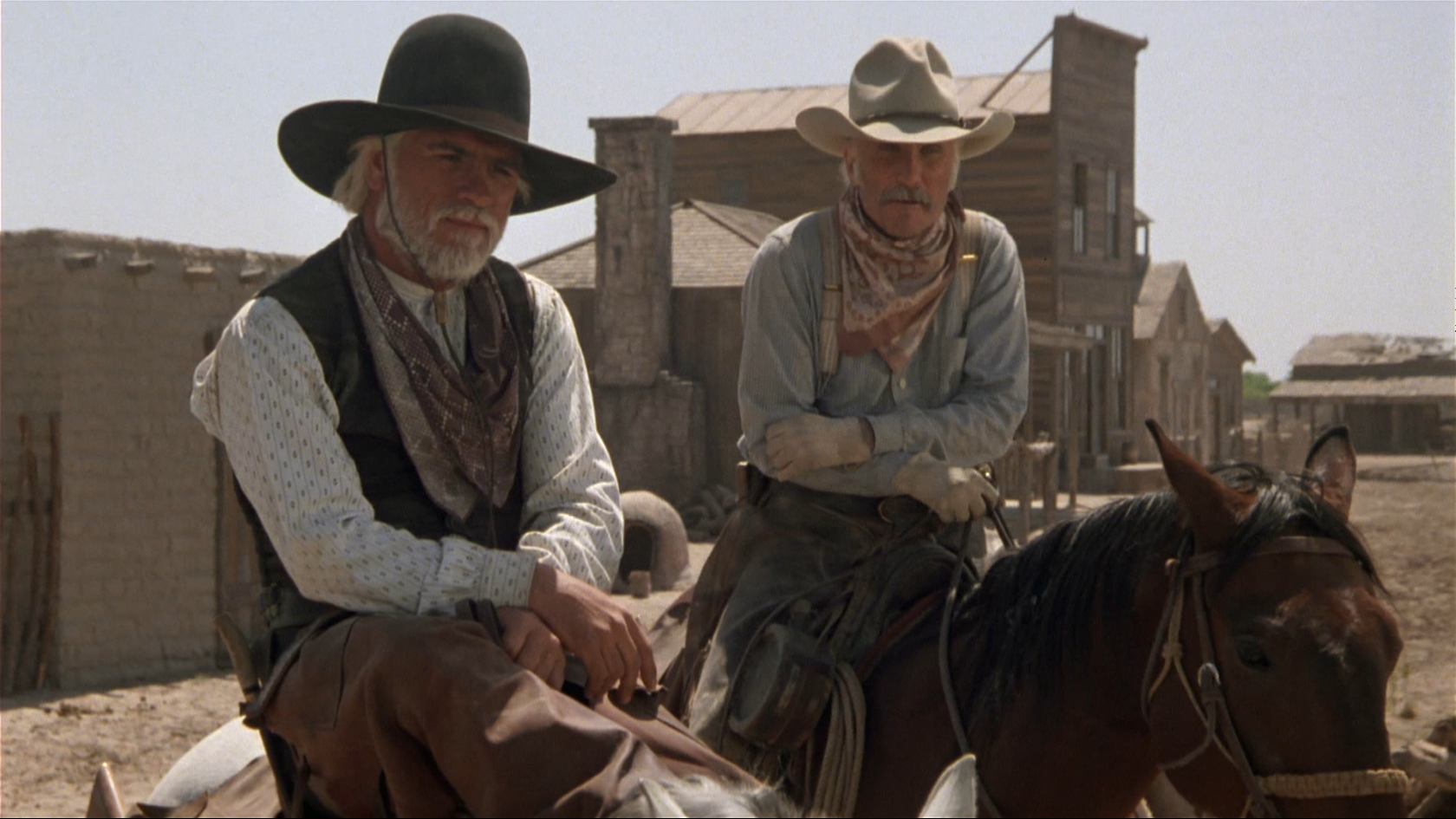
I have said it before, but the scene that still stands out is when a vicious cavalry scout is beating Woodrow Call’s illegitimate son, Newt, with his quirt. Woodrow–Tommy Lee Jones–sees the commotion from the other side of the little town, understands instantly what is happening, and leaps into the saddle to rescue Newt. Gus, Woodrow’s longtime friend and fellow former Texas Ranger, has to lasso Woodrow to keep him from killing the cavalry scout–he’s softened up a smithy’s anvil a tad with the scout’s skull–and when he’s reasonably calm, Woodrow says “I hate rudeness in a man.  I won’t tolerate it.”  It’s a lovely, albeit violent, moment.

But what’s even lovelier is the ride across town Woodrow makes to rescue Newt.  Jones is a polo player in real life, and he vaults into the saddle, gets the horse’s head turned around, and is off like a shot. That ride–that enraged gallop–is seamless.  There is absolutely no movement on Jones’s part; it’s as if he’d been welded to his mount and the two are, as the Aztecs thought of Cortez’s cavalry, one being. I have never seen a more beautiful moment of horsemanship, sorry, Vienna Riding School fans. Here’s the excerpt.


https://youtu.be/77ZuwtX3B80?t=74


When I taught at Mission, our senior English teacher, Isaak, assigned Lonesome Dove and I was a little taken aback.  No Bennet sisters, no tormented Russian boarders, no Pequod, and Larry McMurtry is still alive, in violation of all the rules of what can decently be called “literature.” Then I, Mr. Smartypants, read McMurtry’s book and Isaak couldn’t have been more right.

I have a little bit of what McMurtry has:  he is crazy in love with the language and in his hands, it’s malleable, plastic, more like paint or music than prose. It’s easy for a writer in that place to get clever and precious (guilty), where you can see he’s showing off.  You don’t get that sense with McMurtry–instead you get the feel for the language as it must have really sounded on the frontier.

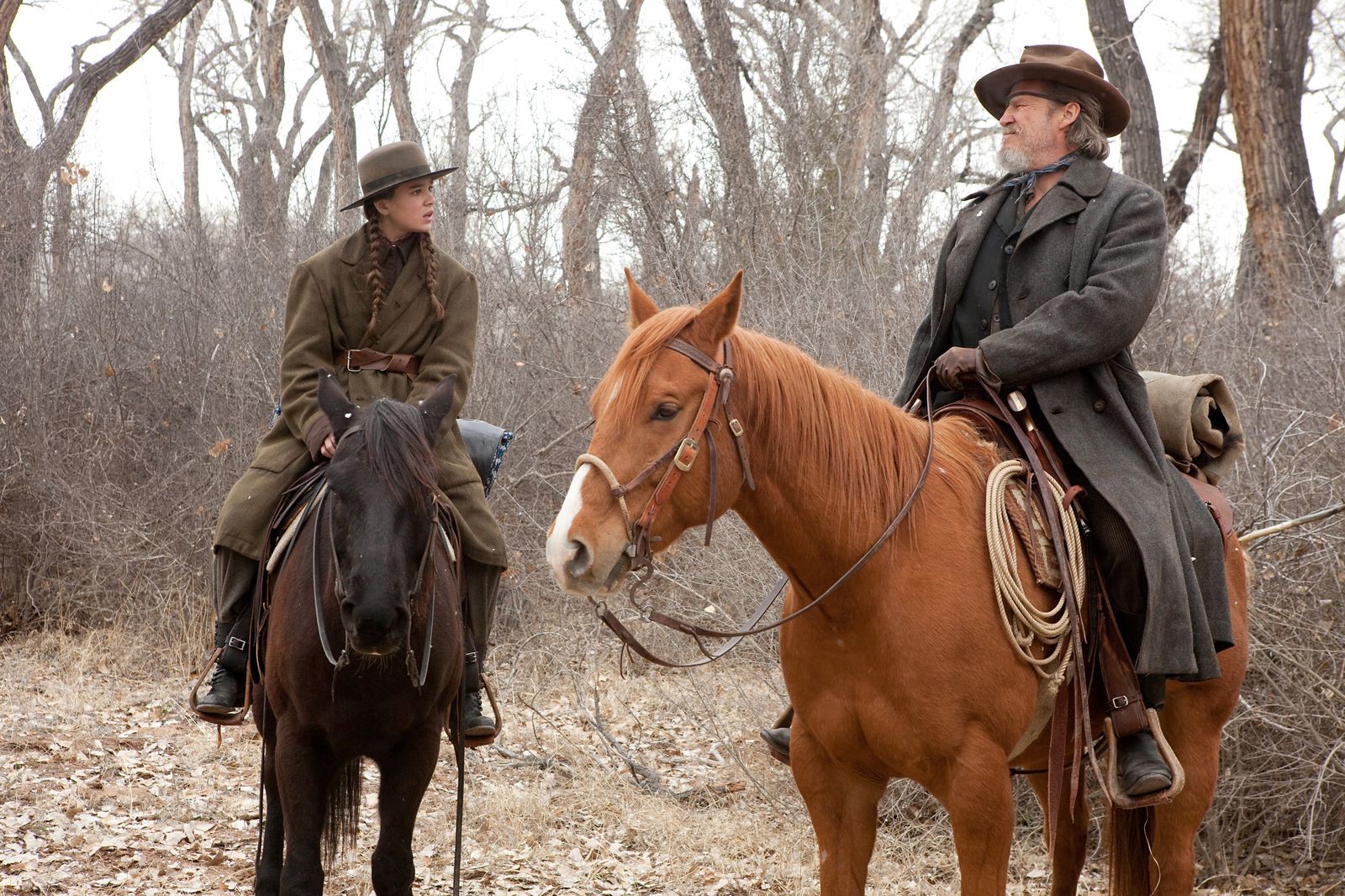
That is why I am so impressed with Portis’s True Grit–the two excellent films adapted from that novel didn’t need all that much adapting: the dialogue and Mattie Ross’s narrative are lifted word-for-word from Portis. What he did between the pages of that book–I think the best picaresque novel since Huck--is to strap his readers securely into a time machine and transport them back into the midst of the spectators, with wicker baskets of fried chicken wrapped in picnic linen, waiting impatiently for condemned men to swing from the gallows in Fort Smith, Arksansas.  It is a remarkable work.

McMurtry’s Dove is much the same.  The names alone that he gives his characters show an imagination alive with the wonderful sounds and combinations of sounds that can make a book come alive.  For example:

  • Jake Spoon
  • Lippy Jones
  • Deets
  • Blue Duck
  • Mox-Mox the Man Burner
  • Dish Bogget
  • Pea Eye
  • Peach Johnson
  • July (pronounced, as my Dad did, JOO-ly) Johnson

Of course, the most memorable character of all is Gus, and Robert Duvall was perfect. He always had, in almost any situation, that faintly bemused look on his face, which I think meant, as in the book, that Augustus McRae was listening to a symphony nobody else could hear.


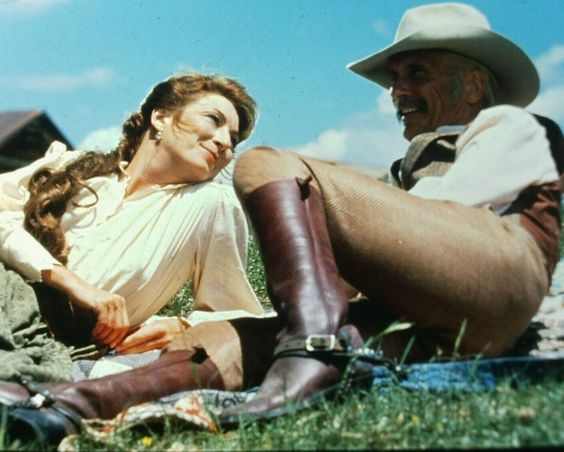
He’s a perfect foil for the Puritan Woodrow, never afraid to needle him, and under it all he is a Romantic, in the best sense of the word: he protects the weak. His relationship with Laurie the prostitute, in shock after a vicious gang rape and beating, is touching; he doesn’t do what other action heroes would do–immediately track down the perps and air-condition them with his revolver. Instead, he becomes like a father to her, stays with her but not near her, feeds her, and gives her time and space to begin to recover. He is utterly loyal to his friends but will not hesitate to hang one who’s crossed the line, like Jake, from honor to barbarity, and there is only one woman in the world for him, Clara, and that accounts for that ache, that melancholy, that Gus’s bemusement hides so well.  It is easy to love a man that strong and that vulnerable.


What makes Hollywood fun: murder, duplicity, and blondes

22 Tuesday Jul 2014

Posted by ag1970 in California history, Film and Popular Culture, Uncategorized

≈ Leave a comment

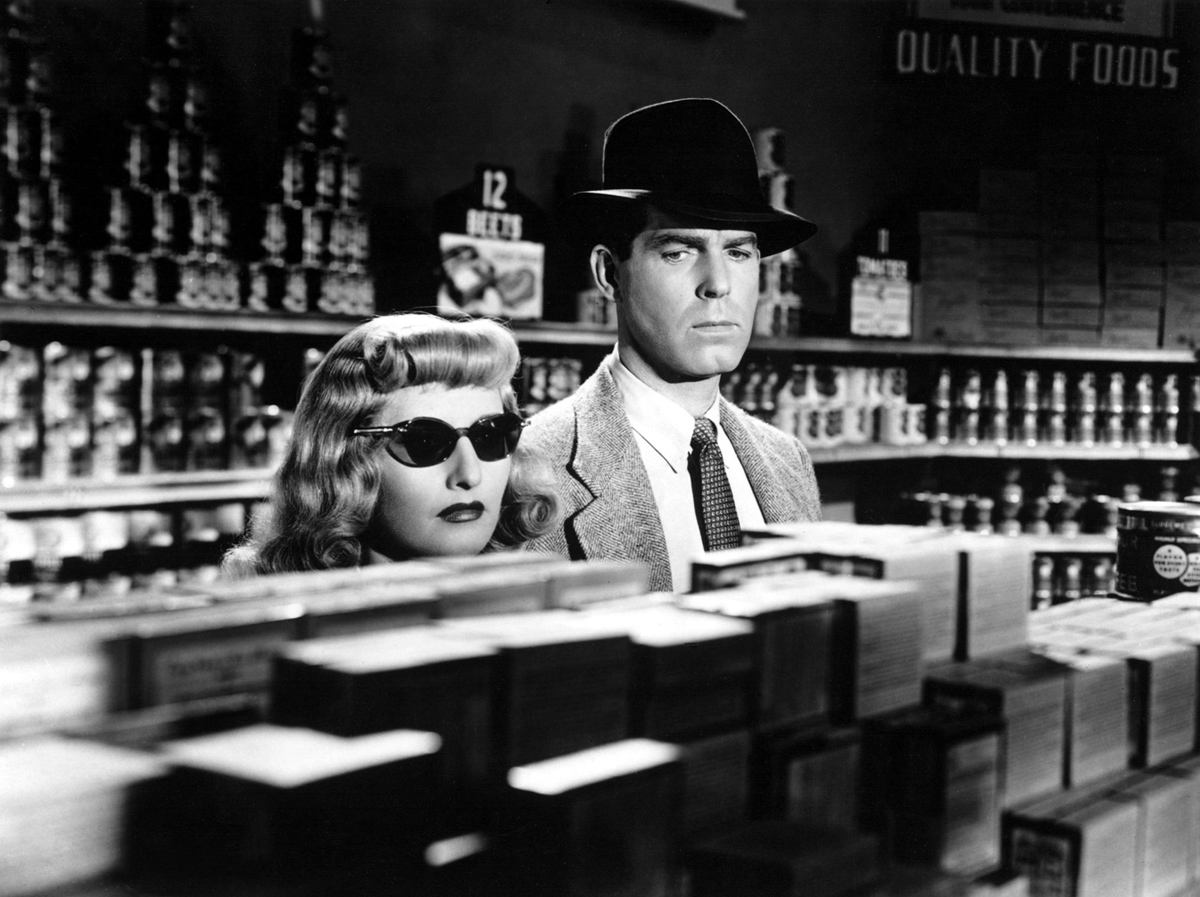
Double-Indemnity-2

The L.A. Times food critic Jonathan Gold wrote an excellent summer piece this year on great Los Angeles hamburgers, and it made me think about my strange affection for a city I largely dislike unless it’s about 1946 outside and the Red Cars are running. I’m a San Francisco kind of guy, with the exception of the Dodgers, and that has more to do with Vin Scully than with any loyalty to the Southland. But there is no noir like Los Angeles Noir–-I watched Double Indemnity one more time recently on late-night television-–and the list of good films of the genre is kind of amazing. Here are just a few favorites:

  1. Chinatown. Not only a good hard-boiled detective film, in the Raymond Chandler tradition, the novelist who created private eye Philip Marlowe, but it deftly sketches the water wars that made L.A. and its orange groves–the attraction that lured my mother’s family from the Minnesota prairie–possible in the first place. J.J. Geddes, I think, is one of the most memorable characters in American film, and John Huston’s cameo, both jovial and sinister, is stunning.
  2. Double Indemnity. The murder plot flows seamlessly to the point where, after dumping the body of Barbara Stanwyck’s husband on the railroad tracks, she and Fred MacMurray can’t get her car to start so they can leave the murder scene. Then the seams start to unravel, and it’s a lovely thing to watch. Doom can be interesting. In a perverse way, it’s even kind of fun, especially in the implicit comedy of the Stanwyck-MacMurray plot-hatching in the aisles of the local grocery store: the two are interrupted by little ladies asking the lanky MacMurray’s help in reaching the canned goods.
  3. True Confessions. John Gregory Dunne’s screenplay about two brothers–-one, Robert Duvall, an L.A. homicide detective, and the other, Robert DeNiro, a politically ambitious monsignor–is deeply moving. Duvall must solve the mystery of a priest found dead in a prostitute’s bed, and he’s got to tear down the wall DeNiro’s character has constructed to protect his church and his career. This is a wonderful story about redemption, and how redemptive personal destruction can be.
  4. The Big Sleep. Bogart and Bacall in a plot so arcane that even the scriptwriters couldn’t figure it out. Bogie’s Marlowe builds on the fast-talking Sam Spade we’d first seen in San Francisco, in The Maltese Falcon, and his ability to shift character, posing, for example, as a dirty-minded bookworm in one scene, foreshadows James Garner’s television detective, the delightful Jim Rockford. Bacall is smoky, alluring, mysterious, dangerous, and Bacall.
  5. L.A. Confidential. A superb ensemble cast–Kevin Spacey, Guy Pearce, Russell Crowe, Kim Basinger as a kind of Bacall archetype, although her call-girl character has been molded to look like Veronica Lake. You’ve got your fast-talkers, con men, like Spacey, but you’ve also got your straight arrows, like Pearce and the wounded Crowe, and all three, it will turn out, are decent men at their core in a department so corrupt that even they, in own casual infidelities to the law, must finally take a stand. Again, a wonderfully redemptive story crowned by a harrowing shootout scene.
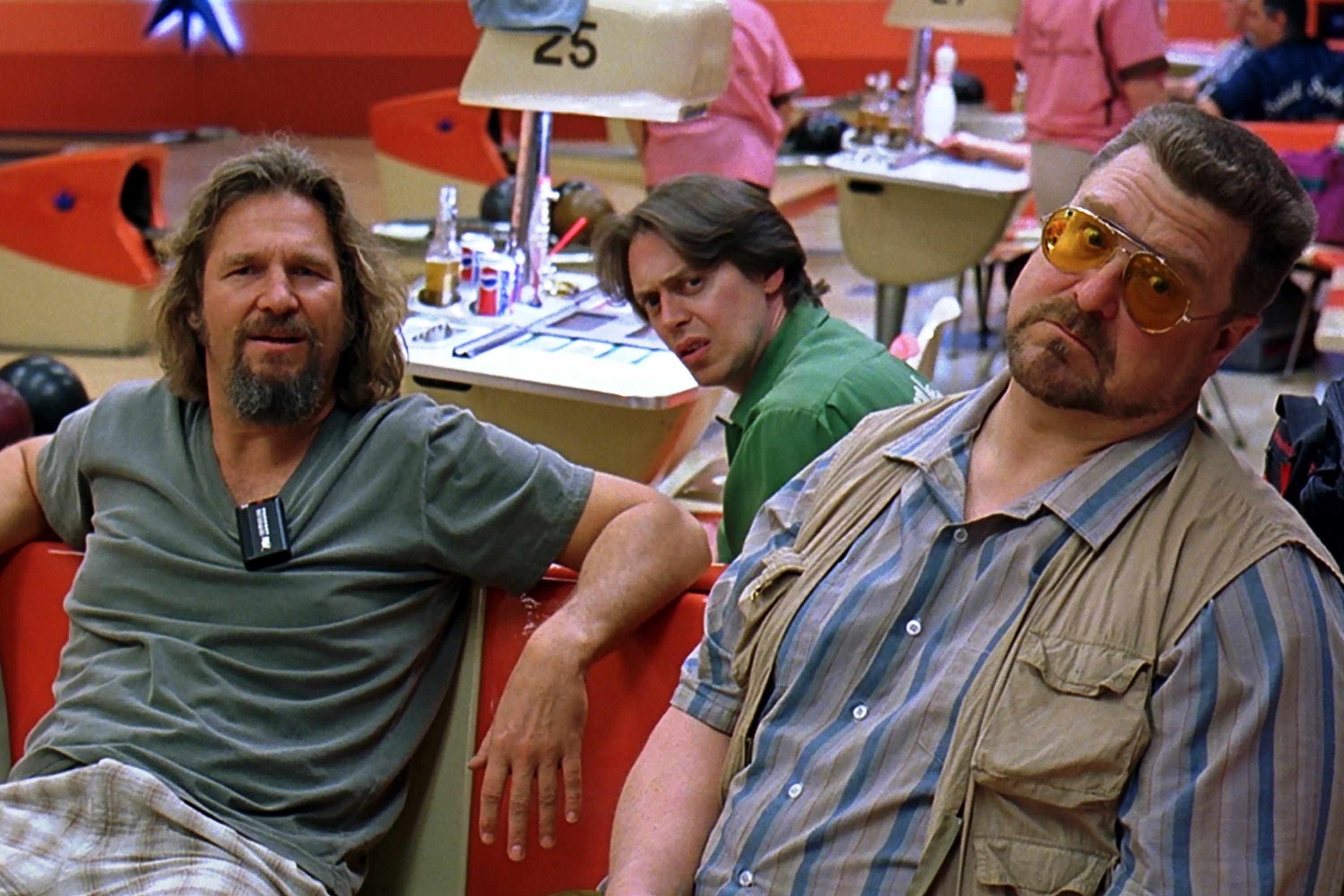
  6. The Big Lebowski. I’m a little dense, but by the third or fourth time I realized that this was a wonderful tribute to and parody of the Chandleresque formula, with Jeff Bridges as a soft-boiled stoner and the incomparable John Goodman as Walter, his manic, explosive and completely inept partner. Includes femmes fatale, slipped Mickeys (in Lebowski’s White Russian), a couple of Falcon-like talismans (a finger, Lebowski’s rug), and a brace of Nihilists.

What makes these films even more compelling is, of course, real tragedy. Human wreckage has always surrounded the film industry and examples include Elizabeth Short’s grisly 1947 murder (she worked for awhile at what would become Vandenberg Air Force Base), when she became immortalized as “The Black Dahlia;” the implosion of film comedian Fatty Arbuckle’s career when he was charged with the 1921 murder of aspiring actress Virginia Rappe; the mysterious 1924 death of producer Thomas Ince, “father of the Western,” after a visit to William Randolph Hearst’s yacht, Oneida, where Hearst mistress Marion Davies, as she did at San Simeon, served as the Chief’s hostess. What ended Ince’s life? Was it a heart attack or a bullet intended for Charlie Chaplin, Davies’ putative lover?

It’s film, finally and ironically, that best illuminates dark places like these. All of these films entangle us in L.A.’s tawdry Day of the Locust glamour, in its ambition and deception, because this is a place where nobody is who you think they are, a place where, as Chandler wrote, the Red Wind-–the Santa Anas-–can lead even the most dutiful Valley housewife to contemplate her husband’s back while absently squeezing the butcher knife’s handle in her free hand, the one without the potholder.

Glory Days

22 Tuesday Jul 2014

Posted by ag1970 in California history, Film and Popular Culture, Personal memoirs

≈ Leave a comment

Screen shot 2014-07-22 at 4.18.51 PMI wish I had more old photos of my days at Branch Elementary School in the Upper Arroyo Grande Valley, which I attended between 1958 and 1966.

I started at the 1880s schoolhouse, but in 1962, we moved into one of those Sputnik School of Architecture schools that was twice as big as the old school.  It had four rooms.

I remember seeing one photo of me, Dennis Gularte, and it might’ve been Melvin Cecchetti, all decked out like cowboys, down to chaps and Mattel Fanner ’50s (“If it’s Mattel, it’s swell!”) on our hips.

For the uninitiated, a “Fanner ’50″ is a replica double-action Old West six-shooter that allows your shorter Old West gunfighter to get off approximately 1,200 shots without reloading. It was a marvel.

That was back in the days when gunfights on the playground were still culturally permissible, although they were limited to Fridays, which remains my favorite day of the week.

There was even a glorious, if very brief, time–our teachers would decide to draw the line at high-capacity ammunition drums–when the television show The Untouchables was popular and so we re-enacted the St. Valentine’s Day Massacre with Mattel-It’s-Swell Tommy Guns.  We died spectacular deaths after we had lined up, hands up, against one wall of the school. We took turns pretending to be the Moran Gang victims and Capone’s button men. We were a democratic bunch.

The girls on the swings just thought we were gross.   But they were girls, mind you, and they liked to pretend they were horses, which we found damned peculiar.

We liked to pretend we were ’62 Corvettes.

So us Branch School kids–all 70-odd of us, first through eighth grades– were both rootin’ and tootin’. But we also could be very good.

The entire third and fourth grades went on a field trip to Morro Bay, in a little yellow bus driven by Elsie Cecchetti, whom I will always love, and we all walked through the crew quarters of the Coast Guard cutter Alert without awakening the young man busy contradicting the cutter’s name, snoring softly in his bunk. We were impressed with how white his underwear was.  The Coast Guard is a well-laundered service branch.

During that tour, we requested, but were denied, authorization to fire off a few rounds from the 40-mm Bofors gun on the forward deck, which put quite a damper on an otherwise fine outing. It would’ve lifted or spirits and sustained us when, later in the day, we had to visit the abalone processing plant.

Abalone, we discovered, have little Stage Presence, so we watched, stifling yawns, as they lay lifeless and inert, pounded with wooden hammers, by sad, unfulfilled men, until they achieved abalonability.

Years later, with a shock of recognition, I saw the same abalone factory ennui when I took some of my AGHS European history students to Munich and ate schnitzel in a massive auditorium while an oompah band performed and two girls, in traditional costume, more or less danced.  It must’ve been about their eighth performance of the day, in front of masses of greasy-cheeked, ungrateful American teenagers–except for our kids, of course– and dancing with gleeful abandon was just not in their repertoire.

By the time the disconsolate abalone pounders had finished with their victims, they looked disgusting, like Neptune’s cow patties. By the time we were old enough to realize that they were tasty, they had all been eaten. Sea otters were the alleged culprits, but my money was always on the Morro Bay Elks Club.

[Clams are no more stimulating than abalone, by the way. The second-best show-and-tell ever, other than Tookie Cechetti’s fingertip in a vial of alcohol, lost in a saber-saw accident, was the Pismo clam Dennis Gularte and Melvin Cecchetti attempted to keep alive in the classroom sink in the new school. Clams have all the entitlement and ingratitude of the Kardashian sisters and are only marginally smarter. Our clam said little during the school day, showed little interest when we tried to push a length of kelp, which we know had to be yummy, through its shell’s opening, and then did nothing at all for about another day. Dennis ate it.]

By the way, we didn’t always have the luxury of Elsie’s school bus. We first had a pickup painted school bus yellow, with two benches bolted to the truck bed and a tarp over the top, and when we crossed the creek, we all bounced like a bagful of marbles and squealed with delight.

Not everybody enjoyed the pickup. One morning, one of us got sick, and we decided he’d had scrambled eggs for breakfast.

We also used to go to Poly Royal, the local college’s open house, and loved that jet engine fired off in Aeronautical Engineering, before the event deteriorated into the kind of Roman Bacchanalia that would make Caligula blush.

We most of all loved the biology department, because its centerpiece was the genuine stuffed two-headed calf.

We spent some time pondering another of their exhibits, an aquarium tank full of bullfrog tadpoles that was labeled, soberly, “Elephant Sperm.”

In our day, Branch no longer had the steeple and bell that originally was standard equipment for rural schoolhouses, but it did have the first multi-purpose room in San Luis Obispo County.

The hallway in between the two classrooms was used for both hanging up your coat and for beating students with yardsticks. This encouraged us to learn harder and accounts for why, to this day, I still know all my state capitals, down to the fact that Pierre, South Dakota, is pronounced, “Peer,” of which our teachers had none.

Yes, in that hallway, Mrs. Brown and Mrs. Fahey had perfected a technique called “Bad Cop, Other Bad Cop.”

They wore Eleanor Roosevelt cotton print dresses, our teachers did, which made them look, even then, like exhibits from a fashion museum, but either one could’ve humiliated Roger Maris in pre-game batting practice at Yankee Stadium.

They also would’ve made Billy Martin sit perpetually in the corner of the Yankee dugout, his nose pressed against the water cooler, which, given Martin’s notorious partying, might’ve considerably lengthened Mickey Mantle’s career.

The powdered soap dispensers out back were incorporated into language lessons, which is why there are only two documented instances of That Word being uttered with impunity at Branch Elementary between 1888 and 1962, and I believe one of those involved a carpenter and the other a school board member.

It’s a home today, and painted yellow, but in our day it was pink, sheathed in what I think what former classmate Michael Shannon has said were asbestos shingles, which serve as wonderful insulation, but, by the time you’re in your fifties, your school days suddenly begin to produce clouds of what look like chalk dust every time you sneeze.

For the health-conscious reader, not to worry. On summer mornings, when school wasn’t in session, my favorite thing to do was to wave at the biplane that crop-dusted the fields next to our house and then go frolic and gambol in the clouds of herbicide.

Of course, in those days, everybody smoked (Camel shorts), soon after they’d taken their first steps (“JIMMY’S WALKING! Here, son, light one up on Pop!”), and the only seat belts in use were those fastened around Ham, the Space Chimp, the precursor to the Mercury astronauts.

We were a hardy breed, us Baby Boomers. Hack. Wheeze.

There were good things, too, mind you, like actual Pismo clams–all from the extended family of our classroom clam–at Pismo Beach. You didn’t even need a clam fork. They’d just walk up to you and surrender, as if it were North Africa, not Pismo, and they were the Italian Army. But I digress.

The point is that I just don’t have to seem a single picture from those days except of my eighth grade graduation when, of course, I looked not just like a dork, but like a PARODY of a dork. So if there are any in your collection at home, Arroyo Grandeans, I’d love to see them.

But none, please, of Mrs. Brown.  She still makes my palms sweaty.

Stabbed in the Arras, Bigod!

15 Tuesday Jul 2014

Posted by ag1970 in Film and Popular Culture

≈ Leave a comment

Give me a flit-flit here...

Give me a flit-flit here…

...and a flit-flit there...

…and a flit-flit there…


Sir John Gielgud-Obit

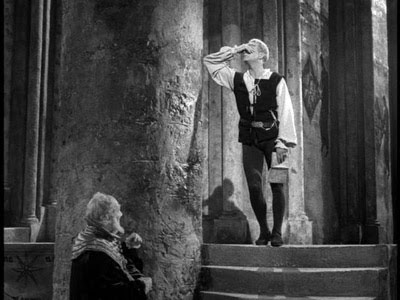
John Gielgud as Hamlet. This look’s for you, Mother…

I’m sorry.  I cannot sit through Olivier’s Hamlet. There’s entirely too much flitting, and Ophelia, he’s just not that into you. We saw the play, perhaps Shakespeare’s longest, and I was ready to shake off his mortal coil about halfway into Act III. Tedious. Now Olivier’s Richard III—that’s delicious malevolence. I love that film.

Elizabeth and I saw Rosencrantz and Guildenstern Are Dead in London; I rented a little pair of opera glasses but we couldn’t focus them because we were laughing so hard. That’s good Shakespeare, that.

One of the best Hamlets ever was said to be John Gielgud, and Gielgud directed one of my favorite actors, Richard Burton, in the role in a 1964 film.

Both Gielgud and Burton were big drinkers and did not mind imbibing before or during a performance, like the way Babe Ruth ate hot dogs.  Burton once drank a fifth of vodka, gave a flawless performance in Camelot, then threw up.

Gielgud was in his cups a wee bit in a London play where his character was to commit suicide in the final act, which, now that I think about it, makes Hamlet’s failure to act after the mid-play “To be or not to be…” soliloquy even more painful. In Gielgud’s play, his final line was delivered to a butler: “A pint of port and a pistol, if you  please.”

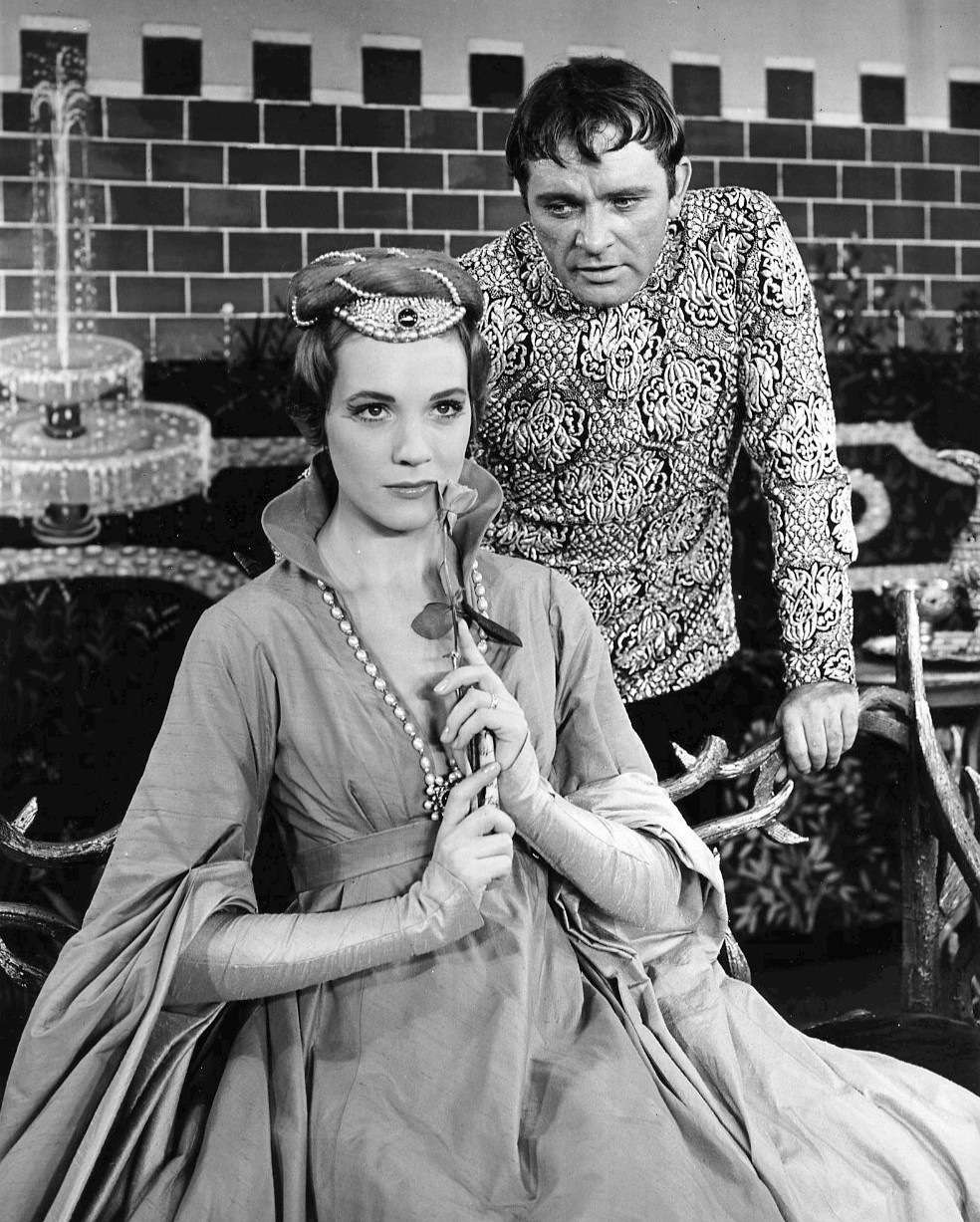
Burton suspects Guinevere's mind is not on a Doe, a Deer, A Female Deer.  Instead, she's thinking about...

Burton suspects Guinevere’s mind is not on a Doe, a Deer, a Female Deer. Instead, she’s thinking about…

...Robert Goulet's Lancelot.

…Robert Goulet’s Lancelot!

Well, of course, it didn’t come out that way. Gielgud asked instead for “a pint of piss and a portal.”

The rest was Silence.

A few of the 9,478 reasons why I love “Casablanca”

14 Monday Jul 2014

Posted by ag1970 in American History, Film and Popular Culture

≈ Leave a comment

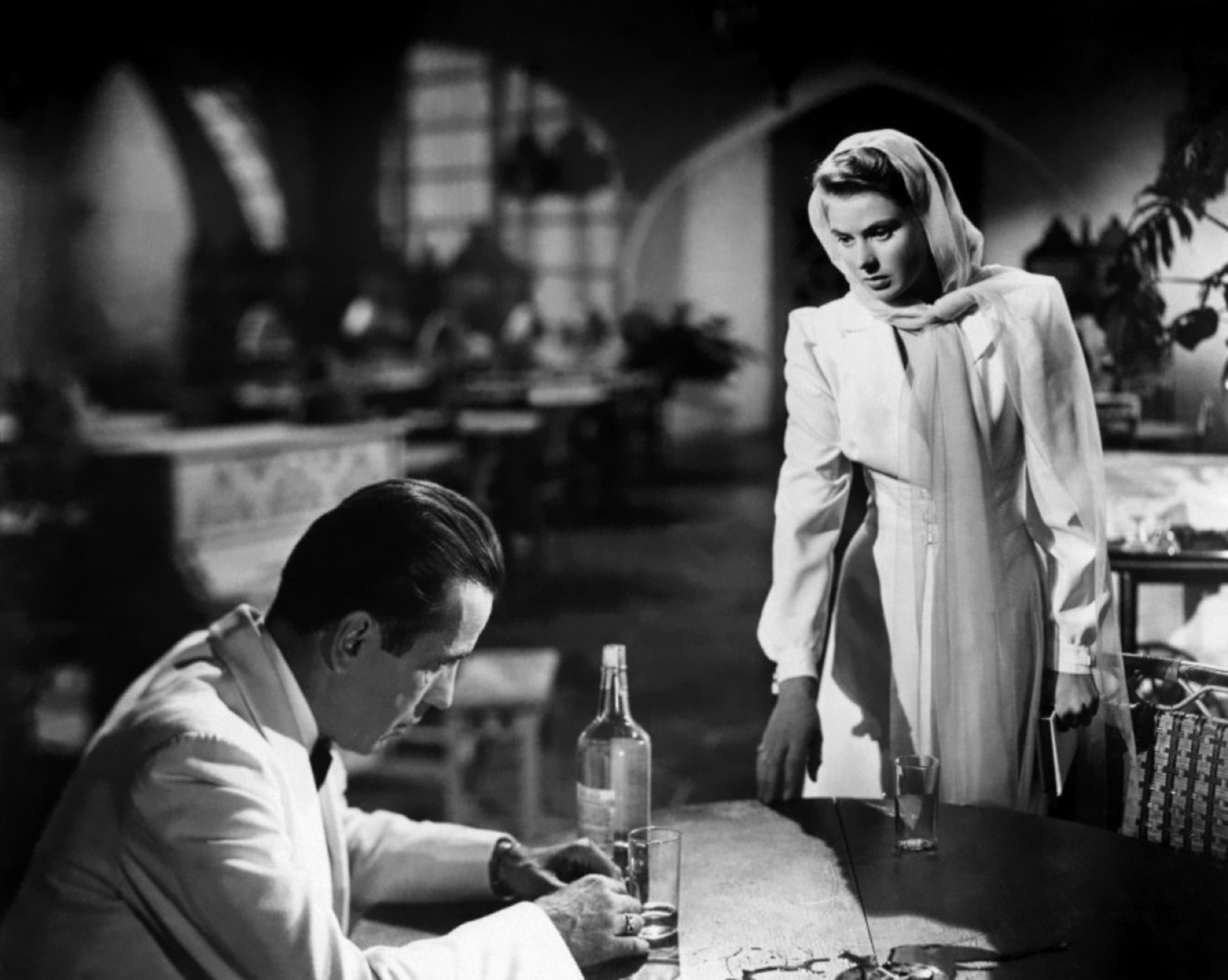
casablanca1Since it’s Bastille Day, and we’ll always have Paris. I’m thinking about Casablanca.

It is fascinating to read about this film because so much of the cast was caught up in the events of the day: A native Berliner, Conrad Veidt, had played one of the principal roles in the 1920 Expressionist masterpiece The Cabinet of Dr. Caligari.  Veidt, who despised the Nazis, played the remorseless and humorless Major Strasser and thus set the standard for a generation of faux-Nazi film officers.  He was not remotely like Strasser in real life: he loved golf as much as he hated Hitler, but died, tragically, of a heart attack only a year after Casablanca’s release, while playing at the Riviera Country Club.

Strasser’s nemesis, the freedom fighter Victor Laszlo, was played by an Austrian who was living in England when war broke out in 1939, Paul Heinreid. The English were about to deport him as an enemy alien when Veidt spoke up for his friend and made his Hollywood career possible.

Peter Lorre was another Austrian—his character, who has the stolen Letters of Transit, is shot ten minutes into the film—and Lorre was, like Veidt, a star in German Expressionist film: he was the child-killer in the sensational and controversial 1931 film, M.  Lorre, a Jew, recognized quickly the nature of Hitler’s rule and fled Germany. Several of the lesser players are, like Lorre, refugees from the Third Reich: Hitler was indirectly responsible for a real Golden Age in American film.

Neither the studio nor Bogart thought much of Casablanca at the time–it was just another job for him, for Warner Brothers, just another assembly-line feature; it was shot in a little over nine weeks. Off the set, Bogart’s major concern was surviving the violent temper tantrums of his alcoholic wife—his third—Mayo, whom he sardonically nicknamed “Sluggy.” On the set, Bogart was extremely uncomfortable with the love scenes: he didn’t consider himself a romantic lead, and his favorite part of the film must have been when he finally got a revolver in his hand. That was his moment—not, as is the case for the rest of us, the closing dialogue with Ingrid Bergman’s Ilsa.

Bergman wasn’t even thinking about Casablanca. She was preoccupied with snagging the role of Maria in For Whom the Bell Tolls. The bromide that “the camera loved her” was certainly true in Casablanca; director Michael Curtiz’s cinematographer, Arthur Edeson, used soft focus skillfully in her closeups–not to hide Bergman’s age, because there wasn’t a need to, but to idealize her beauty, which, for Rick, would always be a dream. She was delighted, near the end of the filming of Casablanca, to hear that she had been cast as Maria, never realizing, of course, that her Ilsa would be the role that would endure.

Other than Ilsa, my favorite part of the film–my favorite film–is the banter between Bogart’s Rick and Claude Rains’s corrupt Captain Renault. I am always thinking of Renault when I tell my students that wonderful things MIGHT happen to their essay grade if a latte magically appears at my table at Cafe Andreini while I’m grading them.

If you read the script alone, this is a melodrama that is graced by some of the funniest dialogue in American film. The policeman, Captain Renault, gets my favorite line:

“I’m shocked, shocked to find that gambling is going on in here!” [Pocketing his winnings from the roulette wheel in Rick’s Place.]

One of Bogart’s lines is a very close runner-up.. Major Strasser asks Rick his nationality.

“I’m a drunkard,” Bogart deadpans.

Newer posts →

Subscribe

  • Entries (RSS)
  • Comments (RSS)

Archives

  • January 2026
  • December 2025
  • November 2025
  • October 2025
  • September 2025
  • August 2025
  • July 2025
  • June 2025
  • May 2025
  • April 2025
  • March 2025
  • February 2025
  • January 2025
  • December 2024
  • November 2024
  • October 2024
  • September 2024
  • August 2024
  • July 2024
  • June 2024
  • May 2024
  • April 2024
  • March 2024
  • February 2024
  • January 2024
  • December 2023
  • November 2023
  • October 2023
  • September 2023
  • August 2023
  • July 2023
  • June 2023
  • May 2023
  • April 2023
  • March 2023
  • February 2023
  • January 2023
  • December 2022
  • November 2022
  • October 2022
  • September 2022
  • August 2022
  • May 2022
  • April 2022
  • March 2022
  • February 2022
  • January 2022
  • December 2021
  • November 2021
  • October 2021
  • September 2021
  • August 2021
  • July 2021
  • June 2021
  • April 2021
  • March 2021
  • February 2021
  • January 2021
  • December 2020
  • November 2020
  • August 2020
  • July 2020
  • June 2020
  • May 2020
  • April 2020
  • January 2020
  • December 2019
  • November 2019
  • October 2019
  • September 2019
  • August 2019
  • May 2019
  • April 2019
  • March 2019
  • February 2019
  • January 2019
  • December 2018
  • November 2018
  • October 2018
  • September 2018
  • July 2018
  • June 2018
  • May 2018
  • April 2018
  • March 2018
  • February 2018
  • January 2018
  • December 2017
  • November 2017
  • October 2017
  • April 2017
  • March 2017
  • December 2016
  • November 2016
  • October 2016
  • September 2016
  • August 2016
  • July 2016
  • June 2016
  • April 2016
  • March 2016
  • February 2016
  • January 2016
  • December 2015
  • November 2015
  • October 2015
  • September 2015
  • August 2015
  • July 2015
  • June 2015
  • May 2015
  • April 2015
  • March 2015
  • February 2015
  • January 2015
  • December 2014
  • November 2014
  • September 2014
  • August 2014
  • July 2014

Categories

  • American History
  • Arroyo Grande
  • California history
  • Family history
  • Film and Popular Culture
  • History
  • News
  • Personal memoirs
  • Teaching
  • The Great Depression
  • trump
  • Uncategorized
  • World War II
  • Writing

Meta

  • Create account
  • Log in

Blog at WordPress.com.

  • Subscribe Subscribed
    • A Work in Progress
    • Join 68 other subscribers
    • Already have a WordPress.com account? Log in now.
    • A Work in Progress
    • Subscribe Subscribed
    • Sign up
    • Log in
    • Report this content
    • View site in Reader
    • Manage subscriptions
    • Collapse this bar
 

Loading Comments...