• About
  • The Germans

A Work in Progress

A Work in Progress

Category Archives: Film and Popular Culture

Mad Dogs and Old Friends

24 Sunday Oct 2021

Posted by ag1970 in Arroyo Grande, Film and Popular Culture, Uncategorized

≈ Leave a comment

So I just rowed for 40 minutes on this thing thanks to a 60s playlist on my iPod Nano (yes, I still have a Nano. I once had a FOUR-track tape player, too). Now that I’ve crawled back to the computer–I don’t look quite as pleasant as this young woman– I was connecting old groups/songs with old friends.


Neil Young and Crazy Horse: Joe Loomis (Joe and I also loved “Tusk,” Joe because of the song “Sara,” and that’s because of his little sister.) Oh, and “Crosby, Stills and Nash,” with them on the porch. I later took a photo of Crosby with his arm around Elizabeth’s shoulders only to find out later that I’d run out of film.

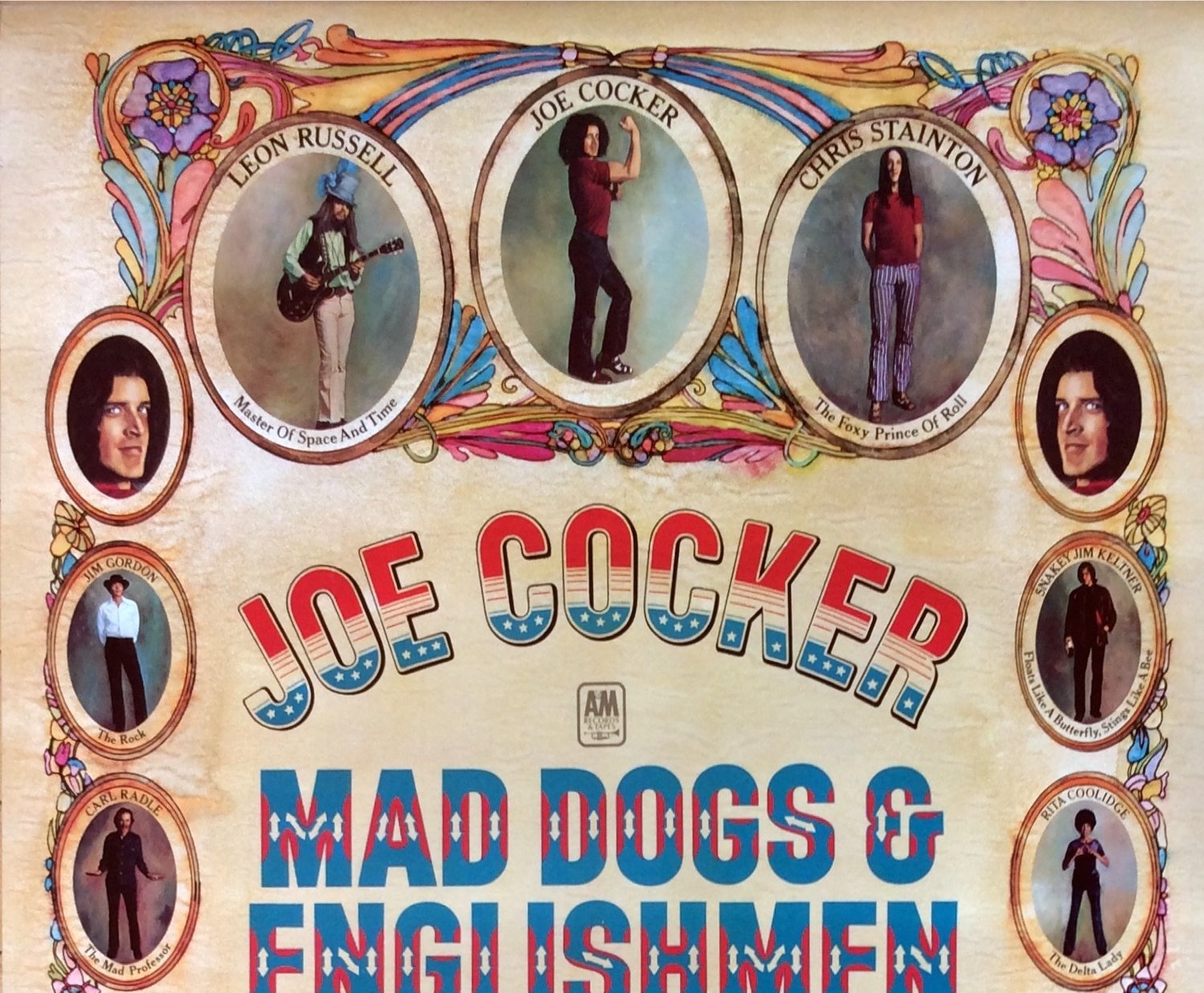
Joe Cocker: David Cherry. We listened to “Mad Dogs and Englishmen,” with Leon Russell (and Rita Coolidge) until you could see through it. I also owe David thanks for another album we played without mercy: Big Brother and the Holding Company, “Cheap Thrills.” Janis’s “Ball and Chain” is a kind of musical Chrysler Building or maybe Half Dome at Yosemite. Or, since she drove one, a Porsche 911.


The Beatles: “She Loves You.” Melvin Milton (I think I have the name right). He was an eighth-grade transfer to Branch and it took us awhile to get over the culture shock: He wore all black: Beatle boots, tight slacks, turtleneck under and a striped oxford shirt over. He took a lot of flak for that, but he was a kind and thoughtful young man.Totally Committed to the Fab Four. But you can’t run base-paths very well in Beatle boots.

Joni Mitchell: Oh, a girl I once knew.

Blood, Sweat and Tears: Robert Garza. He was crazy about “Spinning Wheel.” Robert was one of my best friends–still is–and we were fellow veterans of Kinney’s Shoes and the somewhat addled lady who was the store manager. Elbows flew when a girl in a miniskirt came in shoe-shopping. It could get ugly.

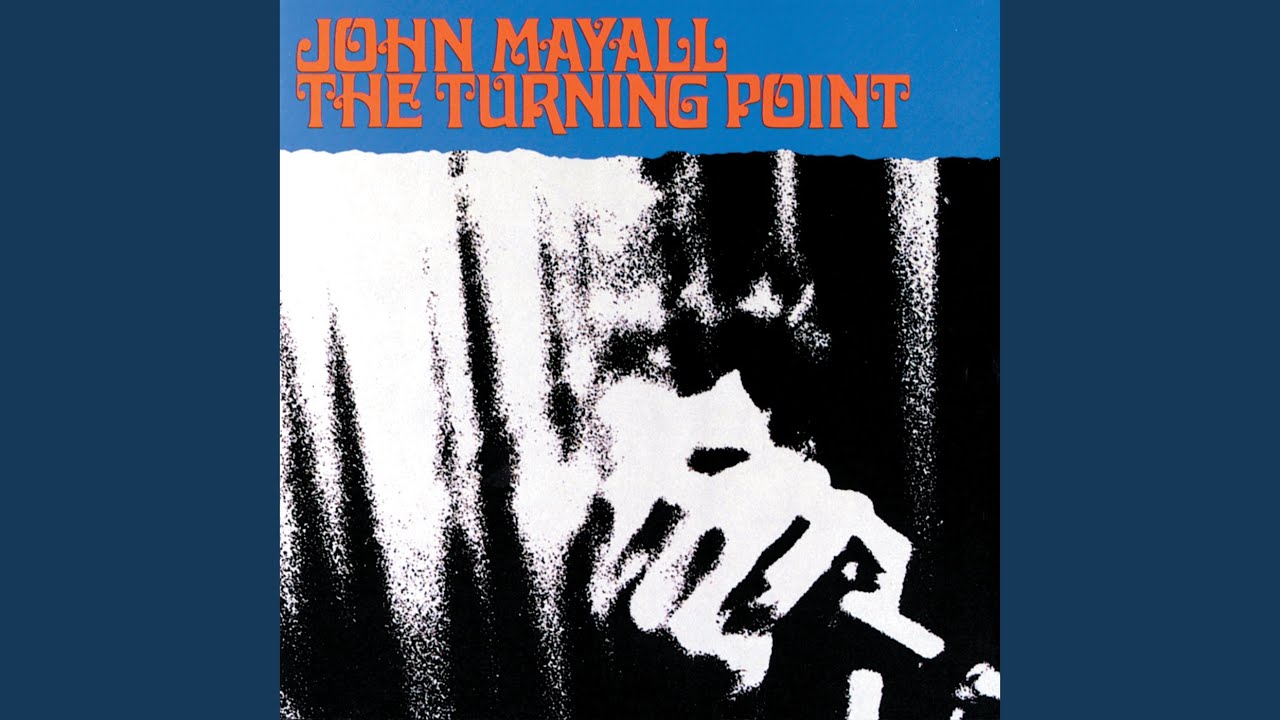
Cream (“Crossroads”) and Jon Mayall (“Room to Move”). No contest here. My old Sambo’s endless cuppa coffee buddy, Paul Hibbard.

Neil Diamond (Yes, I have Neil Diamond songs on my playlist–“Cherry, Cherry” is awesome): Linda DeVaurs. She was very bright, very funny and a total Neil Diamond freak. We dated, but just for a short time because there was no way I could measure up to Neil Diamond.
Simon and Garfunkel: Didn’t play any today, but Debbie Wizemann and Bonnie Silva (she’s no longer with us and I thought the world of Bonnie. I always will.) did a stellar speech presentation on The Poetry of Simon and Garfunkel for Miss Steigerwalt’s speech class. And we were all fans, of course, of “The Graduate.”

Eric Burdon and the Animals: Nobody in particular, but because EVERY LAST SCHOOL DANCE BETWEEN 1969 AND 1970 ended with “San Franciscan Nights.” Also, my ninth-grade art class collage (see below) was “We Gotta Get Out of This Place.” I still like The Animals. YouTube “House of the Rising Sun.”

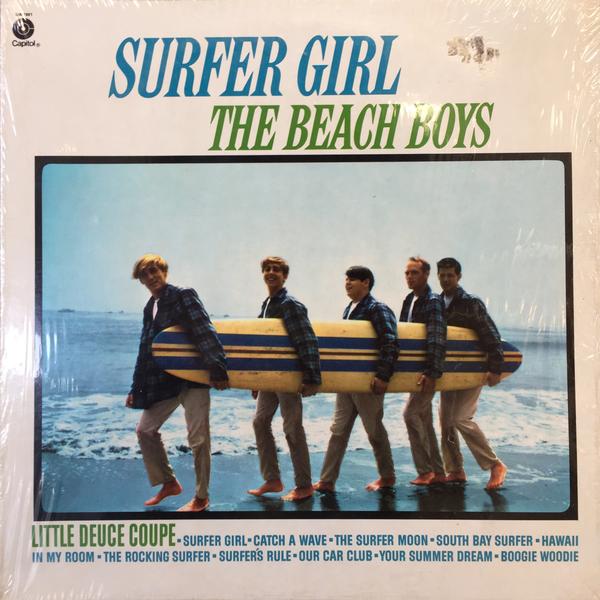
The Beach Boys: Patsy Silva, Marilyn Machado and Carolyn Coehlo. These three were a year ahead of me at Branch and they’d have little dance parties at lunch in Mr. Lane’s room. And they KNEW HOW TO DANCE. They were so cool, and I think they are still cool. We were a little in awe of them–they were eighth-graders, after all. Okay, okay. Also, all us seventh-grade boys–all ten of us– had crushes on them.
The Rolling Stones: My big brother.

Linda Ronstadt: My big brother.

The Turtles: Liz Miller. Our ninth-grade art teacher asked us to make a collage representing a current popular song, and Liz’s was of two pairs of feet close together–a boy and girl sitting on a park bench–representing the Turtles’ “Happy Together.” Both the collage and the song were utterly charming.


Winter’s Bone

14 Thursday Oct 2021

Posted by ag1970 in Film and Popular Culture, Uncategorized

≈ Leave a comment

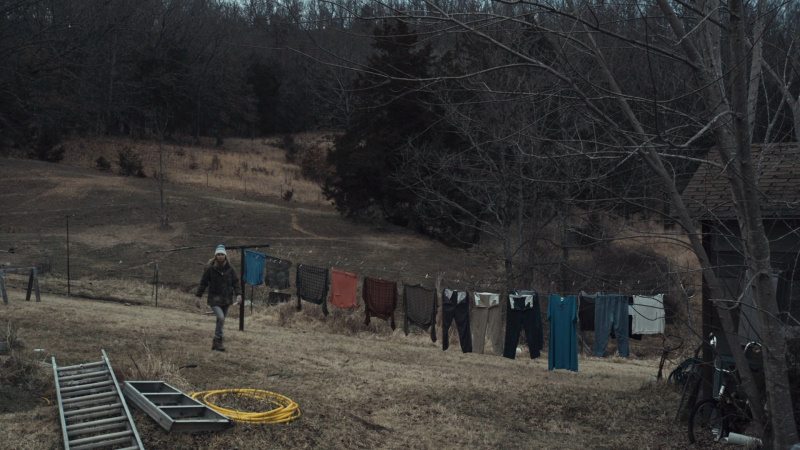
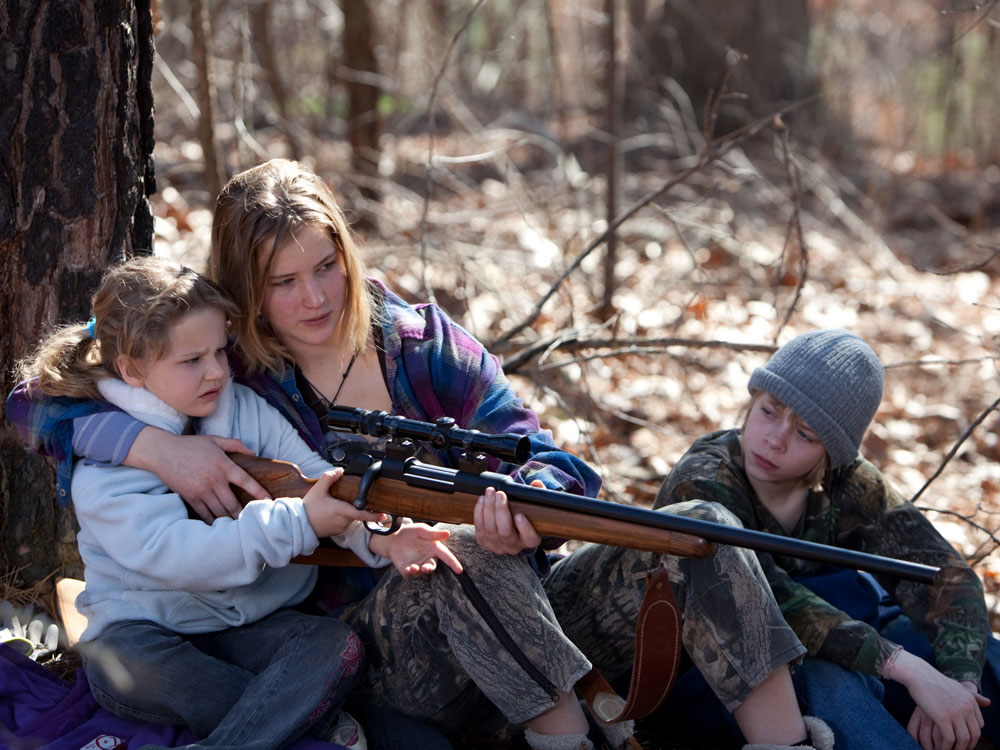
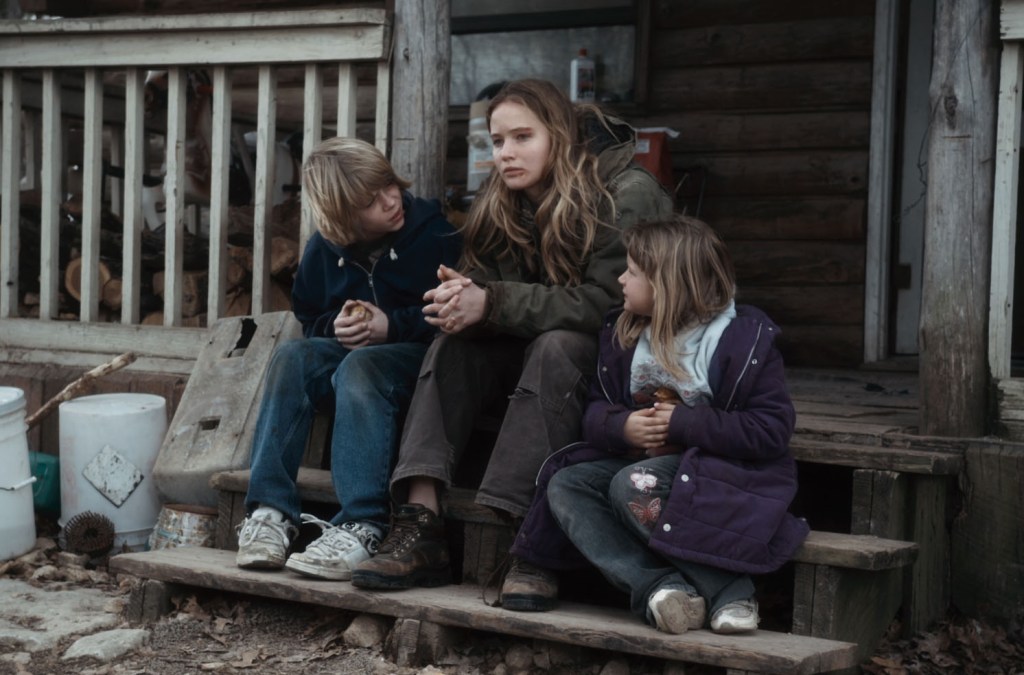
Jennifer Lawrence as Ree Dolly
John Smith Gregory

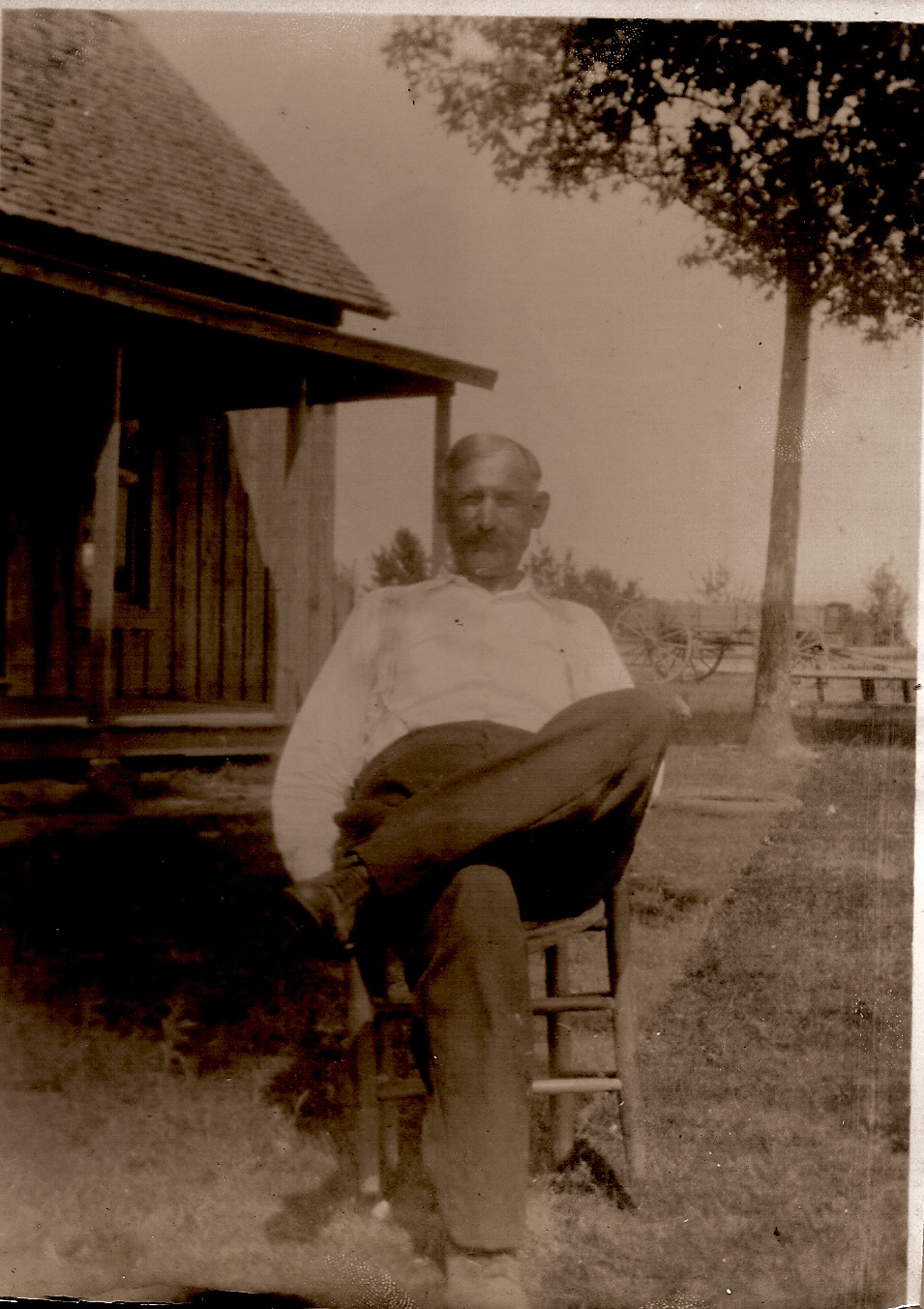
This is my grandfather John, in a photograph taken some time before his death in 1933, in front of his farmhouse in Texas County, Missouri, on the Ozark Plateau. I’ve written about him at length; he was, among other things, a graceful dancer; my grandmother was not amused by the queue of teenaged girls who waited their turn to dance with Mr. Gregory, who transformed the sawdust-strewn floors beneath their feet into polished glass.

This is the farmhouse today. The Ozark Plateau today is vastly different from my grandfather’s time.

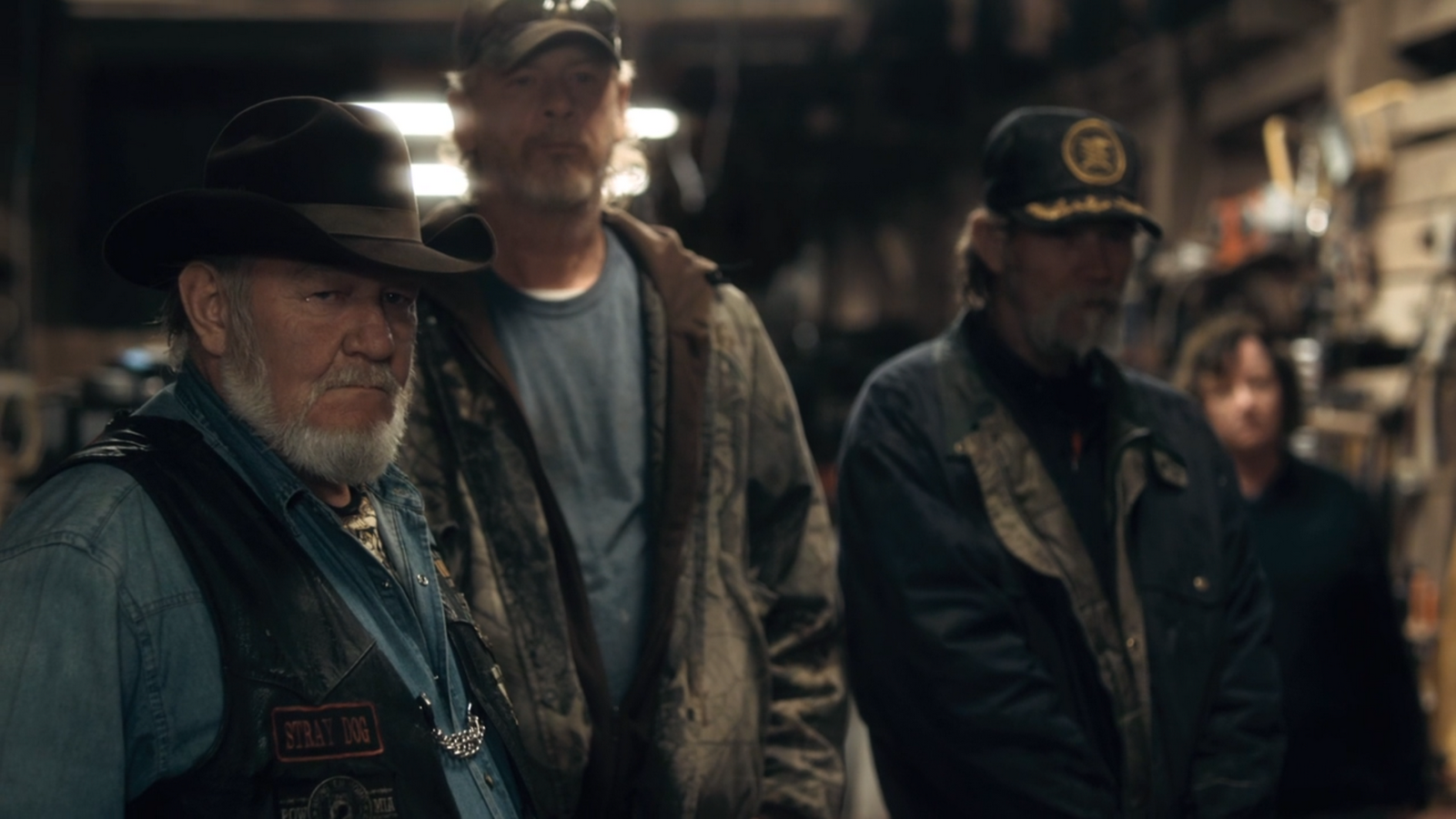
And John Gregory came to mind again because I watched again Winter’s Bone, the Daniel Woodrell novel that was committed to film in 2010 by a remarkable director, Debra Granik, marking the debut of a remarkable actress, Jennifer Lawrence.

The film was shot two counties down from Texas County, hard on the Arkansas border, in Christian and Taney Counties (the latter named for the Chief Justice who rejected Dred Scott’s petition for freedom), and the story focuses on teenager Ree Dolly’s search for Jessup, her missing father, a bail-skipping meth cook who has seemingly left his wife and children to fend for themselves.

Ree must contend with dangerous people who suggest that her Daddy doesn’t want to be found. And maybe she doesn’t want to go looking for him.

The stolidity, the loyalty and the immense courage of Ree is humbling. What’s sobering is the desperation of this part of the Ozark Plateau, marked by yardfuls of wrecked cars that will never be salvaged and yard dogs, their ribs prominent, tied to stakes, that will never be let go. Always, in the background, there’s the bareness of Missouri trees in wintertime. Even they speak of hopelessness. It’s no accident that they’re the St. Louis Cardinals: one of the most beautiful sights of my life, when I was a student at the University of Missouri, was the sight of a bright-red cardinal, vivid among skeletal tree limbs, on a March day. Seeing him was a sudden and joyful shock. His presence marked the end of a winter of unrelenting grayness.


Those trees are important to Ree’s family. The hardwood on them is their only investment in the future; my grandfather, who possessed uncanny arithmetical gifts, was a part-time estimator for lumber companies. He could look into stand of hardwood and tell the company foreman, with precision, how many board-feet of lumber he and his crew would bring out.

Lawrence, as Ree, keeps the family fed by hunting. She skins a squirrel in one scene; I’ve had squirrel stew but I couldn’t do what she did. (I’ve always admired Lawrence’s authenticity. A New Yorker writer met her for an interview in a Los Angeles Mexican restaurant and wrote admiringly that the actress “ate a burrito the size of a mailbox.”)
Squirrel hunting.
Throughout the film, there are constant echoes of Tudor England, in the grave formality with which people speak to each other—there is nothing so wicked in the Ozarks nor in Appalachia as offending another person’s honor—and in the music, fiddle and mandolin and guitar and banjo—that’s so evocative of Elizabethan times in the Midlands or Lowland Scotland.
Here’s an example. The singer is named Marideth Sisco.

My favorite line in the film bespeaks the dignity of speech that so marks hill people. Ree’s father is missing and her mother is addled, so she is the surrogate mother to her little brother and sister. They are desperately afraid that Ree will give up on them and go away to join the Army.

“I’d be lost without the weight of you two on my back.” she tells them.

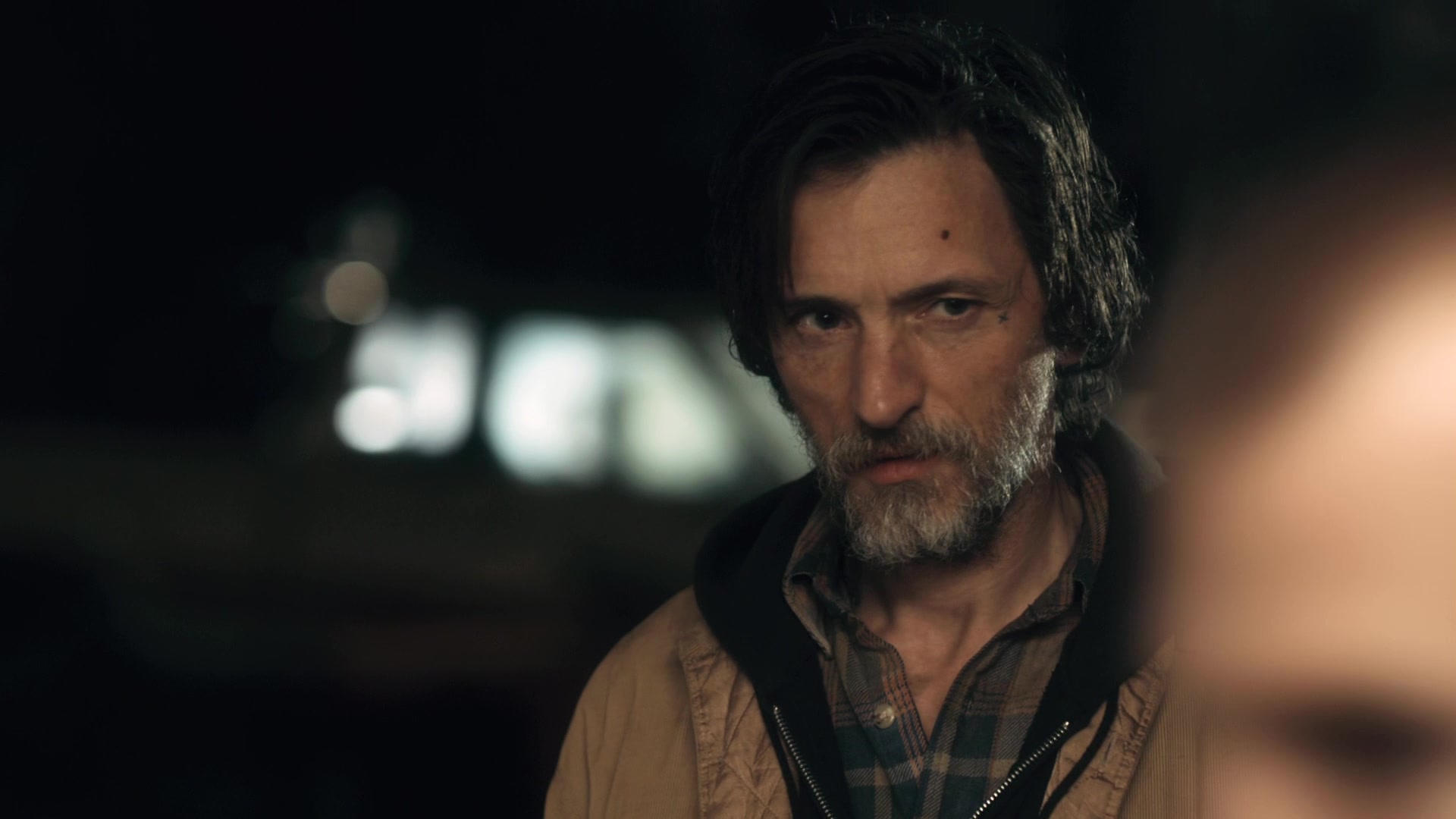
In the end, Ree finds her father. It’s a quest —she’s helped in a backhanded way by her uncle, Teardrop, played by another remarkable actor, John Hawkes, whose name is evocative of Tudor England—that she has to complete, even though you don’t want her to have to do it. You don’t want her to have to skin that squirrel, either.

John Hawkes

But watching the film again reminded me of the desperation in that beautiful part of our country. I wrote about it a little in a little essay called “Ozark Death Wish.”

*  *  *

Texas County today is marked by the suffocation of Pentecostal and fundamentalist churches who keep vigilant watch over the ungodly, which probably includes a smattering of Episcopalians and Catholics. They’ve bought up nearly all the local liquor licenses to keep the area dry, in an Ozark variation on Sharia Law.

Life there is also marked by chronic and deep-rooted joblessness, by a thriving trade in meth and by meth addiction, and by violence. Sometimes, folks just vanish.

* * *

Just like Ree’s father.

In the end, it’s the most frightening of Ree’s antagonists—the women—who will help her complete her quest. The language emerges again when Ree first confronts one of them, a woman named Merab.

Merab: One of my nephews is Buster Leroy. Didn’t he shoot your daddy one time?

Ree: Yes, but that’s got nothin’ to do with me. They settle that stuff themselves, don’t they?

Merab: Shootin’ him likely settled it.

Actress Dale Dickey as Merab.


Going to the Movies

24 Saturday Jul 2021

Posted by ag1970 in Arroyo Grande, Film and Popular Culture, Uncategorized

≈ Leave a comment

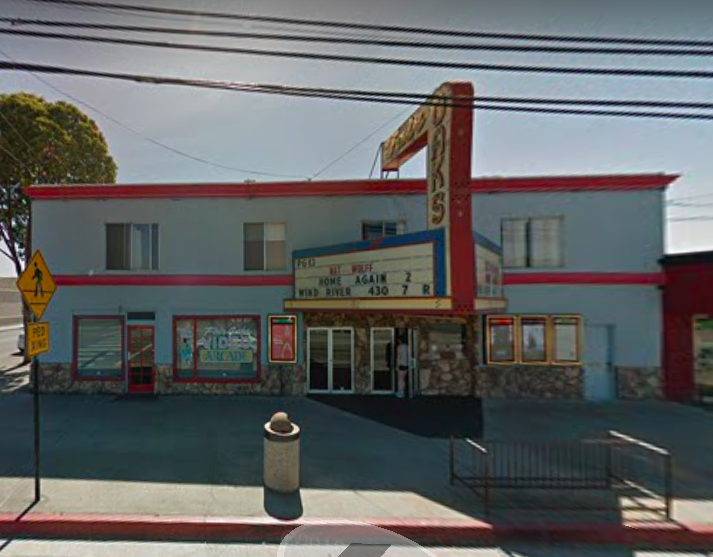
The Fair Oaks Theater, Grand Ave., Arroyo Grande

My wife, Elizabeth and I had a post-quarantine movie date to see In the Heights at the Fair Oaks Theater. It was delightful and it was wonderful to see it at the Fair Oaks.

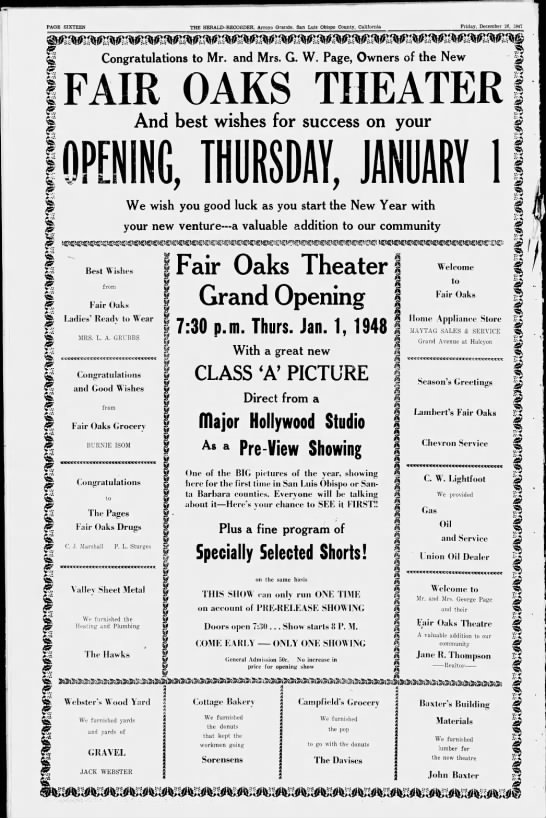
The theater opened in 1948 and by 1955, when my family moved from Taft to Arroyo Grande—the brick barbecue my father built still stands in the back yard of our old Sunset Drive home—it was kind of the center of a community that was growing rapidly.

Fair Oaks already had its own market—the building at the corner of Halcyon and Grand that includes a computer repair shop and a bookstore was the Fair Oaks Grocery, opened in 1939—and would, after the war,  add the Fair Oaks Pharmacy, across the street at the other corner of Halcyon and Grand. I remember, vaguely, Mr. Chuck Brooner coming in to fill an after-hours prescription when I was pretty sick.

There was a big hardware store just across Alder from the theater, whose ground floor also included an appliance store.  In 1955, Burkhardt’s Shoes, at 951 Grand Avenue, had its grand opening. Mr. Burkhardt was skinny as a whippet and was marked, as was Mr. Brooner, by his kindness: he treated my mother like royalty and was easy with kids who came in for their back-to-school Hush Puppies or Keds.

These places had a growing market because Arroyo Grande’s population more than tripled between 1940 and 1970—from 1,090 to 3,291—and an anecdotal study of new home purchases in the Arroyo Grande Herald-Recorder reveals that many of the new arrivals were, like us, refugees from the San Joaquin Valley.

Dad was a consultant to the founders of Mid-State Bank and got a job as comptroller for Madonna Construction, and, like many others of his generation, bought his home with a V.A. loan and, like many others, wanted a home near a school.

Arroyo Grande obliged with the September 1955 opening of Margaret Harloe Elementary, where my big sister finished her elementary education and my big brother began his. Harloe was one important anchor for Fair Oaks. The theater was the other.

The Grand Opening, 1948


We did not hit it off, the Fair Oaks and I. The first two films I saw there were deMille’s later Ten Commandments—I was distraught when Charlton Heston closed the Red Sea and the Egyptian charioteers’ horses drowned—and John Ford’s The Searchers, in the scene that traumatized me happened in the gathering dusk, when the Texas sodbuster family can hear the Comanche raiding party but can’t see them. It’s since become one of my favorite films, but it wasn’t then, not in 1956.

Forty years before, films were just as important a part of Arroyo Grande life as they were when the Fair Oaks was built. Silent films were screened Saturdays at Tanner’s Dance Hall, on the site where City Hall now stands, and young people were crazy about the movies.  I learned this from Jan Scott’s wonderful Readers’ Theater play, “Letters From Home: Keeping Him Close,” which told, through their letters, the story of an Arroyo Grande soldier and his family in the closing months of World War I.

The letters included the impact of the 1918 influenza epidemic and its closure of churches, schools and theaters, and the doughboy’s little sister was desperate to see the movies open again. The high school, maybe not so much.

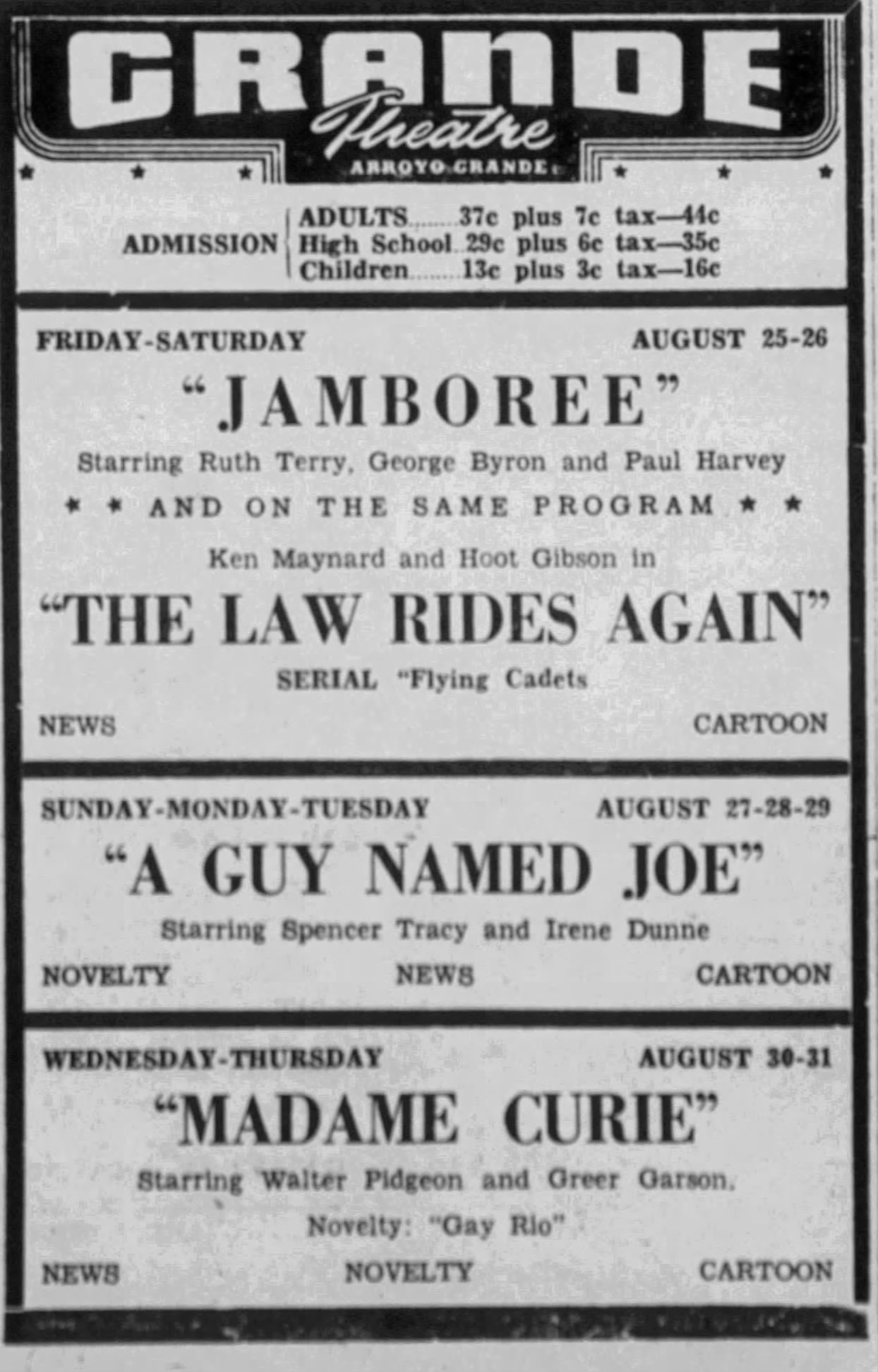
By 1930, the Mission Theater—later the Grande—was boasting talking pictures in its ads. The newer theater—which also sometimes hosted high school commencements (including Stanford-bound Vard Loomis’s),  as Tanner’s Hall had once, for the five seniors of the Class of 1898—was housed in the Branch Street commercial building that now includes Posies in the Village.

Jean Wilkinson Frederick’s father owned the meat market on Branch that’s been a meat market since 1897. (Her classmates at the high school, fellow members of the Stamp Collecting Club, included the inseparable Haruo Hayashi, John Loomis, Gordon Bennett and Don Gullickson.)

Jeanne told me a  few  years ago that she loved the movies at the Grande. Her favorites were the Western serials, and her favorite cowboy was, of course, Gene Autry. It helped that Gene often sang to his horse, Champion, a beautiful sorrel with a blond mane that would’ve been every girl’s dream horse.

August 1944


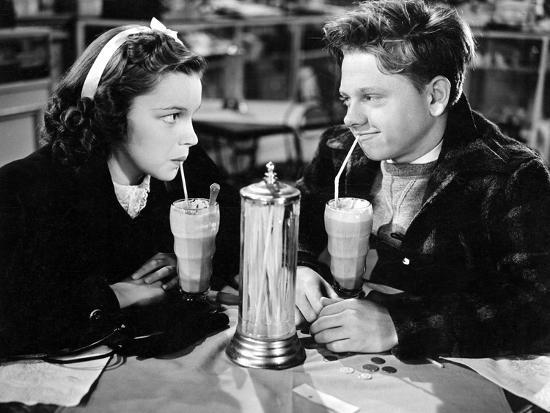
The Grande was ideal, too, for high school dates, because just down the street, in today’s Village Grill, was the Economy Drug Company, which featured Arroyo Grande’s soda fountain. Soda fountains were vital to Mickey Rooney and Judy Garland and seemingly, to most young couples in the 1930s and 1940s. My mother was a soda jerk in Taft in 1939 when Dad came in for an ice cream sundae. They were married in 1940.

I would survive the first two films I saw with my parents at the Fair Oaks and would see films my Mom loved (Lilies in the Field), films my big sister loved (Tammy and the Bachelor) and films that were more to the taste of my big brother and me (20,000 Leagues Under the Sea and Kirk Douglas’s epic battle with the giant squid.)

Since the mid 1960s, the Rodkey family have run what is truly is a neighborhood theater with all the elements I require in a theater: it’s clean, with comfortable seats and refillable popcorn. My family missed it when it was closed.

It’s like so many other places in Arroyo Grande I’ve found in growing up here: even when you leave your house you can find a place that’s home.

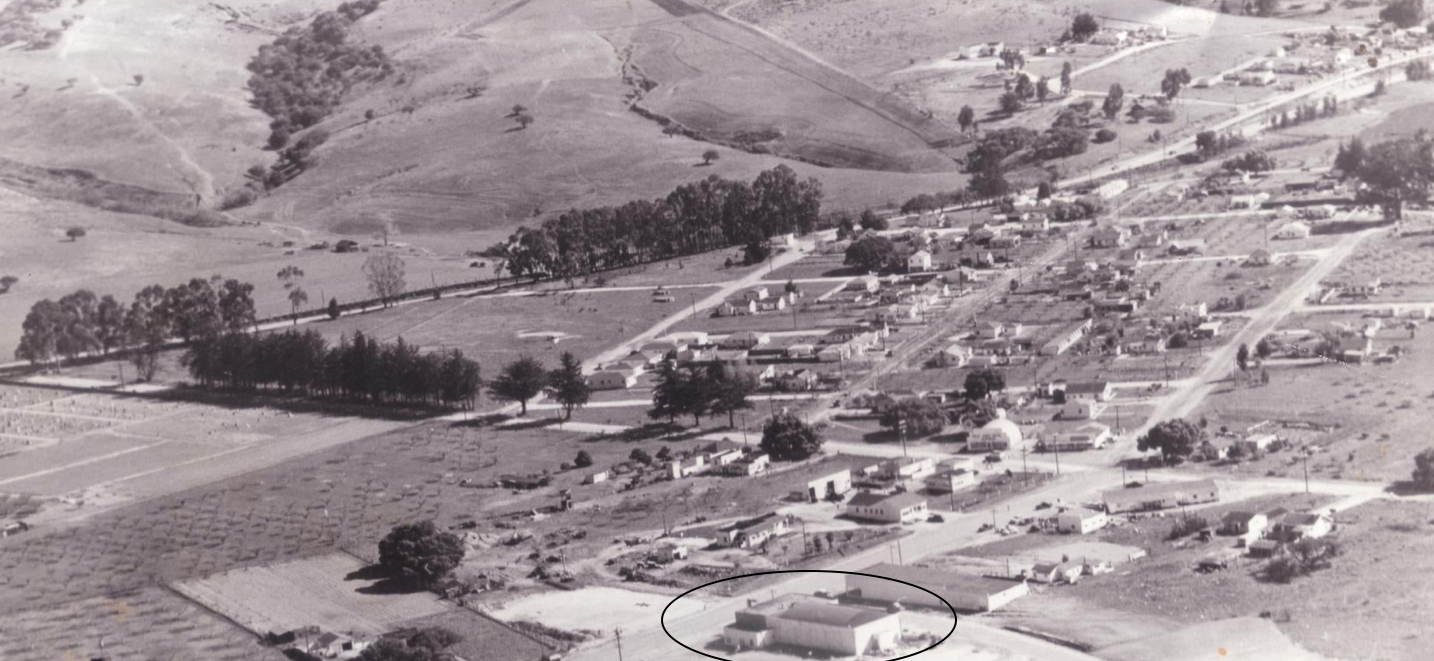
Fair Oaks in 1949. The theater is circled; the corner market is just above and to the right; the Arroyo Grande District Cemetery is to the left.


Cannery Row, 1935

02 Tuesday Mar 2021

Posted by ag1970 in Arroyo Grande, Film and Popular Culture, Uncategorized

≈ Leave a comment

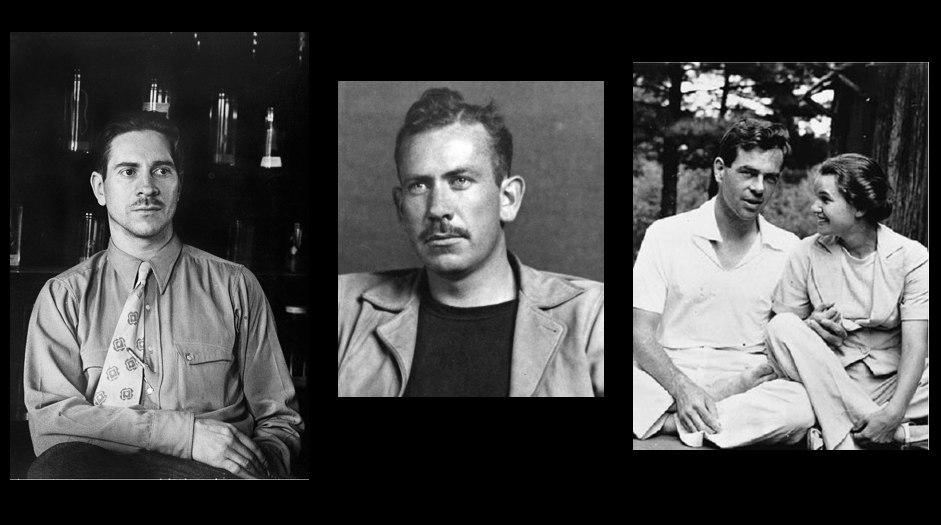
Ricketts, Steinbeck, Campbell and his wife Jean Erdman, a Martha Graham dancer.


If I had a time machine, I’d take it to Cannery Row, Monterey, about 1935.

Ed Ricketts, “Doc,” of Pacific Biological already has steaks and oysters and a loaf of sourdough, the last neatly bisected and all of them bathed in garlic and butter, ready to grill.

He crosses the street to Wing Chong’s for a gallon of red wine. He crosses back to start preparing dinner.


Wing Chong’s Market, Cannery Row, Monterey.


The guests, who drove in together from Pacific Grove, knock perfunctorily and walk in unencumbered—one of them, with luck, might’ve remembered to bring loaves of hard salami and Jack cheese. Regardless, Ricketts offers them their wine, poured generously into laboratory beakers. Then they barbecue, and one guest, the writer, offers unsolicited opinions—the very worst kind—on the proper way to grill Spencer steaks. They sip.

The steak expert is the the the novelist John Steinbeck. His friend and co-pilot on the perilous journey tomorrow morning back to Pacific Grove is the mythologist Joseph Campbell, who bears a remarkable resemblance to my Grandfather Kelly.

When their time comes, the steak and oysters and sourdough are dispatched promptly, along with a perfunctory iceberg salad with Thousand Islands dressing.

Two-thirds of the wine is left.

I don’t want the wine or the salad or the steak or the oysters–or even the sourdough, dipped in steak juices. I want to be, for just a short time, a fly on the wall, a grass snake under a warm lamp in one of Pacific Biological’s glass terrariums or even a skate breathing noiselessly at the bottom of a tank, just to listen, in my animal disguise, when the talk that won’t end until sunrise begins.

And could they talk. There would have been a lot of laughter, but there would’ve been confrontational moments, too. Ricketts, especially, with the scalpel that is a scientist’s mind, would have sliced his friends’ theories— about sexuality, life after death, about God the Father-Creator vs. God the Prime Mover, about the Great Depression and Italian Fascism— into slices as transparent as sashimi.

I can almost see Steinbeck, from my skate’s tank, slumped disconsolate into his chair once he’s been bested by his friend. In the silence, the only sound might’ve been the waves crashing into the pilings beneath the floor. But writers never shut up. Steinbeck would’ve found his voice again.

When sunrise came, I am sure that they departed wobbly friends.

Ten years away from 1935, the Allies will liberate Dachau and Auschwitz-Birkenau and they will vaporize Hamburg and Hiroshima. Three years later, Doc Ricketts, will be gone, killed on the train tracks above the Row—a little later, The Log from the Sea of Cortez will be his eulogy [Sweet Thursday would have embarrassed Ricketts]— so talks quite like this won’t happen anymore.

That’s a sadness because they told each other such grand stories, made even grander because they were told inside such a homely building.

What they told each other, thought through and distilled and re-worded, was what they’d learned from each other.

They were a biologist whose mind was so profound but whose stock-in-trade was Pacific Coast specimens for high school biology classrooms in Minnesota; a frustrated novelist, who’d written a dismal treatment of the pirate Captain Morgan and an immature and condescending novel about a paisano named Danny from Tortilla Flat and a mythologist who occupied an academic stratosphere to which no living wage could ascend.

What they discovered in each other was an electric attraction—or what Whitman called a “necessary film”— that ties all of us together. Granted, the red wine helped. They talked about our antecedence as clarified by Charles Darwin and William Jennings Bryan, they talked about Celtic and Hindi myth, about human nature’s potential, found in The Buddha, and its tawdriness, found in Huckleberry Finn. They argued about every conceivable topic, from Jungian theory to St. Francis’s wolf.

If they agreed on anything by the time the sun came up over the Gavilan Mountains, it was that this place—this planet—was a living organism, that we were its subordinates and, at the same time, its most murderous and indispensable components. They agreed that we belonged to it, and so to each other.

All of this disparate business, of course, had been hashed out a century before and a continent away from Pacific Biological by the Transcendentalists at Brook Farm. And before that, an ocean away, the same kind of talk happened, but it was in German: the Romantics there called the “necessary film” that ties all of us together weltgeist: World-Spirit.

But they didn’t have barbecue.

The talk on Cannery Row would have disappeared with the Del Monte Express that killed Ed Ricketts, except for Bill Moyers’s marvelous PBS series, The Hero’s Journey: Joseph Campbell and the Power of Myth. This was when we learned, thanks to Campbell, just how miraculous Luke Skywalker’s arrival truly was. Luke became even more miraculous when the mythologist helped us to understand, to our delight, that there was nothing new about Star Wars at all.

And then Campbell, thanks in great part to what he’d learned at Pacific Biological, told Moyers and all of us miraculous stories of his own that, of course, didn’t belong to him at all. He had learned them, too.

Bill Moyers (foreground) and Joseph Campbell, The Power of Myth. PBS.


But that series was a long time ago. But now, against the hard edges of current events, it’s in our soft remembrance of myth where we find the deepest truths, and there we have the chance to find our way back from the desolate place where we find ourselves now.

In the myth that is American film, I look to Frank Capra and Howard Hawks, and, when I can stand him, to John Ford. In writing, I look to Steinbeck and Willa Cather and to Hemingway’s short fiction; from my generation, I look to New Journalists like Tom Wolfe and Gay Talese. I look to the historians Bruce Catton and Barbara Tuchman and Doris Kearns Goodwin, to young historians like Laura Hillenbrand and Lynne Olson and Isabel Wilkerson, to baseball writers Roger Angell and Roger Kahn. I look to documentarian Ken Burns. I rely on the stories they tell me because they are true.

There are some—a harpy in Congress— who hold that our destiny lies in hating each other. That is a monstrous lie.

One way we can counteract this lie is to tell each other the truth: We belong to each other.

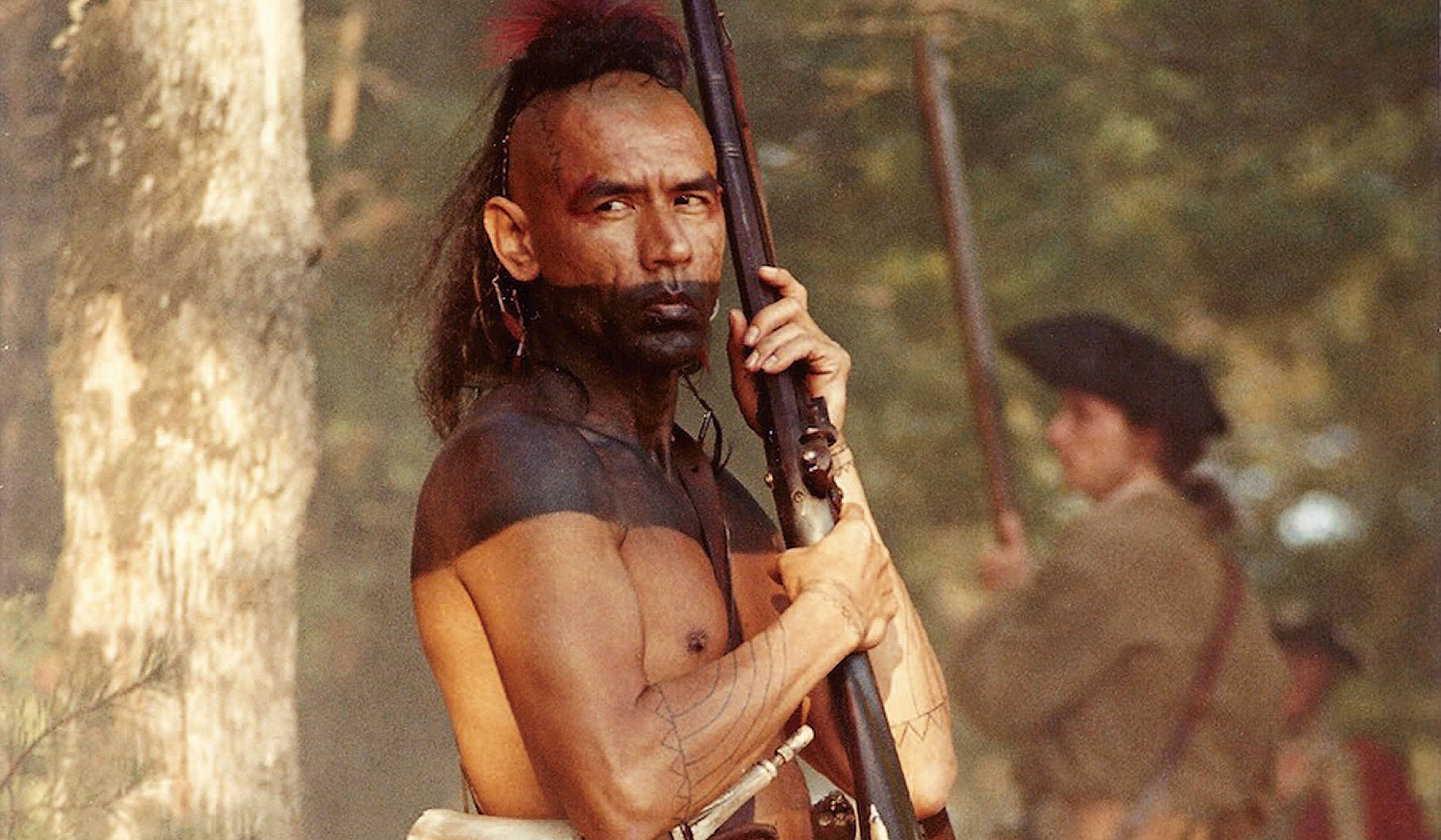
Here is just one example of what connects us: Campbell told Moyers that his research had taught him that there is a version of “Cinderella,” in one form or another, that’s found in nearly every culture in the world. I once watched Wes Studi—so terrifying as Magua in the film Last of the Mohicans—read a Native American version of the story to little children on Reading Rainbow, and he was so open-hearted and read the story so beautifully that the children at his feet, wide-eyed, knew immediately that it was a true story.


So here’s a story that I invented. The fact that it never happened doesn’t make it any less true.

It’s day’s end in Monterey in the summer of 1935. I am shivering a little in the fog despite layers of sweater and jacket. I am sitting on the bottom step of Pacific Biological. It’s cold, but I can smell the promise of warmth: red oak burning on a grill nearby. Then, in my story, I see Ed Ricketts, dressed in indifferent shades of khaki complemented by a surplus olive Army tie. He is closing a worn leather jacket across his chest and against the chill as he crosses the street with a gallon of red wine, which he carries with care, because the bottle’s green glass is thin. Its bottom is lined with sediment.

When he sees me waiting for him, an immense smile transforms his face, always serious, except for now.

Pacific Biological, Cannery Row, Monterey.


My (very short) Journey through French Cinema

Featured

Posted by ag1970 in Film and Popular Culture, Uncategorized

≈ Leave a comment

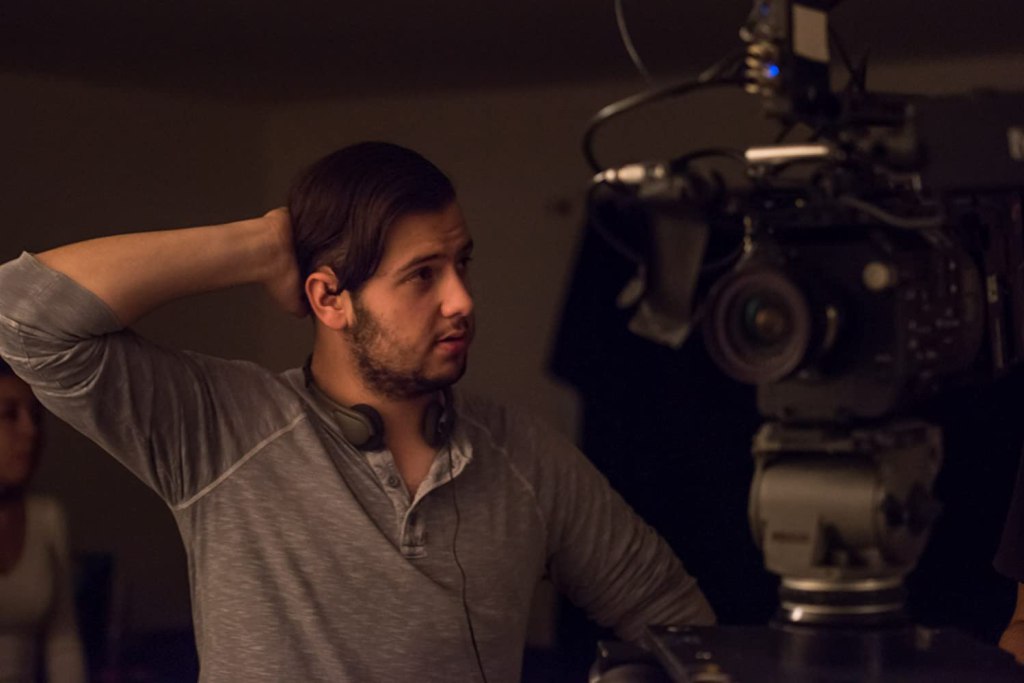
Filmmaker Barry Galperin.

One of the great joys of my teaching career was getting approached by this young man when he was a junior at Arroyo Grande High School. He had the sheer audacity—the kind that’s required of directors—to ask me to design a high school semester course in film history.

Which I did, because it was Barry’s idea, which made it an honor.

I once designed a course in Cultural Anthropology, so this was only my second attempt at inventing a class from scratch. But the Grand Poobahs at UC Berkley approved that course and, to my delight, they approved this one, too.

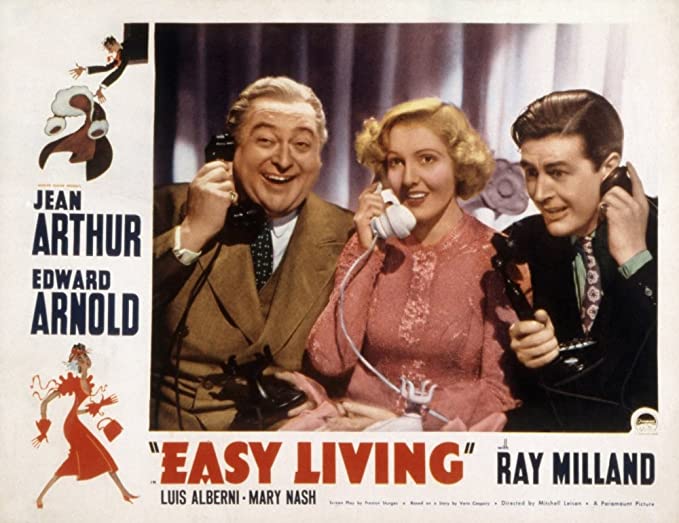
Designing the film course took me a long time, but I don’t much mind creating things. The only sadness was that I didn’t have room on my schedule to teach it—or to watch again films ranging from Chaplin’s The Gold Rush to Preston Sturges’ Easy Living (I have a great fondness for the actress Jean Arthur, who also finds James Stewart’s courage for him in Mr. Smith Goes to Washington) to John Ford’s The Searchers to Ridley Scott’s Blade Runner.

But I was pretty proud of myself—almost but not nearly as much as I am of Barry, a now-seasoned professional who directs and writes screenplays. He is possessed of immense courage.

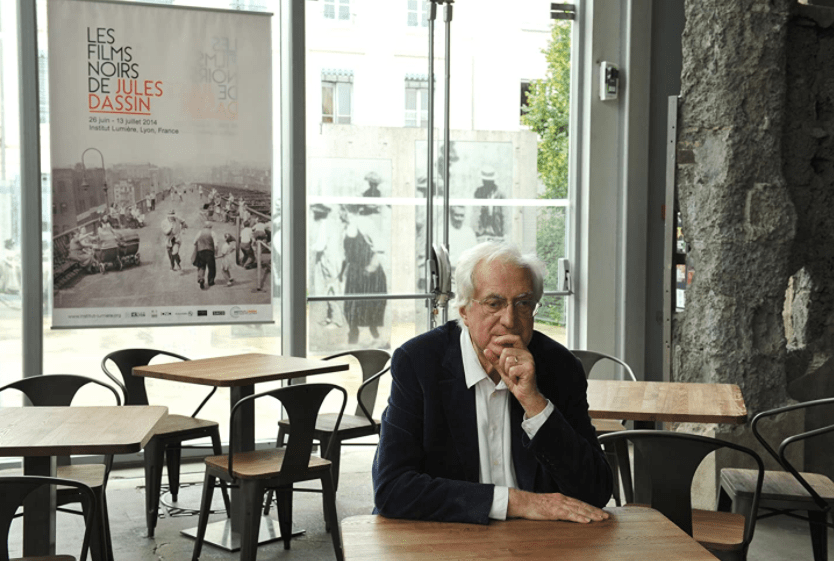
Last night, I had an immense and badly-needed dose of humility. I was merely channel-surfing when—damn you, PBS!—I tuned in, midway, into a three-hour documentary from 2016, My Journey through French Cinema, about the critic Bertrand Tavernier.

No, I had no idea who he was.

The film was subtitled, but the French the narrators spoke bore no resemblance to the proper names I was reading in the subtitles. I was always sorry that I did not take French in my years as an AGHS student. The teacher, Mrs. Koehn, was enormously attractive to us teenaged boys. She took to driving a convertible MG at high speed in her later years, which endeared her to me in a whole new way when she became my teaching colleague.

But this documentary cured me of learning French. I could never force my American mouth to make sounds like that.

That’s not the point. The point that was brought home to me was how little I actually know about film.

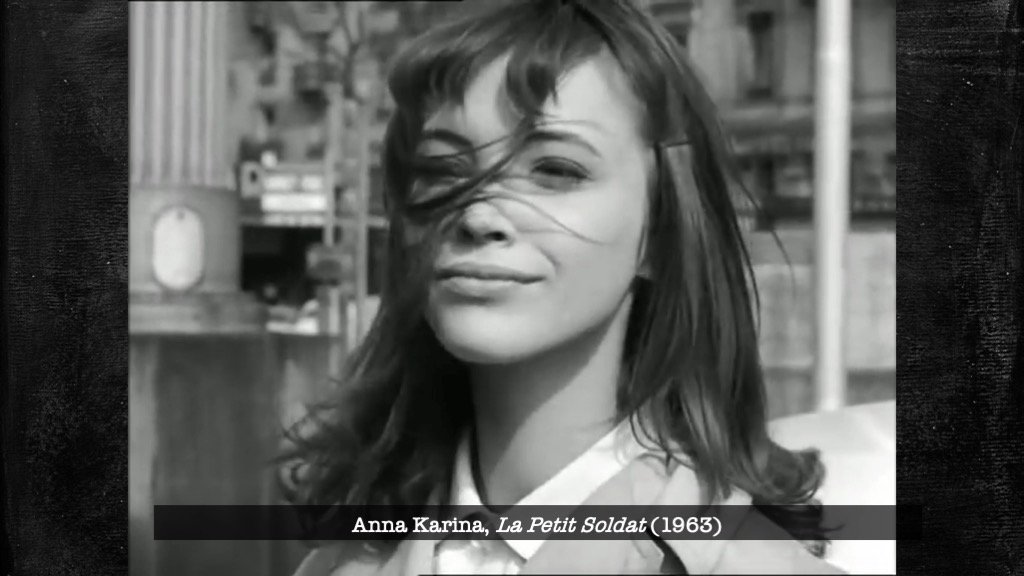
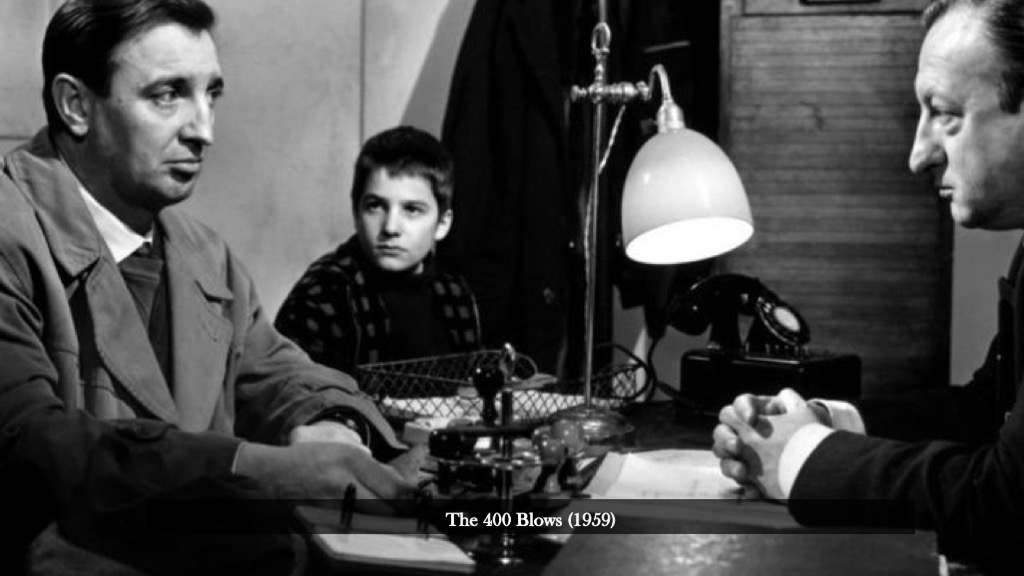
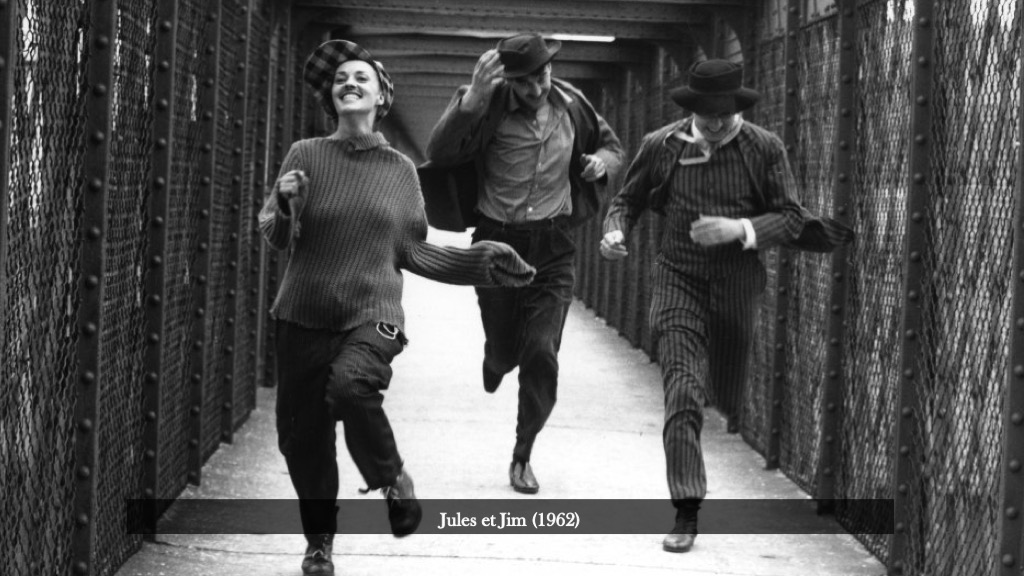
The scenes they selected took my breath away—I don’t know enough yet to connect the scenes with their films—but I saw an interior scene with both the camera and three characters in constant motion until a lovely young woman suddenly uses a bottle to bludgeon her older lover unconscious. I saw another man die in a rollover car accident shot from both outside and inside the car, punctuated, at its end, by a surviving tire in its rim careening across the road. There were criminal escapes through tunnels and sudden screaming matches between couples who only seemed comfortably married and a Paris street scene with two young women chanting casually amid the sidewalk crowds they pass, while heads turn in their passage. There were exterior scenes, young couples walking beneath trees and holding hands in dappled sunlight, that would’ve made Renoir weep. There was a sudden and violent street robbery, shot in Milan with a hidden camera, in front of a shocked crowd who would learn only much later that they’d been film extras.

There was Belmondo, an ultra-cool alloy of Bogart and Paul Newman.

There were, of course, entire Gauloises assembly lines of cigarettes smoked.

Bertrand Tavernier

I watched all of this without breathing too much. It was a wonderful humbling to realize how much you don’t know.

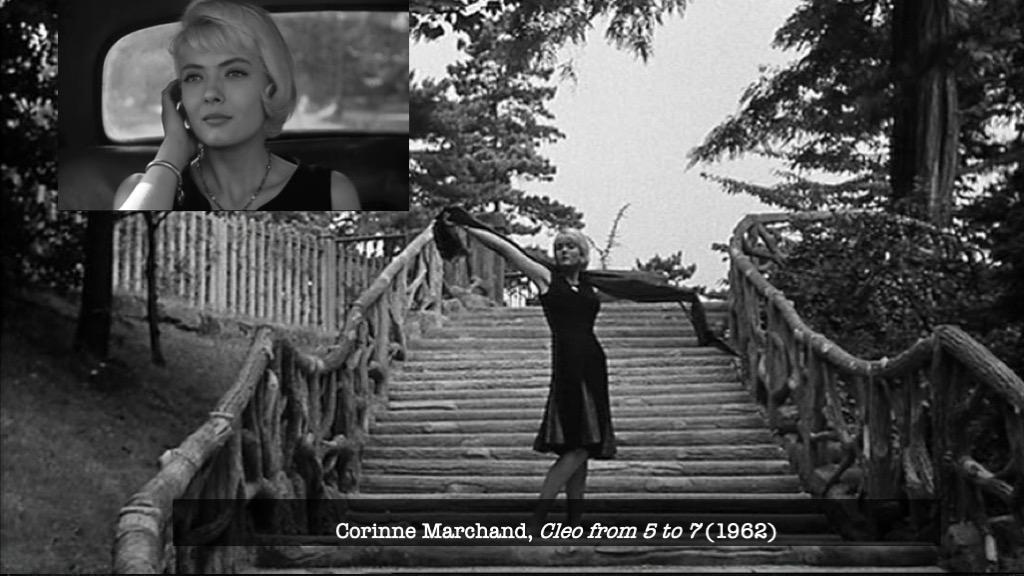
It was touching to feel your heart melt a little in watching the actress Corinne Marchand, her character doomed by cancer, sing as she descends a staircase in one of Hausmann’s Paris parks in a scene, filmed so gracefully, and sixty years ago, that it makes you fall in love with her.

It was exciting to know that I, even at sixty-eight, have so many films yet to watch, and that they are gifts from the French.

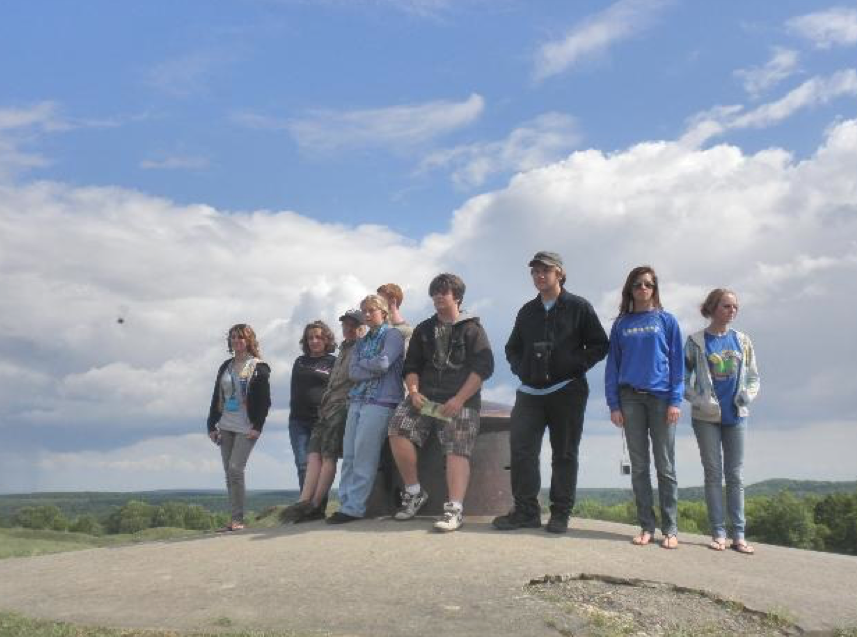
I spent most of my life dismissive of the French, in the American manner, until my students and I, ten years ago, took a trip across northern France where the Americans and Germans had left behind a path of destruction, in 1944 and 1945, from Carentan to Metz. In the ferocity of the fighting, entire towns were reduced to splinters by bombers and shellfire and in Norman pasturelands, GI’s took scant cover in the shelter of dairy cows, their udders still filled with milk, who’d been butchered by machine-gun fire.

We were typical tourists on our trip sixty-five years after that terrible war—in European history, that’s a hiccup— when the Frenchwoman, on discovering that we were Americans, insisted on giving us a tour of St Joan’s cathedral at Reims. She was insistent precisely because we were Americans.

This was the trip when I learned to love France and the French.

This was the trip where we visited the 1916 battlefield at Verdun. Verdun will cure you forever of the myth, broadcast by simpletons, that the French are cowards. The battle lasted nine months. The taking of one fortress—Douaumont—took 100,000 lives.

There is a vast ossuary beneath the Verdun Memorial. You can see, just below plexiglas panels, enormous stacks of the bones of French and German soldiers. These are the macabre remains of a generation of young men who were lost forever to their parents. And to us.

An attendant took me aside as we toured the Memorial. “Your students are so respectful,” she whispered to me.

So that moment, and the visit to Reims, cured me forever of the belief that the French are cold people. The woman who guided us through the cathedral was so immensely proud that she was French and so immensely happy that we were Americans.

My homework, for her, will be watching the French New Wave. Merci, my friend.

Questions remain, Andy Hardy…

22 Wednesday Jan 2020

Posted by ag1970 in Arroyo Grande, Film and Popular Culture, Uncategorized

≈ Leave a comment

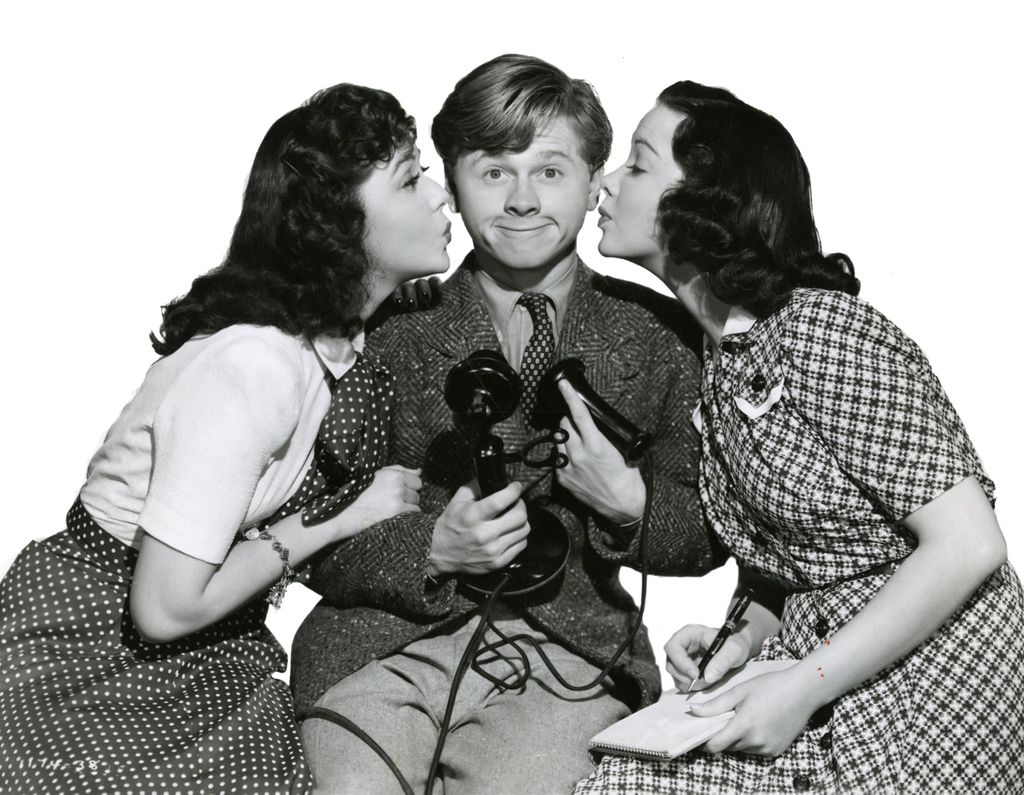
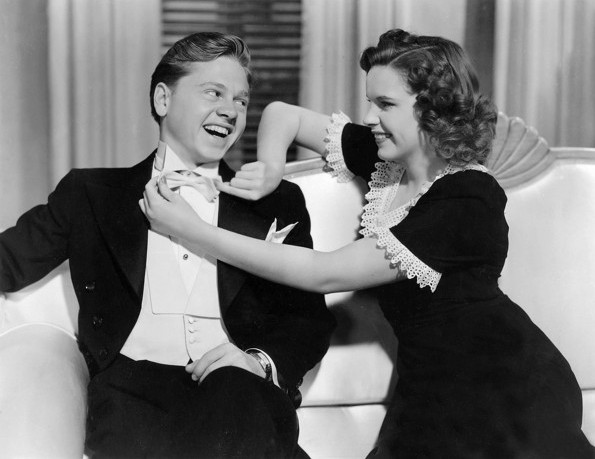
I have been undertaking a Serious Historical Study of the Andy Hardy movies that appear frequently on TCM. There were sixteen made between 1937 and 1958, during which Mickey Rooney’s Andy grew not an inch. Andy would go off to World War II but that part of his life is forgotten in favor of “I know what let’s do! Let’s put on a show!“

The films I’ve seen leave me with even more questions.

1. Did Andy ALWAYS wear a tie?

2. Did Americans once put that much sugar on their corn flakes?

3. Was that car as beautiful as I thought it was? Yes, it was. Andy’s high school graduation gift was a 1940 Plymouth convertible. Possibly it was a bribe offered Judge Stone, like the silver candlestick offered Thomas More in A Man for All Seasons.


4. Mrs. Hardy deserves far more credit. I think she irons Andy’s undershorts.

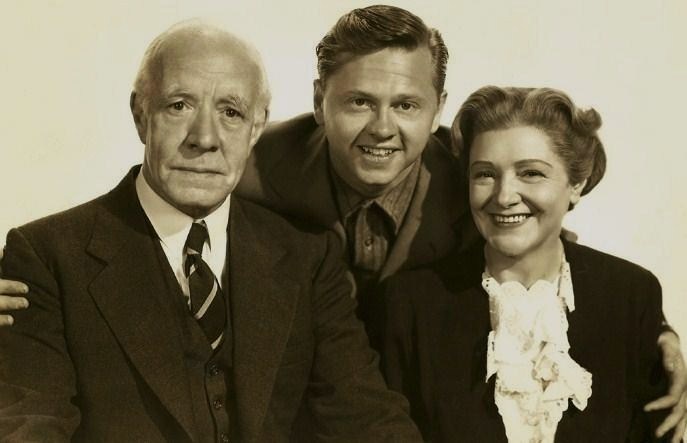
5. Judge Hardy is rarely in court. He mostly just hangs around and dispenses advice, like Ozzie Nelson did in Ozzie and Harriet. And, given Lewis Stone’s appearance, I would guess he was about 78 when his son Andy was born.


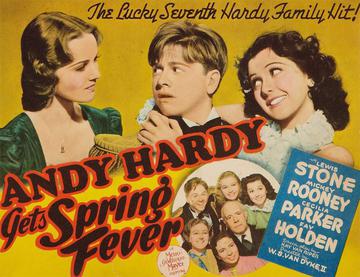
6. It seemed to take Andy about seven years to get through high school. Maybe that’s because in Andy Hardy Gets Spring Fever, he falls in love with his drama teacher, Helen Gilbert.


7. In one scene, Andy ties a BOW TIE while talking to Mrs. Hardy without the use of a mirror. That’s an Academy Award right there, as far as I’m concerned.


8. We need soda fountains to make a comeback. My father first met my mother in a soda fountain in 1939.


9. In Love Finds Andy Hardy, Andy offers to court a friend’s girlfriend while he’s away on a weeks-long family vacation so no other guys will Make the Moves on her. They haggle over the fee. They agree on eight bits (a dollar) or $18.36 in today’s money. Good Lord, money went a lot farther then.


10. In Andy Hardy’s Private Secretary, Andy and Polly go parking in what looks like Amazon rainforest in the 1940 Plymouth convertible. Judge Hardy and a good portion of the supporting cast suddenly pull up and hilarity ensues. If any OTHER Andy Hardy type had been caught by his Dad parking with Anne Rutherford (Polly), he would’ve been horsewhipped.

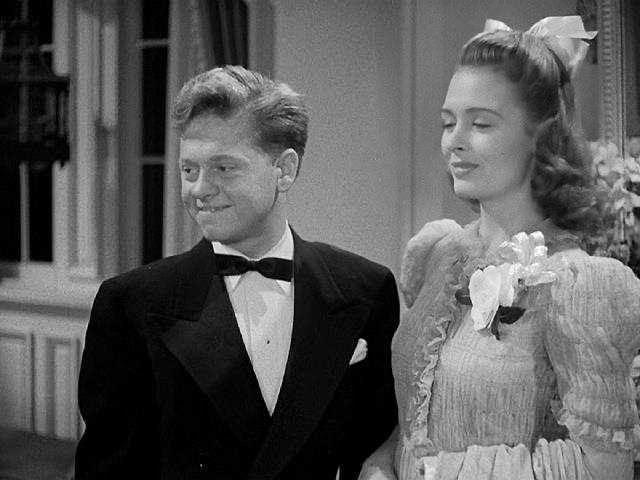
11. Judy Garland appears in only three of the films. Andy is dismissive of her, because she’s just a kid. I find that really difficult to believe. Donna Reed (below) appears one film, too, and that’s good, because that might’ve laid the groundwork for her casting opposite James Stewart in It’s a Wonderful Life.


12. The girl Andy dates for his friend (for $18.36 in 2020 money) in Love Finds Andy Hardy is Lana Turner. He finds her spoiled and selfish and, in my mind, no competition for Judy Garland. He breaks off the pseudo-relationship, which is good news because Lana Turner grows up to get her husband murdered and John Garfield sent to The Chair in “The Postman Always Rings Twice.”

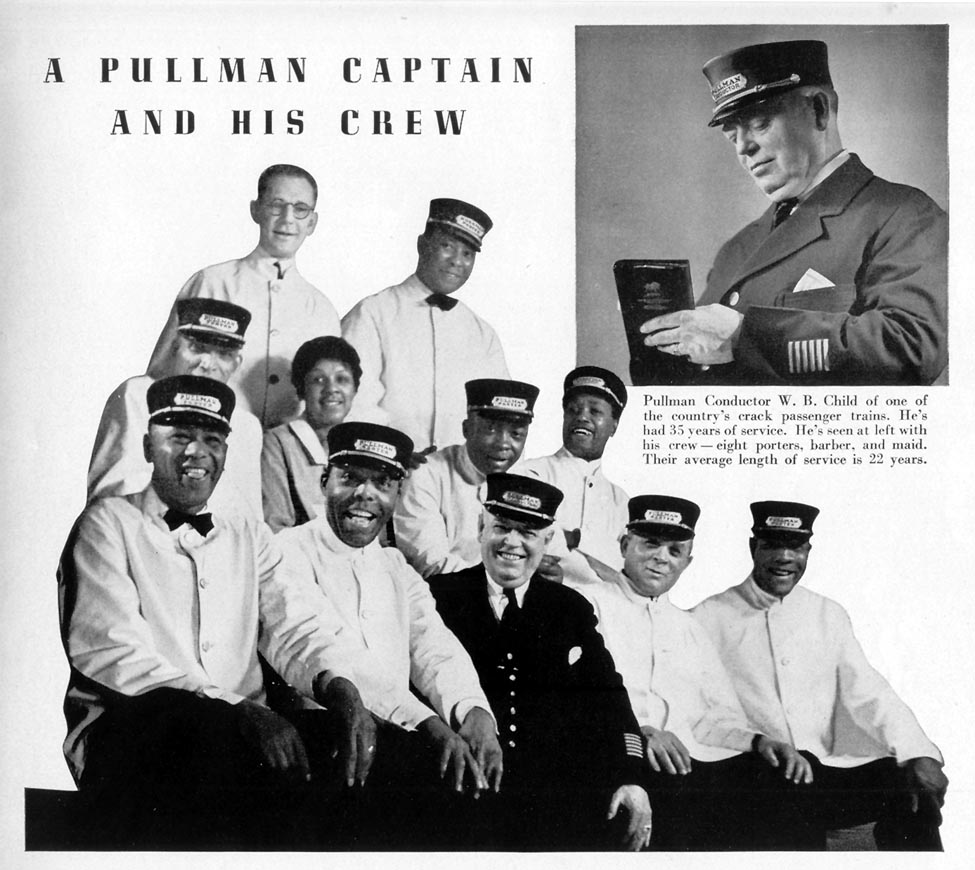
13. There are Black people in Andy’s hometown, Carvel, USA (like The Simpsons’ Springfield, it’s everywhere but nowhere in particular). They are all—all of them— Pullman porters, it seems. That part of the Andy Hardy myth is less appealing to me than Andy and Judy and their fountain soda.

“1917:” Why confronting World War I is still important

15 Sunday Dec 2019

Posted by ag1970 in Film and Popular Culture, History, Teaching

≈ Leave a comment

MV5BOTdmNTFjNDEtNzg0My00ZjkxLTg1ZDAtZTdkMDc2ZmFiNWQ1XkEyXkFqcGdeQXVyNTAzNzgwNTg@._V1_

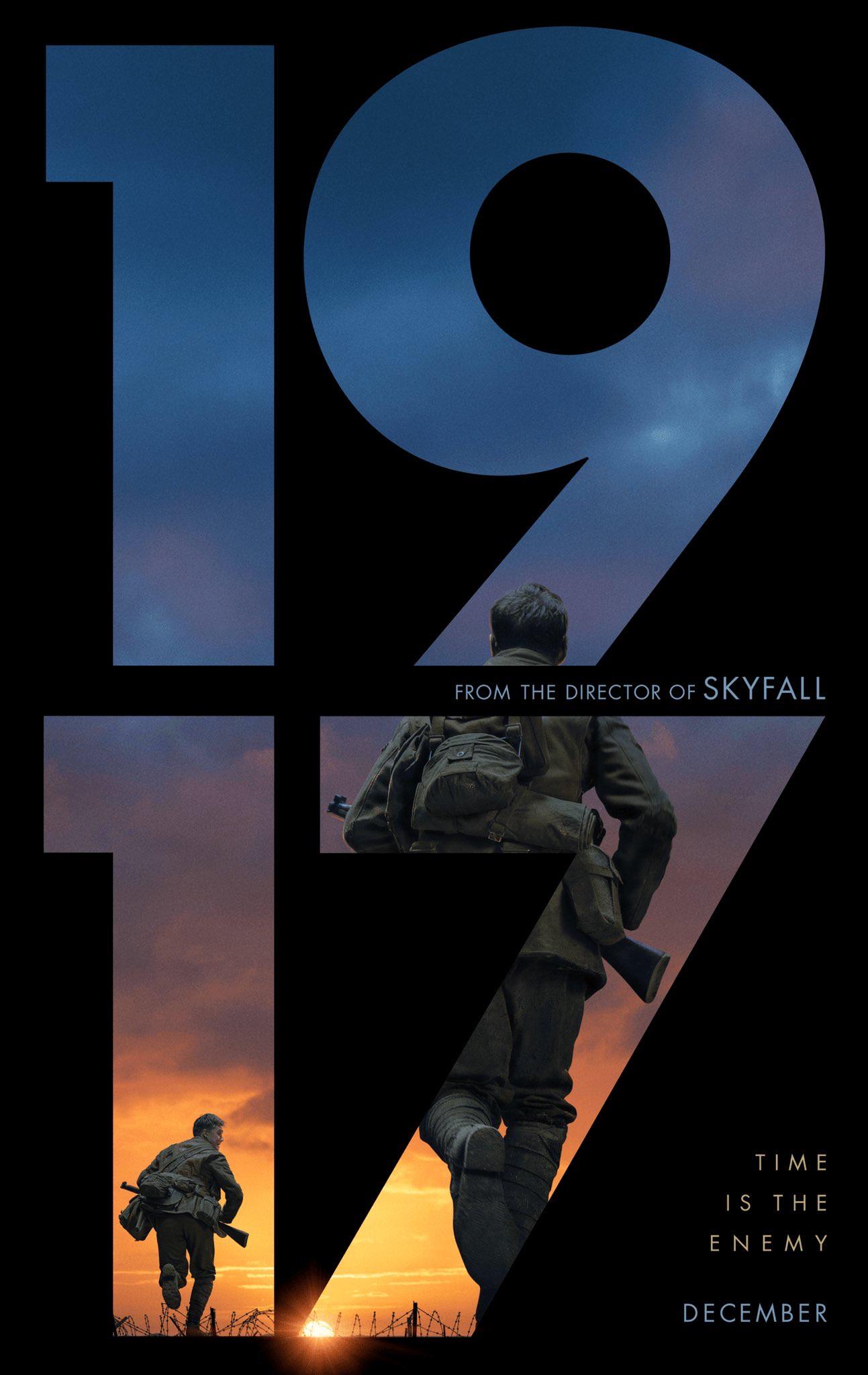
Sam Mendes, a director whose credits include spectacular Bond films, is about to release TolkienUniformsomething different: 1917. 

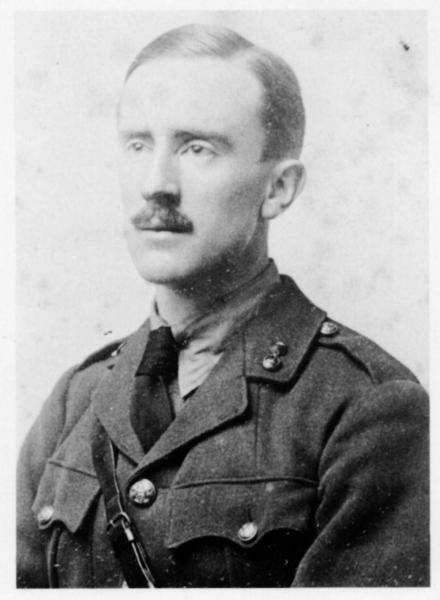
It was a JRR Tolkein’s (right) experiences in the trenchland of northern France that would lead to The Lord of the Rings in the attempt, I think, to confront the demonic forces that surrounded him when he was twenty-four years old.

Erich Maria Remarque’s All Quiet on the Western Front was the same kind of response. Writers like these two—and like Siegfried Sassoon, Robert Graves and Wilfred Owen—showed us how quickly and completely centuries of civilization could unravel.

The advance word is positive and I hope the critics are right. Gettysburg, based on a far worthier novel, The Killer Angels, lasted longer than the battle itself and I was rooting against both sides by the end; Midway made me care not a damn about human beings. Private Ryan, on the other hand, did.

So I am hopeful for this film.

1917 (2019)

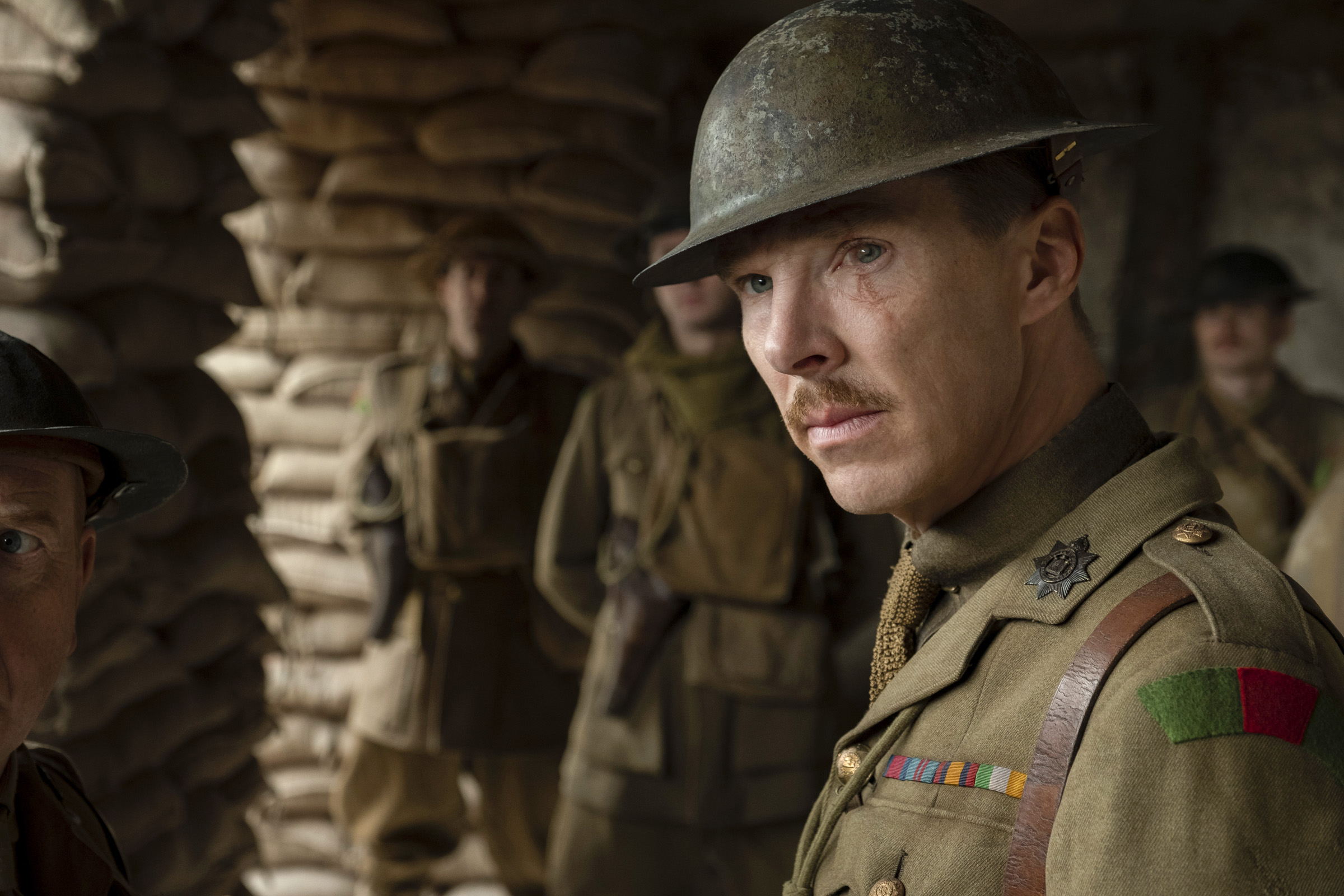
1917: Benedict Cumberbatch as Colonel Mackenzie

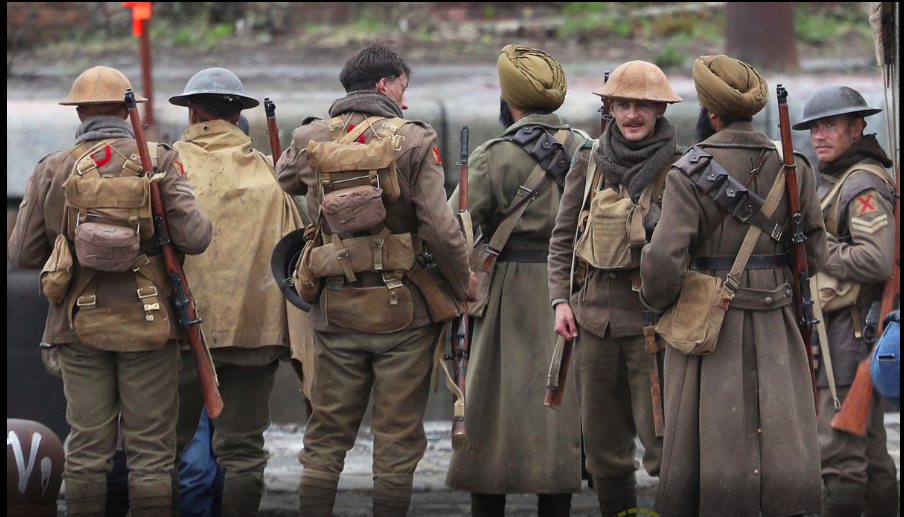
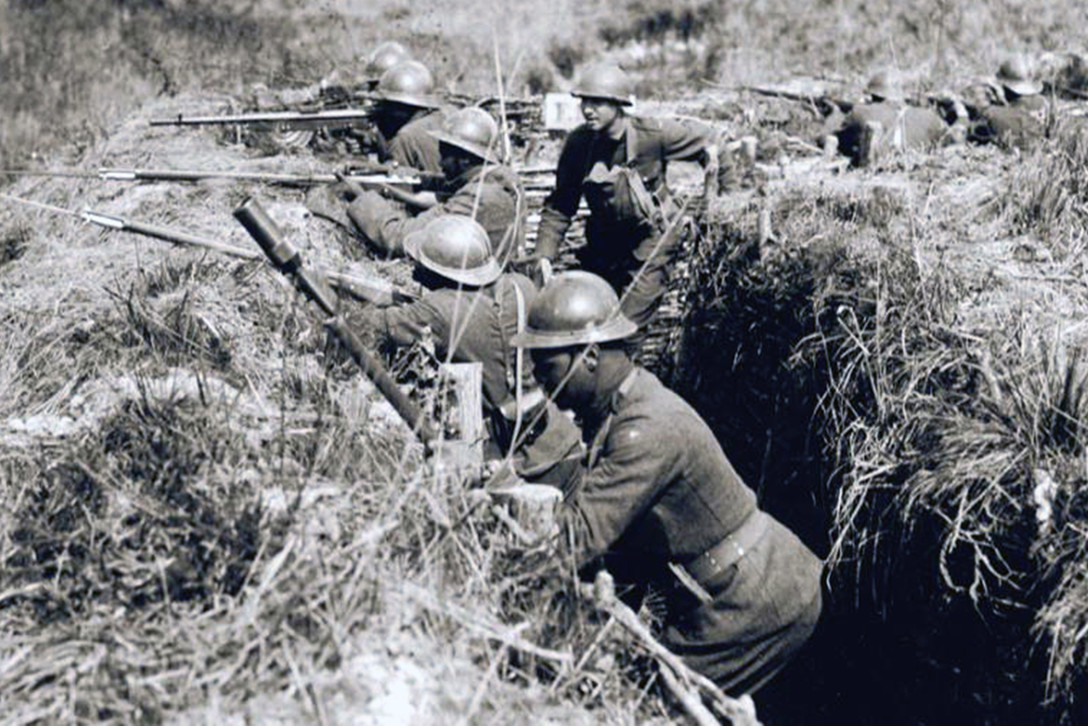
I wrote a a book about World War II which would have been impossible to write unless I’d had twenty years’ experience teaching World War I to European history students. It truly was a world war: The film still below shows actors portraying both Tommies and Sikhs fighting as comrades. Those are African-American troops from the 369th Infantry Regiment, but they’re wearing French helmets because the French begged for fighting men–we used African-Americans as manual laborers– and they responded by fighting like tigers. 170 members of this regiment received the Croix de Guerre.

Screen Shot 2019-12-14 at 5.47.58 PM

New York WWI Troops Fight to get into the Fight

Screen Shot 2019-12-14 at 6.47.53 PM

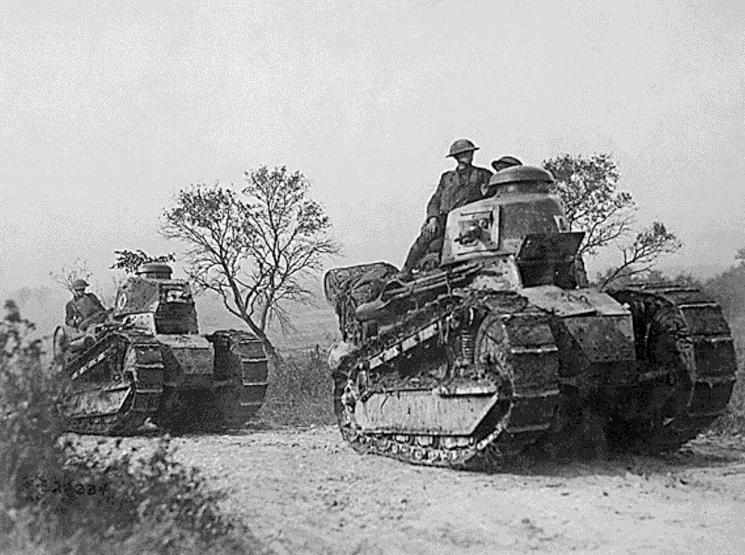
And these are American doughboys riding atop French Renault tanks; our Marines advanced on the machine gun nests in Belleau Wood carrying French Chaucat light machine guns. They fired from the hip, the Germans remembered, while smoking cigarettes. Our troops went into action in the Meuse-Argonne Offensive convoyed in French trucks driven by French colonials from a country that would someday be called Vietnam.

At the end of the year, my students and I decided that there had been no turning points in Western history quite like these three: Luther’s posting of the Ninety-Five Theses; the storming of the Bastille in 1789; the assassination of Franz Ferdinand and Sophie in 1914. The last event, which tumbled us into World War I within a month, hasn’t played itself out yet.

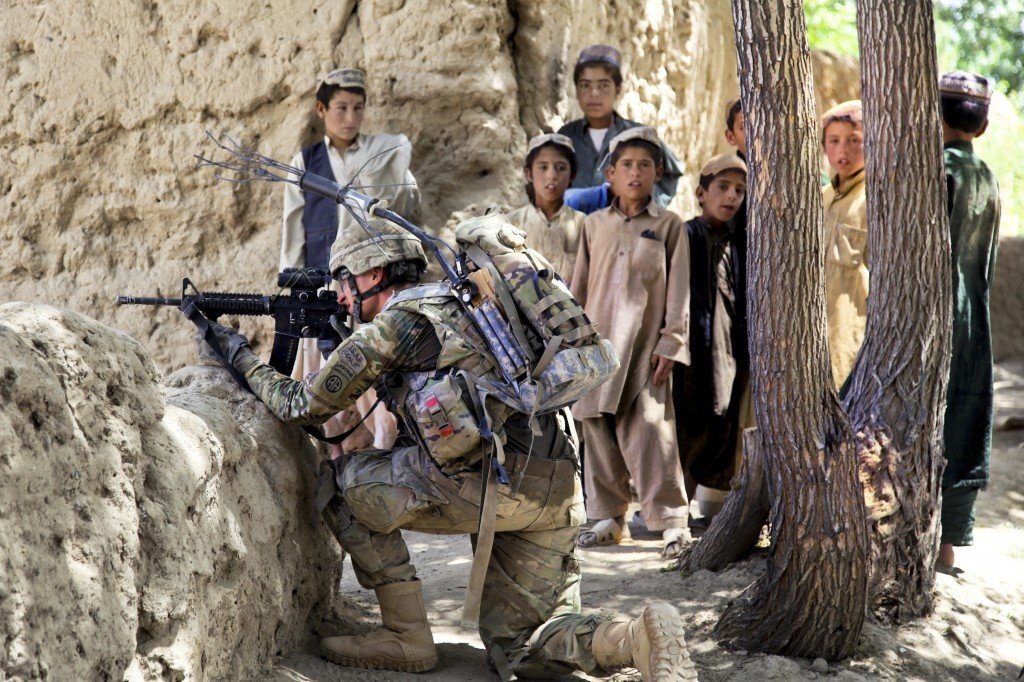
The Americans serving in Syria and Iraq are a product of this war and the ineptitude of the peace treaty never really ended it.

Afghanistan_children11_1024x68

I tried to explain, in this passage from the World War II book, why we need to confront World War I. I have the feeling that this film will take us there.

*  *  *

I taught history for thirty years, and I never, never ceased to get angry every spring when I taught the First World War. It was this war and its peace treaty that did so much to make World War II possible. In 2010, I took some of my students to Western Europe’s World War II battlefields but also to Verdun, site of a horrific 1916 battle that lasted over ten months. The stacked bones in the ossuary there once belonged to boys like my two sons, whose parents had applauded at their first steps or cheered when they scored their first football goal.

I made it my business to help all of my students understand that idea— that war cheats us all so cruelly—and so I led them, every year in my classroom, into dark places, like Fort Douaumont at Verdun, so dark that it swallowed the light of five hundred years of Western culture. To go inside Douaumont, where 100,000 young men were killed or wounded, to study war doesn’t mean we glorify it. A few years ago, a student told me the First World War was her favorite unit. (Not mine—I much prefer La Belle Èpoque) I asked her why, and she replied, “Now I understand how precious human life is.”

 She understood precisely why I became a history teacher.

 She would have understood, as well, how in the process of writing this book, something extraordinary has happened within my heart: the more I research these young men of my father’s generation, the inheritors of the legacy of places like Douaumont, the more they become my sons.

 Through no one’s fault, they’ve been mostly forgotten. This book seeks to name them and so reclaim them for a new generation. When we come to know these young men, we come to love them, and maybe that is the force that will carry us a small step farther along a path that will lead us to a world of peace. The great Jesuit theologian and anthropologist Pierre Teilhard de Chardin believed that we have a divine gift. We evolve physically and intellectually, but, he argued, we can evolve spiritually, as well. I believe Teilhard is exactly right. But I believe also that we cannot advance if we leave behind the boys and men I’ve met, the casualties of war. Their lives were, and are, precious, and if they could somehow save other young lives, I think they’d do it in an instant.

 A North Vietnamese soldier-poet wrote many years ago that “the bullet that kills a soldier passes first through his mother’s heart.” If the young men I now know could somehow spare other mothers the pain theirs went through, then I think they would do that in an instant, too.

 It is our responsibility to confront and understand the horrific violence that took their lives. The young men I now know who died in a Norman village like Le Bot or in the sky over the English Channel or deep in the waters of Ironbotttom Sound off Guadalcanal lit a path, in dying, for the living to follow. If we ignore them, we will lose the path, and the dark will have won after all.

Screen Shot 2019-12-14 at 8.14.52 PM

Arroyo Grande High School students at Fort Douaumont, 2010.


Meditation on a silver Corvette

17 Tuesday Sep 2019

Posted by ag1970 in Arroyo Grande, Film and Popular Culture, Uncategorized

≈ Leave a comment


ext_GAN_deg04Usually when I’m under the Brisco Road underpass, I reflect nervously on the 1989 Loma Prieta Earthquake, when part of the Nimitz Freeway pancaked. Or, as you wish, tortilla’d.
[We felt that quake in Los Osos. I was feeding John in his high chair and noticed, suddenly, that I had to move the spoon to track his mouth, because he was swaying. I snatched him up and dragged him, mostly but not completely out of the high chair, into the safety of the hallway. John was unfazed. The boy likes to eat.]

Thank goodness, I did not think about the earthquake today. What I thought about instead was the vision just beyond my windshield.

It was a silver 2019 Corvette that looked just like the one above.  It was beautiful and it sounded glorious, too. The engine purred and then, when the driver accelerated, it growled.

There was a time in my very young life when I wanted to grow up to be a 1963 Corvette Stingray.


tumblr_po9clcycxw1ttxfeno1_400


The Corvette I saw today looked so futuristic I would not have been at all surprised to see George or Jane Jetson behind the wheel.

Amber Derbidge and I once took kids to Europe and one of our stops was in Monaco, where the biggest yacht in the basin was owned by a man in Ladies’ Underwear. That was his business, to clarify. Then we passed one of the biggest Ferrari dealerships in Europe, but there were so many Ferraris on display that they were kind of dull, like Ford Escorts in the Mullahey lot.

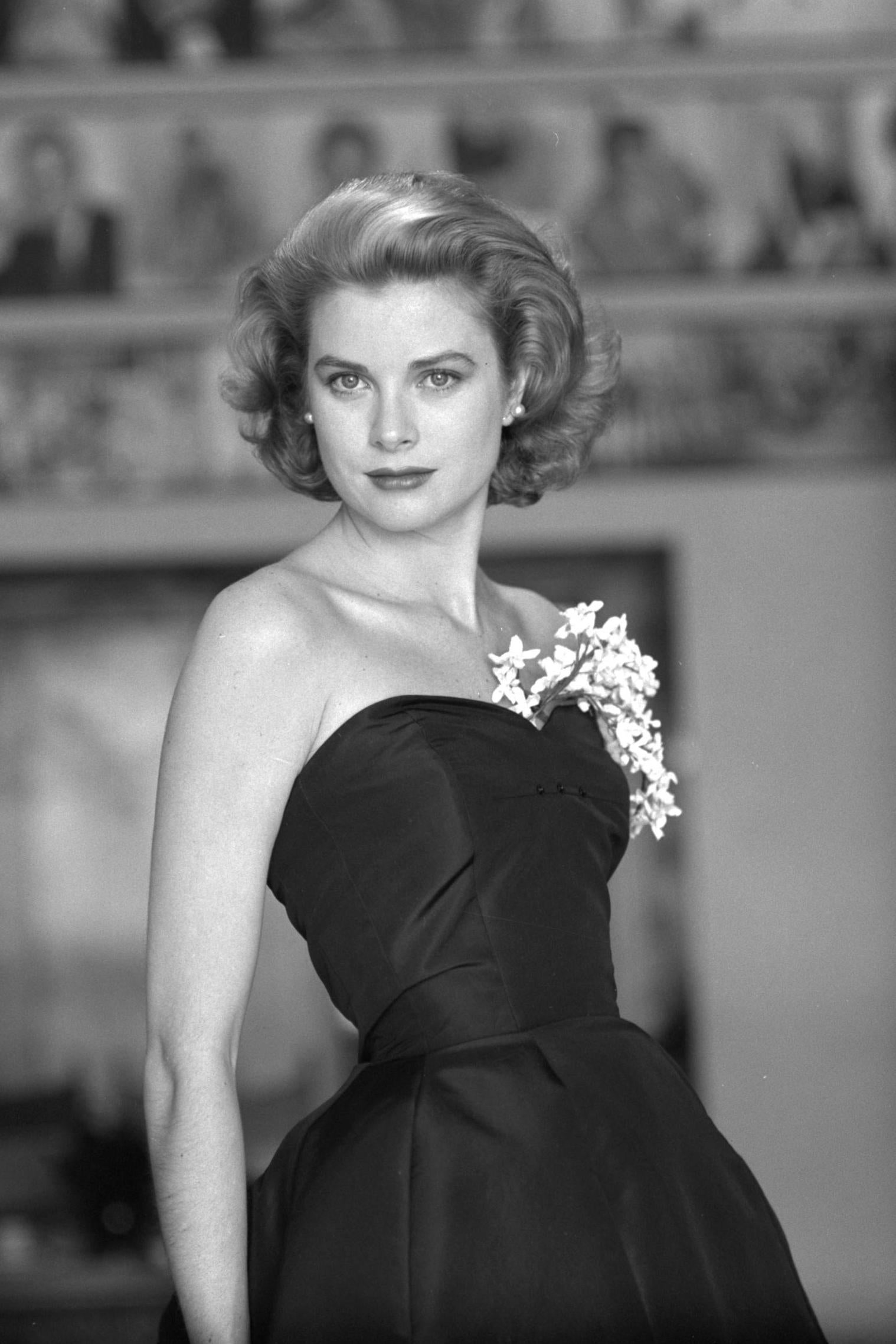
But if you see one good thing, say, Princess Grace’s grave, which was strewn with rose petals, or a shooting star Elizabeth and I once saw in an empty sky over Utah—or a silver Corvette you weren’t at all prepared to see—that’s a singular beauty. Oh, and as much as I love sports cars, there’s no beauty like Grace Kelly’s. None.


gettyimages-75876421

Transcendence

23 Wednesday Dec 2015

Posted by ag1970 in Film and Popular Culture

≈ Leave a comment


maxresdefault

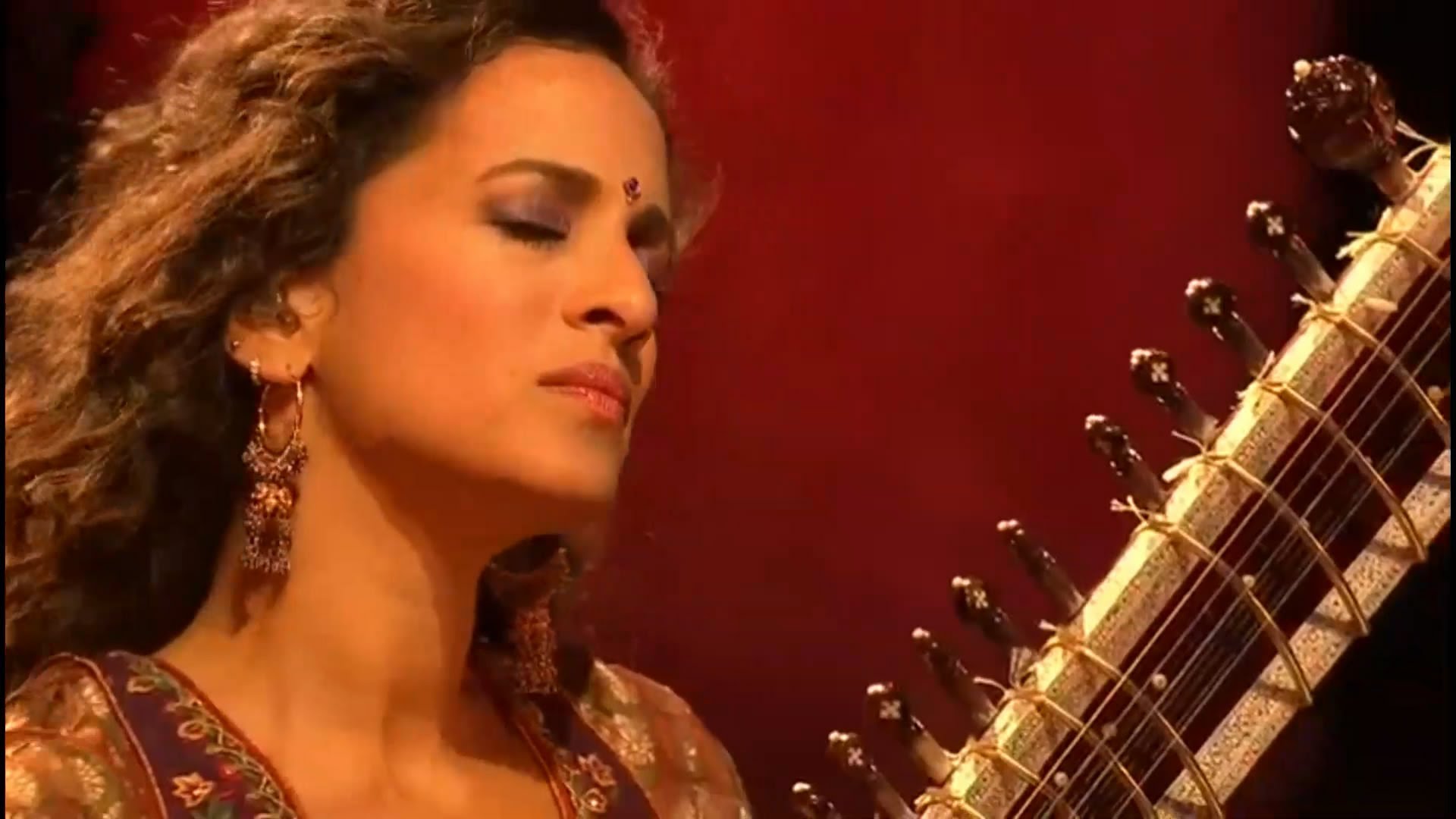
The obvious must be stated: Anoushka Shankar is beautiful, and I’m not going to be so dishonest as to claim that doesn’t matter when I watch her play the sitar, the instrument that brought her father so much fame.  Some of her performances are on YouTube videos, like the one linked below. She is, by the way, the sister of the beautiful Nora Jones.

But there are so many kinds of beauty. With Shankar, the self-discipline she has—the mastery of her Self—is as obvious as her physical beauty. Her attention is riveted on the instrument, and she rarely looks elsewhere. I’ve never seen concentration like hers. She seems to regard the instrument, as if it were new to her, but at the same time, there’s steel of great strength in her eyes.

There is a grace about her, a generosity, too. On another video, it’s the closing song of the concert, and she gives each of her backing musicians–violin, percussion, the shehnai, a wind instrument that resembles a clarinet–a chance to solo and to shine, and each is stunning. During their solos, she softly claps her hands in time, her eyes are frequently closed, and she’s smiling just as frequently: it’s a beatific look, even the look of a proud mother (which she is, offstage.) She has given herself over to the other musicians, entered into their performances, and it is the most perfect kind of praise.

In this video, she seems to hit a new gear about two or three minutes into the song, and, except for the percussionist, who’s both skilled enough and empathic enough to follow her, she’s gone.  She is so fast and so nimble and the notes tumble as if they were droplets in a great waterfall.  And, every once in awhile, a little smile crosses her face, and now her eyes begin to close, as if she were listening to a stranger. Something wonderful is happening, I think: athletes refer to it as being “in the zone,” where, for example, every pitch hits the corner for which it’s intended because the pitcher realizes he can release the desire to aim the pitch. Throwing suffices. My hero, Sandy Koufax, had games like that. He was untouchable.

So is Shankar. When you see that smile, she is in a special place where the playing is fluid, effortless and joyful. It’s all right, I think, to live for moments like this, after all the years of rigor and denial and endless, endless practice (her father was a stern teacher, I take it). Those moments, after all, aren’t meant for her alone,  or even for her audience alone. When Shankar smiles, it’s because she’s fully aware that God is listening to her, or, even more important, that God is playing through her.

There’s where the joy is: in the surrendering.

https://youtu.be/O4RZaszNhB0?t=2

Swing Kids

22 Tuesday Dec 2015

Posted by ag1970 in American History, Film and Popular Culture, World War II

≈ Leave a comment

20151222_140005

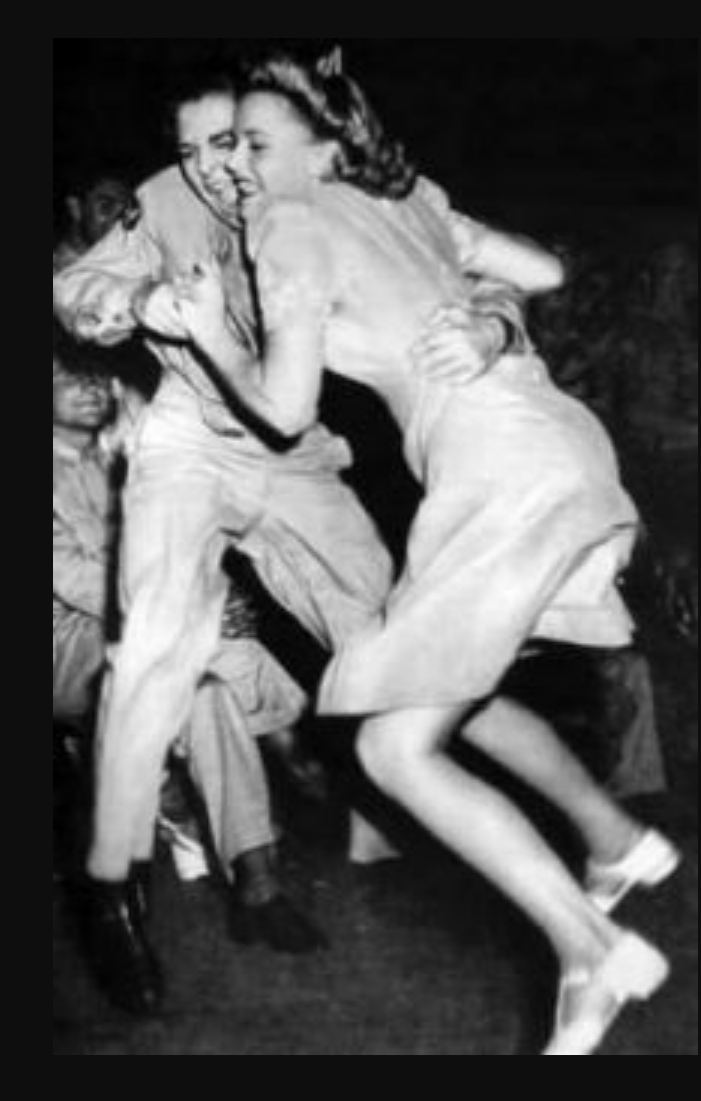
Whatever else I’ve said about the World War II generation–how sad but inevitable, our Sixties falling-out–there’s one more bit of praise: great music, and these young people could dance, a social rite mine left behind.

I put this together, part of a cycle of slide presentations, just in case they’re needed for whenever the book signing will be. Don’t want bored folks.

We open with a smidge of Andrews Sisters, a little silly, and then three Glenn Miller hits: the silky, evocative “Moonlight Serenade,” and then two go-to-war rousers, “St. Louis Blues March” and “American Patrol.” I wonder where Dad was when he first heard these songs? He still remembered “Bluebirds Over (the White Cliffs of Dover”) and, of course, “Der Fuhrer’s Face.” And maybe a French tune or two better left in French.


https://drive.google.com/file/d/0B05dFICUx2kGZWRDZ1BwR1ViaUk/view?usp=docslist_api

← Older posts
Newer posts →

Subscribe

  • Entries (RSS)
  • Comments (RSS)

Archives

  • January 2026
  • December 2025
  • November 2025
  • October 2025
  • September 2025
  • August 2025
  • July 2025
  • June 2025
  • May 2025
  • April 2025
  • March 2025
  • February 2025
  • January 2025
  • December 2024
  • November 2024
  • October 2024
  • September 2024
  • August 2024
  • July 2024
  • June 2024
  • May 2024
  • April 2024
  • March 2024
  • February 2024
  • January 2024
  • December 2023
  • November 2023
  • October 2023
  • September 2023
  • August 2023
  • July 2023
  • June 2023
  • May 2023
  • April 2023
  • March 2023
  • February 2023
  • January 2023
  • December 2022
  • November 2022
  • October 2022
  • September 2022
  • August 2022
  • May 2022
  • April 2022
  • March 2022
  • February 2022
  • January 2022
  • December 2021
  • November 2021
  • October 2021
  • September 2021
  • August 2021
  • July 2021
  • June 2021
  • April 2021
  • March 2021
  • February 2021
  • January 2021
  • December 2020
  • November 2020
  • August 2020
  • July 2020
  • June 2020
  • May 2020
  • April 2020
  • January 2020
  • December 2019
  • November 2019
  • October 2019
  • September 2019
  • August 2019
  • May 2019
  • April 2019
  • March 2019
  • February 2019
  • January 2019
  • December 2018
  • November 2018
  • October 2018
  • September 2018
  • July 2018
  • June 2018
  • May 2018
  • April 2018
  • March 2018
  • February 2018
  • January 2018
  • December 2017
  • November 2017
  • October 2017
  • April 2017
  • March 2017
  • December 2016
  • November 2016
  • October 2016
  • September 2016
  • August 2016
  • July 2016
  • June 2016
  • April 2016
  • March 2016
  • February 2016
  • January 2016
  • December 2015
  • November 2015
  • October 2015
  • September 2015
  • August 2015
  • July 2015
  • June 2015
  • May 2015
  • April 2015
  • March 2015
  • February 2015
  • January 2015
  • December 2014
  • November 2014
  • September 2014
  • August 2014
  • July 2014

Categories

  • American History
  • Arroyo Grande
  • California history
  • Family history
  • Film and Popular Culture
  • History
  • News
  • Personal memoirs
  • Teaching
  • The Great Depression
  • trump
  • Uncategorized
  • World War II
  • Writing

Meta

  • Create account
  • Log in

Blog at WordPress.com.

  • Subscribe Subscribed
    • A Work in Progress
    • Join 68 other subscribers
    • Already have a WordPress.com account? Log in now.
    • A Work in Progress
    • Subscribe Subscribed
    • Sign up
    • Log in
    • Report this content
    • View site in Reader
    • Manage subscriptions
    • Collapse this bar
 

Loading Comments...