

This year AVID students–kids whose family backgrounds do not include a college experience– invited me to go on the northern college tour, and I was honored. I had never visited Cal until a few years ago, with another AVID group. I did go to Stanford. For a week. I won a teaching fellowship in 2004 and got to study the Great Depression and New Deal with David Kennedy, whose book on the subject won the Pulitzer Prize for History. I tried not to look too adoringly at him while he taught us. It was difficult, because not only was he brilliant, but he was a real human being– engaging, witty, and you could tell he loved the history of the time and the Americans who had lived it.
I instantly loved Stanford’s rival, Cal, when we visited, even though I had to fight the impulse, so common to my generation, to run off and occupy the administration building, Sproul Hall, and demand that we leave Vietnam. It is so beautiful and I am convinced just walking around campus with the kids boosted my I.Q. a full 20 points, up to 100.
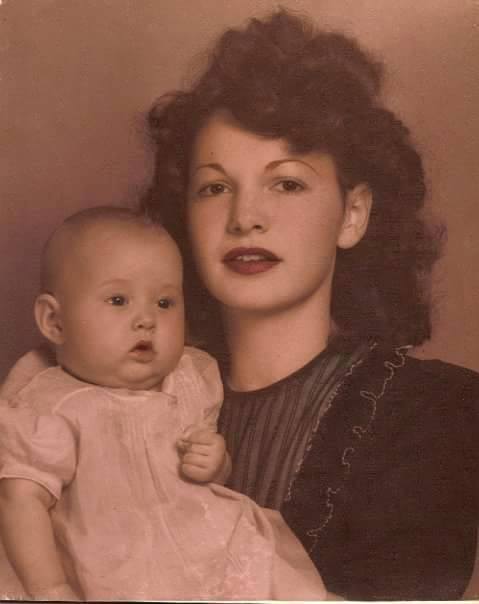
The other thing I thought, with a little sadness, was that my Mom–Patricia Margaret Keefe–should’ve been here. She was desperately poor, a child of the Great Depression. She was a human footnote in the immense body of Kennedy’s scholarship. Her father, my Irish-American grandfather, deserted the family in the mid-1920s, so my grandmother worked long hours as a waitress in a Taft, California, coffee shop, where “extra sugar” meant a healthy dollop of bootleg Canadian whiskey in your coffee. It meant my mother, as a little girl, spent a lot of time alone. Those years left their mark on her. We had a can cupboard longer than the cupboards in the back of my classroom, full of food we’d never eat, because the thought of being hungry must have terrified her. And so going to college, for the daughter of a waitress from an isolated outpost on the oil frontier, had been out of the question.
Earl Denton, the first superintendent of the Lucia Mar Unified School District in southern San Luis Obispo County, and a family friend, said that my mother, whose education ended with her graduation from Taft High School, was the most brilliant woman he had ever met. I remember her devouring the works of the Jesuit theologian and anthropologist Pierre Teilhard de Chardin, who argued that evolution was no contradiction of faith; in fact, it was a divinely-inspired process. She–-as I would years later with Das Kapital–-wrote almost as much in the margins of Teilhard’s books as he had written in the text.
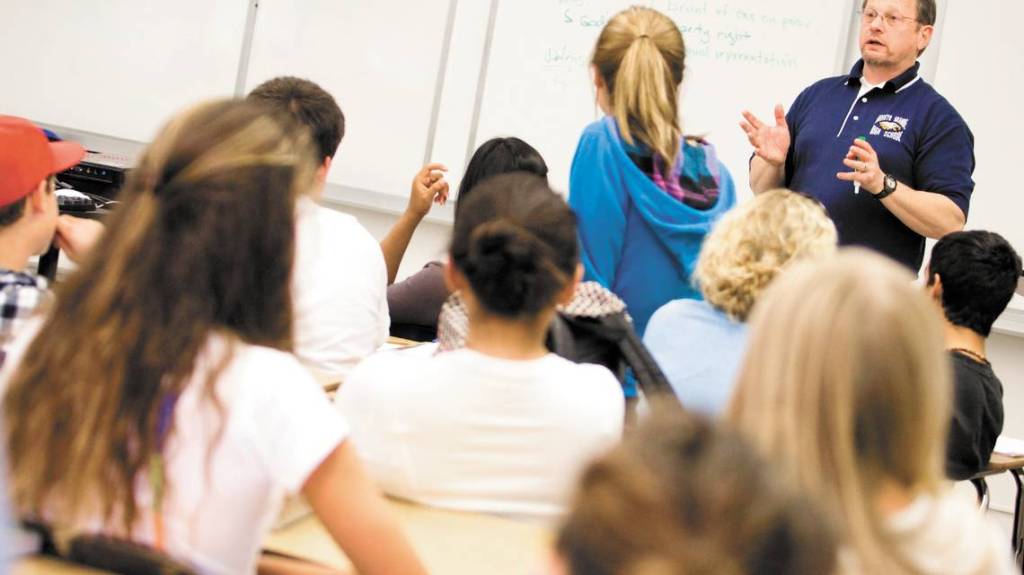
When I was very little, we played school. She even rang a hand bell when “recess” was over. It had been my grandmother’s—Dora Gregory, her mother-in-law, had been a schoolmarm in a one-room school in the Ozark foothills. My first day of formal education was in first grade in a two-room school, Branch Elementary, in the Upper Arroyo Grande Valley. I remember realizing, with a little shock of pleasure, that I could read the names of my classmates as our teacher, Mrs. Brown, wrote them on the blackboard.
My mother and I hadn’t been “playing” school at all. She just made it seem that way. Losing her, when I was 17, remains the central tragedy of my life.
So, many, many years later, on that visit to Cal, while the AVID kids explored, I had the briefest and loveliest mental image of her, about 1938 or 1939-–blouse, pleated skirt, saddle shoes, bobby socks, with her books and notebook spread out on one of those lush, verdant lawns, studying between classes. My mother was a beautiful woman, but the most beautiful thing about her may have been her mind.
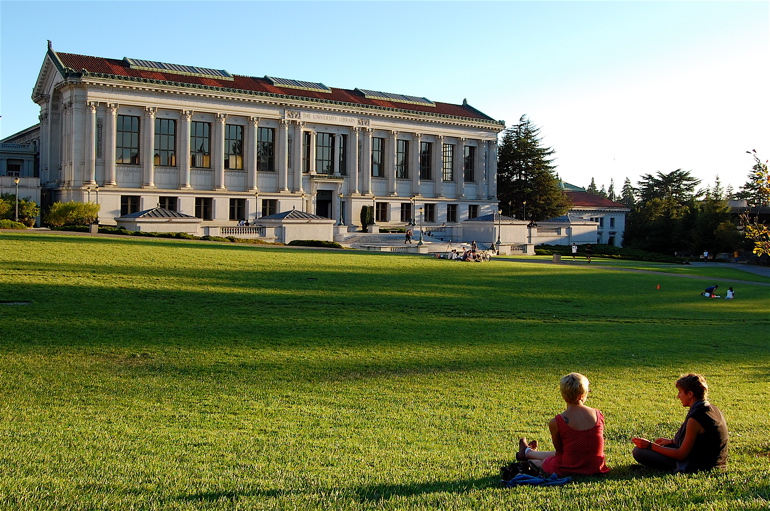
And I think that’s why I enjoy these particular trips, with this particular group of kids. It’s my way of repaying Mom. One of them might take her place, studying in the sunlight on the lawn at a place like Memorial Glade. She would love that idea.
And she would love these kids because she would understand them completely. Despite my ne’er-do-well grandfather, I believe completely that my mother’s love for learning and for the the written word had deep genetic and psychological roots in County Wicklow.
So she would love without hesitation the AVIDS who show the incredible desire, the hunger, to improve themselves that she’d had, who refuse to complain when things get tough, who extend themselves to help their classmates, because she believed that all of us, and all of our lives, are intricately and intimately connected, and that this connection requires us to be responsible to and accountable for each other.
The young person who understands these things is close to my mother’s heart.
 A Work in Progress