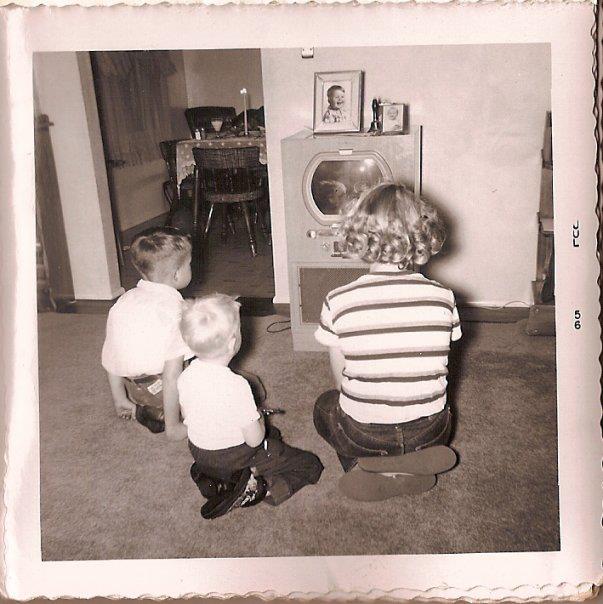
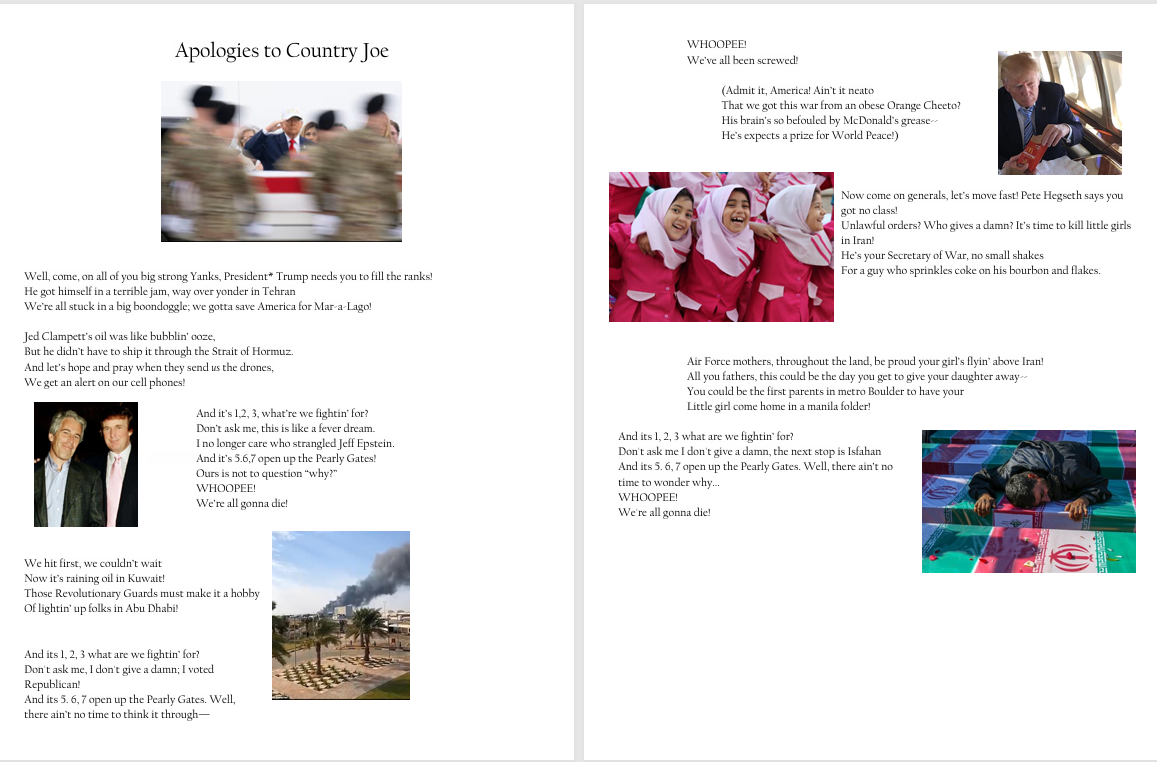
Bruce, me, Roberta watching the washing mach–NOPE!—That’s a television. The photo was taken inside 1063 Sunset Drive, Arroyo Grande (or, Fair Oaks).
Chevrolet doesn’t know it yet, but I’m pretty thrilled with their new ad. The singer is Brooke Lee, and she has a wonderful voice, although seeing her all precarious-like atop that mountain makes me really nervous. Really nervous. Hopefully, it’s CGI.
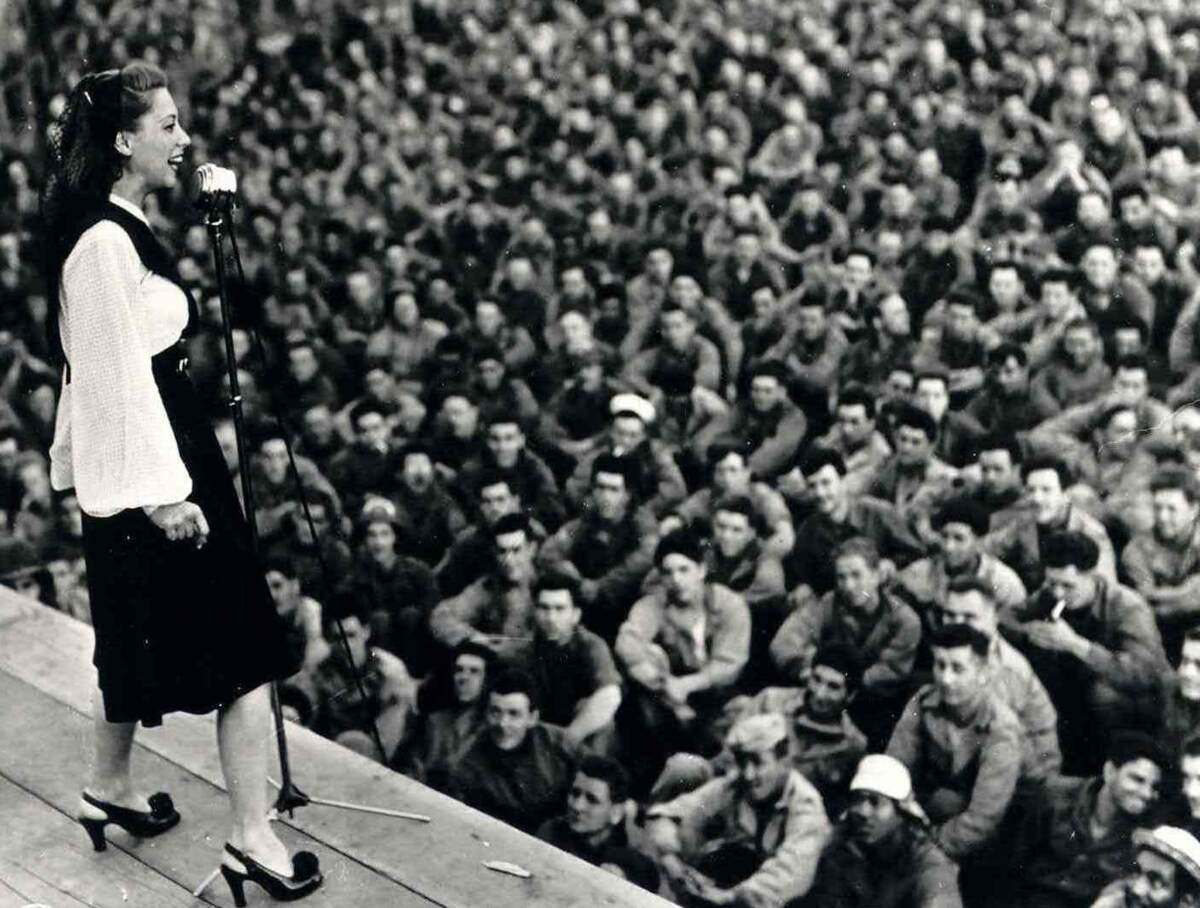
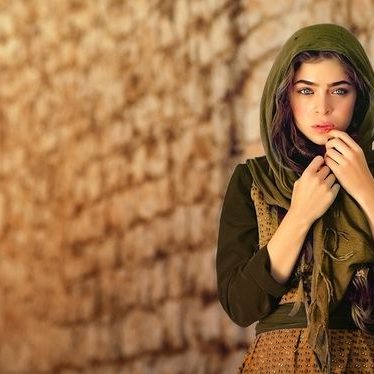
In the mid 1950s, “CGI” meant that you’d misspelled the abbreviation for “cigarette,” which there were plenty of. But this ad brought to mind my four-year-old crush on the original singer, Dinah Shore. (Burt Reynolds, many years later, had a crush on her, too.) She just seemed like a nice lady to me. And she was. Trivia Dept.: The day Pearl Harbor was attacked, Dinah was entertaining the troops at our county’s Camp Roberts. Here she is, lovely, during the war.
And here’s the version of the Chevy jingle that I remember, courtesy of Dinah:
She’s peppy and pretty, isn’t she? My favorite line mentions a levee, which, of course, reminds me of this classic song from many years later, in 1972. Thank you, Don McLean, for the stellar lyrics and for the infectious refrain. (The song’s about the plane crash that killed Buddy Holly, Richie Valens and the Big Bopper.)
Anyway, the Chevy commercial reminded of songs that stick in my memory. They can’t hold a candle to “American Pie,” but there they are, more than sixty years later, still rattling around in between my ears.
I’m glad they’re still rattling around between my ears. There’s plenty of room there.
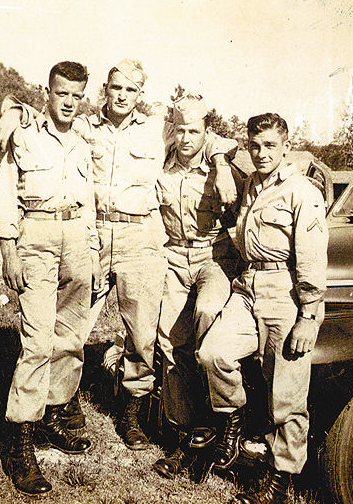
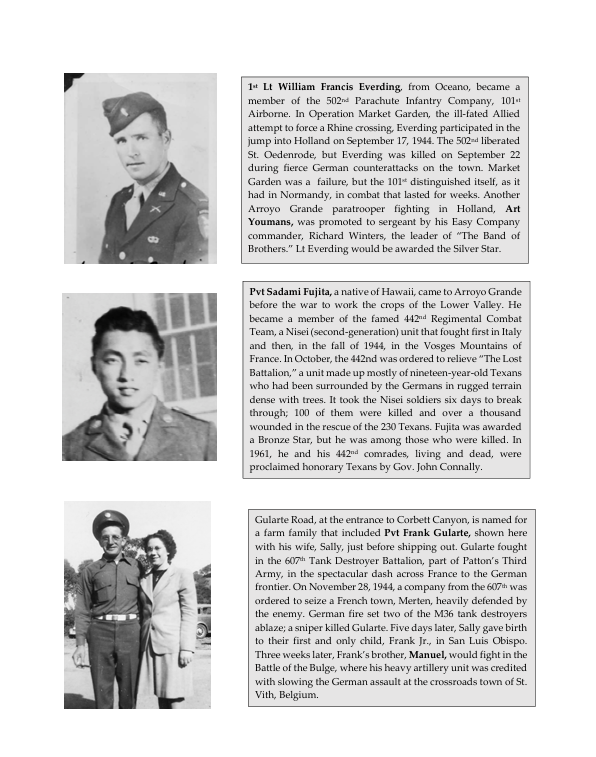
Arthur Youman, second from left, in training with the 101st Airborne’s Easy Company.
I’ve been blessed. Both an editor/author with the National Japanese Historical Society and, through my friend Erik, a young Poly history student want to learn as much as they can about SLO County (and particularly the South County) in World War II.
So I put together a blog post to try to summarize some of what I’ve learned in writing about World War II in the last eleven years, since I retired from AGHS.
I think I scared myself a little.
Among the South County’s (and Northern Santa Barbara County’s) contributions to World War II:
1. Arroyo Grande was home to two Nisei soldiers in the famed 442nd, one KIA in the relief of the “Lost Battalion.”
2. Another, an intelligence officer, who served as a liaison with Mao’s guerillas. Madame Mao danced with him.
3. A third, a young Guadalupe man, a medic KIA on the German frontier, 1944.
4. Two Arroyo Grande sailors, third-grade classmates, killed on “Arizona.”
5. A Pismo Beach dishwasher, a machine gunner on “Nevada,” credited with shooting down the first Japanese plane that morning.
6. Former County Superintendent of Schools Earl Cornwell, a sailor on Ford Island on December 7.
7. Nipomo sailor Donald Runels, killed on the heavy cruiser “Northampton,” who had a destroyer escort named for him.
8. The best letter home I’ve ever read was from an Arroyo Grande Filipino American. He was killed when his destroyer, “Walke,” was sunk by a Long Lance torpedo. Both “Northampton” and “Walke” went down in Ironbottom Sound, off Guadalcanal.
9. Seven of the Doolittle raiders did their primary flight training at Hancock Field in Santa Maria, including pilot Ted Lawson, who wrote Thirty Seconds Over Tokyo.
10. An Arroyo Grande B-17 copilot was awarded the Silver Star for bringing his ship home safely after it had been set afire over Berlin.
11. An Arroyo Grande High School shop teacher, as a World War II flight engineer, brought his ship home after a midair collision and a flak hit that took out both the No. 1 and No. 2 engines.
12. The P-38 figured prominently in local history, with three fatal crashes from the Santa Maria Army Airfield in January 1945 alone. A P-38 pilot from Shandon, memorialized at the American Cemetery at Normandy, was shot down over Cherbourg in a mission that was stupidly planned. Another, who retired to Orcutt, saw his B-17s “bounced” by Me109’s over the Alps. He went after them, only to find out that the lubricant to his machine guns had frozen. He decided that the Germans didn’t know that, so he made repeated passes at them. They broke contact and disappeared.
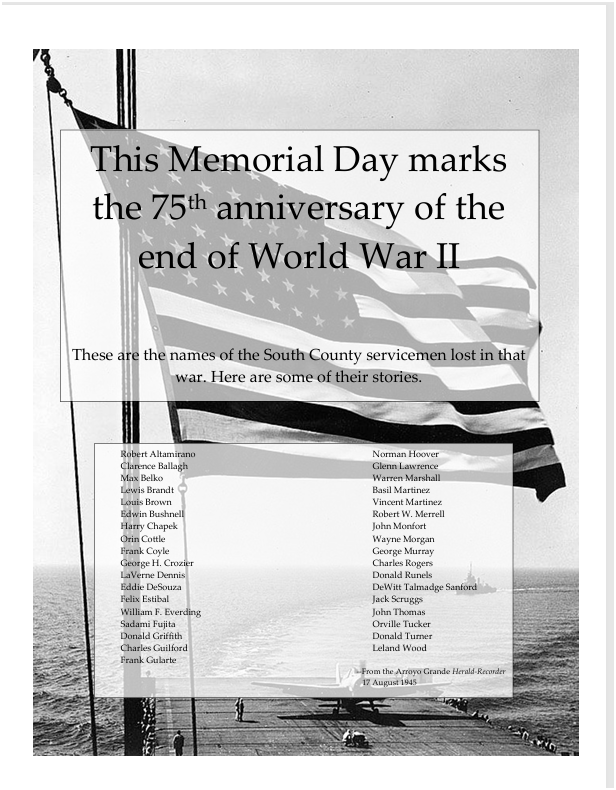
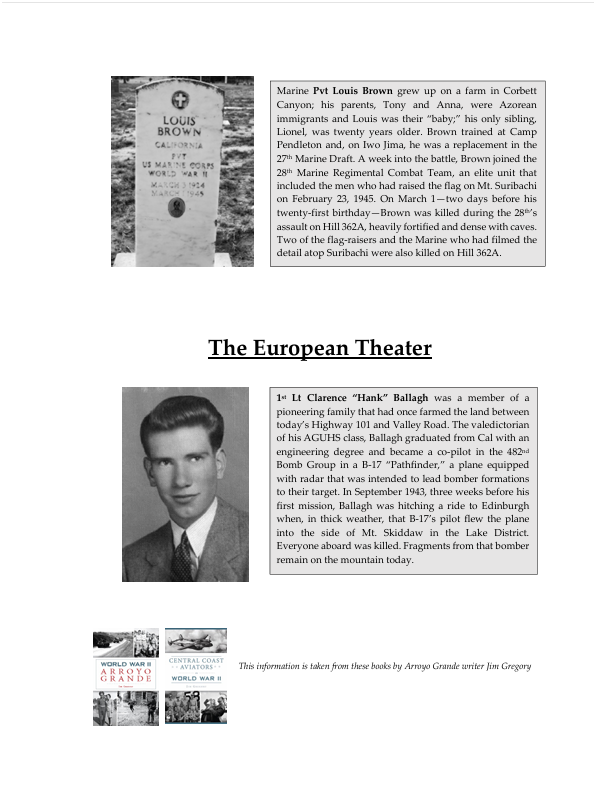
13. A Marine from Corbett Canyon was killed on Iwo Jima three days before he turned twenty-one. He was a replacement in the elite 28th Marines, which included the squad that raised the flag on Suribachi. Our Marine was killed on 362A, along with three of the flag raisers and Marine film photographer Bill Genaust, who warned AP still photographer Joe Rosenthal to turn around and get that shot that made him famous. Our Marine, a replacement and therefore resented, was in combat for total of 48 hours before he stepped on a mine. I got a copy of his Marine Corps personnel file and it read, bluntly: “Cause of Death: Burns, entire body.”
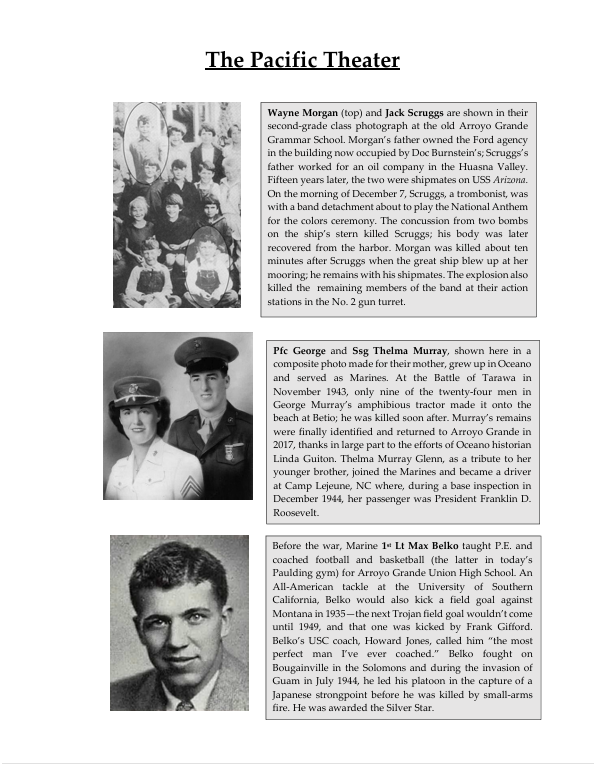
14. A Marine from Oceano was killed the instant he stepped off his landing craft at Tarawa. He was buried there, but somehow the Marine graveyard disappeared. His remains finally came home in 2017, and he’s buried next to his mother.
15. His sister joined the Marines, too. She was a driver at Camp Lejeune, and in December 1944, was FDR’s driver on a tour of the camp.
16. World War II made the Filipino American friends I grew up with possible. Filipinas were not allowed to immigrate before the war. But after Pearl Harbor and the invasion of the Islands, local Filipinos joined the Army in droves, quickly filling the ranks of two infantry regiments. They were superb soldiers and, at war’s end, there was a flurry of proposals and of weddings in the Islands. (One war bride was a little dismayed at arriving in Arroyo Grande: “It’s so muddy,” she said. “And farmy.”)
17. A Nipomo retiree landed on Dog Green Beach with the second wave of the 29th Infantry Division. The killing there resembled the opening sequence of Saving Private Ryan. He never forgot the wounded friend he could not reach without himself getting killed. Meanwhile, a future Lucia Mar Assistant Superintendent, Frank Schimandle, was piloting his B-17 above the beaches that day.
18. After their time with “Pappy” Boyington, the Black Sheep Squadron trained at the Goleta Marine Air Station, on the site of today’s UCSB. Sometimes, the AGUHS softball team played the women Marines at Goleta, and there are photos of Corsairs making low passes over Morro Bay during Army practice landings. When two 800-lb bombs struck the carrier Franklin off Kyushu, the resultant fires wiped out the Black Sheep in their ready room. 800 crewmen died that day.An Arroyo Grande sailor, maybe the most beloved Grandpa I’ve ever known, Filipino American, somehow survived to help bring the carrier home to her birthplace, the Brooklyn Navy Yard.
19. I took my AGHS students to the cemetery in Normandy, at Colleville-sur-Mer, and we found the grave of Pvt. Domingo Martinez, a local farmworker killed in July during the Normandy Campaign.
20. Another Arroyo Grande soldier—before the war, a firefighter at Camp San Luis Obispo—jumped into Normandy with the “Band of Brothers.” Dick Winters promoted him sergeant for his conduct and leadership during Market Garden.
From six years ago, another way of capturing the sacrifice our part of the county endured.
And then there are the videos:
And if these videos aren’t necessarily about World War II servicemen from my part of California, they’re indicative of my feelings for my parents’ generation, which is why I study this war so intently.
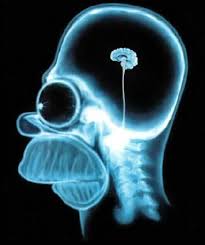
I am having brain surgery in June. Hold on. It’s minimally invasive, requiring only two basic instruments:
And it’s not an Omigod-You’re-Gonna-Die tumor. It’s a meningioma, benign tumor, in my left frontal cortex, but the little bastard’s growing. It’s had an impact on my balance but even more on my memory, my decision-making and my ability to organize and prioritize. I get pretty overwhelmed.
So I’m going up to Stanford, first for the MRI, if they can do one. (Evidently, helium is required for MRI’s, and in the wake of Trump’s Iran war, Qatar, which supplies a third of the world’s helium supply, has suspended exportation.) Then, two days later, for the surgery by Standford’s Dr. Robert Dodd.
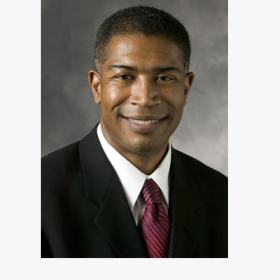
Dr. Dodd is a Black man, uncommonly handsome, and I am named for two Confederates. I did not let on, even though, if you know me, I am a Lincoln man. I DID let drop that my father-in-law, Gail Bruce, was a 49er, and I think that earned me, in our telehealth conference, a few gold stars.
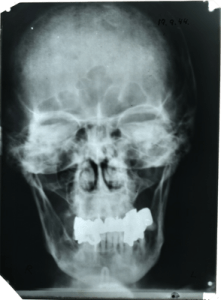
That part, the surgeon, I feel good about. In 2004, I went to Stanford for a history teachers’ seminar on America in the Depression, during the New Deal and in World War II. At the Hoover Institute, I got to hold this X-ray of Hitler’s skull, taken after the July 1944 bomb plot.
I have to admit, that was pretty cool.
So I figure Stanford knows their brains.
Today, I reserved a Redwood City hotel room for Elizabeth and me, for June. That that made the surgery business feel more real. Tomorrow, I visit my cardiologist, and he needs to send my EKG to Stanford via fax.
So there’s a lot on my mind, the part which Manny the Meningioma (I named him) isn’t bothering.
Luckily, I have a lot more to think about: Getting the house painted, a series of speaking engagements, the South County Historical Society, Walter the Basset Hound, my family.
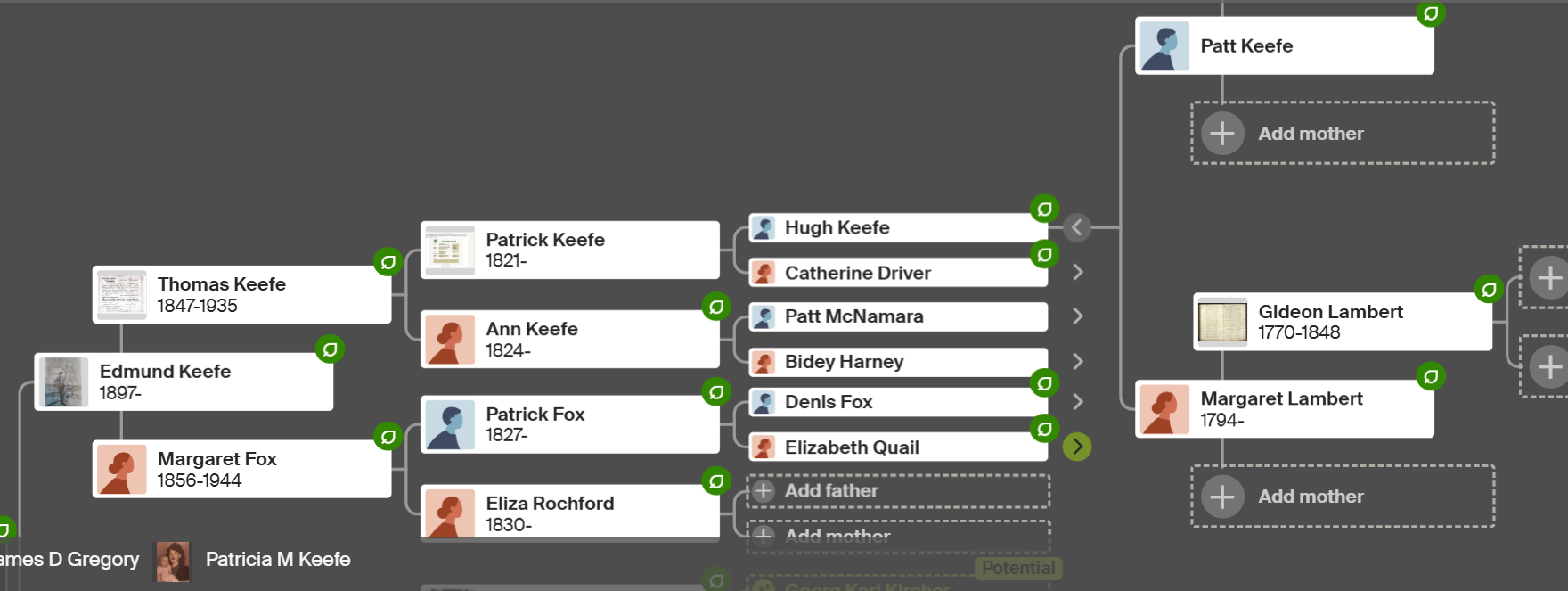
“Patt Keefe” is as far as I can go in our lineage. The name is reconfigured in our mother/grandmother’s name, Patricia.
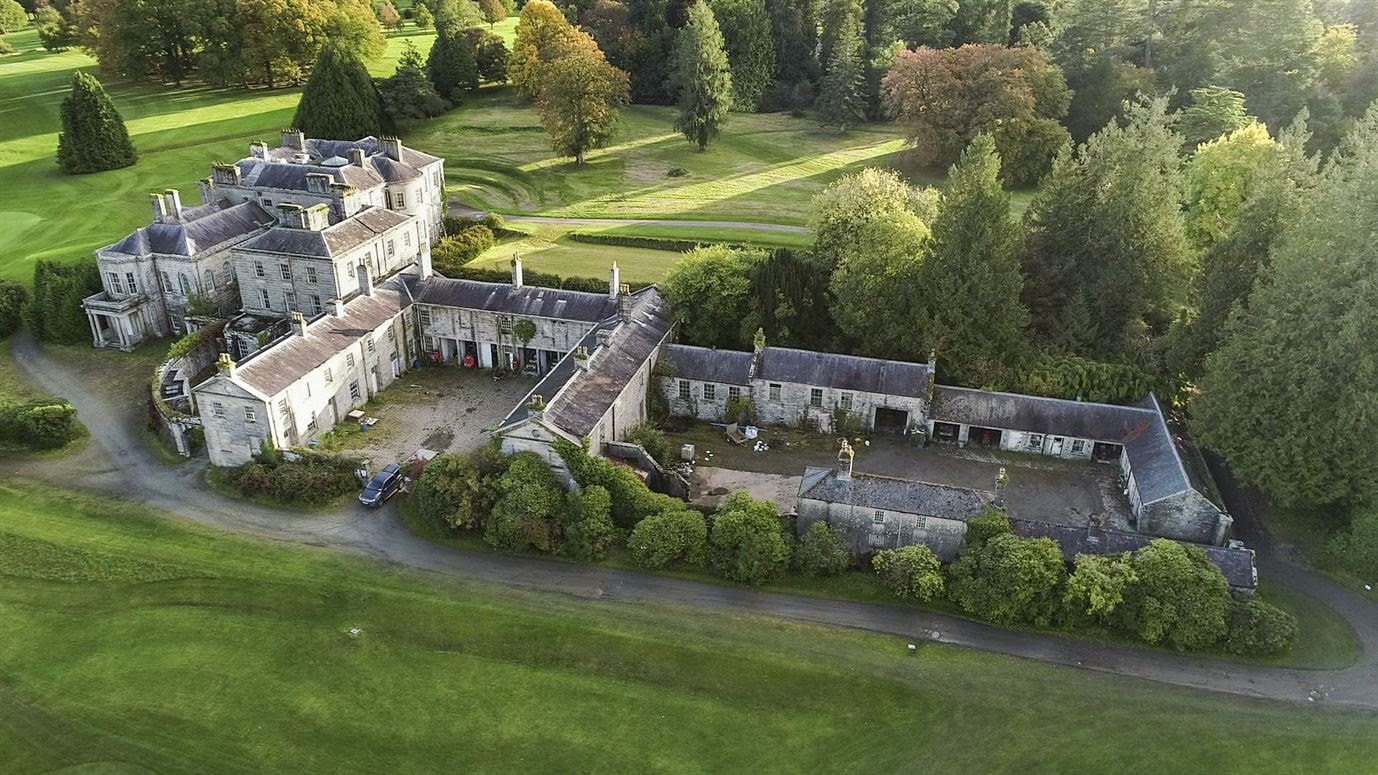
The Keefes were tenant farmers, working the land of Lord Fitzwilliam. This is his estate house.
And this is our ancestors’ village, Coolboy.
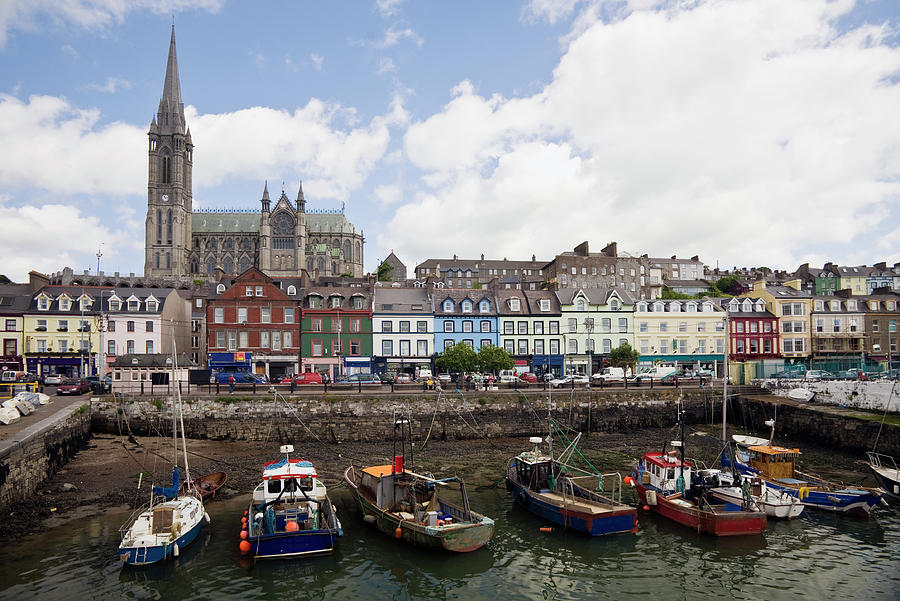
Both our ancestors and the Kennedys left Ireland during the famine from this port, in County Wexford, Cobh.
And, as figures in a nation so small, we have a kind of Kennedy connection. It’s a sad story. The Irish are not sad. Not at all.
Leaving Wicklow must’ve been hard. The place is known for the beauty of its horses. Wicklow Brave, a gelding, now 19, was the darling of the county. Watch him (the rider in the yellow helmet) humiliate the field.
And, of course, horses—and animals of all kinds— are special to all the Irish.
That welcome to the creatures of the world extends to Bray, Wicklow, on the Irish Sea.
We can even claim a rather terrifying Irish great-great aunt.
The family worked a farm in Ontario, the oilfields in Pennsylvania, where three Keefes were born, a homestead in Minnesota, and, finally, they lived among orange trees in California. As is the case in any family, especially in a family of ten, one was bound to be a black sheep. That was our grandfather/great grandfather.
Our uncle, George Kelly Jr., maintained that our grandmother never fell out of love with Edmund Keefe. Maybe that’s true. Our step-grandfather, George Kelly simply said that “he was a bad man.” That’s probably true. But, given the faith that many Irish still have, the Good Lord can grant you another generation, or two, or more, that count for redemption—even the redemption of a man like Edmund Keefe.
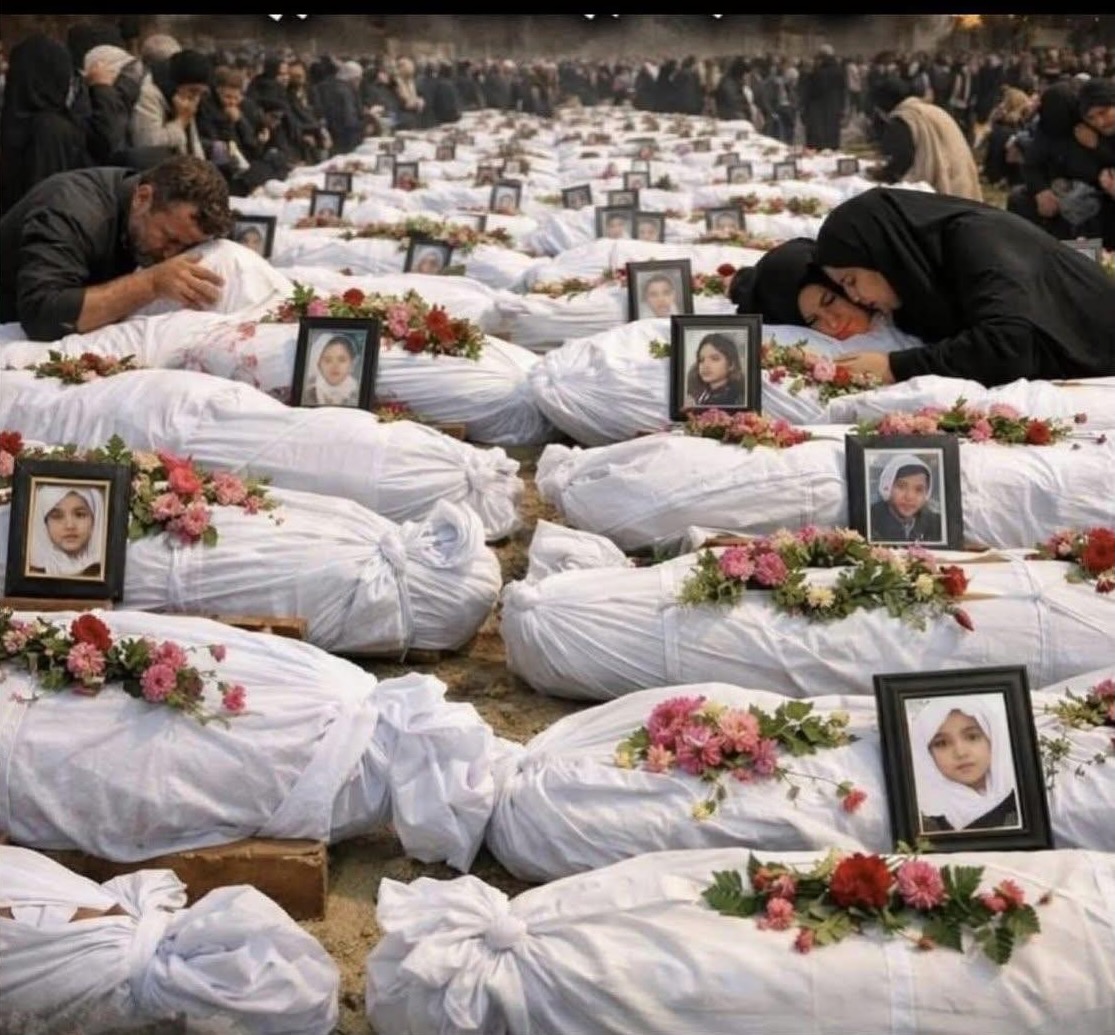
The victims of the airstrike on the Iranian girls’ school, wrapped in mourning, await their burial.
This was evocative to me because it reminded me of an American tragedy that I taught every year to my AGHS students.
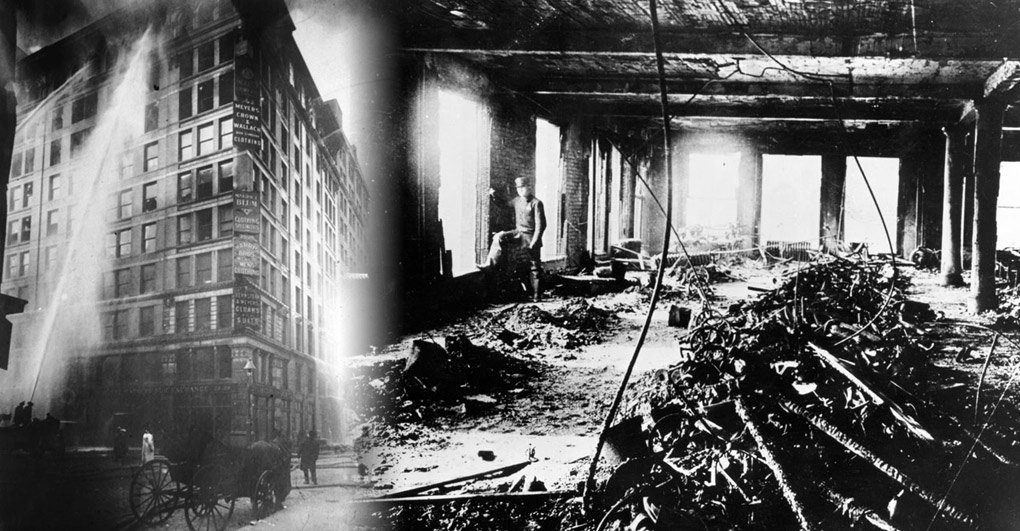
In 1911, the Triangle Fire in New York City claimed the lives of seventeen men and 129 women. Most of the women, garment workers, were the daughters of Jewish or Italian immigrants, and most were in their teens.
The factory fire escape doors were locked on the outside.
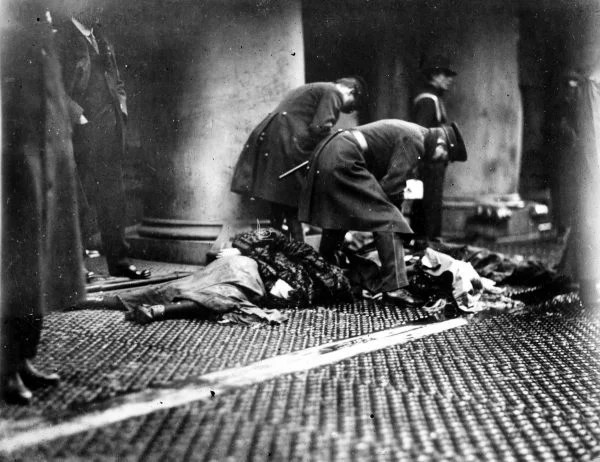
. Those are NYPD officers tending to the jumpers. The story my students read, a vivid piece of newspaper reportage, had a young man and a young woman jumping together, holding hands. The reporter described the sound of the bodies hitting the sidewalk, as painful in 1911 as the sound would be in the falls to the final floors of the 2001 World Trade Center.
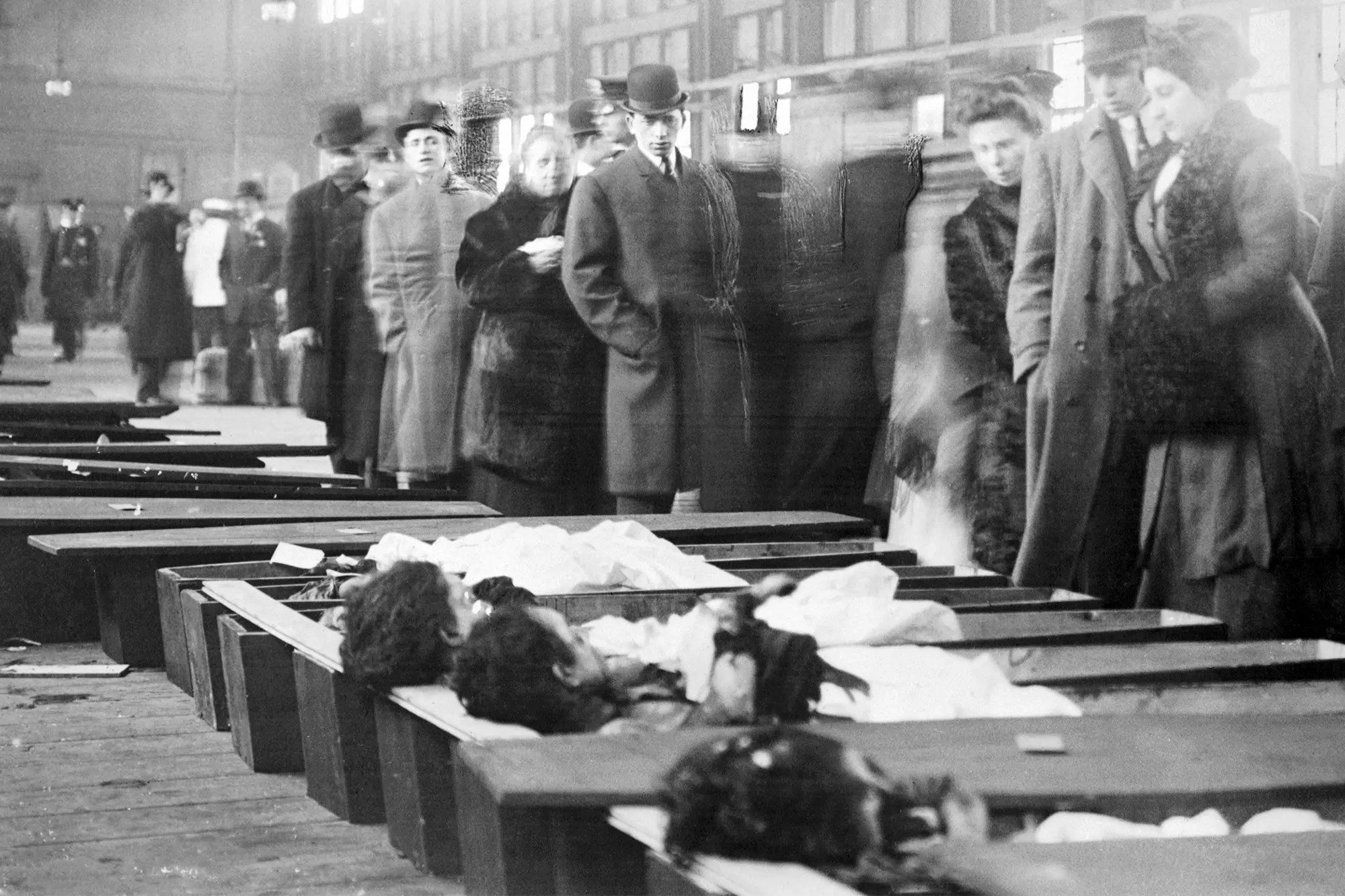
And these are the coffins of the victims, awaiting identification.
Thirty-six engagement rings were recovered from the factory ruins.
Our much-loved niece, Emily, is a graduate of NYU. The Brown Building there was rebuilt from the Triangle Fire. Night-shift custodians hear rapid footsteps on the stairwells, They hear screams. Sometimes a lecturer will pause in mid-sentence because she, and her class, can hear, albeit faintly, the crackling of flames.
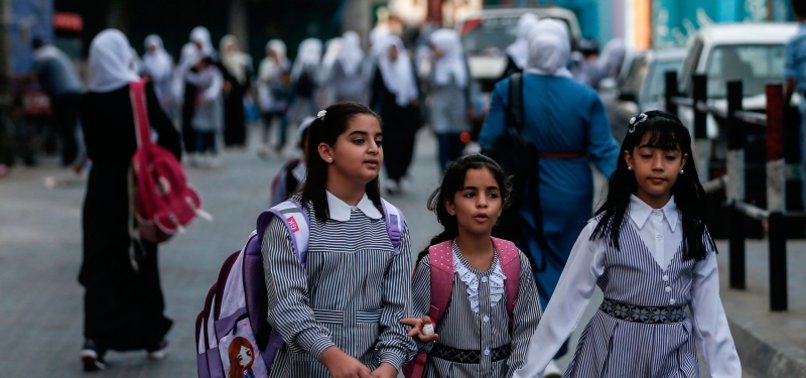
I compare the two because brutality has such a long and painful half-life. We will live with the little girls of Tehran for a long time to come. They died because of outdated intelligence.
That doesn’t really matter, does it?
The little girls of Tehran were our little girls, too.
The bitterness I’ve felt in the last 72 hours—I have no patience for stupidity when it’s coupled with brutality—grows even more painful when I listen to what Anthony Bourdain taught me.