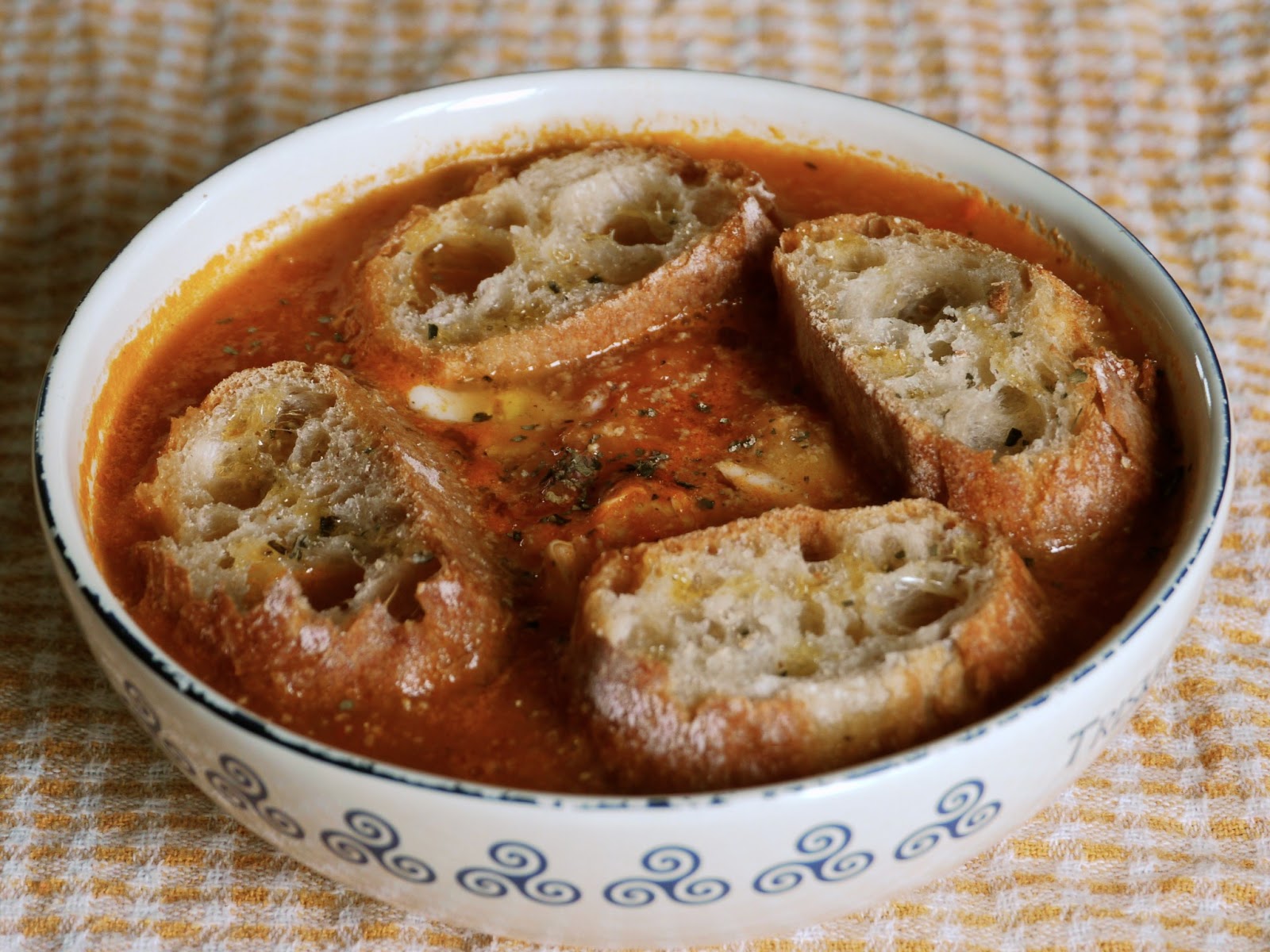
 There was a time that is gone forever when mothers would look at me accusingly. I would think I had done something wrong. I hadn’t. “You’re too skinny.” I miss those words. Mary Gularte lived a .22 long rifle away from us. I know this because her boys were out back shooting one day and I was walking across the Harris Bridge over Arroyo Grande Creek, and heard what Churchill called the “charming” sound of bullets overhead. Mary gave them no quarter when she found out. She sat me down at her kitchen table once, on a cold morning, in a tiny house where she raised her brood of Gularte boys and girls, and made me eat a big bowl of sopa, or Portuguese stew, aromatic and dense, and I was never so happy to follow orders as I was that day with Mary. I didn’t have to eat the rest of the day.
 Another food stands out: the sushi I had, long before it was fashionable, at Ben Dohi’s house, across from the high school—tuna and sticky rice wrapped in nori, strips of seaweed, a huge task for his wife and her Yamaguchi sisters to prepare, so it was reserved for special Japanese holidays only, like the Fourth of July and Labor Day. It was sweet and savory, chewy and delicate, and sometimes while Ben and the men watched sports in the living room, I would stay with the Yamaguchi sisters in the kitchen, both because they were hilarious and because I was closer to the food.
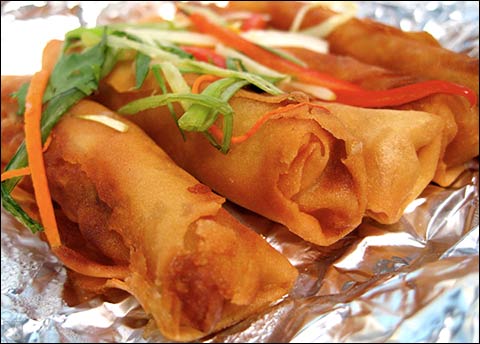 Lumpias were the final treat, and I am reasonably sure that I could eat them until it reached the point that I would need transport to the Emergency Room. These are Filipino egg rolls, crunchy and filled with vegetables and pork, and an association of Filipino women sold them during the annual Arroyo Grande Harvest Festival, the big community celebration, and it was a courtesy, after a bit of cooling when you bought them, to eat the first one in front of their booth. It gave them a chance to watch your face, to watch the way your eyes closed and then the smile began as you took that first bite of lumpia. It made them happy because they were mothers, too.
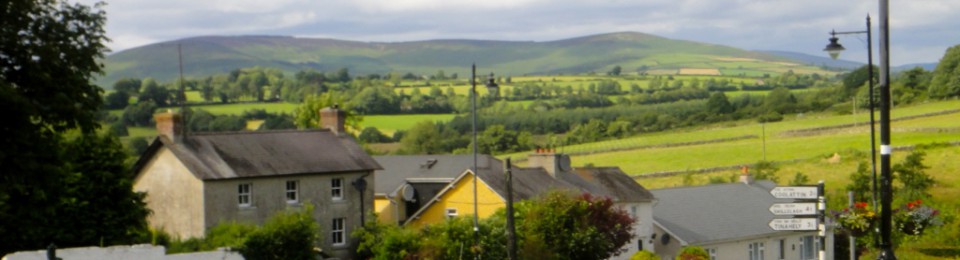
Arroyo Grande is a microcosm of the American melting pot, but three immigrant groups have played formative roles in the shaping of the twentieth century town—in the 21st, we are seeing increasing numbers of immigrants from Egypt and South Asia, and their children are a joy to teach—but the 20th century belongs to the waves of people who came from Portugal, especially the Azores, from Japan, and from the Philippines.
For a people who traveled so far, I remember our Portuguese neighbors best when they came to a complete stop. In a phenomenon I’ve seen in eastern Colorado, the Texas Panhandle, and southern Missouri, two farmers, like Manuel and Johnny Silva, who just had breakfast together two hours before, would stop in the middle of the road, pickup-cab to pickup-cab, to talk while sprinklers described vast arcs in their fields alongside the road. I did not know what they talked about—if you had come up behind one of the trucks, the men inside wearing straw cowboy hats, you would have gotten a big smile and a wave and the truck would instantly pull off to the side to let you by. Two hundred yards later, if you looked in your rear-view mirror, the trucks would be together again and the conversation would have resumed. Those moments demonstrated to me that the secret to the success of Portuguese immigrants to the Arroyo Grande Valley–many of them refugees from natural disaster in the Azores–was their devotion to each other.
 A Work in Progress