
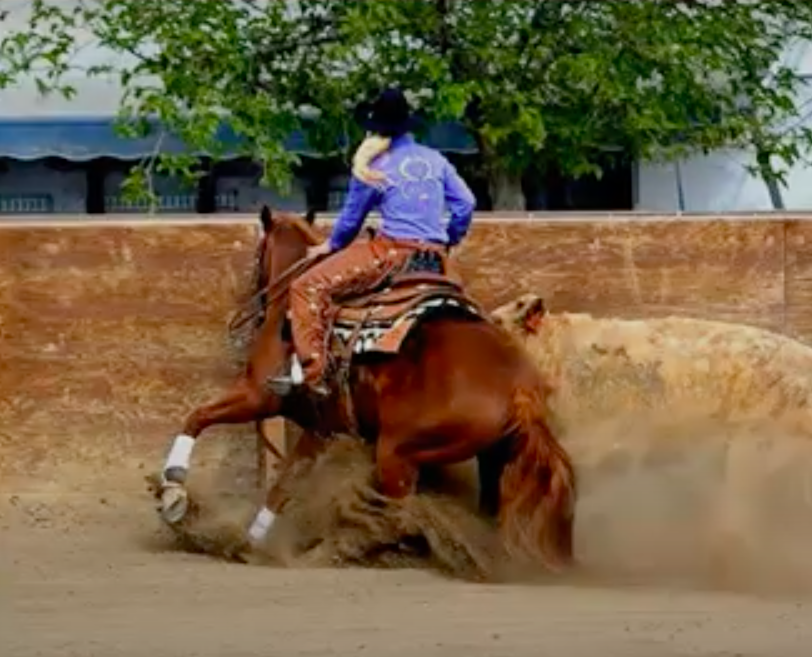
This photo of my grand-niece Sarah, a gifted horsewoman–she is lovely, like her Mom–set me to reminiscing about the miniseries Lonesome Dove, and what a grand job they did of making the TeeVee Machine literate for those nights. I will never forgive the cable company which dropped the signal the last half-hour of the last episode.
I have said it before, but the scene that still stands out is when a vicious cavalry scout is beating Woodrow Call’s illegitimate son, Newt, with his quirt. Woodrow–Tommy Lee Jones–sees the commotion from the other side of the little town, understands instantly what is happening, and leaps into the saddle to rescue Newt. Gus, Woodrow’s longtime friend and fellow former Texas Ranger, has to lasso Woodrow to keep him from killing the cavalry scout–he’s softened up a smithy’s anvil a tad with the scout’s skull–and when he’s reasonably calm, Woodrow says “I hate rudeness in a man. I won’t tolerate it.” It’s a lovely, albeit violent, moment.
But what’s even lovelier is the ride across town Woodrow makes to rescue Newt. Jones is a polo player in real life, and he vaults into the saddle, gets the horse’s head turned around, and is off like a shot. That ride–that enraged gallop–is seamless. There is absolutely no movement on Jones’s part; it’s as if he’d been welded to his mount and the two are, as the Aztecs thought of Cortez’s cavalry, one being. I have never seen a more beautiful moment of horsemanship, sorry, Vienna Riding School fans. Here’s the excerpt.
https://youtu.be/77ZuwtX3B80?t=74
When I taught at Mission, our senior English teacher, Isaak, assigned Lonesome Dove and I was a little taken aback. No Bennet sisters, no tormented Russian boarders, no Pequod, and Larry McMurtry is still alive, in violation of all the rules of what can decently be called “literature.” Then I, Mr. Smartypants, read McMurtry’s book and Isaak couldn’t have been more right.
I have a little bit of what McMurtry has: he is crazy in love with the language and in his hands, it’s malleable, plastic, more like paint or music than prose. It’s easy for a writer in that place to get clever and precious (guilty), where you can see he’s showing off. You don’t get that sense with McMurtry–instead you get the feel for the language as it must have really sounded on the frontier.
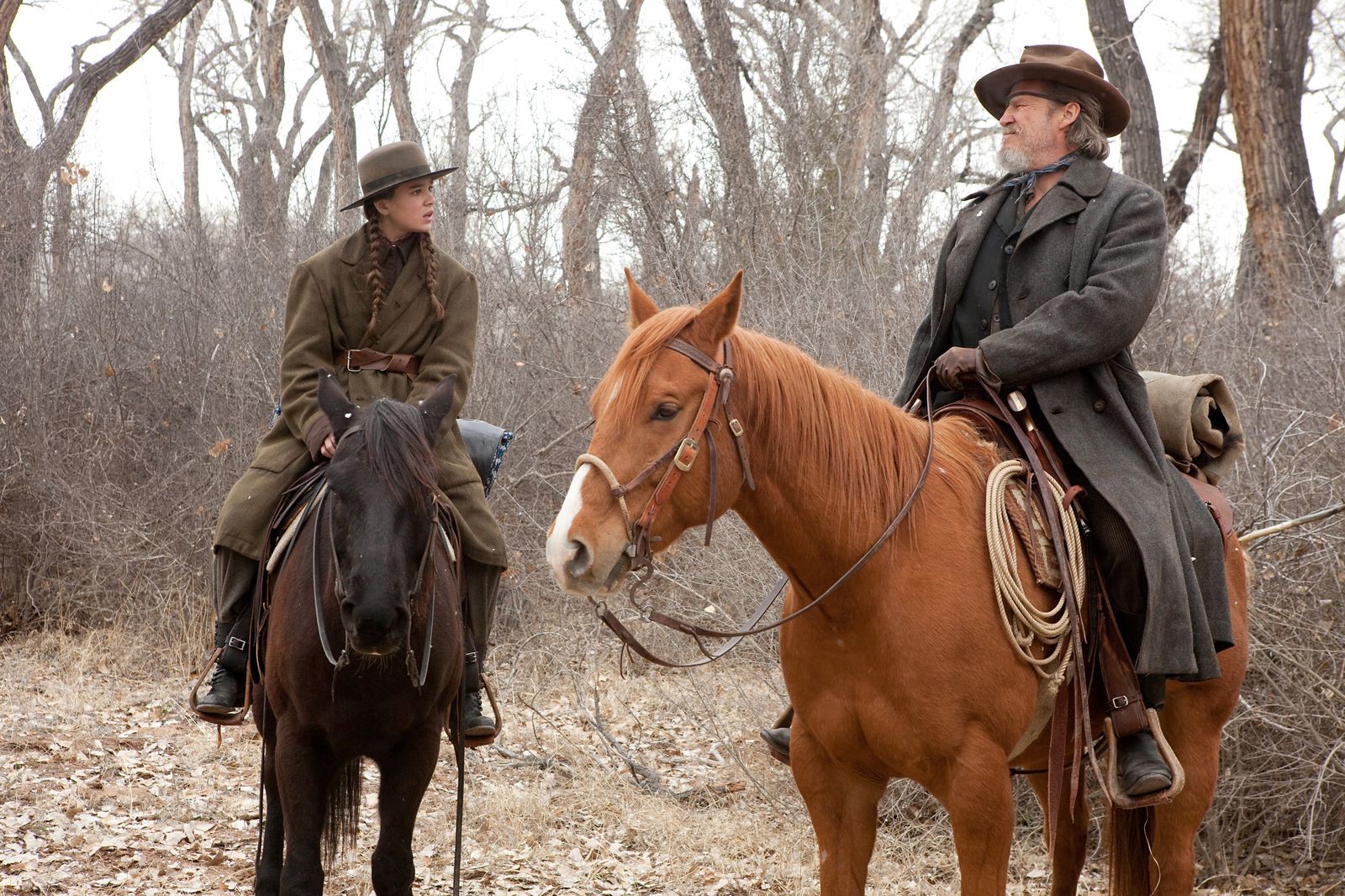
That is why I am so impressed with Portis’s True Grit–the two excellent films adapted from that novel didn’t need all that much adapting: the dialogue and Mattie Ross’s narrative are lifted word-for-word from Portis. What he did between the pages of that book–I think the best picaresque novel since Huck--is to strap his readers securely into a time machine and transport them back into the midst of the spectators, with wicker baskets of fried chicken wrapped in picnic linen, waiting impatiently for condemned men to swing from the gallows in Fort Smith, Arksansas. It is a remarkable work.
McMurtry’s Dove is much the same. The names alone that he gives his characters show an imagination alive with the wonderful sounds and combinations of sounds that can make a book come alive. For example:
- Jake Spoon
- Lippy Jones
- Deets
- Blue Duck
- Mox-Mox the Man Burner
- Dish Bogget
- Pea Eye
- Peach Johnson
- July (pronounced, as my Dad did, JOO-ly) Johnson
Of course, the most memorable character of all is Gus, and Robert Duvall was perfect. He always had, in almost any situation, that faintly bemused look on his face, which I think meant, as in the book, that Augustus McRae was listening to a symphony nobody else could hear.
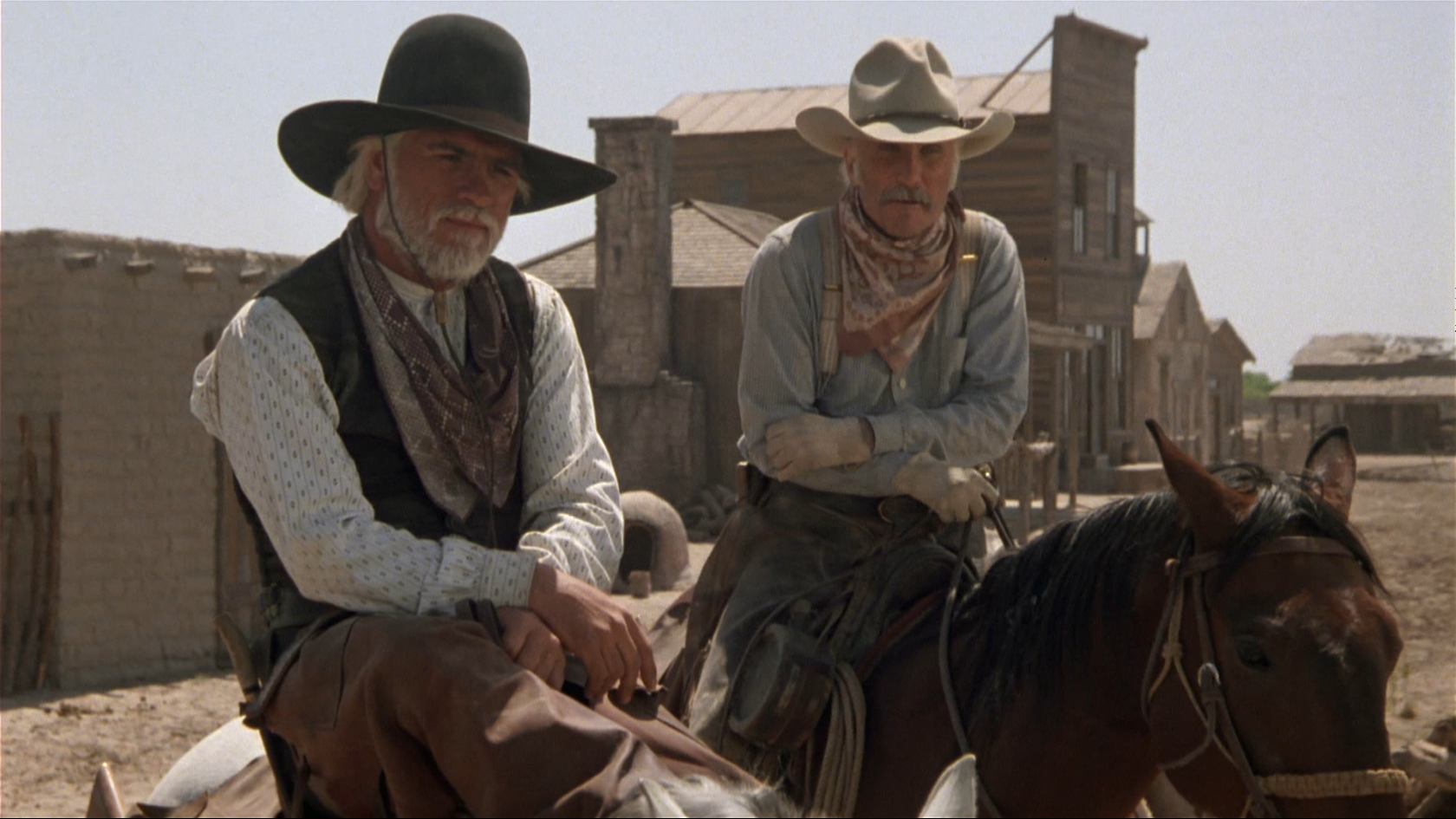
He’s a perfect foil for the Puritan Woodrow, never afraid to needle him, and under it all he is a Romantic, in the best sense of the word: he protects the weak. His relationship with Laurie the prostitute, in shock after a vicious gang rape and beating, is touching; he doesn’t do what other action heroes would do–immediately track down the perps and air-condition them with his revolver. Instead, he becomes like a father to her, stays with her but not near her, feeds her, and gives her time and space to begin to recover. He is utterly loyal to his friends but will not hesitate to hang one who’s crossed the line, like Jake, from honor to barbarity, and there is only one woman in the world for him, Clara, and that accounts for that ache, that melancholy, that Gus’s bemusement hides so well. It is easy to love a man that strong and that vulnerable.
 A Work in Progress