• About
  • The Germans

A Work in Progress

A Work in Progress

Monthly Archives: December 2014

Dad in World War II London

29 Monday Dec 2014

Posted by ag1970 in Uncategorized

≈ 1 Comment

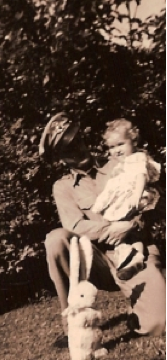
2nd Lt. Robert W. Gregory and his daughter, Roberta, about 1944.

The London Olympic Games remind me of my Dad. He lived in the great battered city during World War II, during part of a colorful U.S. Army career that included:

  • Discovering that the cook at Gardner Field in Taft, just over the county line, was pocketing mess funds and serving condemned food to the Army airmen.  Dad—a natural-born accountant (he was Madonna Construction’s Comptroller in the 1950s and 1960s)—turned the rascal in; the base commander promoted him to corporal and recommended him for OCS.

The interview for Officers’ Candidate School went something like this:

Board:  What did you do before the War, Corporal?

Dad:  I was a bank manager, sir, for the Bank of America in Fellows, California.

Board:  Aren’t you a little young to be managing a bank?

Dad:  I was also the janitor, sir.

  • Being issued a .45 pistol—rather than his standard issue typewriter and adding machine–on the troopship bound for England. It was his job to keep black enlisted men, in a rigidly segregated army, below decks. These were the men who would drive the deuce-and-a-half trucks on the Red Ball Express, the supply line that kept the American infantry soldier alive.
  • Being billeted in the movie actor Stewart Granger’s London flat—Granger did lots of swashbuckling stuff in Hollywood, but Dad neither swashed nor buckled for the duration.
  • Almost getting arrested for exuberantly singing “Wearin’ of the Green,” an act of sedition, with the Irish elevator operator at a London hotel, who had become his new best friend after Dad shared a bottle of Johnnie Walker Scotch. Being a supply officer had its privileges.  The elevator operator was so good at his job that the Bobbies gave up after repeatedly racing up and down the hotel stairwell. Here’s that very song, as performed, in the video below,  by the Orthodox Celts, who are not Celtic at all. They are Serbian. They are most definitely Irish here.
  • Getting virtually adopted by an English family he’d grown fond of after presenting them with a bag of oranges.  Londoners hadn’t seen oranges for five years. The mother of the family burst into tears.
  • Almost getting busted to private when an enraged corps commander tore into him, via cross-channel phone from the Normandy beachhead, about five gasoline supply companies that never showed up.  It turned out Patton’s Third Army had stolen them.
  • Receiving a beautifully lettered certificate from the enlisted men in his office for Meritorious Drinking Under Fire.  Dad refused to seek shelter during a V-1 raid because he’d had a rough day at the office, and no buzz-bombs were going to interrupt his pint in his favorite pub.
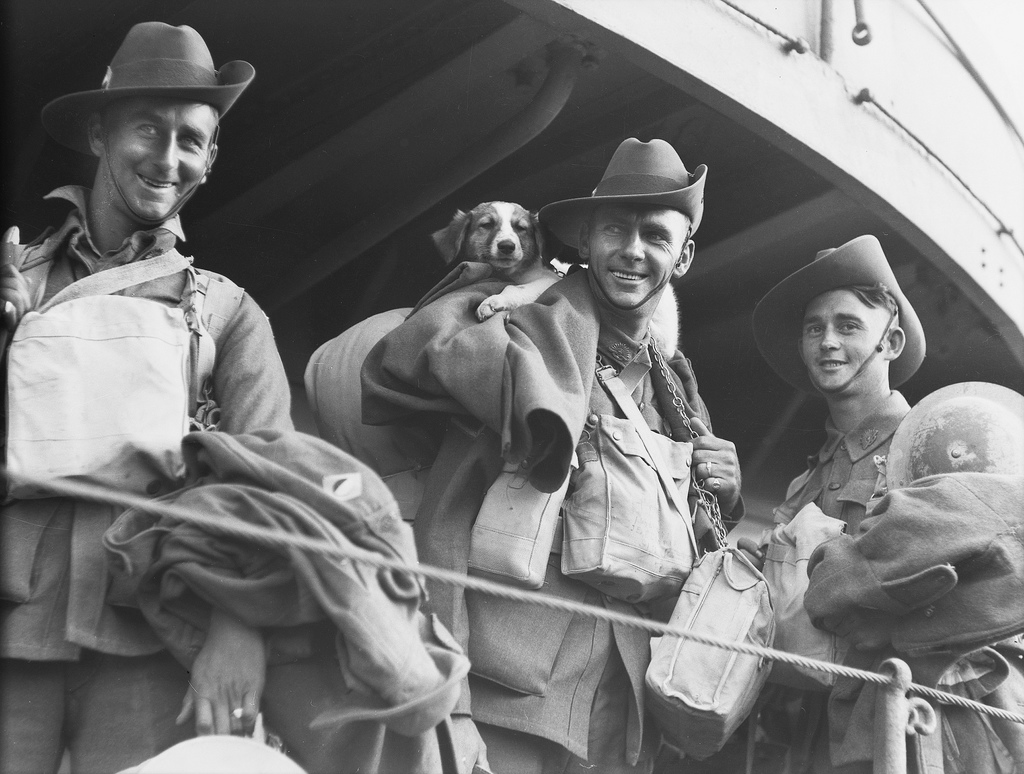
  • Almost becoming a casualty, but on a London bus. Two drunken GI’s where harassing a young British woman, who was visibly terrified. When Dad intervened, the two got out of their seats and got nose-to-nose with him. My father, who weighed maybe 140 lbs after two Thanksgiving dinners, closed his eyes and prepared to die for his country. When a moment passed with no discernible personal destruction, he opened them again and the drunks were seated and staring intently out the window, as if bombed-out London was the most beautiful and arresting scene they’d ever encountered. Dad turned around and there were four sunburned Aussie veterans standing behind him. “Should you need anything else, Leftenant,” their sergeant smiled, “we’ll be right here.”

Dad never lost his love for London and for the English, but not all of his war was lighthearted; he served in Graves Registration at the end, and his men reclaimed the battlefield remains of young lives cut short in fields and villages that led inexorably to the Rhine. Seventy years later, in a London reborn from the one my father knew, the world is celebrating life, the gift his generation willed to all of us.

Australian soldiers during the evacuation from Tobruk, 1941.

Mexicans. And me.

21 Sunday Dec 2014

Posted by ag1970 in Uncategorized

≈ Leave a comment

sem-516418-_l8b2215-20130619

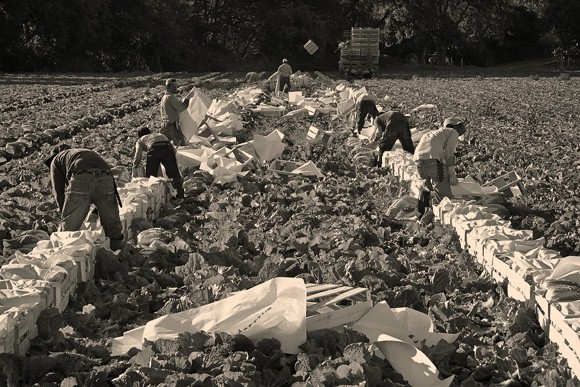
Cabbage harvest, Upper Arroyo Grande Valley. New Times


It’s a story I’ve told a million times, but it speaks volumes about why I love my Mom and why, 43 years after her death, I still miss her. She was pruning her roses and a farmworker–they called them braceros–came into our yard from the field next door and pantomimed filling a gallon jug with water. She nodded, filled it and handed it to me–I was about five: “Help him carry it back.”

That was the day I first fell in love with Mexicans. Not with Brussels sprouts, which is what they were harvesting that day, talking easily with me, as they snapped the sprouts off their stalks with their thumbs, in a language I didn’t think I understood.

“…fell in love with Mexicans.” It amazes me how that might shock some folks (Oh. Doesn’t he mean “Latinos?” or “Hispanics?” We’ve turned an entire people into a pejorative, the butt of ignorant, heartless jokes.) When our family went with the St. Pat’s youth group to Tijuana to help build a home, the mission director asked why we’d come, and there were many moving religious answers. When my turn came:

“I just like Mexicans.”
 

Capture

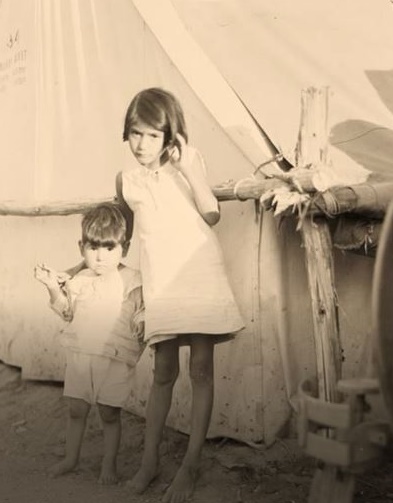
Migrant children, Nipomo, 1936, by Dorothea Lange. The little girl’s knock-knees are symptomatic of rickets, a nutritional disease.

My brother and I once spent an hour in one of George Shannon’s bunkhouses with some of his field workers (George Shannon deserves his own novel. One of the hardest-working and kindest human beings I’ve ever known, an unpretentious man who married into the Hall family, which, around these parts, is like some guy named Lincoln marrying into the Todds.) and they spread out religious medals and family snapshots and pocketknives, toys and firecrackers and belt buckles and, I think, one stuffed baby armadillo, and we chattered away the whole time, each side understanding about every eleventh word, until George came in, smiling, and told us it was time for us to go home for dinner. It was one of the happiest hours of my life and I think it was for them, too, because somehow my brother and I reminded them of family and home and they missed both.
 

a48a34c6110a0966768e6416f3ab69bd

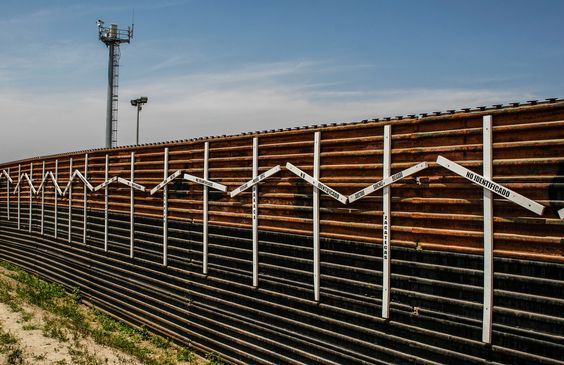
Border fence, Tijuana. The crosses represent migrants lost in the desert.

They missed both. This Mexican was drunk but he was not incoherent. The mission directors were showing us the border fence, with clusters of white crosses at intervals, memorializing the deaths of those–one, a 17-year-old girl–whose coyotes had abandoned them in the desert, and a 13-year-old had started a trash fire at another point as a diversion so a small group of friends might have time enough to vault the fence to what was NOT the promised land, which was the drunk guy’s point.

You think I want to live in your country? he demanded of us, wide-eyed teenagers (and adults). He was drunk but also very angry, which made him clearer than a sober man. You people think we’re invaders? I don’t want to be in your country! I don’t want to be an American. I LOVE MY COUNTRY. I LOVE BEING A MEXICAN! I love my family and that is why I cross over and get arrested by La Migra and then cross over again. I hate it! But I am a man with a man’s responsibilities and if washing dishes in Chula Vista or working melon field in Indio is what it takes for me to be a man, I will do it. I love my country. Not yours. Not yours.

He wandered off and continued the talk with himself alone in that little park where the border fence meets a fetid stretch of Pacific Beach. We were stunned.

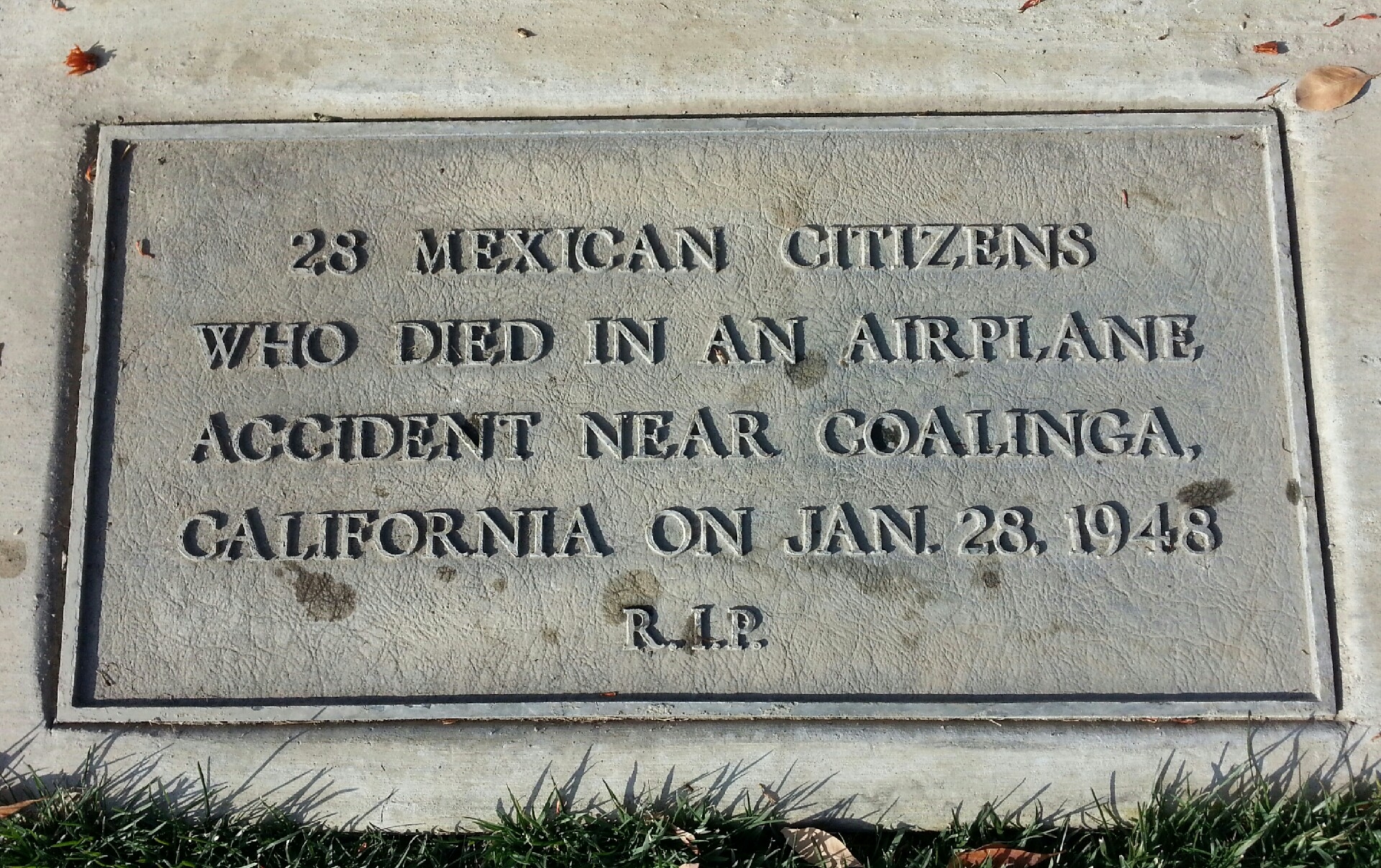
We met deportees at a la migra detention center, too.  They were flesh and blood, just as the Woody Guthrie song had always suggested, made so evocative by the version covered by Arlo Guthrie and Emmylou Harris.

“Deportees” (Plane Wreck at Los Gatos)

The crops are all in and the peaches are rott’ning,
The oranges piled in their creosote dumps;
They’re flying ’em back to the Mexican border
To pay all their money to wade back again

Goodbye to my Juan, goodbye, Rosalita,
Adios mis amigos, Jesus y Maria;
You won’t have your names when you ride the big airplane,
All they will call you will be “deportees”

My father’s own father, he waded that river,
They took all the money he made in his life;
My brothers and sisters come working the fruit trees,
And they rode the truck till they took down and died.

Some of us are illegal, and some are not wanted,
Our work contract’s out and we have to move on;
Six hundred miles to that Mexican border,
They chase us like outlaws, like rustlers, like thieves.

We died in your hills, we died in your deserts,
We died in your valleys and died on your plains.
We died ‘neath your trees and we died in your bushes,
Both sides of the river, we died just the same.

The sky plane caught fire over Los Gatos Canyon,
A fireball of lightning, and shook all our hills,
Who are all these friends, all scattered like dry leaves? 
The radio says, “They are just deportees”

Is this the best way we can grow our big orchards? 
Is this the best way we can grow our good fruit? 
To fall like dry leaves to rot on my topsoil
And be called by no name except “deportees?”
 

124676699_1391643842.jpg


Here is that song, performed by Woody Guthrie’s son, Arlo, and Emmylou Harris:

https://www.dailymotion.com/video/x13sel


Years before, the most miserable years of my life were when we left A.G., almost as soon as I’d graduated from high school, and moved to Bakersfield.

Do you have any idea how heart-breaking it is to move to Bakersfield, having grown up trout-fishing in the creek alongside your house, hiking and bird-hunting in the foothills of the Upper Valley, sometimes shocking blue with lupine in the springtime, waking up to the regular ring of bean stakes being driven into the ground in the fields next. door. or to the most beautiful whistling in the world of farmworkers walking singe-file down to those fields to work, of occasionally stopping stock-still at the sight of a doe and her faun and, or, one time, at a mountain lion–she rippled when she moved–and then at 18 I had to leave the place where I had grown up and the place I still love more than anywhere on earth.
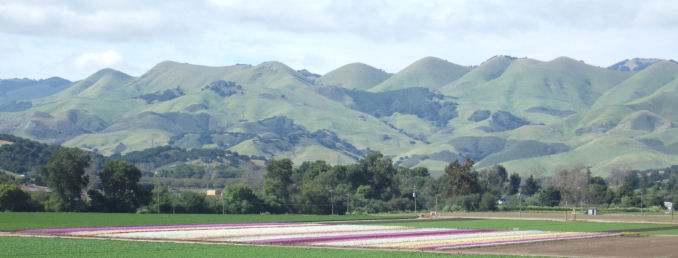
 

t0141

Flower fields, Upper Arroyo Grande Valley.

Chorizo and egg burritos saved me. I had a set of guys I worked with most–especially Alvino and Beto and Jorge–and after awhile of working together, they began bringing extra chorizo and egg burritos. See, I was the boss’s kid, which was my only qualification for the job, and the shock of realizing that I was not an asshole (like any person, I am certainly capable of it), and the fact that I would work just as hard as they would in that delightful Bakersfield heat, and that when we went on furniture or appliance deliveries—for these families, buying their first color television set, it was like we were delivering the American Dream–the truck bouncing along hot filthy back roads bounded by irrigation ditches, their water listless and somehow sinister, and since I spoke the best Spanish I could with the families whose tiny but singularly dignified homes we visited–Sacred Heart of Jesus, Our Lady of Guadalupe, the Kennedy Brothers always on the walls–that meant that my co-workers’ wives began to pack extra burritos.



RFK_SeeingThroughOthersEyes_Compressed.jpg

Robert Kennedy and Cesar Chavez. Mural by Judy Baca.


I loved Jorge most of all—he was an Army vet, a Texan, with a tiny Cantinflas mustache; we’d go golfing together, a sport he’d picked up in the service, and he was wicked good. He was so good he was the only guy who could correct my alarming duck hook, whose trajectory reminds you of grainy WWII footage of a kamikaze banking into the flight deck of an American aircraft carrier.   Sometimes I’d have dinner with his family and I loved the easy way he had with his children, the way they teased each other, and I loved Marta, his wife, and the food she put to table.

That is what kept me from going crazy in Bakersfield.

A couple of years later, when I went back to school (“Best Seven Years of My Life”) at the University of Missouri, I was washing my hands in the men’s room when my Spanish professor, on his way out, turned and said “You know, you have a very pronounced Mexican accent.”

As Mark Twain said, I could dine for a week on a good compliment, and that one was a chorizo and egg burrito.
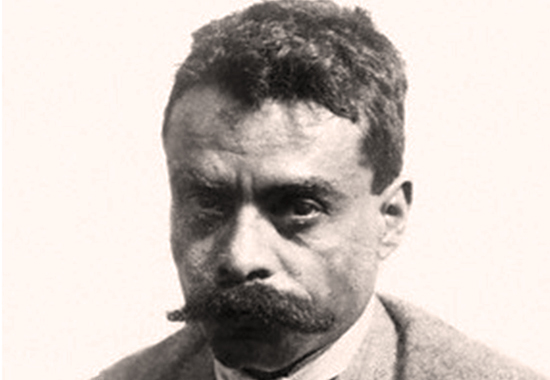
 

zapata_emilian

Emiliano Zapata, the hero I discovered in college, is only twenty-nine years old in this photograph. The care he felt for his people, in Morelos, has worn him down.


So when the Journalism professors at Mizzou began to reveal that they knew a lot about journalism but not one damned thing about teaching, I changed majors. This was largely because of Prof. Winfield J. Burggraaff, whose name is longer than he is tall, a Venezuelan specialist whose course on Latin American dictatorships, and, later, the History of Mexico and the History of Cuba, enthralled me. He was smart but he was also funny, and although he affected a blasé New York attitude toward all things political—he was born on Staten Island—he couldn’t quite hide how passionate he was about the history he taught. Once we were invited to his house for Christmas—having undergrads over to a prof’s house at Christmas is akin to having a bagful of abandoned kittens opened up and freed on the dinner table at Thanksgiving—and we felt very Adult and Cool. Also, his wife was lovely and all the guys spent most of the night—when not eating, which was the main order of business—trying to pretend that they weren’t staring at her which, or course, they were. Me too.

At the end of the Mexican History course—he gave little prizes at the end of each class he taught—I got the Sor Juana Ines de la Cruz Award (a pen and pencil set, I think—she was Mexican nun, scholar and poet) for being the outstanding student in the class. I am still flustered by that. It was a big deal to me and I stomped around the grey lifeless frozen campus at Columbia the rest of the day with a warm glow in my heart.

Todo el amor que me has dado, mis amigos, me ha hecho un hombre mejor.

 

gettyimages-973124256-e1529274106281

Honduran child and la migra, 2018.
Braggin’ on my Pop

13 Saturday Dec 2014

Posted by ag1970 in Uncategorized

≈ 1 Comment

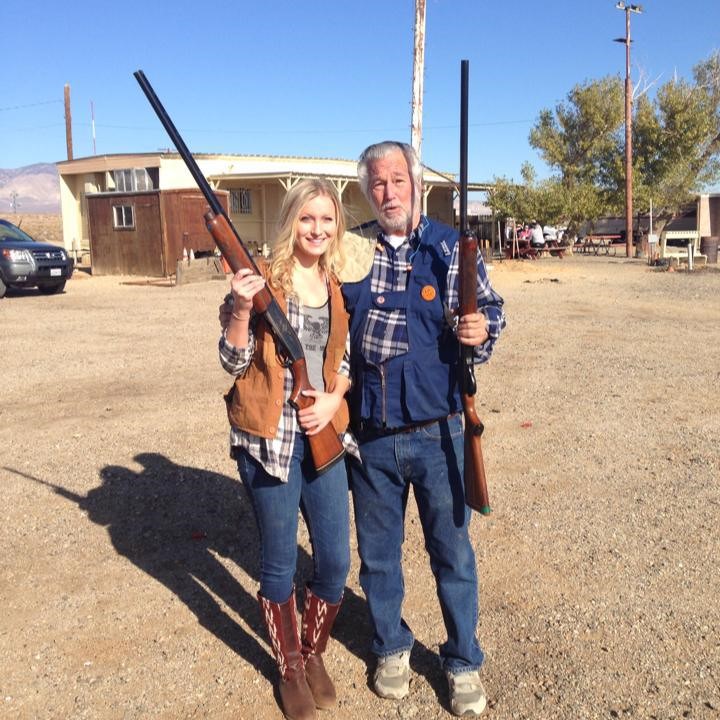
Kali and her Grandfather A wonderful Facebook exchange began when Kali, a a former student, posted a photo of herself and her late grandfather, trap shooting.  I think, to use a trite phrase I would never tolerate from any student, that he looks like a really cool guy. Look at their faces and you can see they loved each other–and there’s plenty to love about Kali.

She was my student, I was a sponsor in her confirmation class at St. Patrick’s, and she is an outstanding young woman.  You can tell, too, that they loved being together.

Sometimes, and I had this experience with a photo of Joey Rodgers’s Grandpa, a World War II Marine, you can see a man and know instinctively that you would’ve loved him, too.  That’s what struck me about this photograph. Kali has just lost him, but another reason I know he was a good man is that he’s released a flood of memories from my own life, about my own family, and I’m old enough now to know that those things don’t happen accidentally.  I know, as well,  that Kali will discover that memories don’t die, and as long as they live, so will he.

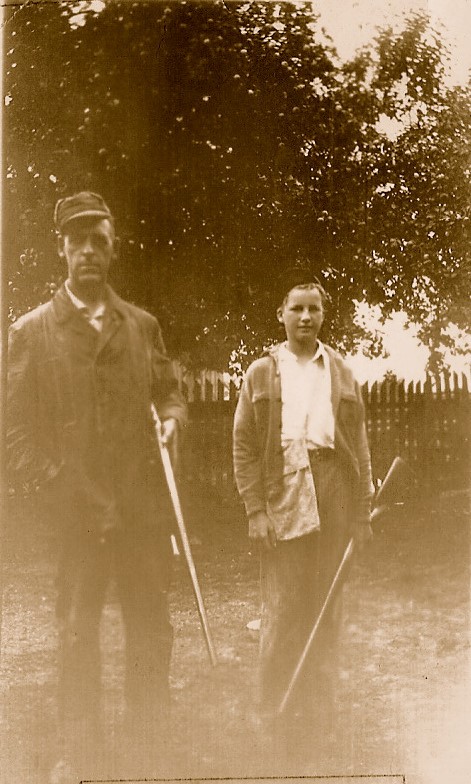
This photo reminded me of another,  of my father in the Ozark foothills of south central Missouri, in Texas County, where he grew up.  Dad’s on the right, and that may be Mr. Dixon, who owned the farm across the road from my grandfather’s farm. Mr. Dixon was one of my grandfather’s best friends, and Grandfather, deaf in one ear, never heard the Ford roadster that hit him and killed him in 1933 as he crossed that road to visit his friend.  But Grandfather left my Dad some important gifts. That Ford had killed the strongest swimmer, even in his seventies, and the sweetest waltzer in Texas County.  My grandfather was a born athlete, graceful and powerful, and keenly intelligent.  He would have been one hell of a quarterback. Dad and his winchesterHere’s what I told Kali about my Dad:

I’ve still got my Dad’s Model 12 Winchester. Here he is, on the right, with the gun about 1929 or 1930. Birds are completely safe around me, but it was a privilege to watch that man handle a shotgun. His reflexes were so good that he’d fire the followup shot close enough to mine to make me think there was a slight chance it was me, not him, that’d brought down the pheasant or chukar. He was also a terrific athlete–he came to California on a baseball scholarship that, in the strict legal sense of the word, was not legal at all. But it got him out of Depression-era Missouri and to (yuk!) Taft, where oil meant there were still jobs to be had.

Since my wife’s Dad played for the 49ers, and her older brother started at middle linebacker on three USC Rose Bowl teams, the Gregory contribution to my boys’ athletic talents gets overshadowed pretty easily.

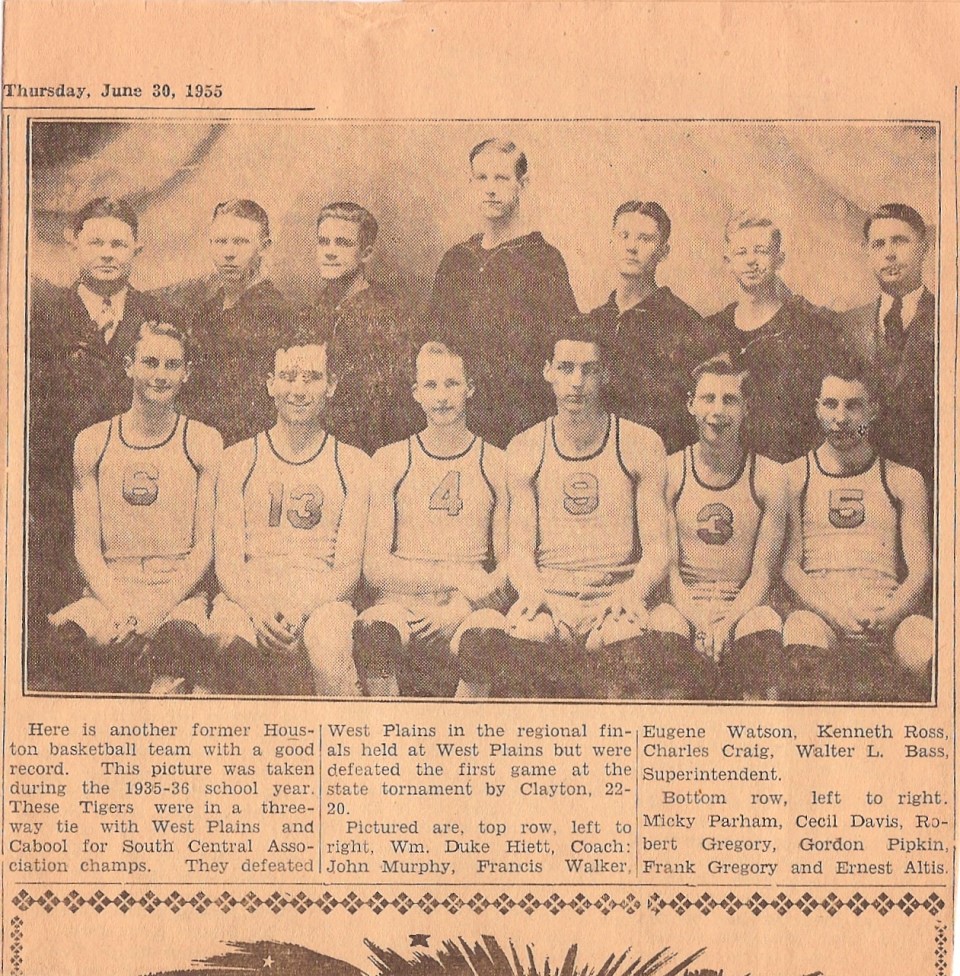
But Dad played a lot of sports, and played them well. The photo of the 1935-36 Houston basketball team includes both Dad (#4) and his nephew, Frank (#3); my grandfather had two batches of kids–his first wife, Doriska Trail, died and he remarried, to my grandmother, so Dad was technically an uncle before he was born.  My aunt remembered years after the radio broadcast of that last game, the loss, when the announcer cheerfully observed that “Uncle Bob is passing off to Nephew Frank.” 1935 basketball

The illegal scholarship secured Dad a second-base spot at Taft Junior College and, a short time later, that in turn led to a meeting with the Irish girl behind the counter at a Taft soda shop. She made him a banana split, I think.  She also did a lot to make me the kind of man I am today:  that was my Mom, one of the most remarkable people I’ve ever known.

Dad also was a superb golfer, with a fluid swing.  He’d learned in Taft, where nothing much grows other than tumbleweeds, and both the teeboxes and “greens” at the local course were sand.  You made your tee out of sand, too, with a little pail of water set out to help you build it. One of his Saturday foursome was Harry Clinch, later the first bishop of of the Diocese of Monterey, a Godly and warm man, unless it came to slow play.  He was not above aiming a three-wood at the foursome ahead to encourage them to brisk it up a wee bit.

What  I remember most about Dad came years later, the time we were playing Black Lake together, and he drove the green on the short Par 4 second hole–about 330 yards–and four-putted.  I have never seen a human face turn so many shades of red, ranging into the deep purple that frequently suggests an impending coronary.

My brother reminded of another story.  Dad bought my big sister, Roberta, a quarter horse, a mare, Belle, boarded and pastured at Frank Mello’s ranch south of San Luis, and one day she threw my sister, badly.  Dad was raised riding horses–his grandfather, Taylor, would whack him in the small of the back with a quirt when Dad slouched in the saddle–”Sit up!  You’re hurtin’ the horse!” –but he hadn’t ridden in thirty years.

When Belle threw Bob Gregory’s little girl, he got the same murderous look his eye that he would get later, when he four-putted.  He mounted that mare and rode her until she was exhausted and thickly lathered.  We watched with our mouths flopped open. She never threw Roberta after, and was as gentle a horse as any girl could wish for. We never saw my father ride again.

*   *   *

For Jack

09 Tuesday Dec 2014

Posted by ag1970 in American History, California history, World War II

≈ Leave a comment

Picture1

A young man, and a talent, lost in the attack on Pearl Harbor in the destruction of the USS Arizona.

https://drive.google.com/file/d/0B_TbsWyRzbSbcDlLWUpXekJyNlk/view?usp=sharing

The Not-so-Long Goodbye

09 Tuesday Dec 2014

Posted by ag1970 in News, Teaching

≈ Leave a comment

10406775_10205398047814403_3499575547574663110_n

I had the first big wave of Reality hit me today while walking from the school library back to my classroom, during the passing period, walking through the kids with about five different “Hi, Mr. Gregorys” and one hug along the way.

It was Imminent Retirement Student Withdrawal Anxiety.

I don’t want to sound like Maria traipsing through an Alpine meadow–I rooted for the Wehrmacht in that movie–but thirty-two years ago I sat down in Cary Nerelli’s class at Morro Bay High–after years of aimlessness, numbed from some of life’s body blows– to observe for a Poly education class, and I instantly knew this was where I belonged. Now I’m 63, and this year, like every other, I have to fight the urge to blurt, “Do you have any idea how much I love you?”

We teachers deal with hope and potential, we heal heartbreak, and we take our students to places they’ve never seen–most of those lie inside themselves–and thirty years have failed to blunt the excitement I felt my first day of student teaching, when the kid with the curly hair asked me if I knew my hands were shaking, and the kid in the back complained that my handouts weren’t hole-punched.

“Punch your own damned holes!” I replied.

We got along fine after that. And we have ever since.

10838041_10205398048654424_7516305212924230169_o

Subscribe

  • Entries (RSS)
  • Comments (RSS)

Archives

  • January 2026
  • December 2025
  • November 2025
  • October 2025
  • September 2025
  • August 2025
  • July 2025
  • June 2025
  • May 2025
  • April 2025
  • March 2025
  • February 2025
  • January 2025
  • December 2024
  • November 2024
  • October 2024
  • September 2024
  • August 2024
  • July 2024
  • June 2024
  • May 2024
  • April 2024
  • March 2024
  • February 2024
  • January 2024
  • December 2023
  • November 2023
  • October 2023
  • September 2023
  • August 2023
  • July 2023
  • June 2023
  • May 2023
  • April 2023
  • March 2023
  • February 2023
  • January 2023
  • December 2022
  • November 2022
  • October 2022
  • September 2022
  • August 2022
  • May 2022
  • April 2022
  • March 2022
  • February 2022
  • January 2022
  • December 2021
  • November 2021
  • October 2021
  • September 2021
  • August 2021
  • July 2021
  • June 2021
  • April 2021
  • March 2021
  • February 2021
  • January 2021
  • December 2020
  • November 2020
  • August 2020
  • July 2020
  • June 2020
  • May 2020
  • April 2020
  • January 2020
  • December 2019
  • November 2019
  • October 2019
  • September 2019
  • August 2019
  • May 2019
  • April 2019
  • March 2019
  • February 2019
  • January 2019
  • December 2018
  • November 2018
  • October 2018
  • September 2018
  • July 2018
  • June 2018
  • May 2018
  • April 2018
  • March 2018
  • February 2018
  • January 2018
  • December 2017
  • November 2017
  • October 2017
  • April 2017
  • March 2017
  • December 2016
  • November 2016
  • October 2016
  • September 2016
  • August 2016
  • July 2016
  • June 2016
  • April 2016
  • March 2016
  • February 2016
  • January 2016
  • December 2015
  • November 2015
  • October 2015
  • September 2015
  • August 2015
  • July 2015
  • June 2015
  • May 2015
  • April 2015
  • March 2015
  • February 2015
  • January 2015
  • December 2014
  • November 2014
  • September 2014
  • August 2014
  • July 2014

Categories

  • American History
  • Arroyo Grande
  • California history
  • Family history
  • Film and Popular Culture
  • History
  • News
  • Personal memoirs
  • Teaching
  • The Great Depression
  • trump
  • Uncategorized
  • World War II
  • Writing

Meta

  • Create account
  • Log in

Blog at WordPress.com.

  • Subscribe Subscribed
    • A Work in Progress
    • Join 68 other subscribers
    • Already have a WordPress.com account? Log in now.
    • A Work in Progress
    • Subscribe Subscribed
    • Sign up
    • Log in
    • Report this content
    • View site in Reader
    • Manage subscriptions
    • Collapse this bar
 

Loading Comments...