
Tags

Goodbye.
I think we have lost the feel a great writer has for knowing what to leave out of a story. I don’t want to know if Rick slept with Ilse that night. Not seeing the Great White in “Jaws” or the Comanches early on in “The Searchers” made both films terrifying.
And Sofia Coppola knew what to leave out in “Translation, ” including the ending we knew, if we were honest with ourselves, that was the ending we really wanted.
Coppola has too much integrity for that, and it’s integrity that makes Murray and his character admirable. It is his integrity that makes it so plausible that a young woman might fall in love with him—his Ichabod Crane-like arms and legs an insult to Japanese interior design— and especially a young woman so intensely aware that she is lost.
Steinbeck wrote about opening a book and letting the stories crawl in by themselves, and Coppola knows how to do that, too. The episodic and seemingly inchoate structure of the film reflect the reality of traveling in a strange land and of traveling through a life so foreign to the dreams either Murray or Johansson might once have dreamed.
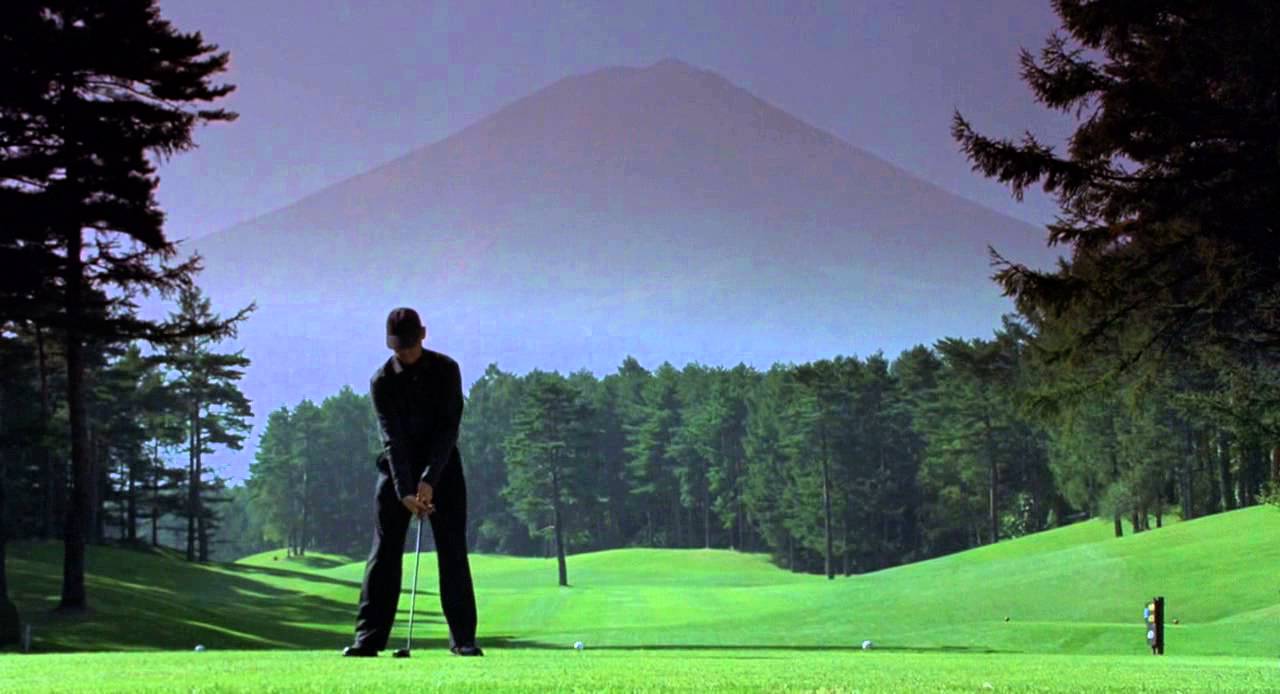
And Japan is a strange land. It is frenetic and crass and as fake as karaoke and it is also impossibly beautiful and the Japanese themselves impossibly graceful. My favorite moments are some of the briefest–Murray’s tee shot with Fuji anchoring but not dominating the beauty of the scene, of a man alone, and then we see Johansson, alone, the serenity and sensory delight of her walk in a Kyoto park shattered by an interruption: a traditional wedding party flanks a youthful couple who are committed to each other and to— -and also because of—tradition.
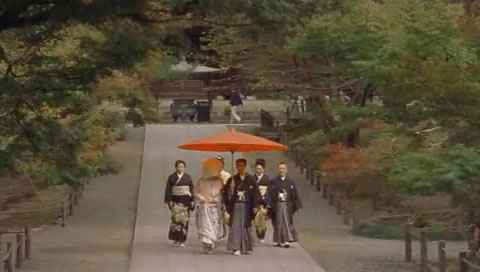
Johansson is so beautiful, but is the only beautiful thing alive in that park without roots, and she knows it. She is ready to commit herself and to dedicate her life, but there are no roots and there is no soil. Her ache for them is heartbreaking.

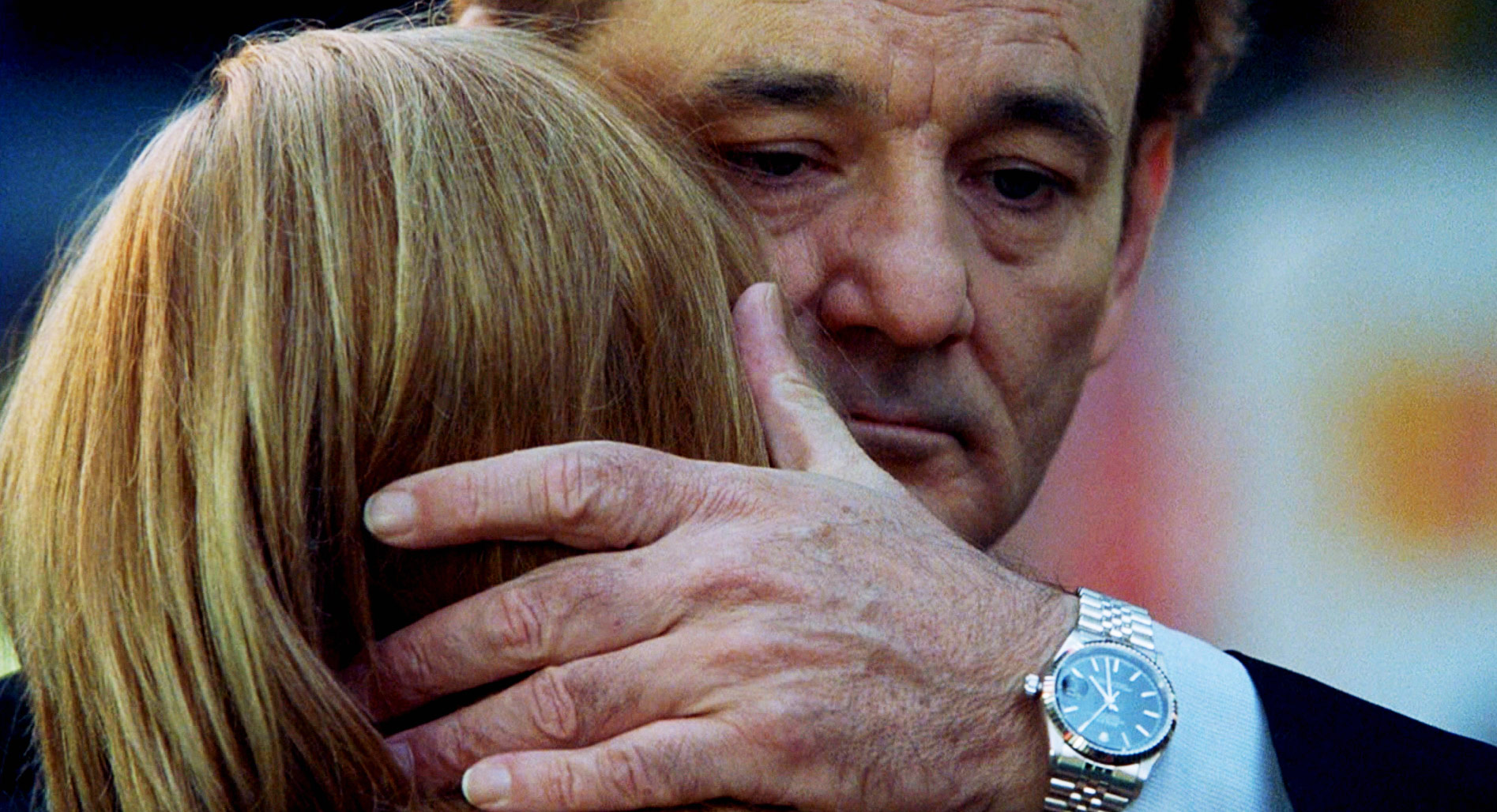
Murray’s life might seem barren, too, when long-distance conversations about floor covering seem to take on the weight of the Versailles Peace Conference. He is not in love, but he is dedicated to his marriage and he is committed to his family, and duty may be a poor substitute for love, but it is profound bravery, and there is no substitute for that. The film is so bittersweet because you know, in the very last moments of his life, Murray will return to that final embrace on the Tokyo street. This time he will not let go. And then, of course, because it is the end of his life, he will let go of it all, let go of her, give her, once again, the freedom to find her way as she was always meant to do.
 A Work in Progress