
.
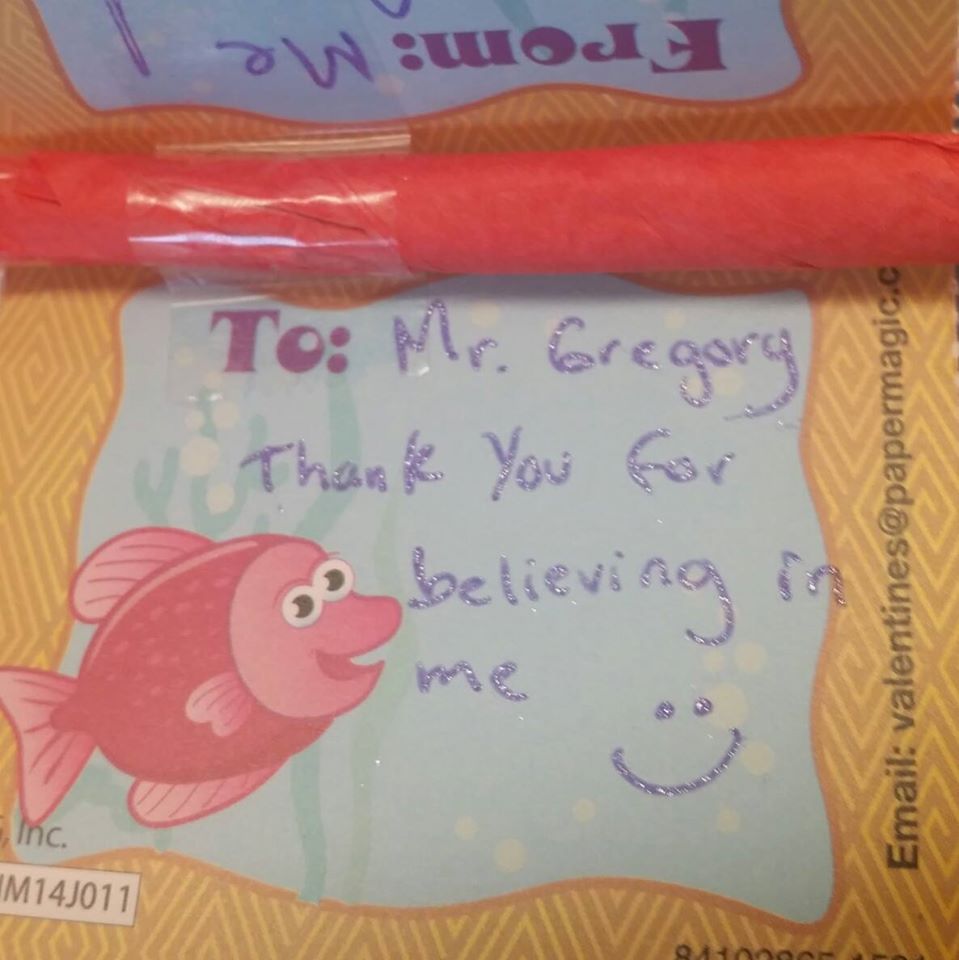
Last week, a student left a Valentine on my teacher’s desk at Arroyo Grande High School.
It read: “Thank you for believing in me.”
She was born in Guerrero, a Mexican state I know from my college studies of the revolutionary Emiliano Zapata, who was from nearby Morelos, south of Mexico City.
Zapata’s life, ended by assassination in 1919, empowered peasants who wanted a little land to farm. He fought rapacious sugar planters who both monopolized the land and guarded it with Maxim guns. The planters, in fact, wanted to expand their holdings, threatening to plant cane even in the naves of little churches in Guerrero.
My life is ordinary. I’m no Zapata. I am a bespectacled and aging teacher who has been inspired in watching this girl empower herself.
Her family’s first language is Spanish, but she is mastering the arcane details of Advanced Placement European History, with its Hapsburgs and Bourbons, Calvinists and Anabaptists, Girondins and Jacobins, Bolsheviks and Spartacists.
She is getting an “A” in one of the most difficult classes we offer, and she has just turned sixteen. I want to see her in a UC when her time with us is done in the Lucia Mar Unified School District.
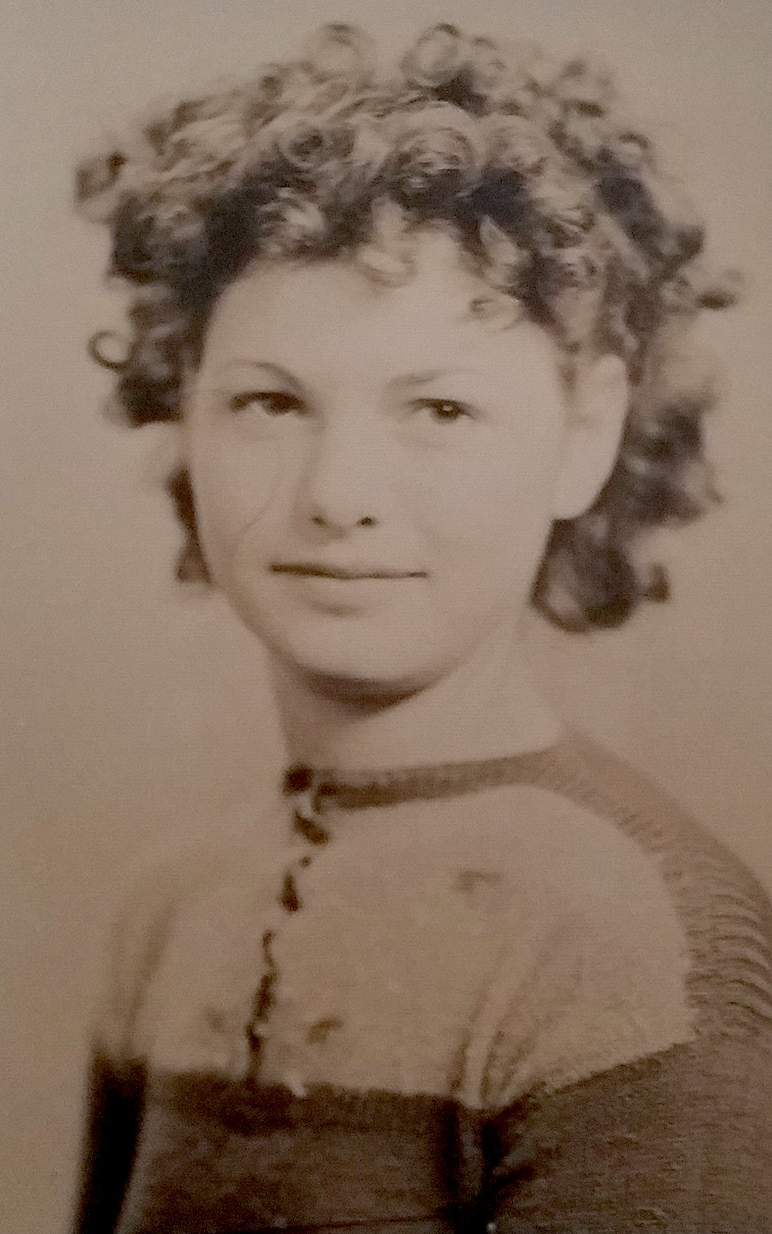
My mother would’ve had the same hope. I wrote about her in an essay called “To the Girl on the Lawn at Cal,” which was purely imaginary. She was trapped in poverty, abandoned by her Irish father, a man who liked his liquor and had a penchant for borrowing cars without notifying their owners, in 1920s Taft.
Like this student, she loved to learn. My mother’s mind was forever hungry, just as she’d been, in the physcial sense of the word, as a little girl. The laundry room of our home on Huasna Road faced a pantry with cupboards filled with canned food that we would never eat because there were times when she never ate.
In the essay, I imagine my mother, about nineteen, in a sweater, pleated skirt, bobby socks and saddle shoes, on the lawn outside the Bancroft Libary. Her notebooks, dense with her precise handwriting, were at her feet. She was, I think, studying for her final in Cultural Anthropology (a course I later, and very happily, got to teach to my high school students), and she was devouring information as quickly as a hungry girl can devour bread.
Twenty-five years later, she shared the education I’d wished for her, in my imagination, with me.
My mother taught me how to read, how to appreciate music, art, justice and faith. Fifty years after her death, I took my sons to Gettysburg and was able to describe where we were, in tracing the landmarks of the three-day battle, and what had happened there. The words came out without me willing them, in brigade-strength paragraphs, the story-telling gift that was my father’s. I was summoning ghosts.
But the meaning of what I was telling my sons was my Mom’s doing. As a mother, she felt the pain of Gettysburg. It was her spirit moving inside me and it was her voice speaking, lovingly but bluntly, to the grandsons she never got the chance to meet.
The two of us—her voice entwined with mine—left my sons visibly shaken, a little grief-stricken and, I am now sure, better human beings.
They weren’t the only young people my mother cared for. Everything she’d taught me was was meant for students exactly like my Valentine, the teenager from Guerrero, a girl who might have been hungry, too, once upon a time.
My mother knew this girl, and she loved her just as much as she’d loved me.
 A Work in Progress