
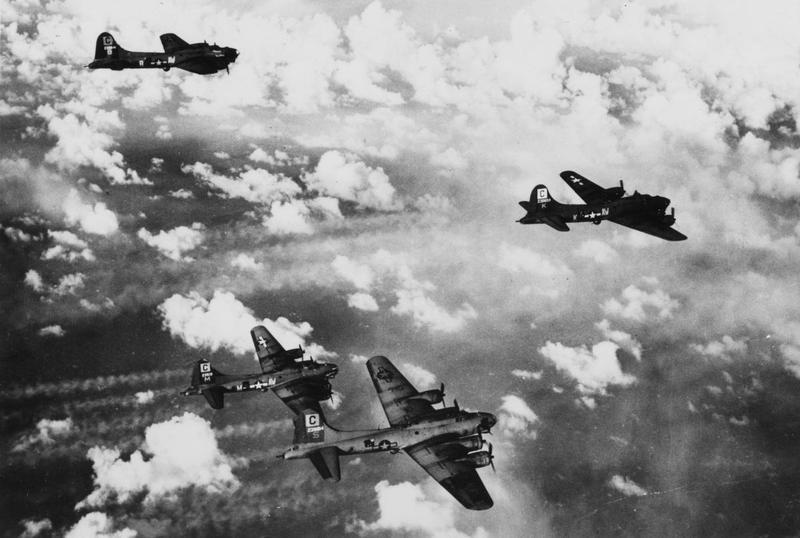
 The average age of a World War II B-17 pilot was 22; gunners were around 18. These are B-17 G’s from the 8th Air Force’s 96th Bomb Group, and an Arroyo Grande flier, Elliott Whitlock, was a 22-year-old co-pilot in a 96th squadron based at RAF Snetterton Heath in Norfolk. His dad owned the Commercial Co. Market, in the building that now houses a cafe at the corner of Branch and North Mason.
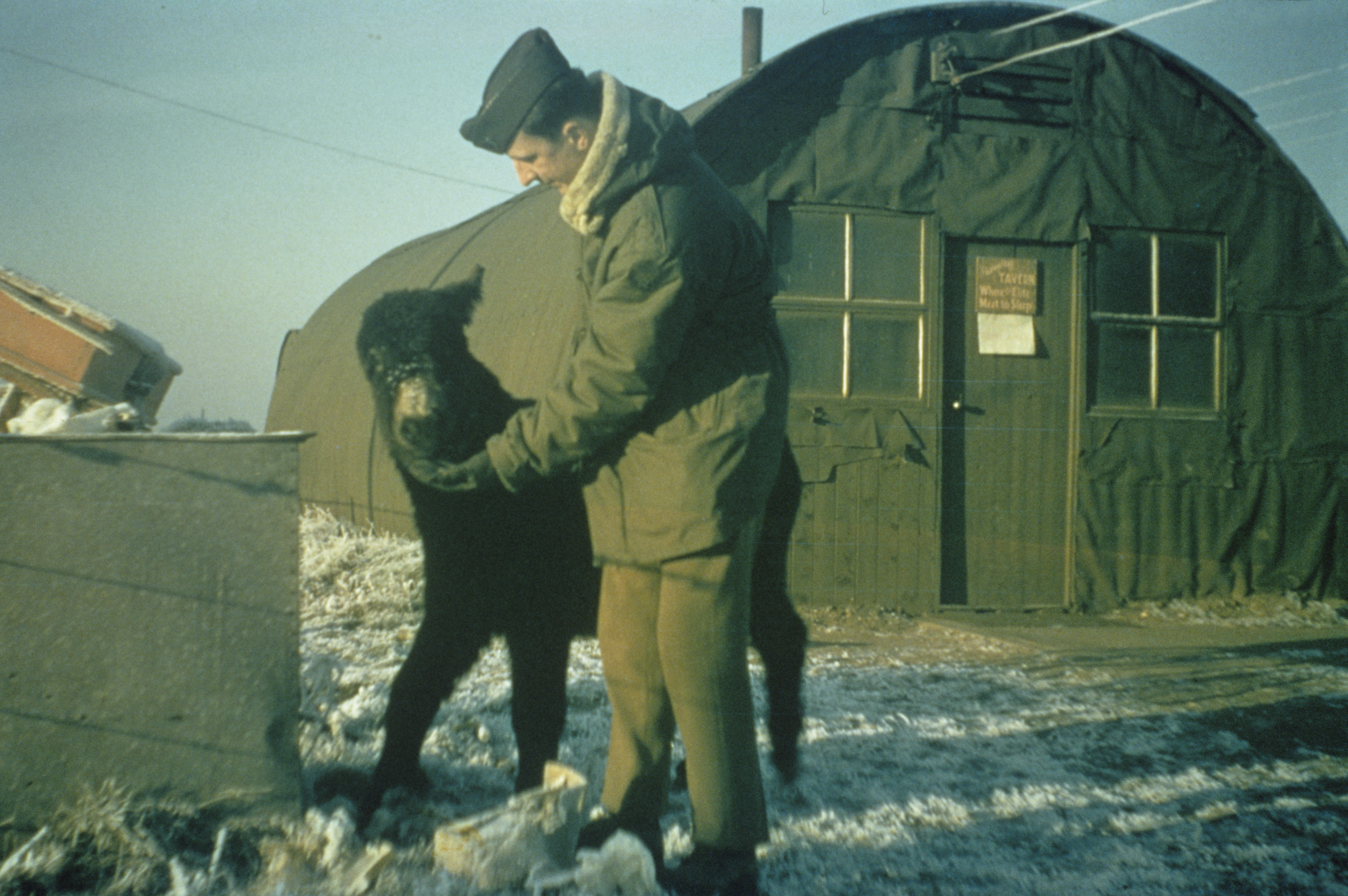
Besides the visiting Yanks, another resident of the Heath was a small donkey that the squadron adopted and christened “Lady Moe, Queen of the Heath.” Her young admirers played baseball at the Lady Moe Ball Park and watched movies at the Lady Moe Theater. She had unlimited visiting privileges; some say she even flew a combat mission. She liked American cigarettes. Eating them.
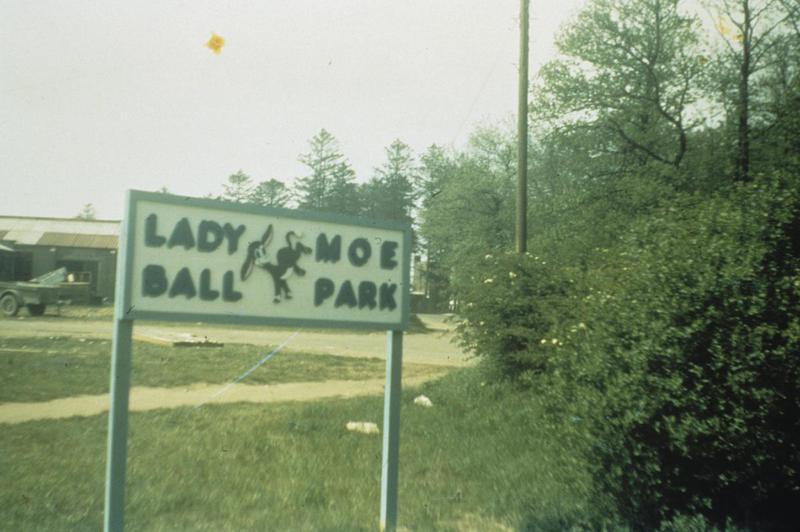 Lady Moe reciprocated the affection lavished on her. She began to appear with the ground crews at the control tower, waiting with them as they anxiously counted B-17’s on the return of her boys from their missions.
Moe almost lost Elliott during the 24th of his 25 missions, after a March 1944 raid on Berlin. The “High ‘n’ Mitey” was on her return trip when the plane caught fire, and the pilot, Capt. Jim Lamb, was burned trying to put it out.
Lamb gave the order to bail out. Whitlock saw three chutes forward but, looking backward, he saw that the crew in the waist hadn’t responded. The fire had disabled the intercom: they never heard Lamb. Whitlock then saw how badly hurt Lamb was, saw that his chute was partly burned away, and he countermanded his skipper’s order.
Somehow a fire extinguisher appeared in Whitlock’s hands–he was unclear later as to how. He put out the cabin fire and took over the control yoke. Lamb’s hands were burned, and it took a young man’s strength to fly a B-17: pilots could lose ten pounds on a typical mission.
He would dive “High ‘n’ Mitey” to extinguish the remainder of the fires onboard, then, at painfully low altitude, bob and weave the ship through a gauntlet of German flak, back to the Channel—back, finally, to Lady Moe. His conduct that day earned Whitlock a Silver Star. He’d admit in a letter home that he, and his crew, had been terrified. In an arresting sentence, he told his parents that “your prayers are standing by me.”
A few weeks later, the same B-17, with a new crew, would be shot down over the Pas-de-Calais. The tail gunner was the only survivor.
Whitlock would survive the war to become an attorney in San Bernardino County. At the time of his death, more than sixty years after that 24th mission, a local bar journal praised his wisdom and his kindness; he was a mentor to many young lawyers. He had led a good life.
The British were sometimes dubious about the goodness of the young Yanks, including fliers like Whitlock, in their friendly invasion. We were boisterous, comparatively affluent in drab wartime England and, as one Arroyo Grande soldier wrote home, we thought “those English girls, with their accents, sure are cute.”
But there was something else the British felt, too. In 2005, they opened a little museum, in a Quonset hut near the old airfield, so that future generations could have the chance to know Whitlock and his comrades.
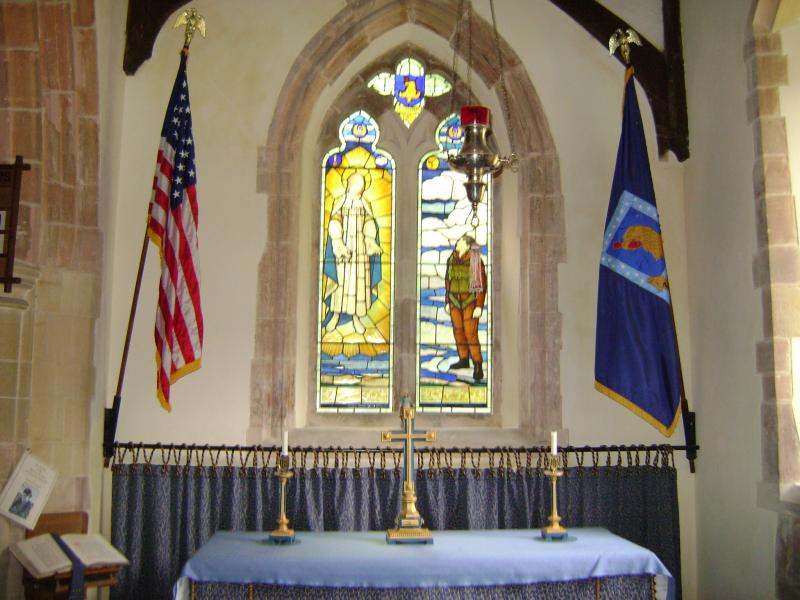
And, before that, there was the figure incorporated into a stained-glass window of the local parish church. It would be reasonable to expect a traditional image: an angel, for example, looking earthward to proclaim Christ’s birth.
There is, instead, an American in his flight suit, looking heavenward, toward a risen Christ. The window is a poignant reminder of the constancy of the people of Norfolk, who learned to love the young men who had made little Lady Moe their queen.
 A Work in Progress