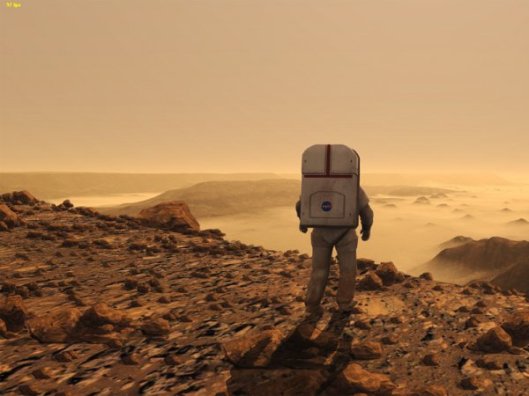
I watched Matt Damon in The Martian for the first time a couple of days ago, and like both the protagonist’s Robinson Crusoe determination and even more the film’s large message: even one human life is worth saving. I was so happy that they saved astronaut Mark Watney’s.

But sooner or later, sadly, you have to turn away from the make-believe of movies and turn to real lives. This precious angel is Syrian, and she was one of the victims of a gas attack both Assad and Putin vigorously deny is their responsibility.
This is the time I’d push my Trump Button. If there is any way to make those two men pay for what they have done to this child, I would do it, and make it hurt.
But, in doing some research on local military aviation, I found that 106 county men died in World War II–27 of them, an estimate, were airmen. Some of them died long before they reached the European or Pacific Fronts: a B-17 crash in Pocatello, Idaho; a midair collision between B-25s over Newberry, South Carolina; a parachute that failed to open for a flight cadet over Lancaster.

And, of course, there were many more who died “somewhere in the South Pacific,” or “in the skies over Germany.” If they were lucky, their ship exploded. If they were not, they fell six miles to their deaths. Twenty-seven local airmen died either mercifully or in the kind of prolonged fear that surpasses all understanding, and which no human being deserves–except, possibly, for those who would kill children deliberately and impassively.
Some of these young men killed children, invisible and indiscriminate, in the miles below their bombers. Despite that barbarism, committed in the name of fighting barbarism, I grow attached to them. I miss them, I wish them their lives and their youth back. I have not worked out that contradiction in my thinking; I doubt I ever will.
And, of course, that is useless. I can help the lost fliers of World War II no more than I can help the little Syrian girl. Rage and compassion have practical limits; to contemplate war means we must acknowledge the deaths of young men and, now, women, in the most terrible ways.
It’s exhausting to shake your fist by the side of history’s road. Perhaps the best we can do it to hold close another traveler when he or she pauses to rest. May it please God that somehow this is gesture enough to fill that little girl’s lungs with air that is cool and fresh and life-sustaining.
 A Work in Progress