• About
  • The Germans

A Work in Progress

A Work in Progress

Monthly Archives: September 2018

Belleau Wood in Trumptime

10 Monday Sep 2018

Posted by ag1970 in trump, Uncategorized

≈ Leave a comment

I used to show this short but harrowing film clip to my students every year when we studied the First World War. It depicts the opening of the Marine attack on German machine-gun positions in Belleau Wood in the summer of 1918–unbelievably, one hundred years ago.

One Marine top sergeant encouraged the men behind him by bellowing: “Come on, you sons of bitches. Do you want to live forever?”

The Marines were under-equipped: Their helmets are Army knock-offs of British helmets, and the light machine guns they’re using are French Chaucats. Our troops went into the Meuse-Argonne in French trucks driven by French colonials from Indochina. They were Vietnamese. Our tanks were French Renaults. Our airplanes were obsolete Nieuports.

The Americans were under-trained, too. Pershing was still enamored of a tactical doctrine that called on the audacity of the individual soldier and the lethality of the bayonet, lessons the Europeans had unlearned by 1915.  When they’d first gone into action, the Americans had died in parade-ground rows; they were babies to war.

But this ignorance saved the Marines—who died by the bushel-load, too—because the survivors kept advancing anyway. The Germans remembered them coming toward them in Belleau Wood: They were smoking cigarettes and firing from the hip.

The Germans, themselves disciplined and courageous soldiers, finally could take no more of this madness. They broke and ran.

I wonder if our president knows about Belleau Wood. I wonder what those Marines would think about him.

Postscript: I later found out what Mr. Trump thought of the Marines at Belleau Wood. According to Atlantic in an anecdote later attributed to Kelly:

United States Marine Corps General and former Chief of Staff John Kelly was among others, who heard Trump call the Marines who died at Belleau Wood in 1918 “losers” and “suckers.” It was White House staffers had to inform the president as to which side had won the First World War….Anyway, it was raining the day Trump was to visit Belleau, and one insider noted rain plays hell with the presidential hairs, all gossamer and wispy in their origins from the other tectonic plates that shift so frequently on the skull of the man who said this in 2016: “I will be the greatest president that God ever created.”

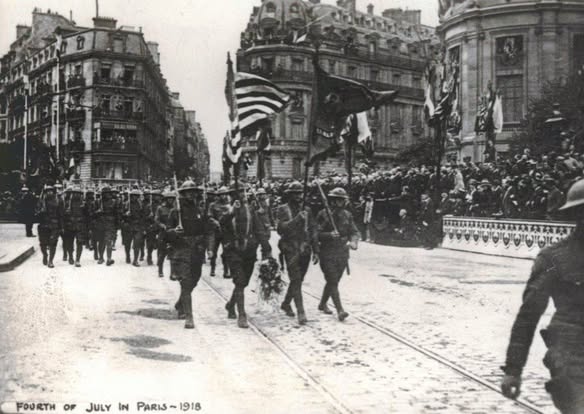
The Fifth Marines on parade in Paris, July 4, 1918. Gerard Dana had joined the regiment by this time, a badly-needed replacment in a regiment that had been decimated by German machine guns in Belleau Wood.


The Marine Silent Drill Team at Belleau.

A Marine at Belleau.

Damn you, “Vertigo!”

10 Monday Sep 2018

Posted by ag1970 in Uncategorized

≈ Leave a comment

vertigo

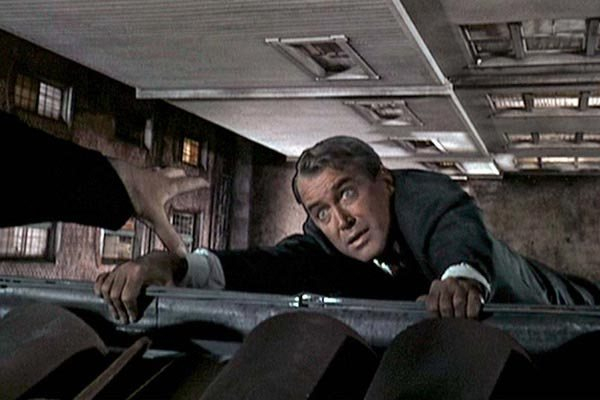
Scottie (James Stewart) in the film’s opening scene.

I really should not read essays about films. The one I read yesterday has messed with my head, because, citing the British Film Institute, it put Hitchcock’s Vertigo (1958) at the top of the all-time greatest films list, bumping Citizen Kane from the top spot.

FJN2RBRW4VGURJFTWMIZU5X4NY

The_searchers_Ford_Trailer_screenshot_(6)

MV5BZDgwNmYwZTgtMzcyYy00NmNkLWJlNmQtMTQzYmQ4ZDgwN2JjXkEyXkFqcGdeQXVyNjUwNzk3NDc@._V1_

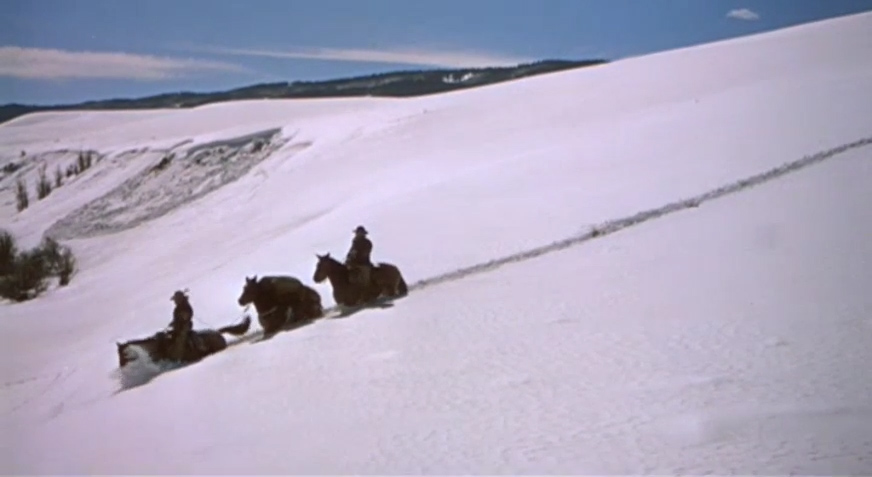
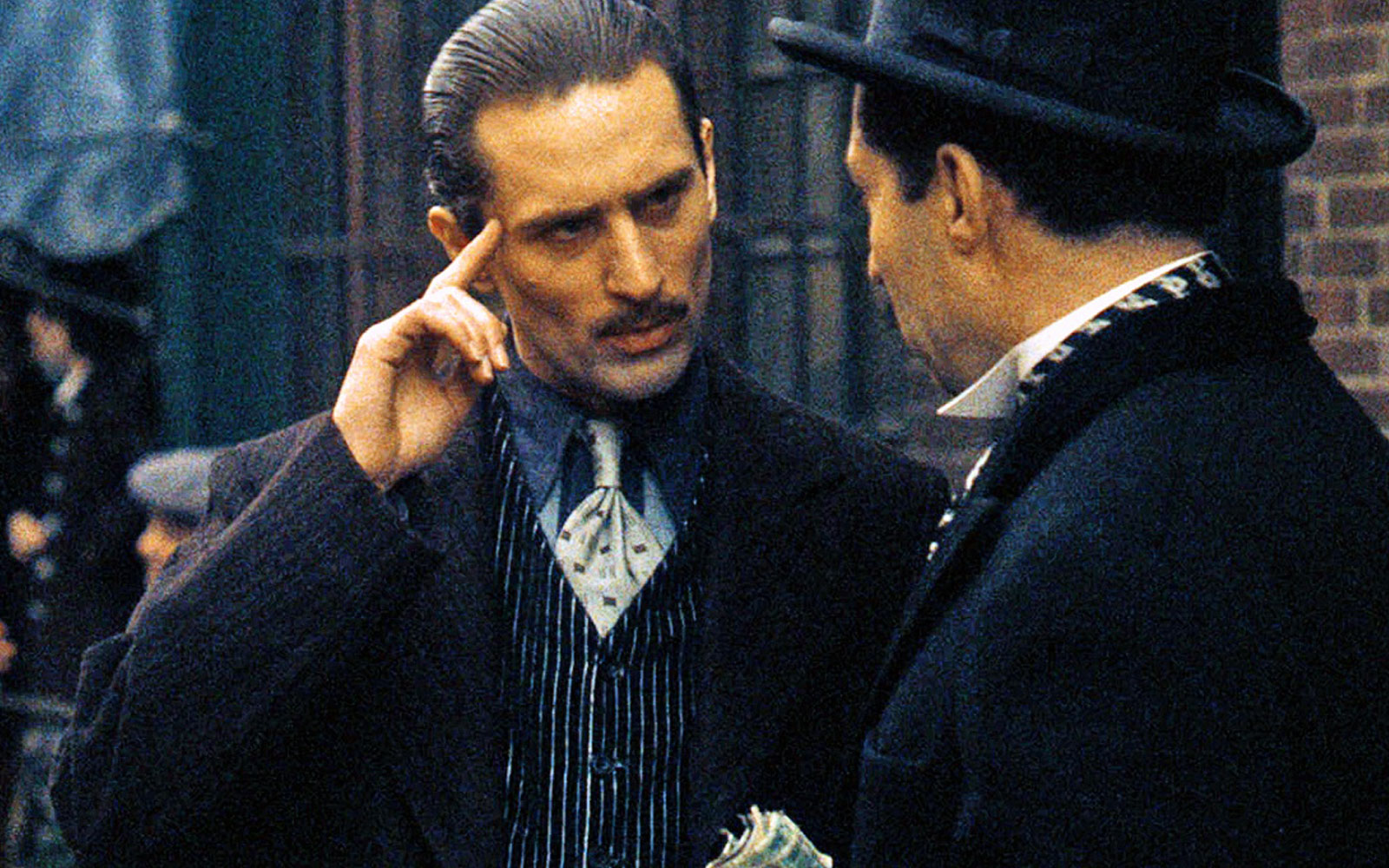
Welles in Kane; Wayne’s Ethan and Jeffery Hunter’s Martin descend a winter hillside in The Searchers; DeNiro in Godfather II.

I have never doubted Kane to be a great movie, but it would never be my #1. It is stylistically and technically stunning, but it’s cold at the heart. My picks, if I were in charge of things—which would be a mistake—at least for American films, would be John Ford’s The Searchers, one of the most gorgeous films ever made, or Coppola’s The Godfather Part II, for the incredible history it retells while leaping from one part of the twentieth century to another. And I’ve never seen a more arresting appearance than Robert DeNiro’s as the young Don Corleone. I was, I think, pinned to my movie-chair seat (so I hope it was comfortable) because I immediately recognized Brando’s Don and also connected emotionally with DeNiro’s portrayal, which was no imitation: the character’s coiled, implicit power, tempered by a kind of gallantry, and his devotion to family, the fundament of the whole film series, was deeply moving and deeply authentic.

James-Stewart-and-Jean-Arthur-in-Mr.-Smith-Goes-to-Washington

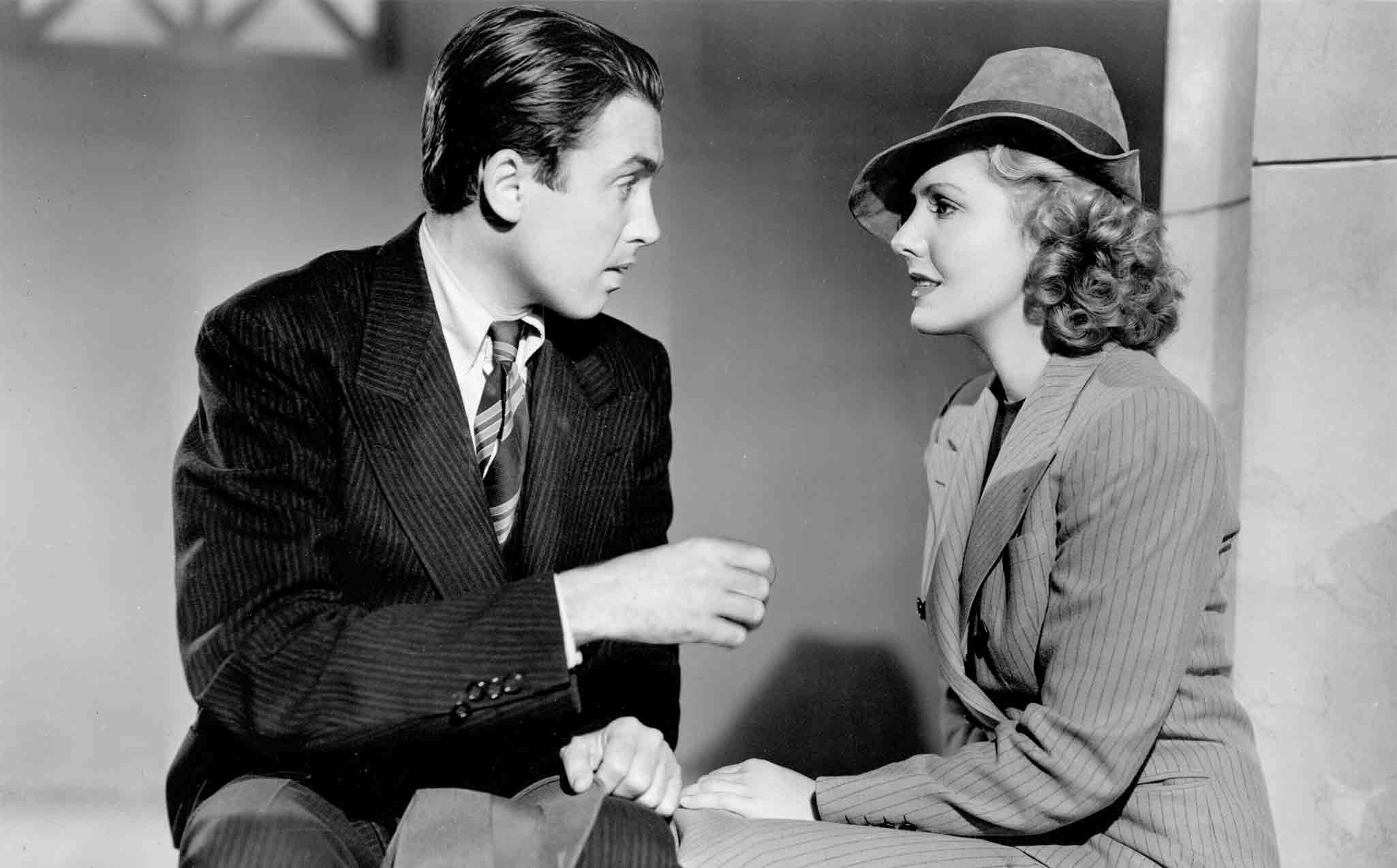
Stewart and Jean Arthur, Mr. Smith Goes to Washington (1939).

But in Vertigo, James Stewart is the lead—Scottie, the washed-up SFPD detective—and if I immediately connected with DeNiro, I was repelled by Stewart. He’d betrayed me: This was the James Stewart of Mr. Smith Goes to Washington (and with Jean Arthur, one of my favorite actresses), The Philadelphia Story and It’s A Wonderful Life. This was the war hero. This was the man, an arch-Republican, whose best friend was Henry Fonda, a Henry Wallace Democrat.

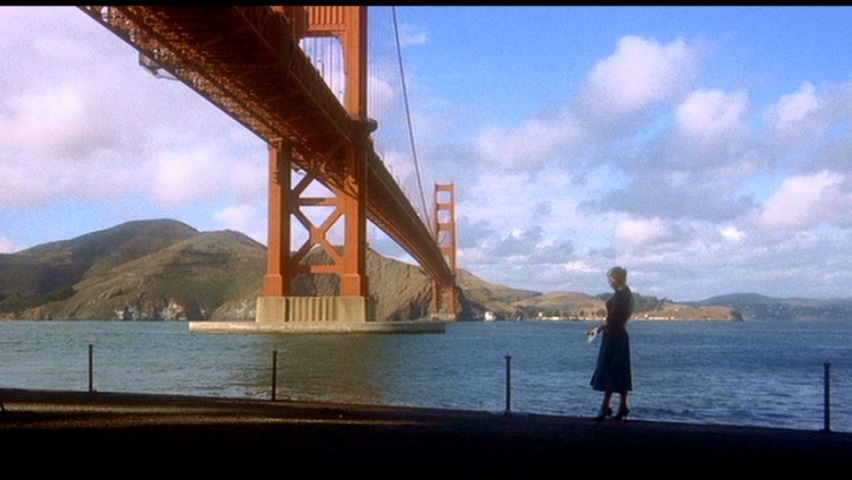
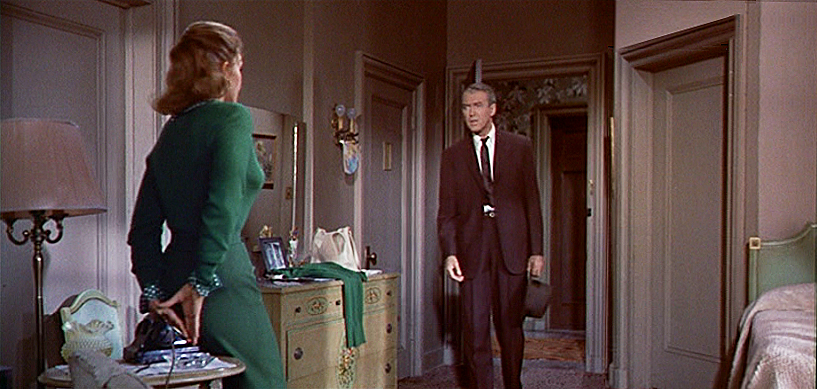
And in Vertigo, he is—to borrow Keenan Wynn’s pronunciation from Dr. Strangelove—a damned pree-vert. He’s a stalker, obsessed with Kim Novak’s Judy because she looks so much like a lost love, done away with in the second reel, Kim Novak’s Madeline, who fell from a church tower to her death (supposedly) because Scottie the police detective was afraid of heights and so failed to prevent her death (something he’d done earlier in the film, when Madeline jumped into the Bay off Fort Point with the Golden Gate Bridge, much more efficient for suicide, standing conveniently in the background.)

0393

hero_EB19961013REVIEWS08401010371AR

Scottie saves Madeline off Fort Point…

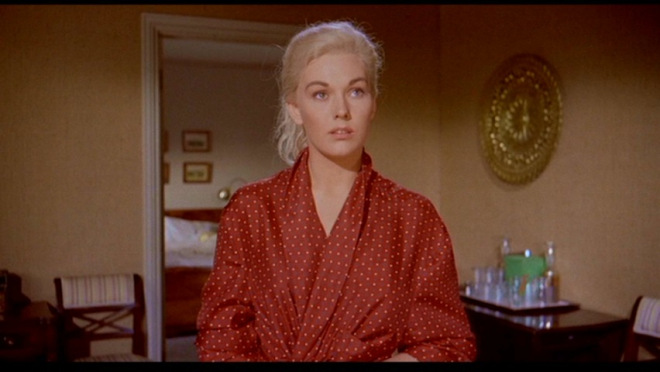
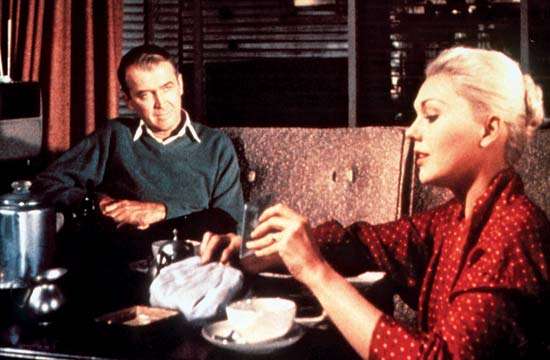
Scottie saves her that time, brings her home (his apartment was on Lombard Street) and she awakes wrapped in his robe. In 1958, this was explosive stuff. Scottie had seen her nude, a precondition to getting her dry. My mother would not have let me see this film.

vertigo6

153002-004-0DB41ABA

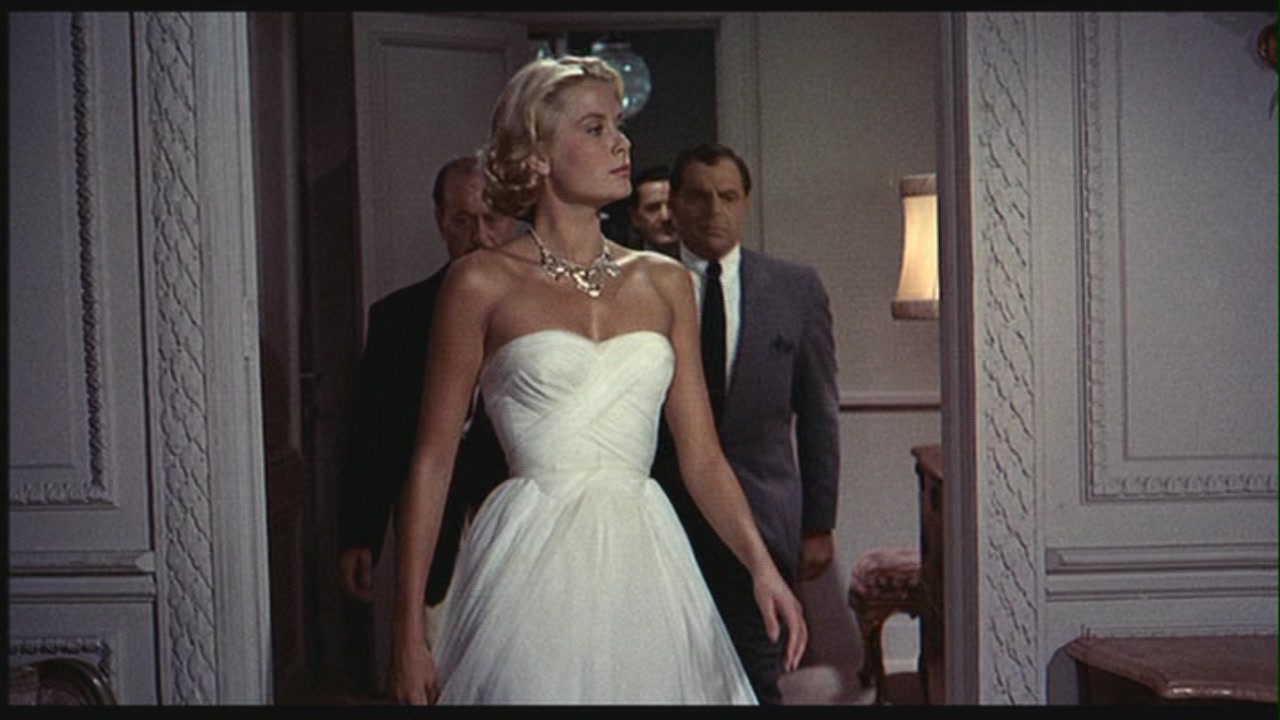
…and brings her home. Novak’s vulnerability in the top frame is such a soft counterpoint to the Judy she plays later in the film. Hitchcock’s obsession with cool blondes, of course, would continue with (below) Grace Kelly–in my humble opinion, the most beautiful actress in American film history– and Tippi Hedren.

Grace-Kelly-in-To-Catch-a-Thief-grace-kelly-30066431-1280-720

Screen_Shot_2015-12-13_at_2.43.29_PM

And then he loses her anyway, with her jumping off that church tower at San Juan Bautista (it turns out that she was murdered, anyway). Are you confused yet? So was I.

To be even more confusing, some smart-aleck has written that Hitchcock was fascinated by the Ambrose Bierce (Bierce was a San Franciscan) short story “Occurrence at Owl Creek Bridge,” in which a Union Army detail hangs a Confederate saboteur. The rope breaks, the condemned man escapes after a harrowing journey, returns home to his loving wife and family and…

…Realizes that he’s imagined the whole thing. He’s back at the bridge, swinging slightly after the drop, thoroughly dead.

bscap0143[1]

A scene from the French film version of “Owl Creek Bridge.”

The smart-aleck proposed that the same thing happened to James Stewart’s Scottie. In the opening scene, Scottie the detective and a uniformed SFPD officer are chasing a suspect across rooftops. Scottie slips and his hanging by his fingertips from a rain gutter when the uniformed officer, trying to help him, falls to his death.

The scene ends. The next time we meet Scottie he’s on disability retirement—the trauma of that moment on the rooftop. But Mr. Smart-Aleck argues that Scottie died up there, too—after all, no one was around to rescue him and his grip was slipping—so everything that follows, for the next two hours, is just a dream, like the condemned man’s dream in “Owl Creek Bridge.”

I’m not buying it.

vertigo1

1bc31f0325a1688ef28bfa5dc5a65be1

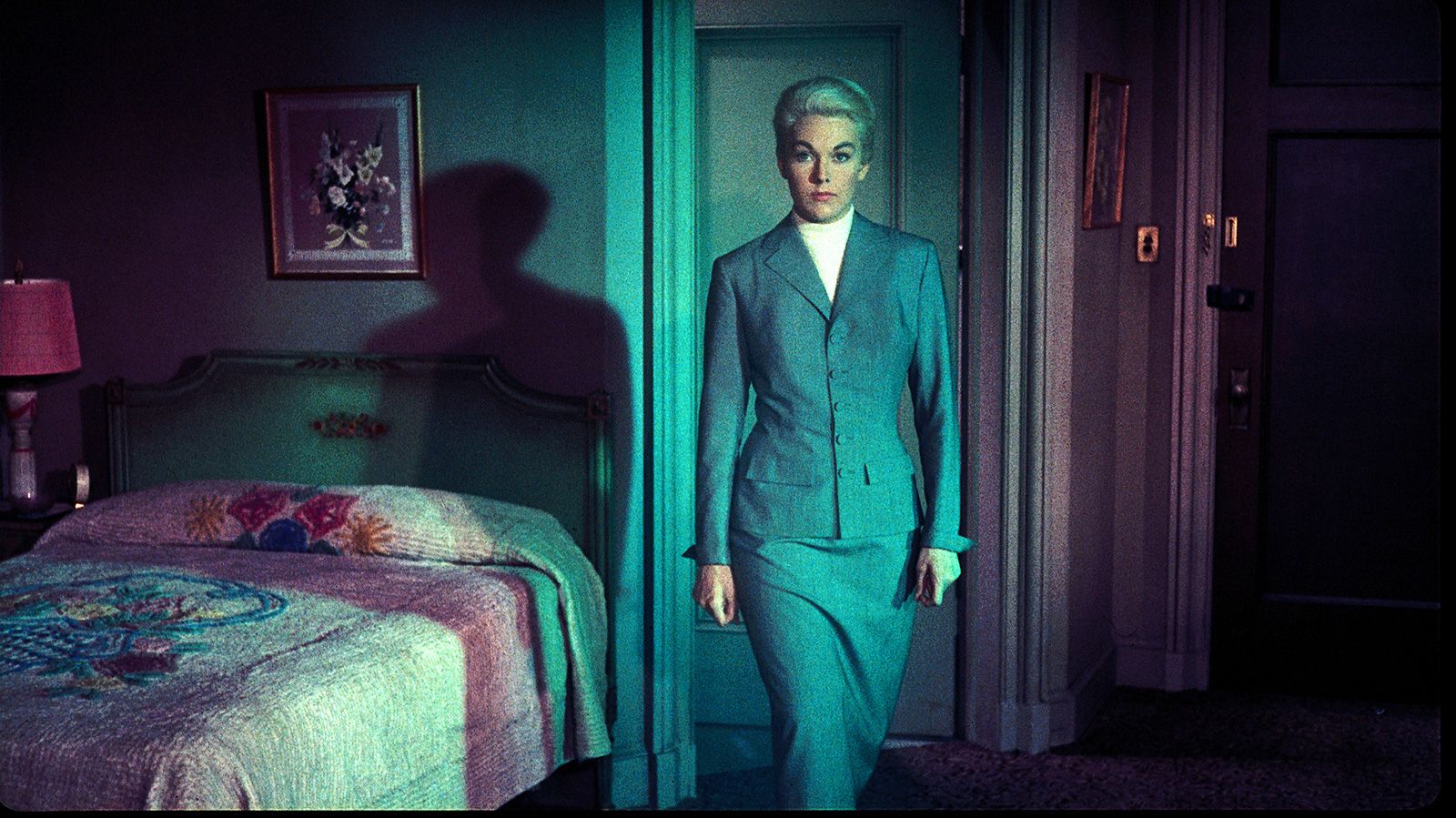
Judy and Scottie meet;  Judy, now fully remade in Madeline’s image, emerges, in the proper gray suit, from that sickly green light that floods her apartment.

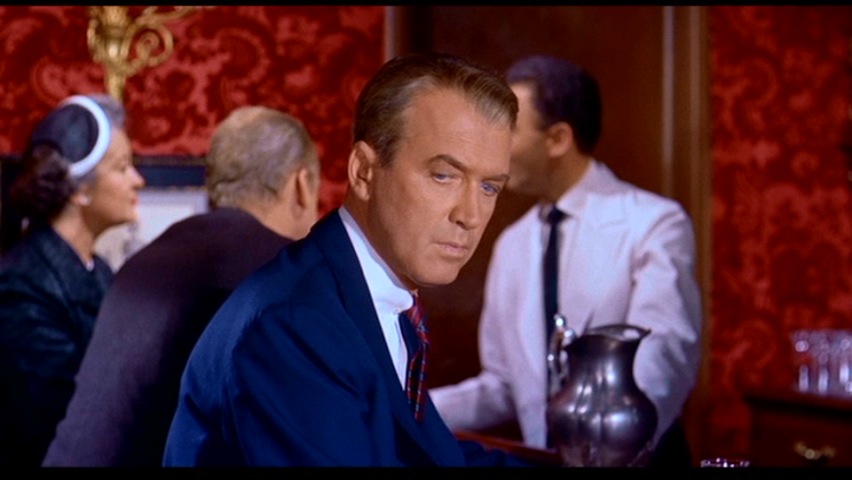
But this guy’s essay added another layer of disturbance to a movie that already disturbed me. Stewart loses Madeline, then finds a girl walking on a San Francisco street—Judy, also played by Kim Novak—who reminds him immediately of Madeline. I’m not sure why. Judy is no Madeline: she is coarse, with eyebrows layered thicker than Van Gogh pigment. She lives in a cheap walkup apartment bathed in sinister green light from a nearby sign. She’s from Salina, Kansas. Yet Scottie somehow intuits the refinement that both Madeline and her early California ancestor, Carlotta, shared–a painting of Carlotta figures in the Madeline part of the film. So Scottie spends the greater part of the film’s second half trying to remake Judy into Madeline in a kind of creepy Pygmalion way: she dyes her hair, wears the same gray suit Madeline favored—after an excruciating scene at a fashion house in which model after model fails to meet Scottie’s requirement for the exact gray suit–dines with Scottie at the same steakhouse—Ernie’s, an actual City restaurant—and so they fall in love on the pretense that she’s not Judy: She’s Madeline.

0167

0164.jpg

Real San Francisco places:  Scott first meets Madeline by eavesdropping on her, as a private detective, at Ernie’s Restaurant.

Yes, it’s weird.

0206

download

download (1).jpeg

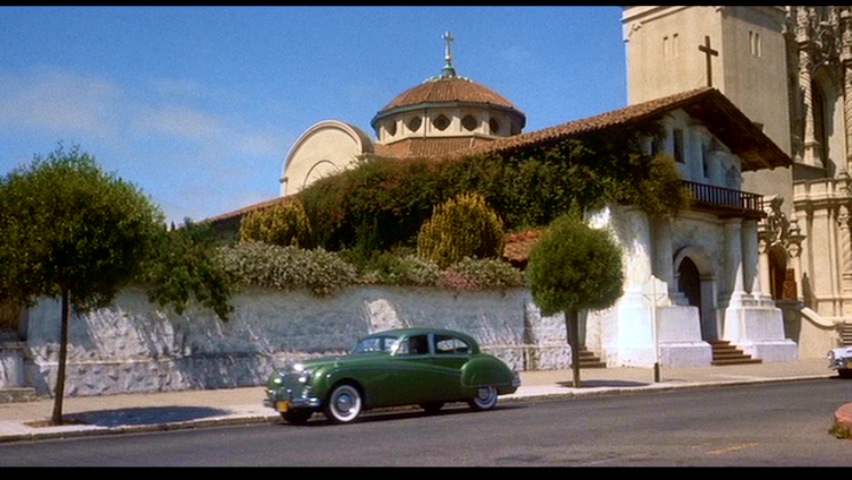
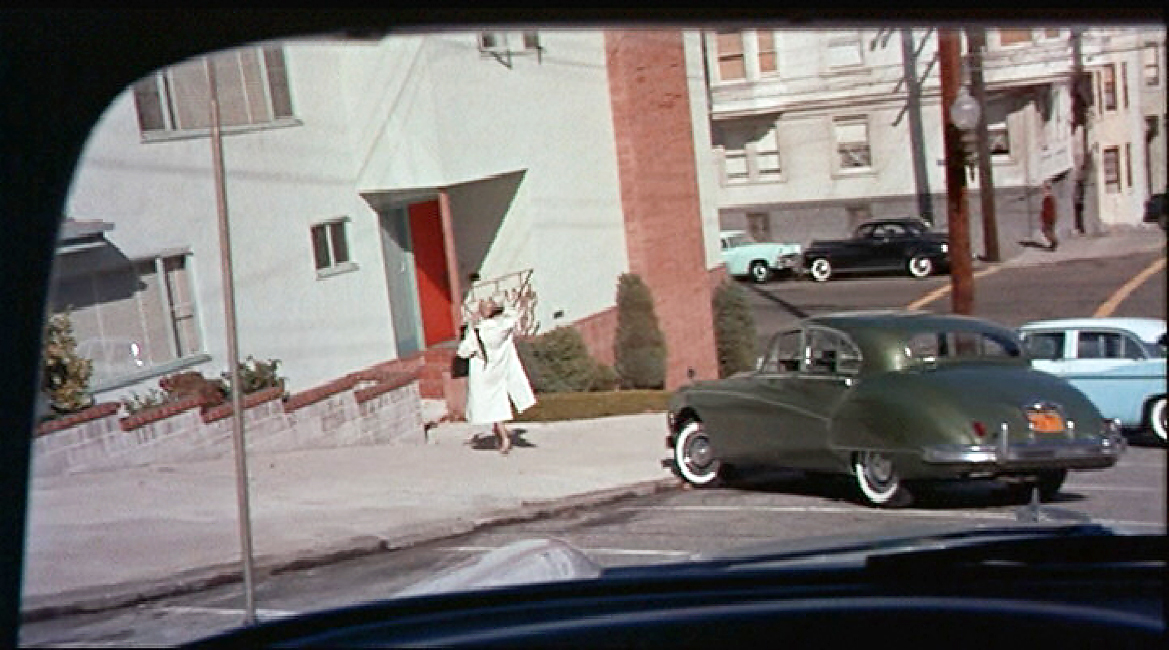
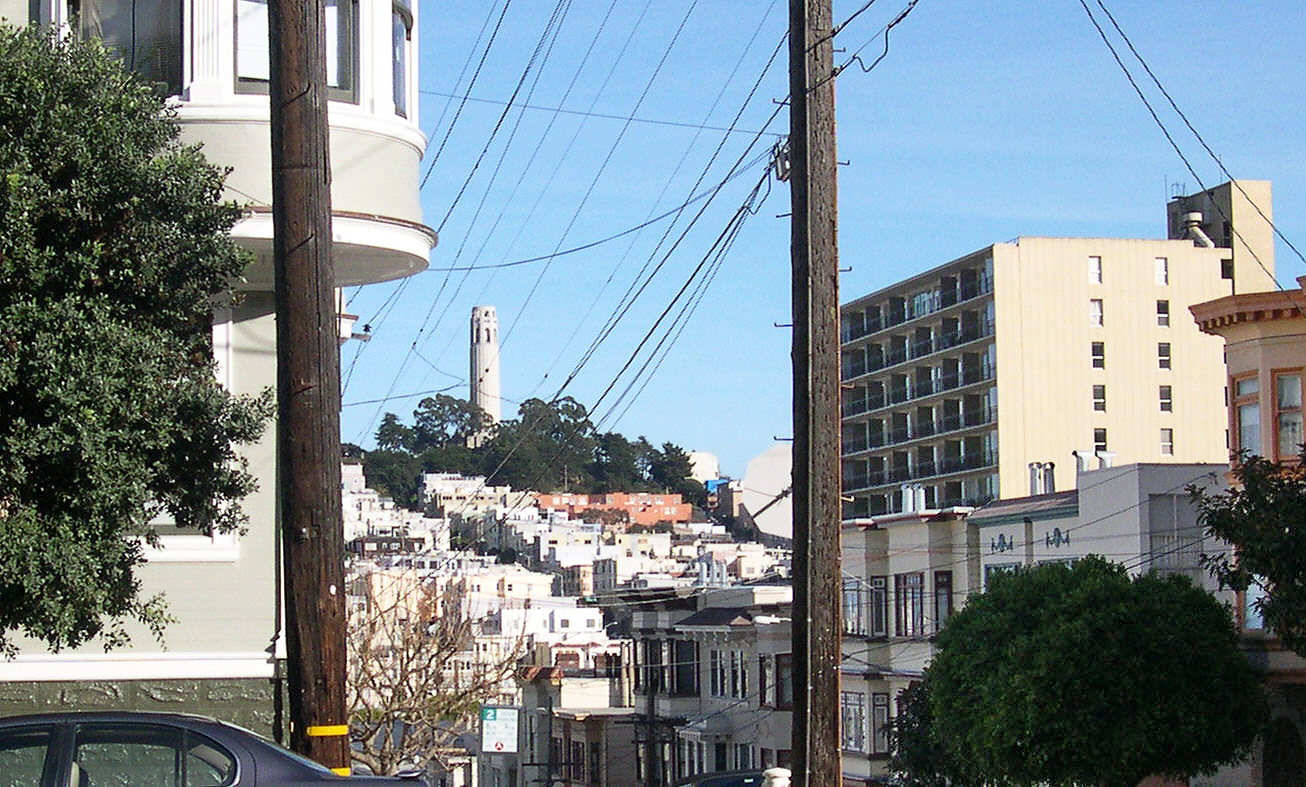
Madeline’s car, a 1956 Jag, outside Mission Dolores, in front of Scottie’s apartment; the view from Scottie’s includes Coit Tower.

But, for me, it’s resonant because location filming, in 1957, would’ve been about the same time I first saw San Francisco, as a little boy (there was a lightning storm atop the skyscrapers, something I’ll never forget) when my Dad was bidding a job there for Madonna Construction. So the film that in many ways repels me is intimate—in the way DeNiro was—because it’s in so many ways familiar, and it’s a betrayal because the James Stewart I know best is so unfamiliar. But I think that’s why it’s a great film (it was panned on its debut; Hitchcock blamed Stewart, at fifty, he thought, too old to have been Kim Novak’s love interest) and one that needs to be watched several times. It’s unfamiliar, it’s disturbing, and it leaves you as disoriented and disheartened as Stewart’s Scottie must have been.

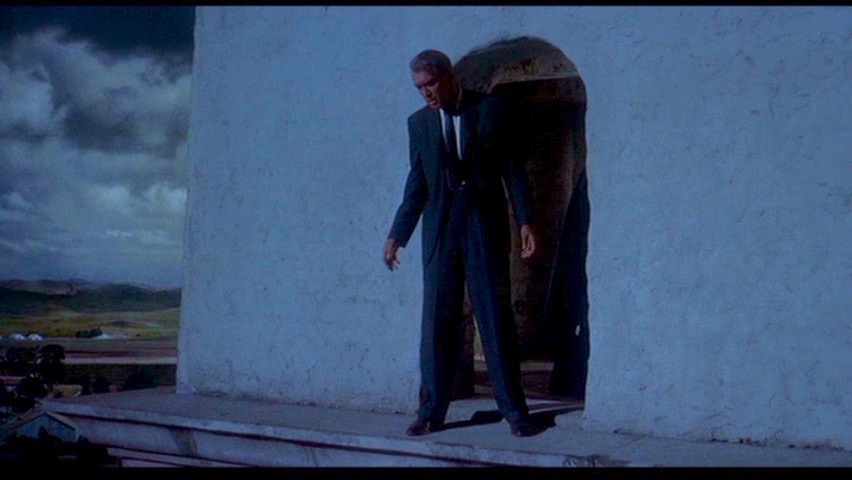
In the final scene, he’s staring from a mission belltower—not really there; the original was in such disrepair that Hitchcock had to substitute an artificial replacement— into the space below. He can look down now, for the first time in a long time, but there’s nothing left for him below. He is completely alone.

vertigo15

The final scene.

Education and other disasters

03 Monday Sep 2018

Posted by ag1970 in Uncategorized

≈ Leave a comment

AGClassSize063.source.prod_affiliate.76

I will be the first to admit that I’m a very emotional person: anger, sadness, delight, despair, outrage. I got ’em all. So that’s how I taught, I guess.

It wasn’t enough for my history kids to “know the material.” I wanted them to feel sadness (Wounded Knee), delight (the detail in “Phiz’s” drawings for Dickens’s works), despair (Auschwitz-Birkenau), outrage (The Triangle Shirtwaist Fire). So my classes always carried the freight of my personality.

My personality was a product of and a tribute to my Dad, who grew up in the Depression Ozarks,  who grew up to become the most amazing storyteller I’ve ever known, and my Mom, of Irish descent, fiercely spiritual and fine-tuned to injustice. She never forgave Germany for the Holocaust (overlooking the fact that some of her ancestry was from Baden-Wurttemberg) and she constantly modeled respect for others, which led to the five-year-old me carrying a gallon wine-jug full of cold water to the braceros working the fields alongside our house.

They were marvelous teachers. I had stern but also marvelous teachers in my two-room country school, Branch Elementary, in the Upper Arroyo Grande Valley. My big sister was a teacher. College further corrupted me because it threw even more amazing teachers at me: at Missouri, Charles B. Dew on the History of the American South, David Bienvenu, the History of Socialist Thought, Winfield J. Burggraaff, Latin American History, David Thelen, American Populism and Progressivism; at Poly, Dan Krieger, European History (his lectures were so vivid that I’d forget to take notes) and Robert Burton, East Asian History.

I was doomed.

It took awhile, but I became a teacher—a history teacher, and what could be more useless than that?—for thirty years.

I accumulated some favorite lessons along the way: re-enacting the Estates-General in 1789 and JFK’s ExComm during the Cuban Missile Crisis in 1962; teaching Art History as  fundamental to understanding European History; teaching Relativity Theory by momentarily disappearing from the classroom and returning younger than they were; using battlefield archaeology to hit them to the bone about the inhumanity of the First World War, introducing them to a high-school classmate they’d never know because he was killed on Arizona on December 7 or helping them to understand the alienation of the 1920s by reading Hemingway (“Cat in the Rain” or “In Another Country”) to them aloud. I loved reading to them.

There is no place for nonsense like this in Modern Pedagogy, which, based on my admittedly faulty understanding, consists of enclosing students in a Skinner Box and then beating the box repeatedly with a baseball bat.

That’s what they want us to do, those Educational Theorists, who, to paraphrase George C. Scott’s speech in Patton, (Scott was a dropout from my Alma Mater, the University of Missouri), probably know less about teaching than they do about fornication.

Here is some of what we endured as teachers during my time in education, which is why the part I miss about education is closing the door once the bell rings and the shock, which never quite goes away, of realizing that you are responsible for thirty-two teenagers. That was a happy moment, that realization. So I miss the children. There is nothing else I miss about education.

No Child Left Behind.  Back in its day, we were told, solemnly and without flinching, by a district administrator that it was the goal for every child in the district to pass the state exams within ten years.

Every child.

No exceptions.

I raised my hand–because I have a big mouth–and allowed, in front of 150 people, that this kind of idealism was a mite less than realistic. There was a shocked silence. A stern correction of my disbelief followed that should have eased my mind and put me in my place.

It didn’t. It began to occur to me that the people who make up the ranks of what might be called Educational Leadership are, in fact, insane, every bit as nuts as the World War II commanders who recruited kamikaze pilots.

The single most offensive line I have ever heard from a District Superintendent: “I am a data-driven kind of guy.” (So my lesson, the one that demanded that my students make up a livable family budget during the Great Depression, was heresy. It wasn’t data-driven.) He didn’t last long, but he  was replaced by another data-driven guy, one who would have joyfully flown the kamikaze plane himself: 100% of those kids are going to pass those damned standardized tests.

Integrated Teaching. We had a special inservice (“Inservice” is a special educational term for a day when you and your peers are locked in an airless room and psychologically abused for eight hours, with young eager teachers, like the kapos at Auschwitz, monitoring your progress) on interdisciplinary teaching—in theory, a dandy idea. It made wonderful sense for them to be reading Scott Fitzgerald in English and learning about bootlegging in history, for example. But the charming conceit of this idea was corrupted into the requirement that we be in absolute lockstep with each other, that we had to teach Gatsby and bootlegging on the exact same day, and that day had to be February 16, and not being at that point on that day could only mean one thing: You were a terrible teacher and possibly a pervert and a communist.

Outcome-based Education. This one was a whopper, and it had the longest shelf life.  Basically it meant that a student could not progress until she had passed the unit test. So she would be given the unit test over and over and over and over and over until she passed. This led to one of the few times I got not only frustrated but genuinely nasty with a student in the classroom.

“What would you like for your fortieth birthday?” I asked him.

“Huh?” he asked.

“Because you’re still going to be here.”

Wag the Dog.  The state testing got so overwhelming and pernicious that it was decided that the History Department would spend at least four inservices (see above: stress airlessness and psychological abuse) picking our way through a massive bank of state-generated multiple-choice questions (What kind of person writes multiple-choice history questions for a living? In what State Prison must they be doing time, and for how many homicides?), choosing the ones we liked and assembling them into unit tests, quarter tests and semester finals.

It was excruciating. My Grandmother Gregory was a delegate to the 1924 Democratic Convention at Madison Square Garden. It was a sweltering summer. It took the Democrats 105 ballots and five weeks to nominate John W. Davis, who would not only be trounced by Calvin Coolidge but whose only other notable contribution to American History would be arguing against Brown v. Board in front of the Supreme Court. So this was like the 1924 Democratic Convention.

Once we’d assembled our batteries of test questions, here was the strategy:

At the beginning of the unit (say, “America in the 1920s,”) we give the the test:

24. The Scopes Trial in Tennessee in July 1925 was focused on

A. The constitutionality of the death penalty

B. Due process for immigrants suspected of radicalism

C. Teaching the theory of evolution in schools

D. Klan activities in the 1920s South

Then we would give them the answers to the test.

Then we’d teach the unit.

Then we’d give them the exact same test.

When their scores improved from the first to the second test, we had made our point, pedagogically speaking. Learning had taken place.

I was flabbergasted.

So I continued to tell my students stories, to make them, whenever I could, live the history and feel the history.  I wasn’t the only one, either—many of my friends, some who still teach at places like AGHS, which is a wonderful school  because of them, were doing the same, like Reformation Christians in Henry VIII’s England with their English Bibles tucked behind a brick in the fireplace mantle.

Even in Catholic schools—and one of the things I always valued about Catholic education was its thoughtful disconnect from trendy pedagogy and its ethical underpinning (Jesus is such a fine role model), so poorly modeled by the church hierarchy—teachers are being bombarded by the latest in educational theory.

By the way, the Germans announced their presence in Poland with Stuka dive-bombers. The latest in educational theory appears in acronyms.

The answer is C.

Now, tell me how your great-great-grandmother felt when your great-great-grandfather lost his job in 1931.  Show me your grandfather’s photograph from Vietnam in 1967. Tell me about where you came from and why you are here. Tell me about the people you most admire. Tell me why you admire them. Tell me how evil presents itself and tell me about the tricks that charlatans use to lead whole nations astray.

Tell me about the kind of person you want to be someday.

You are sixteen years old. This is what you should know about history. This is what you need to learn. Tell me.

 

Subscribe

  • Entries (RSS)
  • Comments (RSS)

Archives

  • January 2026
  • December 2025
  • November 2025
  • October 2025
  • September 2025
  • August 2025
  • July 2025
  • June 2025
  • May 2025
  • April 2025
  • March 2025
  • February 2025
  • January 2025
  • December 2024
  • November 2024
  • October 2024
  • September 2024
  • August 2024
  • July 2024
  • June 2024
  • May 2024
  • April 2024
  • March 2024
  • February 2024
  • January 2024
  • December 2023
  • November 2023
  • October 2023
  • September 2023
  • August 2023
  • July 2023
  • June 2023
  • May 2023
  • April 2023
  • March 2023
  • February 2023
  • January 2023
  • December 2022
  • November 2022
  • October 2022
  • September 2022
  • August 2022
  • May 2022
  • April 2022
  • March 2022
  • February 2022
  • January 2022
  • December 2021
  • November 2021
  • October 2021
  • September 2021
  • August 2021
  • July 2021
  • June 2021
  • April 2021
  • March 2021
  • February 2021
  • January 2021
  • December 2020
  • November 2020
  • August 2020
  • July 2020
  • June 2020
  • May 2020
  • April 2020
  • January 2020
  • December 2019
  • November 2019
  • October 2019
  • September 2019
  • August 2019
  • May 2019
  • April 2019
  • March 2019
  • February 2019
  • January 2019
  • December 2018
  • November 2018
  • October 2018
  • September 2018
  • July 2018
  • June 2018
  • May 2018
  • April 2018
  • March 2018
  • February 2018
  • January 2018
  • December 2017
  • November 2017
  • October 2017
  • April 2017
  • March 2017
  • December 2016
  • November 2016
  • October 2016
  • September 2016
  • August 2016
  • July 2016
  • June 2016
  • April 2016
  • March 2016
  • February 2016
  • January 2016
  • December 2015
  • November 2015
  • October 2015
  • September 2015
  • August 2015
  • July 2015
  • June 2015
  • May 2015
  • April 2015
  • March 2015
  • February 2015
  • January 2015
  • December 2014
  • November 2014
  • September 2014
  • August 2014
  • July 2014

Categories

  • American History
  • Arroyo Grande
  • California history
  • Family history
  • Film and Popular Culture
  • History
  • News
  • Personal memoirs
  • Teaching
  • The Great Depression
  • trump
  • Uncategorized
  • World War II
  • Writing

Meta

  • Create account
  • Log in

Blog at WordPress.com.

  • Subscribe Subscribed
    • A Work in Progress
    • Join 68 other subscribers
    • Already have a WordPress.com account? Log in now.
    • A Work in Progress
    • Subscribe Subscribed
    • Sign up
    • Log in
    • Report this content
    • View site in Reader
    • Manage subscriptions
    • Collapse this bar
 

Loading Comments...