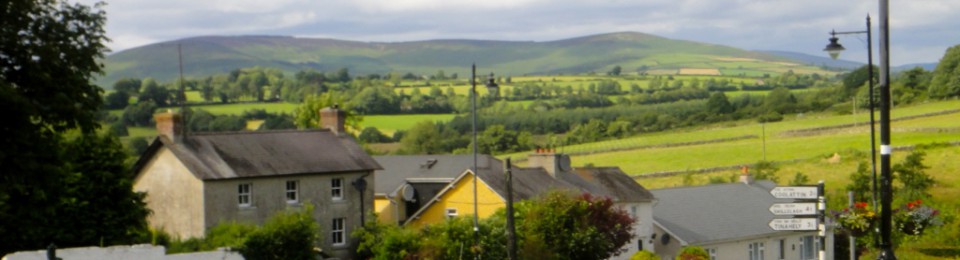

“…You’re one of the big reasons I went into teaching.” Message from a much-beloved former student. To paraphrase Mark Twain and, given my affection and respect for that student, that’s a compliment on which I could dine for a week.
At last count, I was up to about sixteen former students who are now history teachers. Two of them have doctorates; a third is working toward his at Yale.
Somewhere, there’s an Italian-American approaching forty who’s named Gregory James and one more middle-aged person with the middle name Gregory.
Calm down, people, Those who know me best know I’m really kind of clueless. In truth, I’m as brittle as an autumn leaf. Hopeful, yes; intense, yes; passionate, yes, yes, yes.
But, at heart, I’m just like you. I’m just another rudderless ship.
The best I have to offer is that I can imagine and describe what it was like atop Cemetery Ridge at Gettysburg on July 3, as the North Carolinians emerged from the tree-line and shook out their lines, perfectly dressed, because even the most misguided and gullible men can die heroically; how hot it was inside an artist’s garret atop a Parisian townhouse in the of summer of 1882–the farther up, the poorer the tenant; how beautiful Simonetta Cattaneo was, claimed by the Plague at twenty-three but immortalized in Botticelli’s Birth of Venus; or how silent it must’ve been inside a bus ferrying the parents of my friends to internment camps in April 1942.

The best I have to offer is that I love telling stories.
But what made me a teacher are teachers none of my students ever knew–including my fearsome first-grade teacher at Branch School, Edith Brown, Sara Steigerwalt and Carol Hirons at AGHS, Jim Hayes and Dan Krieger at Poly, Winfield J. Burggraaff, David Thelen and Richard Bienvenu at the University of Missouri.
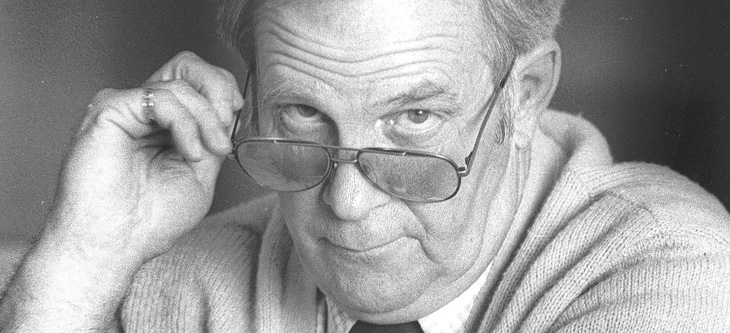
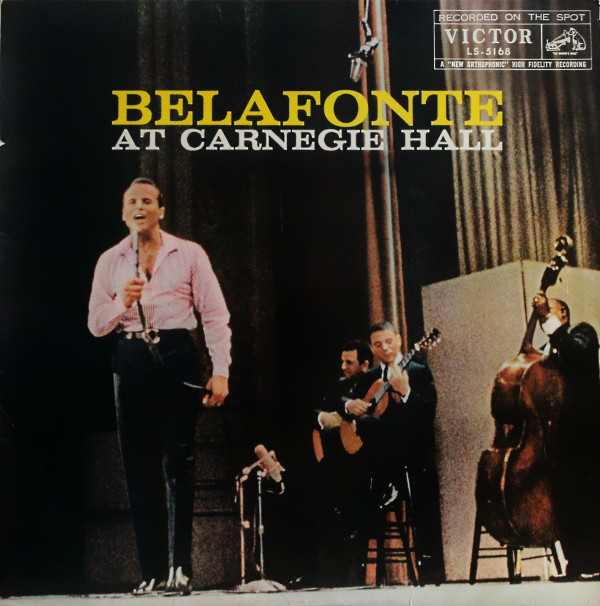
And there are the best teachers I ever had— my Mom and Dad. Dad taught me how to tell stories; his were about the Great Depression or about what Ireland looked like from the rail of his troopship in 1944. When I realized, at six and weeping dramatically, that I would be dead someday, Mom used tulip bulbs from the garden alongside our home on Huasna Road, ostensibly lifeless but with the promise of Resurrection, as visual aids to talk me down out of my tree. She’s the one who brought home the Harry Belafonte Carnegie Hall albums, where “Hava Nagela,” “Merci Bon Dieu” or “John Henry” would be interspersed with Miriam Makeba singing the Xosha Click song, a wedding song, or the sound of Belafonte’s heels flying as he danced to “La Bamba.”
So thank you. But don’t thank me. All that we teachers do is to give new life to old lives, to the lives of those who taught us. We are links in a chain—my family’s chain goes to a Tudor burying ground, now vanished, alongside St. Giles-Without-Cripplegate in London, to timber-and-mortar homes out of the Brothers Grimm reflected precisely, but upside-down, on a the surface of beautiful river in Baden-Wurttemberg, to a village green that fronts St. Nicholas’ Church in County Wicklow, where thirty-seven Irish rebels were executed in front of their families in 1797.
There are thousands of intervening links, pink and howling and indignant—newborns—that bridge the space between.
As a teacher—and especially as a history teacher—I am happy to be just a link. There’s a kind of immortality there.
 A Work in Progress