• About
  • The Germans

A Work in Progress

A Work in Progress

Monthly Archives: April 2021

Comedy, tragedy and a moment of beauty at the 2021 Masters

12 Monday Apr 2021

Posted by ag1970 in Uncategorized

≈ 2 Comments


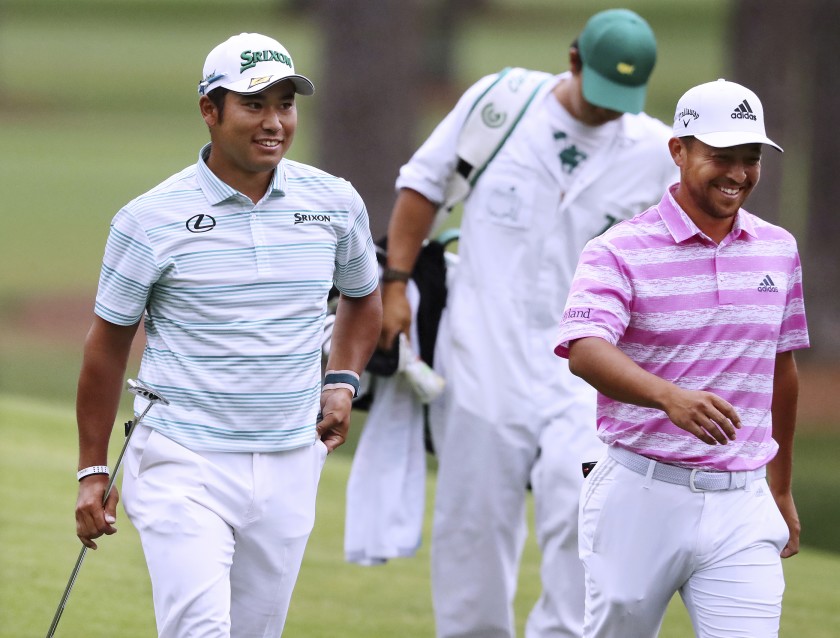
The photo shows Hideki Matsuyama and Xander Schauffele, playing together today at Augusta in the final round of The Masters, in a happy moment about an hour before the golf course mugged them.


I was watching the TV and just about to make a knowing comment about Hideki’s seeming nerves of steel because he was leading the tournament by four or five strokes and hitting approach shots closer than the gravy bowl at Thanksgiving.

But he promptly hit an enthusiastic shot on the 15th hole that made the following noises: whoosh!! emphatic bounce! lesser bounce. SPLASH!!!

Bogey.

Meanwhile, Schauffele, his playing partner, was busy studying his manicure in between making four birdies in a row. He was stalking Matsuyama and now he was getting close.

But then. on the sixteenth, Schauffele hit a tee shot that went whoosh!! *whisper whisper.* dribble… splash. It made lovely ringlets in the water, like little fishes coming up to feed.

The penalty shot described a high arc and then went emphatic bounce! …skid…. LOOK OUT, MARTHA!!! It landed among four male spectators with an aggregate age of about 308. At least two of them must have seen Gene Sarazen’s double eagle at the 1935 Masters.

Triple bogey.
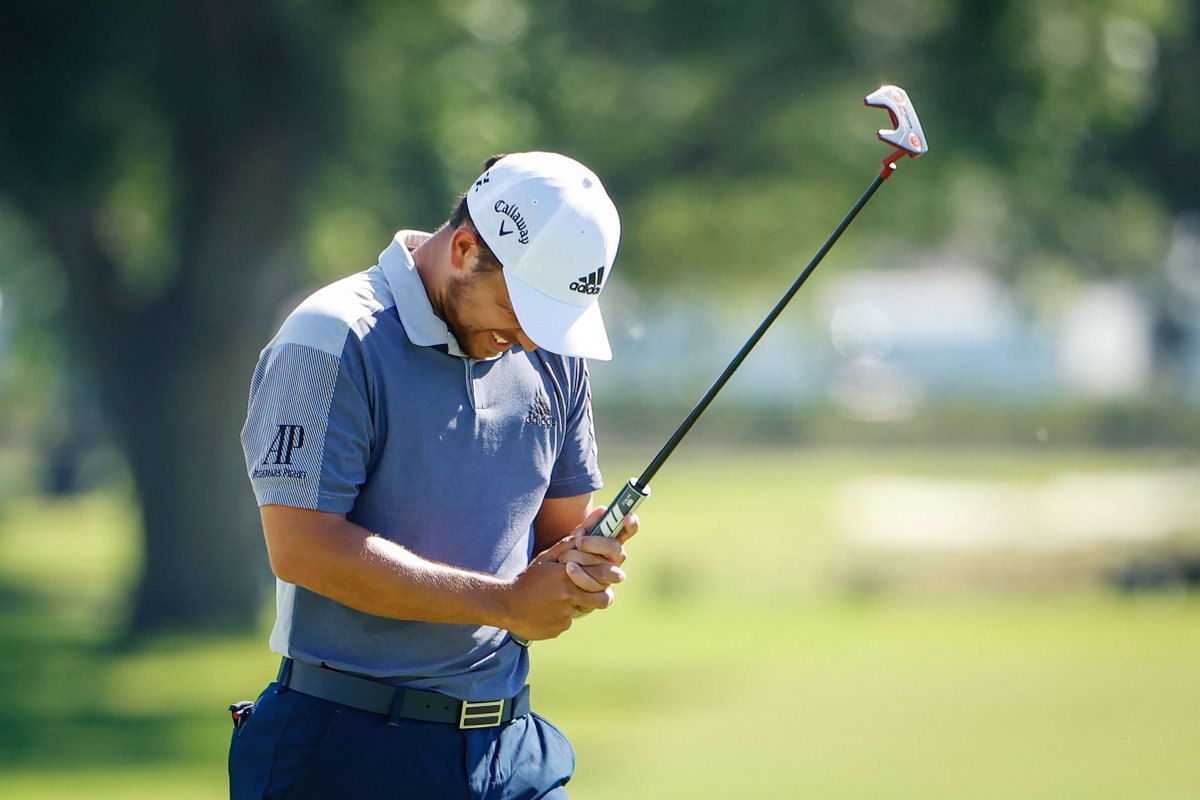


Schauffele was in pain, and it was painful to watch the young man’s face.

Matsuyama finished the tournament by hitting his approach into the bunker on the 18th hole in front of God and everybody. He won by one stroke.

He not only won the Masters. He survived it.

Hideki walked off the 18th green with tears in his eyes, gently touching outstretched hands. At the end of the congratulatory gauntlet, Jordan Spieth was waiting for him with a big grin on his face.

Because I tend to think cinematically, what happened next reminded me of Sofia Coppola’s Lost in Translation. I think there are two supremely beautiful scenes in this film. In one of them, Scarlett Johansson’s character, alone in a Kyoto park, watches transfixed as a wedding party approaches.
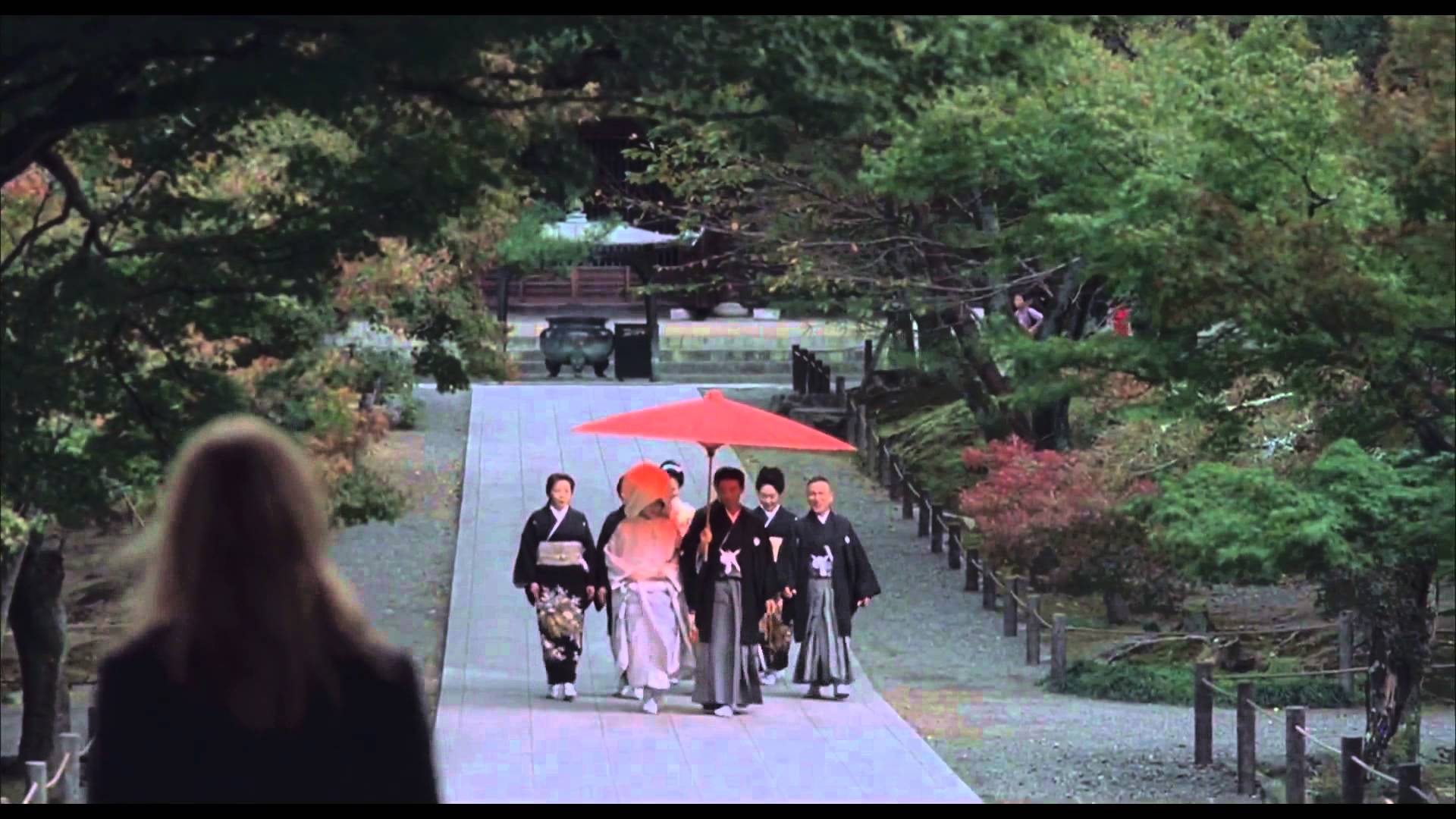

In the other, Bill Murray hits a lovely tee shot down an impossibly verdant fairway far below Mt. Fuji. You know the scene meant much to Coppola because she composed it so carefully.
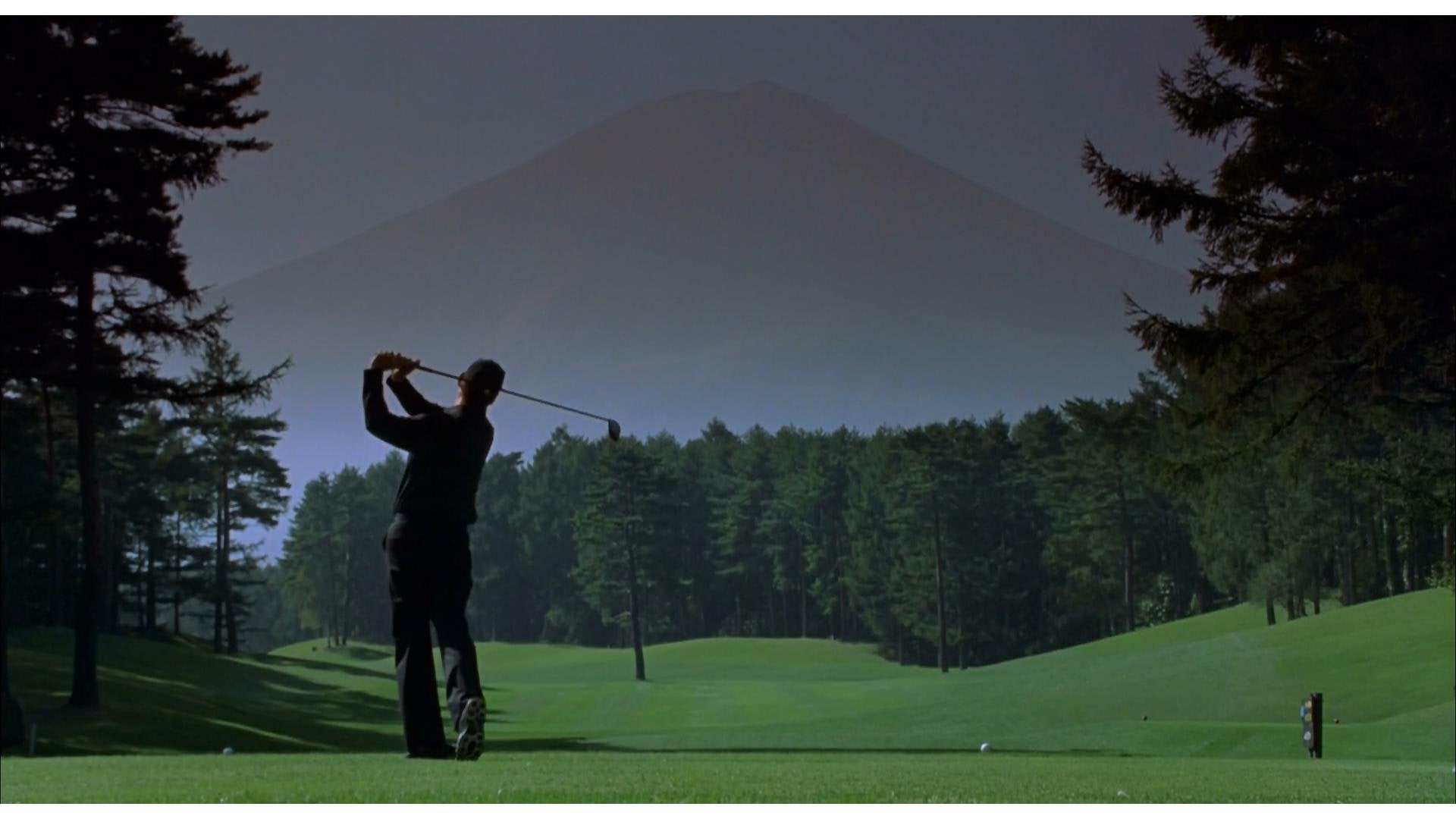
It’s as if a golf course can be as evocative of life and grace as the garden that frames the wedding party. Maybe, in the way that the Japanese understand landscape architecture, that is exactly so. I think they understand golf, too, with an aesthetic that eludes the American golfers who attempt to overwhelm a golf course with their brawn.
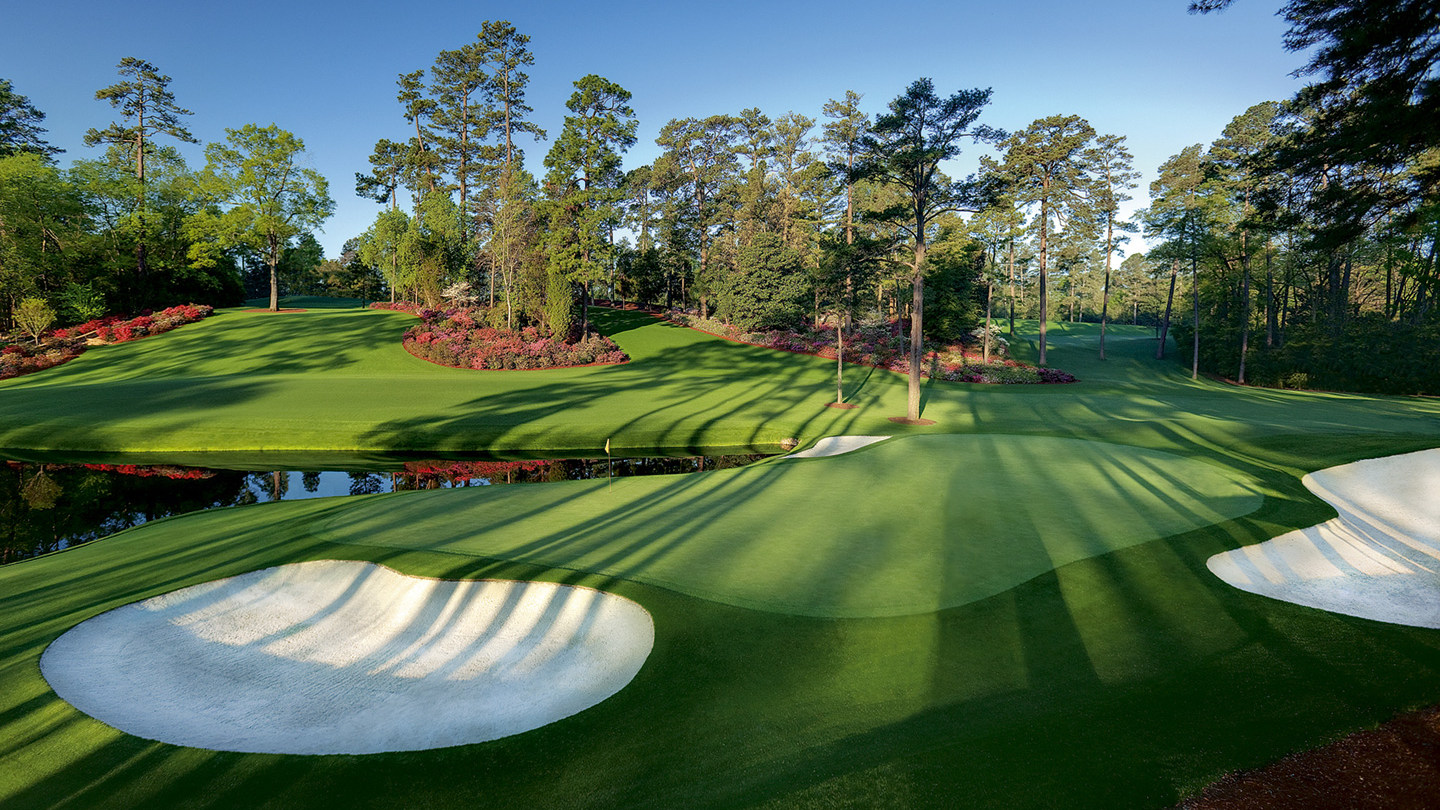
The Par 3 16th Hole at Augusta

That kind of golfer doesn’t do well at The Masters. No one overwhelmed Augusta this year. Matsuyama won because he learned to play within the will of one of the most beautiful golf courses in the world.  

He understands that this course has a life of its own. I know this is true because of what happened at the end of the tournament.

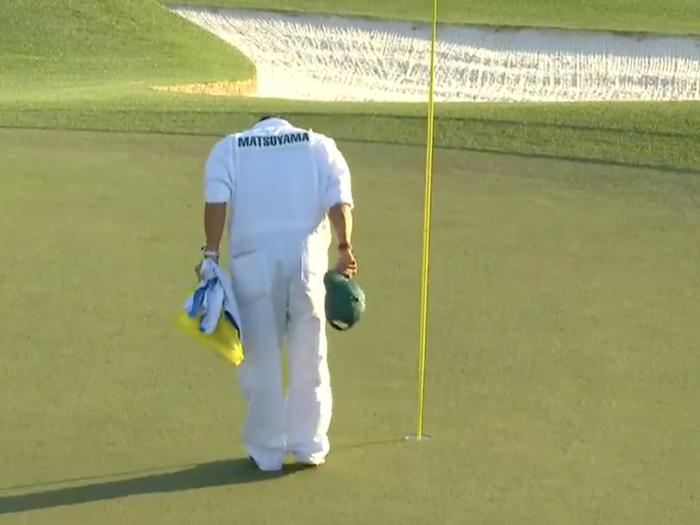
The champion was gone, but the network camera captured his caddy, alone on the 18th green.

Hideki’s caddy replaced the flag. Then he turned toward the fairway and bowed.
The wreck at 20,000 feet

11 Sunday Apr 2021

Posted by ag1970 in Uncategorized, World War II

≈ Leave a comment


A news item, April 10:

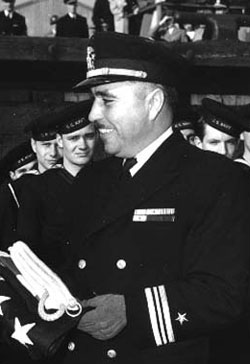
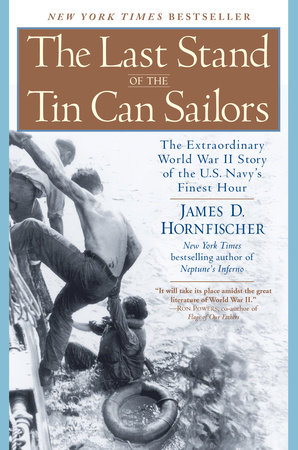
Lt. Cdr. Ernest Evans—vividly portrayed in the book “Last Stand of the Tin Can Sailors”— was commanding USS Johnston in October 1944.

His nickname, “Chief,” typical of the old Navy’s casual racism, alluded to his Cherokee/Creek ancestry. Annapolis must have been an ordeal for him.

Now, his destroyer was among those protecting landings in the Philippines when a massive Japanese task force—four battleships included—appeared from the northwest.

The main American force that was supposed to be guarding the invasion beaches—capital ships and big fleet carriers— was commanded by Adm. William Halsey.

It was gone. Halsey had been made the fool, lured away from the invasion by a Japanese decoy force that was essentially harmless.

The main battle force now appeared, intending to destroy the Americans as they landed.

Facing them were ships no bigger than USS Johnston and a complement of small aircraft carriers, “baby flattops.”

Evans was like Jesus’ Good Shepherd. The ships that were landing the GIs and their supplies were his flock; he was accountable for them and to them.

So he turned Johnston directly toward the enemy fleet. His destroyer, at 5500 tons, was armed with five 5-inch guns.

He was up against the battleship Yamato, 70,000 tons with nine 18-inch guns, twelve 6-inch guns and twelve 5-inch guns.

On her first run, Johnston fired two hundred shells and her entire complement of ten torpedoes: one of them blew the bow off a Japanese cruiser.

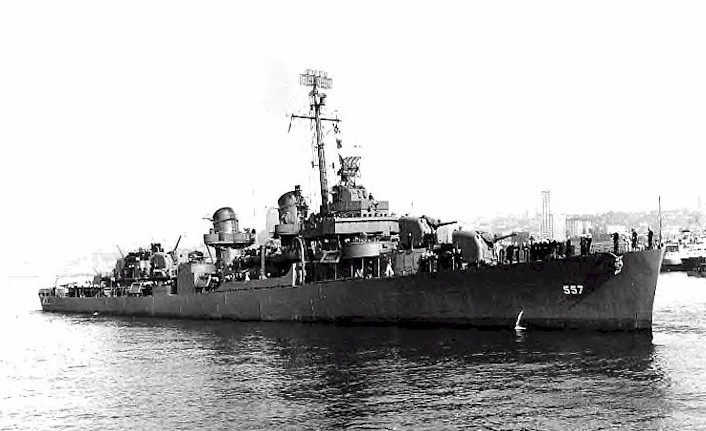
Johnston

Ships even smaller than Johnston—destroyer escorts—followed her lead and went in to attack. Yamato’s armor-piercing shells, intended to cripple battleships, went completely through the fragile destroyer escorts.

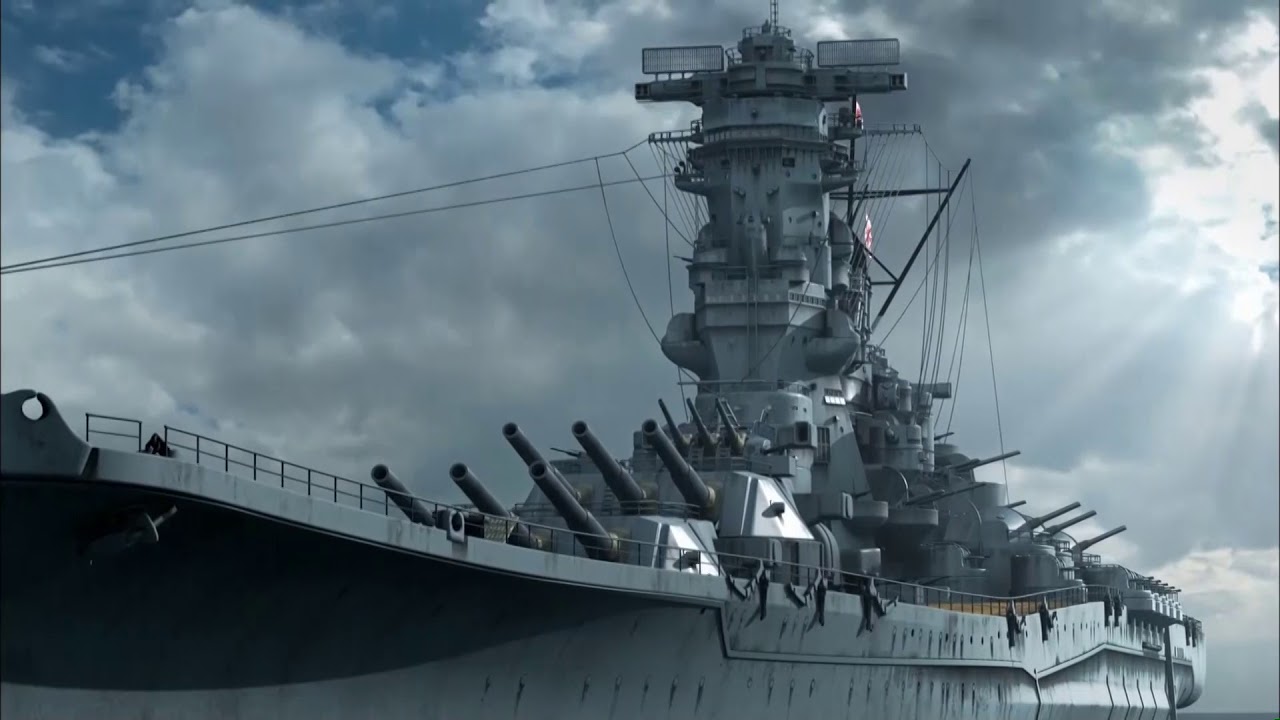
Yamato

Although eighteen-inch shells from Yamato struck Johnston’s engine room and so nearly halved her speed, Evans kept his ship fighting, dodging in and out of rain squalls or the smokescreen the destroyer escorts had laid down.

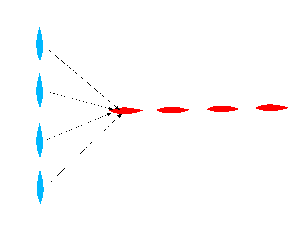
He fought two ship-to-ship battles, one against a heavy cruiser, another against a battleship seven times the size of his ship, at one point crossing an enemy ship’s “T” in a maneuver that would have made Lord Nelson proud.

The blue ships are crossing the T, bringing all their guns to bear.


Johnston scored at least sixty hits on the two enemy ships, but a six-inch shell from Yamato struck Johnston’s bridge, inflicting terrible casualties and mangling Evans’s left hand.

Evans kept his ship fighting.

The shellburst had nearly wiped out the bridge crew. It destroyed the wheel. Witnesses on a destroyer speeding past Johnston saw the badly hurt Evans–he’d suffered burn wounds and two fingers from his hand were gone—standing on the stern, bellowing orders down a hatch to where his ship was now being steered.

He waved at the passing ship.

Evans had taken Johnston into the fight at 7 a.m. By 9:45, the destroyer was dead in the water.

A swarm of Japanese destroyers then concentrated their fire on the ship that had bedeviled the entire fleet, and Evans finally ordered his men to abandon the sinking ship. He went into the water with them.

That was the last time Johnston’s crew saw their captain.

Evans

Ernest Evans was the first Native American naval officer to be awarded the Medal of Honor. 190 of his 327-man crew died with him.

But the Americans —little ships like Johnston and combat airplanes launched from the baby flattops—fought so fearlessly and so recklessly that after six hours of combat the Japanese, finally concluding that a fleet much bigger than theirs was about to prevail, abandoned their attack and withdrew.


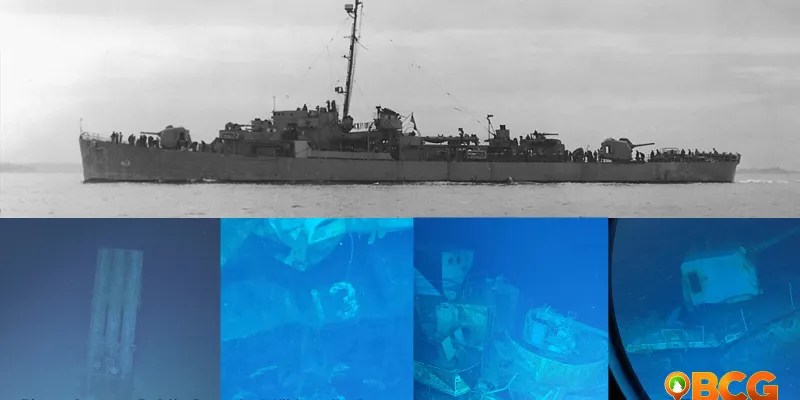
Earlier this month, when the submersible found the wreck of the Johnston at 20,000 feet, her five-inch guns were still elevated, still pointed toward the enemy.

In June 2022, the same expedition discovered Johnston’s comrade, USS Samuel B. Roberts (below), at 22,000 feet. In the same battle, Roberts, 1370 tons, took on the heavy cruiser Chokai, blowing off her stern with a torpedo hit; the ship later had to be scuttled. Roberts’s commander, Lt. Cdr. Robert Copeland, then turned his attention to the heavy cruiser Chikuma, setting that ship’s bridge afire and destroying her No. 3 guns before three fourteen-inch shells from the battleship Kongo sent Roberts to the bottom. Ninety of her 210-man complement died, among them Gunner’s Mate 3c Paul Carr. His aft 5-inch gun turret is at far right in the photo sequence below. Carr died only after firing 325 shells at the enemy in a little over 35 minutes. A guided missile frigate is named for him today.

Hornfischer’s account of this battle is superb.


The Project

05 Monday Apr 2021

Posted by ag1970 in Uncategorized

≈ Leave a comment

In “The Clock,” (1945) Robert Walker is a GI about to ship out overseas from New York City when he meets Judy Garland, courts her and marries her–all within 24 hours. It’s a charming and poignant film. Garland is radiant.

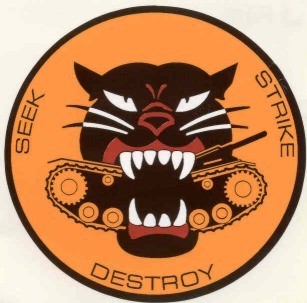
In the film still, Walker wears the shoulder patch of a solider in a Tank Destroyer Battalion.

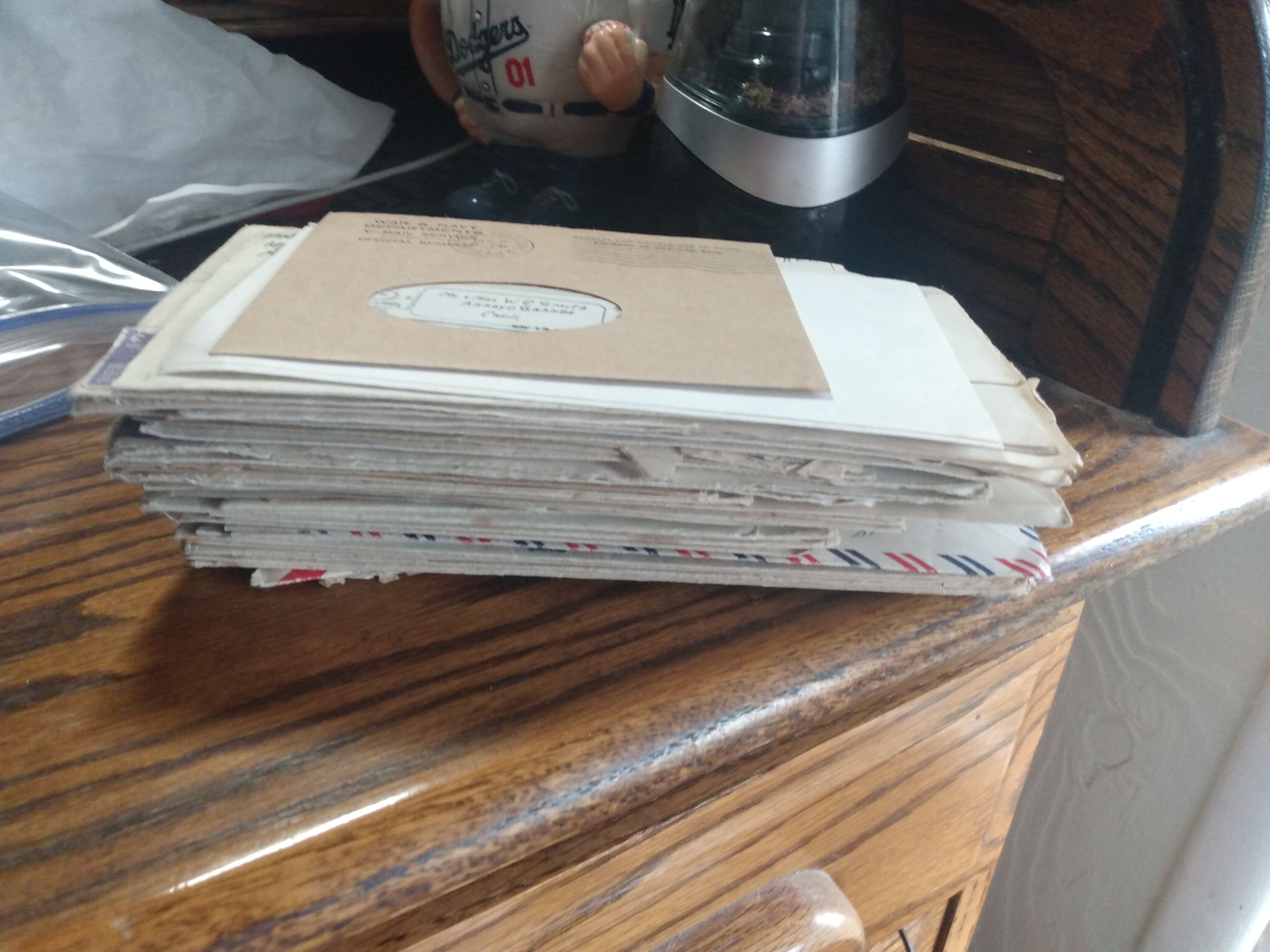
This bundle of letters belongs to a soldier who served in the 703rd Tank Destroyer Battalion. They begin in the fall of 1941 and end in the winter of 1945.

The battalion fought in Normandy, across France, into the Rhineland, in the Battle of the Bulge and finally in Bavaria, where they helped to liberate the Dachau concentration camp, which my students and I have visited.

This soldier, who was awarded a Silver Star, was from Arroyo Grande.

A Tank Destroyer from the 703rd TD Battalion in the Battle of the Bulge.

Somehow I’ve got to get up the nerve to start organizing them, reading them and writing about them while following the unit through Europe so I know where he is in his war.

I am suitably intimidated.


Subscribe

  • Entries (RSS)
  • Comments (RSS)

Archives

  • January 2026
  • December 2025
  • November 2025
  • October 2025
  • September 2025
  • August 2025
  • July 2025
  • June 2025
  • May 2025
  • April 2025
  • March 2025
  • February 2025
  • January 2025
  • December 2024
  • November 2024
  • October 2024
  • September 2024
  • August 2024
  • July 2024
  • June 2024
  • May 2024
  • April 2024
  • March 2024
  • February 2024
  • January 2024
  • December 2023
  • November 2023
  • October 2023
  • September 2023
  • August 2023
  • July 2023
  • June 2023
  • May 2023
  • April 2023
  • March 2023
  • February 2023
  • January 2023
  • December 2022
  • November 2022
  • October 2022
  • September 2022
  • August 2022
  • May 2022
  • April 2022
  • March 2022
  • February 2022
  • January 2022
  • December 2021
  • November 2021
  • October 2021
  • September 2021
  • August 2021
  • July 2021
  • June 2021
  • April 2021
  • March 2021
  • February 2021
  • January 2021
  • December 2020
  • November 2020
  • August 2020
  • July 2020
  • June 2020
  • May 2020
  • April 2020
  • January 2020
  • December 2019
  • November 2019
  • October 2019
  • September 2019
  • August 2019
  • May 2019
  • April 2019
  • March 2019
  • February 2019
  • January 2019
  • December 2018
  • November 2018
  • October 2018
  • September 2018
  • July 2018
  • June 2018
  • May 2018
  • April 2018
  • March 2018
  • February 2018
  • January 2018
  • December 2017
  • November 2017
  • October 2017
  • April 2017
  • March 2017
  • December 2016
  • November 2016
  • October 2016
  • September 2016
  • August 2016
  • July 2016
  • June 2016
  • April 2016
  • March 2016
  • February 2016
  • January 2016
  • December 2015
  • November 2015
  • October 2015
  • September 2015
  • August 2015
  • July 2015
  • June 2015
  • May 2015
  • April 2015
  • March 2015
  • February 2015
  • January 2015
  • December 2014
  • November 2014
  • September 2014
  • August 2014
  • July 2014

Categories

  • American History
  • Arroyo Grande
  • California history
  • Family history
  • Film and Popular Culture
  • History
  • News
  • Personal memoirs
  • Teaching
  • The Great Depression
  • trump
  • Uncategorized
  • World War II
  • Writing

Meta

  • Create account
  • Log in

Blog at WordPress.com.

  • Subscribe Subscribed
    • A Work in Progress
    • Join 68 other subscribers
    • Already have a WordPress.com account? Log in now.
    • A Work in Progress
    • Subscribe Subscribed
    • Sign up
    • Log in
    • Report this content
    • View site in Reader
    • Manage subscriptions
    • Collapse this bar
 

Loading Comments...