Confederate troops fire into The Crater, from the film Cold Mountain.
In the summer of 1864, Lee had his men dig a network of trenches around the Petersburg, the city that guarded Richmond. Among the soldier opposing Lee was Corporal Adam Bair, 60th Ohio Infantry, who would settle in the Huasna Valley in the years after the war. From Patriot Graves: Discovering A California Town’s Civil War Heritage.
…Meanwhile, Grant had ordered his men to dig their own trenches. So what followed for Bair and his comrades was nine months of trench warfare, of the scuttling of rats, of infestations of lice called “graybacks,” of mud, which permeated even what soldiers ate, of disease caused by vermin and foul water, of intermittent and lethal sniper fire that claimed any tired solider who lapsed into even a moment of inattention, of intense discomfort felt by soldiers who could never get completely dry in the winter and who baked in the heat and choked in the dust of summer, and all of this amid the treeless moonscape they’d created from constant digging and constant heavy artillery bombardment—all a foretelling of the horrors of the First World War.
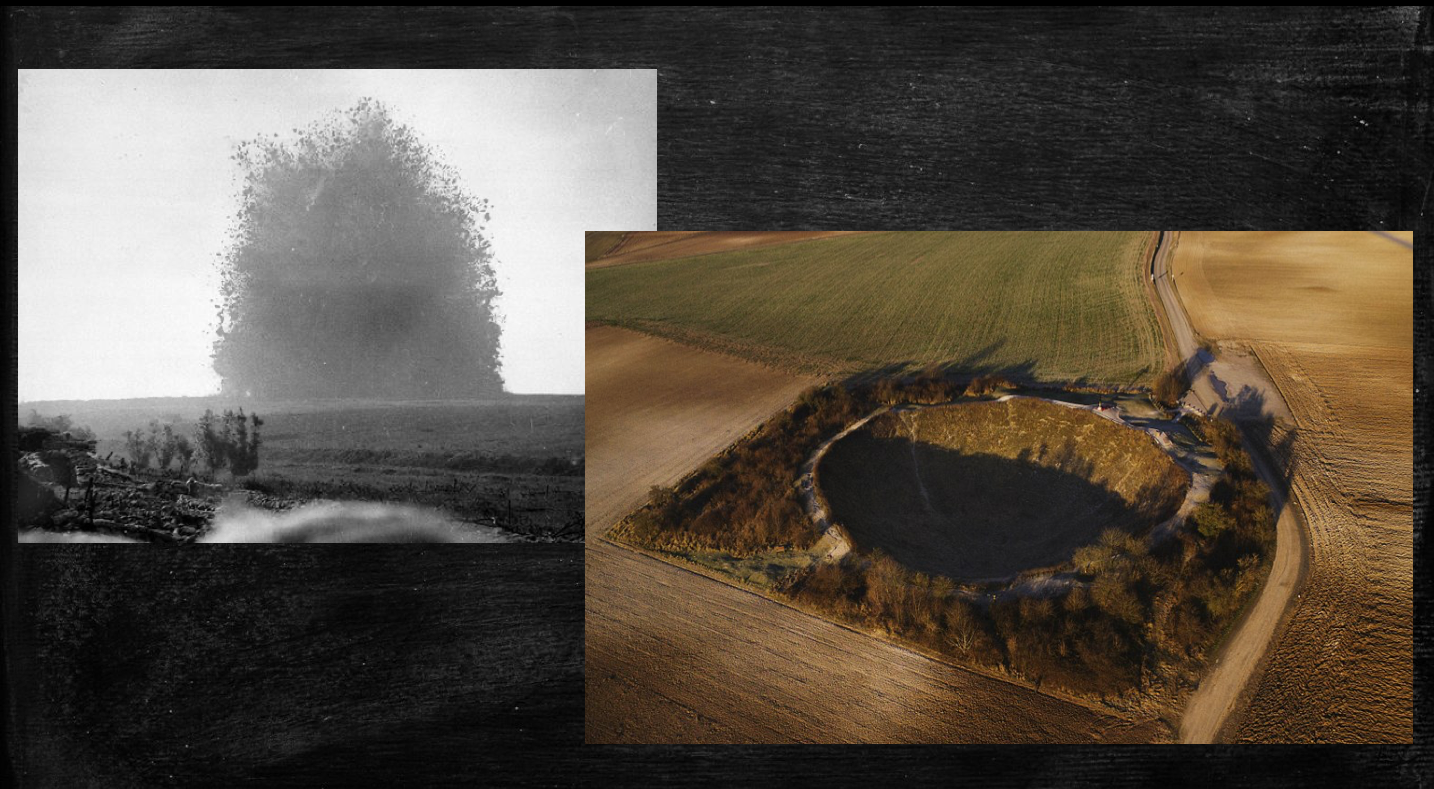
The detonation of the mine at The Battle of the Somme, 1916; the crater it left today.
That war’s catastrophic 1916 Battle of the Somme would begin with the detonation of a massive mine under German lines—the crater it created remains today, looking like a massive sinkhole amid a patchwork of farm fields. A mine explosion also would mark a surrealistic and shocking moment in the trenches of Petersburg. The crater that explosion left behind was, of course, The Crater, and Adam Bair and the 60th Ohio were eyewitnesses to the tragedy that followed.
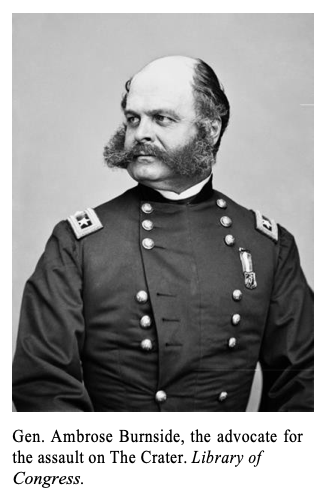
Unlike the debacle at Cold Harbor, the assault on Confederate lines in the Battle of the Crater had logic, foresight, and planning. It was the execution of the plan that verged on criminality, and it would finally cost the genial, consistently incompetent Ambrose Burnside, Bair’s IX Corps commander, his job.
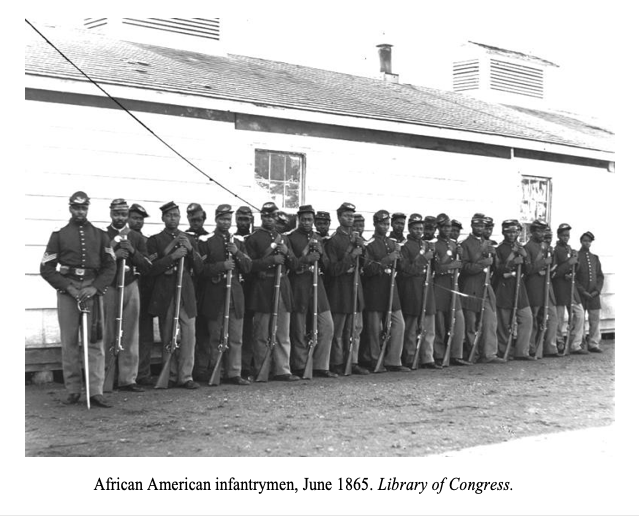
In July, Union soldiers who had been peacetime coal miners began digging a tunnel over 500 feet long to a point underneath trenchworks held by soldiers from South Carolina. Meanwhile, Burnside decided to use inexperienced troops, but troops that were highly motivated and would be specially trained to move through the tunnel and into the Confederate trenches, once four tons of powder were detonated beneath the South Carolinians. The troops that began training for the assault were African Americans—the nine regiments of U.S. Colored Troops that made up Burnside’s Fourth Division. These were men who understood completely what would happen to them in battle—there would be no quarter for black troops, a precedent that had already been set at Fort Pillow in April, when Nathan Bedford Forrest’s cavalry had attacked and overwhelmed a detachment of black troops in Tennessee and murdered soldiers trying to surrender. The Fourth Division chose “Fort Pillow!” as its battle cry for the day they would go into the coal miners’ tunnel and emerge on the other side. In a letter to his mother two days after the Battle of the Crater, a Union soldier wrote admiringly of the black troops: “they would charge into the city [Petersburg] if the order had been given…They don’t know when to stop.”
The orders seemed clear-cut:
At 3.30 in the morning of the 30th Major-General Burnside will spring his mine and his assaulting columns will immediately move rapidly upon the breach, seize the crest in the rear, and effect a lodgment there. He will be followed by Major-General Ord, who will support him on the right, directing his movement to the crest indicated, and by Major-General Warren, who will support him on the left. Upon the explosion of the mine the artillery of all kinds in battery will open upon those points of the enemy’s works whose fire covers the ground over which our columns must move, care being taken to avoid impeding the progress of our troops. Special instructions respecting the direction of fire will be issued through the chief of artillery.
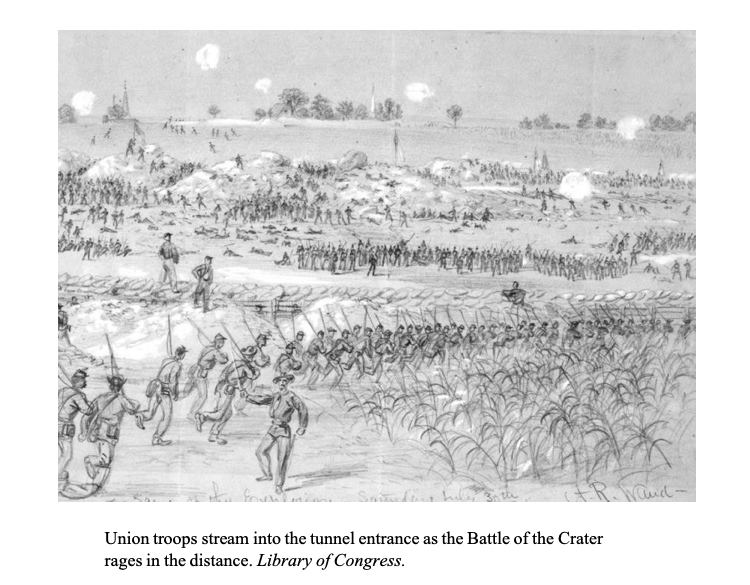
The detonation of the mine was spectacular. Adam Bair and the 60th Ohio, held in reserve to the left of the planned assault, would have watched in awe when the explosion went off at 5 a.m. on July 30, 1864, and scores of unfortunate South Carolinians were vaporized or blown high into the sky. Eighty-five Union artillery pieces then opened fire on the Confederate lines. It was at that moment that the Union troops charged into the tunnel to follow the shock of the explosion with the shock of a concentrated infantry assault.
The problem for Grant is that they were the wrong troops. George Gordon Meade, Grant’s subordinate and commander of the Army of the Potomac— a command he held uneasily, sharing his ill-defined role with the general-in- chief—at the last moment changed Burnside’s plans. Meade didn’t trust Black troops—unlike the soldier who’d written his mother, Gen. Meade didn’t understand, or didn’t care to understand, their motivation and discipline, and he ordered Burnside to replace them. The assault would be led by White troops.
Burnside became petulant and had his divisional commanders draw straws for the dubious privilege of leading the attack. The winner was Brig. Gen. James H. Ledlie, who was both safe and drunk in his bombproof shelter when his men entered the tunnel. Once they emerged in the crater, they stayed. The black troops had been trained to skirt around the edges of the not to go into it, where they would Subsequent attackers, including the black soldiers, ran into what essentially was a human traffic jam inside the tunnel and in the crater on the other side. The Confederates brought up and began firing into the masses of soldiers below. When they closed with the U.S. Colored regiments, they showed no mercy: wounded soldiers were bayoneted, and soldiers trying to surrender—or soldiers who had surrendered, and were being led to the rear— were shot. A Virginia officer watched, sickened, as two soldiers tormented their Black prisoner, whipping him with a ramrod, shooting him in the hip, and finally killing him with a second shot to the stomach.
Over 400 African American soldiers would be killed and 750 wounded in the four hours of fighting after the mine’s detonation. Generals Burnside and Ledlie were relieved of command and sent home. Other soldiers, like Adam Bair, were condemned to seven more months in the trenches around Petersburg.
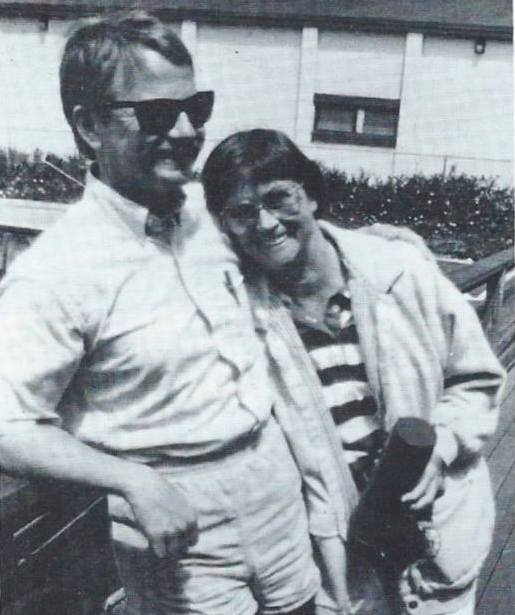
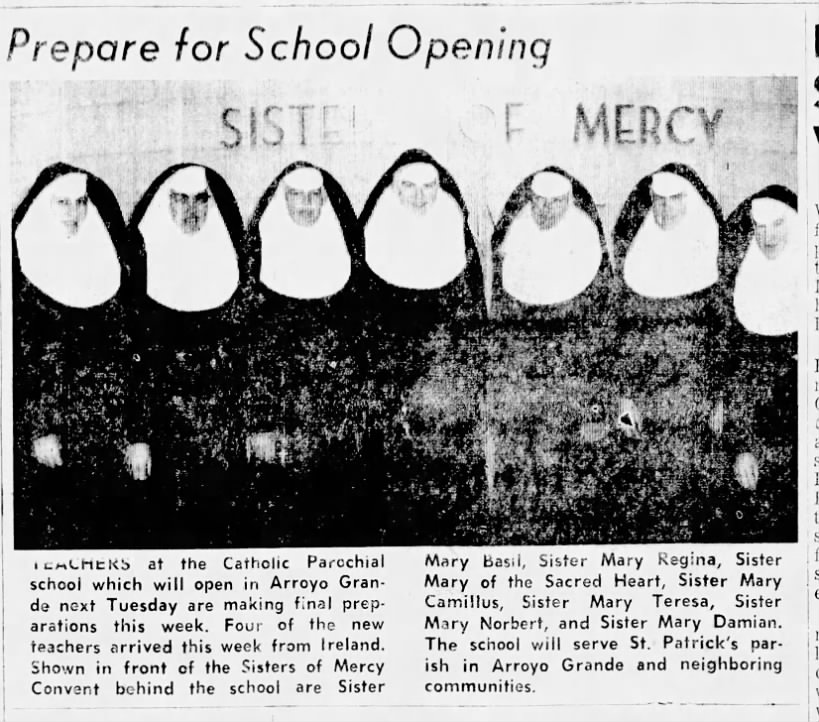
Our dear friend Sister Teresa O’Connell died in May at 90. She taught at St. Patrick’s in Arroyo Grande and Elizabeth and I taught with her at Mission in the 1980s and 1990s. Here’s the two of us back then:
As a member of the Sisters of Mercy, Teresa spent most of her life teaching young people. But when she returned to Ireland, she found a new calling in ministry to the elderly. Hers was such a rich life.
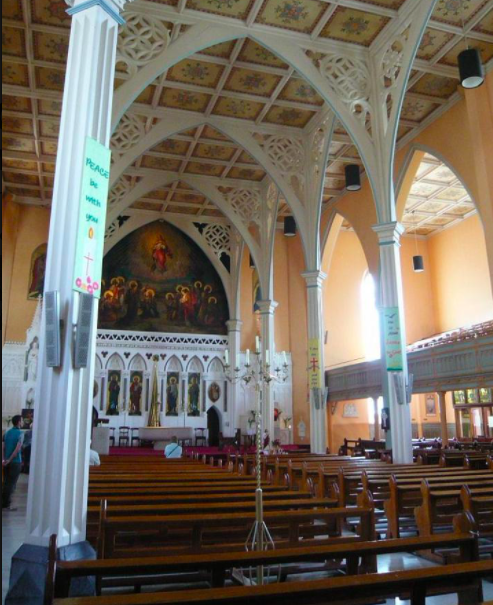
Elizabeth and I “attended” her funeral at the Ennis Cathedral–it was four a.m. our time–thanks to the internet. It was a six-priest funeral Mass with a couple of Monsignors included. Behind the altar, It was like the Irish Catholic equivalent of the 1927 New York Yankees.
It was the least they could do for her.
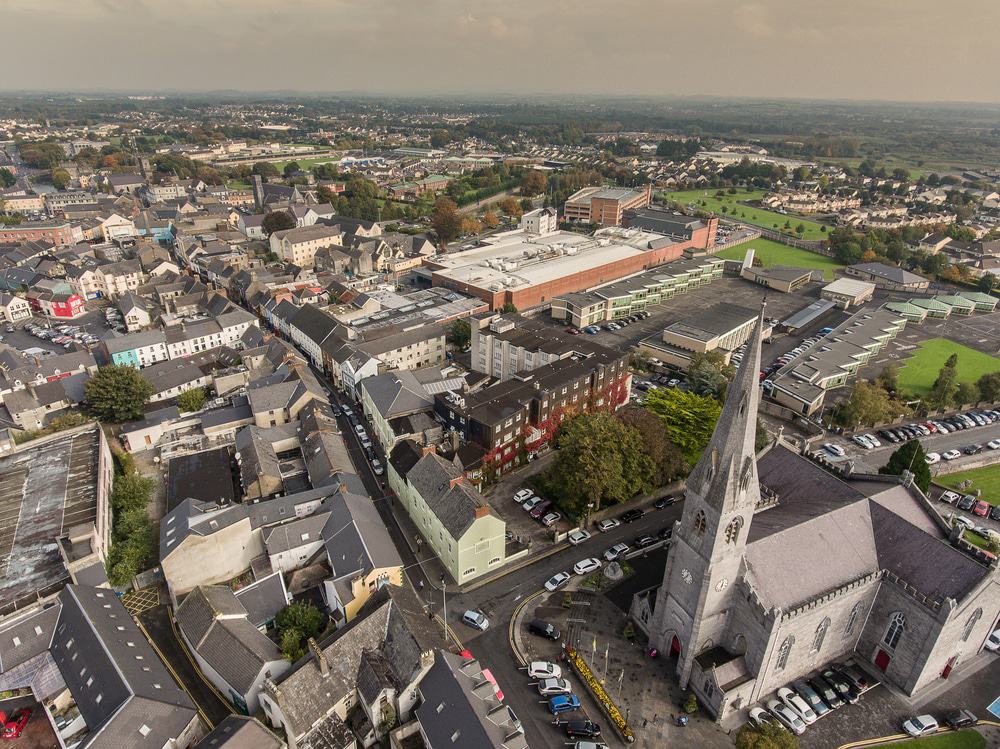
Here are two views of the church.
I made the mistake of starting to do some research on Ennis, because in thinking of Irish history as a road, every few miles you are confronted with a sad detour. The cathedral was built in 1828, which in itself is significant, because the Penal Laws enacted at the end of the 17th Century–that would’ve been when Great Britain, after the insolent Popery of King James II, was once again securely and relentlessly Protestant under William and Mary–forbade the building of new Catholic churches in Irish cities. The ban, then, lasted until the English were long past the Stuarts and running toward the end of their Hanoverians.
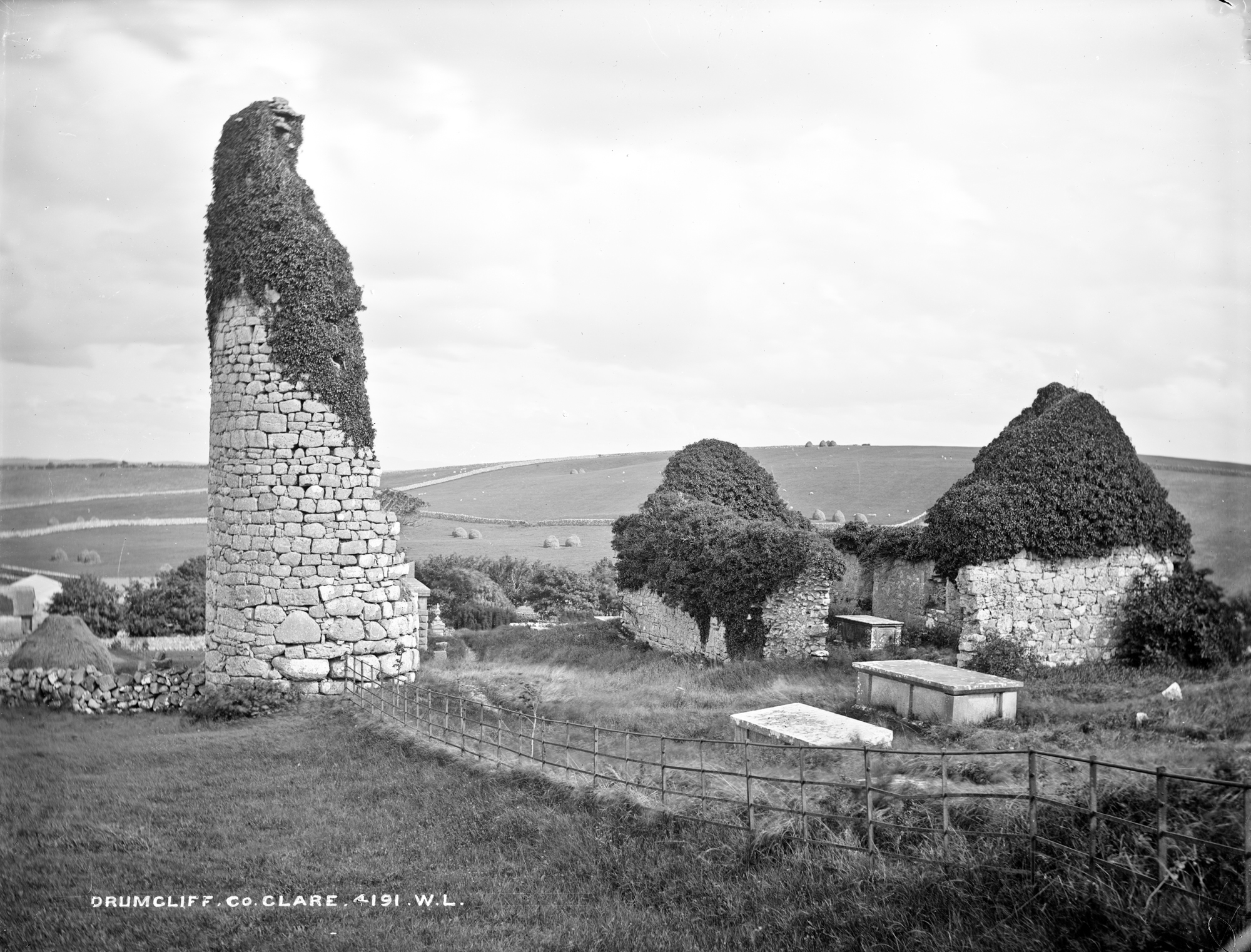
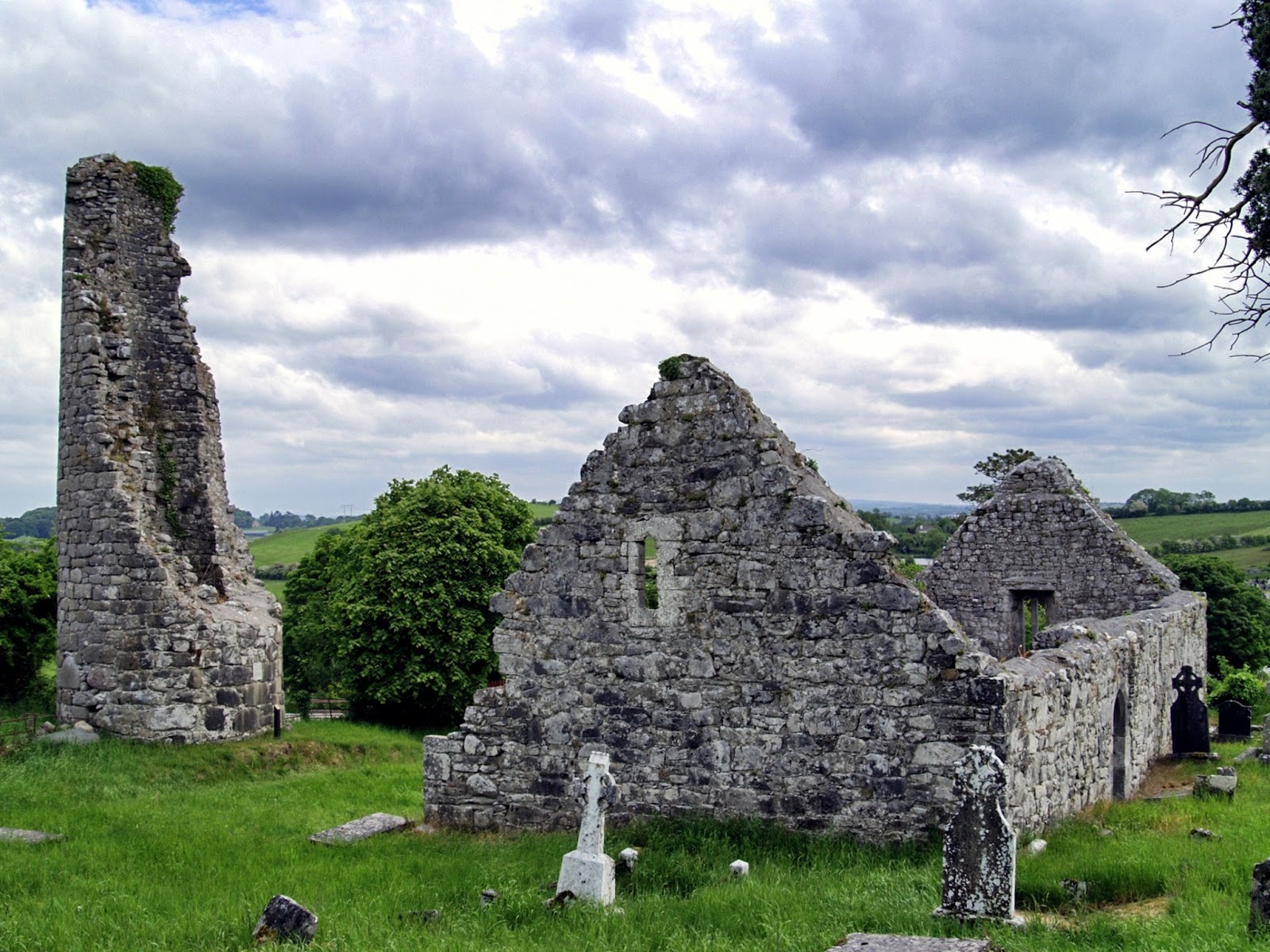
I looked up the cemetery where Sister is buried. It’s Drumcliff, Ennis, County Clare. It’s rich in Irish history, too.
This photo shows the tower and ruined abbey church at Drumcliff. The cemetery adjoins the ruins, on a steep hill that one guide says is windy but strangely serene. Another guide says this: “The existing church ruins are from the 15th century with bits of 10th and 12th century architecture incorporated into it, suggesting it was built on the site of at least one earlier church.”
The earlier church may have been founded by St. Conall. He lived in the 7th century.
When you grow up in a place whose oldest landmark dates to 1772, your history is an eyeblink next to Ireland’s.
The cemetery itself represents one of those sad detours in that history. From a County Clare genealogical website:
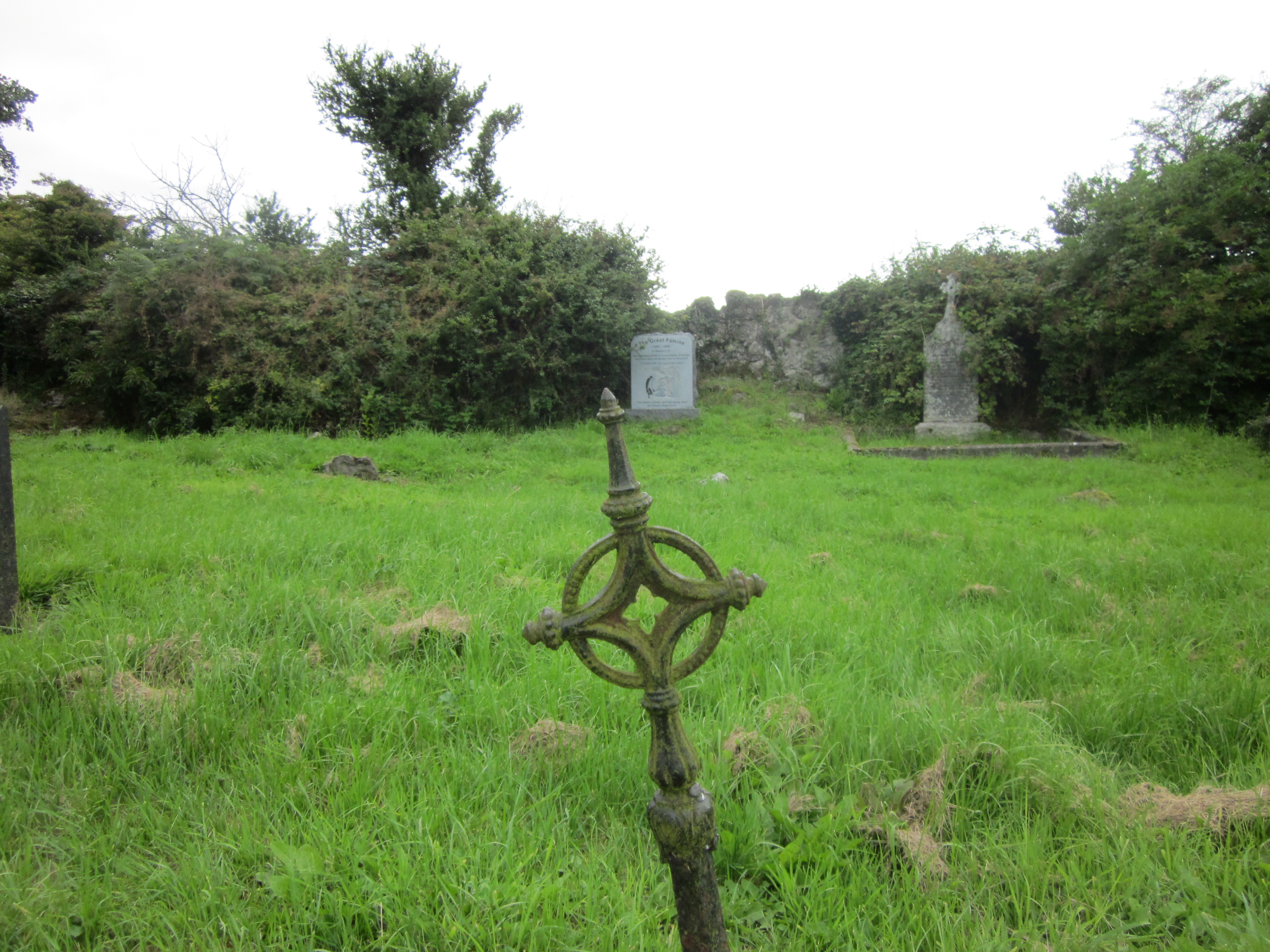
Itis impossible even to guess how many persons are buried at Drumcliffe [sic]: so many graves were never marked at all, countless others have no inscriptions, and the multitudes who lie in the cholera grave, the Famine grave pit beside it and the pauper plot closer to the road, will never be identified by the names they bore in life.
Cholera was a terrible killer in the first half of the nineteenth century; it killed Londoners in their thousands, as well as the Irish, until Joseph Bazalgette designed and built a network of intercepting sewers that carried the Thames River’s sewage out to sea.
Ireland, of course, was far behind in engineering projects as grand as this one.
“The Famine grave pit” is mentioned in passing. Perhaps many of those people were on their way out of Ireland. We once saw a massive green in Galway, one of the Famine ports of exit, also in the west, beneath which thousands of destitute Famine victims are buried. They’d almost made it. It’s probable that the people buried in Drumcliff, like those in Galway, died, enfeebled by starvation, of opportunistic diseases like typhus.
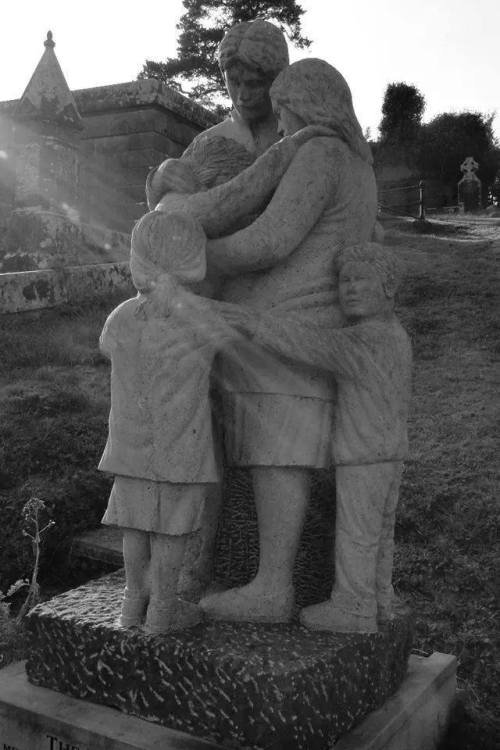
At least the paupers are symbolically remembered. Many of them ended their lives in a nearby workhouse. Here is their monument:
Pauper’s Memorial, Drumcliff
The Famine Grave
It’s a windy but strangely serene place.
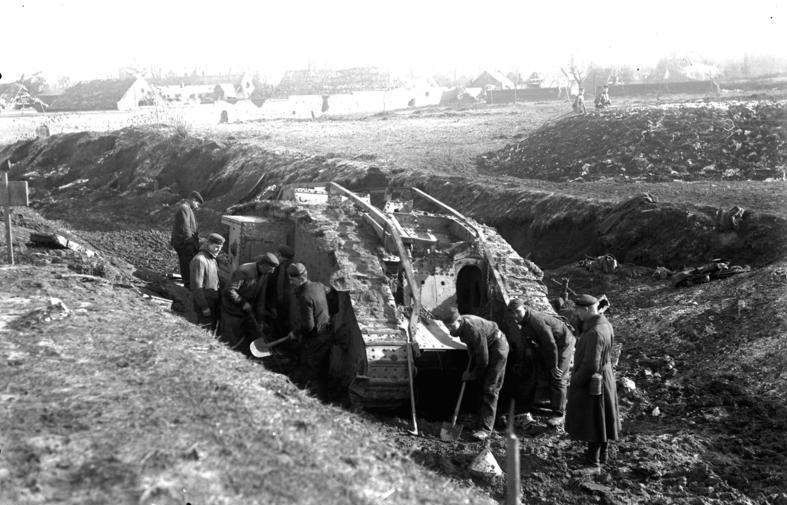
And then you reach the 20th century. There are Great War soldiers buried here: over 200,000 Irishmen fought for the British between 1914 and 1918. Drummer John McMahon served in the King’s Own’s Scottish Borderers, in a battalion that had survived Gallipoli; it’s possible that his death, in July 1917, came in Palestine. Thomas Moody served in the Irish Guards; his death, in November 1917, must’ve been at the Battle of Cambrai, which, like Bazalgette’s intercepting sewers, began as a landmark for modern technology. The British launched a massive attack spearheaded by Mark IV tanks, an innovation in warfare. By the second day of the attack, half the tanks had broken down, and that’s when the Germans responded. Moody probably died in their counterattack, the biggest assault on the British Expeditionary Forces since 1914. It was in that ealier assault–the the First Marne, in September 1914, the battle that stopped the Germans short of Paris, when Parisian taxicabs carried poilus to the front in relays–that claimed artilleryman Michael O’Brien, another soldier buried in Drumcliff.
German soldiers inspect a British tank wrecked at Cambrai.
Of course, the Great War was punctuated by the Easter Rising in Dublin. You can still the gouges British bullets left in the columns of the Neoclassic General Post Office, where the rebels held out for six days during Easter Week 1916. The Dubliners jeered the Irish Republican Army rebels as they were led away, after their surrender, by British forces.
The General Post Office, O’Connell Street, Dublin, after the Easter Rising. Nelson’s Column, to the right, was later blown up by the IRA.
Then the British began executing them, granting one, terribly wounded, the privilege of being shot while seated in a chair. That was a mistake. Now they were martyrs.
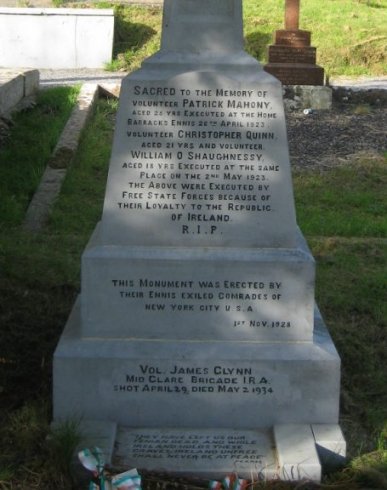
And that leads to one more place in the Drumcliff Cemetery: An IRA Memorial.
Irish rebels memorial
Maybe it’s typical that this memorial was made possible by expatriates, Irish living comfortably and happily distant in New York. What it commemorates might be too painful to remember for the people who live in Ennis today. The four Irish Republican Army men cited on this monument were killed in The Troubles, but not by the English. Three of the four were shot by firing squads made up of fellow Irishmen during the Civil War of 1922. Two were eighteen years old. They were Republicans executed by soldiers of the Irish Free State, the government that shot three times as many Irish revolutionaries in 1922 as the English had during the rising of 1919-1921.
One of the eighteen-year-olds wrote this on the eve of his execution:
Home Barracks, Ennis
Dearest Father,
My last letter to you; I know it is hard, but welcome be the will of God. I am to be executed in the morning, but I hope you will try and bear it. Tell Katie not to be fretting for me as it was all for Ireland; it is rough on my brothers and sisters–poor Jim, John, Joe, Paddy, Michael, Cissie, Mary Margaret–hope you will mind them and try to put them in good positions. Tell them to pray for me. Well father, I am taking it great, as better men than ever I was fell. You have a son that you can be proud of, as I think I have done my part for the land I love. Tell all the neighbours in the Turnpike to pray for me. Tell Nanna, Mary and Jimmy to pray for me, Joe, Sean, Mago, Julia, Mrs. Considine and family, also Joe McCormack, the Browne family, my uncle Jim and the Tipperary people which I knew. I hope you will mind yourself, and do not fret for me. With the help of God I will be happy with my mother in Heaven, and away from all the trouble of this world, so I think I will be happy...
…Dear father, I will now say goodbye – goodbye ‘till we meet in heaven.
I remain, Your loving son, Christie
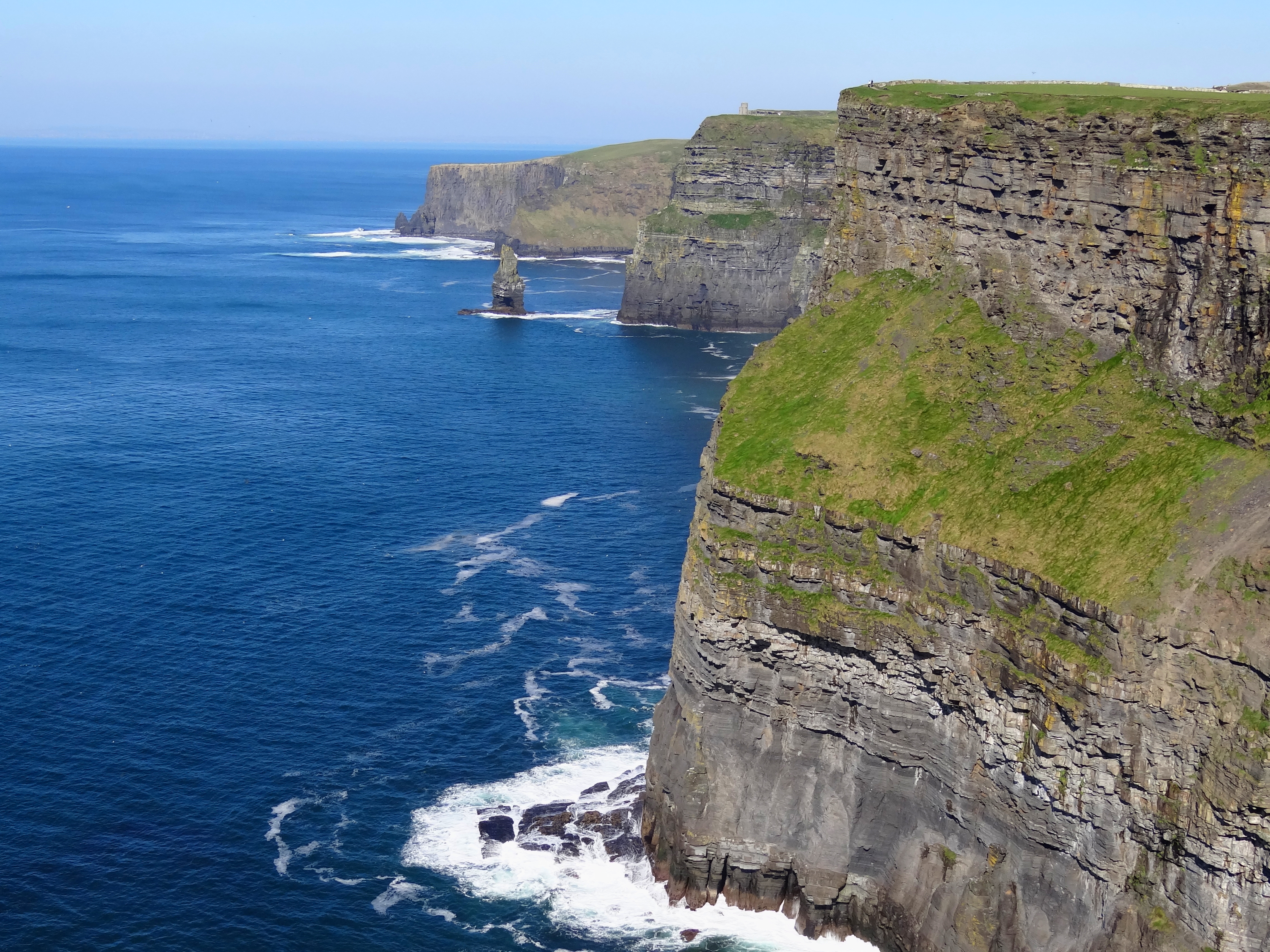
County Clare is famous for goodbyes. The Cliffs of Moher (above) might have been the last many Famine emigrants to America saw of Ireland. A windy and wild place, they are remindful of the title Leon Uris chose for a book he and his wife Jill wrote about Ireland: “A Terrible Beauty.”
Sister Teresa, even in her rest, cannot escape the long road of Irish history that has carried so many travelers—including my own family—on the journeys of their lives. Hers ended in Clare, a place, like the rest of Ireland, so marked by sadness. But sadness is not a dominant Irish trait—the last thing the Irish lost during the Famine, one chronicler noted, was their sense of humor—and it was service to others, not sadness, that dominated Teresa’s life.
I’ve been to Ireland and don’t know that I’ll ever get the chance to go again. If I do, God willing, there’s a place in the Drumcliff Cemetery that needs beautiful flowers and a pinch of California topsoil, perhaps from a field that adjoins St. Patrick’s Church, a parish five thousand miles away from County Clare.
September 1963: Off the airplane and into the classroom. Teresa is third from right.
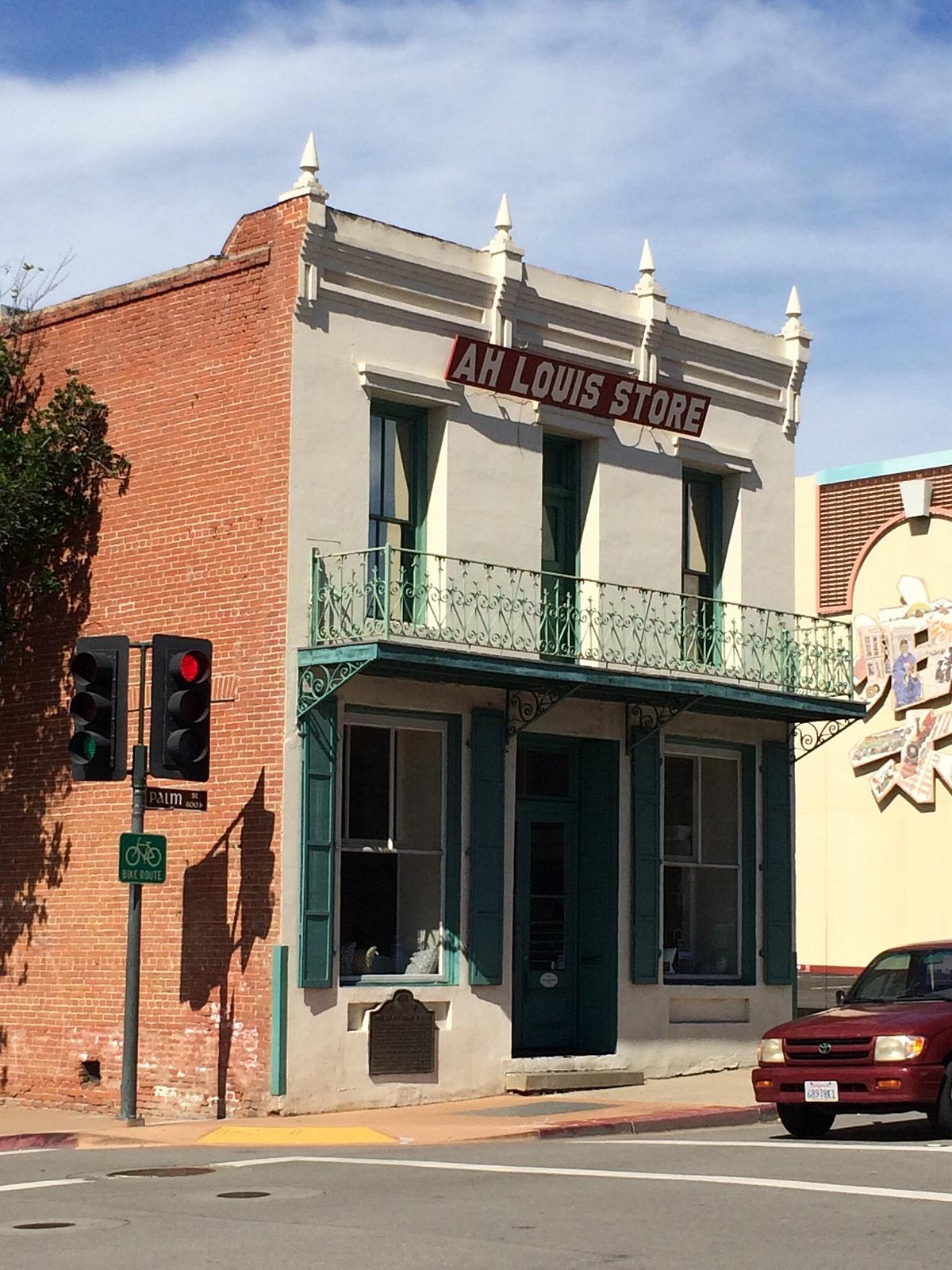
KSBY reporter Erin Fe roped me into an interview in the parking lot beside the Ah Louis Store today. The subject was Asian-American and Pacific Islander history in our county—Chinese, Japanese, Filipino. I put on the little mic thingy, she started the camera, and forty minutes later, I finally shut up.
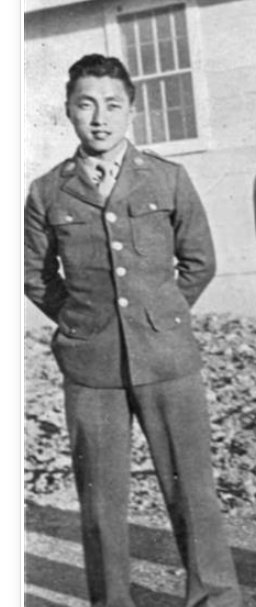
I was stunned—not by me, but by the richness of the heritage I was passing on and by once again realizing the enormity of the hatred our neighbors had to overcome. Some, like Arroyo Grande 442nd Regimental Combat Team GI Sadami Fujita or the GIs of the First Filipino Infantry Regiment, formed at Camp San Luis Obispo, had to overcome the bigotry visited on them by sacrificing their lives.
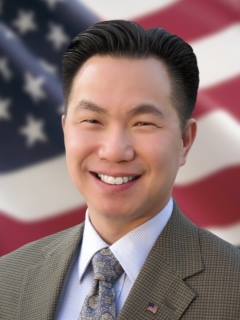
It made me very happy to tell the stories. But at the end, I was overcome by melancholy. SLO County Clerk-Recorder Tommy Gong’s departure made me realize that realize that Santayana was right: Those who do not remember the past are condemned to repeat it.
And those who nurture their ignorance about the past have immense power over the rest of us; they seem to prove Hitler’s dictum that “reason can deceive a man.”
All I can offer is stories. Among my favorites are those of Asian-Pacific Islander immigrants to our county and since the World War II years are among my passions, here are three that came to mind almost instantly.
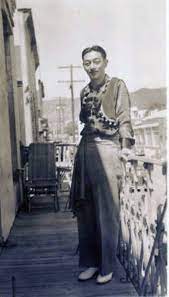
Howard Louis
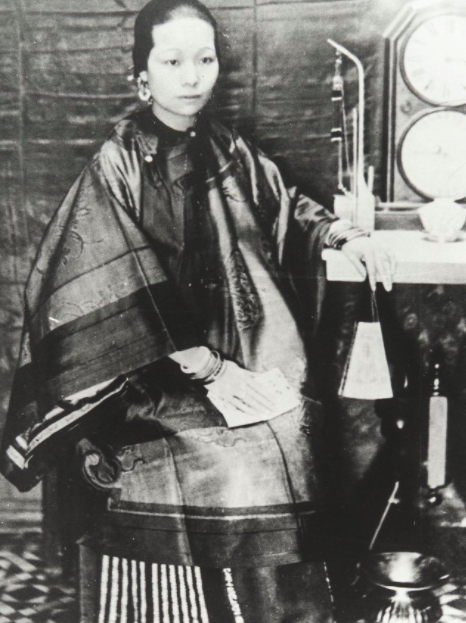
Gon Ying. Howard was a baby asleep in her arms when she was tragically shot to death in 1909 in the family apartments above the store.
Howard Louis, San Luis Obispo, US Army–seen in the top photo in a prewar La Fiesta Costume on the balcony of the family’s store—served in George Patton’s Third Army, World War II. He was the last of eight children from a remarkable family—musicians, athletes, an army officer–who wryly admitted that he, being the baby and the last served, wasn’t aware until he was twenty that were parts to the chicken other than the neck. As an older man, he loved to tell stories about Chinatown to schoolchildren: His father owned a brickyard from which the 1885 store—and many other downtown buildings—were built, farmed in the Laguna Lake area, along Biddle Ranch Road, partnered with Louis Routzahn in cultivating seed flowers in the Arroyo Grande Valley, organized the construction crews that built the PCRR and roads throughout the county and served as the workmen’s unofficial father-figure and Chinatown mayor and, in what may have been his greatest accomplishment, married a young woman, En Gon Ying, in 1889 San Francisco. She was as beautiful as the translation of her name: “Silver Dove.” They must have been marvelous parents.
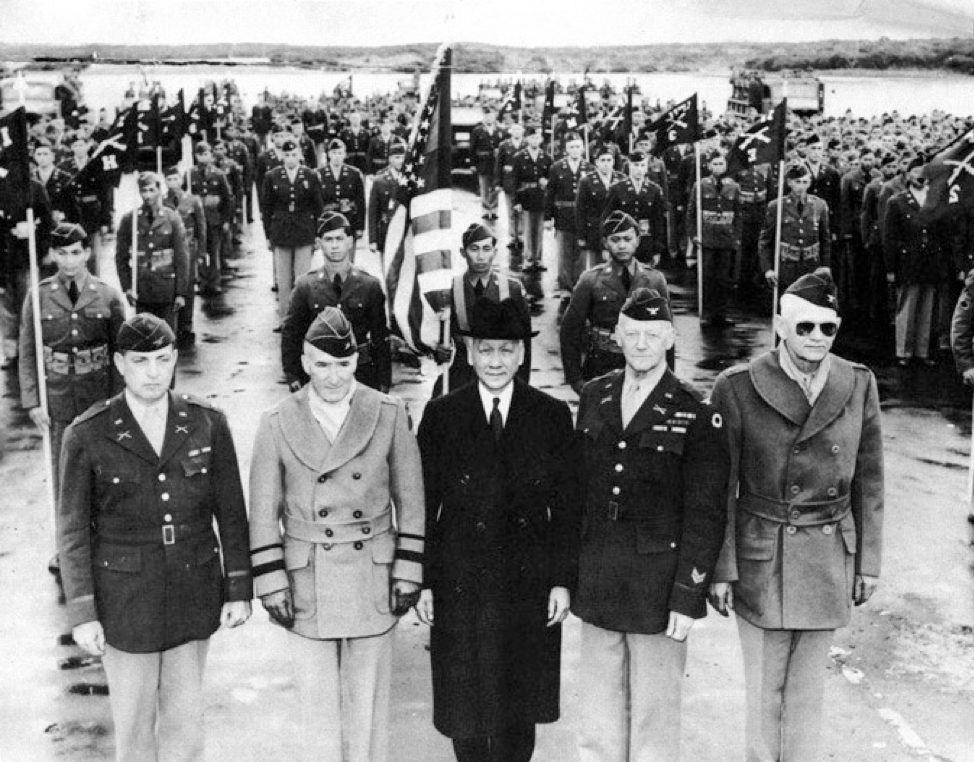
Lt. Col. Offley, second from left, front row. His GI’s called him “Tatay”–Tagalog for “Papa.”
Lt. Col. Robert Offley, commander of the First Filipino Infantry, formed at Camp San Luis Obispo. When his soldiers were denied service in a Marysville Chinese restaurant, he burst into City Hall and threatened to put Marysville under martial law. “My soldiers,” he thundered, “are American soldiers, and you will treat them as such.” So his GIs finally got to eat rice, a scarcity in the World War II creamed-chipped-beef-on-toast Army. When his soldiers fell in love and wanted to marry—Filipinas were denied immigration, and California’s miscegenation laws forbade marriage to Caucasian women—Offley formed a shuttle-bus caravan to New Mexico, where they could get married, called “The Honeymoon Express.” Not surprisingly, Offley’s GIs proved to be superb combat soldiers.
Sadami Fujita, an Arroyo Grande GI in the 442nd Regimental Combat team, was killed in action in the Vosges Mountains of France and was awarded a Bronze Star and Purple Heart. The 4-4-2 was on a mission to free 230 terrified nineteen-year-old Texas draftees—World War II’s “Lost Battalion”—surrounded by the Germans. The Nisei GI’s were successful, but it took six days of combat to break the German lines. It cost them 1,000 casualties. Fujita, who volunteered to bring up more ammunition under relentless fire–the Germans fired .88 shells into the treetops and flying splinters claimed many of his comrades—was killed in the attempt.
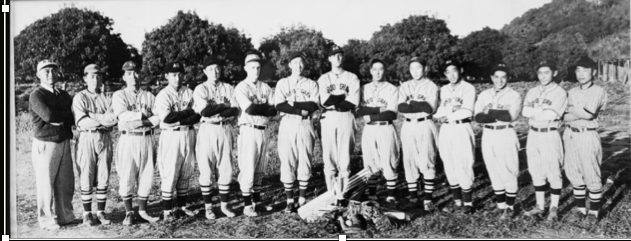
The Arroyo Grande Growers, a powerhouse Japanese-American baseball team in prewar Arroyo Grande. Kaz Ikeda is fourth from left; his father, Juzo, who died at Gila River, is on the far left. Former Stanford pitcher and team manager Vard Loomis is at center.
And one more, since I knew the man personally: Cal Poly catcher Kaz Ikeda was interned at Gila River, where the temperatures were at or above 109 degrees for twenty of the first thirty days that our neighbors were there. Kaz did not suffer this insult lightly, nor did he let it embitter him. He came home from the camps to resume farming and to found Arroyo Grande’s Little League, Babe Ruth and Youth Basketball.
I’m still angry because the British shot 38 Irish rebels outside the County Wicklow church where my third great-grandfather was baptized.
Kaz came home from Gila River and eighteen years later, he cured me of the uppercut in my baseball swing.
At Kaz’s funeral, the closing hymn at graveside was “Take Me Out to the Ballgame.”
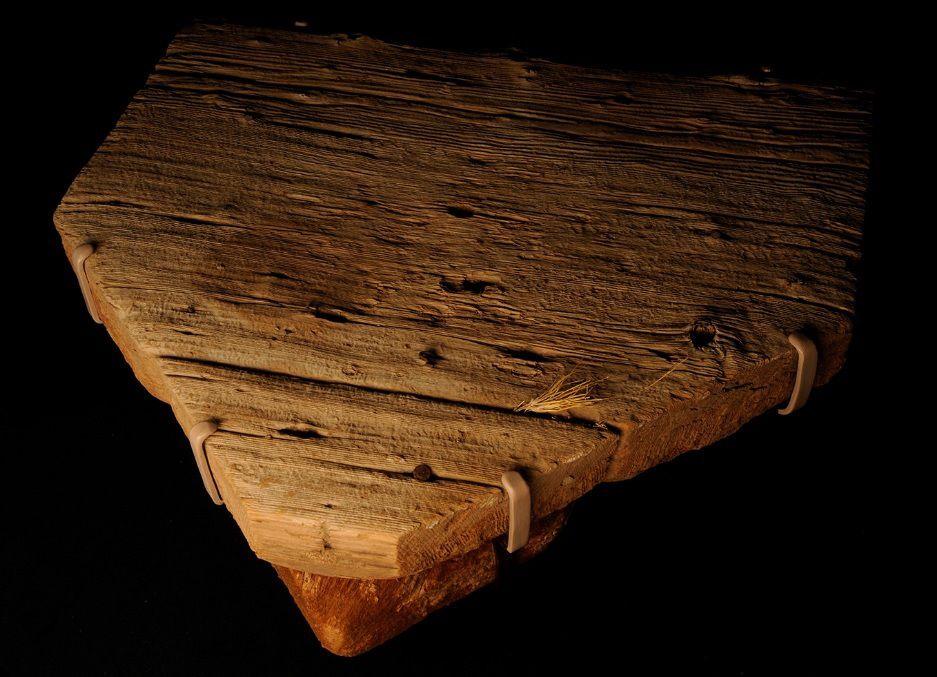
This is the home plate behind which Kaz caught at the camp. It’s now on loan to the Baseball Hall of Fame.
To the American who accused Tommy Gong of being a Chinese Communist: Go to Cooperstown and study this artifact in perfect silence. You might learn, in the quiet, what it means to be a real American.
I keep going over it in my mind: Muhammad Ali, Sandy Koufax, Bo Jackson, Walter Payton, Michael Phelps, Mickey Mantle, Serena Williams, Roger Federer, Tiger Woods, Martina Navratilova, Willie Mays, Joe Montana, Michael Jordan, Jackie Joyner-Kersee, Megan Rapinoe.
And so on. It’s a subjective list.
That doesn’t matter. This young woman may be the greatest athlete of my time. She had two bobbles on the balance beam in this week’s U.S. Championships. She’s human.
Then there are the moments when she’s very nearly superhuman. Here are three performances from the championships:
The great golfer Bobby Jones once said this about Jack Nicklaus: “He plays a game with which I am not familiar.” Many, many years later, Nicklaus used the same sentence to describe Tiger Woods.
That’s about the right way to think about Simone Biles, I think.
On the morning of June 5, 1968, I was at the end of my sophomore year at Arroyo Grande High School and for some reason, I was up before my parents. After I’d turned on the television, I went to their room to wake them. Robert Kennedy was dead. My mother said “No,” but the word was drawn-out and painful.
I’ve written before about Kennedy and I have no illusions about him. He was the family’s attack dog, a savage and merciless runt whose assigned mission in life was to serve as his older brother’s protector.
Ironically, I think it was his brother’s death that set him free. Robert discovered an appetite for politics and for power that probably exceeded JFK’s. And now he was free to pursue his ambitions, as Senator from New York and then, in 1968, riding on Eugene McCarthy’s coattails as an antiwar candidate for president.
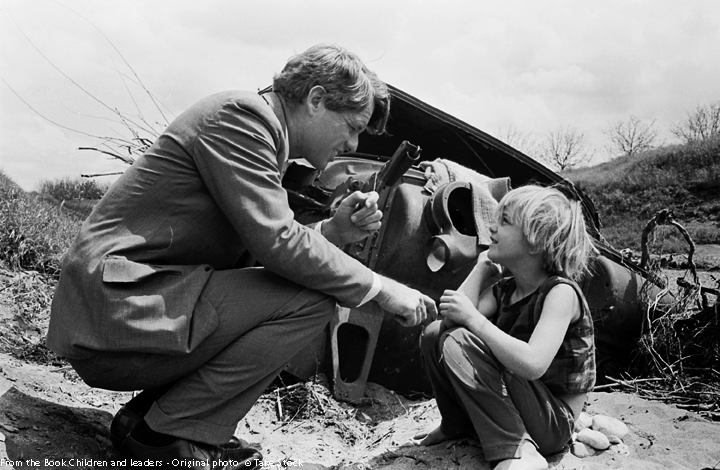
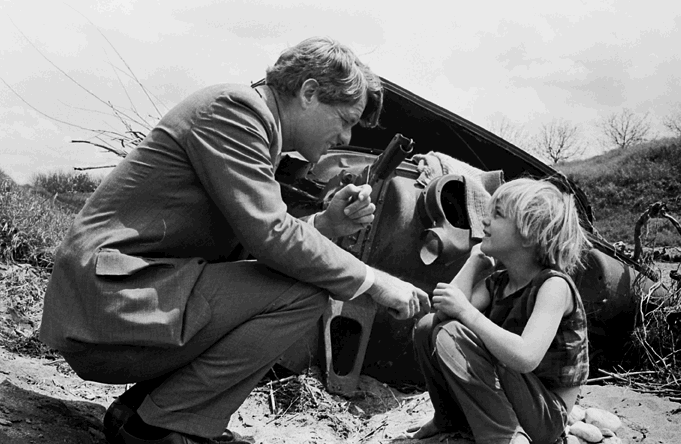
Robert and his children, November 22, 1963
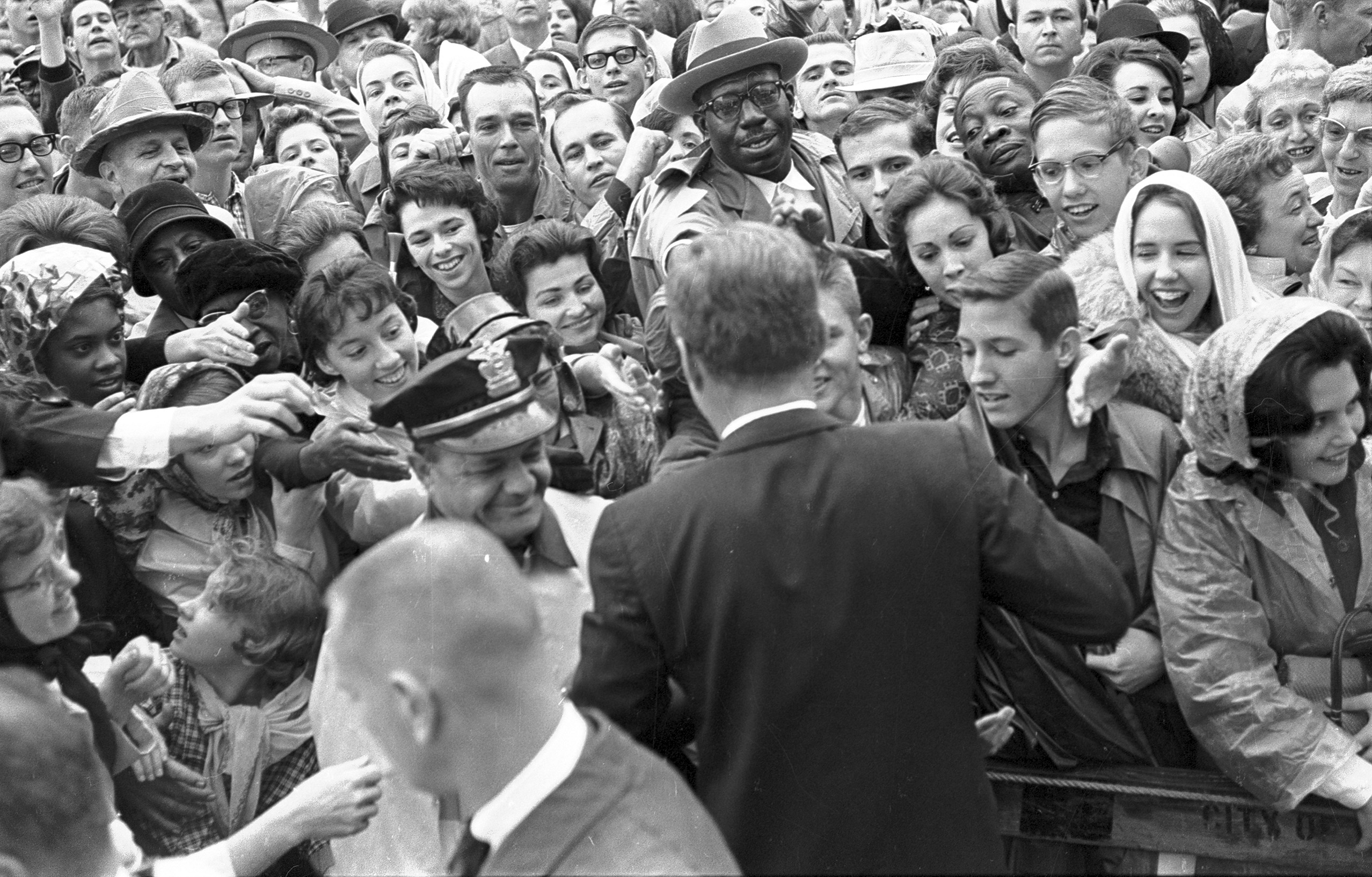
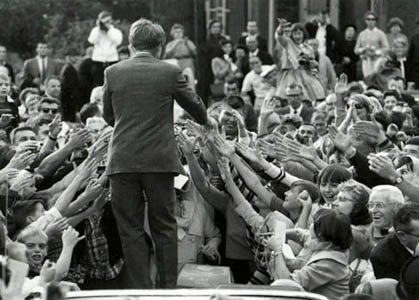
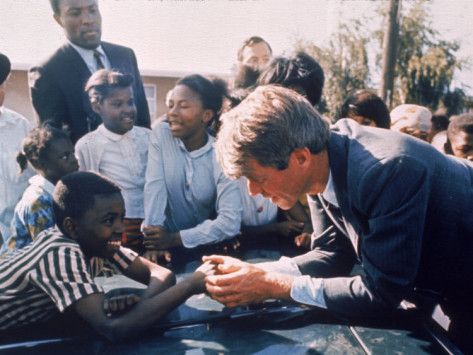
The response to him in that campaign was powerful, and in the old photos, the only equivalent from that time that I’ve found, sadly, is in the crowd greeting his brother in Fort Worth a few hours before the assassination.
John F. Kennedy, Fort Worth, November 22, 1963
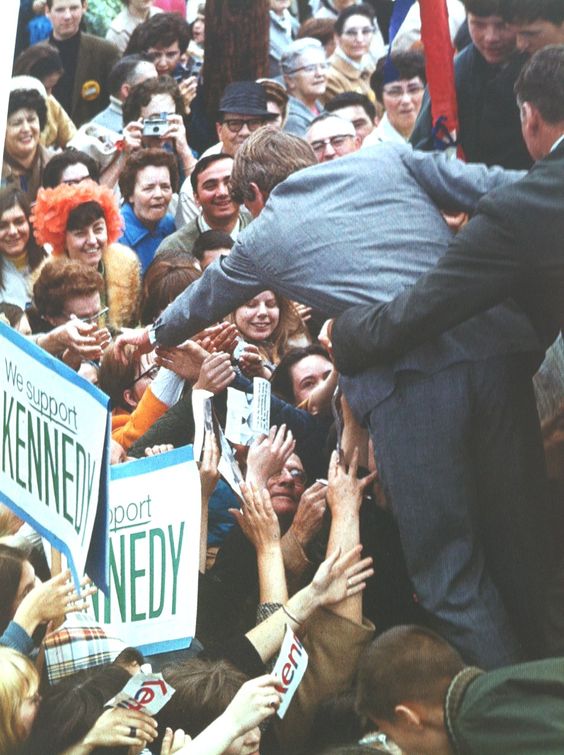
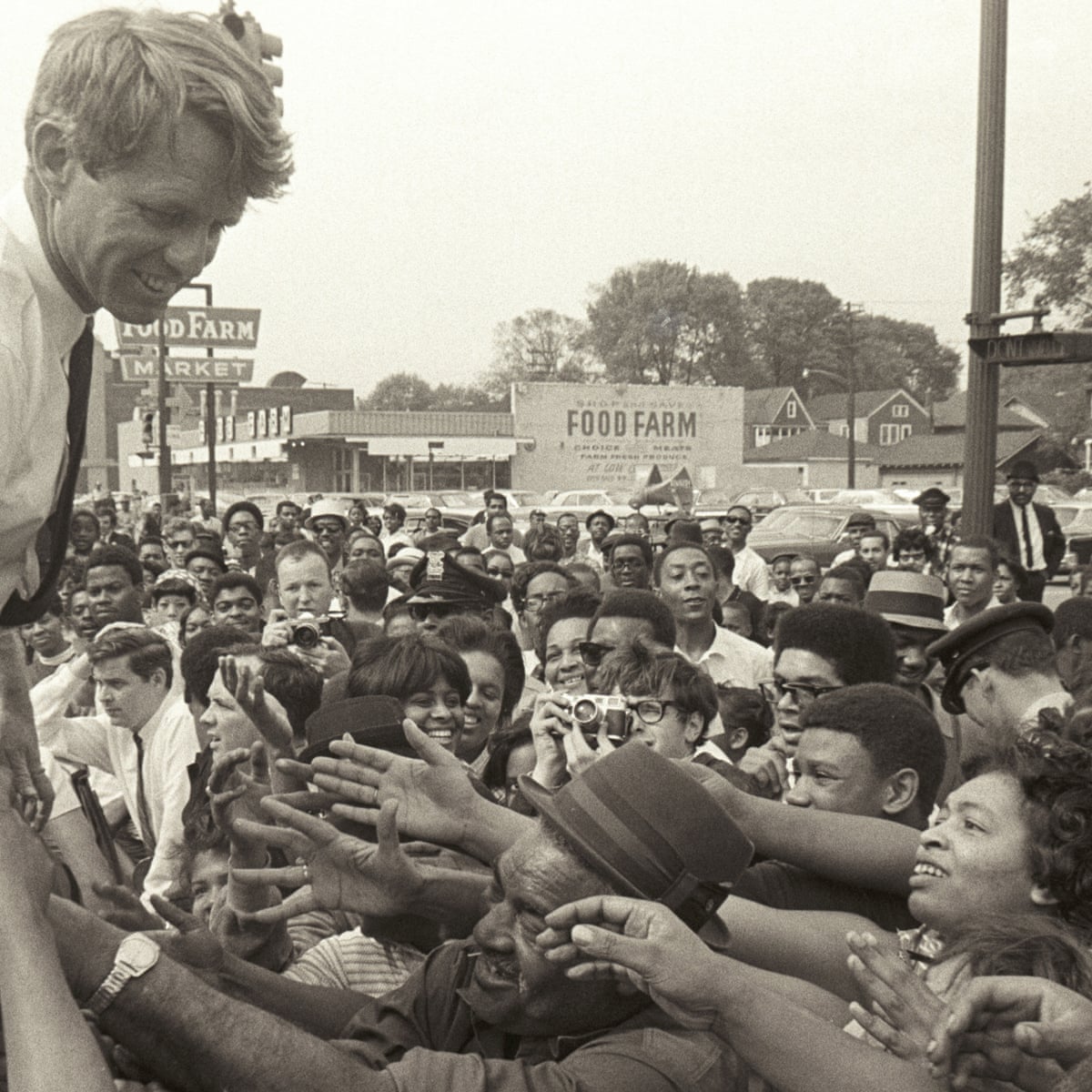
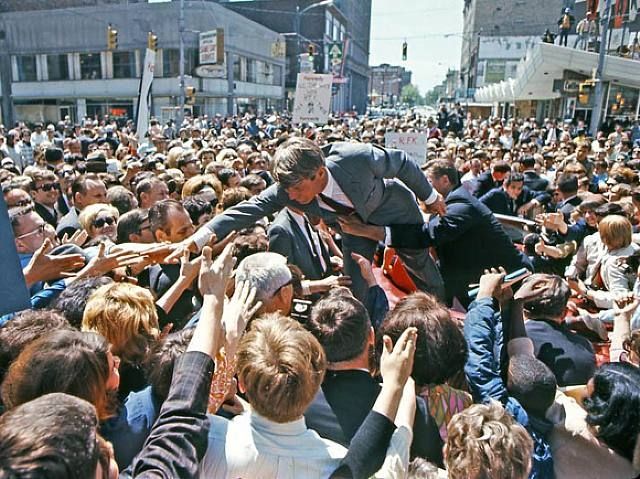
JFK was cerebral and aloof and his little brother—like me— burned hot, but both evoked deep emotions. Robert, for example, could not keep a pair of cufflinks. They were invariably torn off by crowds who felt the overwhelming urge to touch him. Bodyguards grabbed him around the waist to keep him from being absorbed by the people who were so drawn to him. If the brothers were unalike in many ways, the faces of the people who’ve come to see them are similar. They are joyful.
Photo by WALTER J. ZEBOSKI/AP/REX/Shutterstock
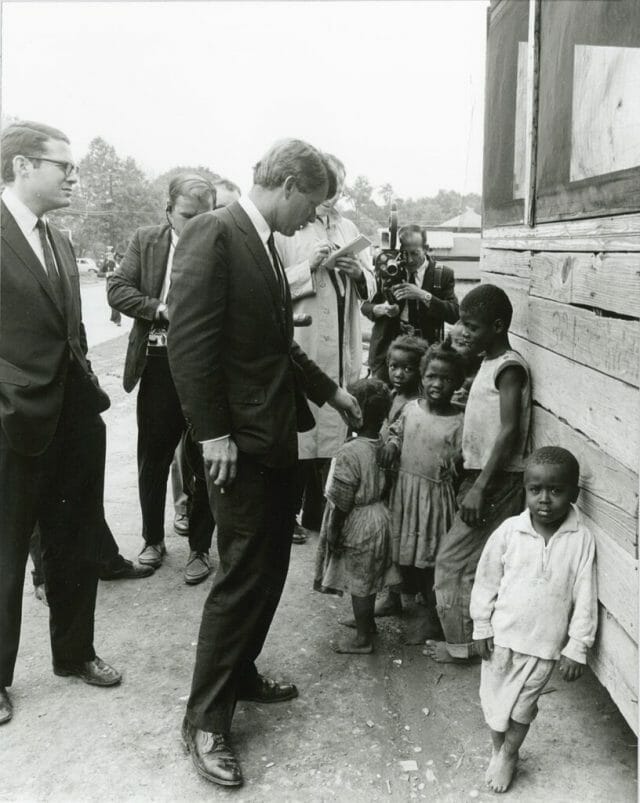
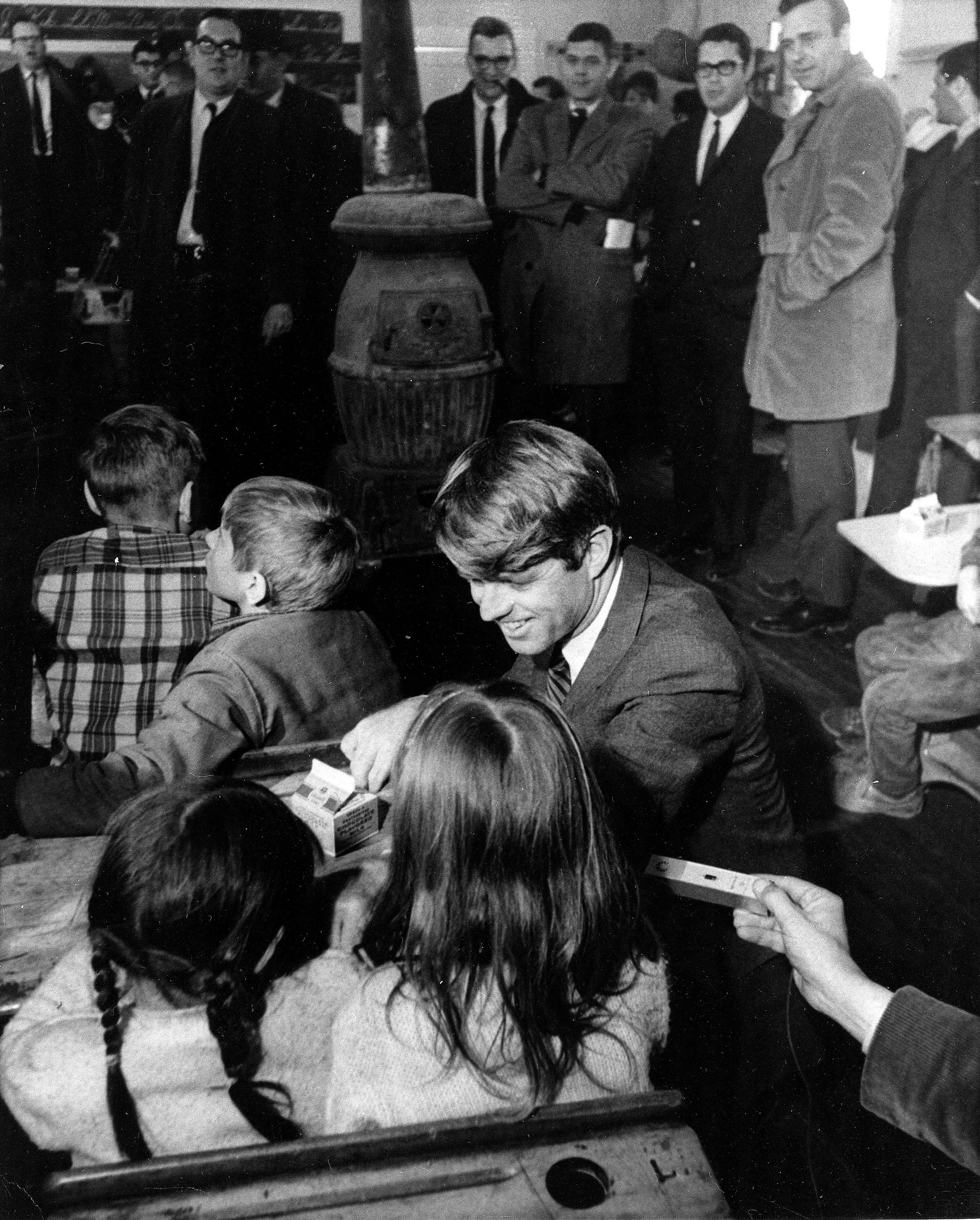
I found his youth compelling; he was relatable, like a favorite young uncle whose visits you always looked forward to. And even then, I recognized his obvious love for children. It’s no coincidence that I became a teacher. This is the man that pointed the way for me.
And, since after June 5, 1968, there seemed to be no one left to believe in, I was, as he had been, painfully and disconcertingly free. At sixteen, I would have to begin to make my own way in a painful and disconcerting process that took almost twenty years. I found my way only when I was surrounded by children.
That was such a long time ago. And that night in the Ambassador Hotel kitchen was such a long time ago. Robert Kennedy was forty-two when he died and, in the way time changes us, the man who was my hero, lost on this day in history, will always be young enough to be my son.
Below is the trailer for the HBO documentary on RFK’s funeral train, which took his body from the funeral Mass at St. Patrick’s in New York City to his rest in Arlington National Cemetery.
The ten-year-old me would get out of bed at 4 a.m. at our house on Huasna Road in my robe and pj’s to watch the Mercury astronauts lift off, so I kind of grew up with the space program. I fell asleep in class sometimes, too.
The third Mercury flight, John Glenn’s, was a nail-biter because there was a warning that the heat shield on the little space capsule had become dislodged. If it went, so did John Glenn. They didn’t dare jettison the retro-pack, the little rockets that slowed the capsule in its descent, because the metal straps that held the pack to the capsule might also last long enough, before their incineration, to hold the heat shield in place. What the nation held was its breath.
We exhaled, after several moments of radio silence, when the flickery television images finally showed “Friendship 7” swinging like a pendant from its parachute array.
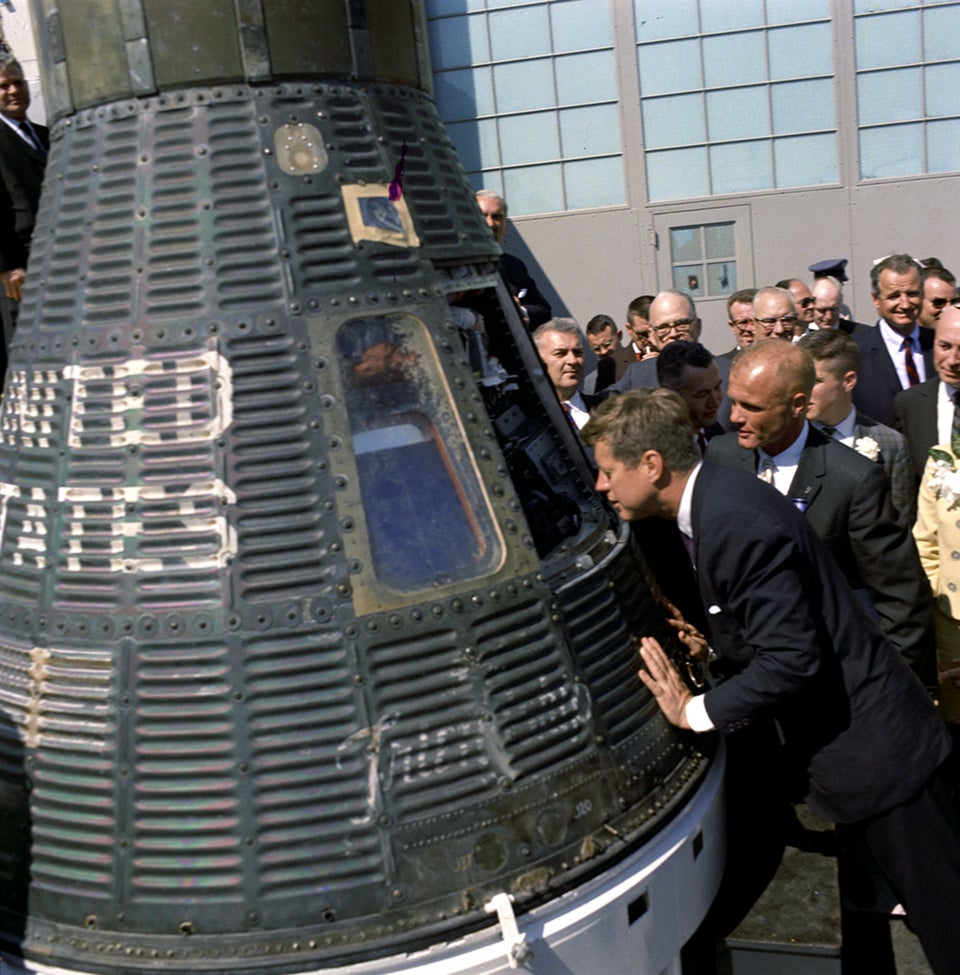
President and Kennedy and John Glenn with Glenn’s Mercury capsule after the mission. Glenn was the first American to orbit the earth.
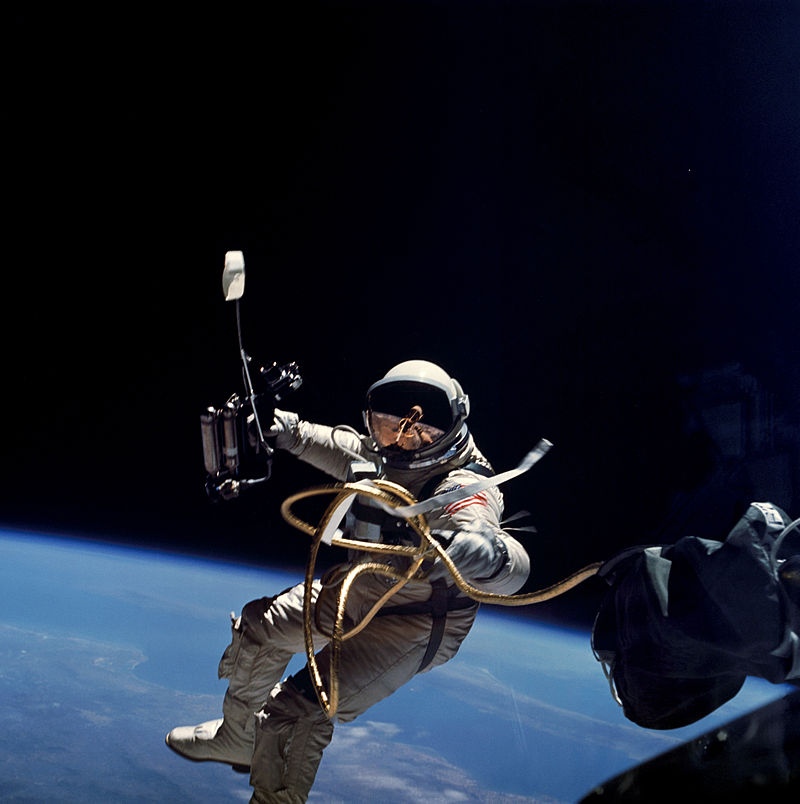
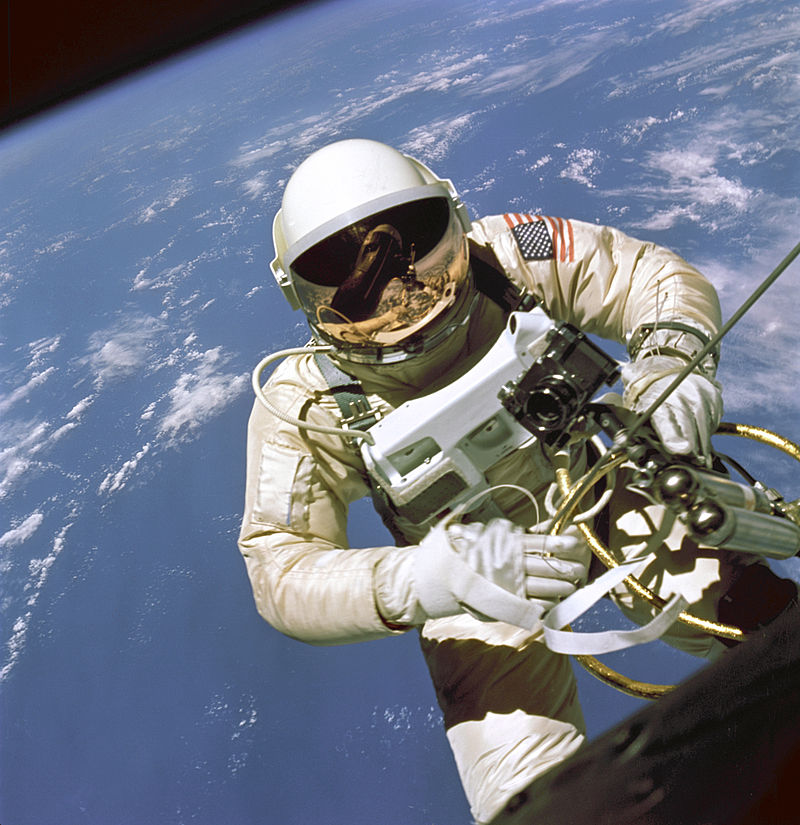
Today is the anniversary the first American spacewalk, assigned astronaut Ed White on the Gemini 4 mission–Gemini, with its two-man crews, represented the second stepping-stone toward putting an American on the Moon. White, 150 miles above the earth, tethered to his capsule by a nylon umbilical cord sheathed in a layer of heat-treated gold, performed a twenty-minute weightless ballet.
Two years after that mission, what didn’t happen to John Glenn did to Ed White. In 1967, he was consumed in the horrific fire that engulfed the Apollo 1 capsule during a test on the launch pad.
So, many years later, like the space nerd that I am, I watched the vivid but melancholy “First Man” once again yesterday, with Ryan Gosling as Neil Armstrong.
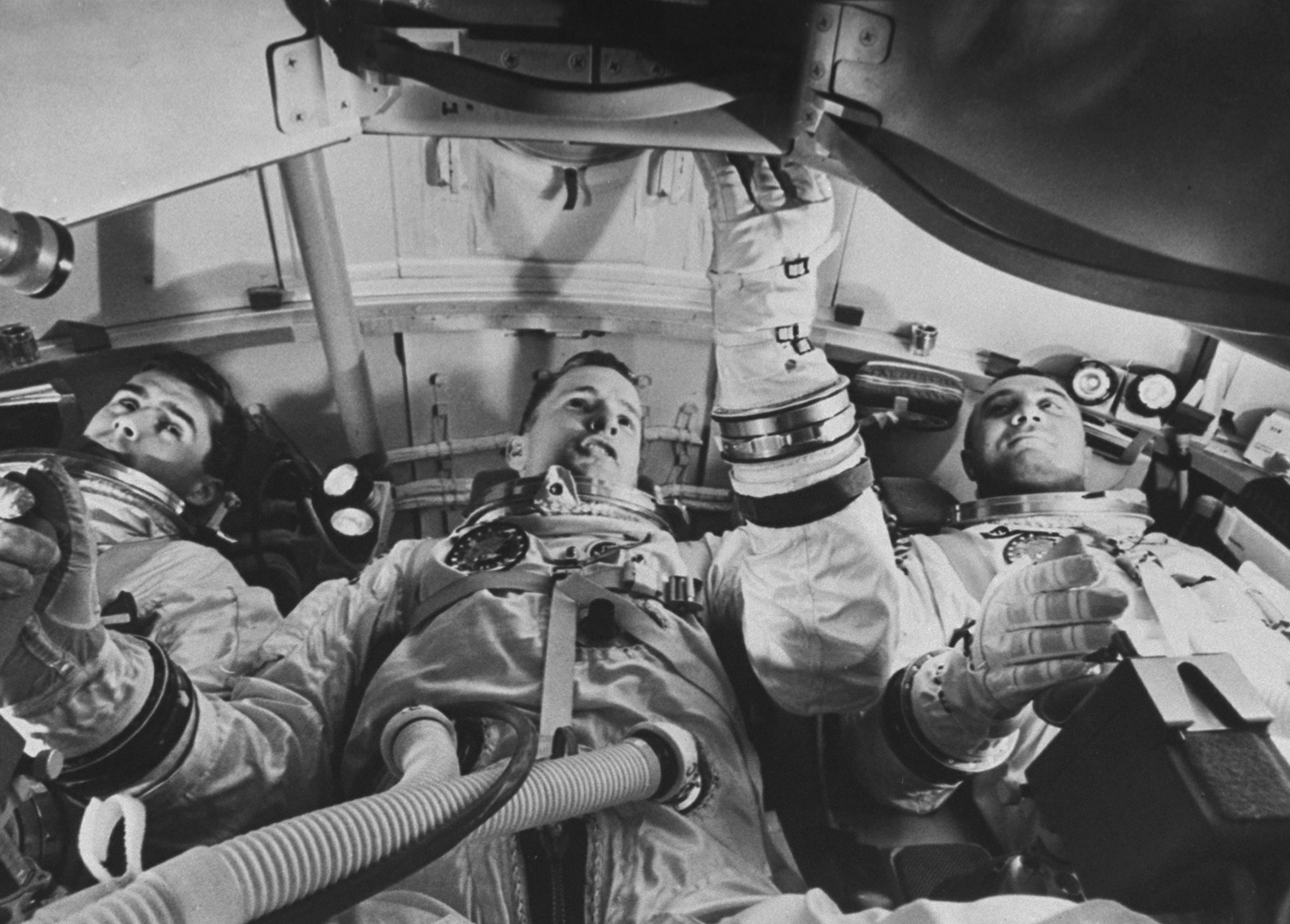
I had to turn off the sound in the scene that depicts the Apollo 1 fire, the one brought on by the sense of urgency that infected the space program. We had to beat the Russians. That intemperance cost the Apollo I crew their lives–including Ed White and the hard-luck Gus Grissom, whose Mercury mission ended when the bolts that secured the hatch blew prematurely and sent his capsule to the bottom of the Atlantic.
The doomed Apollo I crew: Roger Chafee, Ed White, Gus Grissom
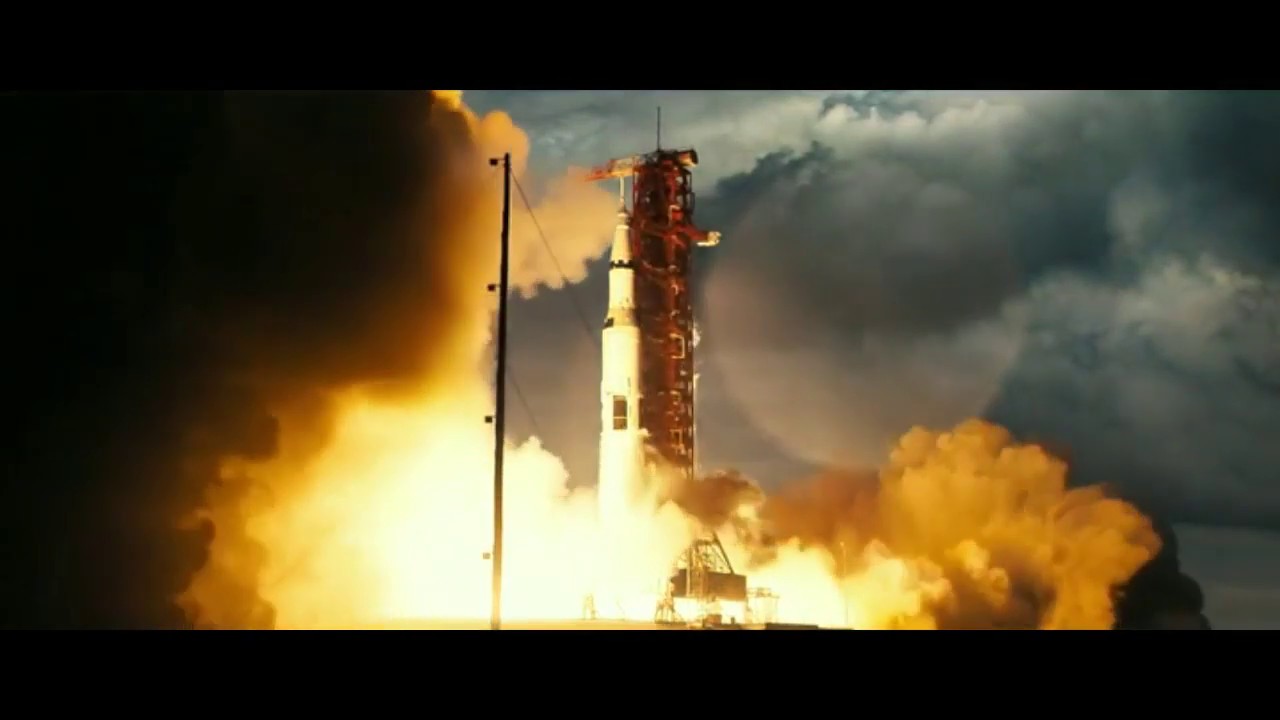
But I turned the sound way up again a little later. The launch sequence for Apollo 11–the mission that would take Armstrong to the Moon–is an incredible piece of film-making. Especially the sound effects–you can hear steel groaning as the booster rocket climbs, shaking the crew violently. The film won two Academy Awards for sound.
You can find the sequence here, on YouTube. Turn the sound way up.
And, of course, years after the jubilation of Apollo 11, the two shuttle disasters brought shock, disbelief and heartbreak. They brought all of us back to earth.
But those images of Ed White in space made a powerful impact on me when I first saw them in Life magazine. So I just wanted to take a moment today to think about him. He was, his Wikipedia biography asserts, a devout Methodist. I am sure that what he experienced on this day in history made his faith even stronger. This is my prayer for him.
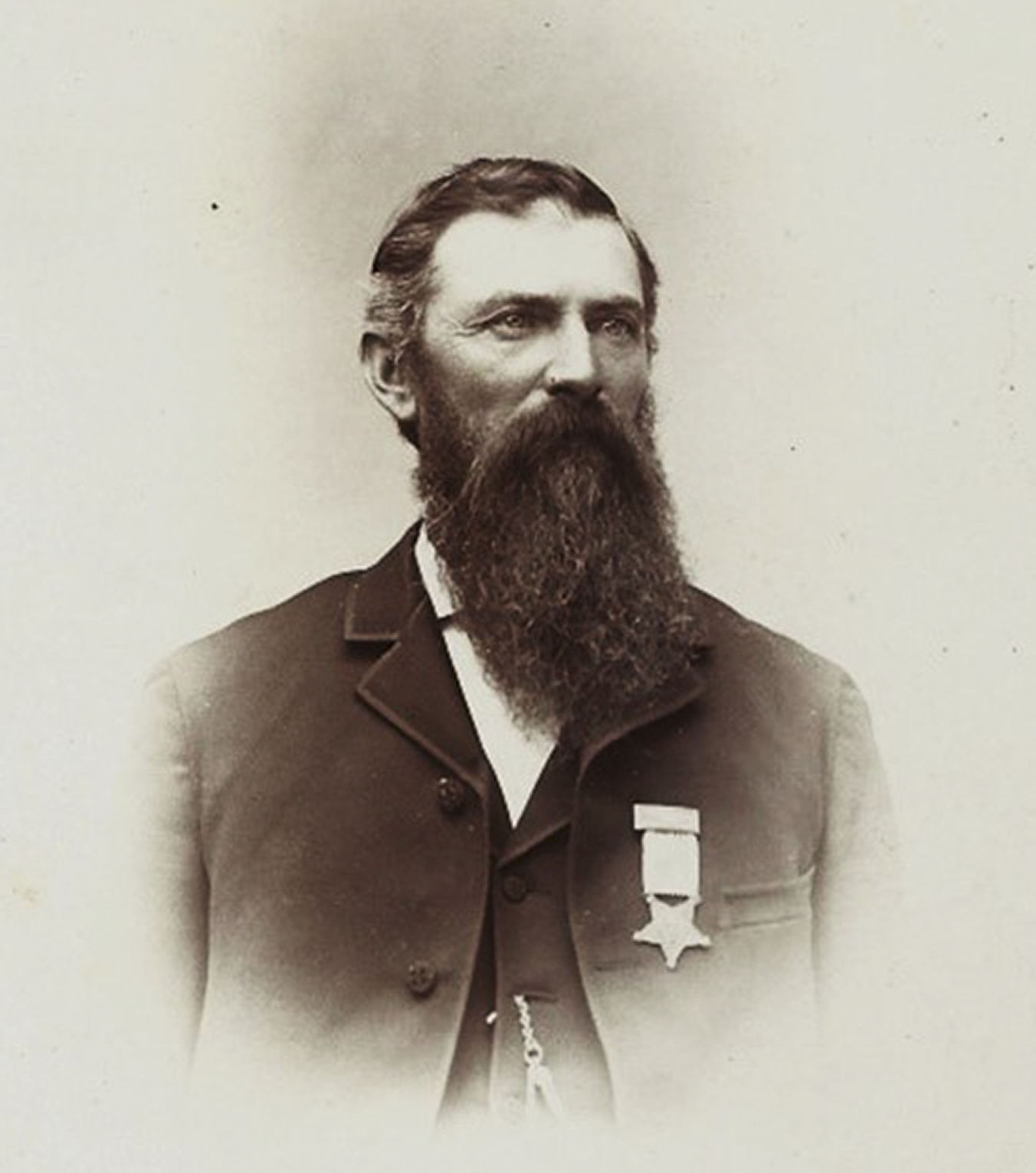
In the 1880s, Erastus Fouch farmed along was is today Lopez Drive. As a sixteen-year-old he’d fought in the Shenandoah Valleywhere he saw his brother killed in action. He later fought at Chancellorsville and Gettysburg. Here he wears his Grand Army of the Republic badge. Jack English photo.
Nearly sixty Civil War veterans are buried in the Arroyo Grande District Cemetery. This excerpt from the book Patriot Graves describes the forces that drove them here.
…A soldier who had endured the third day of Gettysburg and emerged unhurt, and who had then seen his own boys in their counterattack destroy Pickett’s Charge…had already passed the zenith of his life. Nothing like this would ever happen to him again, and what had happened to them brought them, ironically, great joy.
So, for a generation enmeshed in the ethical web spun tightly by mid-Victorian Protestantism—these were Christian soldiers who fought in armies, on both sides, marked by intense waves of wartime revivalism within their camps—the excitement of battle generated a profound moral contradiction. In This Republic of Suffering, a superb account of coming to terms with the scale of death the Civil War generated, Harvard president and historian Drew Gilpin Faust describes the experience of a stunned Confederate who, during a firefight, came to the aid of a shrieking comrade, only to find out that he was “executing a species of war dance,” exulting over the body of the Union soldier he’d just killed. In another battle in 1862, Union soldiers on the firing line called their shots, as if combat were billiards: “Watch me drop that fellow,” one said to his comrades; battle was, indeed, like a game.[1]
The killing didn’t end when the war did. Violent crime rose at three times the rate of population growth in the decades following the war, and perhaps as many as two-thirds of the nation’s convicted felons were veterans.[2] Soldiers understood, on some level, that combat had changed them irrevocably and some worried about it. Society, one Vermont soldier wrote his sister, “will not own the rude soldier when he comes back, but turn a cold shoulder to him, because he has become hardened by scenes of bloodshed and carnage.”[3] He was, in many respects, right: some of the soldiers who came home to Vermont, New Jersey or Iowa brought with them a measure of fear—they had become, in the Civil War novelist Michael Shaara’s term, “Killer Angels.”
Many Union soldiers had demonized themselves and by extension all of their comrades by celebrating their mustering out with epic alcohol binges and episodic violence throughout the demobilization summer of 1865.[4] A Chicago civilian’s insulting comment about William Sherman set off a saloon brawl that cascaded into a riot that police were helpless to put down. Only the fortuitous appearance of the legendarily hard-drinking Gen. Joseph Hooker, who had the credibility to intervene with combat veterans, brought the violence to an end.
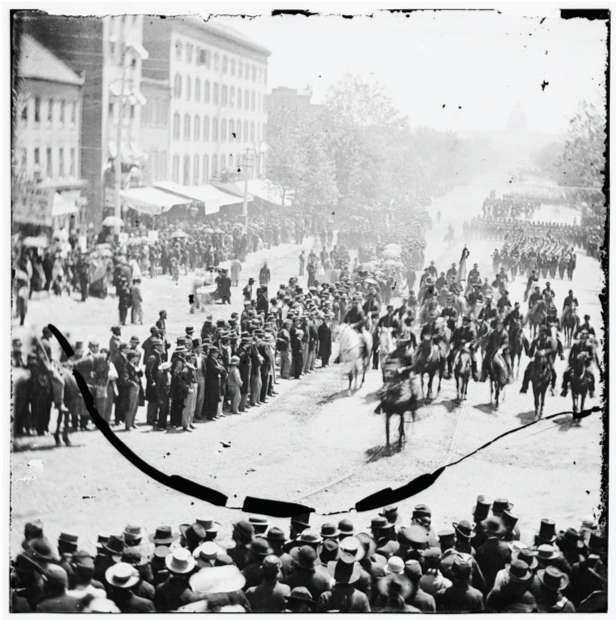
The Grand Review of the Armies at war’s end, Washington D.C., May 1865. Arroyo Grande settler Morris Denham marched with this unit, Francis Blair’s XVII Corps, Sherman’s army.
But for even the most sober of veterans that was precisely the problem with homecoming: it brought them little peace. Professor Jordan describes a sense of what, at its mildest, could be called disorientation. Home wasn’t home anymore. Even little farm towns had changed so much in four years that, for some veterans, they didn’t feel like home at all. Soldiers from the hard-fighting regiments of the Old Northwest, states like Iowa and Minnesota, couldn’t reconcile themselves to the cold winters they’d forgotten while fighting in Mississippi or Georgia. There was a more sinister change to which they couldn’t adjust: Union veterans resembled the little boys who’d survived the 1918 influenza epidemic and were finally let out to play, only to find there was no playmate on their city block left alive. The survivors of “Pals” Battalions who’d joined the Great War’s British Army together went home to neighborhoods empty of the young men with whom they’d grown up. Their pals were gone, swallowed up by the Western Front.
Gone too, in 1865, were whole towns of young men in New York or Vermont or Indiana, dead and buried on Southern farmland that had been poisoned by violence, land still studded with spent bullets. Other young men had vanished without a trace in dark, dense woodlots or fetid swamps. Soldiers came home, then, ostensibly alive and whole and strong but with unseen dead spaces inside where their comrades had once lived. Missing them, or the trauma of seeing them killed, figured in the chronic depression with which so many veterans struggled. Now that the war was done, they still were caught in its aftermath like swimmers in an undertow, struggling to break surface, to find light and cool air, to breathe again.
They recognized, too, that what they had fought for—for the rededication of the democracy Lincoln had described at Gettysburg in November 1863—was fast slipping away. Union veterans remained intensely suspicious of and hostile toward the defeated South; Lincoln’s assassination had been one impetus for their rancor but their anger only intensified when they read the newspaper accounts of the postwar emergence of the old Slave Codes, now called Black Codes. They read, too, of the defiance and the terrorism of the Ku Klux Klan, co-founded by a cavalryman, Nathan Bedford Forrest, who had bedeviled some of them in the Deep South. When Reconstruction ended in 1877, Jim Crow laws revived white supremacy in a way that rivaled the days of slavery. The Union veterans’ hostility was exacerbated because the other side refused to admit—significantly, on a moral level—that they’d lost the war. Typical, in 1894, were the dedicatory remarks that accompanied the unveiling of a Confederate memorial in Richmond, when newspapers noted that the clouds parted and the sun emerged when the speaker, the Rev. R.C. Cave, began an oration that included passages like this:
But brute force cannot settle questions of right and wrong. Thinking men do not judge the merits of a cause by the measure of its success; and I believe
The world shall yet decide
In truth’s clear, far-off light,
that the South was in the right; that her cause was just; that the men who took up arms in her defence were patriots who had even better reason for what they did than had the men who fought at Concord, Lexington, and Bunker Hill; and that her coercion, whatever good may have resulted or may hereafter result from it, was an outrage on liberty.[5]
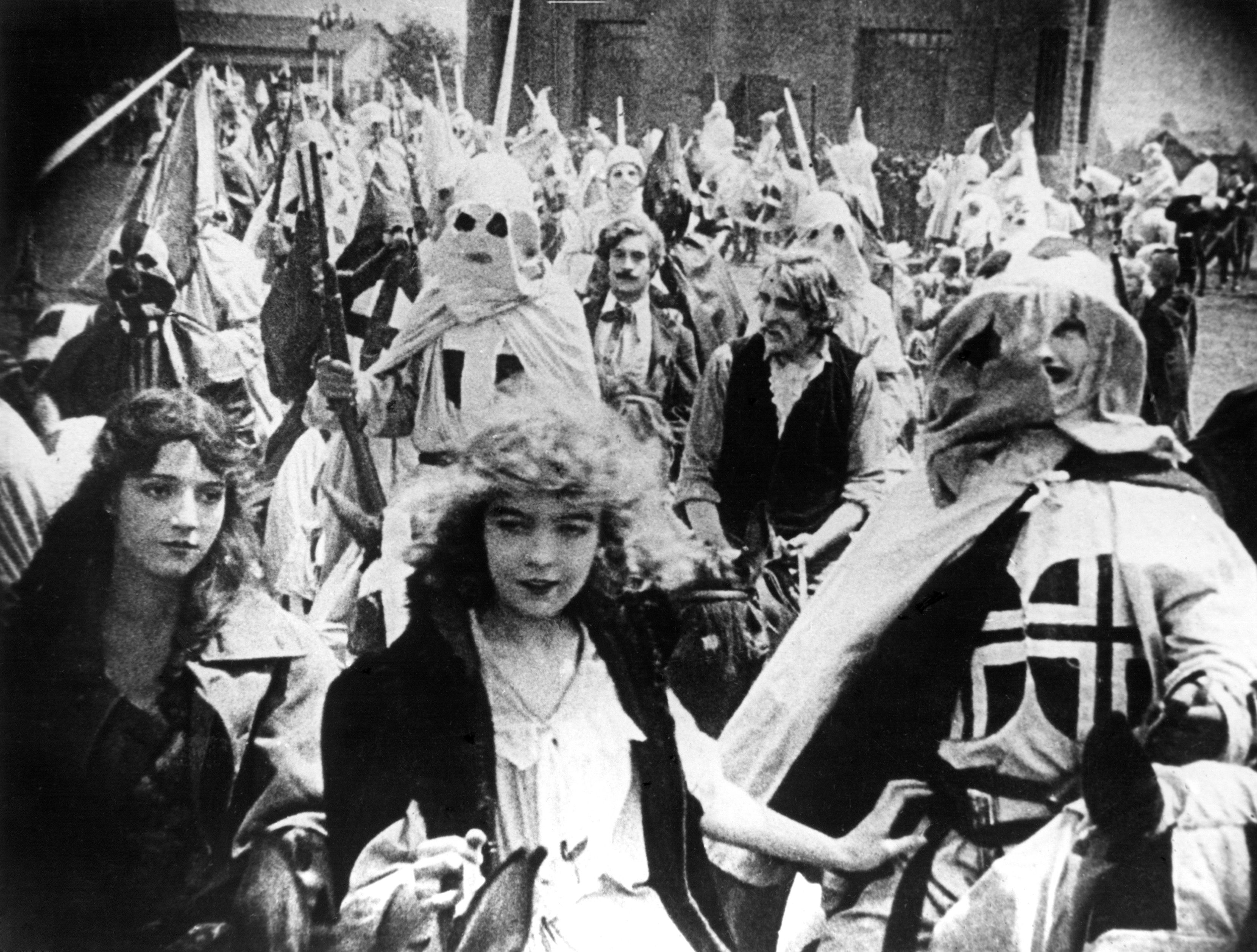
White supremacy triumphant, Birth of a Nation.
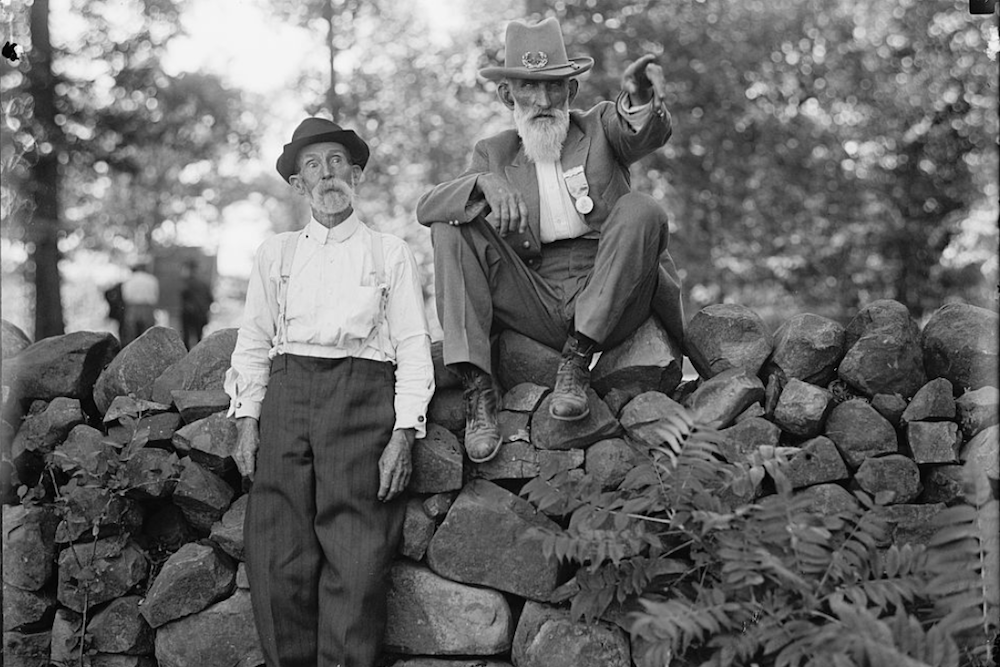
Similar remarks by Southern speakers invited to a Gettysburg reunion in 1913, Professor Jordan notes, rankled the same Union veterans who had protested another unveiling, in 1909, in the Capitol’s Statuary Hall: a sculpture of Robert E. Lee. No matter how chivalrous Lee had been (He never, for example, uttered the word “Yankees,” using instead, in his verbal orders to his subordinates, the term “those people.”), he was a killer, and he had harvested thousands of solders’ lives. The survivors of what they saw as Lee’s war would protest again at the rapturous reception, one that included the Southern-bred President Woodrow Wilson, awarded the 1915 D.W. Griffith film Birth of a Nation, which depicts Klansmen, too, as chivalric heroes who reassert Southern white supremacy over rapacious carpetbaggers and predatory African Americans. “It is like writing history with lightning,” the president said, “and my only regret is that it is all so terribly true.”[6] The most enduring image of the 1913 Gettysburg reunion is that of Confederate survivors of Pickett’s Charge reaching across the stone wall–fifty years before, it had been their objective–to shake the hands of Pennsylvania veterans. What goes unmentioned is the fistfight at the same event that sent seven aged Yankees and Confederates to the hospital.[7]
Two Gettysburg veterans, seemingly reconciled at the 1913 Reunion.
Even as Southern whites reasserted their social and political primacy, American democracy in the North was no tribute to the sacrifice of Civil War veterans, either. The Radical Republican Congress and Andrew Johnson finished what should have been Lincoln’s second term in what resembled the political equivalent of a Western range war. Johnson escaped conviction on impeachment charges by one Senate vote. Grant’s relentlessness and drive had served him well in the struggle against Lee, but another aspect of his personal character—an almost childlike credulity—ate his presidency alive in a series of scandals perpetrated by subordinates who betrayed Grant as surely as Warren G. Harding would be betrayed by his “Ohio Gang” in the 1920s.
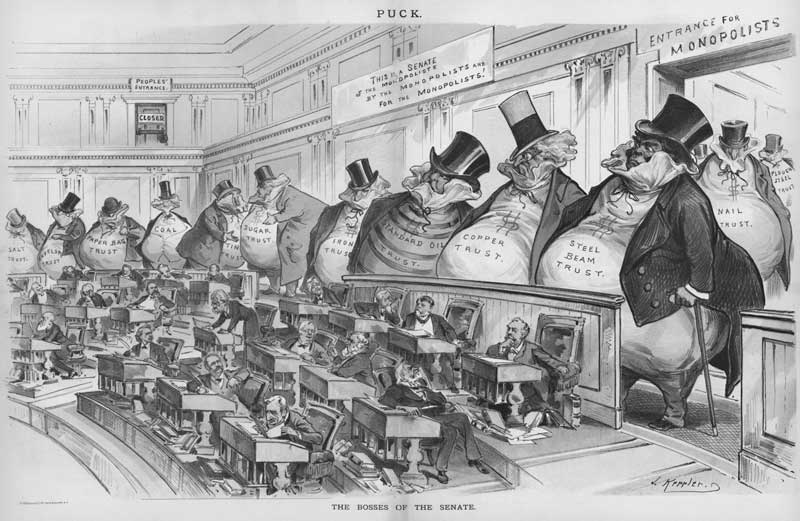
The corruption penetrated to state houses, where the lobbyist for the Santa Fe Railroad kept a slush fund in his office safe for the frequent lubrication of Kansas legislators about to vote on regulatory bills; the monopoly that railroads enjoyed in their American fiefdoms and the freight rates they demanded were so egregious that it cost a farmer more to ship a bushel of wheat from Topeka to Chicago, by rail, than it did to ship that bushel from Chicago to Liverpool, mostly by water. Machine politics dominated cities from New York to San Francisco, where Irish-American voters really did vote early and often, and deceased. In New York, the most famous political machine was Tammany Hall, and it was Tammany Hall’s Boss Tweed who disbursed the equivalent of $4 million to a Tammany-contracted plasterer for two days’ work on City Hall.
The 1889 cartoon “Bosses of the Senate” exemplifies the corruption of Gilded Age America.
In both their disillusionment and in their restlessness, the Civil War generation seems to resemble the generation that came of age during the First World War. After that war, they would become expatriates–Ernest Hemingway, F. Scott Fitzgerald, John Dos Passos among them—young men, many of them veterans, and young women, who no longer recognized or understood the America they’d known as children. They were among the members of Gertrude Stein’s “Lost Generation.”
…[Like}the young people of the 1920s, Civil War veterans were members of a generation on the move. In postwar America, veterans, according to a 2010 study by Seoul University economist Chulhee Lee, were 54% more likely to move to a different state and 36% more likely to move to a different region than non-veterans.[8] Lee posits several reasons for this phenomenon: a central one is the idea that veterans had been exposed to the concept of a wider nation, one beyond their rural farms or row tenements, by campaigns in the South. Westerners, too, fought along the Atlantic seaboard, and some Easterners saw combat or garrison duty during the 1860s Indian Wars on the frontier.
Lee’s point is a key one: Americans had been so isolated and disparate before the war that an outbreak of measles that would make a New York regiment sick would kill soldiers in the Iowa regiment bivouacked alongside, soldiers that, before the war, were so geographically isolated that they lacked the immunity to that particular strain of measles–measles, in fact, killed 11,000 soldiers during the war.[9] The war had begun to break that isolation down, and the troop movements necessary to fighting it had opened young soldiers’ minds to the vastness of their nation and to the possibility of starting over somewhere else.
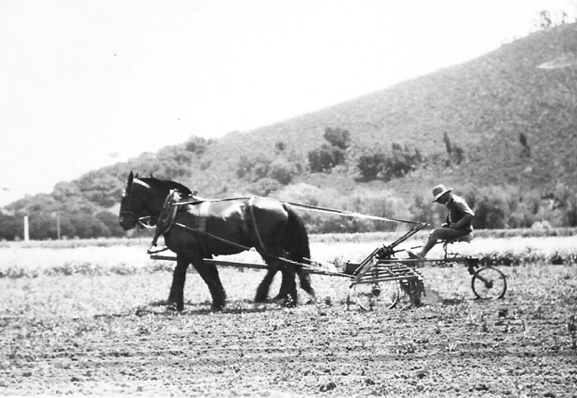
Among the area’s crops were flowers grown for seed. Here, a Waller Farms worker and his team are sowing a field. Photo courtesy Richard Waller
This pattern of increased mobility was a key factor in the lives of Arroyo Grande’s Union veterans. Over fifty would settle the Arroyo Grande Valley and nearby Nipomo. Enough census data exists to follow twenty-three of them, in the course of their lives. After the war, seven of them moved once from the state they’d served as soldiers; seven moved twice. Nine moved three times or more before they came to the Arroyo Grande area. So the men who came here had come as far as they could—like Jody’s grandfather in the Steinbeck novella The Red Pony, they had to stop because they’d arrived at the Pacific: their days of “Westering” were over.
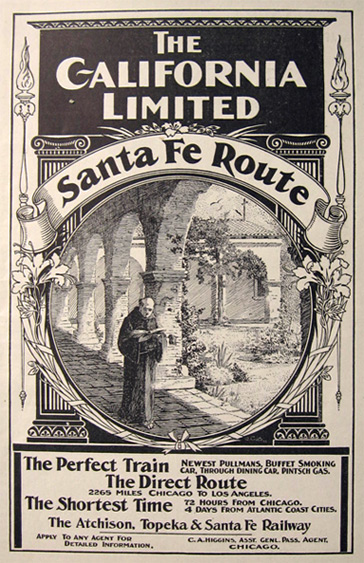
Santa Fe Ad, 1898. The fare from Chicago to Los Angeles was only $25 during the 1880s competition between the Santa Fe and Southern Pacific for California-bound passengers.
[1] Drew Gilpin Faust, This Republic of Suffering: Death and the American Civil War. Vintage Books: New York, 2008, pp. 37-38.
[2] Michael C.C. Adams, Living Hell: The Dark Side of the Civil War, Johns Hopkins University Press, Baltimore: 2014, p. 198.







 A Work in Progress