On the morning of June 5, 1968, I was at the end of my sophomore year at Arroyo Grande High School and for some reason, I was up before my parents. After I’d turned on the television, I went to their room to wake them. Robert Kennedy was dead. My mother said “No,” but the word was drawn-out and painful.
I’ve written before about Kennedy and I have no illusions about him. He was the family’s attack dog, a savage and merciless runt whose assigned mission in life was to serve as his older brother’s protector.
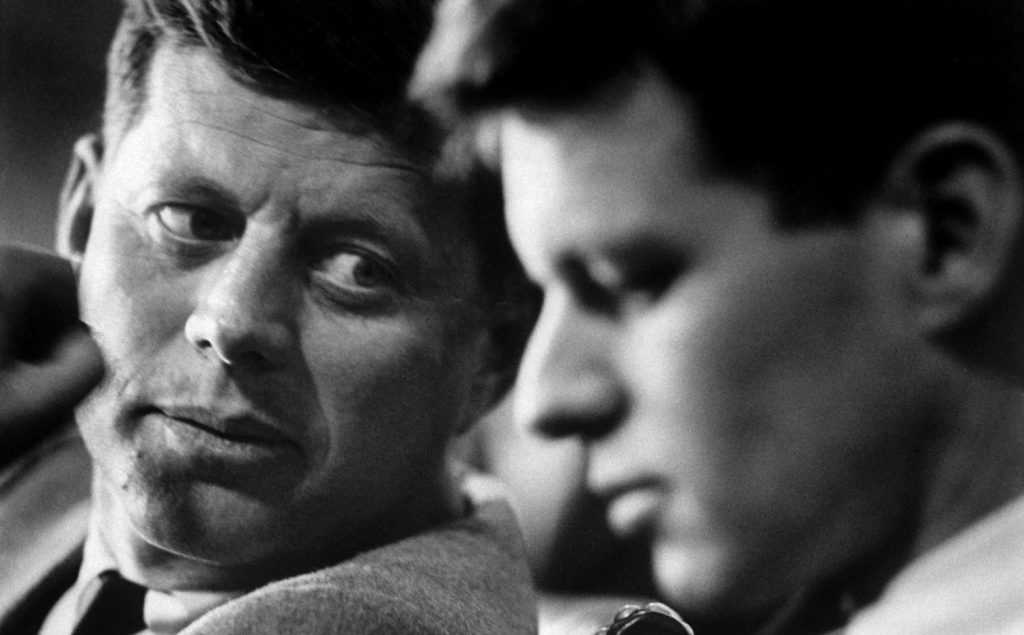
Ironically, I think it was his brother’s death that set him free. Robert discovered an appetite for politics and for power that probably exceeded JFK’s. And now he was free to pursue his ambitions, as Senator from New York and then, in 1968, riding on Eugene McCarthy’s coattails as an antiwar candidate for president.

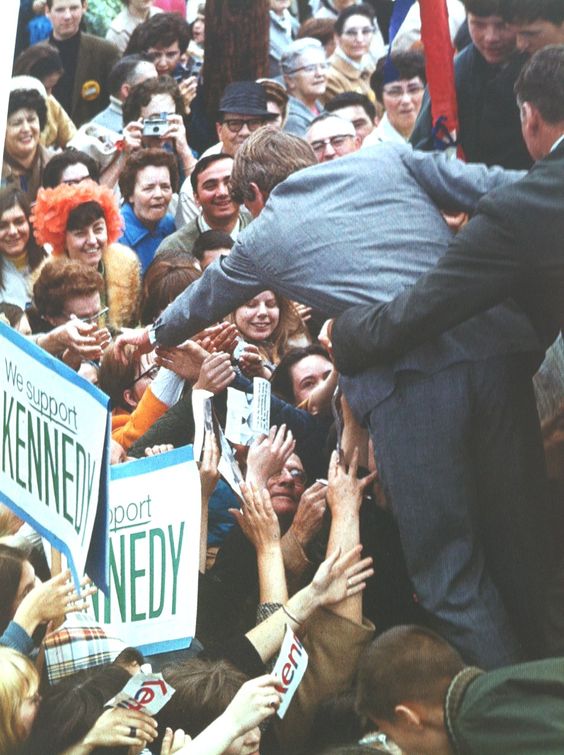
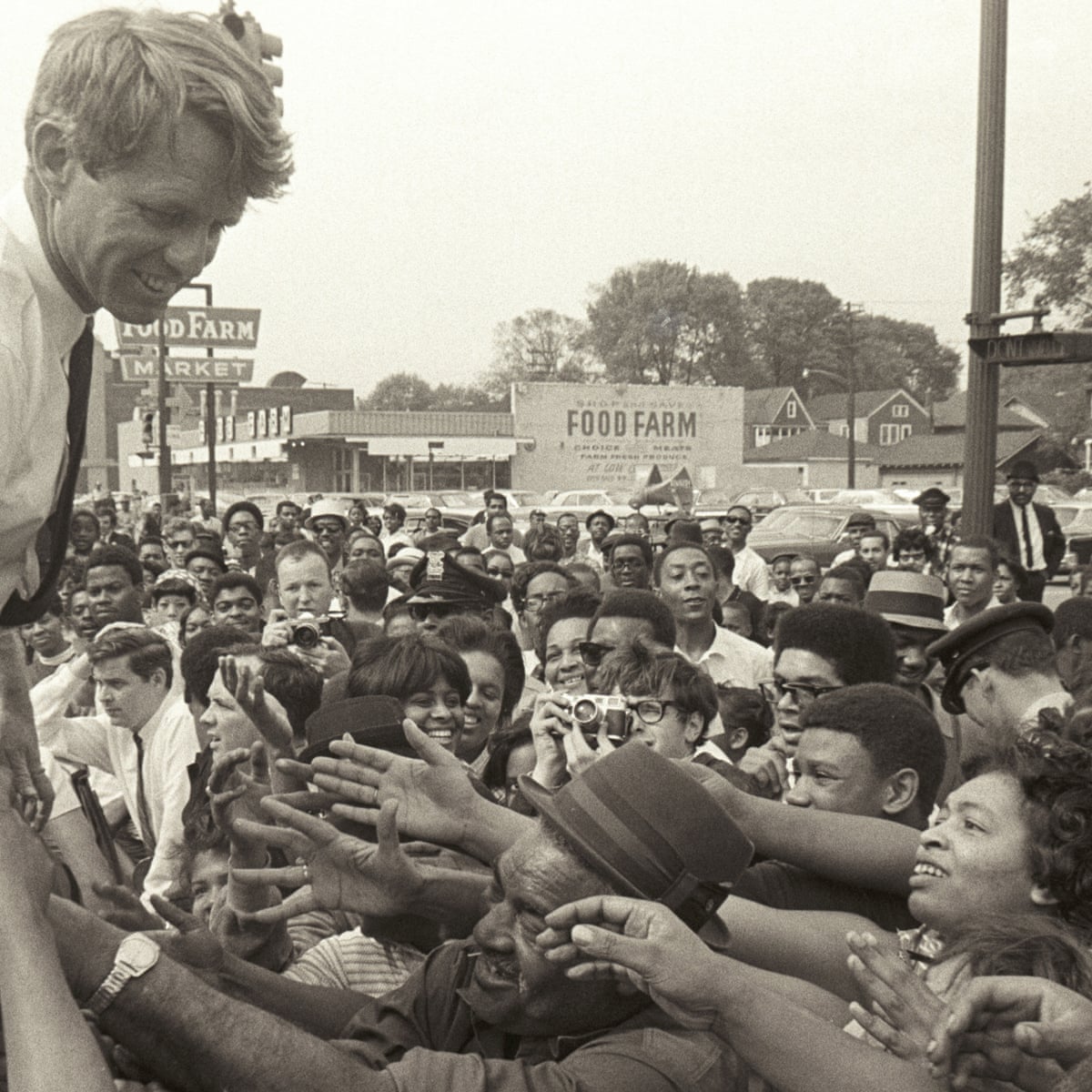
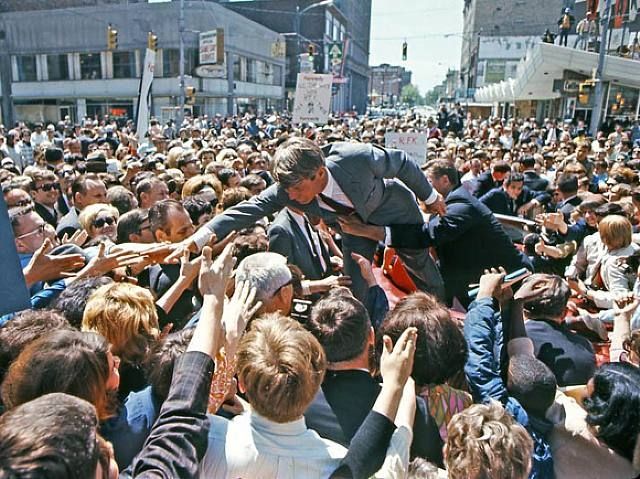
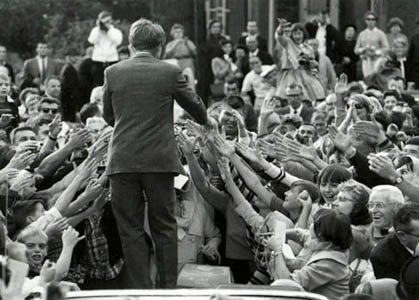
The response to him in that campaign was powerful, and in the old photos, the only equivalent from that time that I’ve found, sadly, is in the crowd greeting his brother in Fort Worth a few hours before the assassination.
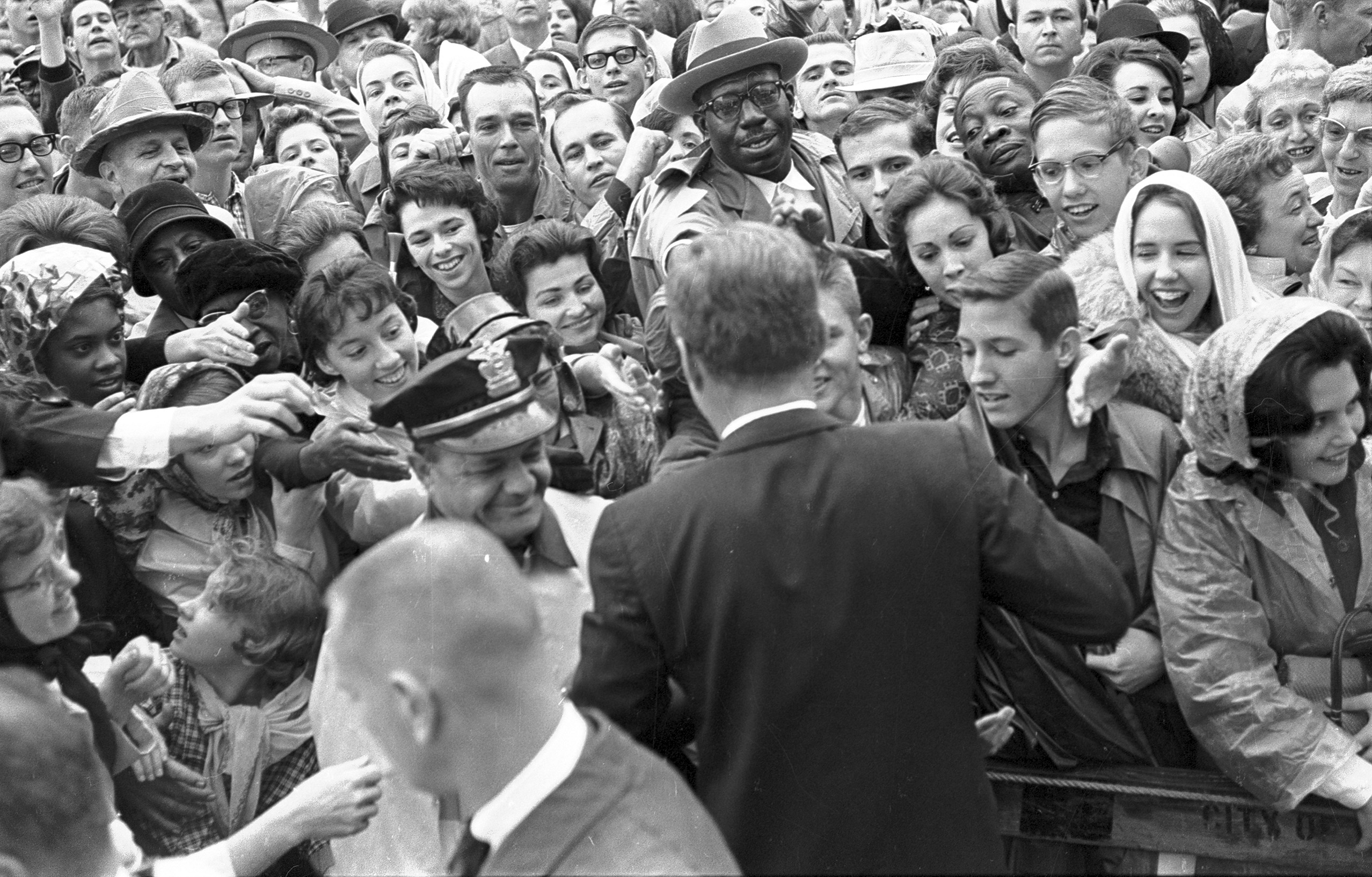
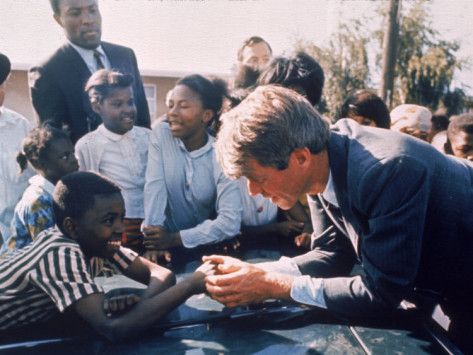
JFK was cerebral and aloof and his little brother—like me— burned hot, but both evoked deep emotions. Robert, for example, could not keep a pair of cufflinks. They were invariably torn off by crowds who felt the overwhelming urge to touch him. Bodyguards grabbed him around the waist to keep him from being absorbed by the people who were so drawn to him. If the brothers were unalike in many ways, the faces of the people who’ve come to see them are similar. They are joyful.
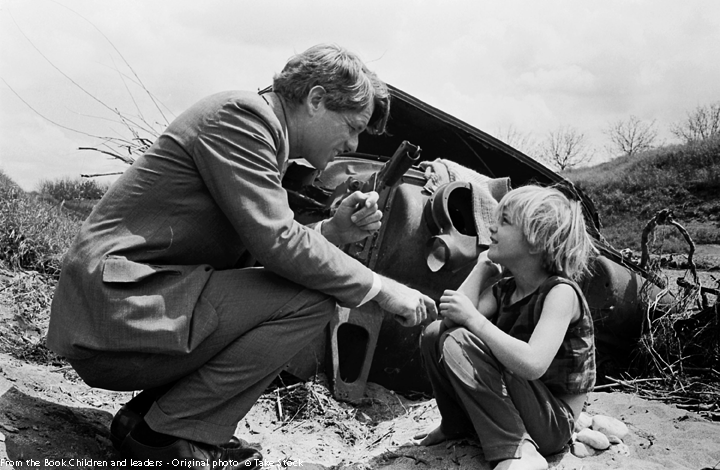
I found his youth compelling; he was relatable, like a favorite young uncle whose visits you always looked forward to. And even then, I recognized his obvious love for children. It’s no coincidence that I became a teacher. This is the man that pointed the way for me.
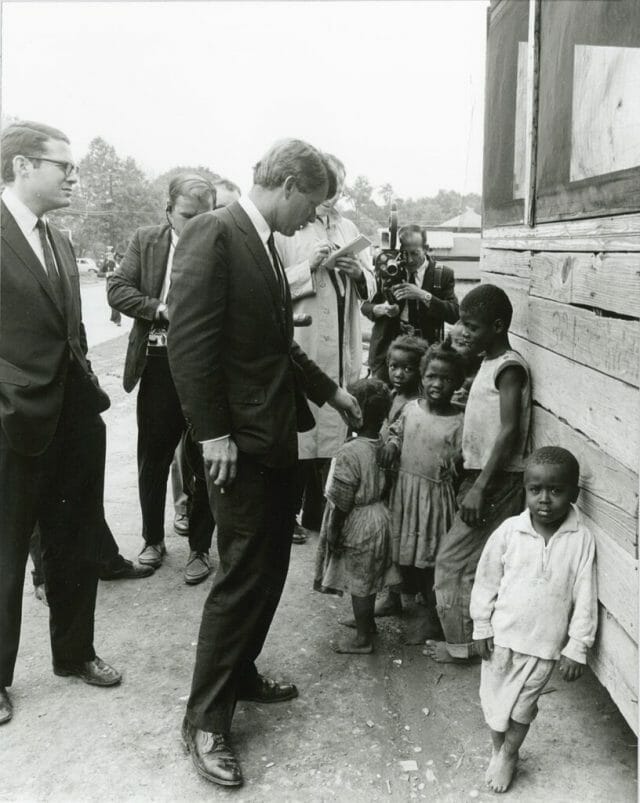
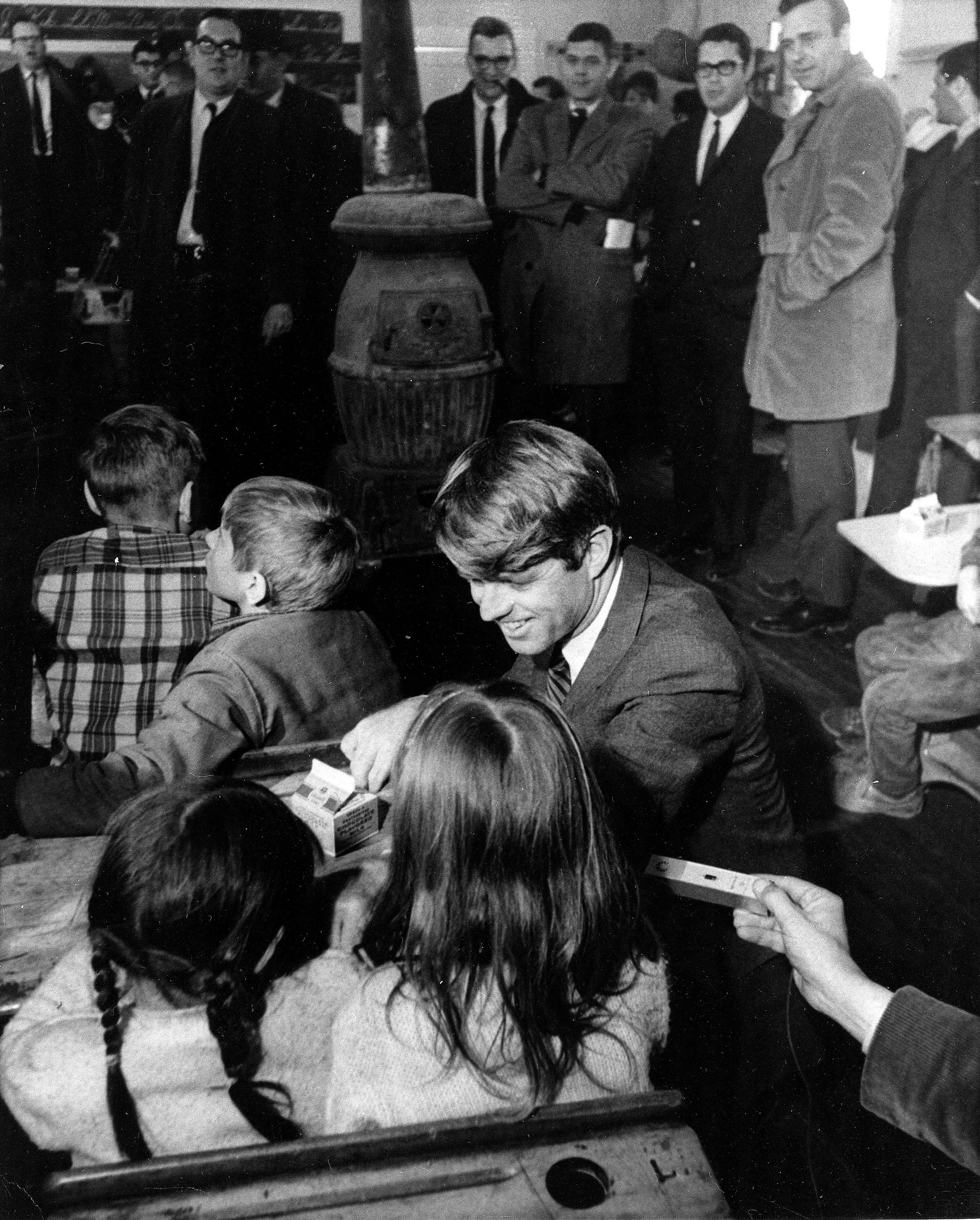
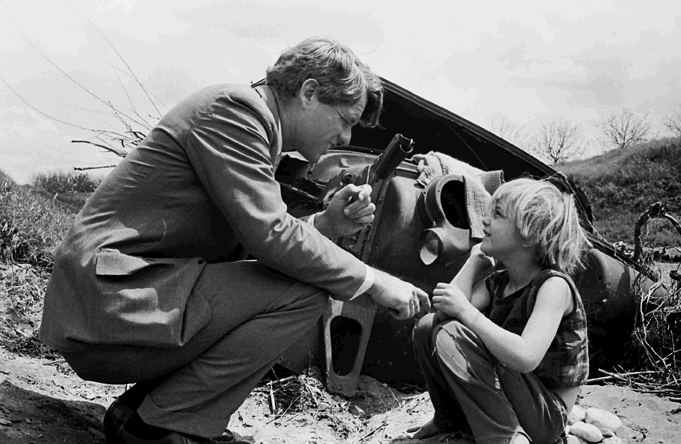
And, since after June 5, 1968, there seemed to be no one left to believe in, I was, as he had been, painfully and disconcertingly free. At sixteen, I would have to begin to make my own way in a painful and disconcerting process that took almost twenty years. I found my way only when I was surrounded by children.
That was such a long time ago. And that night in the Ambassador Hotel kitchen was such a long time ago. Robert Kennedy was forty-two when he died and, in the way time changes us, the man who was my hero, lost on this day in history, will always be young enough to be my son.
Below is the trailer for the HBO documentary on RFK’s funeral train, which took his body from the funeral Mass at St. Patrick’s in New York City to his rest in Arlington National Cemetery.
 A Work in Progress