I taught European history for many years at Arroyo Grande High School and so wound up leading summer trips for students so they could see some of the places we’d studied. The 2010 trip focused on Western Europe in World War II and during one of the stops we found ourselves in Bastogne, Belgium.
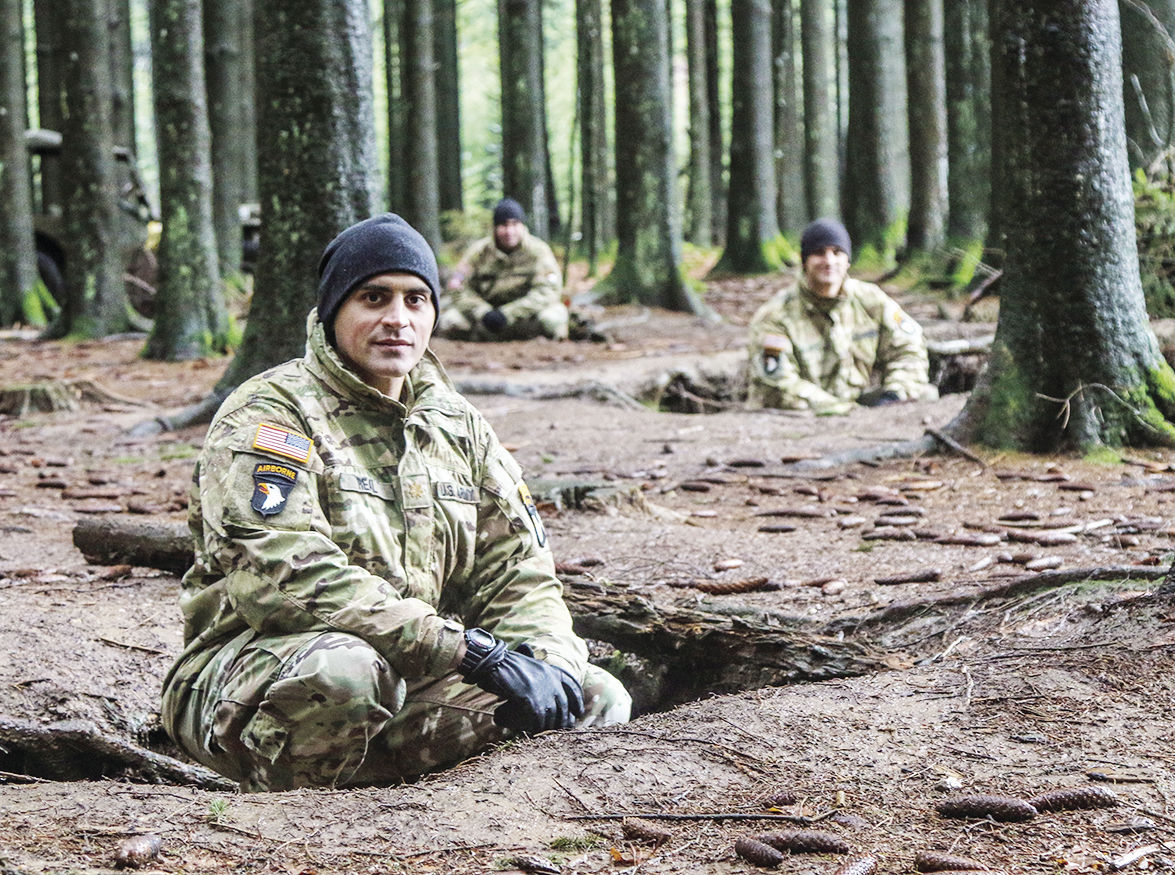
Bastogne, of course, won fame in the winter of 1944-45 when the town and the woods around it were occupied by the American 101st Airborne. Although surrounded completely by the Wehrmacht, the German army, the airborne troops refused to surrender. They were downright rude about it. “Nuts!” the airborne artillery officer in charge, Anthony McAuliffe, told the German delegation that offered humane surrender terms.
What does that mean? The German delegation asked.
It means “go to hell,” they were told.
That’s the sanitized version. I imagine the reply was closer to something the Wehrmacht could do to itself were it not anatomically and militarily impossible.
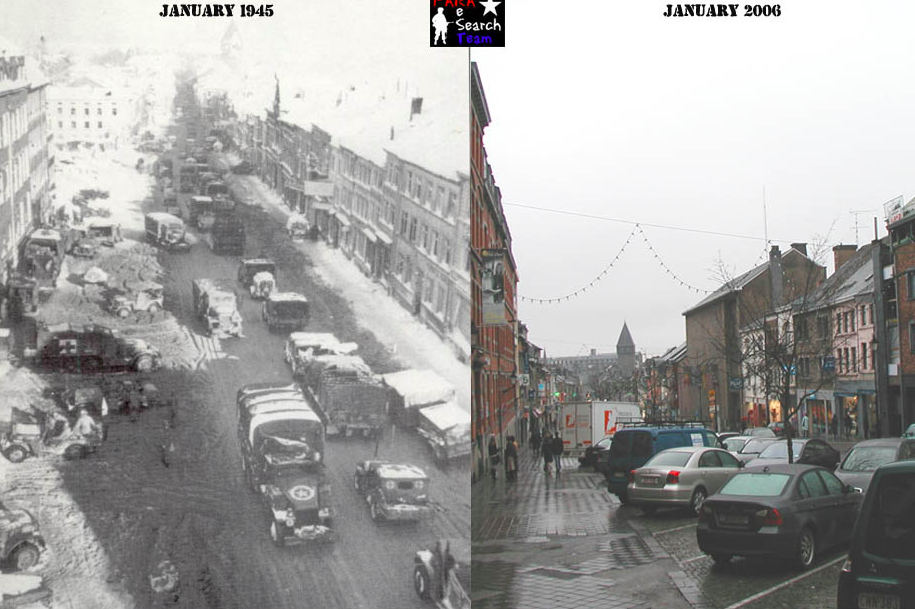
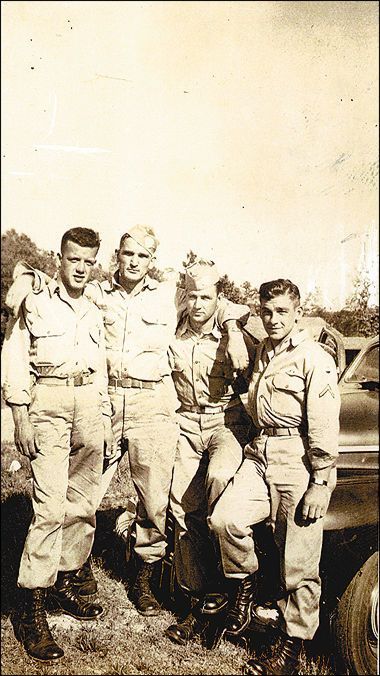
The 101st held on until they were relived–one of them, Art Youman, a member of the 506th Parachute Infantry’s famed Easy Company, was from Arroyo Grande. In holding on, during the coldest winter in Europe in thirty years, the paratroopers ruined the German timetable for their offensive, and the timetable was precious to the offensive’s success. The 101st’s stubbornness helped defeat the Germans, rich in steel but oil-poor, in what came to be called the Battle of the Bulge because they simply ran out of the fuel they needed to drive their panzers— their tanks and trucks and their mobile artillery.
None of that history mattered to the Bastogne lady giving our tour group the stinky eye in the creperie the day of our visit. All that Belgian-American amity built up during and since the war had dissipated in her eyes. Not only were we Americans–we laughed too loudly, chewed gum, were innocent of all languages other than a strange Southern California variant of Standard English, and we were (horrors!) a bunch of teenagers.
Despite the daggers the lady cast our way, I spotted one redeeming feature: in her lap was a small dog, secured by a chain leash. On my cell phone, I had a photograph of our Basset, Wilson, who passed away at thirteen earlier this year. “Wilson,” our neighbor said, “was a dog for the Ages.” Our neighbor was right.
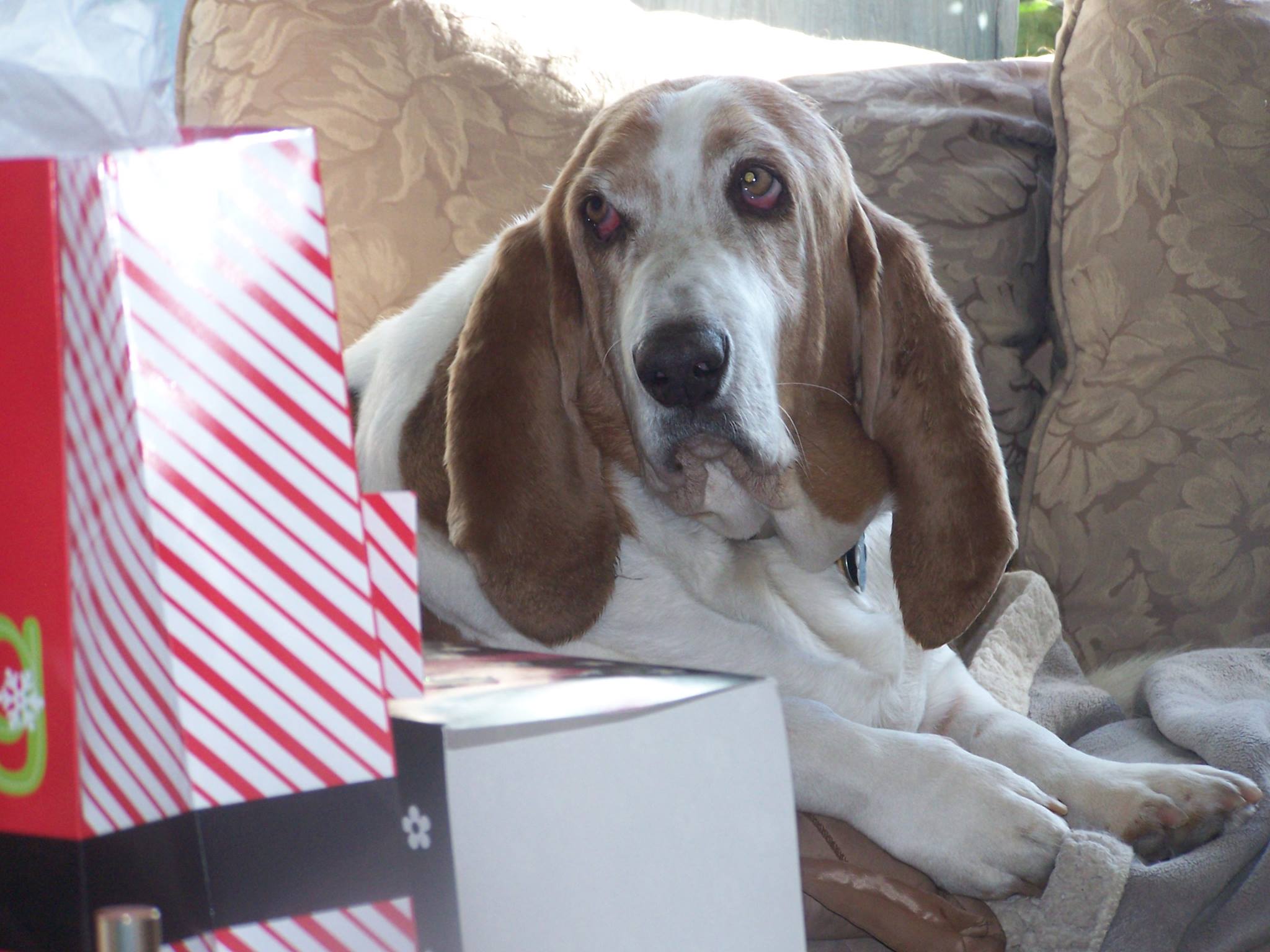
This is why: I walked over to the lady and showed her the picture of Wilson. She grew so excited that she dropped her small dog.
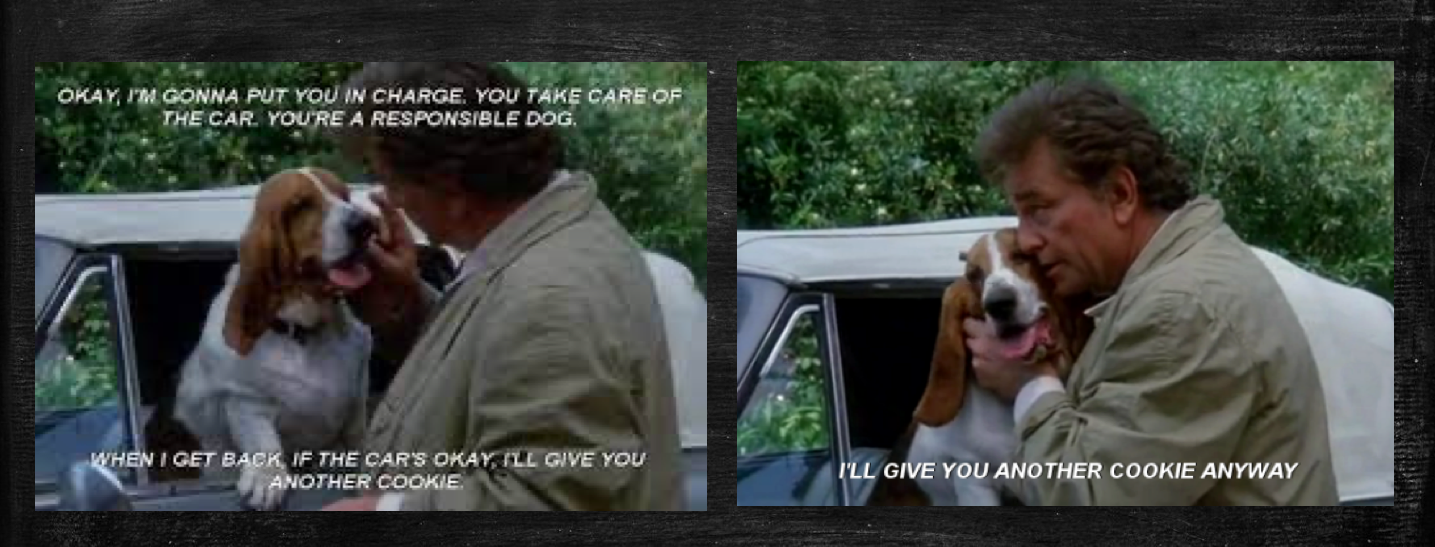
“COLUMBO!” she shouted with delight. I could hear her dog’s nails askitter on the tile floor.
Her husband just then came out of the restroom. She gestured toward me—her little dog went with her, like laundry fluttering on a clothesline–and my cell phone. The husband looked.
And shouted “COLUMBO!” with delight.
We were all friends after that.
I have been convinced ever since of the singular ability that Basset hounds have to bring harmony to a disordered world. They should be the Official Dog of the United Nations.
Of course, the syndication of old Universal Studios detective shows played a part, as well. Despite your characteristically rumpled appearance, Lieutenant Columbo, I offer you a snappy 101st Airborne salute, sir.
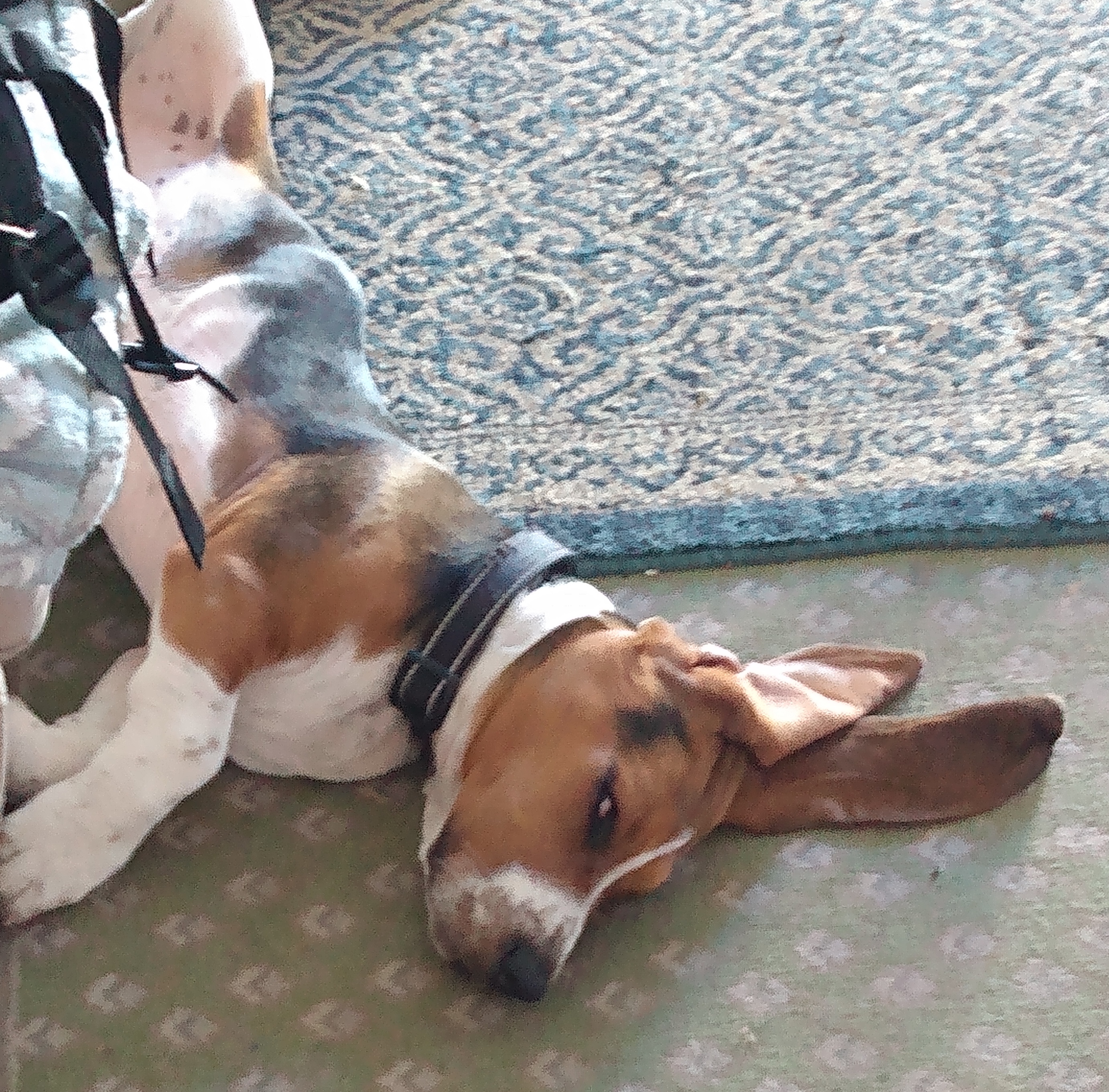
And I offer for your viewing enjoyment another Basset hound photo. That’s Walter. We adopted him in March and drove so far south to meet him—way, way past San Diego—that his vaccination papers were in Spanish.
Wilson, Walter. What was the name of Columbo’s dog? I had to look it up: It was “Dog.” He was a dog for the ages, too.
 A Work in Progress