A World War I-vintage 155-mm artillery piece could hurl a 95-pound shell 20,000 yards.
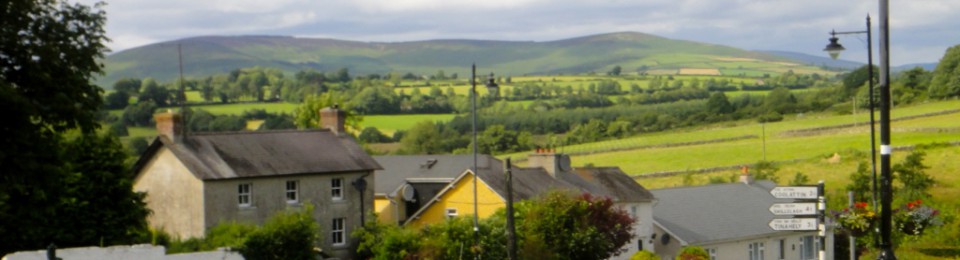
If you’d been driving north to San Luis Obispo on the old two-lane 101, there was a a battery of these beasts on the hillside to your right as the road begins to curve inland, headed for true north.
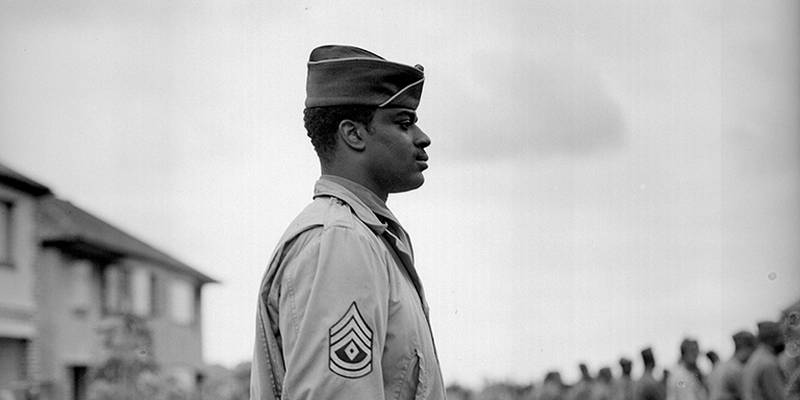
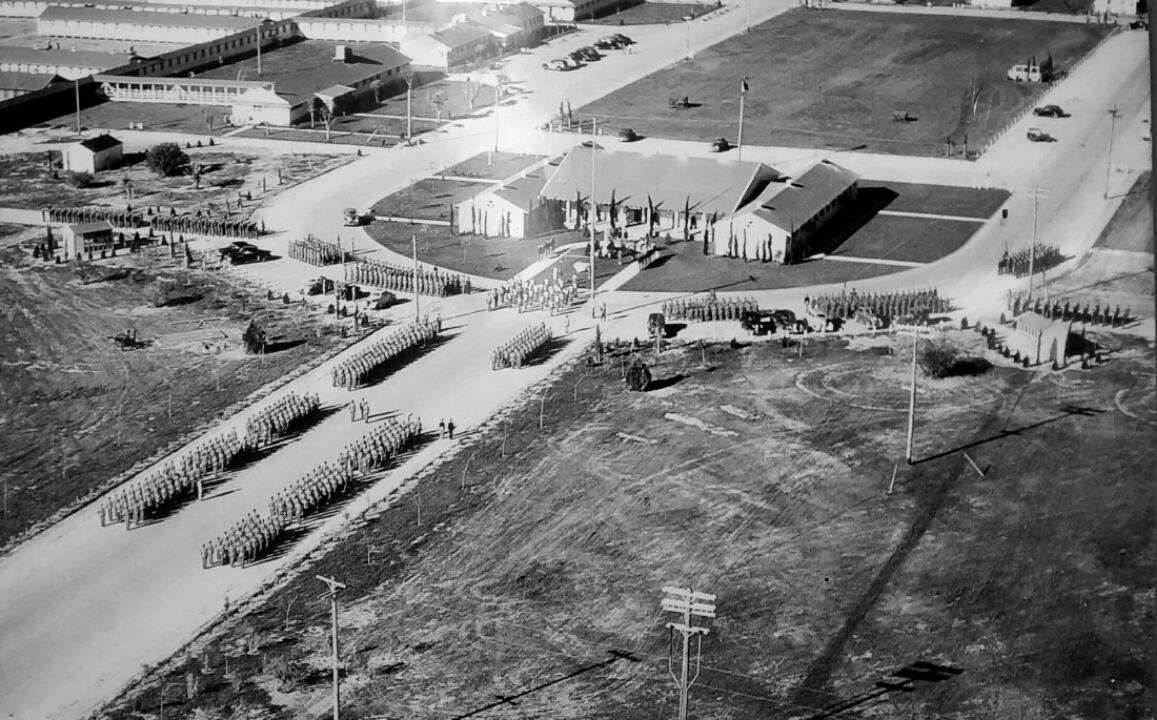
They were there to guard San Luis Bay and they were manned by G.I.’s from the 54th Coast Artillery, an African-American unit that had trained at Fort Fisher, North Carolina–taken from the Confederacy by the Union Army in January 1865–before some of them wound up serving in our county between 1942 and 1944.
I learned this today over lunch, a treat from military historian Erik Brun, who is researching the 54th during the unit’s stay here.
Erik told me that White North Carolinians were not at all fond of having Black G.I.’s close by–even though these soldiers were learning to handle guns that theoretically could inflict considerable discouragement on the U-boats hunting their quarry just offshore.
Those people had forgotten World War I, when 10 merchant ships were torpedoed off the Outer Banks.
In World War II, the U-boats claimed 80 ships. North Carolinians could easily see the glow of burning tankers in the shipping lanes off their coast.
They couldn’t see the crews thrown into the burning water.
So they didn’t want the 54th Coast Artillery anywhere near.
Detachments from the 54th would come to us instead, charged with defending Estero Bay as well as San Luis Bay. And so, for a brief time, Black G.I.’s were part of daily life here.
Some of the 54th’s soldiers played baseball against Arroyo Grande Union High School. A 54th officer–officers were White– married Lorna Folkerts of Arroyo Grande in a candlelit ceremony in a Camp San Luis Obispo chapel. And in 1943, an octet from the 54th sang for South Countians in a holiday concert at the Pismo Beach Army Recreation Camp. The barracks at the Rec Camp had once stood on the site of today’s Arroyo Grande Woman’s Club, where they were built in 1934 to house 230 Civilian Conservation Corps workers from Delaware, New Jersey and New York City.
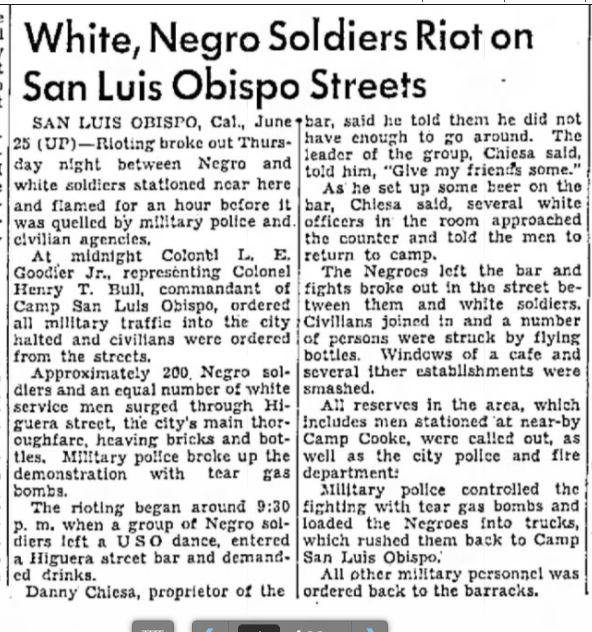
But the history of Black GIs in San Luis Obispo remains fraught. In June 1943, rioting broke out in San Luis Obispo and it made newspapers throughout America. This is from the June 25, 1943 Salt Lake City Tribune:
I have been trying to wrap my head around this. In an email to my friend Erik, I tried to explain it to myself.
* * *
It just occurred to me to look up the summer of 1943—what happened in SLO seems part of a national trend. There were race riots in —Mobile, Alabama (May 25) —Los Angeles (The Zoot Suit Riots, June 5-8) —Beaumont, Texas (June 15-17) —Detroit (June 20-22; 34 killed) —San Luis Obispo (June 24) —Harlem, NY (August 1-2)
It strikes me that racial tensions would’ve been intense here and across the nation.
The movement of Black Americans into defense jobs during the war was a factor in Mobile and Beaumont, where Black and White shipyard workers worked. The population influx, resulting housing shortages and competition between Black and White defense workers generated increasing tensions as the shipyards reached full production.
The same was true in Detroit, which created thousands of defense jobs—the city was a focal point for the Great Migration, where you could once find entire city blocks settled by families from the same county in Mississippi —but where housing shortages were (and are) notorious in the Black community and casual but cruel racism was, in 1943, a constant.
A similar influx, but of soldiers, happened here, in a little town not fully equipped to deal with thousands of GIs, including a shortage of places to entertain them. Blacks and Whites coming together (and the latter in such large numbers) and in seeming competition might’ve led to the kind of hostility seen in the shipyards.
It strikes me, too, that racism, including the stereotyping of Black Americans, might’ve typified a town like San Luis Obispo, which had little experience in interacting with them, including the soldiers of the 54th.
There’s a faint similarity, then, to the background of the Zoot Suit riots. Los Angeles was growing in the late 1930s and the war (e.g. the aircraft industry) accelerated it; the city did not plan well and the kind of housing problems that marked Detroit—as well as racism and job discrimination—were common to the Mexican-American community, which included Chavez Ravine.
But it was the decision to place a Naval installation there that resulted in fraught relations between sailors—outsiders, many from the Midwest or the South, who had little understanding of the Mexican-American community— and local residents. The two groups were strangers to each other, as was White San Luis Obispo to the 54th. So the Ravine in L.A. and Danny’s Bar on Higuera became flash-points for two of the 1943 riots.
* * *
I guess because I took a year of the History of the American South in college, at the University of Missouri, I’ve always been fascinated by this part of our history, by which I mean Black History, by which I mean American History.
My Dad, a quartermaster officer who grew up in Texas County, Missouri, was a small part of that history.
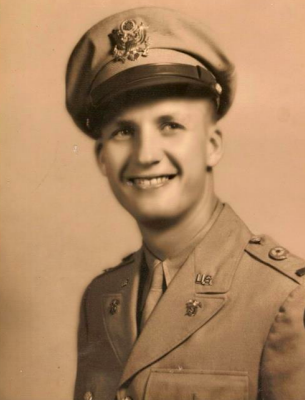
On the troopship to England, Dad was issued a .45 sidearm. It wasn’t for Germans. It was for Black soldiers, truckers, suffering belowdecks in the North Atlantic crossing. I wrote about this:
These were the men who would drive the deuce-and-a-half trucks on the Red Ball Express. It was my father’s job the organize and send some of these truckers, in gasoline supply companies, to the 1944 beachhead in Normandy, where details from George Patton’s Third Army would arrive regularly to kidnap them so that the great general would be the first to the Rhine, the natural border between France and Germany.
In this, Patton would succeed, but it was the Red Ball express that made his moment, captured by wire service photographers, possible.
Along the way, the black truckers died under artillery fire, died from worn out brakes and frayed tires and died from the irresistible urge to fall asleep on darkened roads that led irrevocably east, from the Seine Valley to the Ardennes.
To stay alive, they learned to drive at night without headlights. If a driver felt that sleep was too powerful to resist, he learned to switch seats with his passenger and comrade while the truck was moving. When the trucks didn’t move fast enough for the Red Ball drivers, they modified the governors on their trucks’ carburetors. When the trucks broke down, they resurrected them.
On a typical day, 900 trucks were on the road, spaced at sixty-yard intervals, to keep Third Army fed and its trucks and tanks fueled.
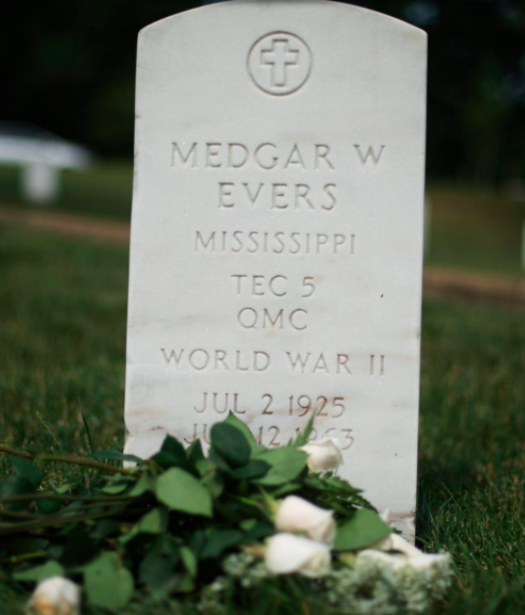
One of the Red Ball veterans was named Medgar Evers. After the war, he became a civil rights activist. A sniper took his life near Jackson, Mississippi, in 1963, with a Lee-Enfield rifle, the infantry weapon issued the British soldiers who became my father’s wartime friends.
Medgar Evers was thirty-seven years old. His wife, Myrlie, who would become a formidable activist in her own right, and his three children were at his graveside when he was buried at Arlington.
Medgar’s killer was convicted. It took thirty-one years.
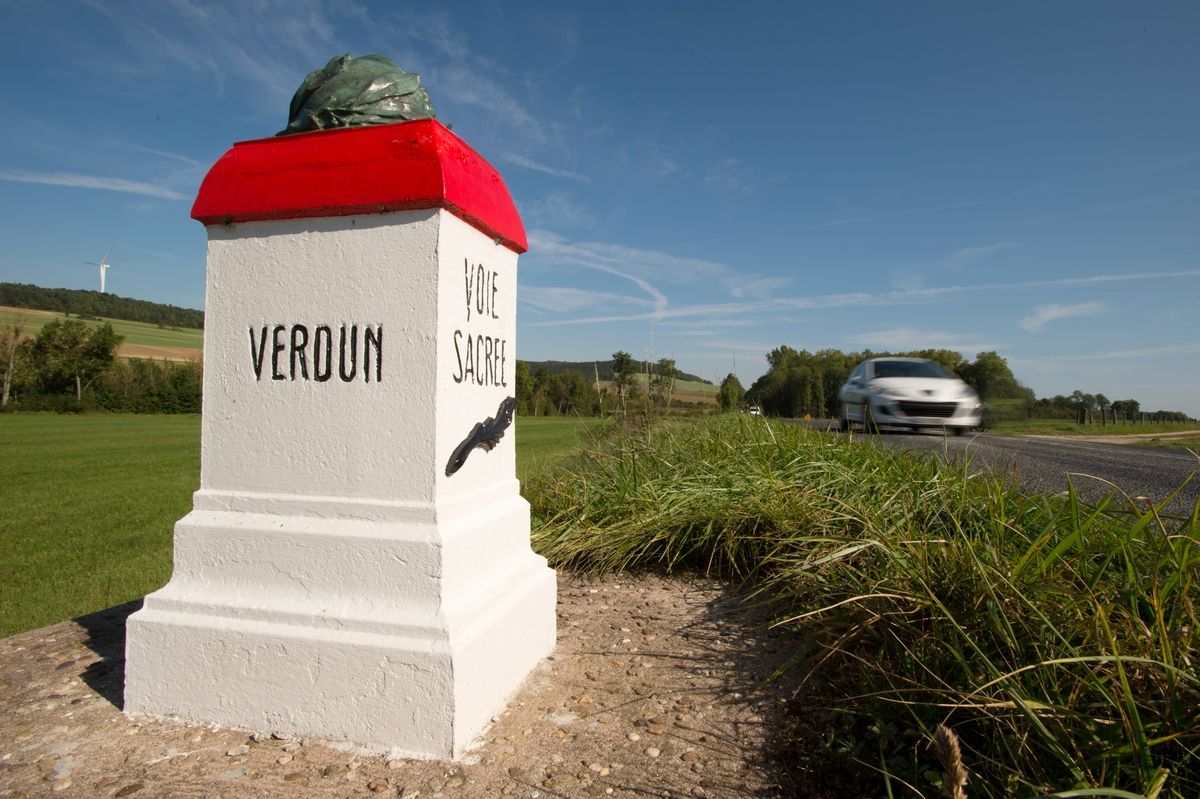
The 1916 Battle of Verdun was one of the ghastliest in twentieth-century history, claiming over 300,000 French and German lives and vaporizing seven French villages. But the French have honored their military truck drivers who were part of that terrible battle: The road to Verdun is called La Voie Sacree—The Sacred Way— and, as you approach the battlefield, which my students and I visited in 2010, markers commemorate French soldiers, the poilus, who drove the trucks.
So the French remember. What Arroyo Grande farmer Haruo Hayashi remembers during his time training with the 442nd Regimental Combat Team in Mississippi was the rigidity of Jim Crow. He couldn’t understand why Black soldiers weren’t allowed to watch USO shows inside the Camp Shelby (named after a Confederate cavalry officer) gymnasium. It bewildered him.
Haruo’s family was behind barbed wire at the Gila River internment camp.
So my time with Erik today gave me a lot to think about
This video shows a crew working the same kind of gun the 54th knew so well.




 A Work in Progress