
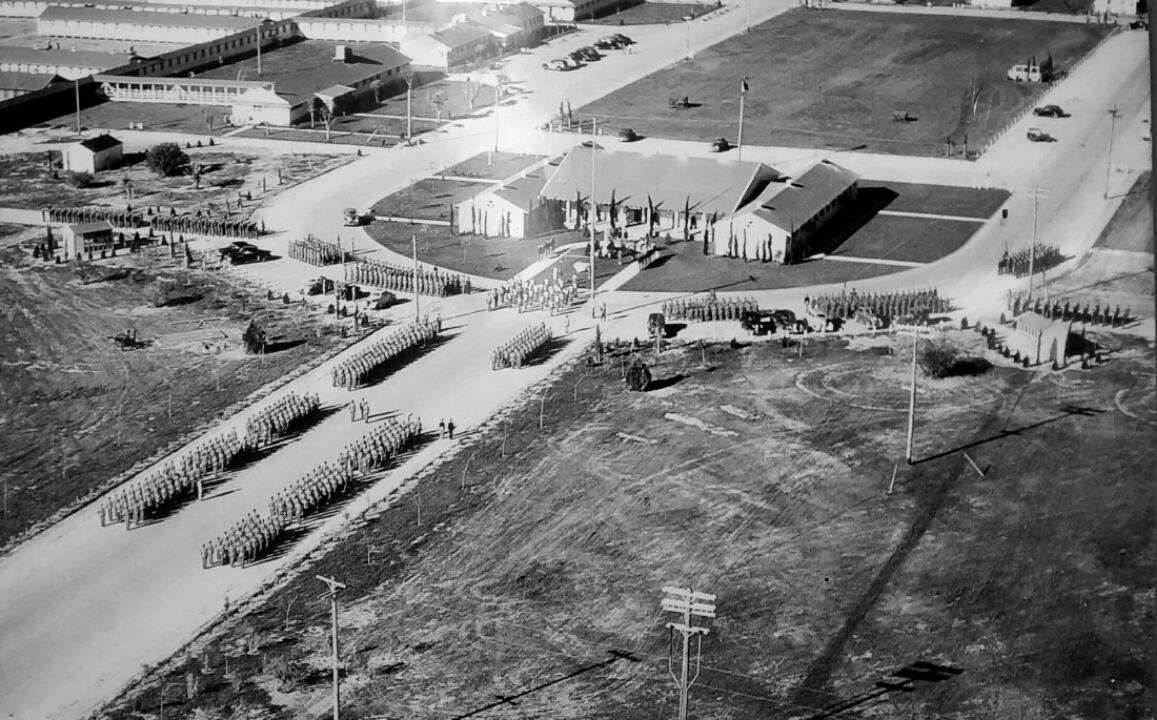
Early in World War II, my Dad was stationed at Gardner Field in Taft. He was a marksman with both the 1903 Springfield and the M1 Garand, which is just above middling, but he was lethal when handling a shotgun. His last shotgun was a lovely Spanish over-and-under, and when Dad led a cock pheasant, the bird was doomed. No matter. The Army sent him to London with a typewriter and adding machine. He was a Quartermaster officer.

One of his jobs was to organize and dispatch gasoline supply companies to Omaha Beach, where George Patton would promptly steal them.
Another young man stationed at Gardner Field flew P-51 Mustangs into combat and, oh yes, broke the sound barrier two years after the war had ended.
Here’s one way that fellow entered my life. Elizabeth and I were on a JetBlue flight from somewhere to somewhere else when the pilot’s voice came over the intercom:
“Ladies and gennulmen. If y’all look out the starboard side of the cabin you’ll see a cloud that looks jes’ like a little ol’ puppy dog.”
Because I’d read and so enjoyed the writing of the late Tom Wolfe, I realized suddenly where that voice came from. This passage is from The Right Stuff. It’s kind of fun.
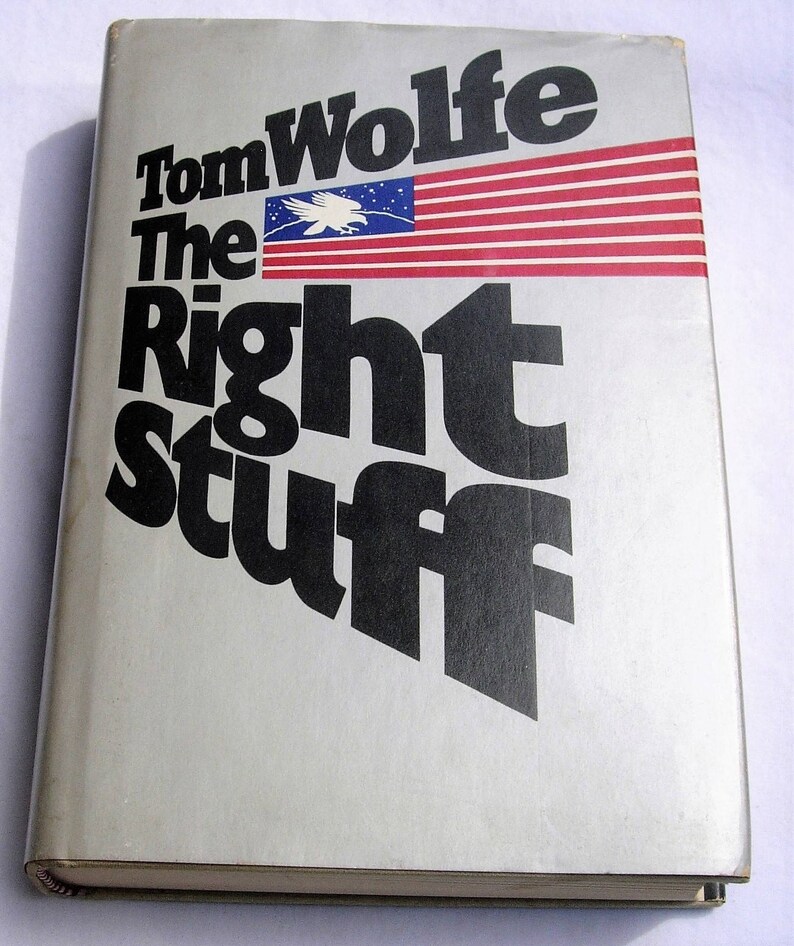
Anyone who travels very much on airlines in the United States soon gets to know the voice of the airline pilot… coming over the intercom… with a particular drawl, a particular folksiness, a particular down-home calmness that is so exaggerated it begins to parody itself (nevertheless!—it’s reassuring)…the voice that tells you (on a flight from Phoenix preparing for its final approach into Kennedy Airport, New York, just after dawn): “Now, folks, uh… this is the captain… ummmm… We’ve got a little ol’ red light up here on the control panel that’s tryin’ to tell us that the landin’ gears’re not… uh… lockin’ into position when we lower ’em… Now… I don’t believe that little ol’ red light knows what it’s talkin’ about—I believe it’s that little ol’ red light that iddn’ workin’ right”… faint chuckle, long pause, as if to say, I’m not even sure all this is really worth going into—still, it may amuse you…
…Well!—who doesn’t know that voice! And who can forget it!—even after he is proved right and the emergency is over.
That particular voice may sound vaguely Southern or Southwestern, but it is specifically Appalachian in origin. It originated in the mountains of West Virginia, in the coal country, in Lincoln County, so far up in the hollows that, as the saying went, “they had to pipe in daylight.” In the late 1940’s and early 1950’s this up-hollow voice drifted down from on high, from over the high desert of California, down, down, down…into all phases of American aviation. It was amazing. It was Pygmalion in reverse. Military pilots and then, soon, airline pilots, pilots from Maine and Massachusetts and the Dakotas and Oregon and everywhere else, began to talk in that poker-hollow West Virginia drawl, or as close to it as they could bend their native accents. It was the drawl of the most righteous offal the possessors of the right stuff: Chuck Yeager.
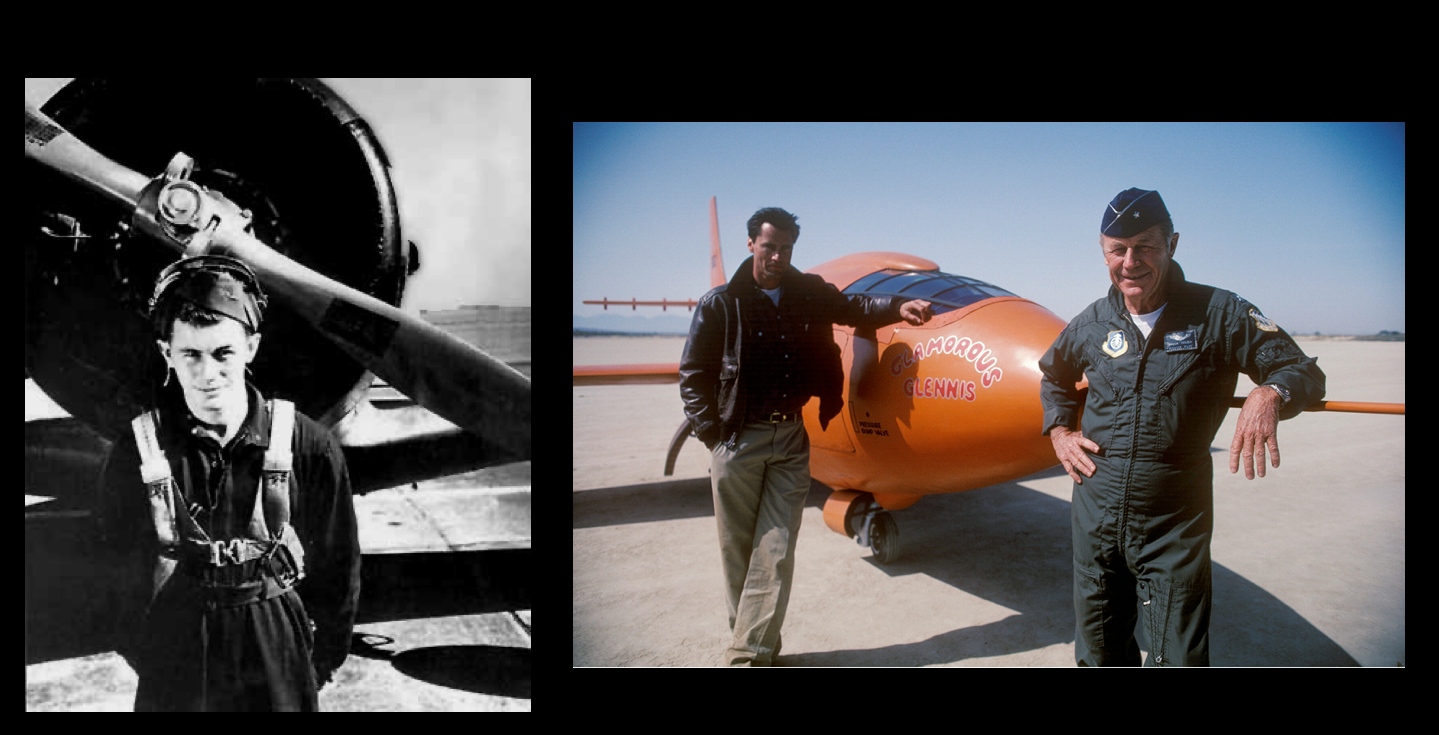
Wolfe became one of my role models as a writer, along with Ernest Hemingway, Hunter Thompson, Graham Greene, Bruce Catton, Dave Barry and Barbara Tuchman. The film version of The Right Stuff included a masterful performance by playwright/actor Sam Shepard, who comes face-to-face with the real Chuck Yeager, a bit player, in a couple of scenes. This, the crash of an F-104 Starfighter–the West Germans called the Starfighters we foisted on them “Widow Makers”–is a stunning bit of filmmaking.
 A Work in Progress