
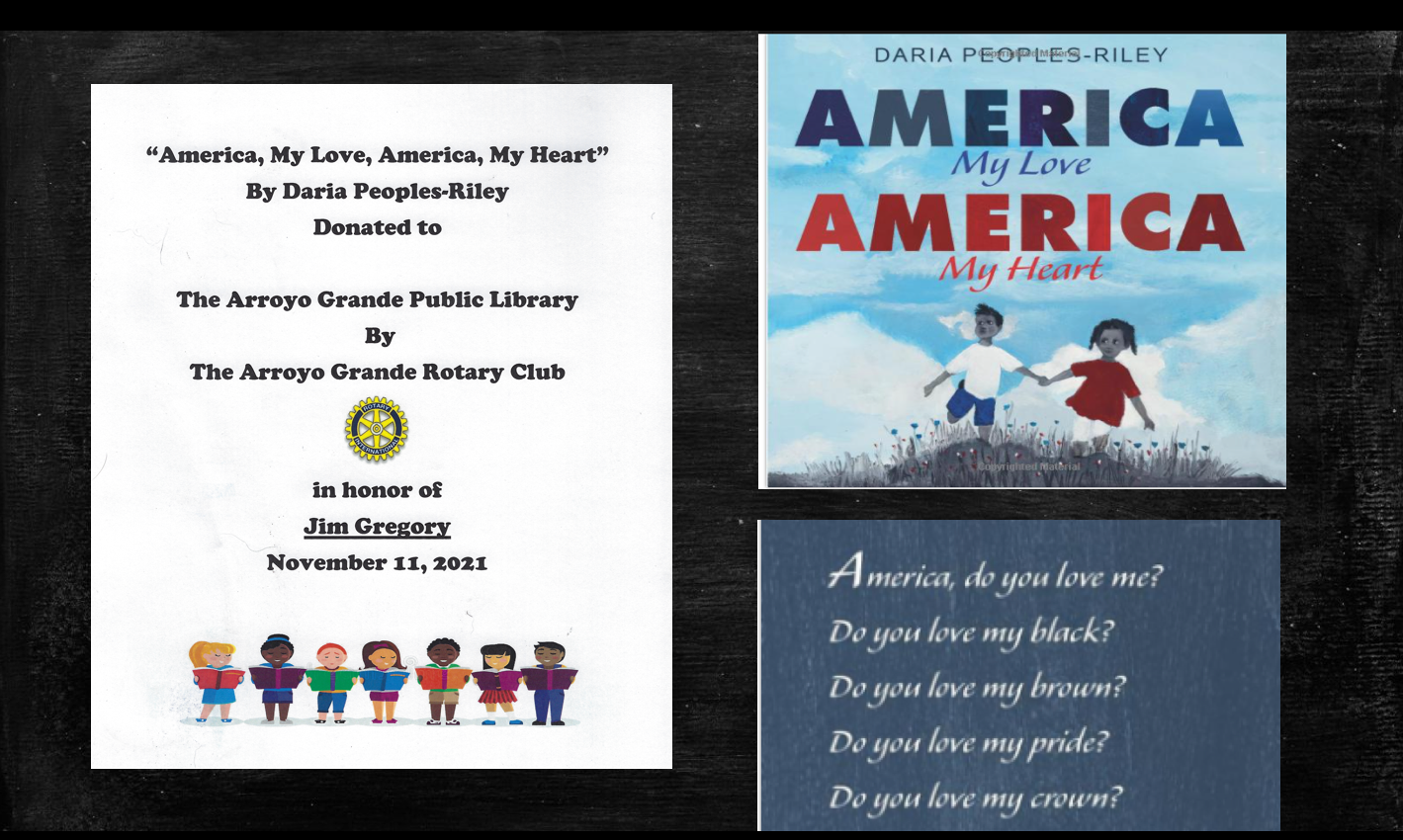
Okay, this was a big deal. The Rotary Club of Arroyo Grande, in gifting our library with this book, has divined my subversive message in teaching U.S. History for almost thirty years: We are all Americans and we all belong to each other. I spoke to the Rotary Club about Arroyo Grande’s Civil War veterans. What else could they have fought for except for the idea that we are all Americans?
No one taught me this concept better than Mr. Ryan Huss, my colleague at AGHS. He came up with one of the junior U.S. History assessments for Arroyo Grande High School, a 1920s newspaper the students created.
Here’s just one example of what that assessment taught them.

When White 17-year-olds from Arroyo Grande, California, learned about the life of Louis Armstrong, a Black prostitute’s son from New Orleans, Louisiana, nearly every single newspaper at unit’s end had an article about Louis Armstrong.
They caught what a masterful trumpet player Bix Beiderbecke, the son of German immigrants—“Bix” is short for “Bismarck,” the Iron Chancellor— to Davenport, Iowa, caught one night when a Mississippi riverboat approached out of the fog on the great river’s surface. There was a jazz band aboard, and Beiderbecke heard the sweet—and saucy—notes of Armstrong’s cornet floating above the steamer’s superstructure. He was enchanted.
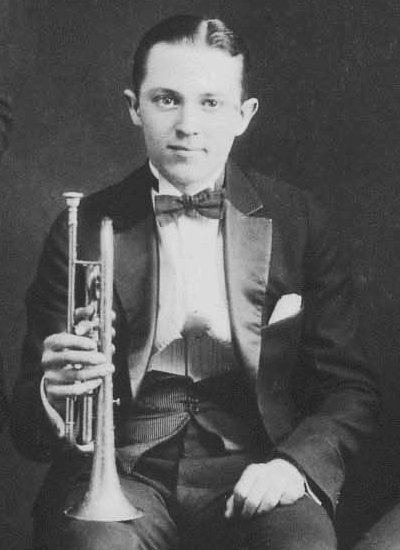
His story, from Ken Burns’s Jazz, and the archival footage of Armstrong talking so gently to his audience between numbers likewise enchanted my students. Armstrong made them proud to be Americans, too.
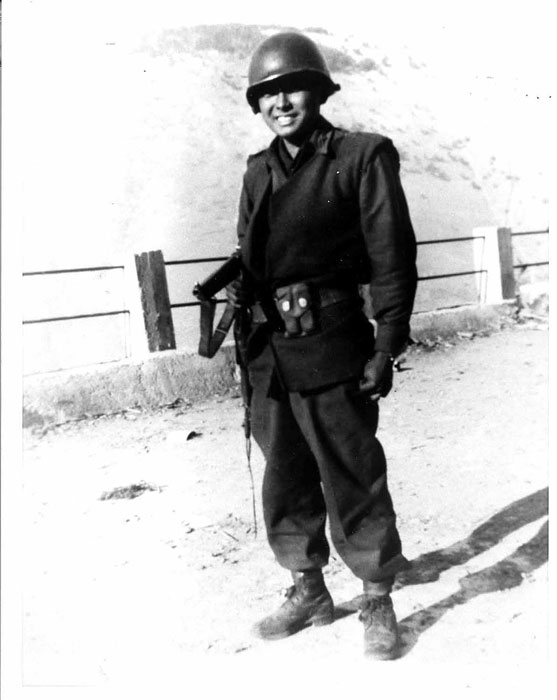
This is what I taught and what my teenagers learned.
When students learn that the hymn “Steal Away to Jesus” was the signal for carrying out a group escape from a slave plantation, when they learn about Crazy Horse’s generosity, after a big hunt, to Lakota widows and orphans; when they learn that one of the greatest frontier lawmen was a Mexican-American named Elfego Baca, or, in San Luis Obispo County, a sheriff named Francisco Castro; when they learn about the 54th Massachusetts driving up the beach toward Fort Wagner or the 442nd Regimental Combat Team advancing fearlessly under shellfire through the Vosges Forest in France; when they learn about Rosa Parks quietly refusing to give up her seat, they don’t feel ashamed to be Americans.
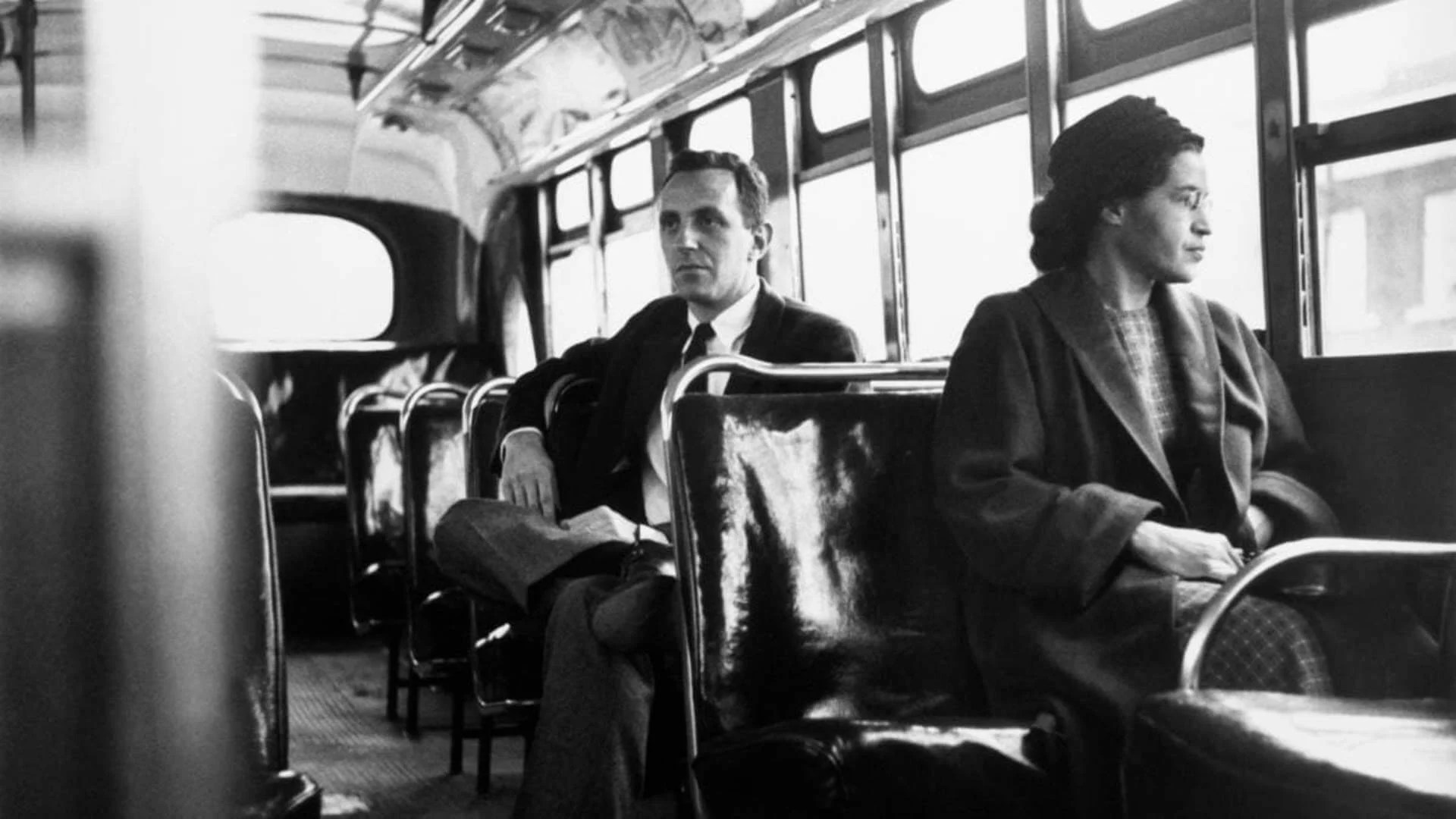
The word, again, is proud.
They don’t feel ashamed because all of the people who perpetrated all of the cruelty that marks much of our history pass their knowing only briefly; these people are dead. But Louis Armstrong is alive to our children. He touches them.
There is nothing to be afraid of in teaching all of our past to all of our kids. It’s actually very hard to indoctrinate schoolchildren. What comes easy to children is recognizing needless cruelty—would you have us teach them to admire cruelty?– and, even more, kindred hearts. If we teach them to listen, then quiet ourselves, they’ll hear the cornet notes, sweet and saucy, clear and sharp, high and weightless above the river’s current.

 A Work in Progress