
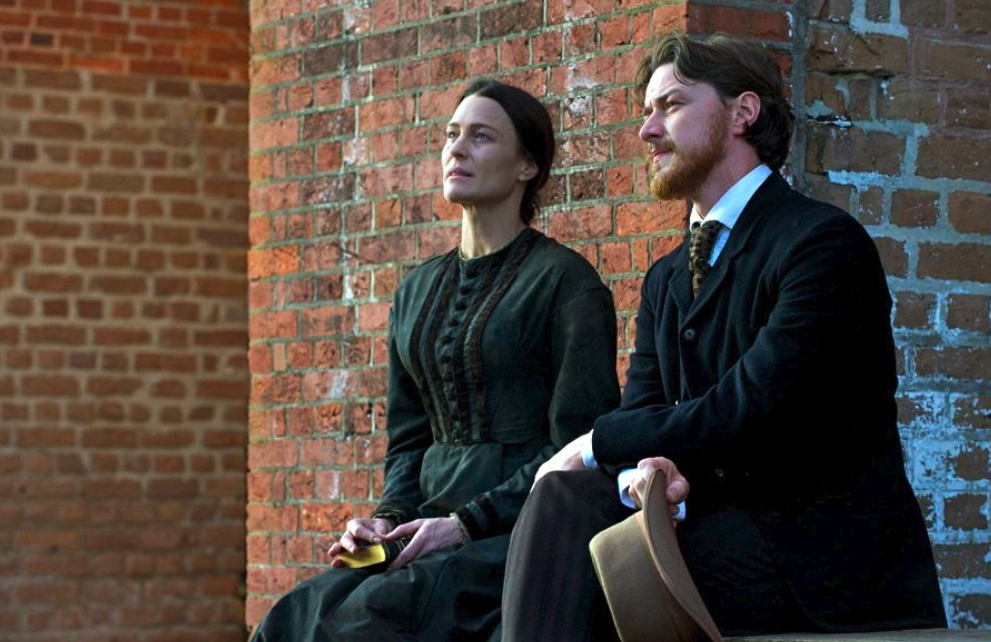
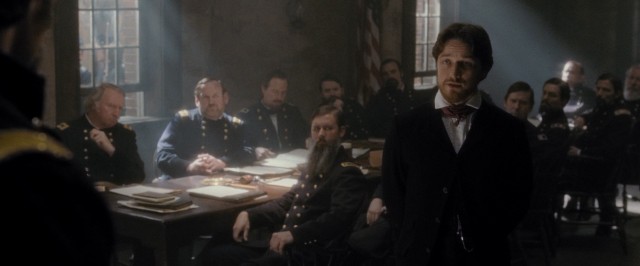
I’m a sucker for movies where the central character takes a moral stand and is pretty much destroyed by it (ask my former students about Robert Bolt’s A Man for All Seasons). I was taken by James McAvoy’s portrayal of accused Lincoln conspirator Mary Surratt’s defense lawyer in The Conspirator, directed by Robert Redford, which was on this morning.
I don’t know much about McAvoy except you need to go immediately to the YouTube video where he plays a Scots air traffic controller on “Saturday Night Live.” It is a gem.
The lead actors, except for Robin Wright, were Scots, English and Irish. My hero among Lincoln actors is Daniel Day-Lewis, who now lives in County Wicklow, where my mother’s ancestors came from.
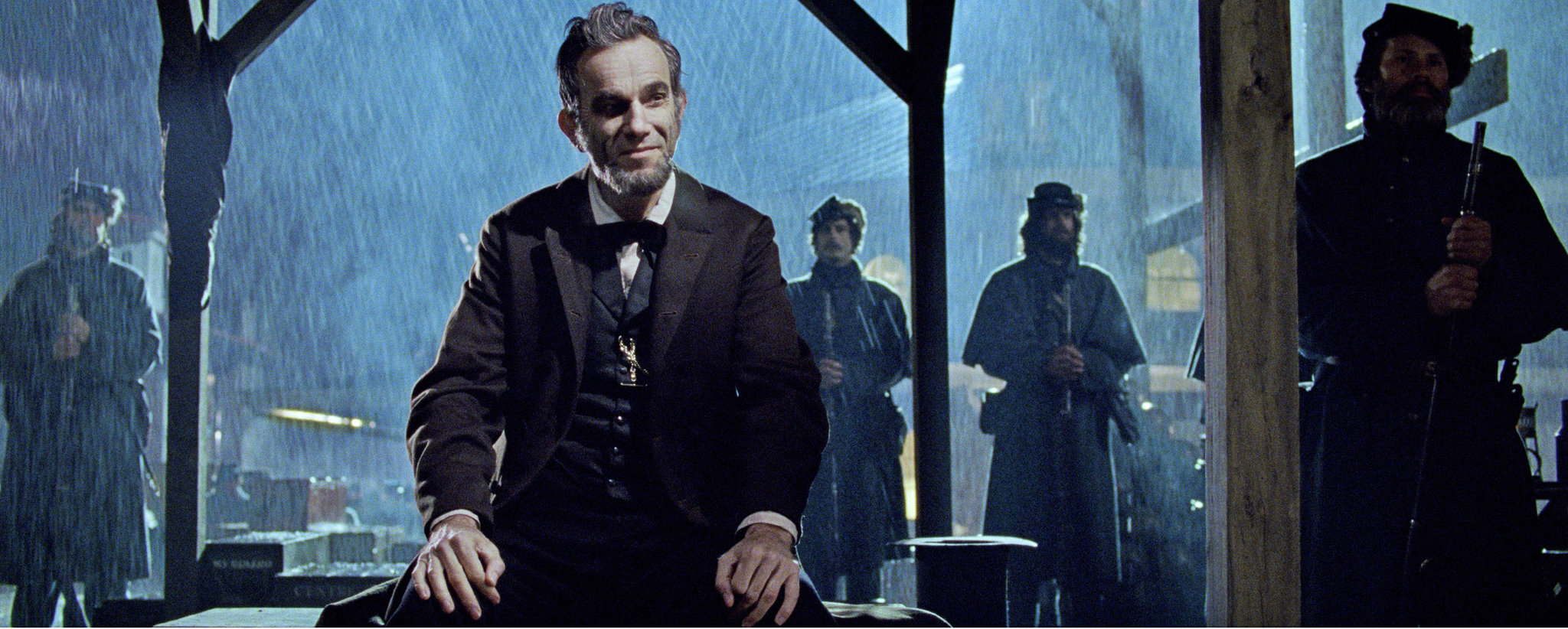
And they all have splendid American accents. You need to go immediately to the YouTube video where Irish young people try to speak in American accents. That’s a gem, too.
But the film reminded me of all the Lincoln assassination oddities. Here are a few:
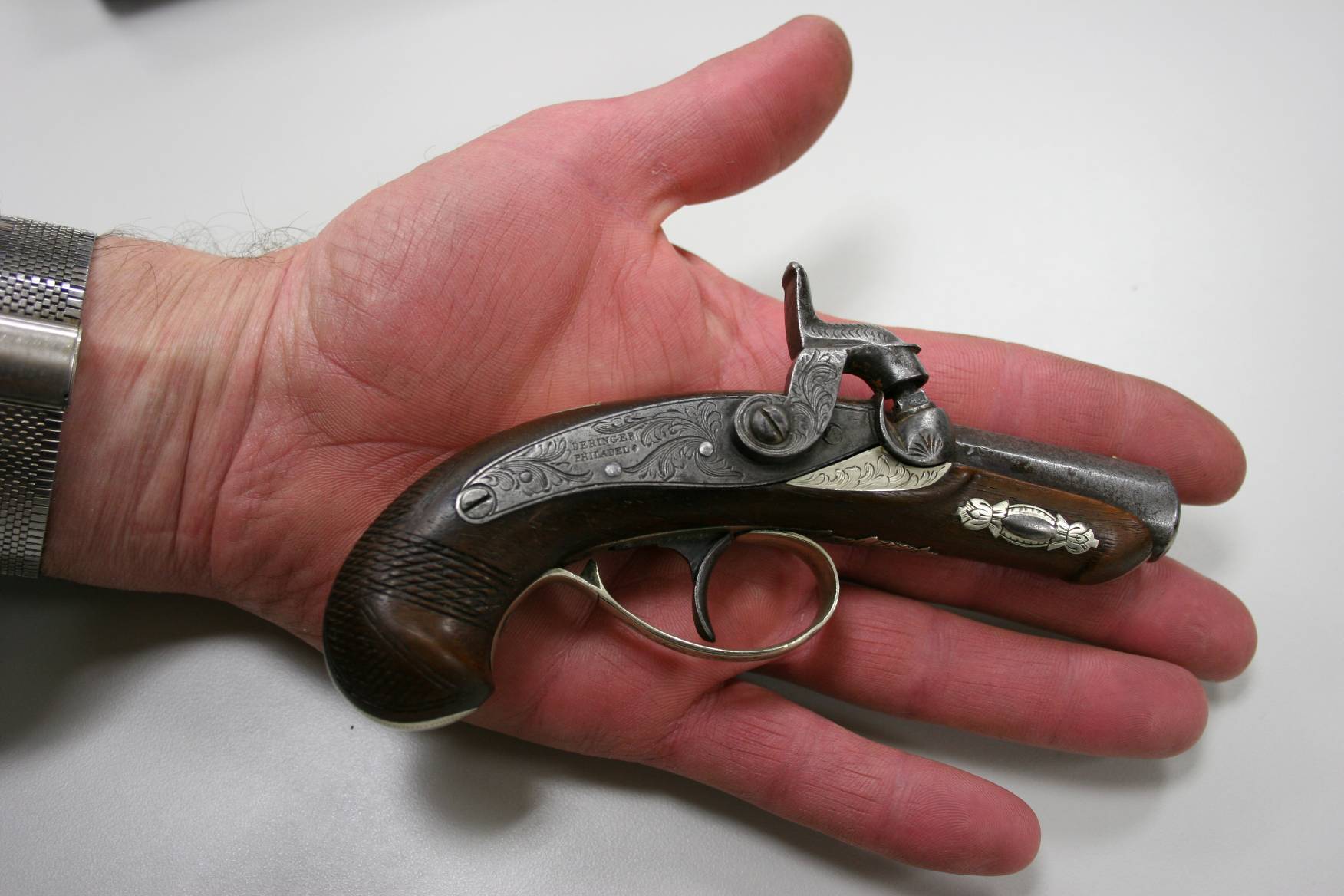
–Booth shot Lincoln with a single-shot 44-cal. Deringer pistol. The pistol ball entered behind his left ear and lodged behind his right eye (sorry). It should have killed him instantly, but he lived for eight more hours. When doctors stripped him after laying him diagonally in a bed (he was too long for it) in a boarding house across from Ford’s Theater, they marveled at his musculature–he looked like a Greek statue. The year before, at City Point, Virginia, where an Arroyo Grande soldier served, Lincoln smilingly held an axe straight out from his body at arm’s length. None of the young sailors who served on the presidential steamer could duplicate the feat.
–Booth, from a family of acclaimed actors, was an exuberant sword-fighter in his Shakespeare plays who sometimes wounded his fellow actors. He leaped athletically from the Presidential booth at Ford’s, caught his boot-spur in a furled flag, and broke his leg when he landed on the stage. He exited like a crab. Good, because Booth remains in my top five for the biggest sonofabitches in American history. The actor, by the way, had fortified himself before the assassination with a few stiff drinks at The Star, a bar next to Ford’s. It probably didn’t register to him that the guy a few pairs of elbows down the same bar was Abraham Lincoln’s bodyguard.
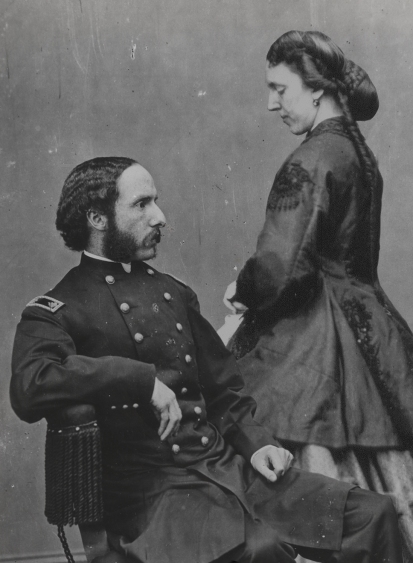
–The Lincolns’ partners in the booth that night were a young army officer, Henry Rathbone, and his bride. Rathbone grabbed for Booth but the assassin laid his arm open with a dagger before that leap to the stage. Eighteen years after the assassination, Rathbone fatally shot his wife, Clara, and attempted to kill himself with a knife. He failed. In 1910, Rathbone’s son burned the dress his mother had worn the night of the assassination, thinking it had cursed the family.
–Booth timed his pistol shot for a moment in the play Our American Cousin, a comedy, when laughter would be at its peak. The last words the president heard were likely delivered to lead actress Laura Keene: “You sockodologizing old man-trap!” Keene made her way to the presidential box and cradled Lincoln’s head in her lap as he lay dying.

–Booth’s final words, after being shot in a tobacco barn lit afire by Union troops, were “Useless, useless.” He’d been paralyzed by the fatal shot, and asked a soldier to raise his arms so he could see his hands one more time. Booth was shot by a soldier named Boston Corbett, a hatter in civilian life. Corbett returned to the business after the war and became increasingly paranoid (mercury was the agent that made for Mad Hatters). He was involved in at least two pistol-brandishing incidents, including one when he was the doorkeeper for the Kansas House of Representatives. Corbett was eventually confined to an insane asylum. In 1888, he escaped on horseback. We’re not exactly sure what happened to him–he either lived out his life in Mexico or Minnesota.

–At the same time Lincoln was shot, Lewis Powell (also known as Lewis Paine), entered the home of Secretary of State William Seward, who was swathed in bandages and casts and helpless in his bed, the victim of a carriage accident. Powell, claiming to be a pharmacist’s errand-runner with a prescription for Seward, bolted upstairs and stabbed the helpless man repeatedly in the face and throat. Since Seward had fractured his jaw, a metal and canvas splint deflected most of the knife thrusts. Powell, thinking Seward dead, burst out of the home, shrieking “I’m mad!”

–Powell was hanged along with accused co-conspirators George Atzerodt, David Herold, and, despite James McAvoy’s best efforts, Mary Surratt. The photograph shows an umbrella shielding Mrs. Surratt from the hot sun just before the trap was sprung.

–The film suggests that Mary Surratt was bait, intended to lure her son, John, one of the conspirators, in to surrendering herself–a situation eerily similar to the execution of accused nuclear spy Ethel Rosenberg. She was indicted in what was an attempt to force her to testify against her husband Julius. Julius was almost certainly guilty of passing atomic bomb secrets on to the Soviets. Ethel wasn’t, and she was as strong as Lincoln–it took repeated jolts in the electric chair to kill her. John Surratt was almost certainly guilty. Mary probably wasn’t. The film depicts a military tribunal that doomed her from the start.
–The Surratts were devout Catholics. In the years after the assassination, John emerged as a member of the Pontifical Zouaves, soldiers charged with defending the Papal States, then the target of Italian nationalists who would annex that territory to complete the unification of Italy in 1870.
–Mary Surratt’s boarding house, where the conspirators planned the assassination, is today an Asian restaurant/karaoke bar called Wok and Roll.
So it goes.

 A Work in Progress