
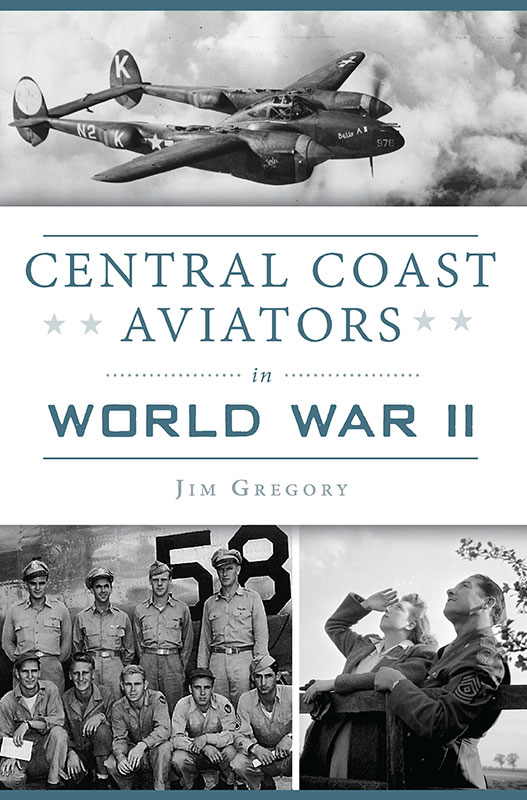
A story—maybe a kind of Thanksgiving story— I learned while writing a book:
Henry Hall of Cayucos was a B-17 gunner in the 91st Bomb Group when, in March 1944 over Holland, his squadron was “bounced” by a dozen German fighters, Messerschmitt 109s.
It had been a hard day already; Hall had seen the landing gear of a bomber ahead lazily drop, the hydraulics destroyed by another fighter’s cannon fire, and then the plane began to tumble. While it was going in, it clipped two more B-17s and they went in, too. This combat footage gives the faintest sense of what young men like Hall endured.
Suddenly, a fighter like the one above—a P-47 Thunderbolt—appeared. Hall and his crew looked on, amazed, as the American fighter pilot flew into the swarm of German attackers.
This moment allowed the teenaged Henry Hall to live into great old age, to survive what the veterans of the 91st Bomb Group called “Black Monday.”
It was only later that he learned that the P-47 pilot had survived his mission, too. He shot down four of the fighters that had come after Henry Hall and his friends.
“Duty” must seem such a quaint word to the self-absorbed generations that have followed Hall’s. That generation fought for freedom, while modern Americans seem to fight for freedom from accountability. But the man who saved the young B-17 gunner’s life that day understood accountability. He understood his duty exactly.
The fighter pilot was the Good Shepherd, and on Monday, March 6, 1944, the 91st was his flock.
 A Work in Progress