
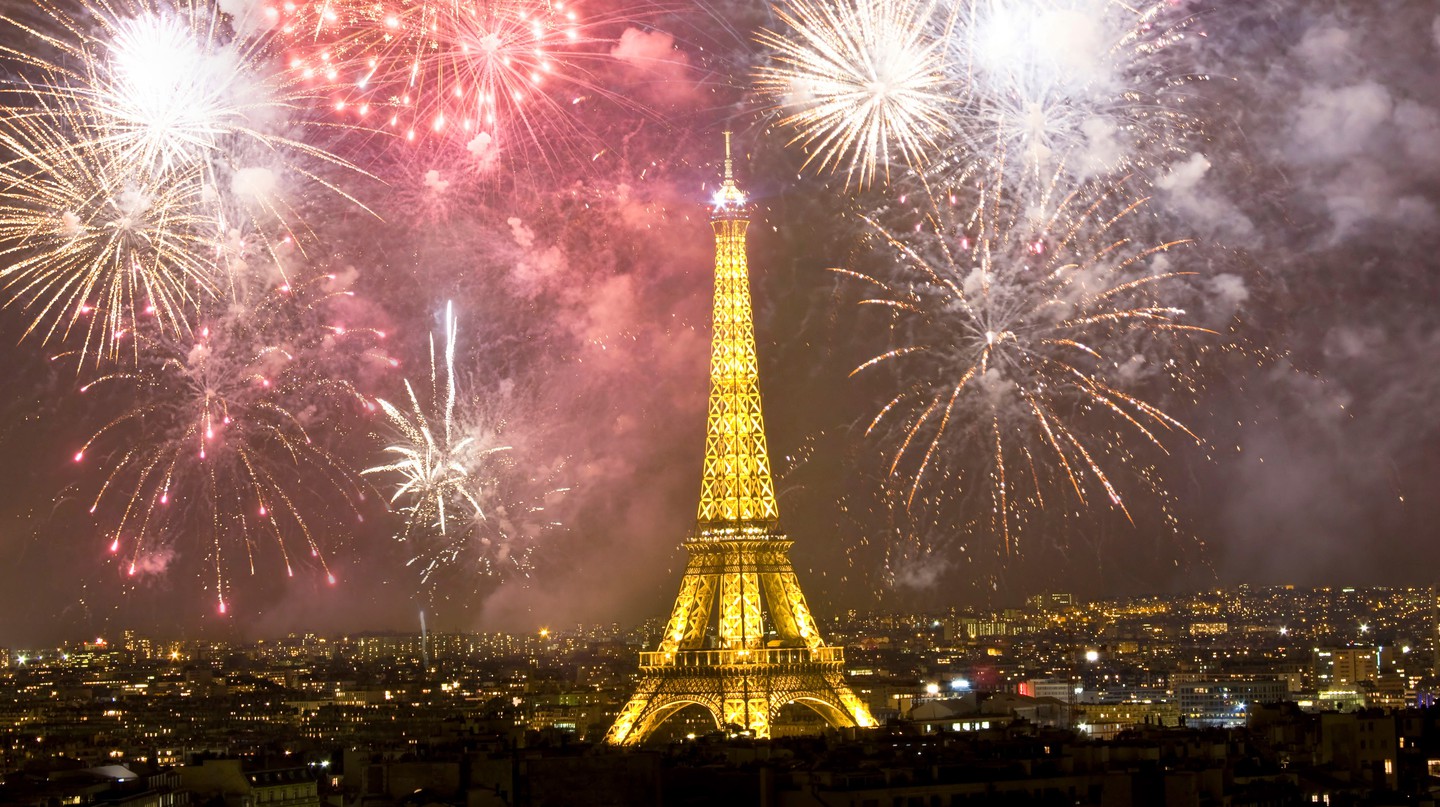
It sounds so pretentious–for an Arroyo Grande boy, raised with heifers and chickens—a little boy so sheltered that he was almost overcome by the velvet-suited Santa on the mezzanine of Riley’s Department Store in San Luis Obispo, California–but I miss Paris.
I didn’t get it the first time I took my students to the great city. I think I was overwhelmed. The second time, with my literature teaching partner, Amber Derbidge, and our wonderful Breton tour guide, Freddy, I got it.
It helped, I think, that we’d came south from Anne Frank’s Amsterdam, then through the Ardennes, and finally across Northern France–a stretch of the trip that had begun at Metz, where we saw trout feeding, describing ringlets on the surface of the Moselle, just like the ones I’d tried so hard to catch in the Arroyo Grande Creek when I was little.
At Verdun, a museum guide took me aside and whispered “Your students are so respectful,” which might just be one of the greatest compliments I’ve ever received, because she confirmed to me that they’d learned, in our classroom, what I’d taught them about Verdun.
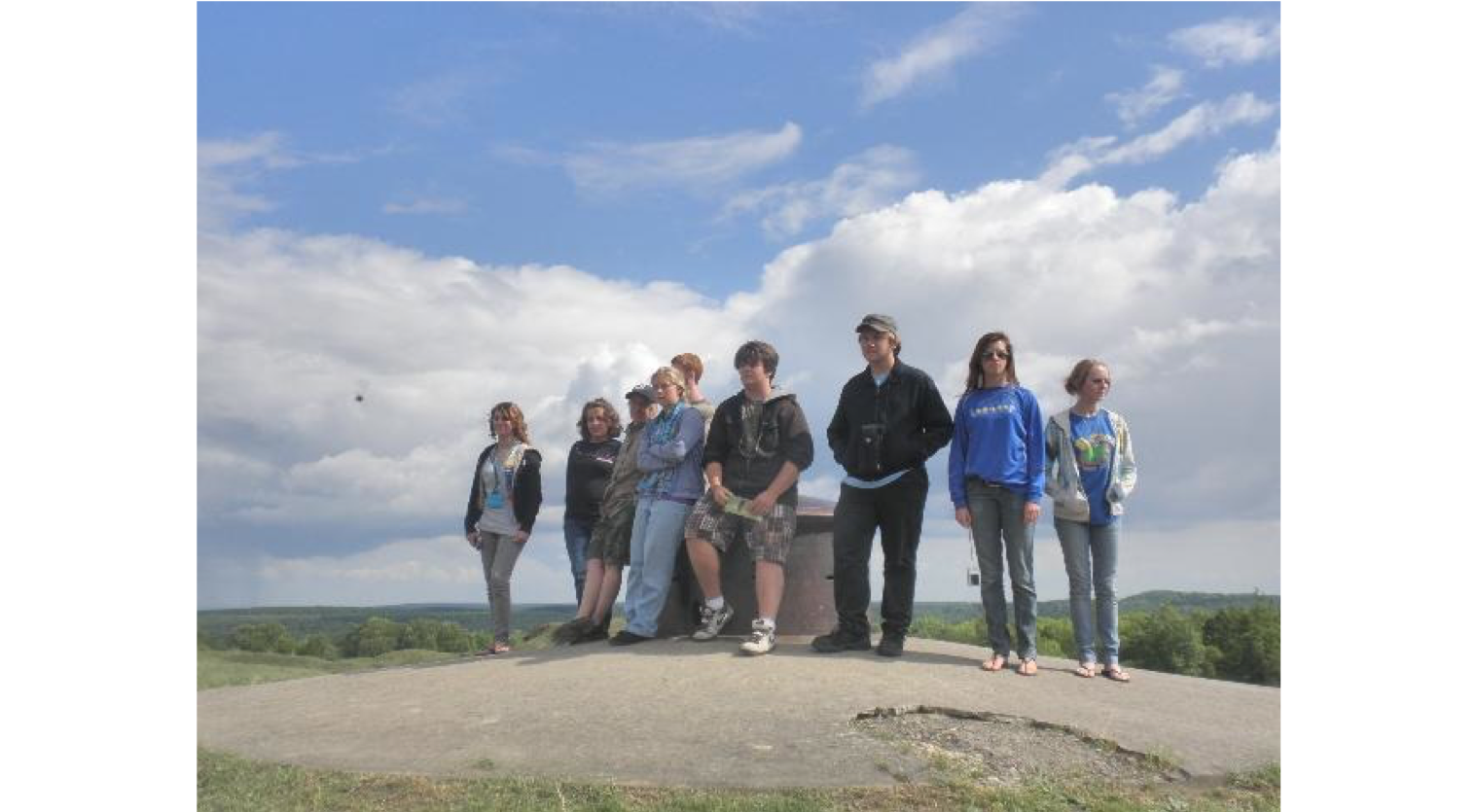
were killed or wounded in the struggle to capture this fort.
We were greeted, in fact, with immense kindness. At Reims—I’d used, early in our school year, both Bernard Shaw’s St. Joan and Shakespeare’s Henry V to teach my students the meaning of nationalism —a local woman, delighted to meet young Americans, insisted on giving us a tour of the cathedral, one that wasn’t on our schedule.
We didn’t mind because she was so happy and she made us happy, too. It was Rockefeller Foundation money that was helping to repair shell damage to the cathedral facade from the Great War, and even though none of us could be mistaken for a Rockefeller, the important part, for this lovely woman, was that we were Americans.
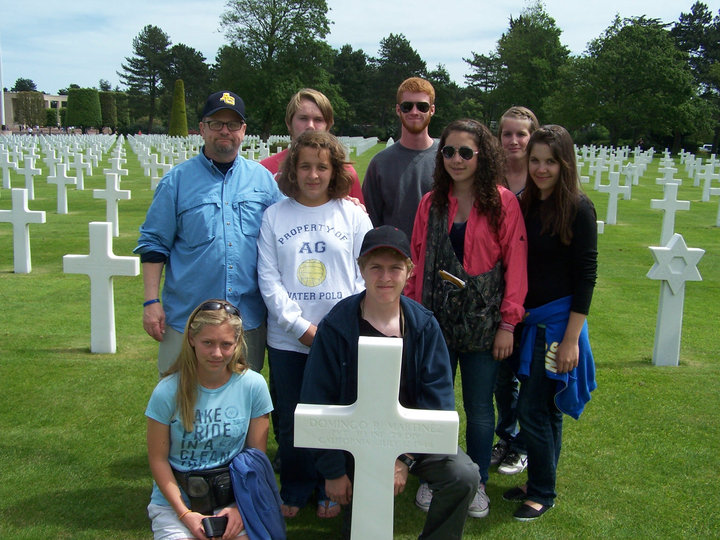
We reached the coast and the D-Day beaches and the American Cemetery above Colleville-sur-Mer, where we found a local farmworker, Domingo Martinez, a Mexican-American, a member of the 79th Infantry Division, who was killed by fragments from a German .88 shell near Le Bot in July 1944.
Then, after the cruelty of the battlefields, we ended this trip in Paris. This time I realized how alive Paris is. I got it. I was as enchanted as a Nebraska farm boy—not that far a remove from my actual childhood near the farm fields that border the coast of central California—and when I briefly got lost in the Latin Quarter, I was unafraid. There was far too much for me to explore. I would get back to my students. Eventually.
In the classroom, I used to share the video below with my students to introduce them to my favorite unit—Nineteenth Century urban history, or La Belle Epoque—and they, and I, needed the sustenance we got here, in this chapter, if we were to survive the heartbreak of the First World War.
This year, another heartbreak—another disaster, this time in Covid—has forced the cancellation of the Eiffel Tower’s spectacular fireworks show.
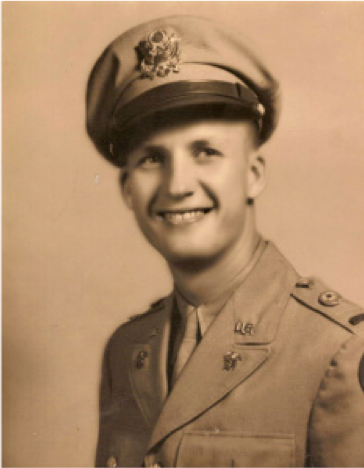
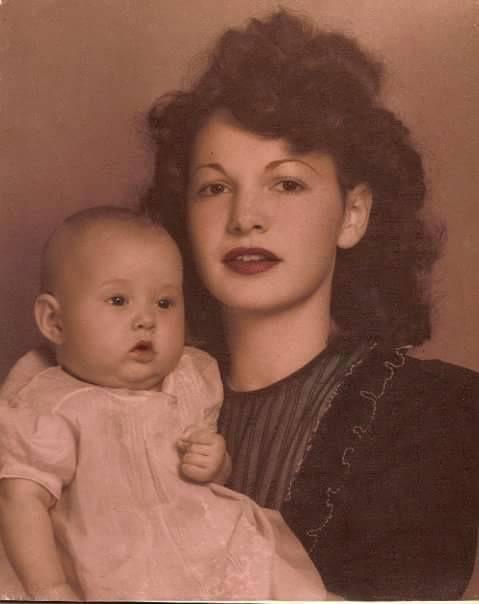
So this blog post is a very little attempt to make up for what we’ll miss this New Year’s Eve. It’s one of several love letters I’ve written to Paris, where my father, an American GI—he spent two years away from my Irish-American Mom, seen here with my big sister—was a tourist in the late fall of 1944.
To teach what I feel to my students, I made this video for them. It’s oddly matched to an oddly beautiful song, “Bittersweet Symphony,” by The Verve, a song that in its own way, is a kind of masterpiece.
Joyeux Noel, my friends.
 A Work in Progress