

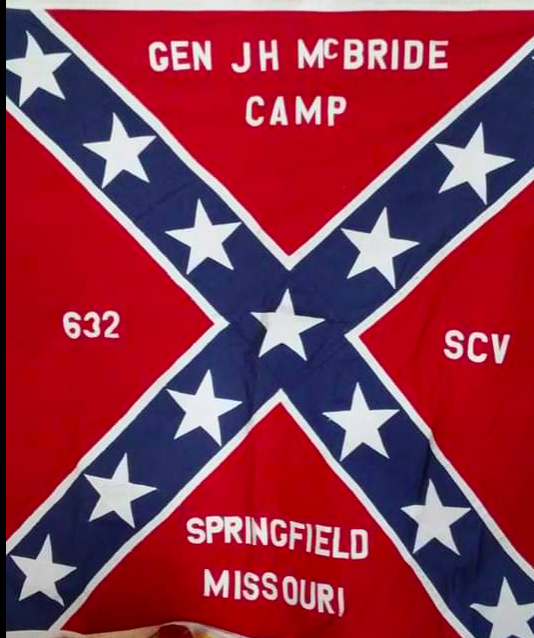
It’s ironic that earlier tonight I was pondering the fact that my Uncle Tilford’s middle name was “Stonewall,” and that I am named for and descended from James McBride, a Confederate general for whom a chapter of the Sons of Confederate Veterans is named.
I think that’s why I so enjoyed writing a book that was about Yankee soldiers. Karma means there’s hell to pay; I had a debt to work off.
Only two hours after I confirmed Uncle Tilford’s middle name on ancestry.com, I found the photo of this stunning young woman. Micah is the daughter of a dear friend of Elizabeth’s, the Rev. James Johnson-Hill; her mother, Anicia, is a former Mission student of ours. The two are in the process of raising an extraordinary family, and Micah, the Mississippi State high school tennis champion, is one of their children.
She has just been named a “Distinguished Young Woman of Jones County, Mississippi,” where this lovely photograph was taken.
Wait. I’m a historian. Jones County, Mississippi? The bell inside my head began to ring.
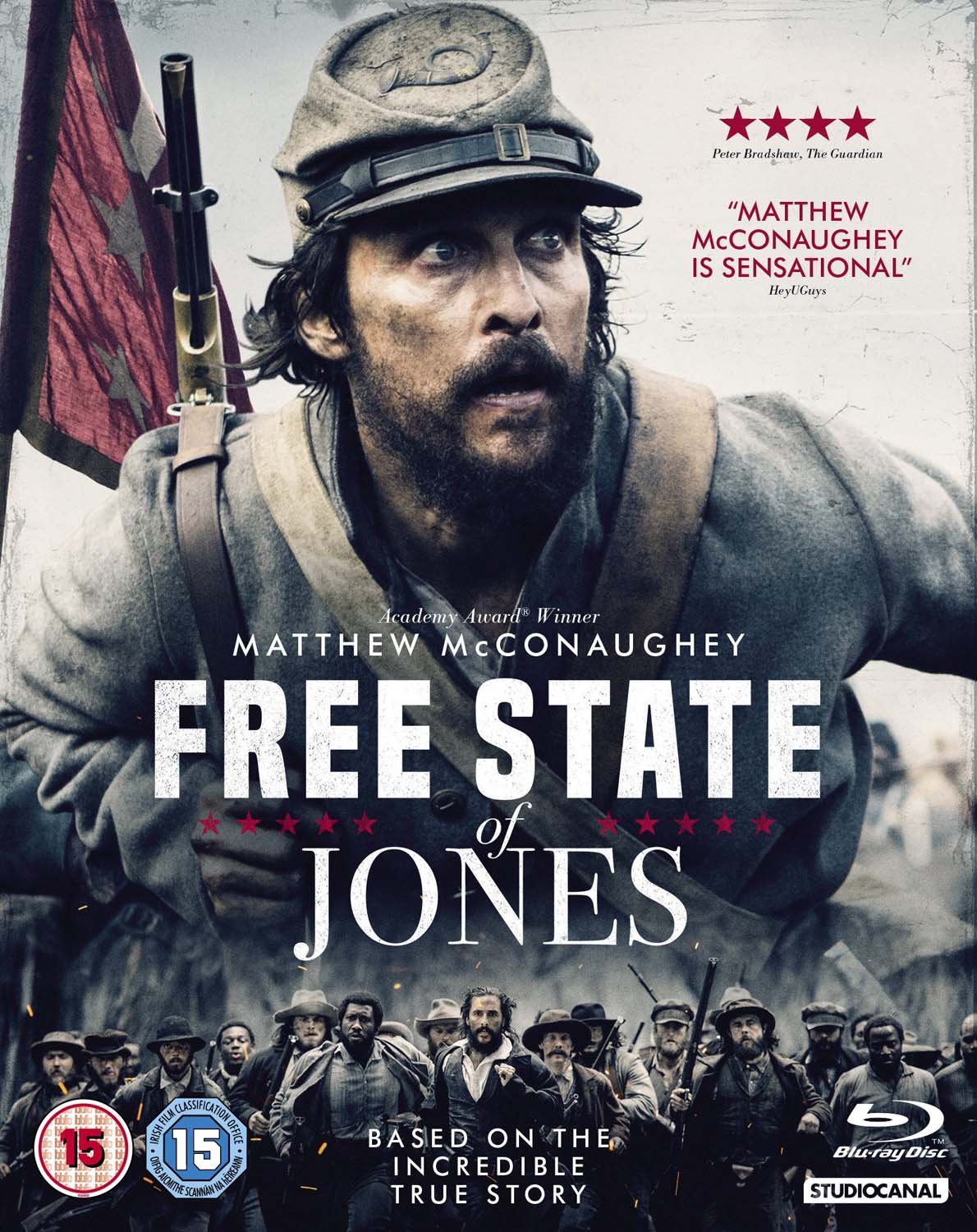
That’s because “Jones County, Mississippi,” was featured in the book and the film The Kingdom of Jones, about a rebellion, led by a farmer named Newton Knight, against the Confederate States. Knight and his fellow rebels had no faith in a war whose conscription laws exempted any man who owned twenty or more slaves. [“It’s a rich man’s war and a poor man’s fight,” the bitter saying went.] Moreover, they had no use for slavery, period. Or for disunion. Knight had deserted from the Confederate Army for precisely that reason. That army’s cause was corrupt, but Knight wasn’t. He was an American.
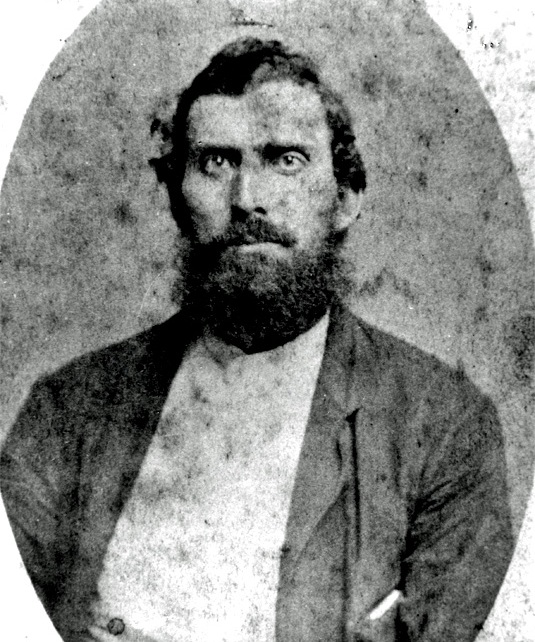
So was Knight’s wife, Rachel, a Black woman, and so were his guerrillas, who were biracial. 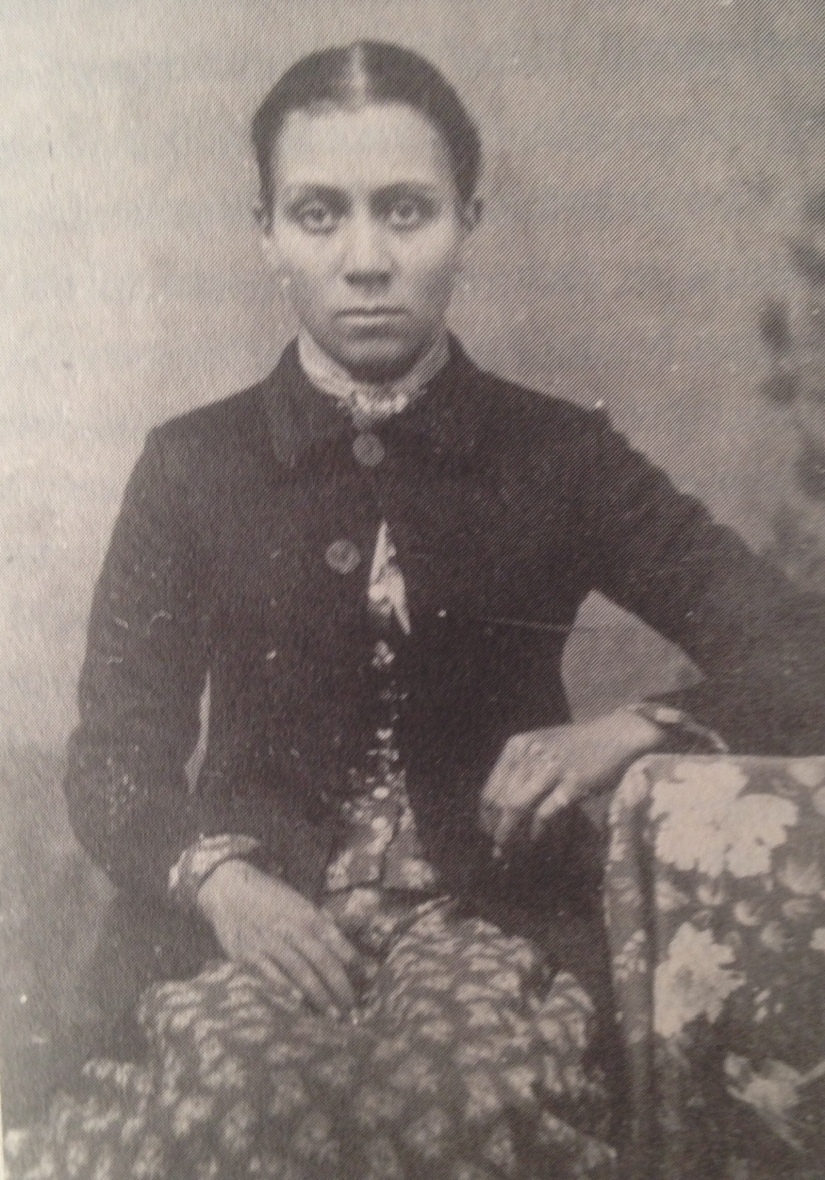
They harassed the Confederacy in Jones County, Mississippi, for two years with hit-and-run attacks–fourteen skirmishes in all–confiscated wagonloads of food intended for Confederate soldiers that were distributed instead among the poor people of southeastern Mississippi, spared the same folks taxes because the Confederate tax collectors, fearful for their lives, gave up trying to correct them, and defied the vows to extinguish the uprising uttered by two Confederate generals–the eternally dyspeptic Braxton Bragg, whose favorite form of discipline was the liberal application of firing squads, and the starchy Episcopal bishop Leonidas Polk.
Well, of course, Bragg and Polk lost their war. And Newton Knight lived to be 92.
And he got a movie.
So, one hundred years after Knight’s death, we come to Micah Bonds-Hill, a Young Woman of Distinction. What happened in Mississippi in those intervening years is abundantly painful. It would take books—and it has—to catalog the cruelty inflicted on Black Mississippians after Union troops left in 1877, but here are three more recent examples.
Emmett Till was murdered there in 1955, his body weighted down with a gin-mill fan and dumped into a swamp; three murdered civil rights workers were buried in an earthen dam in 1963 because they were trying to register Black voters; earlier that same year, a .303 Lee-Enfield bullet brought down Medgar Evers, a World War II veteran and civil rights organizer. Evers collapsed in the doorway of his home and died with his wife, Myrlie, holding him in her arms.
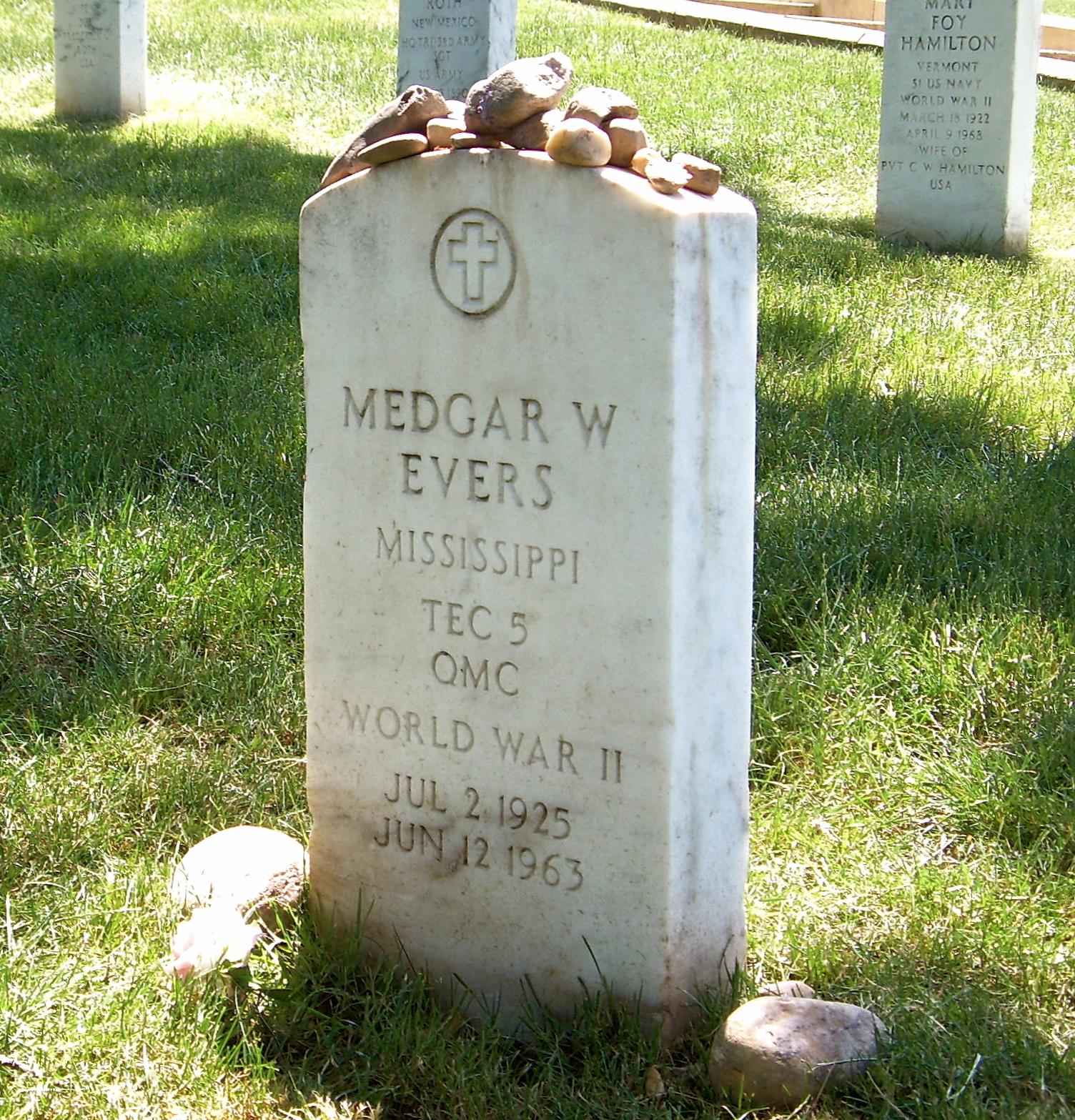
Myrlie became a woman of distinction in Mississippi, too, an indomitable civil-rights advocate in her own right.
I have no right to burden this stunning high school senior with the weight of all that history. But these are such troubling times that this little girl, who can whistle forehands like missiles over the net, the possessor of a mind that is faster still, eases my troubles.
When I despair, I remember that all through history the way of truth and love have always won. There have been tyrants and murderers, and for a time, they can seem invincible, but in the end, they always fall.
–Mohandas Gandhi
The way of truth and love is painful and steep and sometimes it seems unending and sometimes it seems to disappear altogether. Micah is a light along the way.

 A Work in Progress
Thank you Jim for another great story. Keep them coming. 🙂
LikeLike