
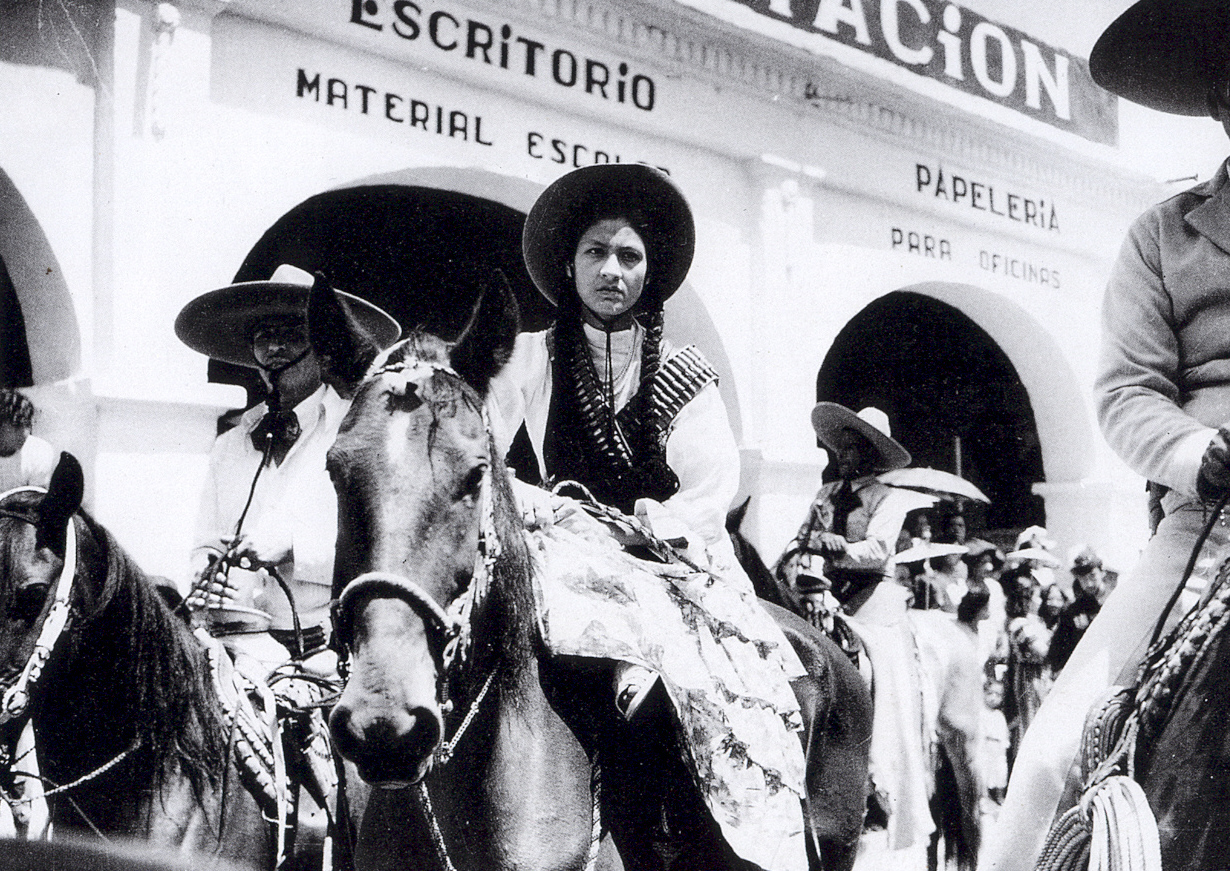
In researching the Arroyo Grande history class I’m to teach for Cuesta, I was pleasantly surprised to learn that Californio (i.e., Mexican) women enjoyed rights their Anglo-American counterparts didn’t.
Especially property rights. At least one of the women hanged in 1692 Salem was an unmarried property owner. She was a threat.
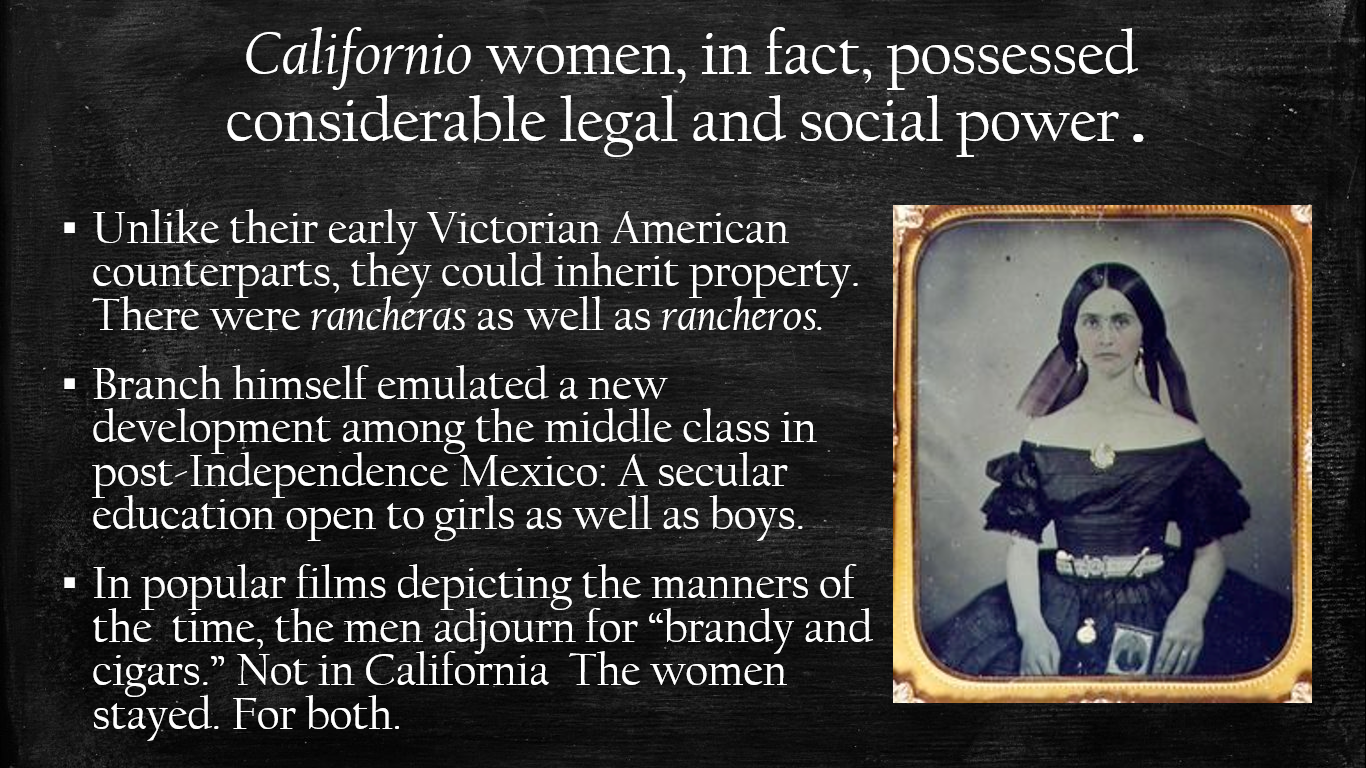
It reminded me, too, of how passionate I could get about teaching women’s history in my AP Euro classes. It was a topic I taught with sharp edges. Sometimes, anger can motivate a teacher. It did me.
Victorian and Edwardian English and American women enjoyed the same rights as “children, the feeble-minded and the legally insane.”
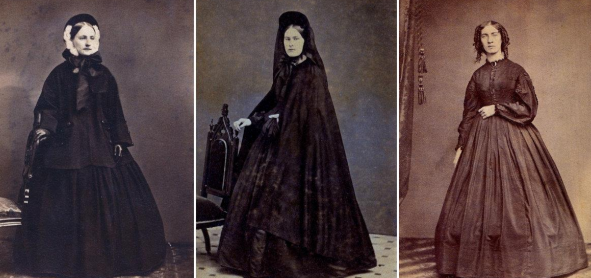
Stages of mourning for Victorian women
In nineteenth-century England, a widow was expected to remain in mourning for over two years. The rules were slightly less rigid for American women. These stages of mourning were observed by women.
Full mourning, a period of a year and one day, was represented with dull black clothing without ornament. The most recognizable portion of this stage was the weeping veil of black crepe.* If a women had no means of income and small children to support, marriage was allowed after this period. There are cases of women returning to black clothing on the day after marrying again.
Second mourning, a period of nine months, allowed for minor ornamentation by implementing fabric trim and mourning jewelry. The main dress was still made from a lusterless cloth. The veil was lifted and worn back over the head. Elderly widows frequently remained in mourning for the rest of their lives.
*Tragically, crepe is highly flammable. Middle-class Victorian homes were lit by gas jets.
Half mourning lasted from three to six months and was represented by more elaborate fabrics used as trim. Gradually easing back into color was expected coming out of half mourning,
And, if they were widows, they had a distressing tendency to catch on fire.
Meanwhile, women in Mexican California lit up cigars.
That did not last. The Americans came.
Thank goodness, a few generations later, the safety bicycle–equipped with drive chains and coaster brakes– came, too. Women began to wheel toward equity.

But women’s bicycle clubs, on their Saturday jaunts in the country, normally were accompanied by male outriders. Their job was to take the hits from the rocks being thrown at the women. Ministers thundered against the Satanic influence of bicycles from the pulpit. No wonder. Bicycles made the whalebone corset obsolete. Bicycles meant freedom–whalebone corsets and misogynistic ministers meant something else altogether.
A little while later, a powerful suffragist movement, one, in America, that had earlier coexisted with (but was subordinated to) abolitionism began to emerge.
So did the temperance movement. We’ve reduced temperance to cartoon Carrie Nations busting barroom mirrors, but the movement was a second forum for feminism. This was because alcohol was a major factor in domestic homicides, like that of Nancy Sykes in Oliver Twist. The dockets of London’s Old Bailey are dense with the murders of hundreds of women like Nancy.
Those records almost reduce the 1888 Ripper murders to a footnote.
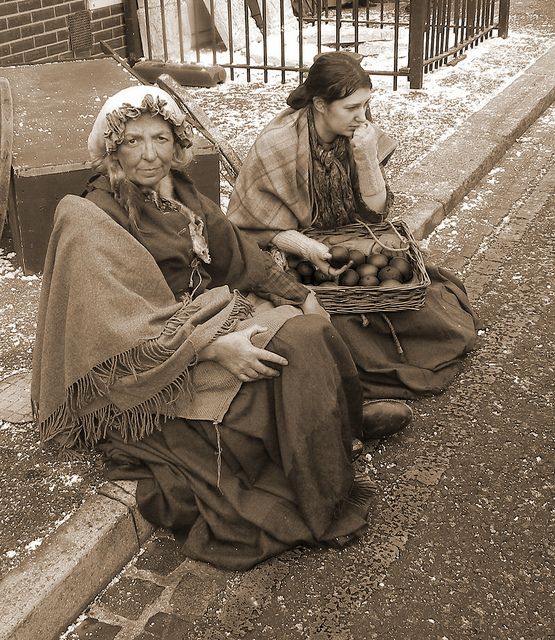
It was suffragism that gave fin de siècle feminism its focus. Women fought with mass demonstrations and speeches and petitions and parades.
They also bombed buildings, threw bricks through windows and set fires.
When they were jailed, they went on hunger strikes. Matrons held their mouths open with metal hinges while doctors threaded a hose filled with something like cream of wheat down their throats.
This was, of course, rape.
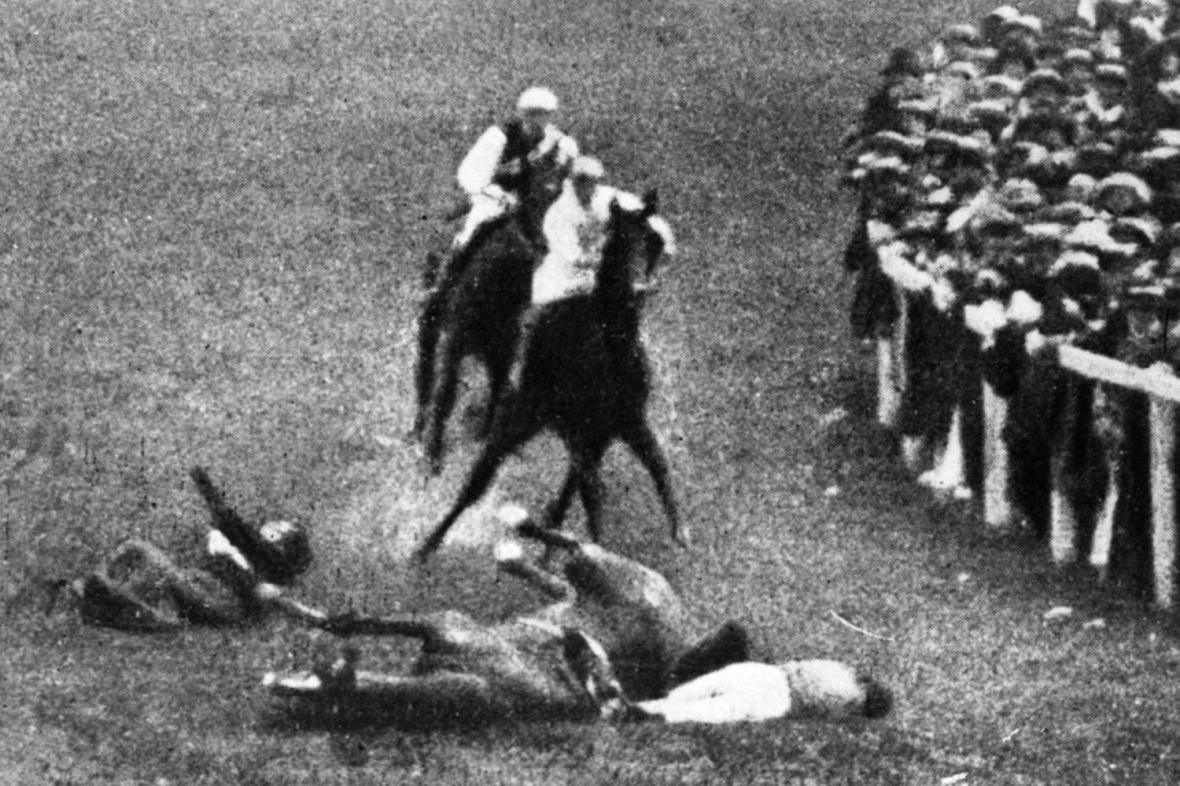
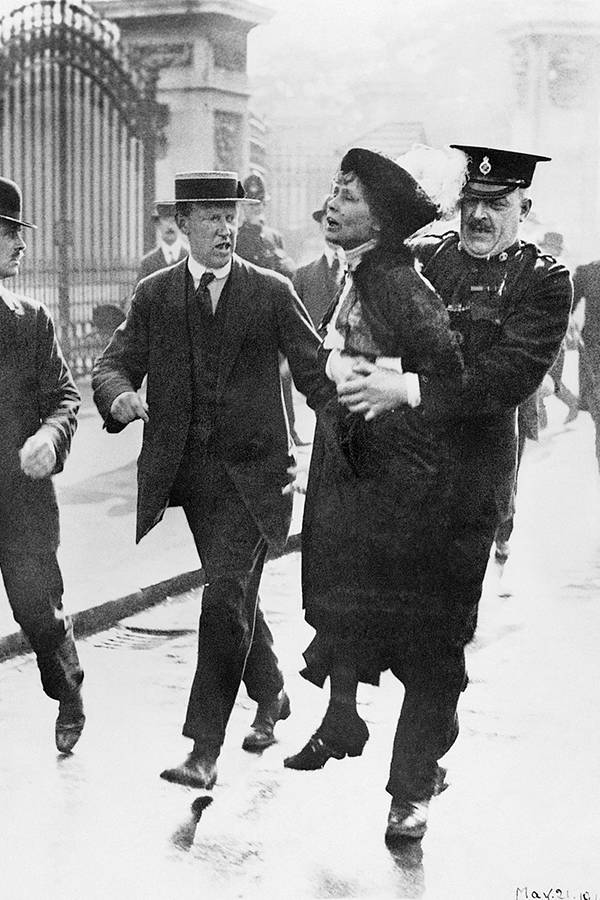
English suffragist Emily Davison threw herself under King George V’s horse at the 1913 Derby to demonstrate how serious women were about the right to vote. The herky-jerky film that survives is still horrific.
A few more deaths nudged women’s rights a few more steps. Women–las soldaderas–fought alongside men in the Mexican Revolution. Ninety women fought in Dublin during the Easter Rising of 1916.
But the great turning point came with the Great War, when young women were called on to supply labor for the vast armaments industry that trench warfare required.
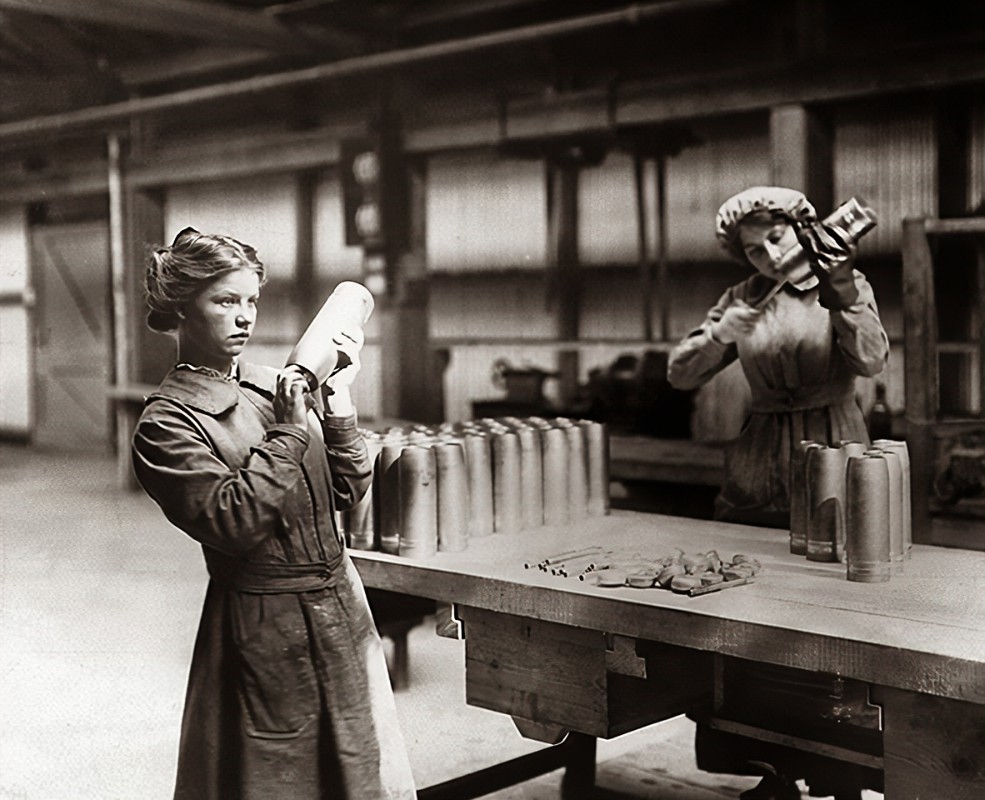
Some were blown to shreds in munitions factories. Others died far more slowly, from TNT poisoning, which turned their hair bright red and their skin yellow.
They were called “canaries.”
And then they got the right to vote.
Older historians, forty years ago, in a discipline still dominated by men, dismissed the very notion of women’s history.
Thankfully, nearly all of them are dead, too.




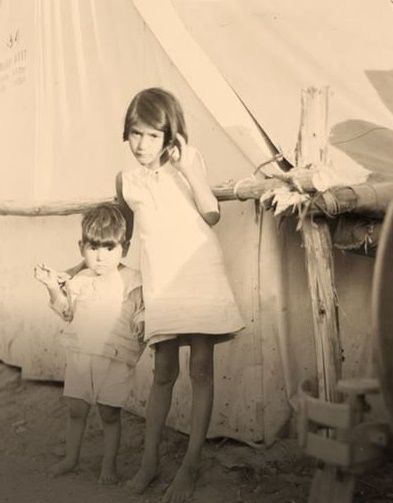

 A Work in Progress