
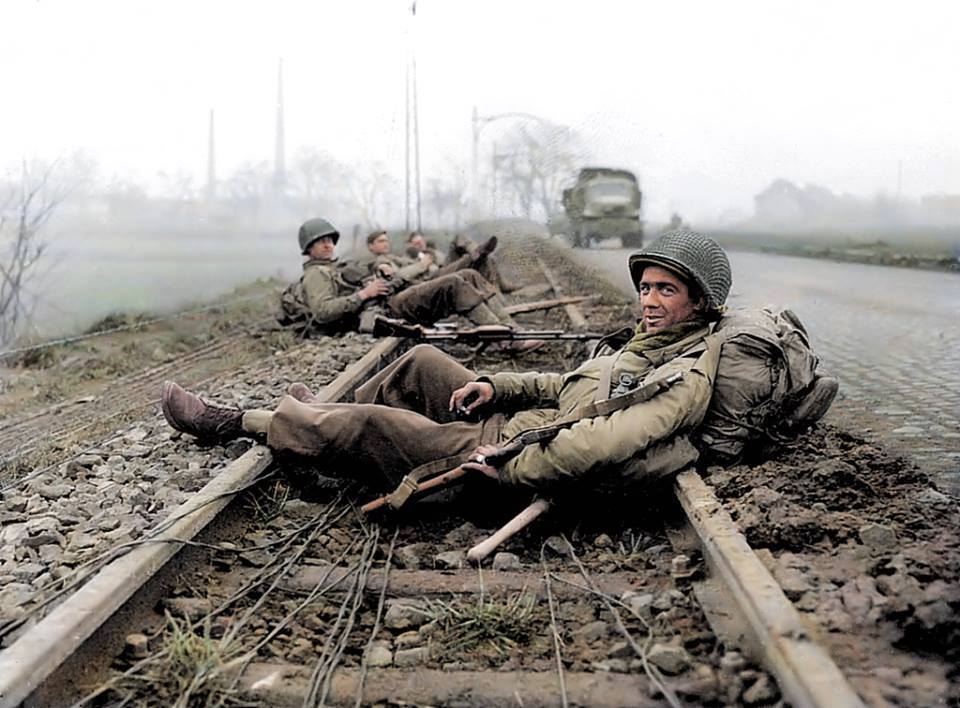
This photo was taken on December 21, 1944.
These GI’s are members of the 104th Infantry Division, the “Timberwolves.” The division had done part of its training at Camp San Luis Obispo. Now, six months after they’d arrived in Europe, these GI’s take a smoke break during the Battle of the Bulge, the horrific weeks-long battle fought in the Ardennes. The photo was taken just inside Germany, but the Bulge crossed several borders. The heaviest fighting for men like these would last into late January and it would come in the mountains and dense forest that mark the Ardennes.
It was the coldest winter in Europe in thirty years.
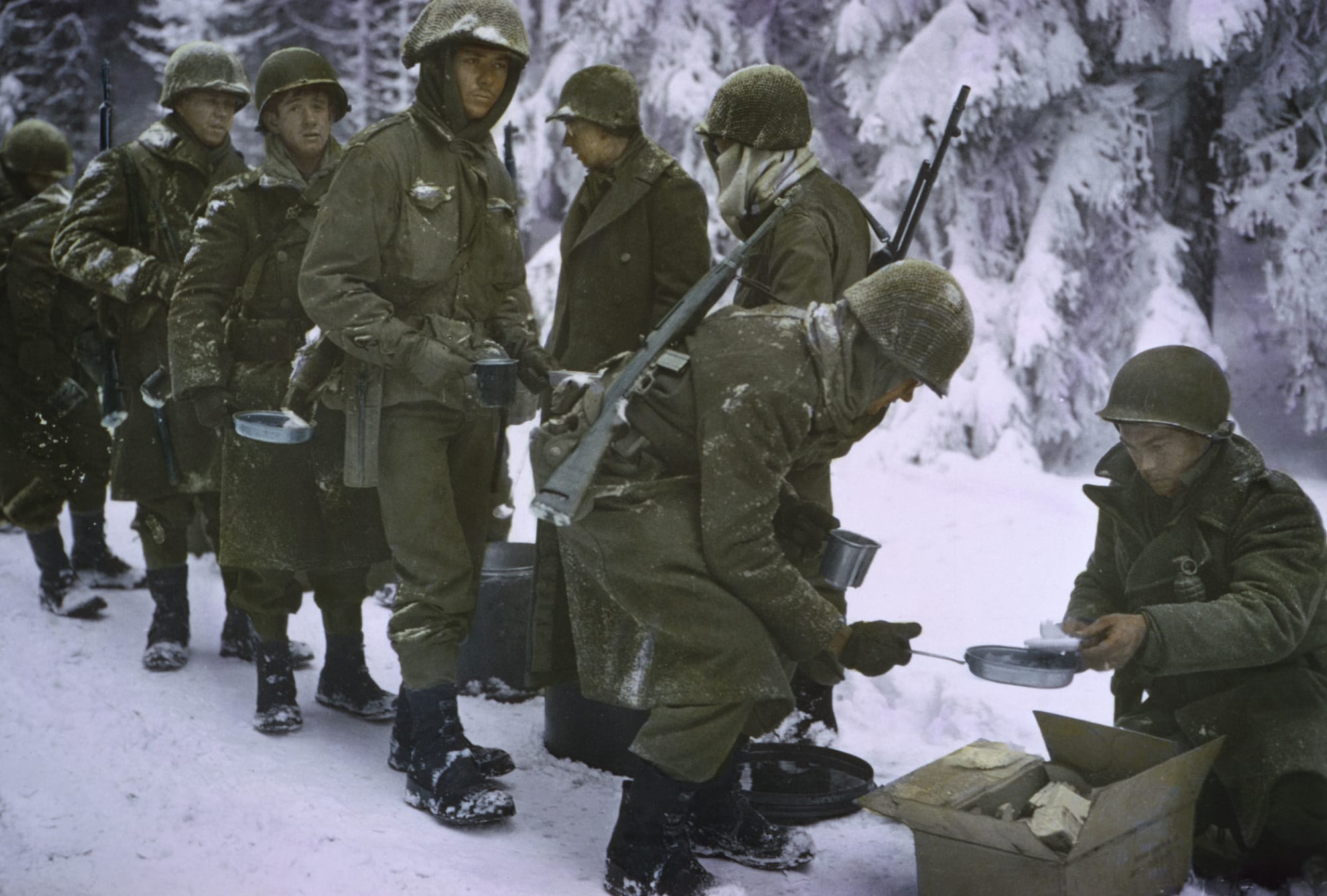
I’ve never seen a starker contrast in borders than the one between Holland and Belgium. Holland is flat enough to roll a tennis ball for miles, and the roads help. They’re smooth and noiseless. In the pastures that flank Dutch roads, the happiest cows I’ve ever seen would placidly watch the tennis ball roll by.
Then you see the Belgian border. The Ardennes, mountains and forests, rise so suddenly that I was reminded of that terrific animation of Paris rising in the film Inception.
And so the Ardennes is where Americans like these GIs in the 104th were essentially inhaled by the urgency of the the Battle of the Bulge, which had caught the Allied high command, suddenly desperate for riflemen, flat-footed.
Because they were mostly replacements, rookies, the high command hadn’t listened before the battle opened to the reports of tank engines and trembling trees shedding snow beyond the American lines. Sherman hadn’t listened to the reports of movement in the trees near Shiloh Church, either.
Then the Panzers came, followed by the infantry who were, along with Caesar’s Third Gallica and Thomas Jackson’s Confederate “foot cavalry,” possibly the finest soldiers in history.
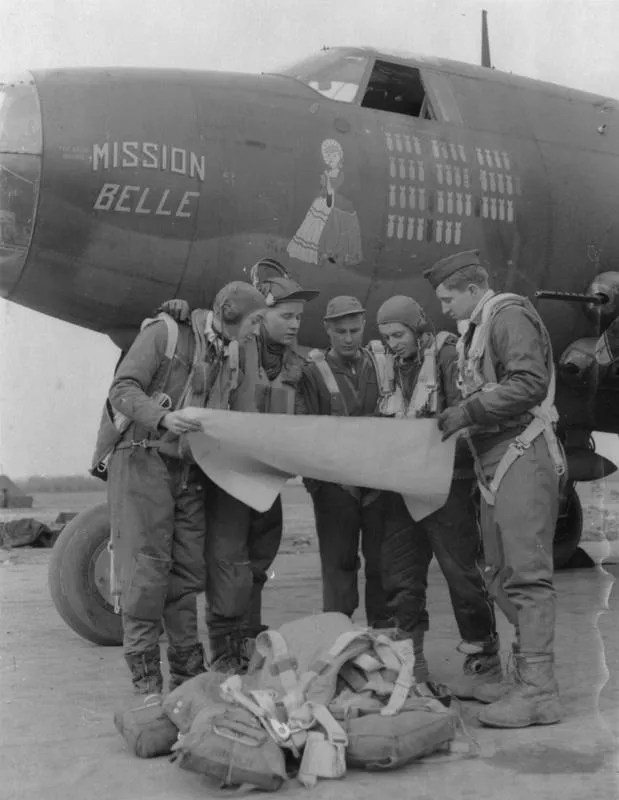
Art Youman of Arroyo Grande, of Easy Company, was there, too, in Bastogne. So was James Pearson of Templeton, lost with his B-26 crew—their plane, “Mission Belle,” is seen here with an earlier crew (they look young, don’t they?)—shot down over a Belgian town, Houffalize, the day after Christmas. So was Manuel Gularte of Arroyo Grande, a crewman on a 155-mm “Long Tom” cannon whose work had helped to delay the German advance on a Belgian town, St. Vith.
Once again, I am stunned by a “cow county” so small—33,000 people in the 1940 census—soon to be outnumbered by 96,000 servicemen from Camp Roberts in the north to Camp Cooke, near Lompoc–that contributed so significantly to World War II.
I heard a war story I did not want to hear a few days ago. It was a guy about my age, maybe with the tread worn down a bit more than mine, but his Dad was a member of an Army cavalry scout unit during the Battle of the Bulge.
They were among the units that found the bodies of more than eighty GIs who’d been machine-gunned—murdered—by a Waffen-SS unit in Malmedy, Belgium on December 17. They had surrendered and were unarmed.
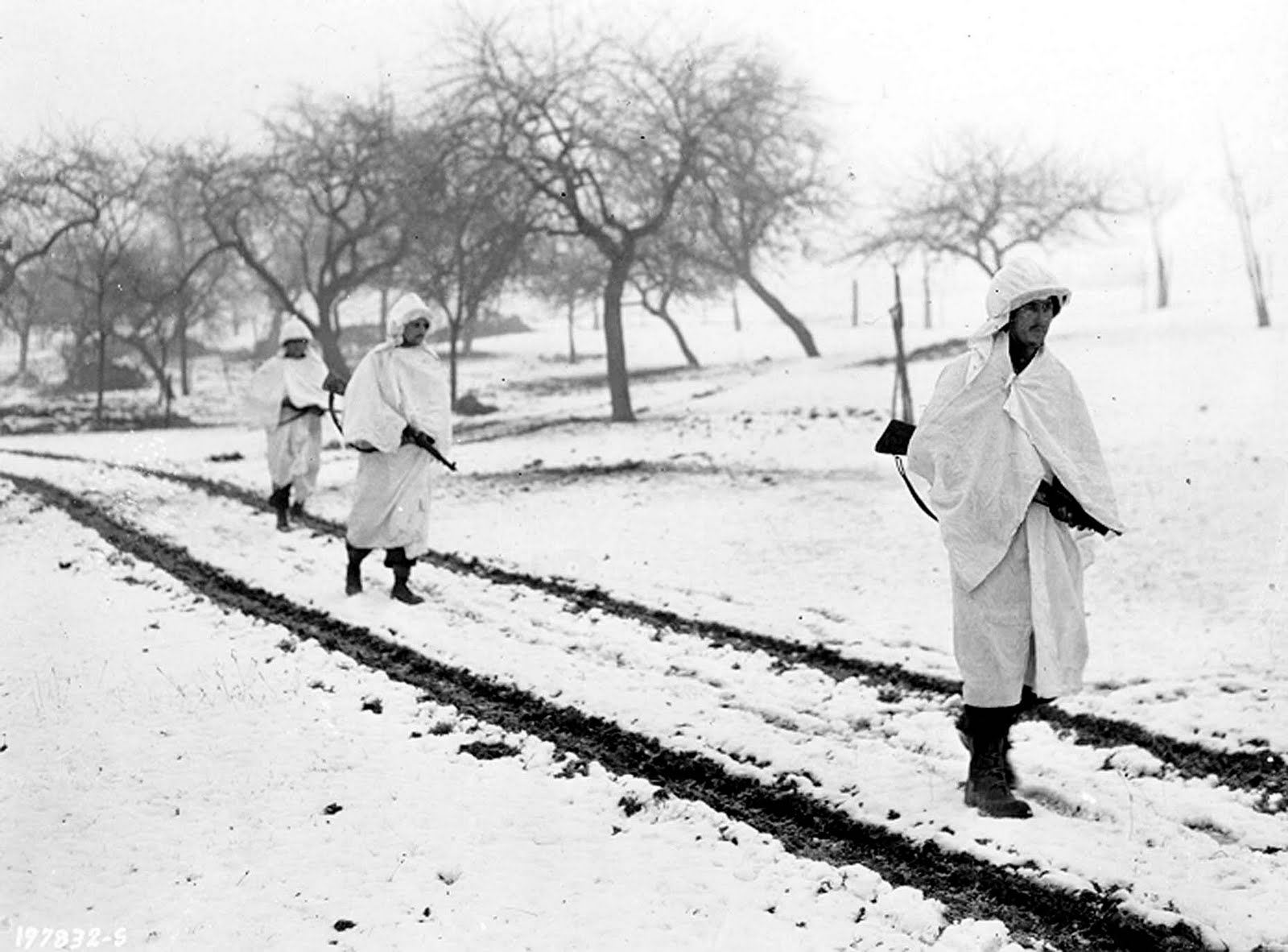
His father’s unit stopped taking prisoners after that, the man told me. And so the Germans they murdered for the next six months became some of the fifty million casualties this war produced, in a war that demonstrated that humans were as efficient at killing as the Spanish Flu, with its fifty million victims, had been in 1918.
It was a horrific war in which Americans were not blameless. In writing Central Coast Aviators in World War II, I noted that airmen could never completely rid themselves of the memory of burning human flesh that came to them in updrafts over cities like Dresden or Tokyo. The Army executed 102 GIs for crimes against civilians during World War II, so we were capable of much more personal brutality, too.
But it’s a telling statistic that, in nation fighting to preserve democracy and destroy the racism fundamental to National Socialism and to Japanese chauvinism, that 83% of the soldiers executed for rape were Black Americans. The irony would’ve have escaped us then and would probably escape 30% of voting Americans today.
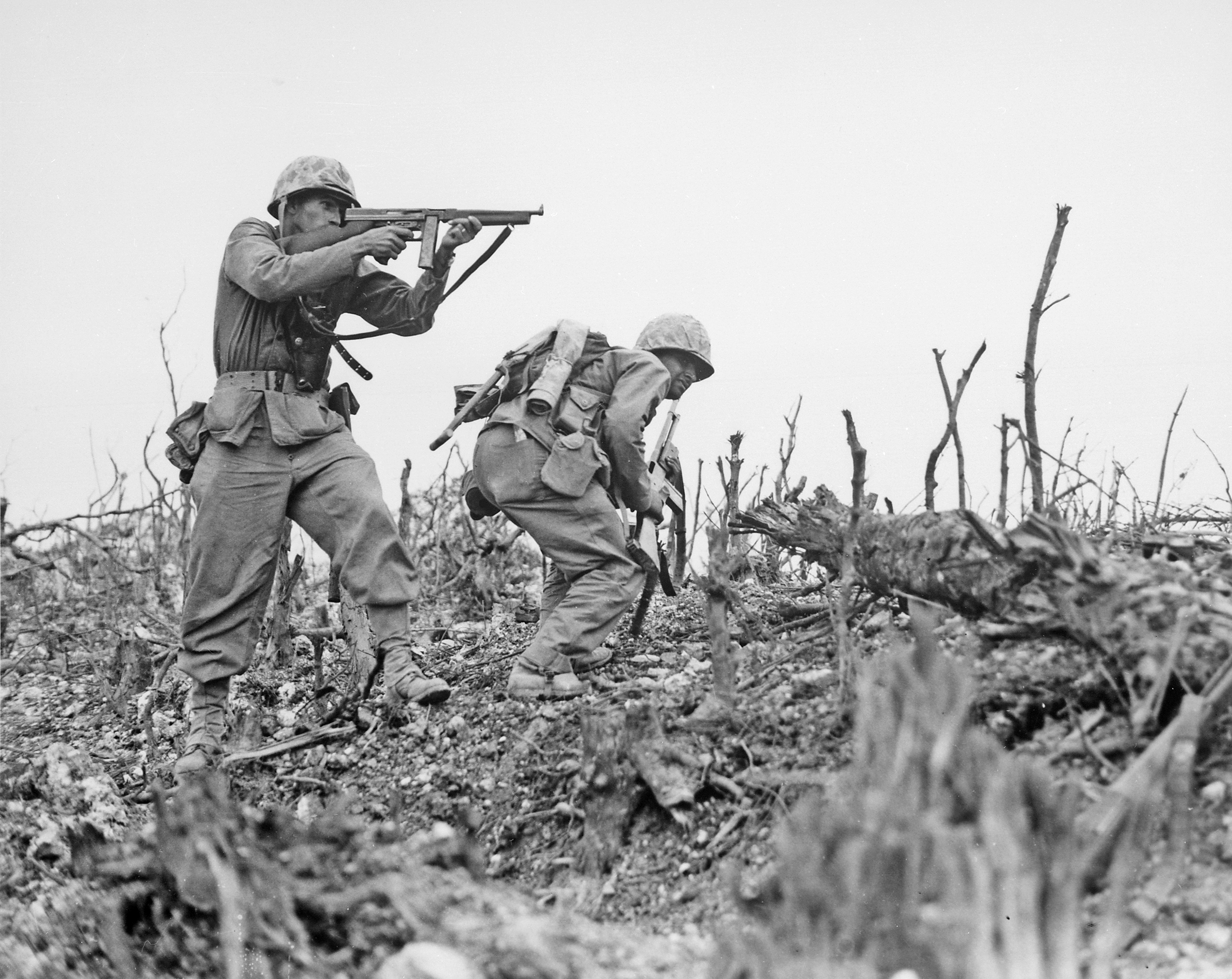
And, as to the debasement that war can confer, even on Americans: in Eugene Sledge’s masterful With the Old Breed at Peleliu and Okinawa, he remembered a fellow Marine absently tossing pieces of coral, like basketball free throws, into the skull of a dead Japanese soldier; the top of the man’s skull had been neatly sheared off by machine-gun bullet or a shell fragment. Even Sledge, who was not a blameless man—war debases all in mostly equal measures—was sickened.
Fifty thousand Americans grew sickened by the war and deserted. For a time, a gang of them took control of Paris and tried to run the place the way Capone had run Chicago.
The miracle, one author has noted, is that only fifty thousand GIs deserted.The vast majority didn’t. Here, they were farm boys and Poly students (usually one and the same) and store clerks, farm laborers and high-school football heroes, even the guys with Coke-bottle glasses whom nobody took seriously–not until they proved to be someone different altogether in places like the Ardennes.
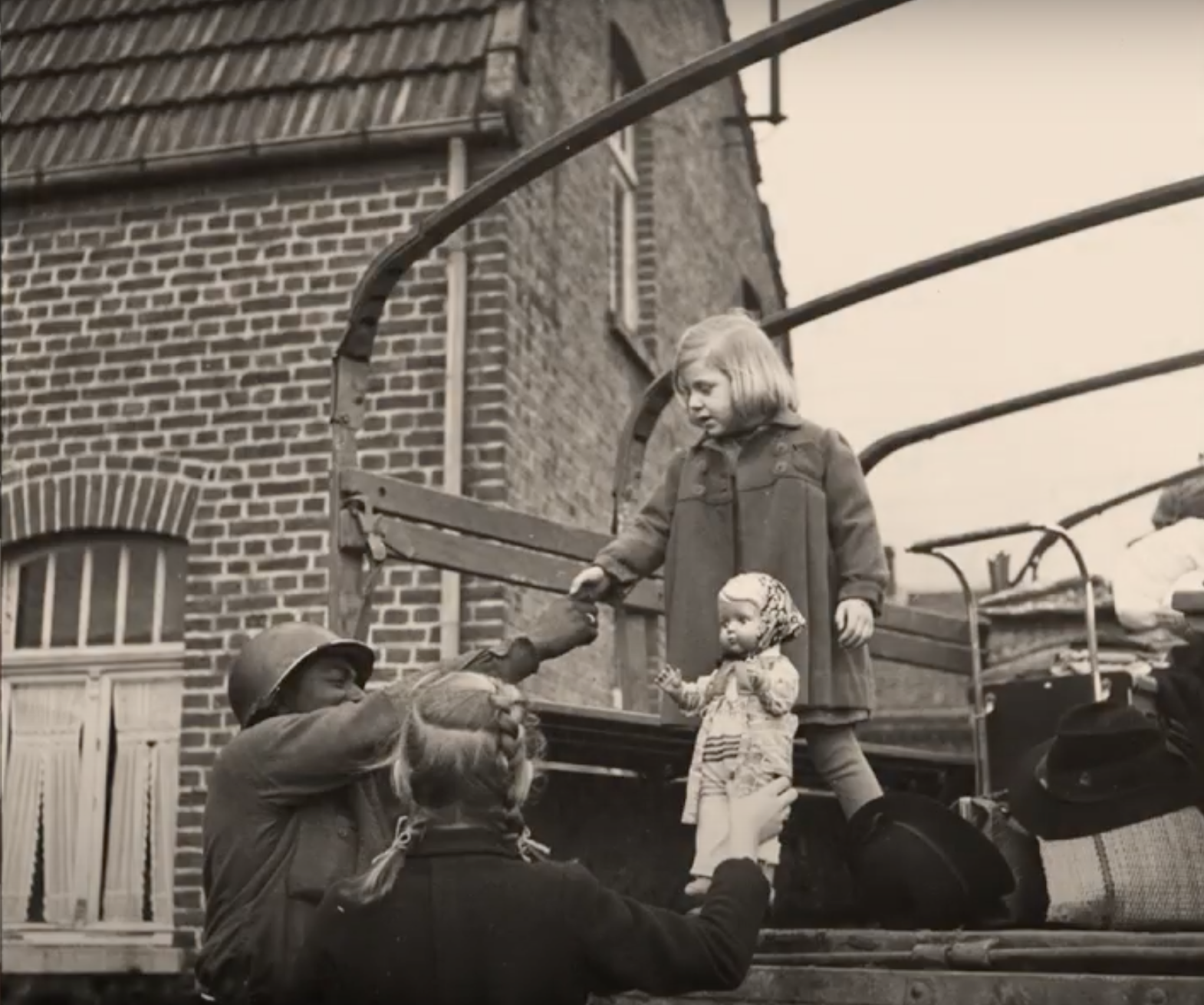
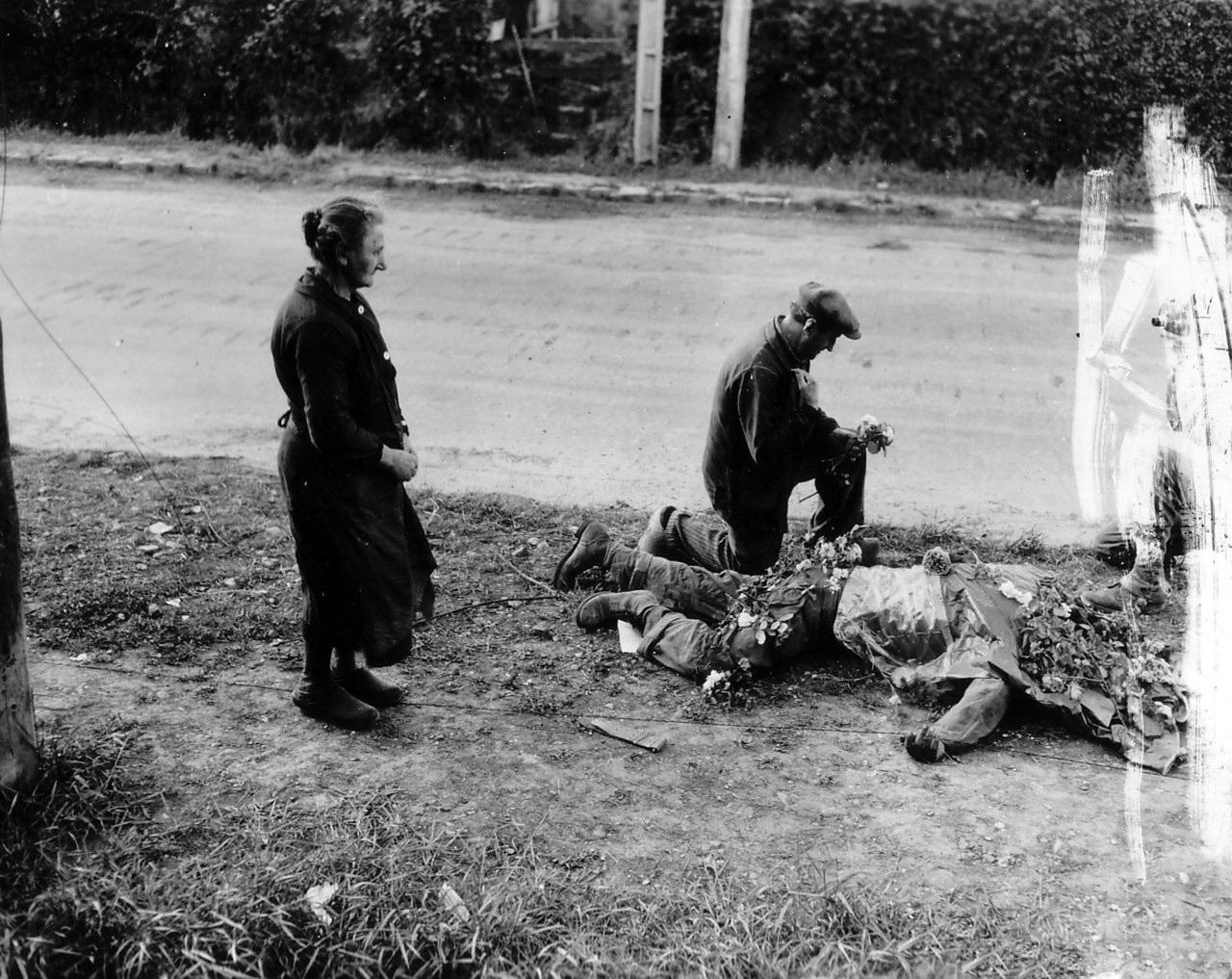
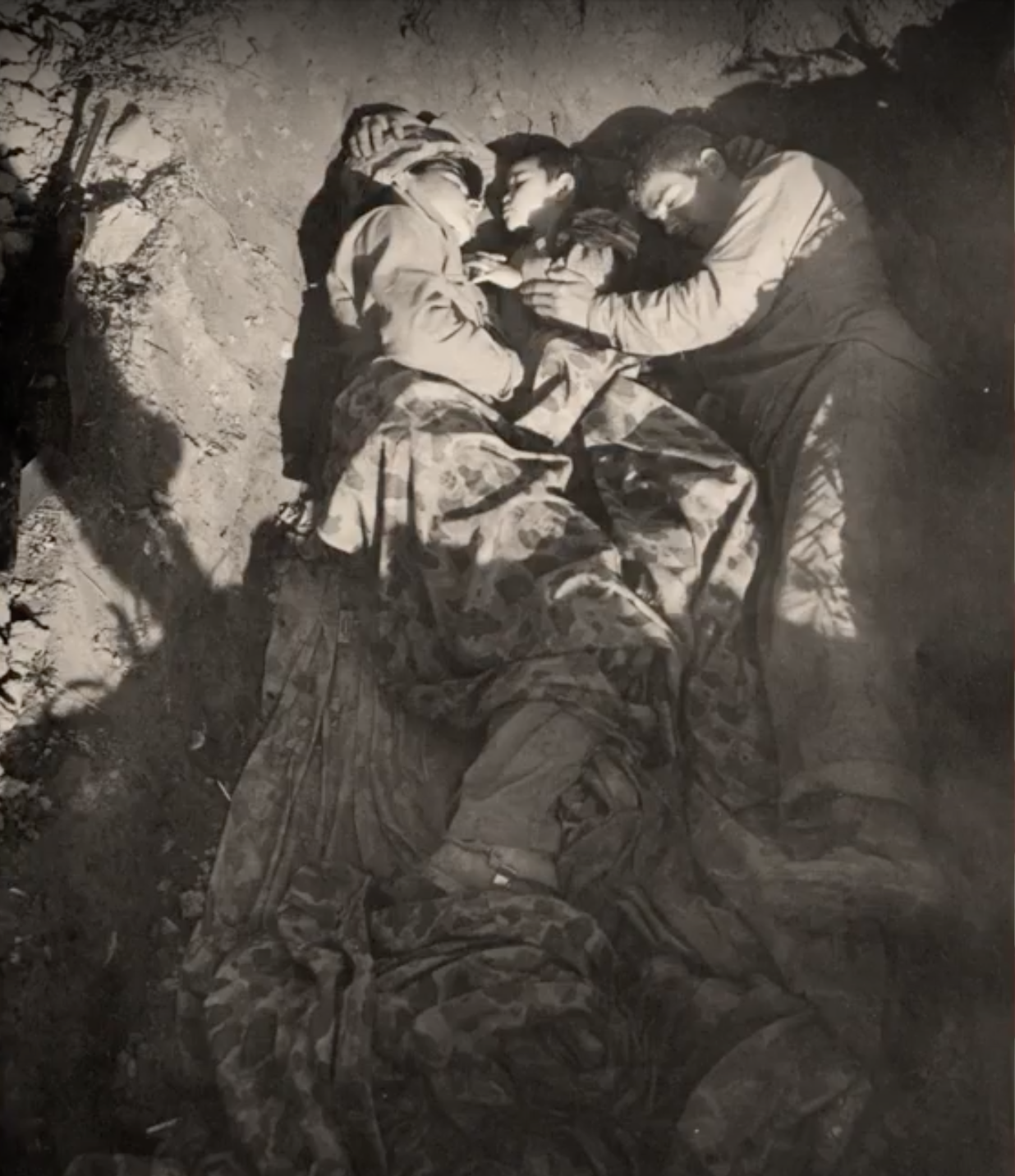
They constantly amaze me. I keep returning to them because the debasement of recent history compels me to. I have learned that the cruelty of war, a cruelty some of them practiced, is always overwhelmed by other, more important, American traits: generosity, humanity and courage. We must not forget that.
 A Work in Progress