• About
  • The Germans

A Work in Progress

A Work in Progress

Monthly Archives: February 2023

Baseball again: Sandy Koufax, Stan Musial and my Dad

28 Tuesday Feb 2023

Posted by ag1970 in Family history, Uncategorized

≈ Leave a comment

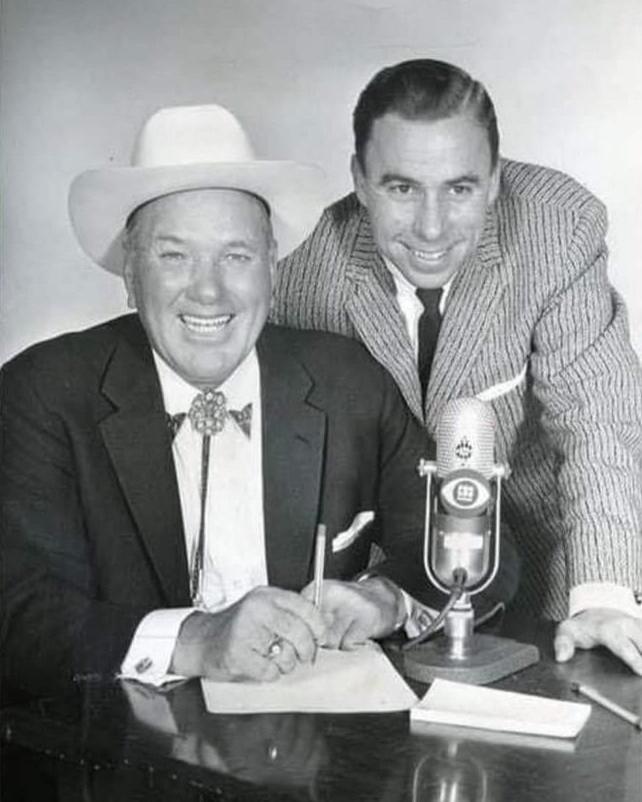
Former Cardinal Dizzy Dean and former Dodger Pee Wee Reese, 1950s

St. John of the Cross is the Spanish mystic who wrote Dark Night of the Soul in the 16th Century.

I take it to mean that St. John was thinking about that time between the Super Bowl and Opening Day of baseball season.

I do not follow professional basketball. I might give one or two March Madness games a look, but I prefer college women’s basketball, because college women still adhere to quaint customs like “passes” and “assists.”

So baseball means a lot to me. When I was growing up in the Upper Arroyo Grande Valley, I wanted to be—sorry, my beloved Gigantes fans, and I hope still my friends—Maury Wills, the Dodger shortstop and base-stealer extraordinaire, when I grew up. My childhood heroes were Koufax and Lincoln.
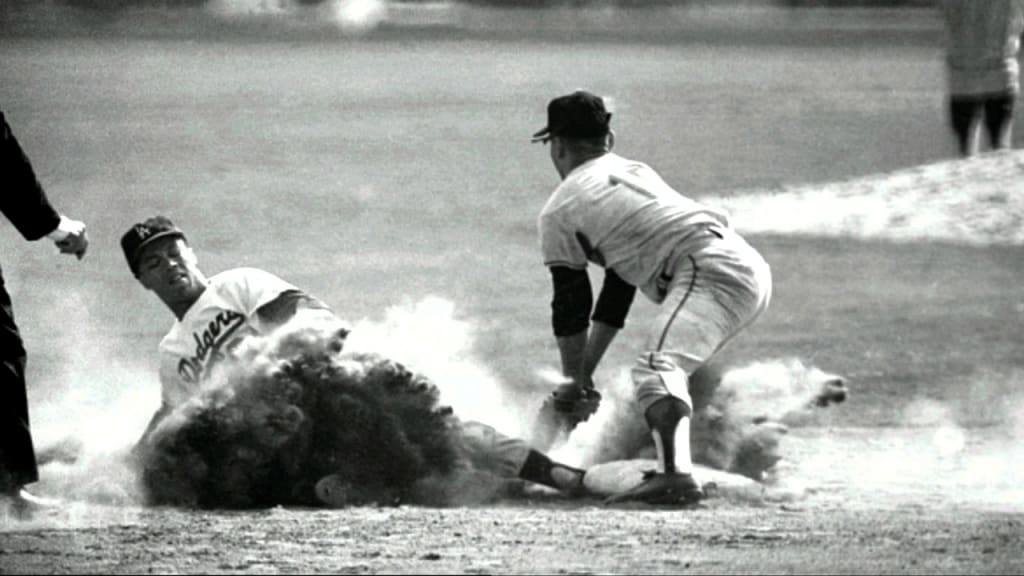
Wills steals second in what looks suspiciously like a Dodgers-Giants game. Is that Jimmy Davenport?

When Sandy retired—his pitching arm had atrophied from years of damage and was markedly shorter than his right arm—we were on a family weekend in Solvang where, years later, I would marry Elizabeth, at Mission Santa Ines—and when I saw the headline inside a newspaper-dispensing basket, it was a punch to the gut. It was almost, but not quite, November 1963.

I have all the stories about Sandy that other Dodger fans have, about how wild he was, how he found his delivery, how he refused to pitch in the Series on a high holy day (my mother, Roman Catholic, a faith that has not been kind to Jews, fell in love with him from that moment), how he finished the ninth in the perfect game with my Dad and I listening and not breathing much, to a radio set atop the kitchen stove.

Nearly as important as his athletic prowess was his grace as a speaker, a teacher, a man, a mensch.

He later moved to Templeton, in my home county, San Luis Obispo. It was nice to know that he was that close to me. If it’s possible to love a man you’ve never met, and it is, then we loved this man.


When I was very little, Dad and I used to watch baseball on television together. And his idol Dizzy Dean broadcast the CBS Game of the Week, brought to you by Falstaff Beer, with Pee Wee Reese. Dean incensed English teachers across our great nation by inventing verb conjugations like “He slud into third!” When the game turned into a blowout, he’d sing “The Wabash Cannonball.”

Once, in high school, when something or someone had broken my heart, Dad intuited how troubled I was and stayed home from work at Madonna Construction so we could watch a World Series game together. My Dad was not an easy Dad. He had a volcanic temper and inherited the curse that visited both sides of our family–alcoholism–but baseball was our common ground, the place where we could meet and tell each other, without uttering a word, how much we loved each other.

Vin Scully did the talking for us.

My Dad grew up on the Ozark Plateau during the Great Depression, when shoes were required for school and church, and his baseball idols were the St. Louis Cardinals, the “Gashouse Gang” (the Dean brothers, and some colorful names: Pepper Martin, Spud Davis and Ripper Collins). They were all working-class boys from the South or Southwest. All they did was win five National League pennants and three World Series between 1926 and 1934.

Dad was a tobacco farmer’s son who did like basketball. He’s #4 in the old newspaper clipping, when his team, from tiny Houston, Missouri, was the runner-up in the state championship, losing to a big St. Louis high school. “Uncle Bob passed off to nephew Frank,” the radio announcer said during the game. Dad’s teammate, thanks to the longevity and evident potency of my grandfather—his natural force was unabated, as Exodus says of Moses— was also his nephew. In fact, Frank might’ve been older than Dad.
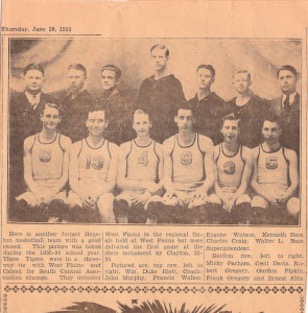


But I think baseball was Dad’s favorite. “Uncle Bob” was a marvelous athlete: graceful and powerful–I saw him drive the green on a 326-yard hole at Black Lake with a three-wood that was older than Arnold Palmer–and it was his prowess as a second baseman that brought him to Taft Junior College, where he met my Mom. He was also, we discovered to our shock one day at Frank Mello’s ranch in the Edna Valley, an expert horseman. When the Quarter horse Belle threw my big sister, Bob’s little girl, Dad was furious. I am not condoning his behavior, but he vaulted into the saddle and rode Belle into a lather until she nearly sank to her knees.

I learned later that Dad had pretty much grown up on horseback on the Ozark Plateau, where horses were once revered. (The incredible film Winter’s Bone, with a very young Jennifer Lawrence, depicts a far more terrifying place today.) The same’s true of County Wicklow, where my Mom’s ancestors came from.

Dad’s Grandfather Taylor once hit him—hard— in the small of the back with his quirt. 

Sit up! he growled. You’re hurtin’ the horse!

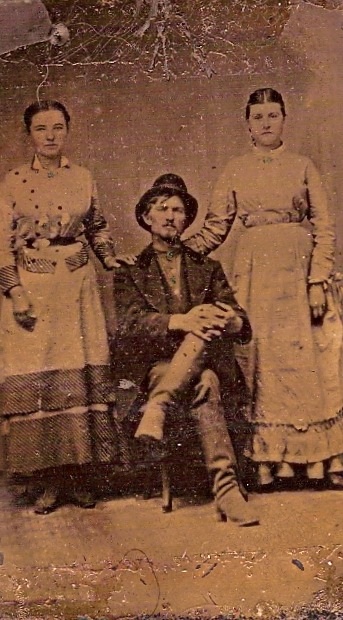
That’s Taylor, in the center, formidable looking in high boots, on a tintype, probably taken in 1880, that was found in a root cellar and returned to my family in the 1970s. His sister-in-law, Mildred, is to the left. His wife, Sallie, the lovely woman to the right, is my great-grandmother. She died relatively young of influenza. Sometimes on their horseback rides, my Dad, a little stunned, would hear Taylor, this tough old cob, begin to cry and softly call out Sallie’s name. My sister is named Sally. I have always loved that name.


Oh, and Belle? She never threw Roberta again.

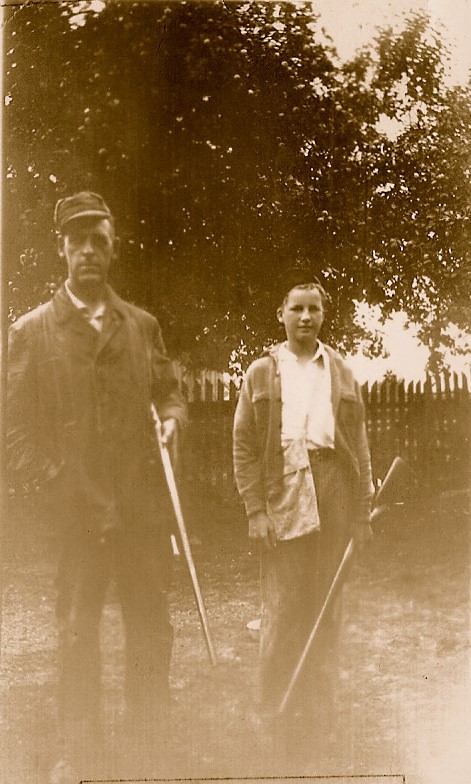
And here’s Dad, twenty-six years before, with his neighbor Barbi Dixon. Dad’s about twelve– with a Winchester Model 12 shotgun, heavy for a twenty-gauge and long-barreled, in a photo taken when the Great Crash was a current event. I do not like hunting. but my Dad—like my father-in-law, Gail, the San Francisco 49er, a teenager in Depression-era Puyallup, Washington— hunted to help feed his family.

When I went hunting with Dad, I discovered that he had mastered shotguns. When he was in his late forties, with me lugging around the long Model 12, made longer by a choke, and field pheasants and chukkars laughing at me, Dad had acquired a beautifully engraved twenty-eight gauge Spanish over-and-under. He had learned, because I was his son, to raise, traverse and fire it so rapidly that I was never sure whether it was his shot or mine that had brought the pheasant down.


Fifty-five years later, I am sure.

The first baseball game we saw together, along with Russ, the man who owned the liquor store that shared the same building as the Fair Oaks Theater (he called me “Sheriff,” because I seldom went anywhere, in 1958, without my Mattel Fanner Fifty pistols in their holsters), was at the Los Angeles Coliseum.

It was the Dodgers against—wouldn’t you know it?—Dad’s team, the St. Louis Cardinals.

Now that I am seventy-one I realized that, when I was six years old, I saw Stan Musial (below). I wish I remembered that. All I remember is a big frozen lemonade in a conical container, sold by a stadium barker, and falling asleep, my head in Dad’s lap, on the long car trip home.
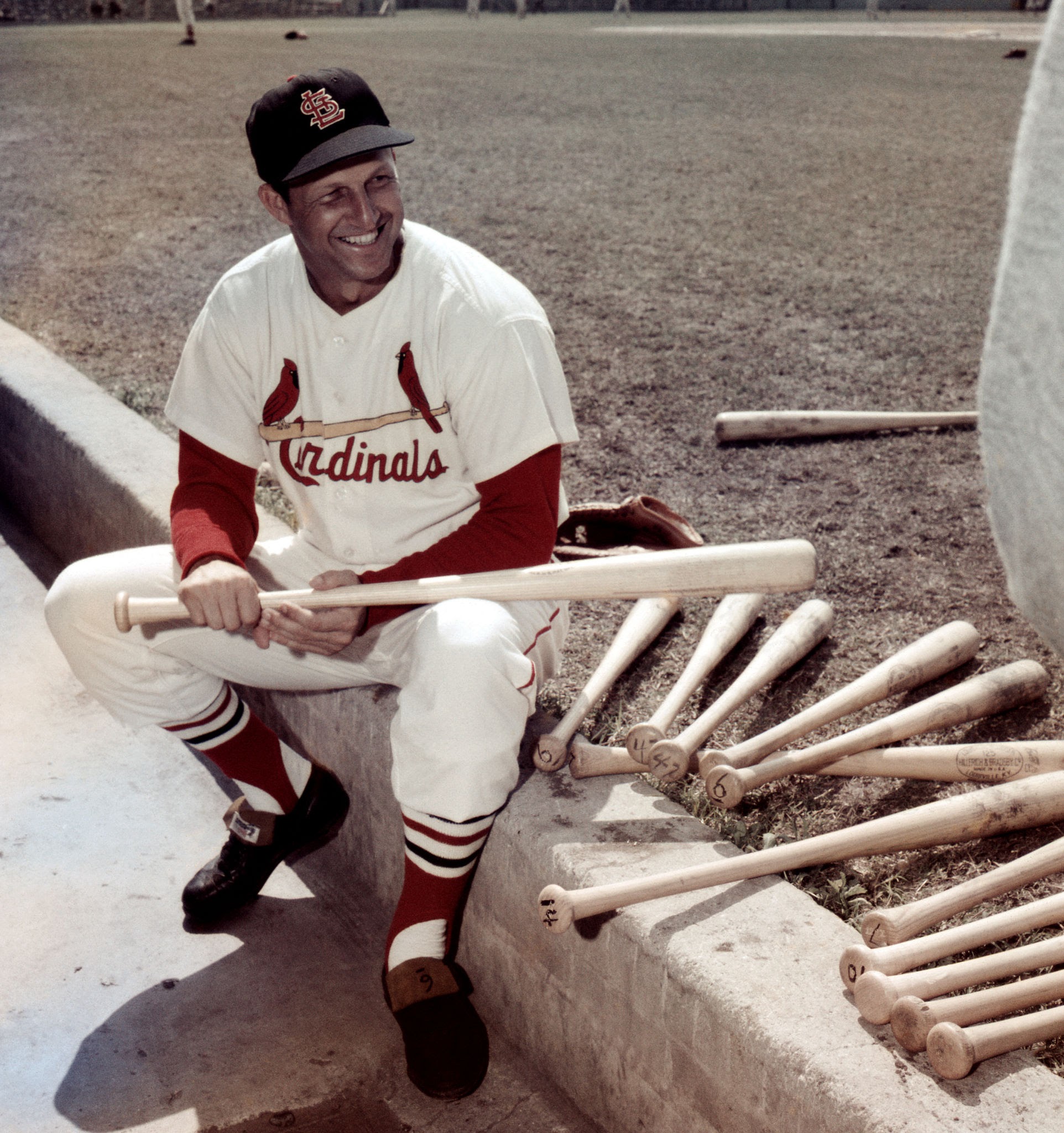
Musial during Spring Training, 1958, the year I saw him play.


Now, in the off-seasons, I watch, obsessively, Ken Burns’s Baseball on the MLB Network. I loved showing my AGHS U.S. History kids the segment “Shadow Ball,” about Satchel Paige and Josh Gibson, the Negro Leagues greats. Paige–“with which pitch would you like me to strike you out?” he’d coo down to the opposing batter—started a game for the Kansas City Athletics in 1965, when he was fifty-nine years old. Josh Gibson hit nearly 800 home runs against pitching that was pretty much superior to anything in the 1930s all-white Major Leagues had to offer.

Burns’s series is also where I discovered the team of my father’s childhood, the Gashouse Gang.

A decade later, roughly contemporary to Joe DiMaggio and Ted Williams, Stan Musial became a Cardinal. When I saw him, he’d already taught former Cardinal and brand-new Dodger Wally Moon how to hit “Moon Shots,” towering fly balls over the absurdly high left-field screen at the Coliseum, a prophylactic measure intended to prevent home runs in a stadium that was designed for the 1932 Olympics and, later, Trojan football.

There are, I’ve discovered, four subjects that lend themselves to telling the most impossibly beautiful and moving stories, and they are war, horses, dogs and baseball.

In Burns’s Homeric series, I discovered a Stan Musial fan in the Southern writer Willie Morris, who wrote, among many things, the wonderful book My Dog Skip. The movie version requires at least one box of Kleenex, which ties it, in my mind, with Old Yeller and Warhorse.

This is Morris, on the campus of the University of Mississippi campus at Oxford, a place perhaps haunted by another Southern writer and dog-lover, William Faulkner. (I once read a wonderful novel about Faulkner and the German general Erwin Rommel, a Civil War buff–-this is true-–and a devoted fan of “Stonewall” Jackson. The writer and the future Afrika Korps commander, then a military attache on duty in the United States, got gloriously drunk together and decided to do a midnight tour of the nearby Shiloh battlefield. They somehow survived. In 1862, many Americans didn’t.)

Photo courtesy Bern and Franke Keating Collection, Southern Media Archive/University of Mississippi Library

One of the elements that made Burns’s documentary so powerful was the careful choice of commentators. Buck O’Neil, the Negro Leagues player-manager, became my surrogate grandfather. In one of the most shivery moments in the series, O’Neil remembered that he and Satchel, during their playing days, visited a big, barnlike building in—was it Atlanta?—that had been an antebellum slave market. After a long, long silence, Paige turned to O’Neil and said: “I feel like I been here before.”
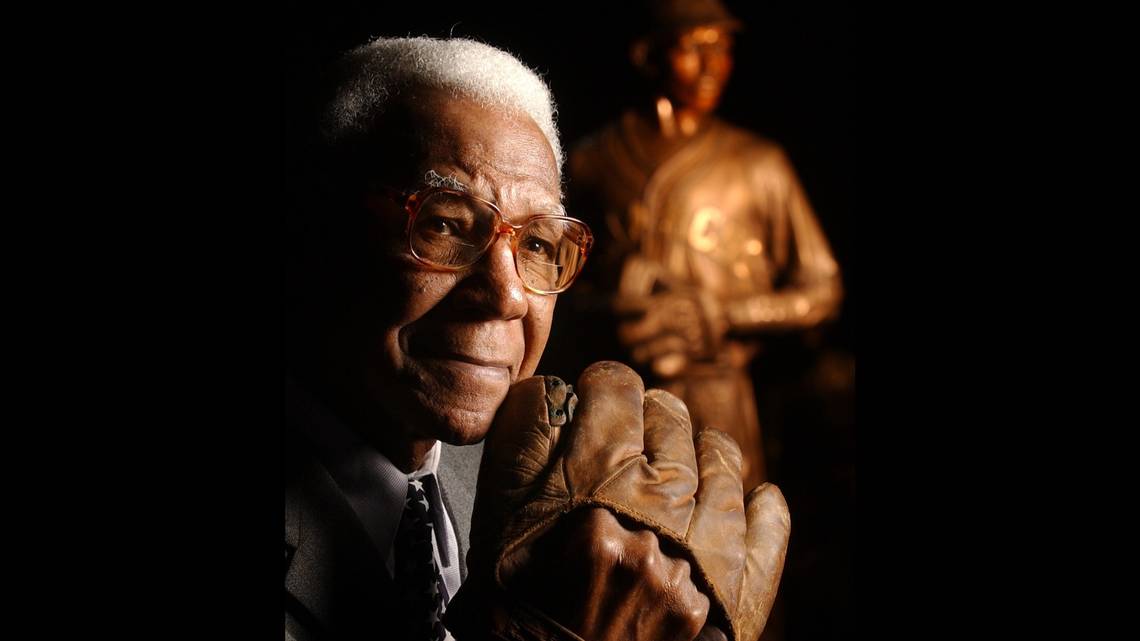
Buck O’Neil, Hall of Famer


Another was Willie Morris, from Yazoo, Mississippi, a Cardinals fan. Through some accident in the ether, he discovered a spot at the edge of a family cornfield where he could pick up Cardinals broadcasts on a what I assume was a crystal set. He’d lie down there, with his dog beside him, keeping him warm, and enjoy baseball the way it’s meant to be enjoyed, on the radio, where his writer’s imagination could make Stan Musial–powerful and graceful, like my Dad, but in measures far beyond his–into the hero that Musial was meant to be. I am sure that, somehow in God’s intentions, Sandy Koufax was meant to my hero, too.



Lincoln arrives, February 27, 1860

27 Monday Feb 2023

Posted by ag1970 in American History, Uncategorized

≈ Leave a comment

In 2019, Robin, Elizabeth and I traveled to New York City to see our beloved niece Emily graduate from NYU. That was the biggest thrill of the trip. The second-biggest thrill?

1. Having my favorite skyscraper, the Art Deco Chrysler Building, Just outside our hotel room window?

Nope.

2. Going to a real-live actual Broadway show? (Come from Away, about all the airplanes that had to land in Newfoundland on 9/11 and how Canadians embraced their visitors. It was delightful.)

Nope.

3. Sitting inside Yankee Stadium?

Nope.

4. Riding up to the VERY SPOT at the top of the Empire State Building where Tom Hanks and Meg Ryan FINALLY met in Sleepless in Seattle?

Nope.

Okay, I give up. Here it is: We were all walking, Jackoways and Gregorys and Aunt Robin, in the East Village when we passed the Cooper Union.


East Village, NYC

The COOPER UNION! I started hopping up and down on the sidewalk. I’d done this before, in the midst of what was, I am sure, a thrilling AGHS lecture on the Thirty Years’ War—“BDSF!” I reminded my students; the war’s four stages were Bohemian, Danish, Swedish and French—when I recognized, from a couple of miles away, the sound of a B-17’s engines. It was “Sentimental Journey,” on its way to McChesney Field in San Luis Obispo, just north of us.

I left the classroom and hopped up and down on the lawn between the 200 and 300 wings at Arroyo Grande High School as the plane flew overhead. The squirrels there, who liked to skitter into my classroom for weekend courtship dances while I was grading essays, were a little stunned. So were my students.

And now I was stunned because I was across the street from the Cooper Union. I, happily digesting some Greenwich Village squid-ink pasta–the best I’ve had since an AGHS student trip to Venice– did not know it was there.

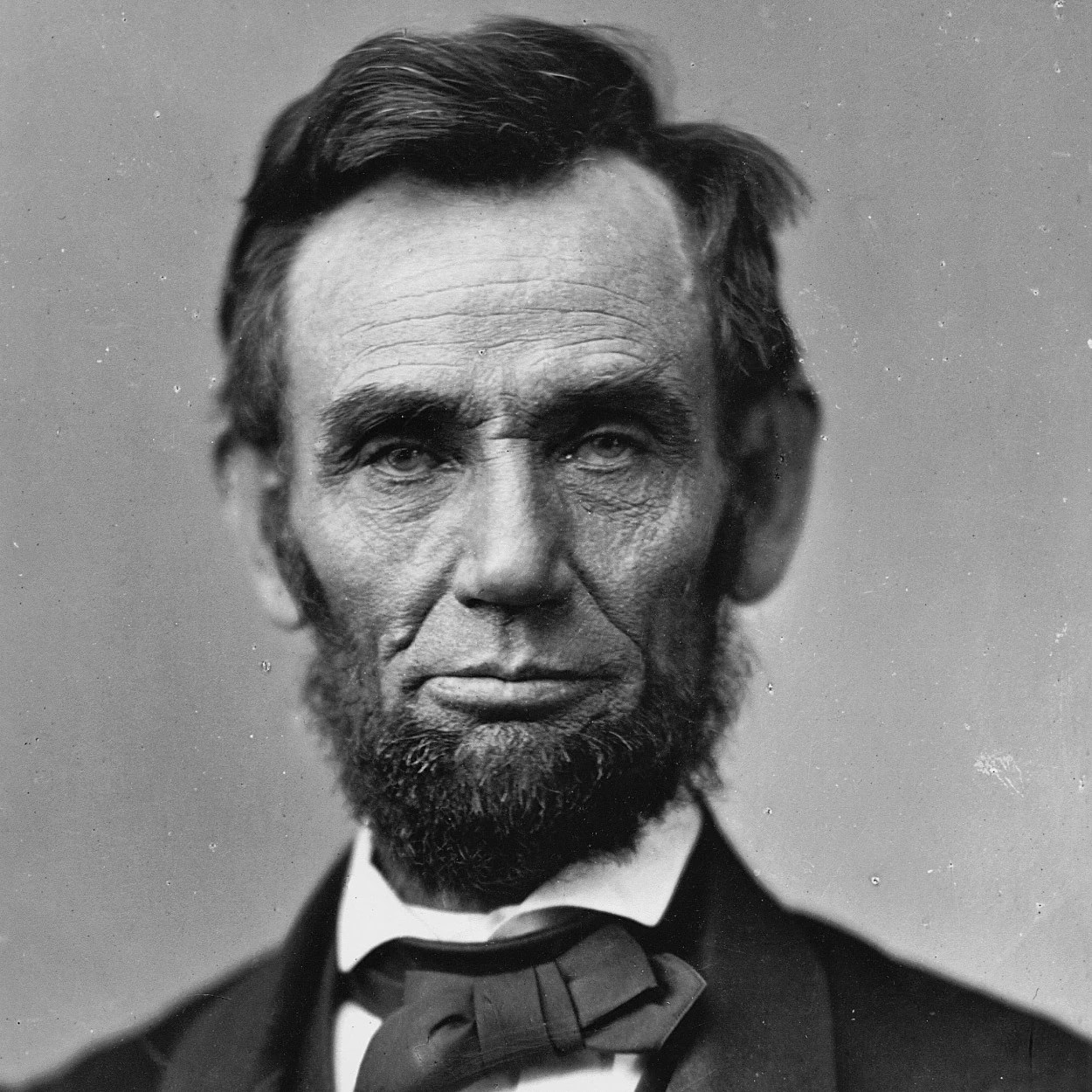
On tomorrow’s date in history in 1860, Abraham Lincoln, largely unknown outside the Midwest, delivered the speech inside that building that would make him president.

And now, in 2019, I was standing in front of the Cooper Union. And that is the 1860 photograph, taken in Matthew Brady’s New York studio, that captured Lincoln in the hours before his speech.

You’d look in vain for in the Cooper Union speech for the kind of eloquence that marked the Gettysburg Address or Lincoln’s Inaugurals, but what he said in the Cooper Union–densely reasoned, lawyerly, with every word carefully chosen–was so compelling that many of the jaded New York reporters (some of them, for their lack of homework on the man, might’ve been miffed a little because they’d been assigned to cover this Illinois rube, a little taller than the cornstalks from whence he came) put their pens down and forgot to take notes.

He was that good.

He had arrived, on February 27, 1860.

His death on April 15, 1865, only made it certain that he would never leave us.

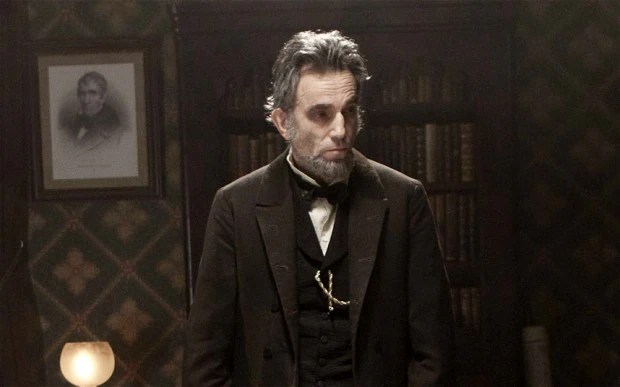
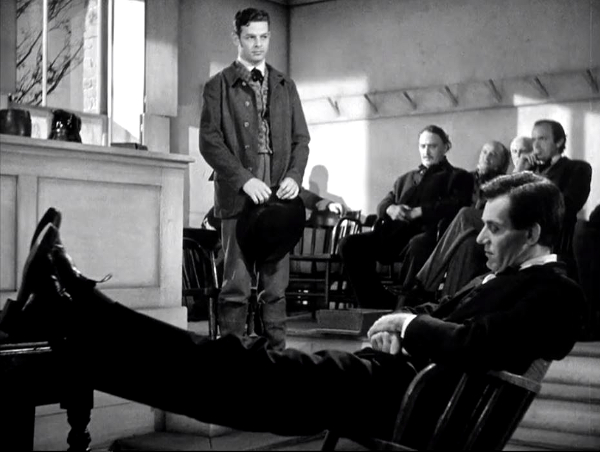
Ever since I was a little boy, Lincoln has been alive to me. I have read everything I can about him. I’ve watched every Hollywood depiction of him, most of them hokum. I watched perhaps the hokumiest, John Ford’s Young Mr. Lincoln, the other night for the sheer pleasure of being in the television presence of Henry Fonda’s Lincoln.

But it was, finally, the Irish actor Daniel Day-Lewis, his research meticulous, who made Lincoln come alive to me. Lewis lived inside the man, as he does all his characters, for months.

Lincoln– and Lewis understood this–would have pronounced the word “care” as “keer;” his voice was thin and reedy but he knew how to project it. Lewis knew how difficult Lincoln’s relationships were with Mary and with Robert, his eldest son. But he also knew how Lincoln could tell a story, sometimes to give himself time to think, or, conversely, how he could choose words that were like knives when he had to wound the obtuse, the wrong-headed or the faint of heart, if only to shock them at the sight of their own blood.

(At Gettysburg, the marathon orator Edward Everett had the decency to admit that Lincoln’s words, in his two-minute speech, had bested his, which lasted two hours. Everett was the main attraction that day in November 1863. Lincoln’s invitation to the battlefield, dusted with lime in the fall, a prophylactic measure that failed to erase the stench of horses unburied since July, was a mere politeness. Lincoln was not popular.)

Best of all, Lewis understood, while we appropriately remember the man’s kindness, that Lincoln had a temper. His will was spun steel and his ambition, as a law partner once remarked, “was a little engine that knew no rest.”

So the best part about the Cooper Union speech might be that Lincoln knew exactly what he wanted to say, knew how he wanted to say it, and all of it, every word, was a servant of his ambition. The nation, on February 27, 1860, was obviously and perhaps irrevocably coming apart.

Only Lincoln knew, from the intuition that he was singular–that insight was perhaps the greatest gift left him by his mother and stepmother–that he had inside reservoirs of such deep strength. They were deep enough to lift the nation to a better place.

That, of course, meant four years of heartbreak and the modern equivalent of 6.6 million deaths.

And I don’t know that we’ve reached that better place yet.

But who could ask for a better guide?

Enough balderdash. Let’s start to prepare for St. Patrick’s Day.

27 Monday Feb 2023

Posted by ag1970 in Uncategorized

≈ 1 Comment


Okay, let’s be honest. I am about 40% English, 10% Ulster (Dad’s side); 40% Irish, 10% Baden-Wurttemberg (Mom’s side.) So that makes me not really Irish, but  more or less half Irish.

But that’s okay, because we were married by a Cork priest, Fr. Enda Heffernan. The people from Cork assert that they are Irish and everybody else on the island is just pretending.

So I don’t care about my percentages.

And I know that corned beef and cabbage is not really Irish. (Most of our Irish ancestors lived their entire lives without once tasting meat.) But I don’t care, either, that it’s not a traditionally Irish. I will make that dish—one in the instant pot, one in the crock pot—at our house.


What I do care about is a little, elegantly-lettered sign atop a restaurant cash register—the restaurant was on a hillside with a breath-taking view of the Kerry coast below. Elizabeth and I were leading an AGHS student visit that included the first week of July.

“Happy Fourth to our American friends,” the little sign read.

That sealed the deal. I am Irish.

Oh, and the fish chowder was divine.

So let’s start to prepare for St. Patrick’s Day, shall we?

Music by The Corrs.

https://videopress.com/v/OgMcnyth?resizeToParent=true&cover=true&posterUrl=https%3A%2F%2Fjimgregory52.files.wordpress.com%2F2023%2F02%2Fscreen-shot-2023-02-26-at-6.54.53-pm.png&preloadContent=metadata&useAverageColor=true


Image

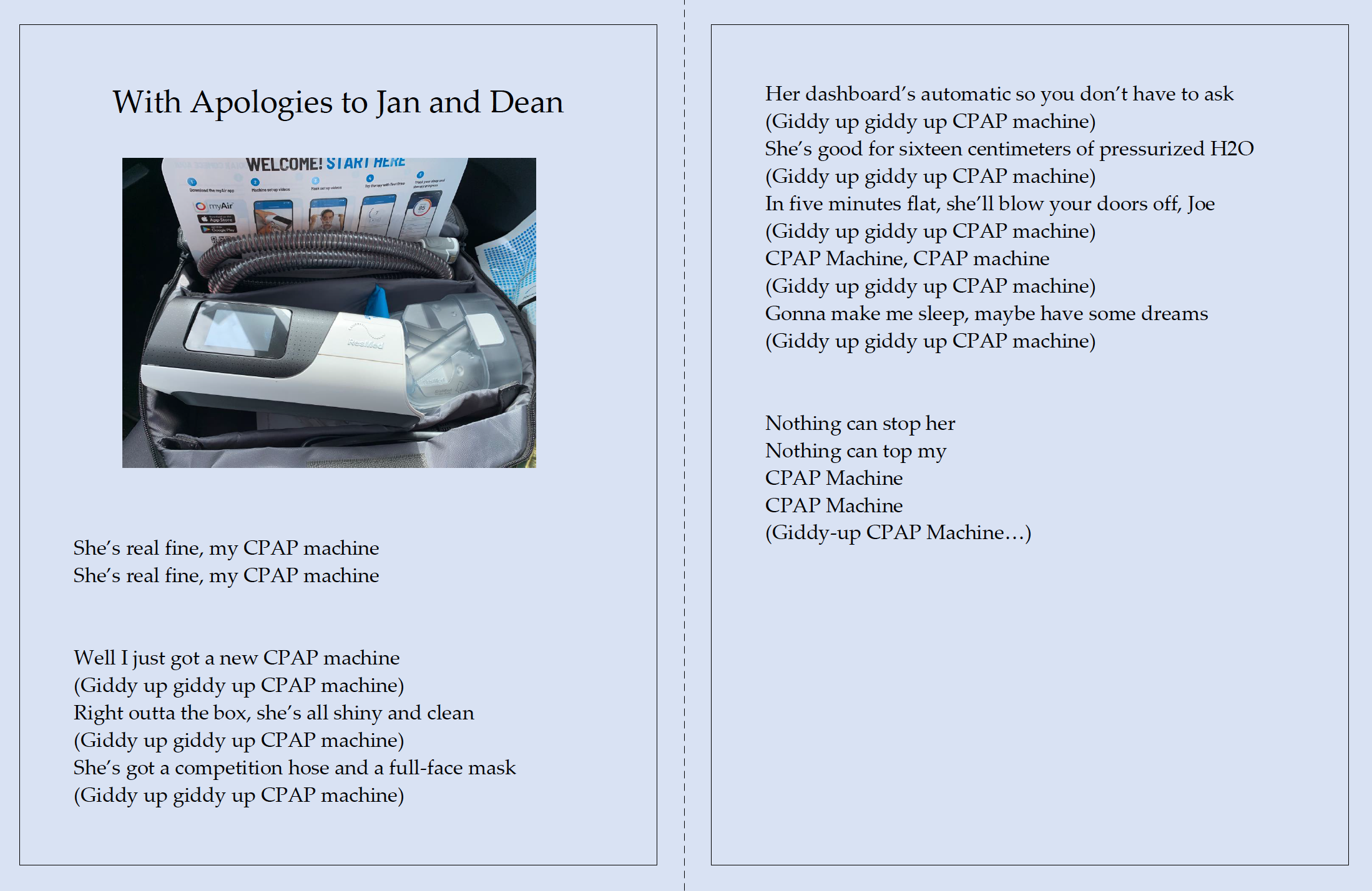
Giddy-up giddy-up, CPAP Machine

22 Wednesday Feb 2023

Posted by ag1970 | Filed under Uncategorized

≈ Leave a comment

The Lost Boy

18 Saturday Feb 2023

Posted by ag1970 in Uncategorized, World War II

≈ Leave a comment

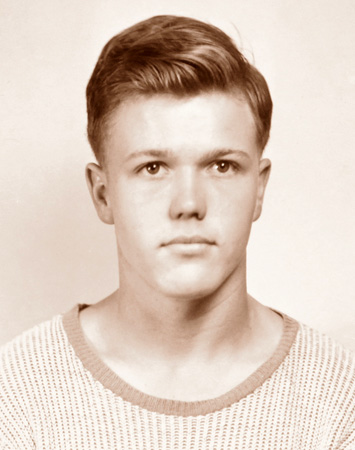
Jerrold W. Reed

The past isn’t dead. It even isn’t past.

–William Faulkner


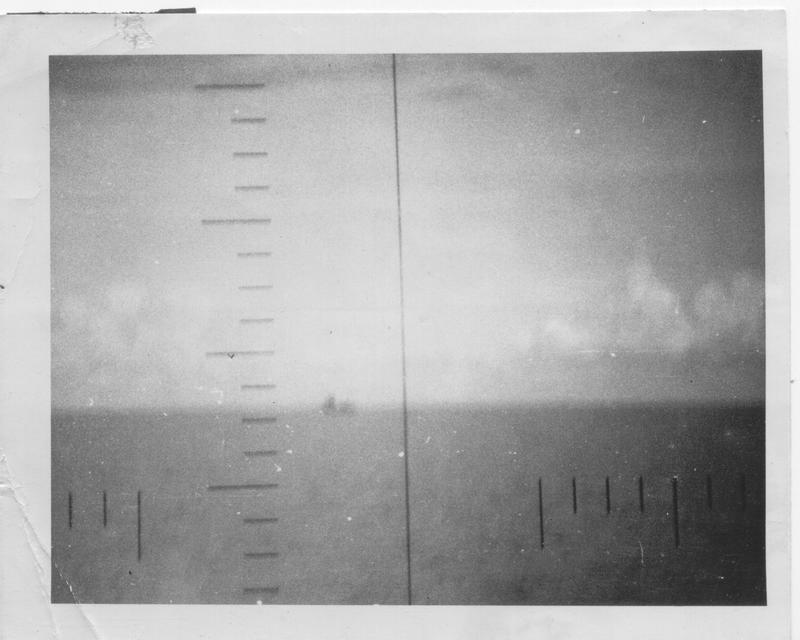
The American submarine Albacore holds one of the most distinguished service records in the World War II Navy. She is credited with ten confirmed sinkings and three probables One of her victims was a light cruiser, 3300 tons, and another, astoundingly, was the aircraft carrier Taiho, 30,000 tons, seen here in the sub’s periscope just before she was sent to the bottom.


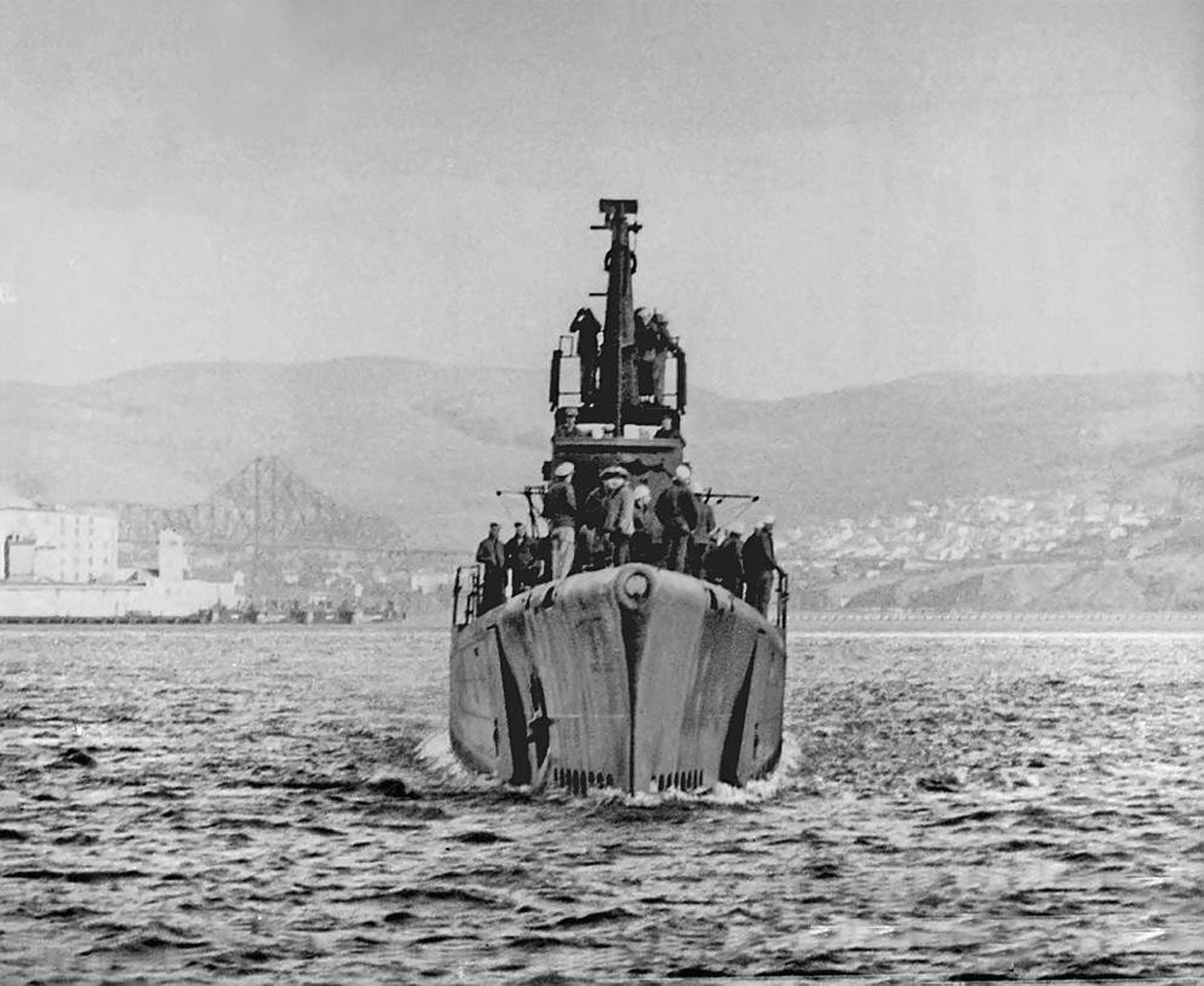
Albacore was on her eleventh patrol when she hit a mine of Hokkaido, the northernmost Home Island, in November 1944. She sank with all 85 of her crew. This is the submarine in San Francisco Bay for her final refit in May 1944.


Albacore was lost for seventy-nine years, until last week, when Japanese marine archaeologists found her at 800 feet. This is one of the photographs they took; more will follow once they can send a submersible to more fully explore the wreck which is, of course, also a tomb. It will be treated with respect.


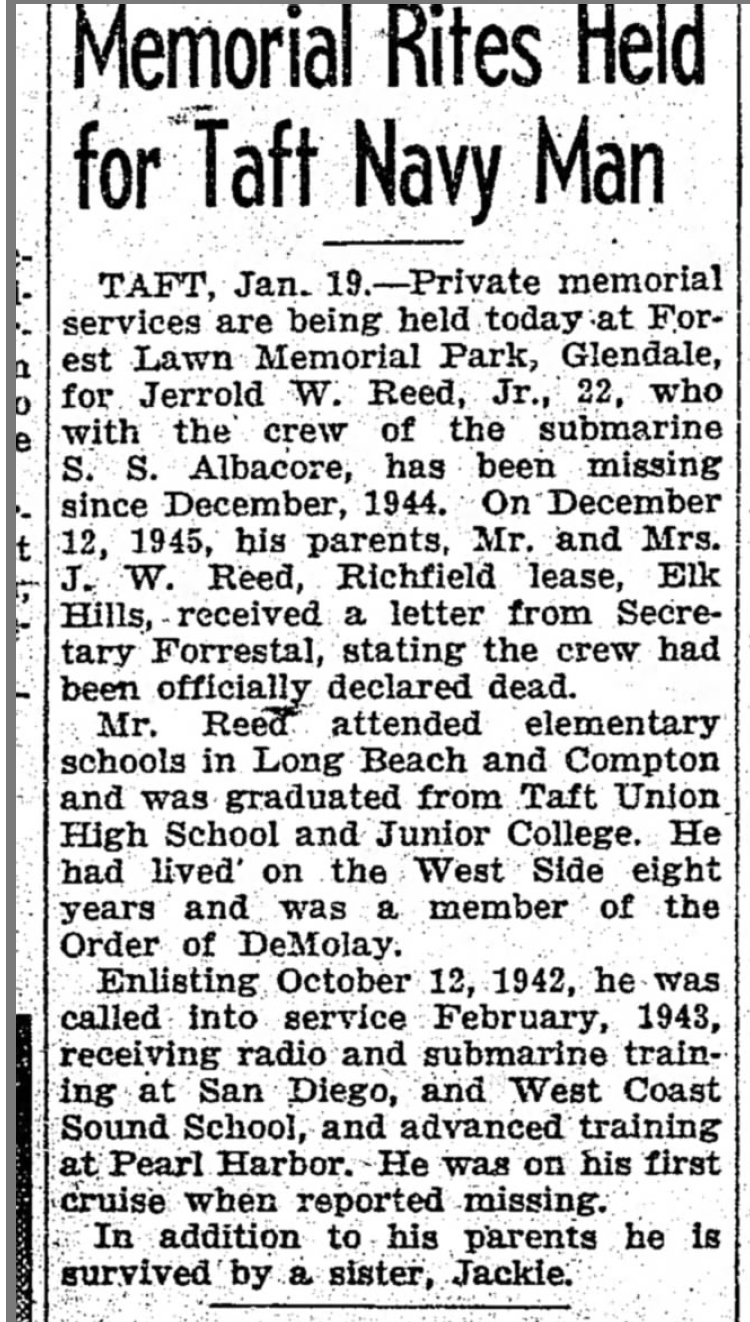
One of the Americans lost was a twenty-two-year-old seaman from just over the county line, from Taft, where I was born. Jerrod Reed joined Albacore’s crew on October 24, 1944, when she left Pearl Harbor. The sub topped off her fuel tanks at Midway and then headed for the Western Pacific, for Japan, and there Albacore disappeared.

It was determined later that she’d struck the mine on November 7. Seaman 1/c Jerrod Reed’s combat role in World War II lasted two weeks.

From a January 1946 edition of the Bakersfield Californian:


You can find poignant records of World War II servicemen online, on the website ancestry.com Among the records are their draft cards. Here is Jerrold’s (if you’re familiar with Taft, his home address isn’t unusual at all):


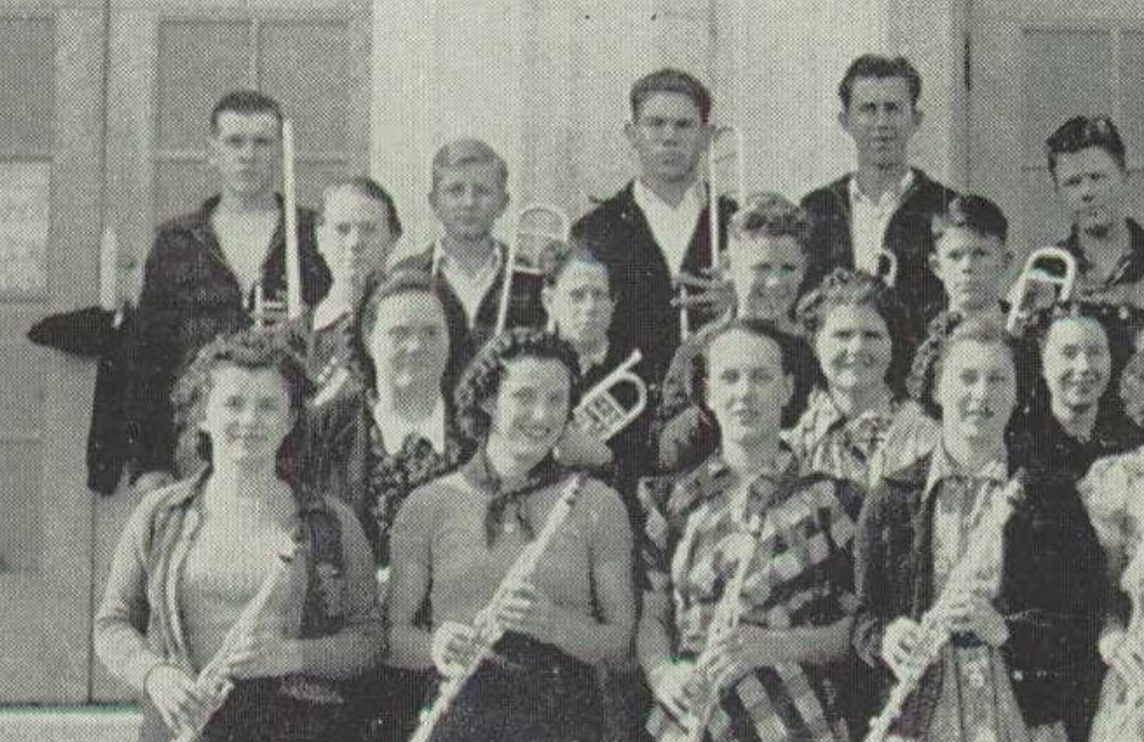
I found him again in the 1939 Derrick, the Taft Union High School yearbook. He’s at top, at far right, a trombonist in the school band. He, of course, has a counterpart here in Arroyo Grande: Jack Scruggs, the trombonist on Arizona’s band, was killed on December 7 by bomb concussions—near misses— off the battleship’s stern moments before fatal bomb forward blew the ship apart.


He’s such a nice-looking young man, and maybe that’s where the hurt comes from from a terrible event that happened seventy-nine years ago.

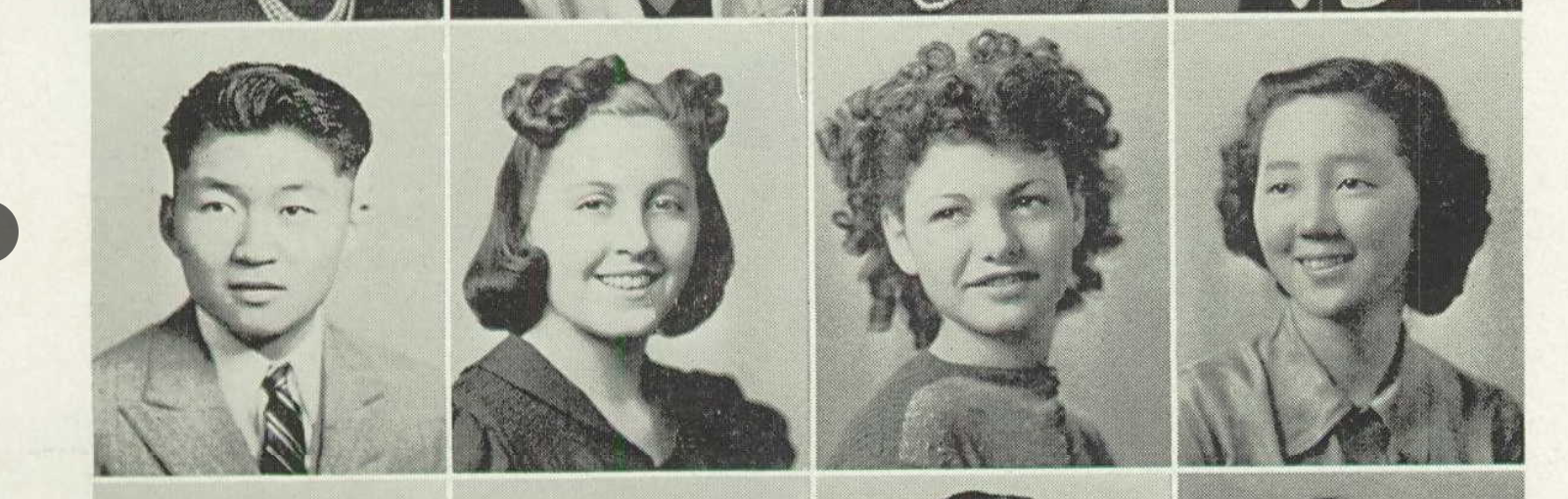
I think the girl with the curly hair is nice-looking, too. This photo is from the same 1939 Taft Union High School yearbook, and that girl, a senior, was a classmate of Jerrold’s.

That’s my Mom.


For Bathsheba, bathing on her rooftop

13 Monday Feb 2023

Posted by ag1970 in Uncategorized

≈ Leave a comment

I will be the first to admit that I am a Thomas Hardy Geek. His mid-Victorian novels, set in the English countryside, are evocative and tragic. I loved Tess, and learned more about cows in that book than I did about whales while reading, in the throes of high-school mononucleosis, Moby-Dick.

When, many years later, I became a history teacher, I liked to use film excerpts to show students what I couldn’t necessarily teach them. No better example of this than the 1965 version of Hardy’s Far from the Madding Crowd.

We had just learned about Jethro Tull, Dutch land reclamation and “Turnip” Townshend and crop rotation—when nitrogen-restoring beans or clover replenish the soil—when Hardy’s dogged but flawed farm owner, Batsheba, allows her sheep to break down a fence and get themselves into a Turnip Townshend clover field.

I saw a Quarter horse of my sister’s die of colic when I was a boy; it was agonizing to watch her suffer until the vet, with us whisked away, put her down. Luckily, Bathsheba’s sheep were rescued by her on-again/off-again foreman, the aptly named Gabriel Oak. In the first scene in this sequence, it’s amazing to see him go to work on gassy sheep.

The banquet scene, with Julie Christie singing, is just as important. The table practically bends under the weight of food; hogs the size of German Shepherds root among the children.

This was the Agricultural Revolution. Thanks to characters like Townshend, food production in Europe increased dramatically and exponentially. Children began living longer, thanks to diet, and parents, who were so shockingly callous toward their children in Early Modern Europe, began to invest their love in them instead.

As macabre as we may find it, this roughly coincided with the birth of photography, including “Death Daguerreotypes.” Parents had their dead children photographed because they didn’t want to let them go.

In the next sequence, with a different song, Carey Mulligan presides over a different version of the banquet scene. Until the later version of Madding, I did not know Carey Mulligan apart from Baz Luhrmann’s The Great Gatsby. I didn’t understand Leo DiCaprio’s hots for her; I wanted to throw a raincoat around her and feed her some prime rib and a baked potato with plenty of sour cream.

But in the later Far from the Madding Crowd, she more or less holds her own as a singer, and Michael Sheen’s Mr. Boldwood (another Hardy play on names) comes a little unhinged in her presence, just as Peter Finch’s had in the presence of Julie Christie’s Bathsehba.

Hardy chose the name “Bathsheba” with deliberation, too. She is the flame to Boldwood’s moth–and Oak’s, and her ne’er-do-well soldier husband, and to every other man who comes close to her. She burns them.

She is seductive, desirable and a little shameless.

Today I heard what I think was a Christian violinist playing Leonard Cohen’s “Hallelujah” in a supermarket parking lot. It may be one of the most beautiful songs ever written. But some miss the Hebrew Scriptures storyline: King David sees Bathsheba bathing nude on her rooftop, is consumed by lust, and so sends her husband Uriah off to die in battle.

That’s why Hardy chose the name.

While his Batsheba has redeeming qualities–toughness, the ability to get along in a man’s world, a formidable work ethic–she undoes the men in her life just as King David was undone.

And, yes, she is seductive. The final scene in the sequence below–Carey Mulligan on horseback in the English countryside–might have tempted me to send her Uriah off to a distant mid-Victorian imperial front where he had at least the chance of being killed by colonial insurgents. At one point, except for being mirror-opposite, she is the exact duplicate, lying on her back, of Elizabeth Siddall, the pre-Raphaelite model who nearly died of pneumonia while posting in a bathtub as Hamlet’s drowned Ophelia.

Bathsheba would’ve had no use for Ophelia. She was made of stronger stuff: let her lover do the drowning.

Why I will never make fun of accordions again

09 Thursday Feb 2023

Posted by ag1970 in Uncategorized

≈ Leave a comment

Music on the brain today. A friend is in New Orleans and I thought of the Dennis Quaid / Ellen Barkin scene from “The Big Easy” (1986):

So that led me to Jeffrey Broussard:

And that led me to this performance at the Blackpot Festival:

And that led me to….

And then there’s Buckwheat Zydeco…

How could anyone NOT dance to this? Sigh.

This was a child of God

09 Thursday Feb 2023

Posted by ag1970 in Uncategorized

≈ Leave a comment

On the day of Burt Bacharach’s death, remembering Aretha Franklin’s performance of his song, now hers. She is miraculous.

Thank you, both of you.

Toxic Masculinity, 1960s

04 Saturday Feb 2023

Posted by ag1970 in American History, Uncategorized

≈ Leave a comment

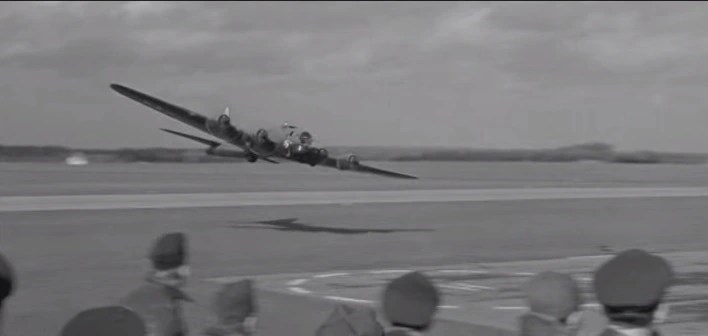
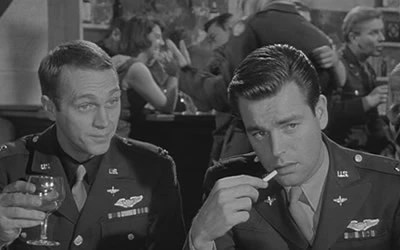
In a scene filmed at the Santa Maria Airport, a B-17 piloted by Steve McQueen takes aim at his British airfield’s control tower. McQueen, as a self-destructive airman in The War Lover (1962), seems to me to have been part of a trend—call it the Cult of Toxic Masculinity.

Steve McQueen and Robert Wagner, The War Lover.

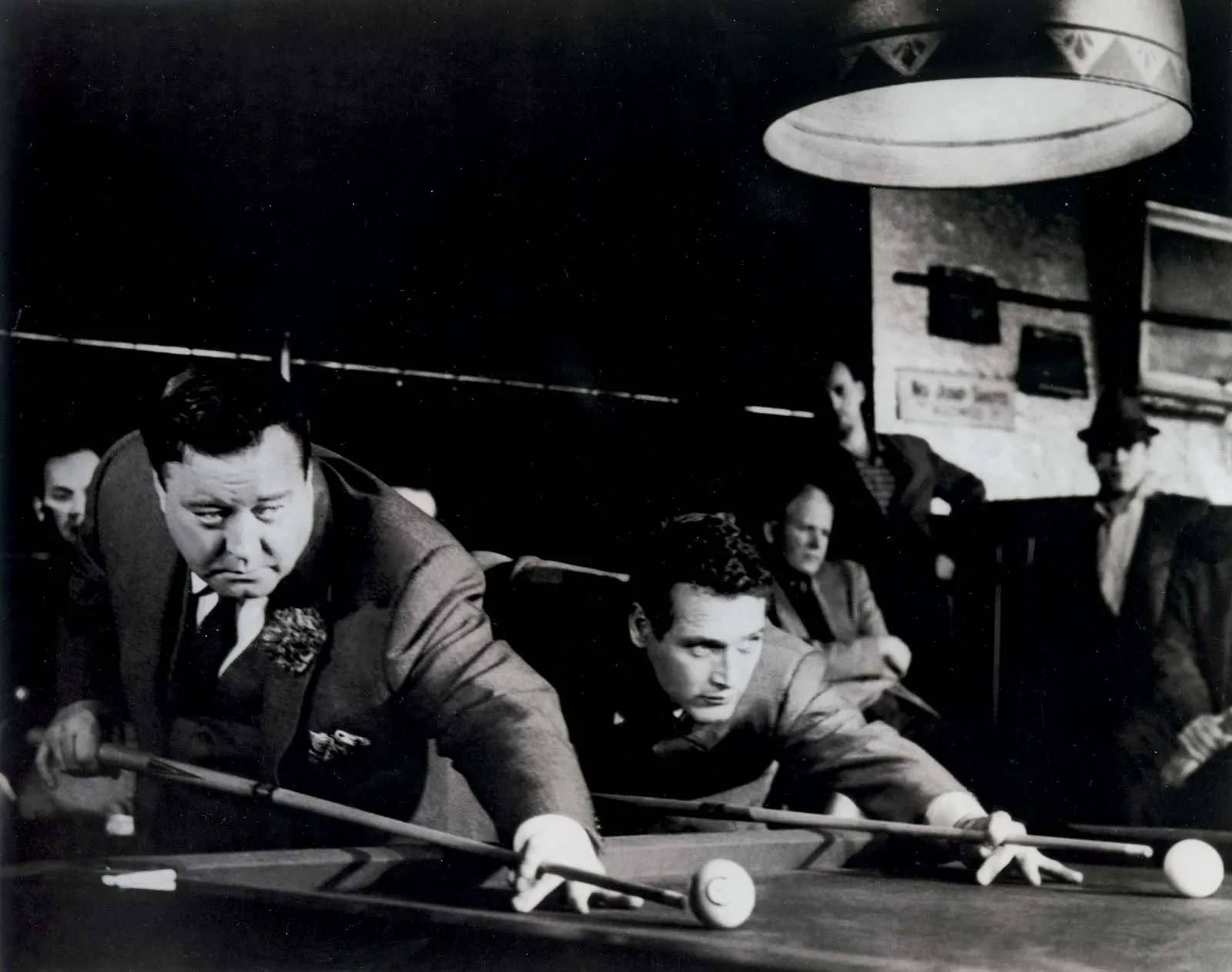
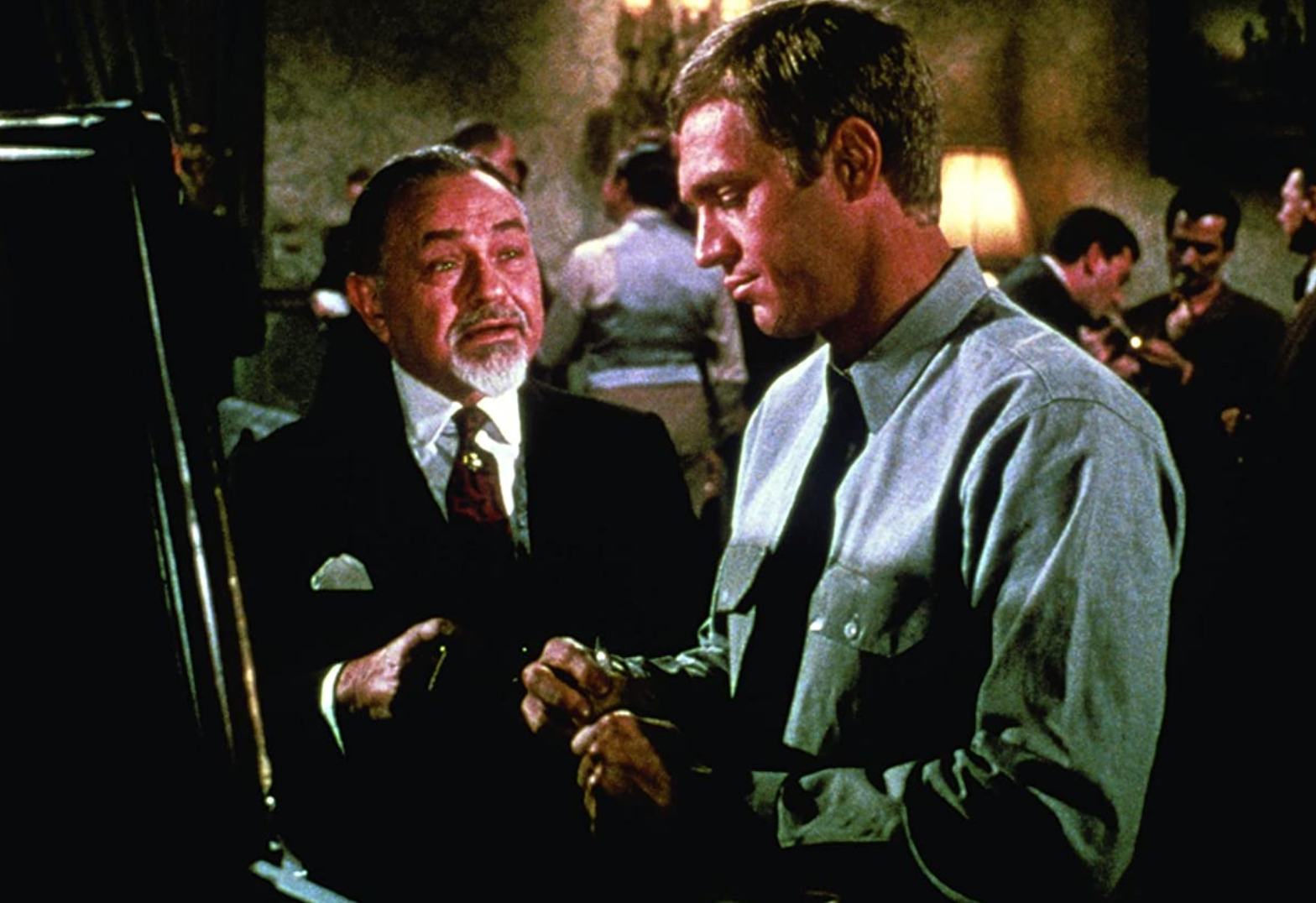
Jackie Gleason and Paul Newman, The Hustler; (Below) Edward G. Robinson and Steve McQueen, The Cincinnati Kid.


Toxic masculine films seem to have a theme we need bear in mind: Men are often self-destructive.

McQueen does just that himself in The Cincinnati Kid, where his poker gambler upstart is demolished by Edward G. Robinson’s pro, just as Paul Newman’s is demolished by Jackie Gleason, “Minnesota Fats,” in The Hustler.

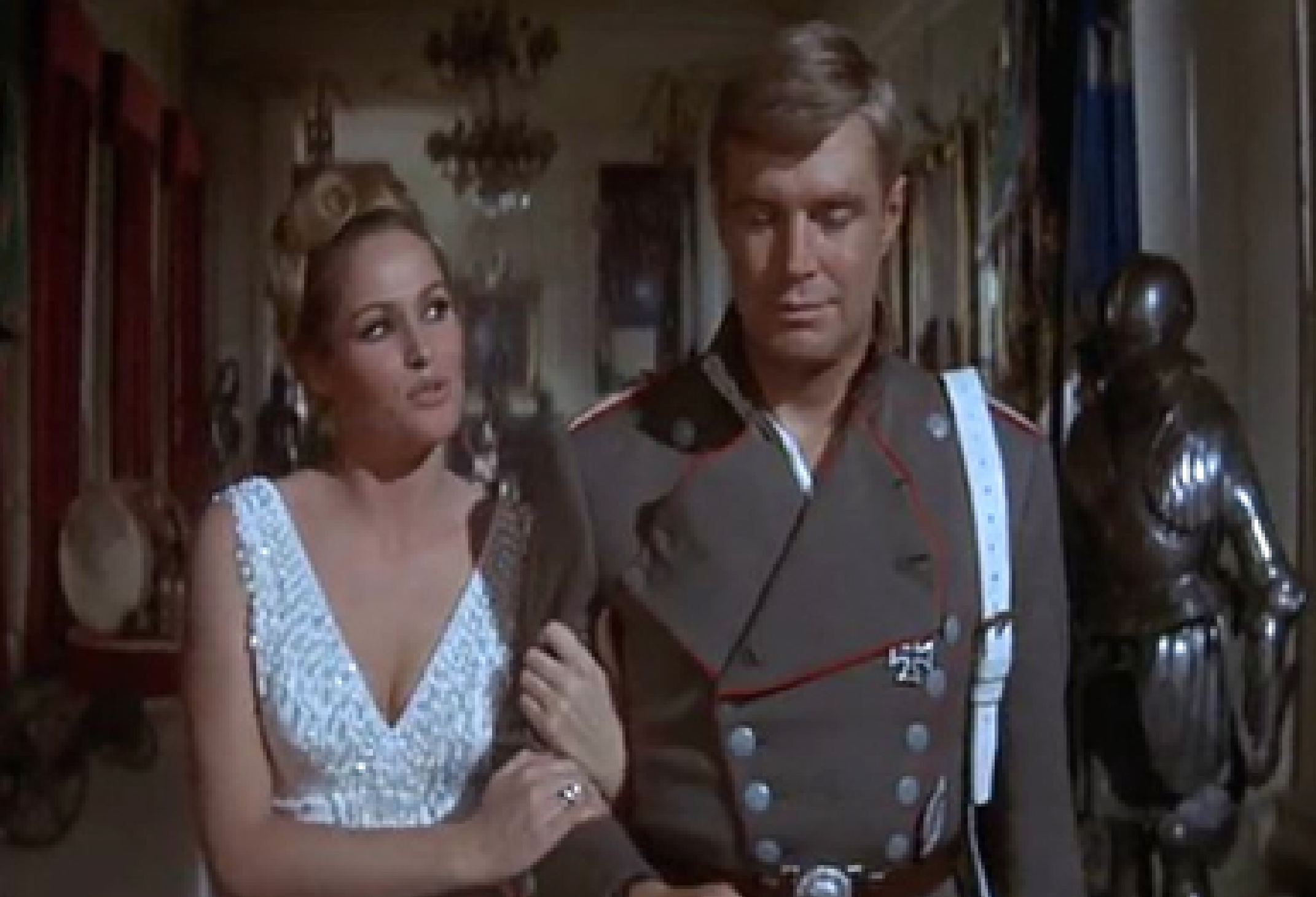
This occurred to me yesterday while watching The Blue Max, a 1966 film about German fighter pilots. (The title refers to a medal conferred for twenty kills.) The lead, George Peppard, who’d just finishing rescuing Cat from the rain in Breakfast at Tiffany’s, is now a self-destructive Toxic Male in this just-above average film. The flying sequences are still thrilling, and Peppard grounds us in every scene in between. He has a charming, empty smile, cares about no one other than himself, which shows in combat, where he shows no mercy. Even in his scenes with the architecturally impossible, for 1918, Ursula Andress (Richthofen’s red Fokker triplane is prettier), he is emotionally empty.

Ursula Andress and George Peppard, The Blue Max.


So you wind up wishing they’d killed him 45 minutes into the film.

Not all 1960s toxic males are as euthanizable at McQueen and Peppard in those two films.

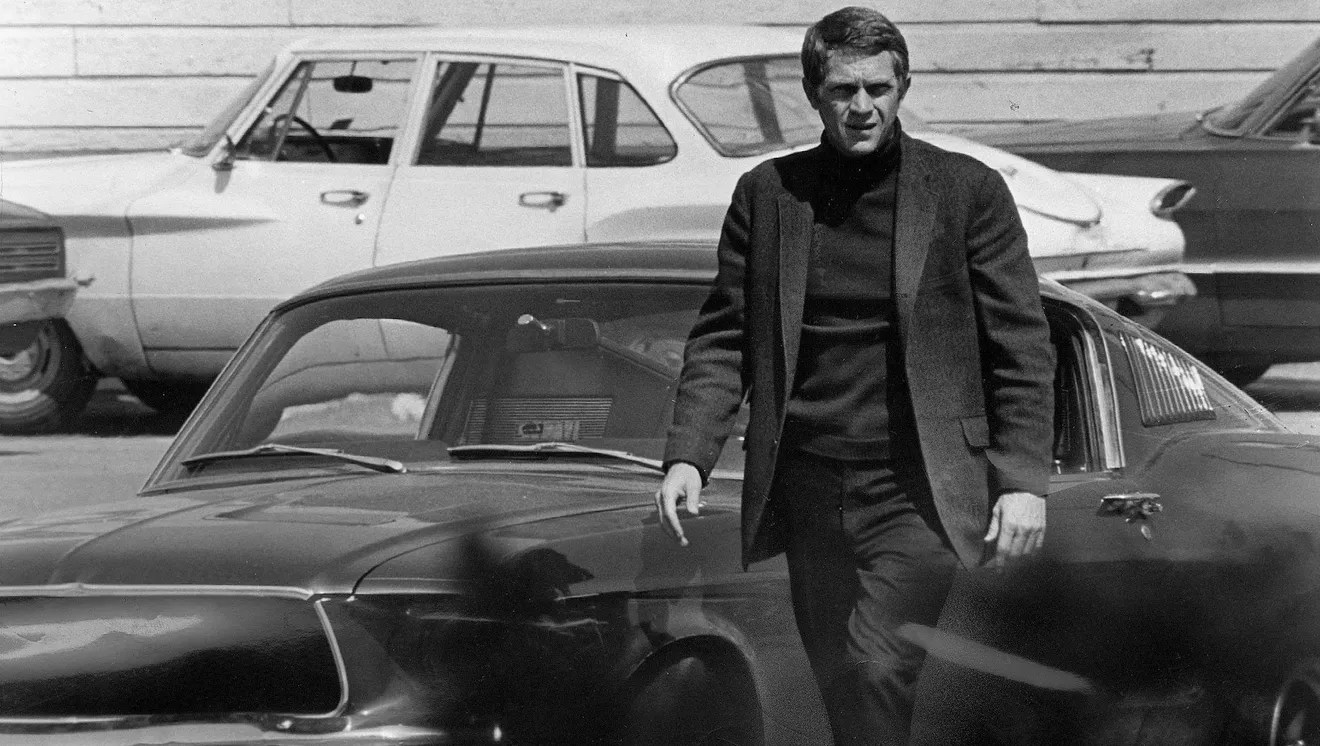
McQueen’s Bullitt is a prime example. After the famed car chase that incinerates two mafioso and a bloody gunfight in the presence of Rome-bound nuns the San Francisco Terminal, and exhausted detective comes home to his apartment and—this with Jacqueline Bisset still warm in his bed—he washes his face, as Pilate did his hands—and looks bleakly at himself in his bathroom mirror. He hates what, and whom, he sees.

McQueen enters his fastback Mustang, with a dreadful car, a 1963 Plymouth Lancer, in the background

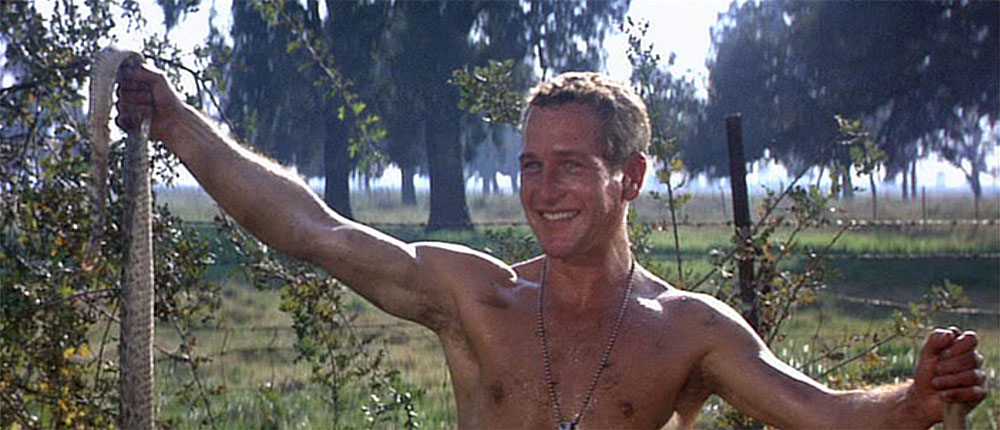
Toxic males need not be self-loathing to be toxic. The king of the genre, and one of my favorite actors, must be Paul Newman. His charming road-gang convict in Cool Hand Luke—look at that incredible Newman smile in the still below!— charms every inmate, including the oafish George Kennedy, and the hardboiled egg-eating scene is epic, yet Luke doesn’t seem to mind that he’s killed the bloodhounds trailing his escape, run to death, nor does he care much about his convict friends; he abandons them in the end to trying running way just one more time. Luke is as heroic as Hercules but as empty as an amphora run out of oil.

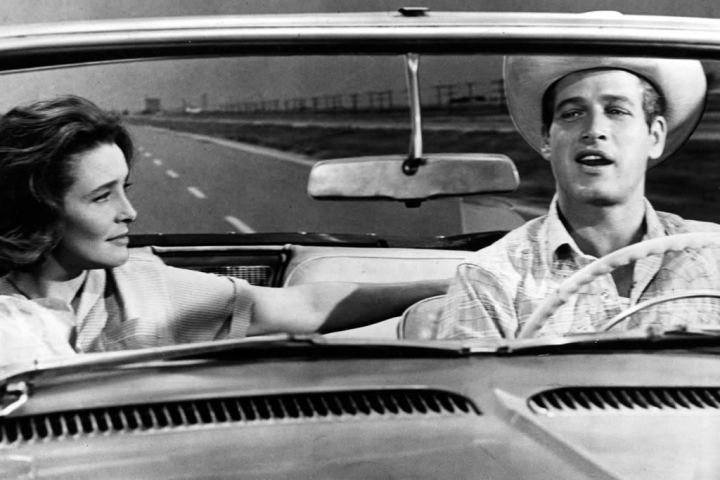
But it was Newman who perfected the Toxic Male in an earlier film, Hud, as a sociopathic Texas rancher who brutalizes his father, his lover, Patricia Neal, who drives a convertible Cadillac, womanizes in Toxic Male ways that enchant his young nephew, played by Brandon de Wilde (whom I could’ve cheerfully strangled for his bleating in Shane), and drinks more hard liquor in a weekend than Dallas does in a fiscal year.

De Wilde, thank god, outgrows Shane and finally learns to become a man by turning on Uncle Hud, so empty and so suddenly weak. He has no more substance than a tumbleweed.


Patricia Neal and Paul Newman, Hud.

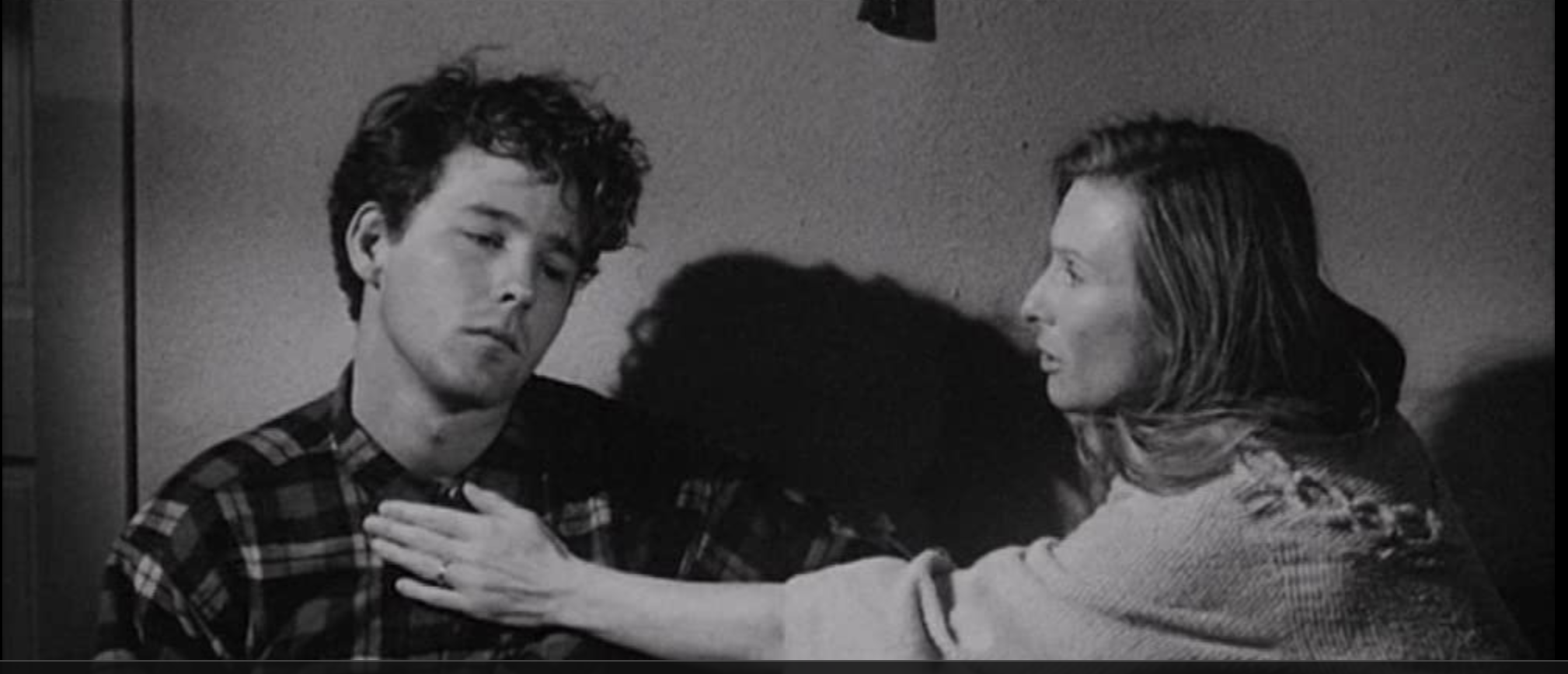
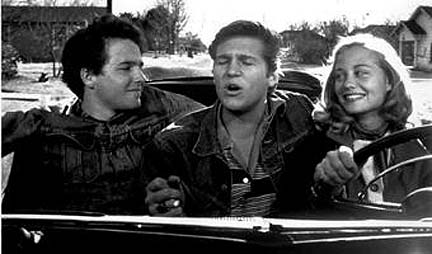
Here, I think is where the great director Peter Bogdanovich and the even-greater writer Larry McMurtry arrive with The Last Picture Show (1971), a film I hated for years until I became a grownup. It’s full of Toxic Males: the oafish Randy McQuaid is an oafish predator whose fondest wish in life is the see Cybill Shepherd, Jeff Bridges’ sometime girlfriend, naked. Bridges is mostly inarticulate yet somehow appealing. He’s a football hero who has forever reached his limits. I think the movie belongs most to Timothy Bottoms, who wants to be a good man but, as a teenager, beds his despondent football coach’s wife (Cloris Leachman, who is, in a performance that won her an Oscar, incredible) but finally pursues, and wins, Cybill Shepherd, the object of every boy’s desire.

Timothy Bottoms Cloris Leachman, The Last Picture Show


She betrays him within five minutes’ screentime.

The film ends with the accidental killing of a special-needs boy, one of Bottoms’s longtime friends, Bottoms unleashes deep reservoirs of anger. It should be a depressing moment, but it isn’t. The character, Sonny Crawford, has suddenly discovered that he deeply cared for someone other than himself. The fact that he’s almost ready to kill for his lost friend means that he’s escaped the toxic masculinity that doomed character like Hud.

When Elizabeth and I drove through dying Maricopa a few weeks ago, I recognized instantly the town McMurtry wrote about. There was an abandoned coffee shop with a barstool counter; you could almost imagine a teenager like Sonny swiveling in his tool, restless from the two teaspoons of sugar in his coffee, until, you hope, he twists his hips suddenly—almost violently—and bolts out the coffee shop door, never to return.

Timothy Bottoms, Jeff Bridges, Cybill Shepherd, The Last Picture Show.

Subscribe

  • Entries (RSS)
  • Comments (RSS)

Archives

  • January 2026
  • December 2025
  • November 2025
  • October 2025
  • September 2025
  • August 2025
  • July 2025
  • June 2025
  • May 2025
  • April 2025
  • March 2025
  • February 2025
  • January 2025
  • December 2024
  • November 2024
  • October 2024
  • September 2024
  • August 2024
  • July 2024
  • June 2024
  • May 2024
  • April 2024
  • March 2024
  • February 2024
  • January 2024
  • December 2023
  • November 2023
  • October 2023
  • September 2023
  • August 2023
  • July 2023
  • June 2023
  • May 2023
  • April 2023
  • March 2023
  • February 2023
  • January 2023
  • December 2022
  • November 2022
  • October 2022
  • September 2022
  • August 2022
  • May 2022
  • April 2022
  • March 2022
  • February 2022
  • January 2022
  • December 2021
  • November 2021
  • October 2021
  • September 2021
  • August 2021
  • July 2021
  • June 2021
  • April 2021
  • March 2021
  • February 2021
  • January 2021
  • December 2020
  • November 2020
  • August 2020
  • July 2020
  • June 2020
  • May 2020
  • April 2020
  • January 2020
  • December 2019
  • November 2019
  • October 2019
  • September 2019
  • August 2019
  • May 2019
  • April 2019
  • March 2019
  • February 2019
  • January 2019
  • December 2018
  • November 2018
  • October 2018
  • September 2018
  • July 2018
  • June 2018
  • May 2018
  • April 2018
  • March 2018
  • February 2018
  • January 2018
  • December 2017
  • November 2017
  • October 2017
  • April 2017
  • March 2017
  • December 2016
  • November 2016
  • October 2016
  • September 2016
  • August 2016
  • July 2016
  • June 2016
  • April 2016
  • March 2016
  • February 2016
  • January 2016
  • December 2015
  • November 2015
  • October 2015
  • September 2015
  • August 2015
  • July 2015
  • June 2015
  • May 2015
  • April 2015
  • March 2015
  • February 2015
  • January 2015
  • December 2014
  • November 2014
  • September 2014
  • August 2014
  • July 2014

Categories

  • American History
  • Arroyo Grande
  • California history
  • Family history
  • Film and Popular Culture
  • History
  • News
  • Personal memoirs
  • Teaching
  • The Great Depression
  • trump
  • Uncategorized
  • World War II
  • Writing

Meta

  • Create account
  • Log in

Blog at WordPress.com.

  • Subscribe Subscribed
    • A Work in Progress
    • Join 68 other subscribers
    • Already have a WordPress.com account? Log in now.
    • A Work in Progress
    • Subscribe Subscribed
    • Sign up
    • Log in
    • Report this content
    • View site in Reader
    • Manage subscriptions
    • Collapse this bar
 

Loading Comments...