
In 2019, Robin, Elizabeth and I traveled to New York City to see our beloved niece Emily graduate from NYU. That was the biggest thrill of the trip. The second-biggest thrill?
1. Having my favorite skyscraper, the Art Deco Chrysler Building, Just outside our hotel room window?
Nope.
2. Going to a real-live actual Broadway show? (Come from Away, about all the airplanes that had to land in Newfoundland on 9/11 and how Canadians embraced their visitors. It was delightful.)
Nope.
3. Sitting inside Yankee Stadium?
Nope.
4. Riding up to the VERY SPOT at the top of the Empire State Building where Tom Hanks and Meg Ryan FINALLY met in Sleepless in Seattle?
Nope.
Okay, I give up. Here it is: We were all walking, Jackoways and Gregorys and Aunt Robin, in the East Village when we passed the Cooper Union.
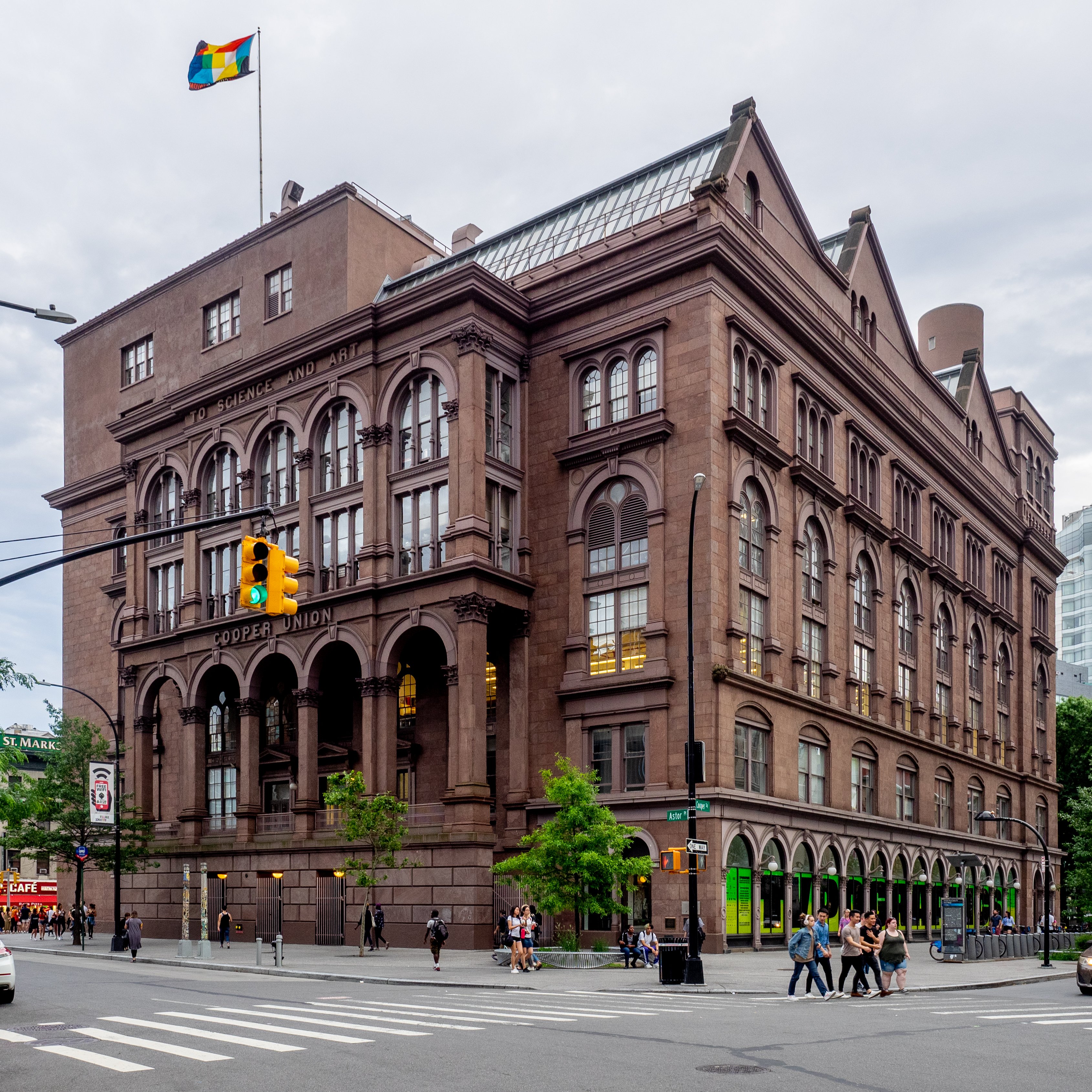
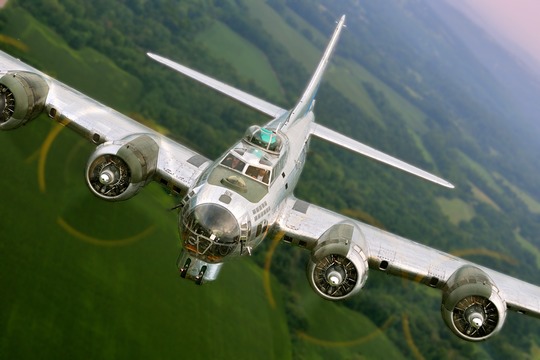
The COOPER UNION! I started hopping up and down on the sidewalk. I’d done this before, in the midst of what was, I am sure, a thrilling AGHS lecture on the Thirty Years’ War—“BDSF!” I reminded my students; the war’s four stages were Bohemian, Danish, Swedish and French—when I recognized, from a couple of miles away, the sound of a B-17’s engines. It was “Sentimental Journey,” on its way to McChesney Field in San Luis Obispo, just north of us.
I left the classroom and hopped up and down on the lawn between the 200 and 300 wings at Arroyo Grande High School as the plane flew overhead. The squirrels there, who liked to skitter into my classroom for weekend courtship dances while I was grading essays, were a little stunned. So were my students.
And now I was stunned because I was across the street from the Cooper Union. I, happily digesting some Greenwich Village squid-ink pasta–the best I’ve had since an AGHS student trip to Venice– did not know it was there.
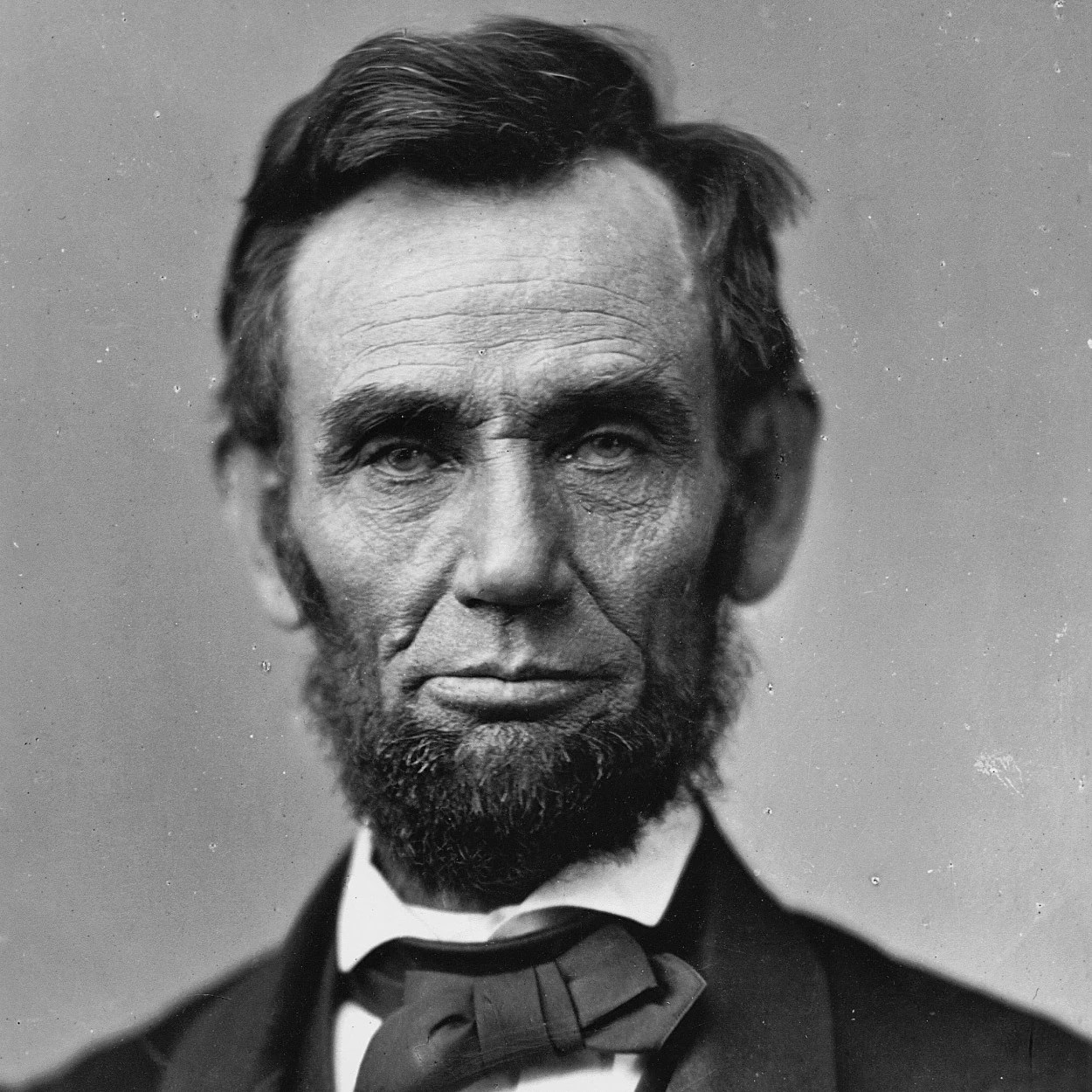
On tomorrow’s date in history in 1860, Abraham Lincoln, largely unknown outside the Midwest, delivered the speech inside that building that would make him president.
And now, in 2019, I was standing in front of the Cooper Union. And that is the 1860 photograph, taken in Matthew Brady’s New York studio, that captured Lincoln in the hours before his speech.

You’d look in vain for in the Cooper Union speech for the kind of eloquence that marked the Gettysburg Address or Lincoln’s Inaugurals, but what he said in the Cooper Union–densely reasoned, lawyerly, with every word carefully chosen–was so compelling that many of the jaded New York reporters (some of them, for their lack of homework on the man, might’ve been miffed a little because they’d been assigned to cover this Illinois rube, a little taller than the cornstalks from whence he came) put their pens down and forgot to take notes.
He was that good.
He had arrived, on February 27, 1860.
His death on April 15, 1865, only made it certain that he would never leave us.
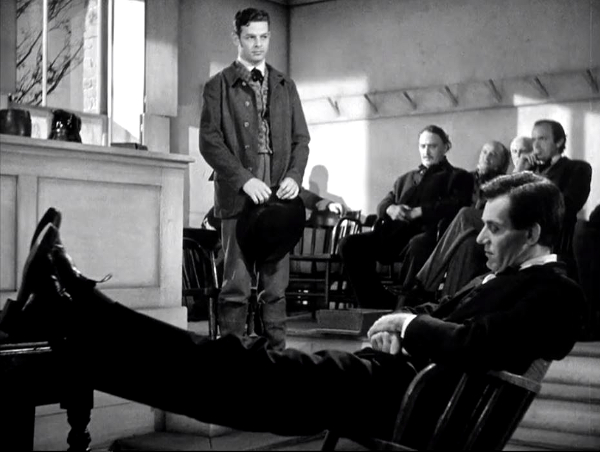
Ever since I was a little boy, Lincoln has been alive to me. I have read everything I can about him. I’ve watched every Hollywood depiction of him, most of them hokum. I watched perhaps the hokumiest, John Ford’s Young Mr. Lincoln, the other night for the sheer pleasure of being in the television presence of Henry Fonda’s Lincoln.
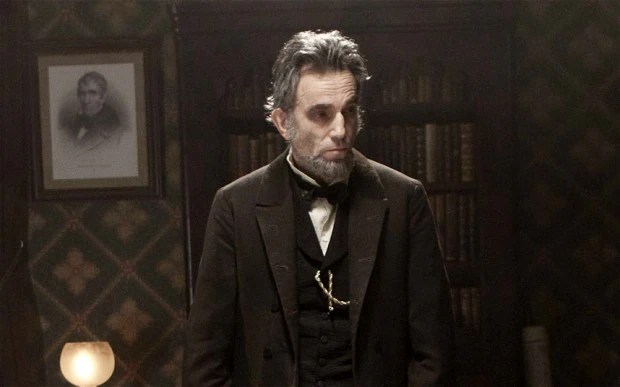
But it was, finally, the Irish actor Daniel Day-Lewis, his research meticulous, who made Lincoln come alive to me. Lewis lived inside the man, as he does all his characters, for months.
Lincoln– and Lewis understood this–would have pronounced the word “care” as “keer;” his voice was thin and reedy but he knew how to project it. Lewis knew how difficult Lincoln’s relationships were with Mary and with Robert, his eldest son. But he also knew how Lincoln could tell a story, sometimes to give himself time to think, or, conversely, how he could choose words that were like knives when he had to wound the obtuse, the wrong-headed or the faint of heart, if only to shock them at the sight of their own blood.
(At Gettysburg, the marathon orator Edward Everett had the decency to admit that Lincoln’s words, in his two-minute speech, had bested his, which lasted two hours. Everett was the main attraction that day in November 1863. Lincoln’s invitation to the battlefield, dusted with lime in the fall, a prophylactic measure that failed to erase the stench of horses unburied since July, was a mere politeness. Lincoln was not popular.)
Best of all, Lewis understood, while we appropriately remember the man’s kindness, that Lincoln had a temper. His will was spun steel and his ambition, as a law partner once remarked, “was a little engine that knew no rest.”
So the best part about the Cooper Union speech might be that Lincoln knew exactly what he wanted to say, knew how he wanted to say it, and all of it, every word, was a servant of his ambition. The nation, on February 27, 1860, was obviously and perhaps irrevocably coming apart.
Only Lincoln knew, from the intuition that he was singular–that insight was perhaps the greatest gift left him by his mother and stepmother–that he had inside reservoirs of such deep strength. They were deep enough to lift the nation to a better place.
That, of course, meant four years of heartbreak and the modern equivalent of 6.6 million deaths.
And I don’t know that we’ve reached that better place yet.
But who could ask for a better guide?
 A Work in Progress