• About
  • The Germans

A Work in Progress

A Work in Progress

Monthly Archives: May 2023

“It’s gonna be all right, mija.” For Father’s Day.

30 Tuesday May 2023

Posted by ag1970 in Film and Popular Culture, Uncategorized

≈ Leave a comment

Two father portrayals in recent films I’ve watched inspired me. Coincidentally, both fathers were Mexican American, both children were daughters. In both cases, they did what fathers are supposed to do best: they replaced fear and doubt with faith.

Crash (2004) is still before my inner jury, but this scene, with Michael Peña, was extraordinary. Danny is an upwardly-mobile locksmith and he’s just moved his family out of a bad L.A. neighborhood. When he comes home from work, he finds his daughter, Lara, underneath her bed.

This is the passage from the script. It’s extraordinary writing.

LARA I heard a bang.

DANIEL Like a truck bang?

LARA Like a gun.

DANIEL Huh. That’s funny. ‘Cause we moved outta that bad neighborhood, not too many guns ’round here.

LARA How far can bullets go?

DANIEL Oh, pretty far. But they usually get stuck in something and stop.

LARA  What if they don’t?

DANIEL You thinking about that one that came through your window?

Lara nods.

DANIEL Yeah, we never did find it, did we?

Lara shakes her head.

LARA I think it didn’t see me, ’cause I was under the covers.

DANIEL And you think it was that same bullet you heard tonight?

Lara shrugs, she thinks it is but doesn’t want to say it. Daniel settles in, as if only now realizing the enormity of this situation. He lies there thinking this problem through.

DANIEL Huh. You think maybe we should move again?

LARA I like it here.

DANIEL Yeah. Me, too. But if that bullet found out where we live … (realizes something) Hold on.

LARA What?

DANIEL I am so stupid. How could I forget this?

LARA What?

DANIEL Never mind, you’re not gonna believe me.

LARA Tell me.  

DANIEL Okay. When I was five, this fairy came into my room one night.

LARA (skeptical) Uh-huh.

DANIEL See, me. I told you wouldn’t believe Okay, you go to sleep now.

LARA No, tell me.

DANIEL Okay, so this fairy comes into my room. And I’m like, “yeah, .right, you’re a fairy.” Anyway, we’re talking, you know, and she’s flying around the room, knocking my posters down and stuff.

LARA She was flying?

DANIEL Yeah, she had these little stubby wings. But she coulda glued ’em on or something, right, I’m not gonna believe she’s a fairy. So, she· says, “I’ll prove it. 11 And she reaches into her backpack and pulls out this invisible cloak. And she ties it around my neck, and she tells me it’s impenetrable. You know what impenetrable means?

(Lara shakes her head)

It means nothing bad can get through it. Not bullets, nothing. And she says I should wear this cloak and nothing will ever hurt me. So, I did. And my whole life I never got shot, stabbed, nothing. I mean, how weird is that? Only she tells me I’m supposed to give it to my daughter on her sixth birthday. And I forgot.

LARA Can I touch it?

DANIEL Sure, go ahead. She touches his arm.

LARA I can’t feel it.

DANIEL Pretty cool, huh? If you want, I can take it off and tie it around your shoulders, ’cause she showed me how to do that. Unless you think it’s stupid.

LARA … Don’t you need it?

DANIEL Not anymore. So, what do you think? You want it?

Lara waits, then nods slightly.

Daniel reaches in and pulls her out. Daniel places her on the bed.

DANIEL Okay.

Daniel “unties” the invisible cloak and takes it off. He wraps it around her shoulders.

DANIEL Hold your chin up.

She does. He ties it around her neck.

DANIEL That too tight?

She shakes her head.

DANIEL You feel anything at all?

She shakes her head.

DANIEL Good. Then it’s just right.

He kisses her on the forehead. He pulls out her pillow and places it on the bed. She lies down and he covers her. He turns off her light.

LARA Do I take it off when I have a bath?

DANIEL No, you leave it on all the time. ‘Till you grow up and have a daughter, and she turns six. Then you give it to her. Okay?

LARA Okay.

And he walks toward the door. Lara strokes her shoulder, trying to feel it, then closes her eyes.


In East Side Sushi (2013), Juana, a Mexican American single mother who lives in East Oakland, works in the back kitchen of a sushi restaurant. She is fascinated by Japanese food and is determined to become a sushi chef. She enters a sushi-making contest at a local public-access TV station and her father, along with her daughter, videotapes her as she prepares her “signature sushi.”

https://videopress.com/v/wHJG15A8?resizeToParent=true&cover=true&preloadContent=metadata&useAverageColor=true

Rodgrio Duarte Clark plays Juana’s father. Here, in a later scene, she’s just learned that she’s won a place in the sushi competition. Juana is terrified. Her Apa decides that this is instead a moment to be celebrated.

I need to be careful with moments like these because these are movies and movie fathers seem to always know what to say. All too often, I never found the words I needed to say as a father. But moments like these make me wish that next time, I will know what to say, too.
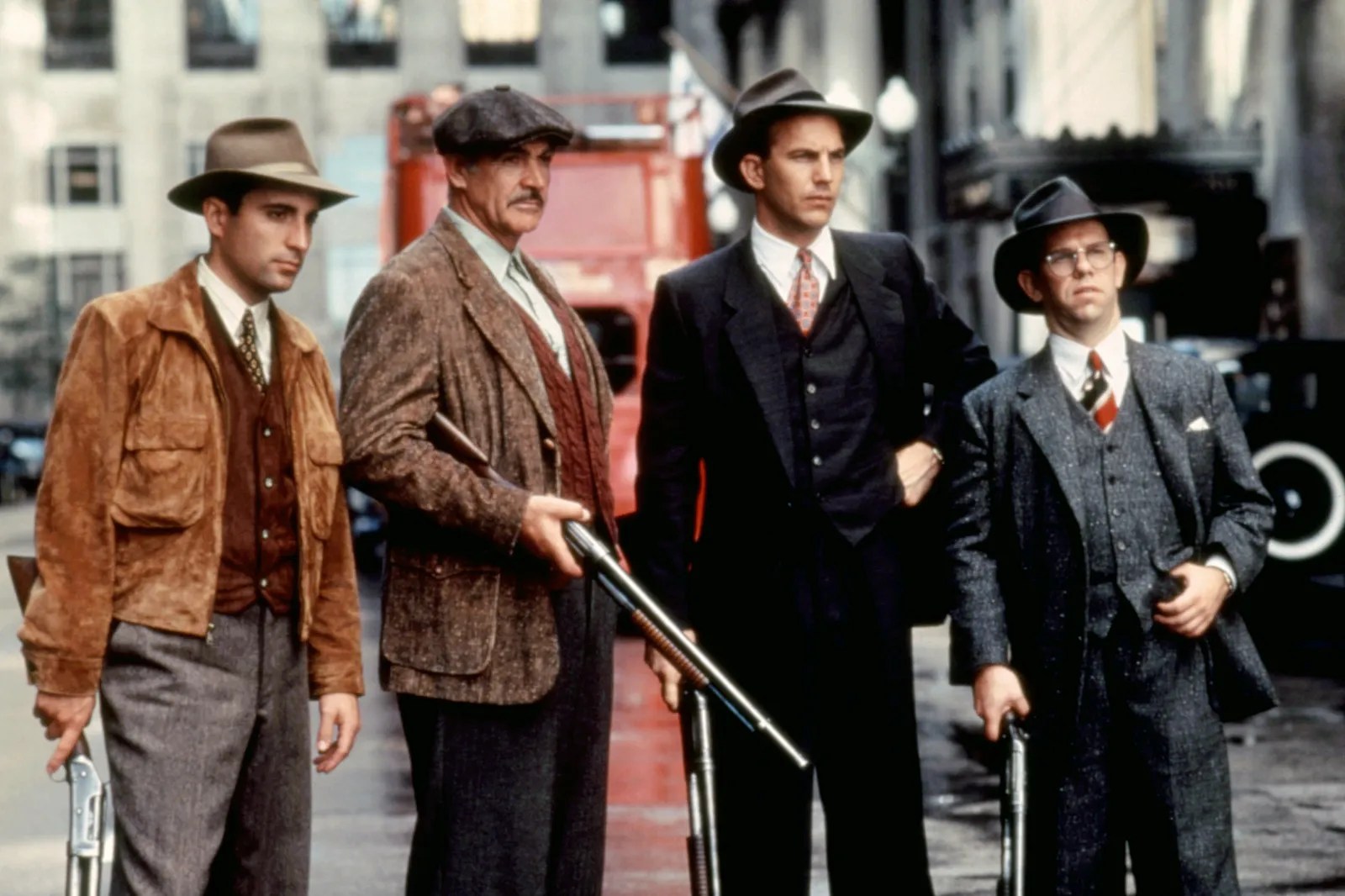


The staircase shootout, The Untouchables

28 Sunday May 2023

Posted by ag1970 in Film and Popular Culture, Uncategorized

≈ Leave a comment

I tried real hard not to watch Brian de Palma’s The Untouchables the other night, and I failed once again. It is 95% hooey—Sean Connery is no more convincing as an Irish cop than The Simpsons’ Groundskeeper Willie, and the two most action-packed scenes, the shootout along the Canadian border and the second, far more graphic gun battle in Chicago’s Union Station—never happened.

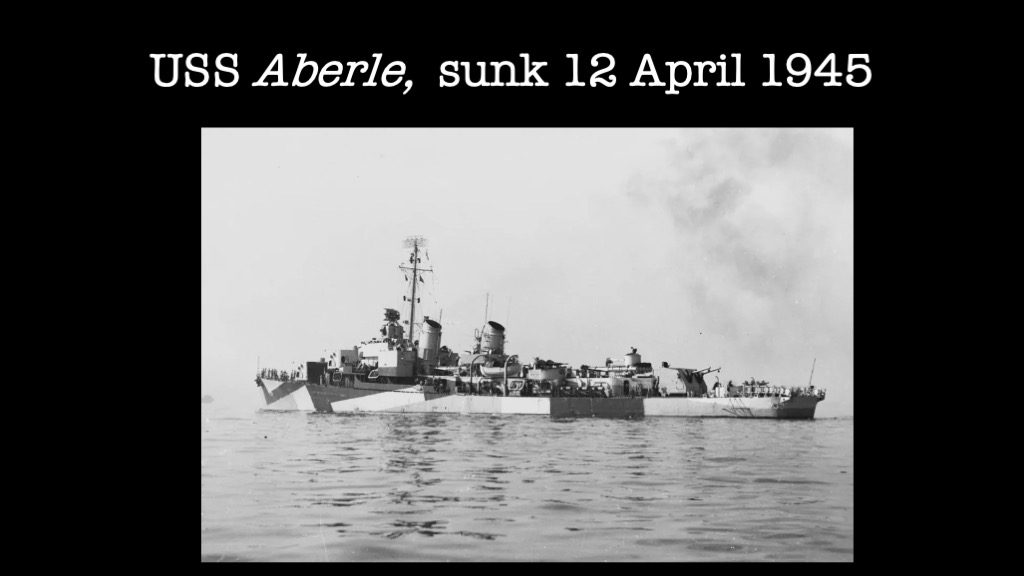
Thank goodness. Those poor sailors.

The real Union Station shootout was in Kansas City’s Union Station between police and allies of Pretty Boy Floyd in June 1933. You can still see the marks left by bullets just as you can in the Louisiana State Capitol, where Huey Long was shot, or in Dublin’s neoclassic General Post Office, the site for the failed 1916 Easter Rising.

But The Untouchables’ cast is still compelling, despite Kevin Costner and the not-very-Irish Connery, whom I miss. Costner’s accent—is it San Fernando Valley? Maybe Topanga? Glendale?—is no more convincing and it grates even more in Dances with Wolves. I forgive Costner only because of Bull Durham.

Meanwhile, Charles Martin Smith’s nerdy IRS accountant is charming. His killing is horrific and heart- breaking. But to my mind, it’s Andy Garcia’s police recruit who almost steals the show.

The reason I keep going back to this film, though, is that Union Station scene. It is brilliant (it was parodied in one of the Naked Guns, which is high praise) and it’s homage, of course, to Sergei Eisenstein’s Odessa Steps scene, from The Battleship Potemkin (1925), set during the 1905 Russian Revolution, when Tsarist troops open fire on protestors. Here’s an excerpt:

I guess it’s pretty safe to say that Eisenstein was a pioneer. But dePalma’s staircase, with the blood now in color, is incredible, too:

And, if the scriptwriters and dePalma played fast and loose with history, they used history to get into our heads in a way I wasn’t aware of until the last time I watched the film. Below are two images: the baby in the carriage and the Lindbergh baby, Charles A. Lindbergh Jr., murdered in 1932. I don’t think this was an accident. The Ness in Costner’s Wheatie-box portrayal was a cop, after all, but he helped the inept woman with her baby carriage, the trigger for the staircase scene, because being a father was just as important to him.

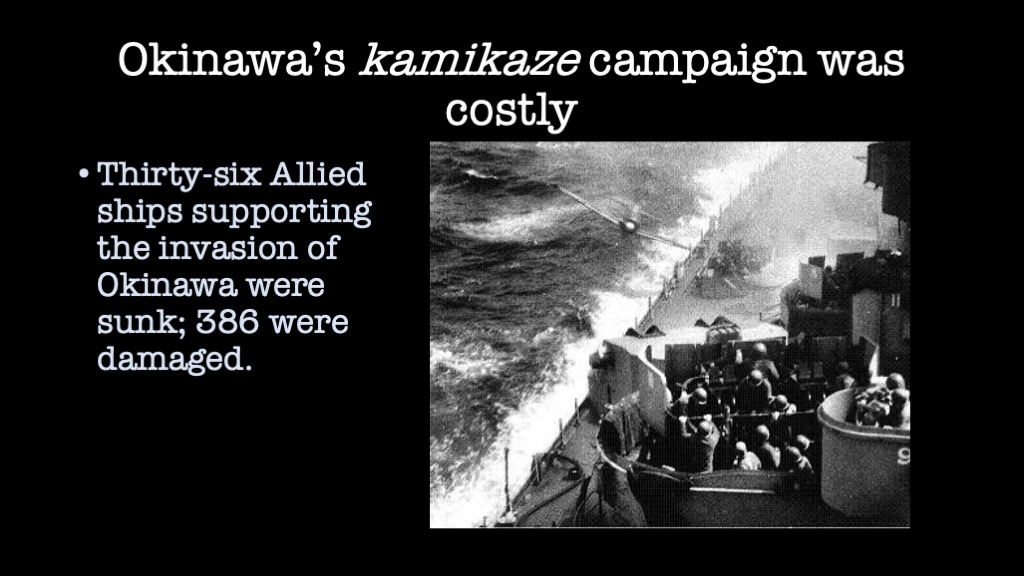
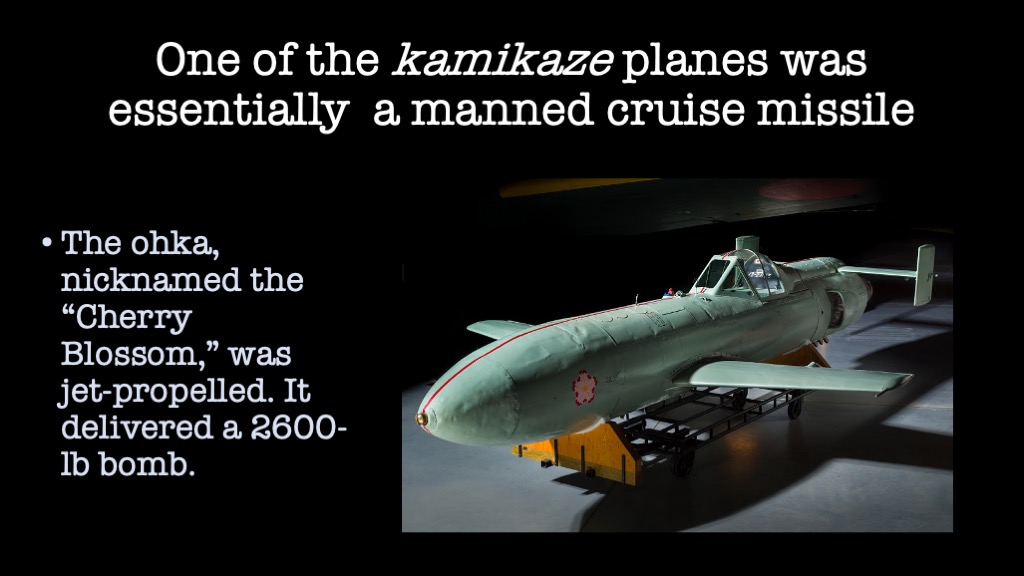
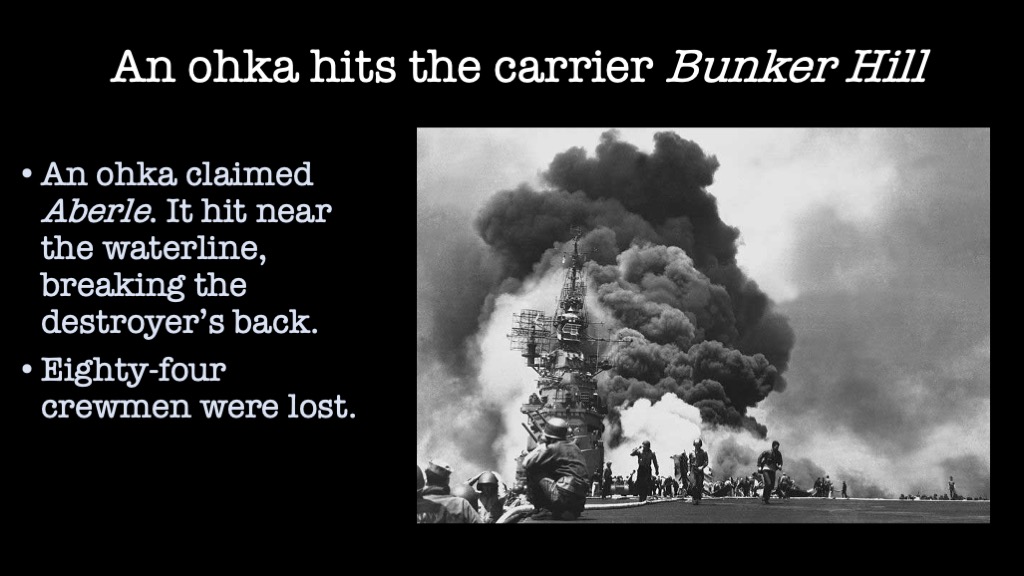
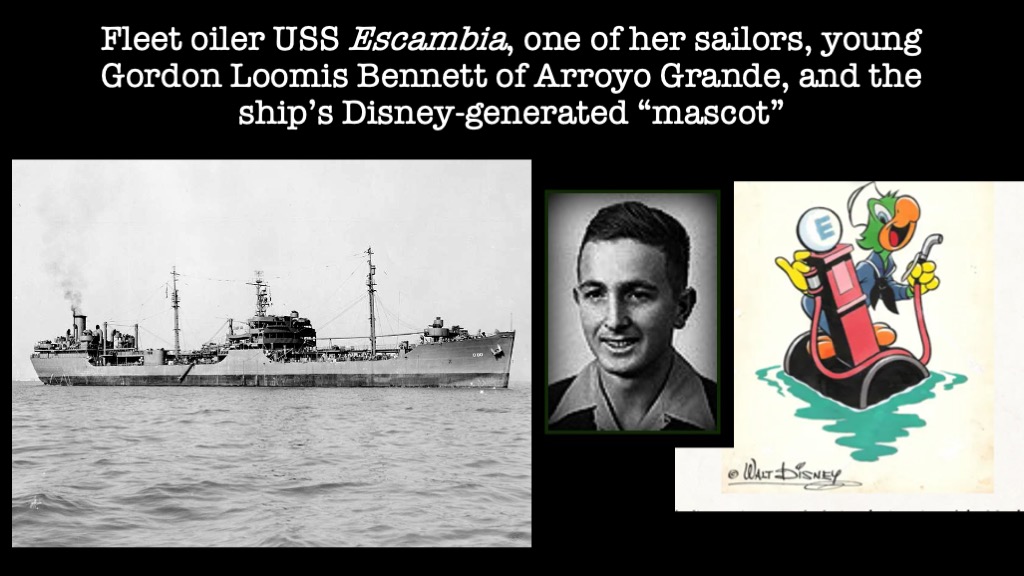
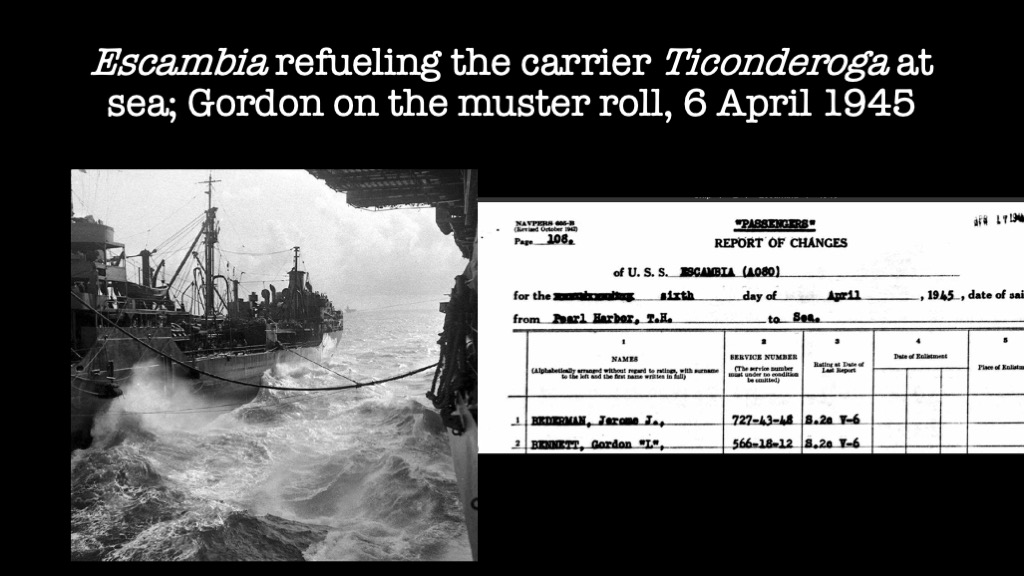
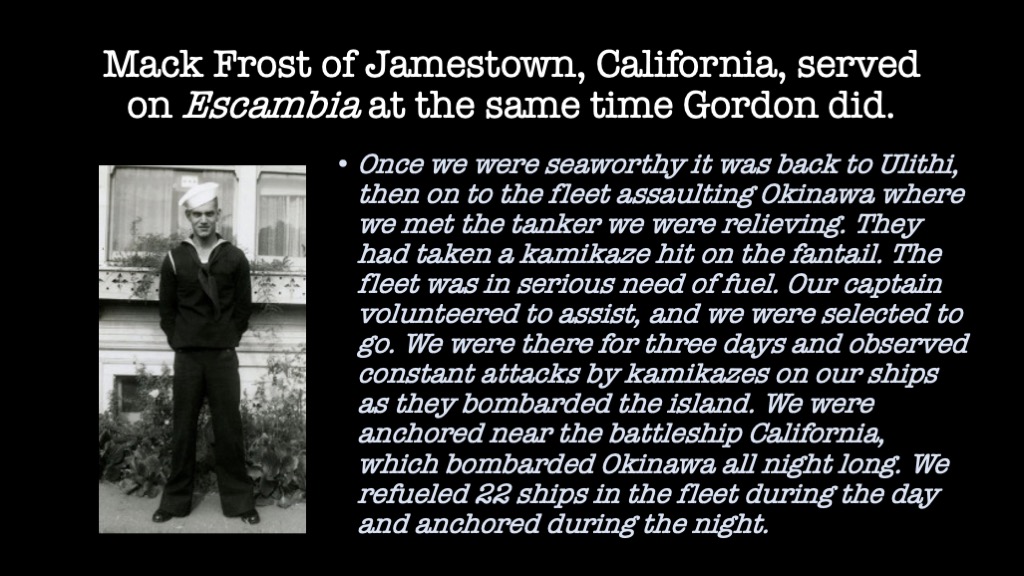
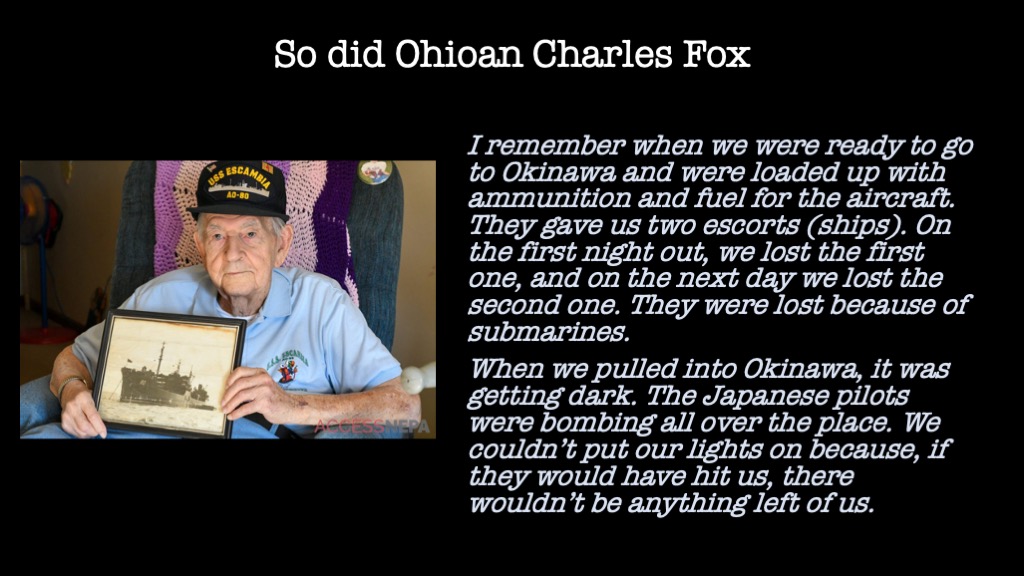
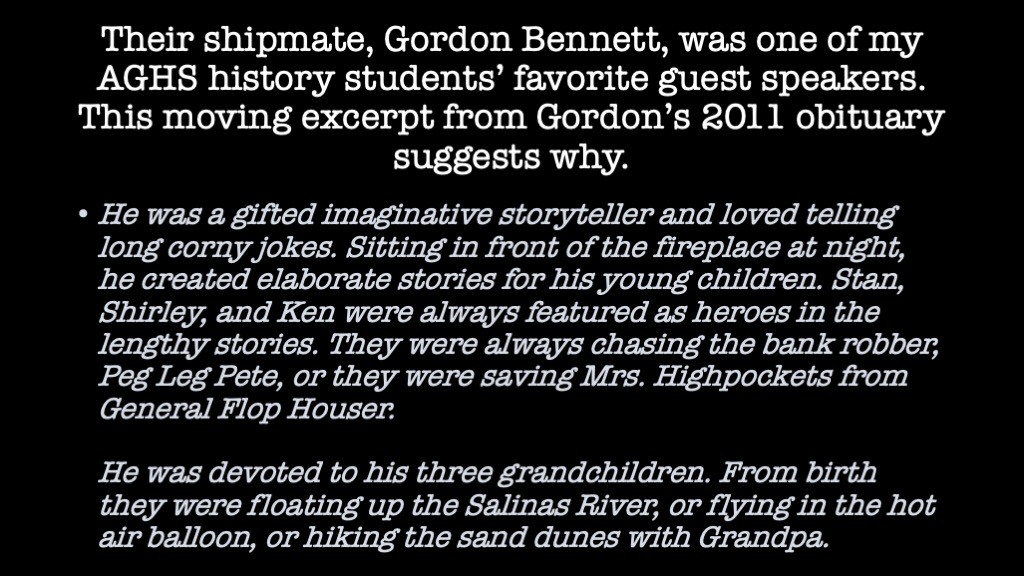
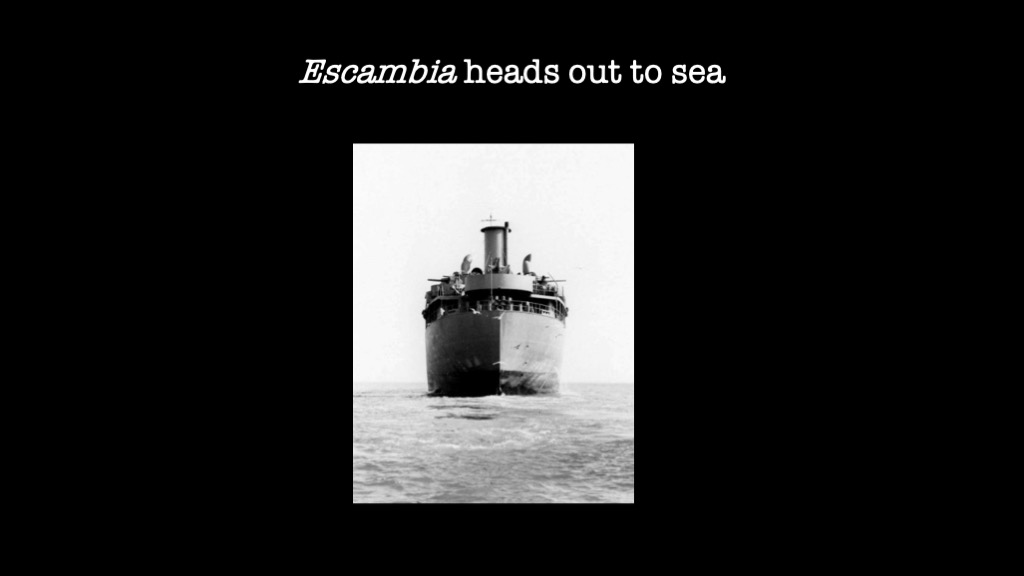
A ship discovered; a man remembered

28 Sunday May 2023

Posted by ag1970 in Arroyo Grande, Uncategorized, World War II

≈ Leave a comment

Dr. Clark

25 Thursday May 2023

Posted by ag1970 in Arroyo Grande, Uncategorized

≈ Leave a comment

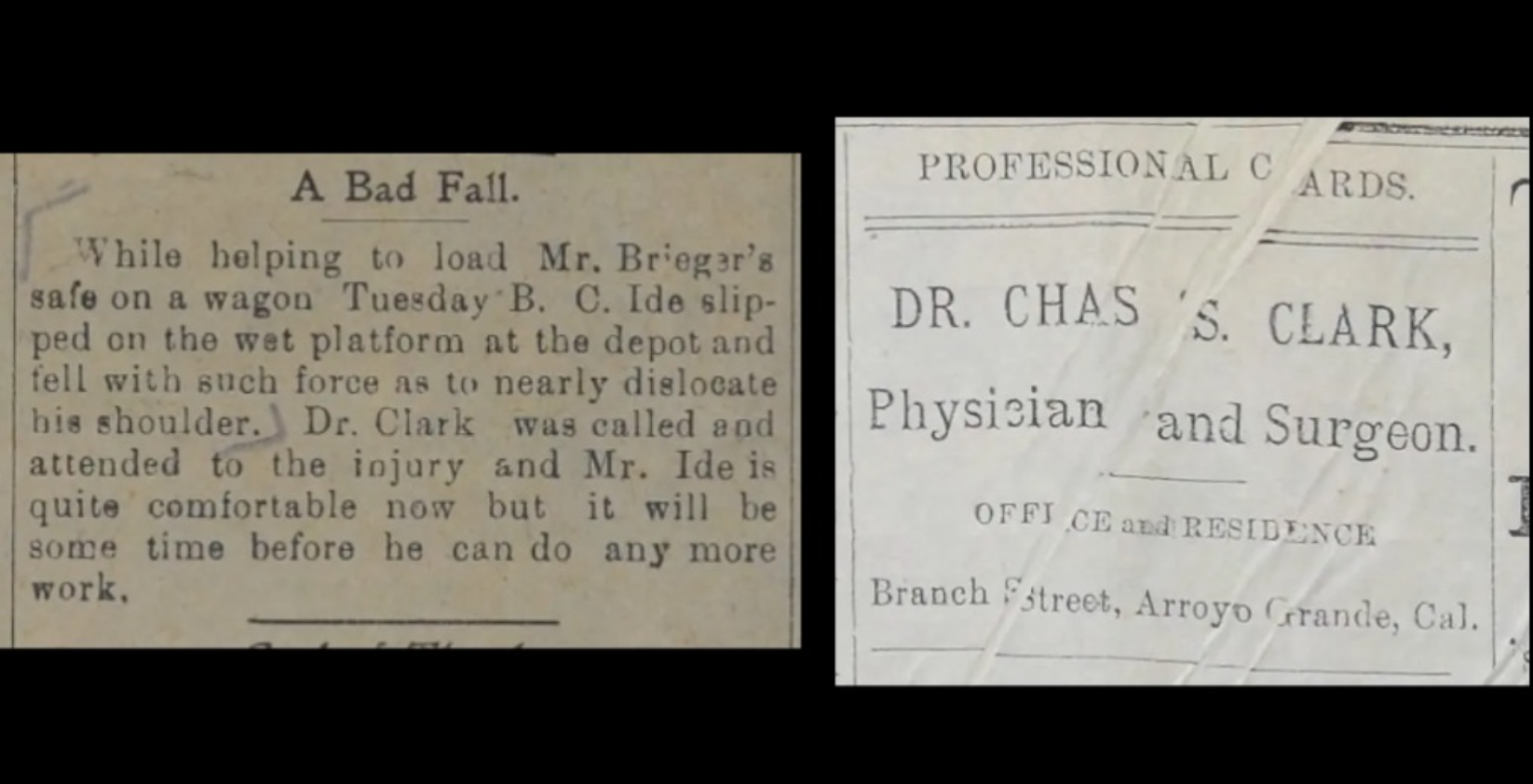
Union veteran Bela Clinton Ide of Arroyo Grande, San Luis Obispo County, California, had a bad day in September 1896, according to this clipping.

He’d had worse.

On July 1, 1863, Ide’s 24th Michigan, part of the Iron Brigade, lost two-thirds of its complement in a horrific firefight with the 26th North Carolina, which lost 81% of its soldiers.

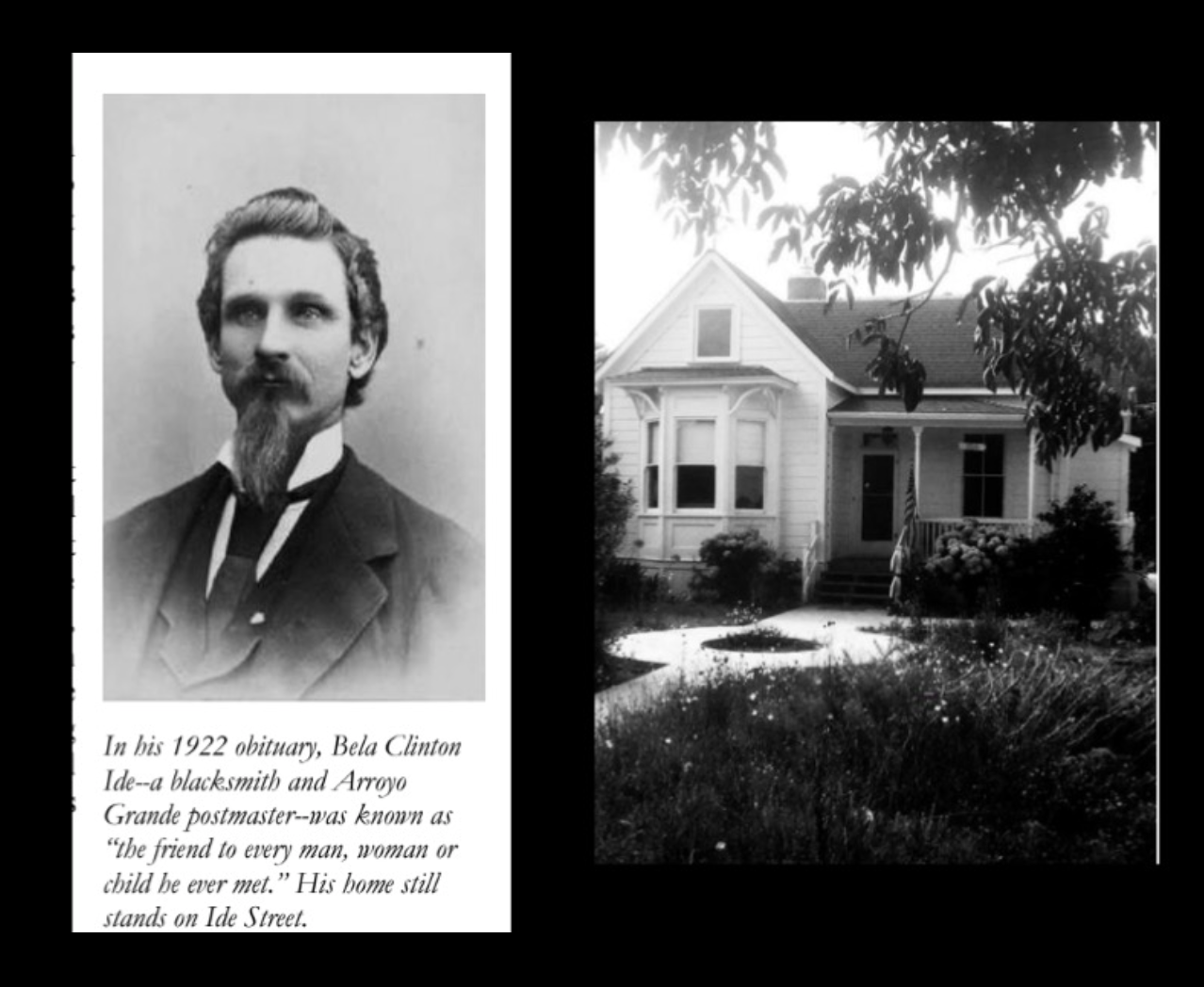
After an experience like that, I would’ve been a grump the rest of my life. Note the caption under Ide’s photograph

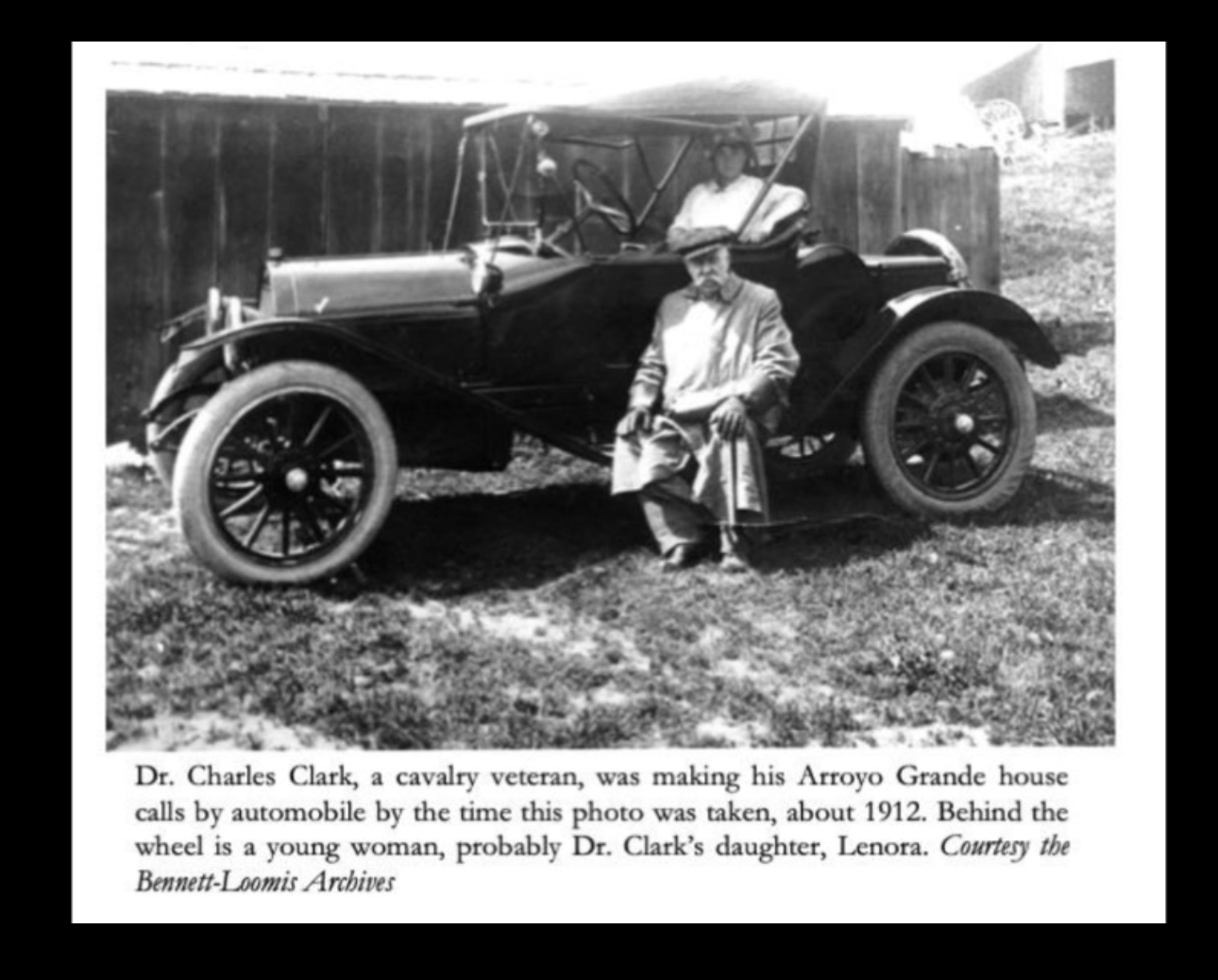
Dr. Clark, meanwhile, served in the 1st New Jersey Cavalry during the Appomattox Campaign. He was all of seventeen and a native of Randolph.

Lee’s men had just arrived at Farmville on Aprl 7, 1865 and were beginning to fry up bacon and gobble cornbread when Custer’s cavalry, including Clark’s regiment, showed up.

Battlefield artist Afred Waud depicts Confederates surrendering to advancing Union cavalry, April 1865


There would be rations, after all, at Appomattox Court House.

Custer got there first.

Clark became Arroyo Grande’s “baby doctor,” and the newspapers are vivid with the details of his treatments: fingers getting caught in a printing press–the patient was his son, Ed, new to his job at the local newspaper– a horse fracturing a little boy’s leg with an instinctive kick, another little boy building a home-made steam engine that exploded and injured his hand; most tragic, when her mother’s attention was momentarily diverted, a little girl, wearing her flannel nightgown, who fell into the fireplace.

Childhood was dangerous. Arroyo Grande needed a Dr. Charles S. Clark.

His home and offices, near what is today a deli on Branch Street—Arroyo Grande’s main street— are no longer with us.

The house that Bela Clinton Ide built, most likely in 1878, still is. In the superheated real estate market that marks California, it recently sold for $1.25 million.

A snapshot of Arroyo Grande, California, October 3, 1896

25 Thursday May 2023

Posted by ag1970 in Uncategorized

≈ Leave a comment


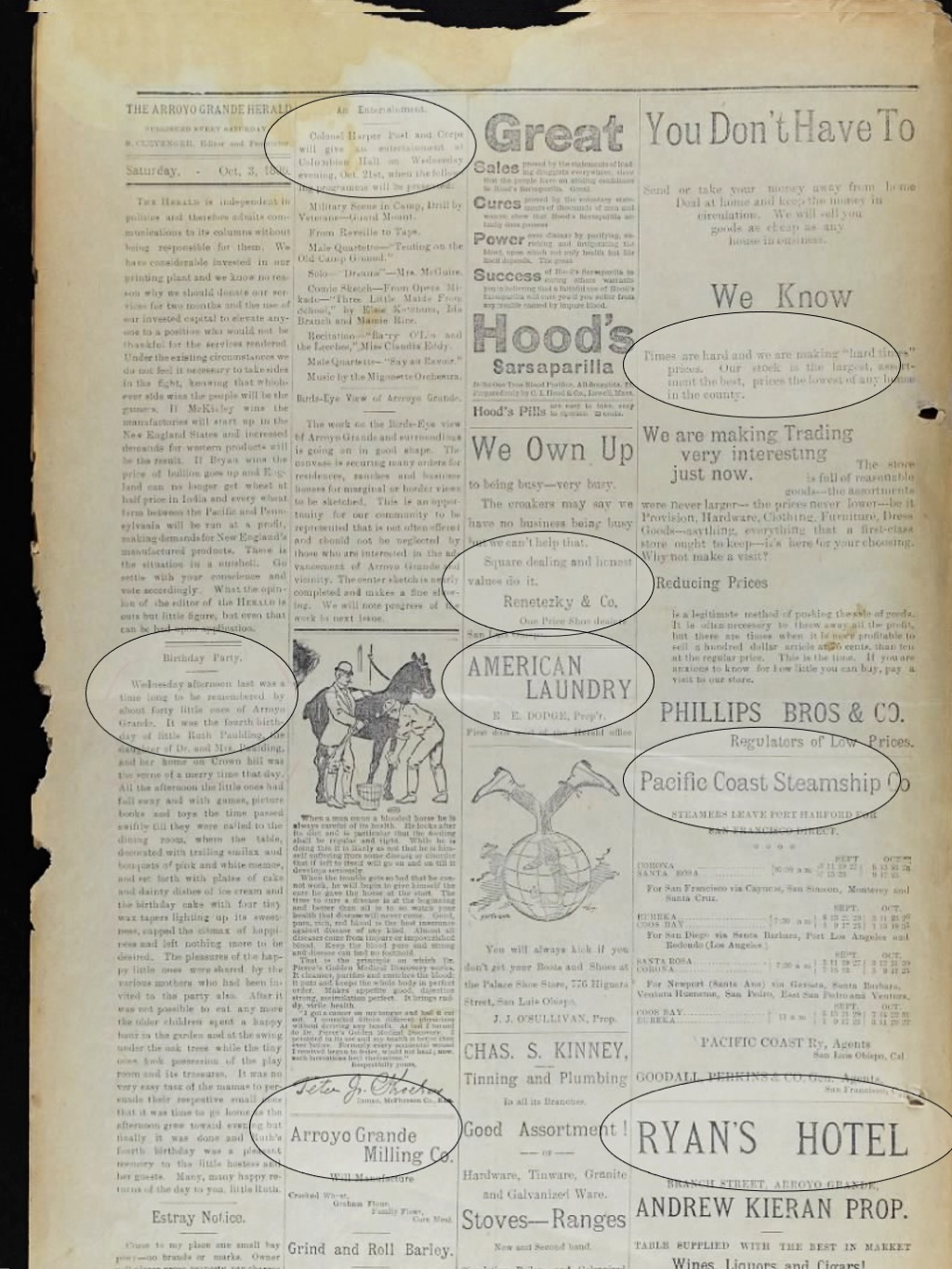
A kind of glossary to a page from the October 3, 1896 Arroyo Grande Herald, the town’s weekly.

Birthday Party: Ruth Paulding was the daughter of Dr. Ed Paulding and Mrs. Clara Paulding, who taught in local schools for forty years. Clara was a Force of Nature. Like her mother, Ruth became a teacher. She taught languages at Arroyo Grande Union High School, just across the street from where Ruth lived nearly her entire life (1892-1985). Ruth was much-loved by her students; the middle school is named for her.

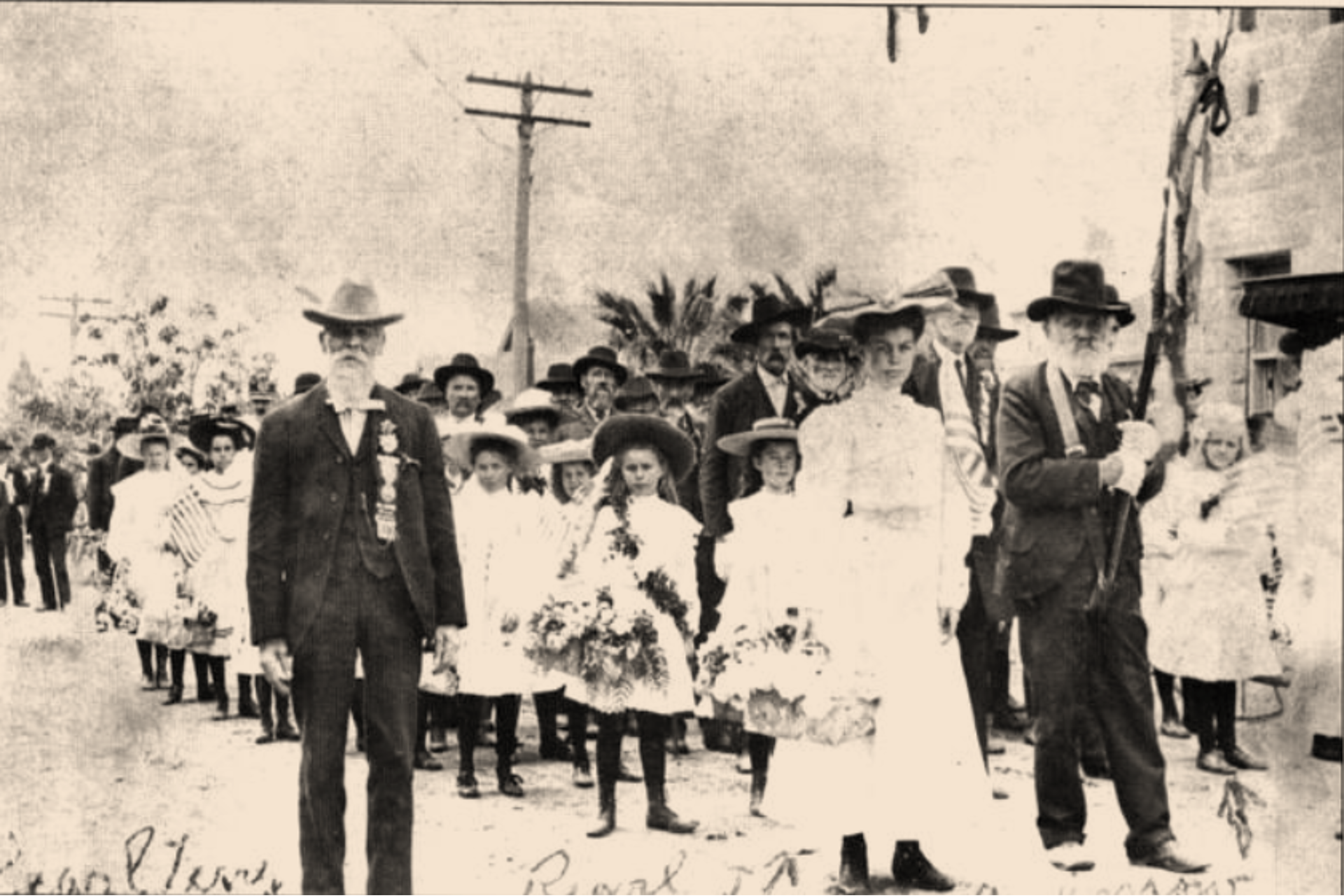
“An Entertainment:” The Col. Harper Corps was the local chapter of Union Civil War veterans, the Grand Army of the Republic. Nearly sixty veterans are buried in the local cemetery (four fought at Gettysburg; one, Otis Smith, was awarded a Medal of Honor after the 1864 Battle of Nashville). The “Columbian Hall” was a steepled assembly/lecture/concert hall on Branch Street, later disassembled and moved to become the IDES (“Portuguese”) Hall. A new hall was built in 1948 but the floor remains from the 19th-century Columbian Hall.

Civil War veterans from the Col. Harper Corps assemble with schoolchildren on Memorial Day, 1905, for a march to the Arroyo Grande Cemetery. The IOOF Hall is at the right edge of this photo, taken on Bridge Street. From Jean Hubbard and Gary Hoving, Images of America: Arroyo Grande, California, Arcadia Press.


Arroyo Grande Milling: Newton Short, who built the Swinging Bridge, operated this mill behind Branch Street along the creek. Barley was a big crop in the interior of San Luis Obispo County so this must’ve been a nice source of income for Mr. Short, also a farmer. The mill was later sold to the Loomis family—like the Shorts, an important part of Arroyo Grande history. Barley, of course, was an important component in animal feed and in beer, the fluid that floated the six saloons at or near the corner of Branch and Bridge Streets in 1903. (One more in 1906. See below.)

Renetzky and Co.: This family was related to the Dana family, whose patriarch, William G. Dana, founded Rancho Nipomo. Dana, Francis Branch, John Michael Price and Isaac Sparks were the “Big Four” rancheros in the South County. Joanna Renetzky, schoolteacher, would later marry Clair Abbott Tyler of Morro Bay at the Old Mission; Alex Madonna was Clair’s best man. In 1943, Lt. Clair Abbott Tyler was killed in his co-pilot’s seat by cannon fire from the German fighter that brought his B-17 down after a raid on the sub pen complex at Lorient.

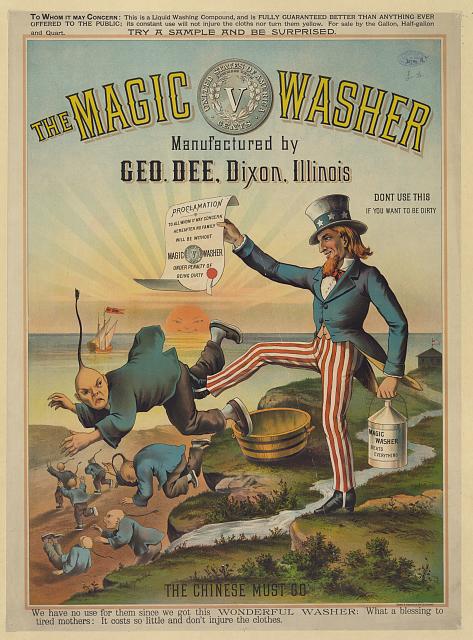
American Laundry: This is ominous. The name implies that this is not a Chinese laundry at a time when anti-Chinese bigotry was common. Masked men had driven Chinese residents out of Arroyo Grande in February 1886, only about six weeks before masked men lynched the Hemmis, father and son, suspected killers, from the railway trestle at the foot of Crown Hill. Meanwhile, there was an attempt to dynamite Sam Yee’s laundry in San Luis Obispo and an even less-subtle rival laundry was formed there: The Caucasian Steam Laundry. The notorious ad below, from about 1886, suggests that buying this detergent will help drive Chinese immigrants out of business and so out of America.


Library of Congress

“Hard Times:” The Phillips Brothers operated the store, from about 1895, now occupied by Bill’s Place on Branch Street. The reference is to the Panic of 1893, a severe depression that persisted into 1897 and was a centerpiece in this year’s presidential campaign between William McKinley and the Democratic/Populist candidate, William Jennings Bryan.

Pacific Coast Steamship Company: The railway had a spur that ended at the end of the Port Harford (Avila) pier; before the completion of the Southern Pacific, the best way to travel to San Francisco or Los Angeles was by steamship, at least one operated by Capt. Marcus Harloe, the father-in-law of longtime schoolteacher Margaret Harloe, herself from another prominent family, the Phoenix family. Margaret married Capt. Harloe’s son, Archie. (Archie’s mom was Manuela Sparks, from the Huasna Rancho family, a working ranch today still run by Isaac Sparks’s descendants, the Porters.)

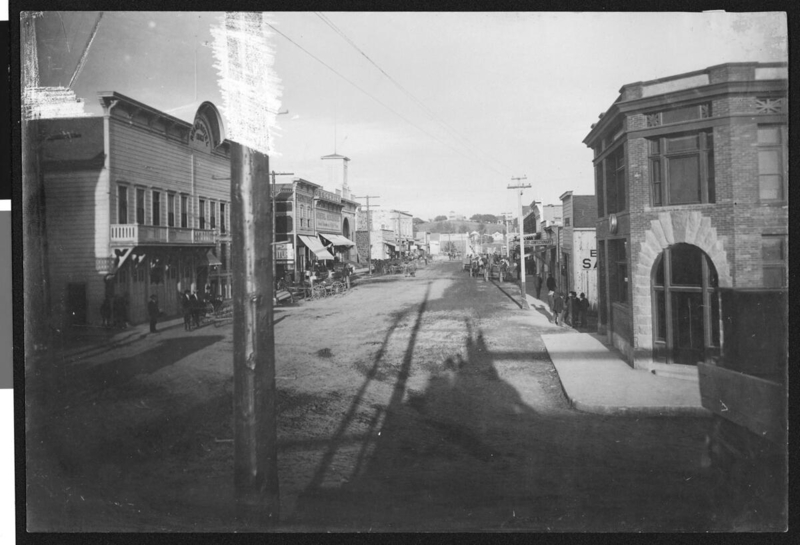
Ryan’s Hotel: Built in 1873, roughly on the site occupied today by Village Grill and the adjacent parking lot. A pretty classy place for its time, with a restaurant, barber, full-service bar, pool room and, in the back, a stable where stagecoaches changed teams. The Ryan is on the left in the photo of Branch Street from about 1906; the steepled building just up the street is the Columbian Hall; Crown Hill, where Ruth Paulding grew up and the high school was built, is in the distance, at the end of Branch Street. On the right side of the photo is the just-completed Bank of Arroyo Grande; the Bank Saloon would have made it seven saloons at or near this street corner. One of them, The Eagle, is just beyond the bank building. The Capitol Saloon stood across the street, just out of the picture frame, at left. Town policeman Henry Lewellyn was shot in the Capitol doorway in 1904; he died the next day in a room at the Ryan.

Calisphere photo.

Dermatologists of the Lost Ark and Other Adventures

25 Thursday May 2023

Posted by ag1970 in Uncategorized

≈ Leave a comment

Being half English and half Irish has its advantages. After all, the first half of me once owned 25% of the Earth’s surface, which included the second half of me. The sun’s the problem—the Mad Dogs and Englishmen in the Noonday Sun thing—because if I so much as miss a nickel-sized spot on my face with sunscreen, it turns as bright as the currently-erupting Popocatépetl (a word I like to say aloud over and over) within about seven minutes.

So I went to the dermatologist today for what I call the Blue Light Special, a light treatment that should vaporize the numerous pre-cancers on my face. “You may feel some discomfort,” they said (the young woman who attended to me was wonderful), but this is a phrase I remember hearing as a child when I was about to get a shot. Here’s my childhood doctor and his crack medical staff getting the hypodermic needle ready:

If you think this is the only movie that occurred to me, you’d be wrong. You have to be in a dark room for an hour for the Magic Ointment to take effect, so for an hour I was Papillon.

https://videopress.com/v/FsIIyVn1?resizeToParent=true&cover=true&preloadContent=metadata&useAverageColor=true

And here I am, with my hour up, emerging from the darkened room:


Now it was time for the Blue Light Treatment, which works something like this:

Just kidding! But you put your face into a Blue Light Helmet shaped something like Dave’s helmet from 2001: A Space Odyssey.

And we all know how that worked out for Dave:

And darn if that blue light didn’t remind you of another scifi movie!

https://videopress.com/v/NZpQa5FH?resizeToParent=true&cover=true&preloadContent=metadata&useAverageColor=true

No little space critters, though. After an hour in the dark, you have sixteen minutes inside Dave’s Space Helmet. They remind you:

You have fourteen minutes left.

You’re doing fine. Twelve and a half minutes left.

How are you doing? Only eleven minutes and forty-five seconds left.

Which of course reminded me of:

But I guess I’m glad I had this done. And for the next two or three days, I will look just like one of my absolute favorite film characters!

Bad war, good cop: Arroyo Grande’s Charlie Branch

24 Wednesday May 2023

Posted by ag1970 in Arroyo Grande, Uncategorized

≈ Leave a comment

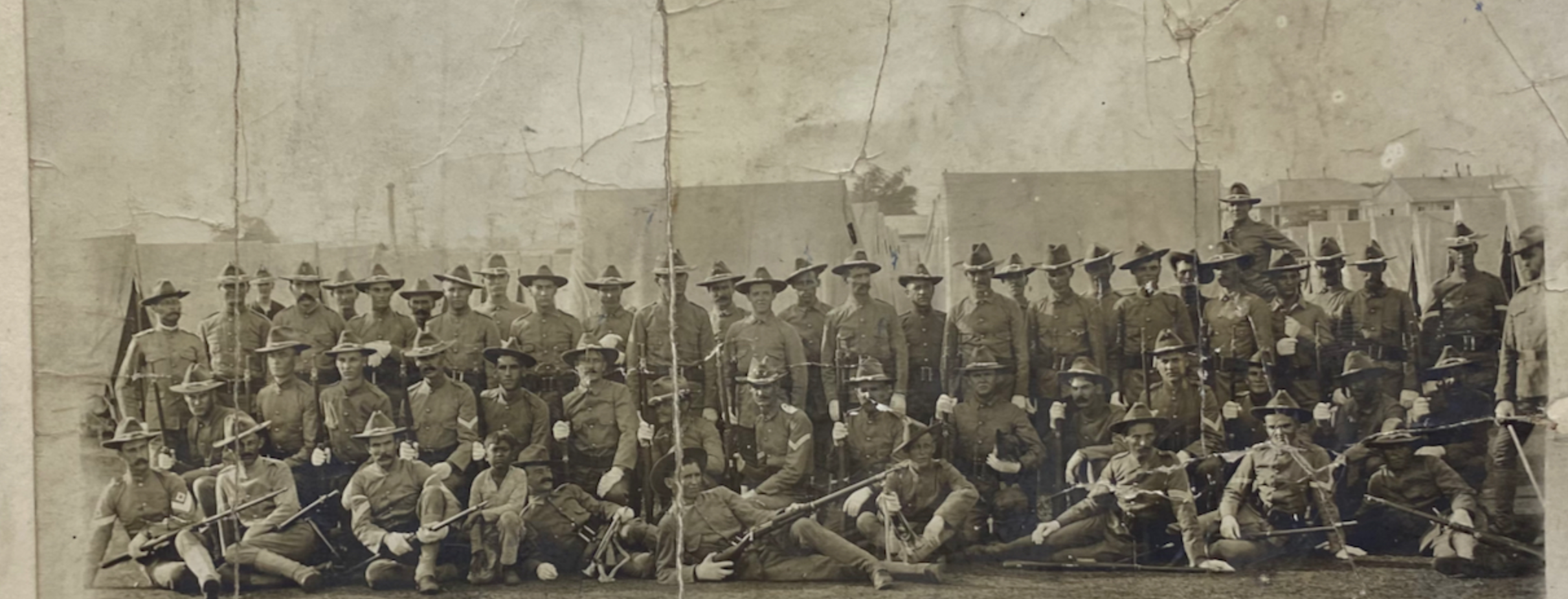
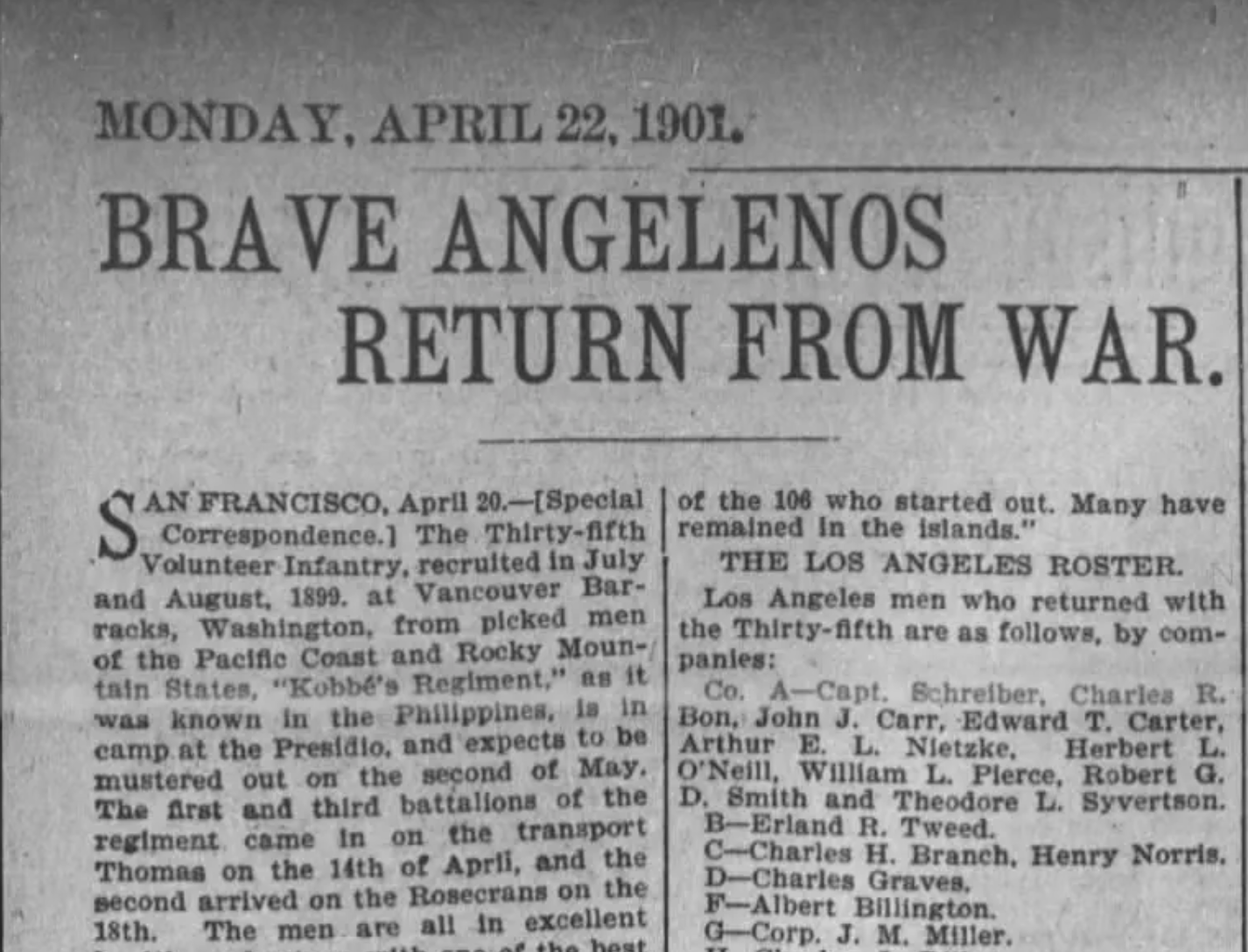
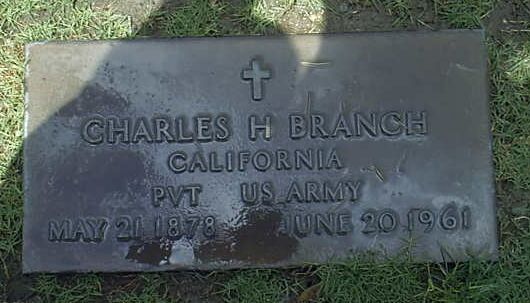
Company H, 35th U.S. Volunteer Infantry. Charles Branch was a private in this regiment’s C Company.

Charles Branch served Arroyo Grande as a constable, town marshal, traffic policeman and finally chief of police in the 1930s. While he was not related to the Branches who founded the town, he seems to have been almost as prominent.

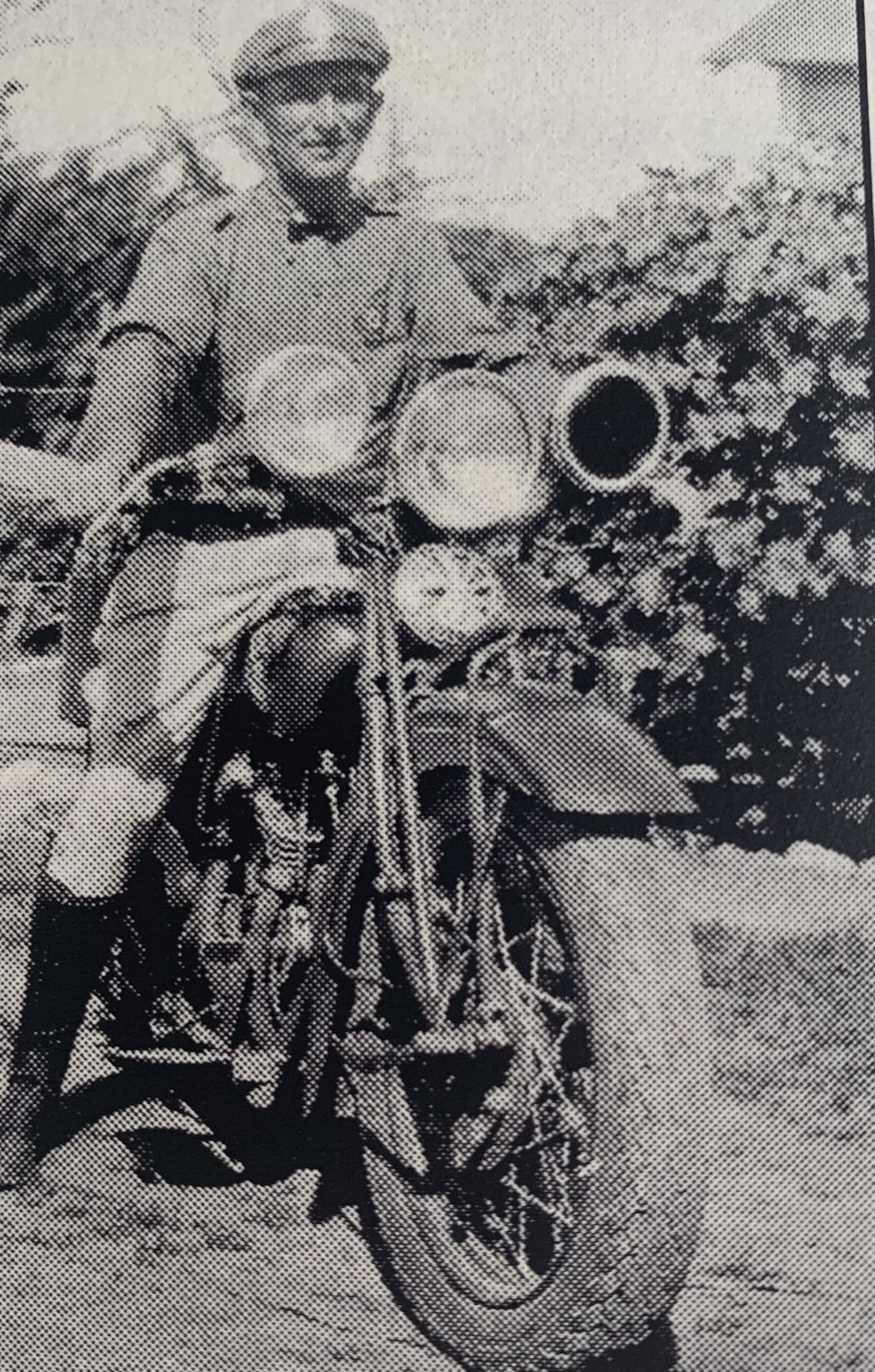
When the City laid him off in the depths of the Depression, carloads of teenaged boys drove around town to honk their horns in protest. That’s high praise. The PTA honored him, too, for his vigilance for ticketing speeders who exceeded what was then a 15-mph speed limit in school zones. Since the State Highway—101, today’s Traffic Way—ran directly through town and past the grammar school, Charlie lighting up careless drivers (an old clipping notes that one such driver was Rose Bowl-bound) from his motorcycle may have saved many young lives.

Branch on his motorcycle, from The Old Days, by John Loomis and Gordon Bennett

In 1931, he was the first AGPD officer to be issued a tear-gas gun. The Arroyo Grande Herald-Recorder notes that Branch needed it to quell disturbances at local dance halls. That may well be a coded reference. The dance halls, including the IDES (“Portuguese”) Hall, were frequented by Filipino farmworkers. They patronized taxi dancers—“henna-haired girls,” one article called them—who were Caucasian and this seemed to be a state of affairs that agricultural towns in California could not tolerate. The dances were frequently raided by local police.

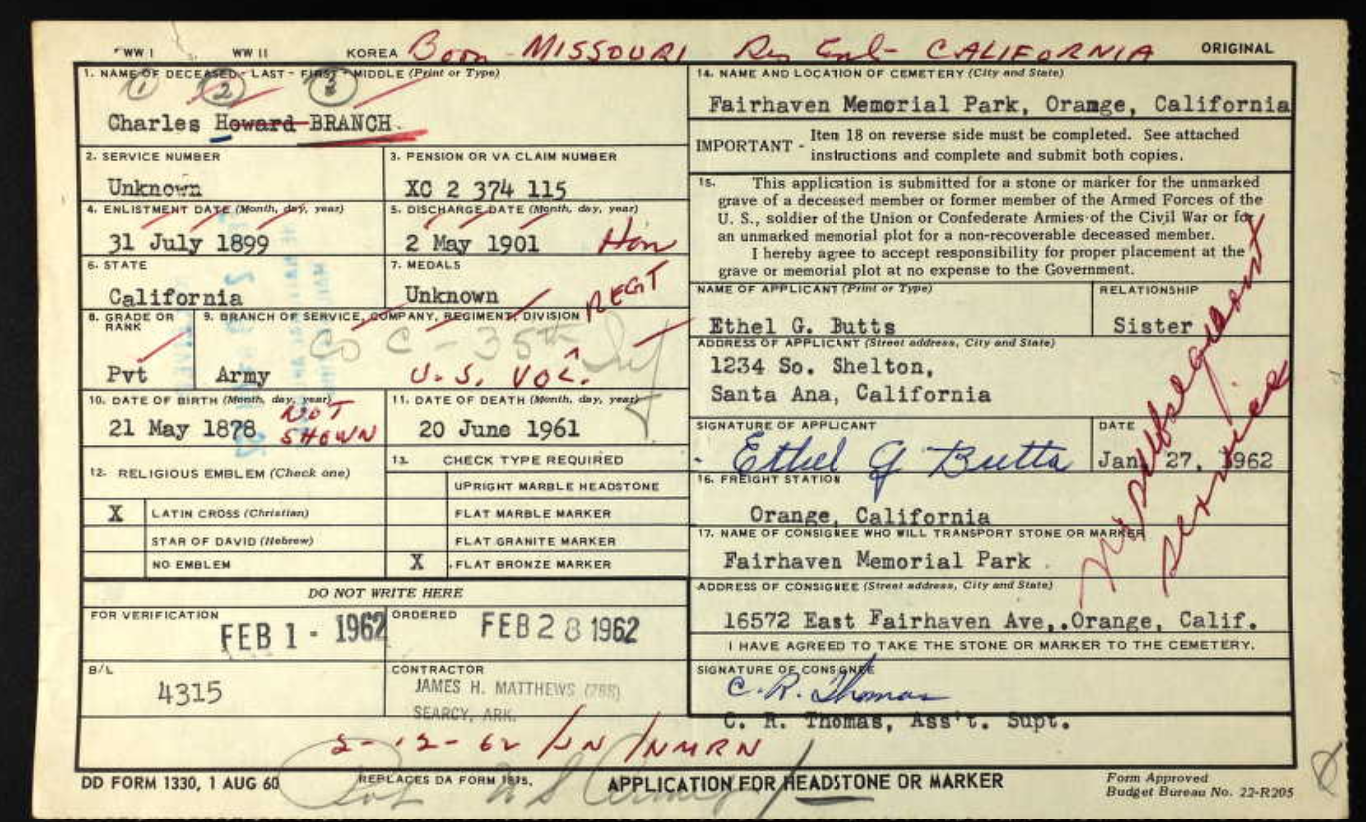
But the tear-gas gun also represented a kind of deja vu in Charles Branch’s life. He was a staunch member of and officer in the local Spanish-American War veterans’ organization, but that’s a slight fib. It’s more likely that most of these veterans fought instead in the Philippine Insurrection (1899-1902), one of America’s most controversial wars. His sister’s application for a military tombstone—Branch died in 1961 and is buried in Santa Ana, in Orange County—gives the game away.

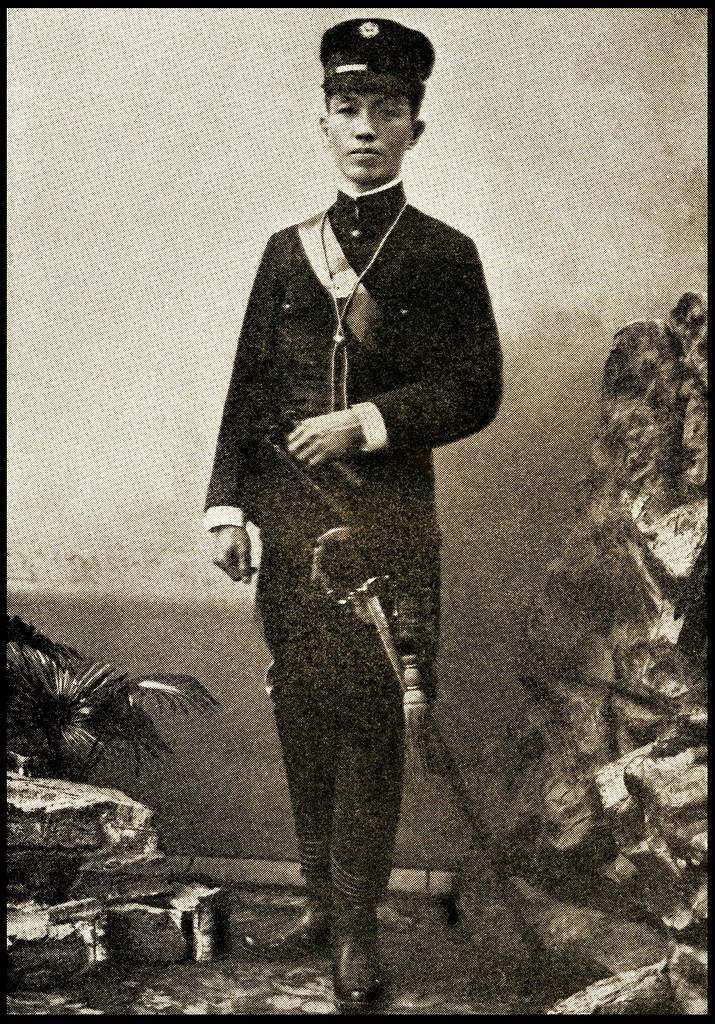
The 35th Volunteers, indeed, fought in the Philippine Insurrection. This was a merciless colonial war brought on by the Filipinos themselves, led by a man, dynamic and charismatic, named Emilio Aguinaldo.

Aguinaldo, who ultimately became the president of The Philippines

The Filipinos started the war by helping the United States defeat Spain in the Spanish-American War and then assuming that America, given our War of Independence and our democratic traditions, would grant the Islands independence so that they could begin democratic traditions of their own.

Nope. The Islands became America’s “Jewel in the Crown”—a reference to British India— the centerpiece of our own colonial empire and the beginning of a slippery slope that would lead to another terrible war with another colonial power, one that would claim two Arroyo Grande sailors killed on battleship Arizona on December 1941.

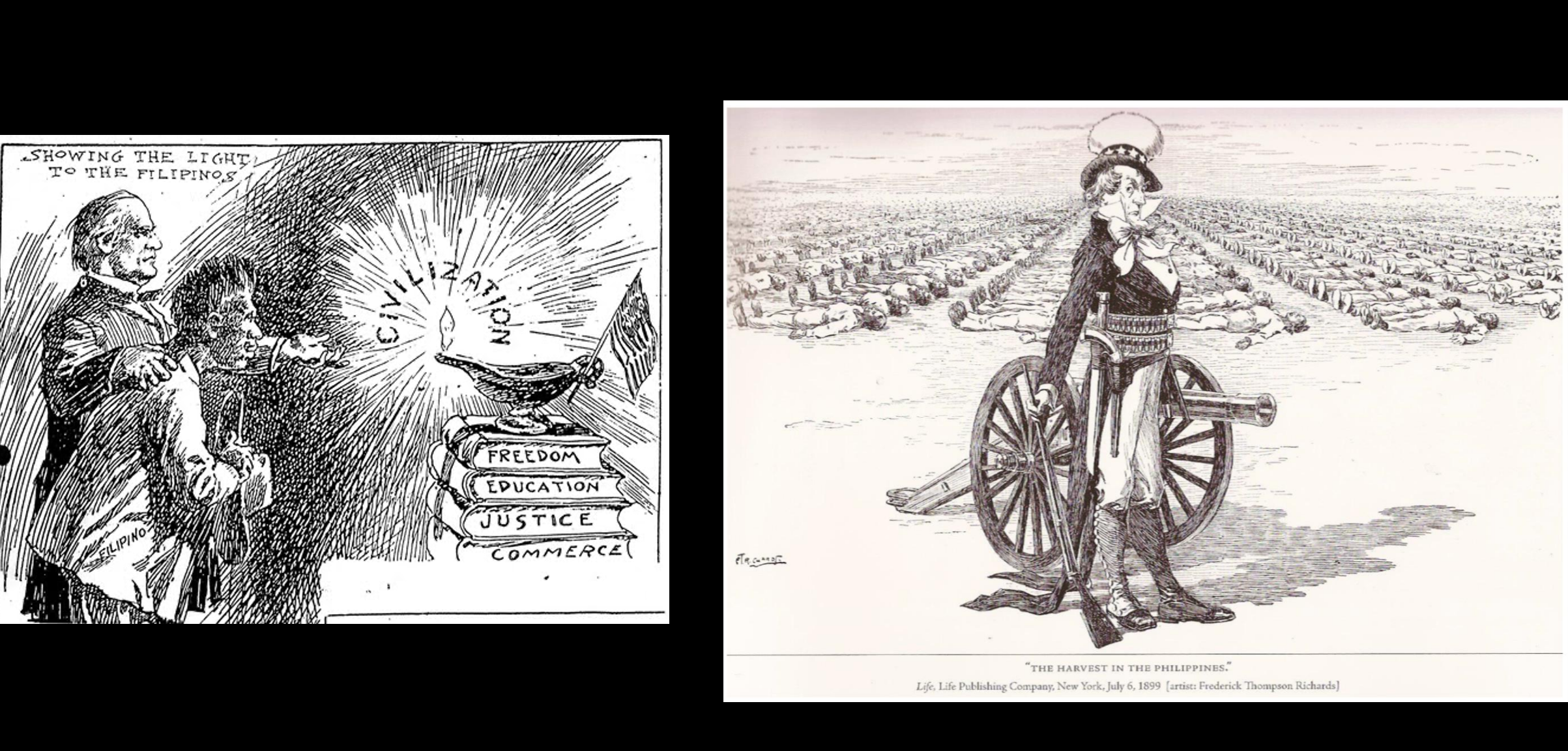
“It is our duty,” President McKinley intoned in 1899, to explain why we weren’t leaving, to “uplift and Christianize” the Filipinos (80% of them were Roman Catholic, but that’s another story. That didn’t count as ‘Christianity’ in McKinley’s thoroughly Protestant America. When Al Smith ran against Herbert Hoover in 1928, some Hoover campaign buttons read simply A Christian in the White House.)

Contrasting views of American policy in The Philippines

The war that followed claimed tens of thousands of Filipino insurgents. Collateral damage (starvation and disease) accounted for somewhat between a quarter-million and a million civilians.

This was the war in which one general, later court-martialed, ordered his men to kill every male Filipino over the age of ten, in which “waterboarding” was invented, in which the Americans adopted a practice that had been invented by the Spanish in Cuba and the British in South Africa: the concentration camp.

American troops apply what was called “the water cure” to a Filipino insurgent

One of the most decorated regiments—multiple Medals of Honor—was the Twentieth Kansas Volunteer Infantry, a unit that included a private who wrote his friends back home that “this shooting niggers beats shooting rabbits all to hell.”

The war divided America as deeply as the Dreyfus Affair was dividing France—or as deeply as the United States is divided today. The two sides were exemplified by two powerful men: the imperialist Sen. Henry Cabot Lodge and the writer Mark Twain, whose essay “To the Brother Sitting in Darkness” was a searing indictment of American policy.

Aguinaldo surrendered. We won.

Thirty years later, you can find some shockingly racist language in the editorial columns of the Arroyo Grande Herald-Recorder, most of it directed against “Mexicans” (many of whom were American citizens) or “Filipinos” (who occupied a nebulous status somewhere between being citizens and resident aliens.)

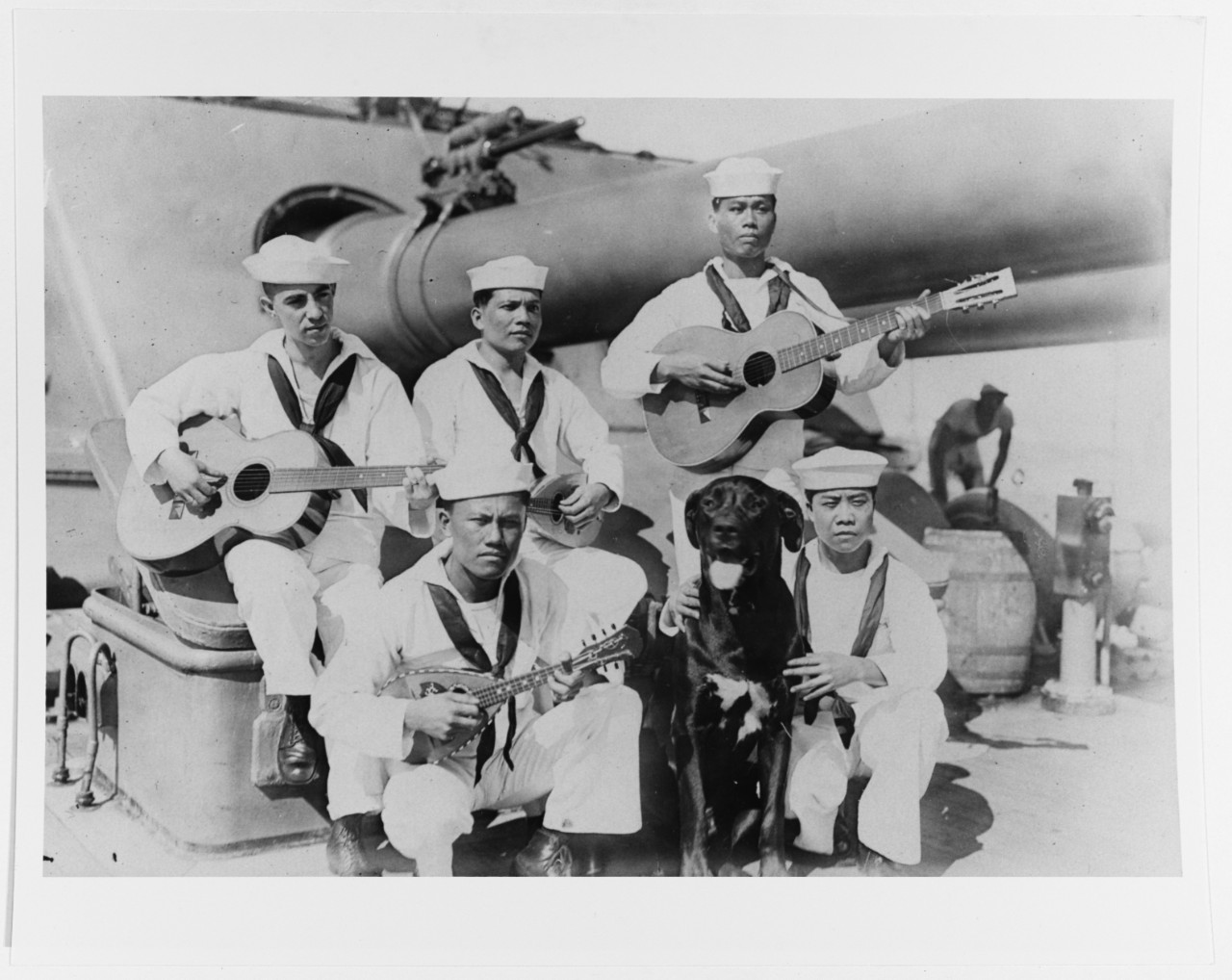
For many Filipino immigrants, the Navy represented a path to citizenship. These are mess stewards and their dog aboard the light cruiser USS Seattle in 1923. An Arroyo Grande mess steward, Felix Estibal, would die when his destroyer, USS Walke, was torpedoed near Guadalcanal in November 1942.

Filipinas were not allowed to immigrate. That factor created huge economic opportunities for the henna-haired girls, the taxi dancers.

Meanwhile, Filipino immigrants responded to the abuse heaped on them throughout the 1920s and 1930s by joining the fight against Japan in the months after Pearl Harbor. They formed two infantry regiments, the first at Camp San Luis Obispo. Their regular army trainers, from the 77th Infantry Division, were stunned by how quickly these men took to soldiering and how self-disciplined and motivated they were. These gifts became evident in combat in the Southwest Pacific and in the liberation of the Philippines. They fought with immense bravery.

Filipino G.I.’s and their sidearm, the bolo knife, practice a martial art called escrima. Farmer Gabe de Leon (below) became the mayor of Arroyo Grande—the first Filipino American mayor in United States history.

“Immense Bravery” is not a term I’d apply to Charles Branch’s 35th Volunteer Infantry Regiment. They were a hard-luck unit. “Volunteer” regiments occupied a separate status from the regular Army; enlistment terms were limited, discipline was easier, and the food, allegedly, was better. Despite those inducements, the 35th, made up of large numbers of Californians, had trouble finding recruits in 1899, when the Insurrection began. They would have to borrow some Easterners, including (horrors!) New Yorkers, to fill out their ranks.

But they had a Californian, Charles Branch, as one of those rankers. He avoided dying on the troopship that left San Francisco for Manila. Ptomaine poisoning swept the 35th—turn-of-the-century soldiers were issued tinned meat that was Civil War surplus—and at least one soldier, from San Francisco, died en route to the Philippines.

That’s where malaria began claiming them, including a popular captain from Los Angeles.

They fought for two years, pursuing and not finding insurgent leaders and engaging in at least one pitched battle, on Mindanao, in June 1900. They were routed, losing twenty men killed or wounded; the Filipino attackers lost four.

Coming home to California must have been an immense relief. Over 4,000 American soldiers and Marines did not come home alive.

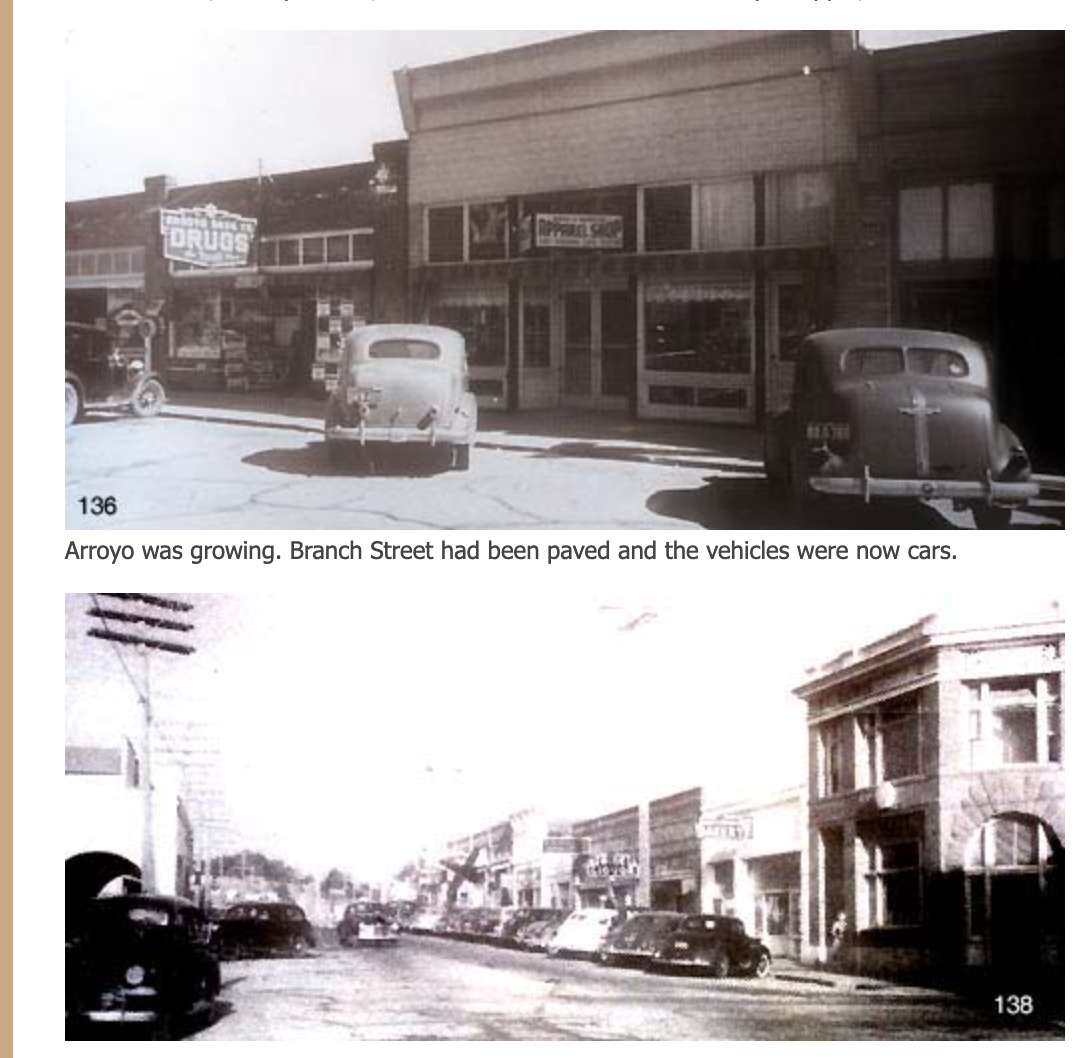
Arroyo Grande was still ten years away from incorporation in 1901, when newly-discharged veteran Charles Branch was twenty-three. He would eventually become a constable but he also had a mechanical bent, working for the Barcellos-Morgan Ford agency on Branch Street—today an ice cream shop— and eventually opening his own radiator shop. He also formed an all-girls drill team, sponsored by a fraternal organization, the Knights of Pythias, that performed regularly in town celebrations and parades in the 1930s.

Branch Street in Charles Branch’s time. From the online history of the United Methodist Church.


Then something happened. Around 1939, Branch disappears from the old Herald-Recorder’s news columns except for occasional visits. His residence is listed as “Sawtelle,” which is ominous. That was the veterans home, near the UCLA campus, that was notorious for mistreating its Civil War veterans during the 1920s (“patients” were referred to as “inmates.”) It looks like a pleasant place. I don’t think it was, certainly not for Civil War veterans and perhaps not for the cohort to which Branch belonged, a generation after the Civil War.

Sawtelle in the early 1900s.

The veterans who lived at Sawtelle—maybe Branch was assigned to the Malibu facility, which had to be a little more pleasant—were chronic sufferers. Many of the Civil War veterans were incapacitated by the crippling depression that is one manifestation of PTSD. Others were alcoholics. Still others died, years later, from diseases contracted during the war: Arroyo Grande Grammar School janitor Richard Merrill, for example, a veteran of the Antietam and Chancellorsville campaigns, was finally killed in 1909 by the dysentery that had first assaulted him in 1863.

The malaria that killed the 35th Volunteers’ captain can stalk a survivor over the course of his entire life. We have no way of knowing, but perhaps Pvt. Branch’s war finally caught up to him.

A man who was admired by both the PTA and rascally teenaged boys had to be exceptional. I can’t help but hope, though, that Charlie Branch never had to use that tear-gas gun.

For Memorial Day: Pete

21 Sunday May 2023

Posted by ag1970 in Arroyo Grande, Uncategorized

≈ Leave a comment

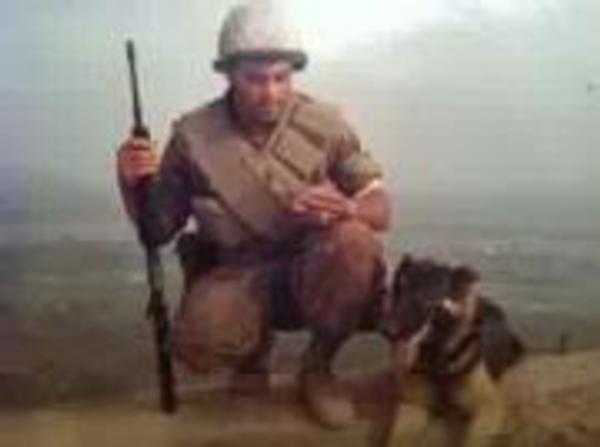
Sgt. Pete Segundo

For a proposed Memorial Day Speech at the Arroyo Grande Cemetery, May 29, 2023.


In 1963, my older brother went out for the wrestling team at what was then Arroyo Grande Union High School. That’s when he met arguably the toughest kid on the team—maybe the toughest athlete in the high school’s Class of 1966.

His name was Pete.

My brother was the son of an accountant; our Dad was the comptroller for Madonna Construction. Pete was a farmer’s son.

Dad’s ancestors migrated from England to Virginia in the 17th century; Pete’s father was an immigrant from the Philippines.

My brother was a hard worker, maybe happiest behind the wheel of our Ford garden tractor. Pete was a hard worker because he had to be.

Pete was a natural athlete. Neither my brother nor I are natural athletes. But here’s what my brother said about his wrestling teammate:

“He was nice to me, and he didn’t have to be.”

Please keep those words in mind for a few minutes.

“He was nice to me, and he didn’t have to be.”


Bear with me. I have to recite a few statistics.

The Vietnam War claimed eleven young South County men. Nine of them are near us today. One is buried in Santa Maria. One remains missing in action.

Thirty-four San Luis Obispo County men died in the Vietnam War.

Most of them were soldiers. Eight were Marines.

The ratio of Californians killed in Vietnam was twenty-eight deaths for every 100,000 residents. For San Luis Obispo County, it was thirty-two deaths for every 100,000 residents.

The average age of a Vietnam serviceman was twenty-two. At the times of their deaths, most County servicemen were twenty-one.


The most common cause of combat deaths was from grenades, which claimed eight of our young men. Whether hand-thrown or fired as RPG’s, this meant that fighting was at close quarters.


Mortar or artillery fire took six more.

The greatest number of county casualties—eleven—came in 1968, the year of the Tet Offensive. Nine more died the following year.

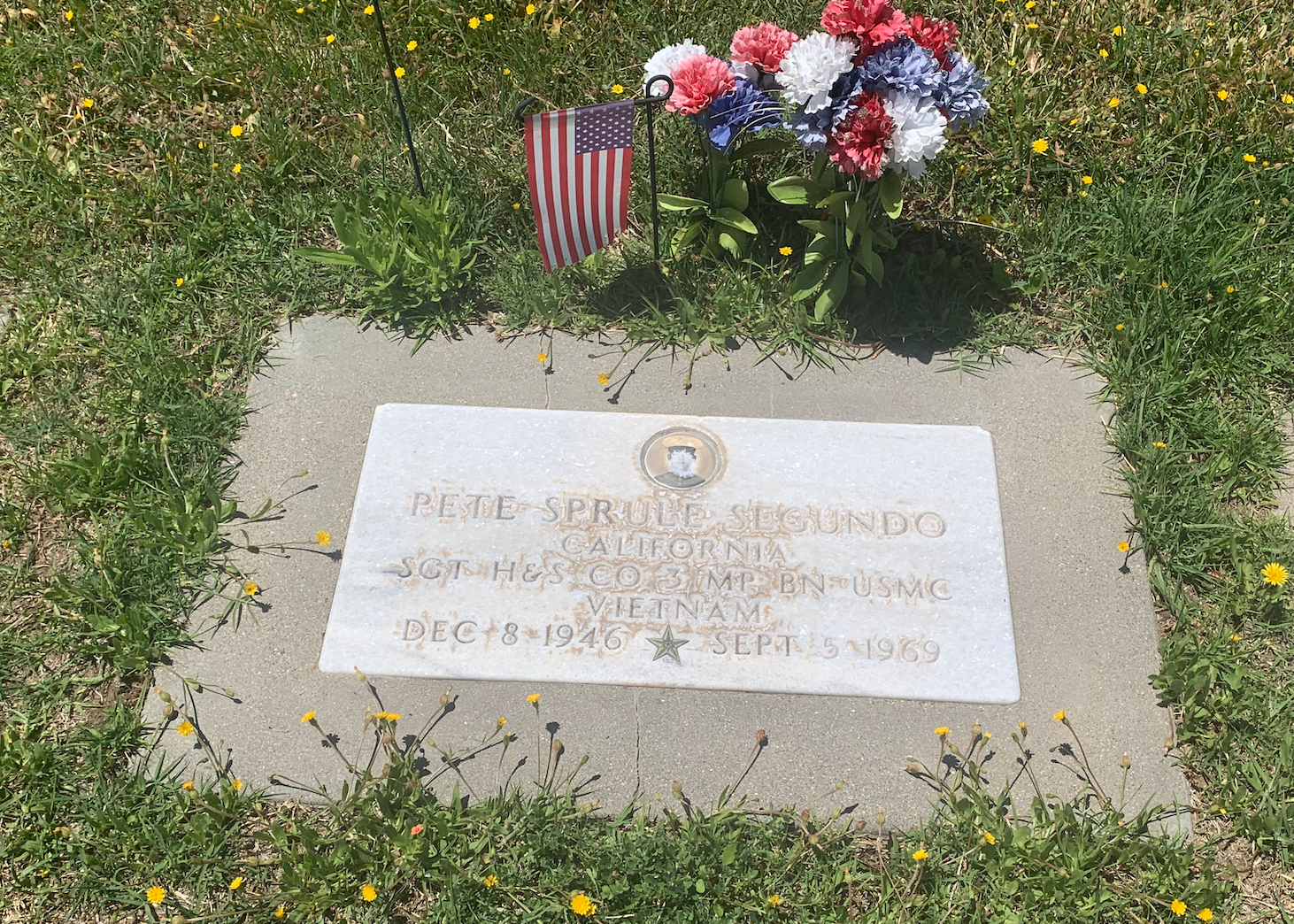
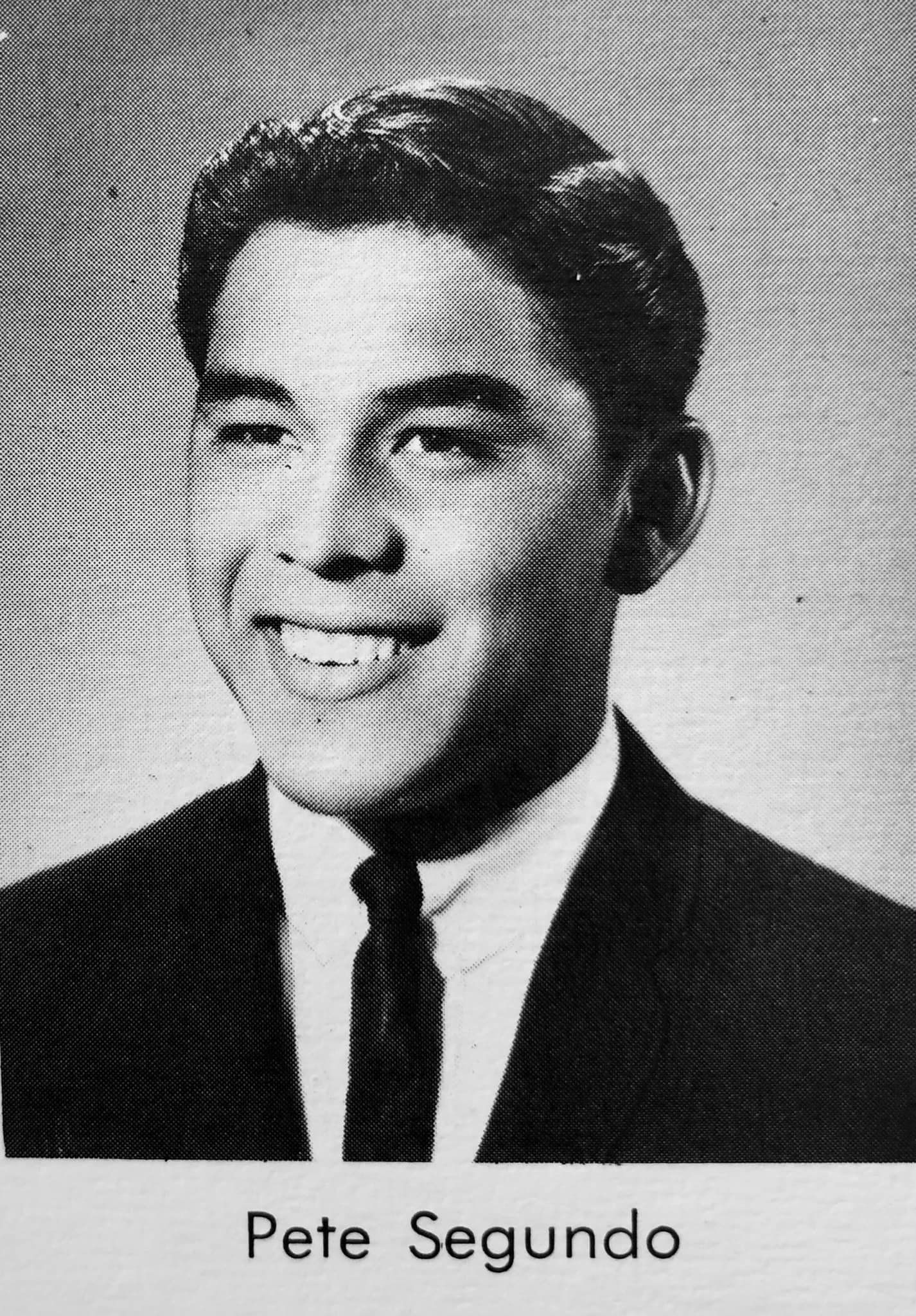
One of those killed in 1969 was Marine Sgt. Pete Segundo. His grave in this cemetery is directly above my parents’ graves. When I come to visit my Mom and Dad, I visit the young Marine I never met.

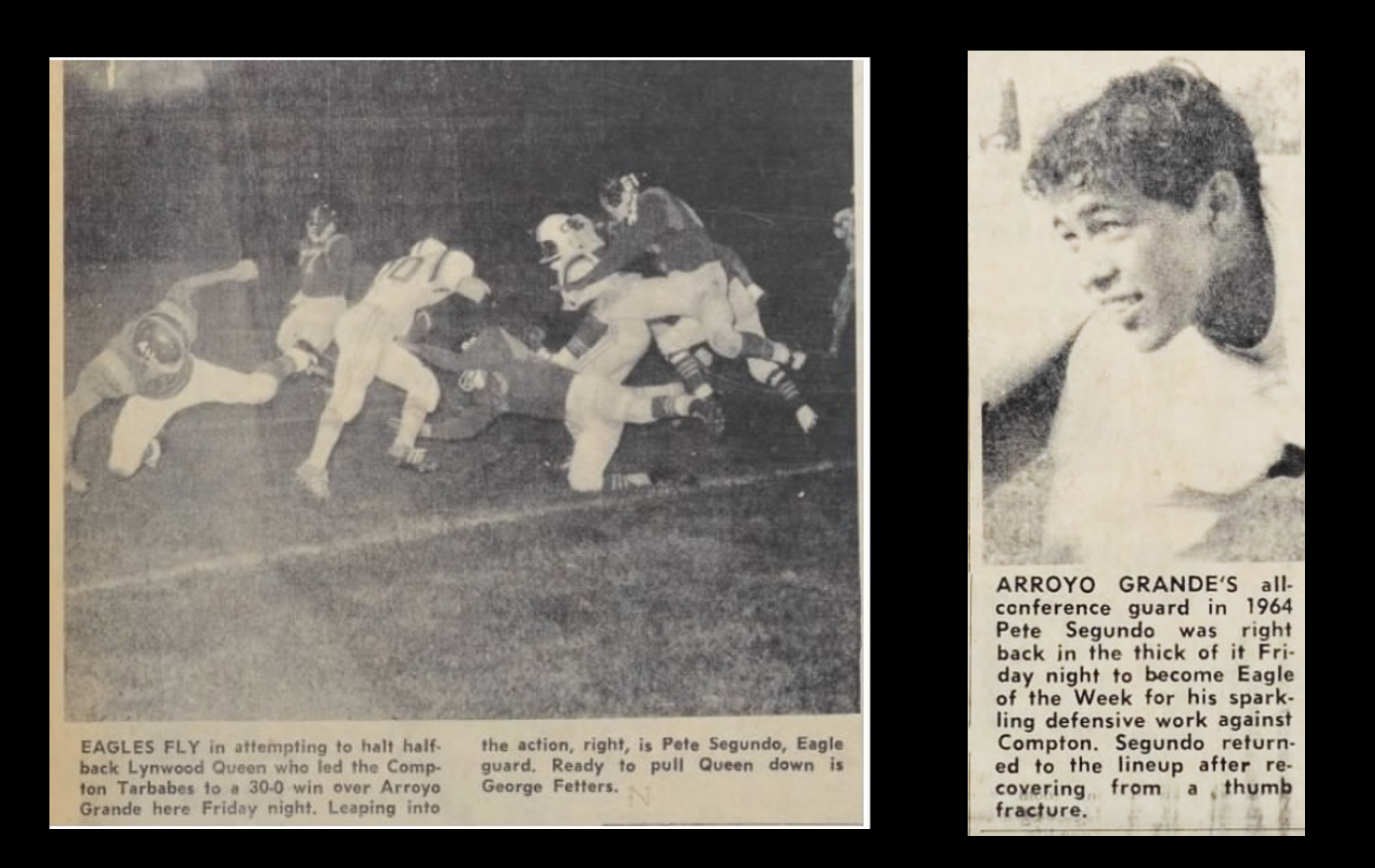
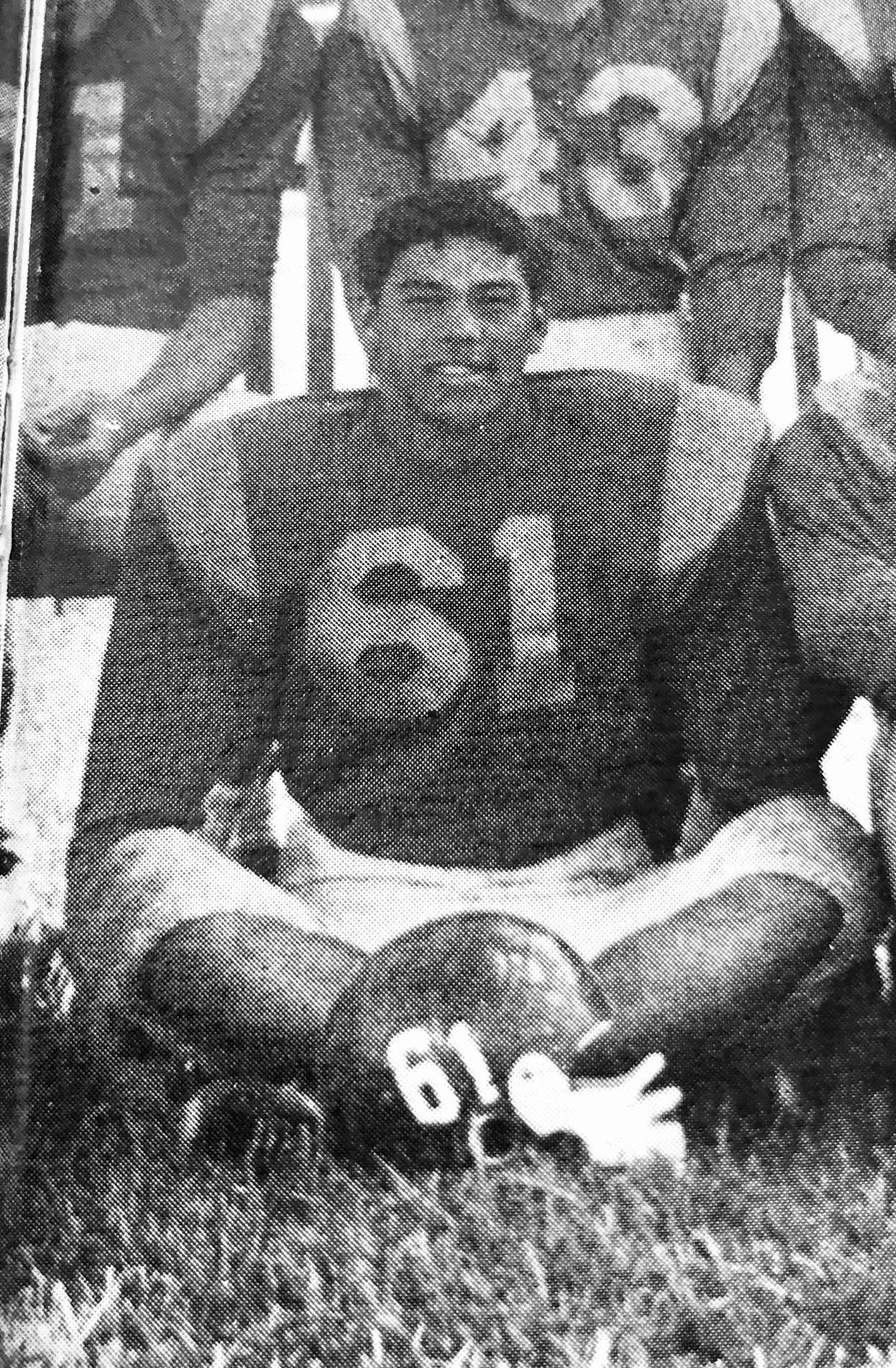
I’ve seen one yearbook photo that was typical of him: amid all the football guys trying to look tough, there’s their all-county guard with a big smile on his face.

In fact, there’s a big smile on his face in every one of his yearbook photos.

To know Pete, his classmates have told me, was to love him.

Photo courtesy of Shannon Ratliff-Evans

He was a standout athlete, especially in wrestling and football.

Otis Smith, a Civil War Medal of Honor winner, is buried here, too. His grandson, Johnnie, was awarded a Silver Star as a member of a World War II tank destroyer battalion.

In 1934, Johnnie was a Leiter Award winner, presented to the high school’s outstanding football player.

The Leiter Award went to Pete Segundo, too. Twice.

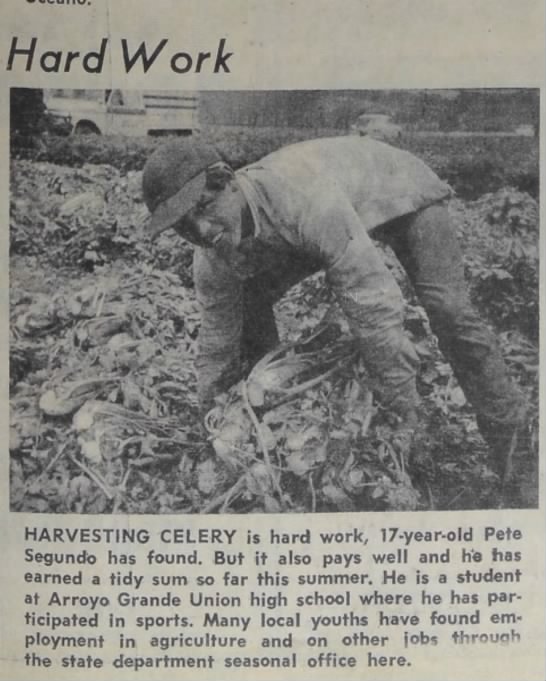
And while his classmates enjoyed a root-beer float and a burger at the Chu Chu Drive-In on Grand Avenue, Pete was in the fields chopping celery to help support his family.

A lifetime of hard work did nothing to diminish Pete’s smile. What ended it was an incident of friendly fire; Pete, a Marine dog handler, was shot while on patrol.

Sgt. Segundo, like most county Vietnam casualties, was twenty-one when he was killed.

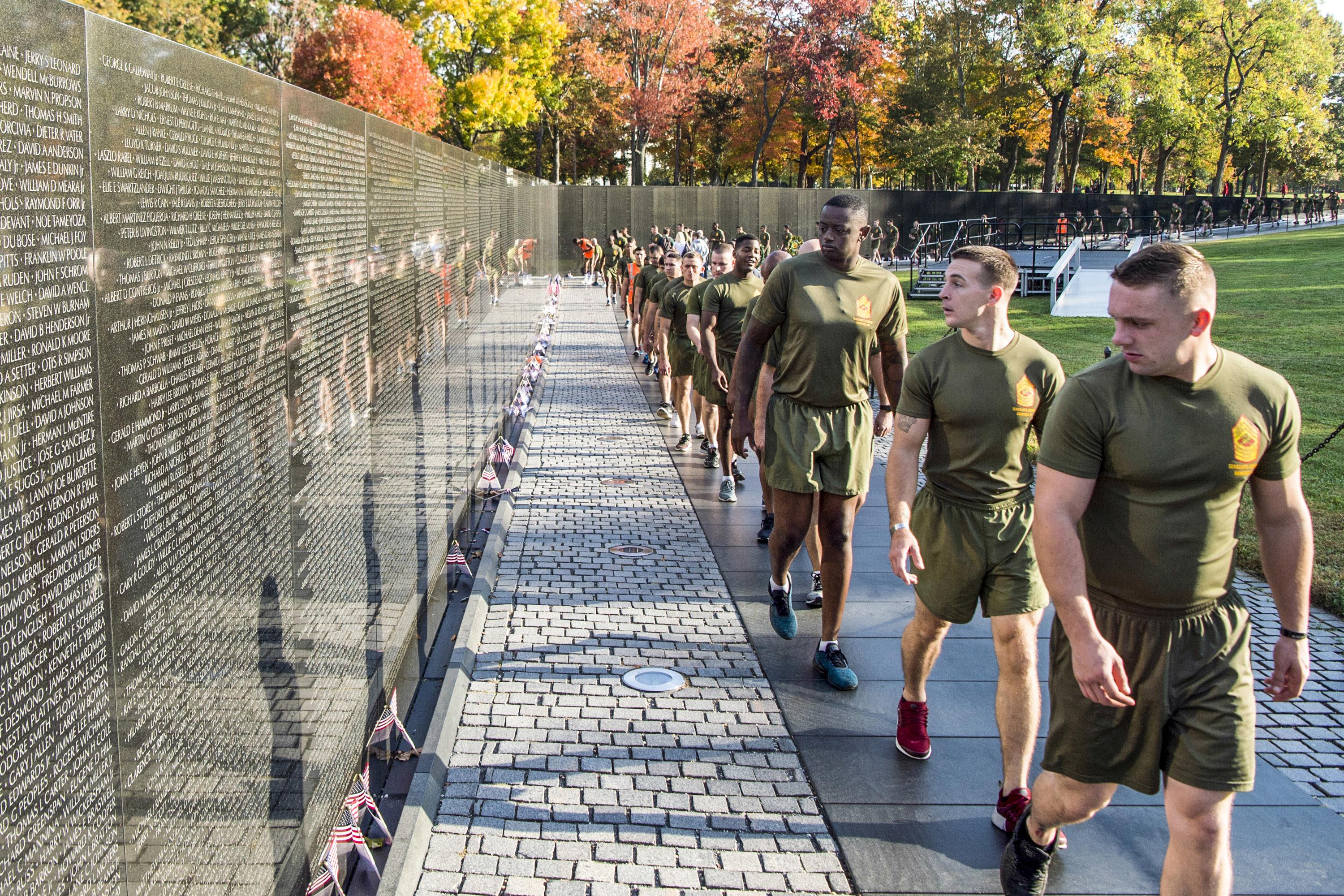
Marine sergeants in training at The Wall, Washington D.C. Photo by Dominique A. Pineiro

He’s a powerful example of how that war—how any war—cheats all of us. This war stole that young man from us. That young man gave his life for us.

But that was typical of his generosity of spirit.

“He was nice to me, but he didn’t have to be.”

My brother found this out the day he met his wrestling teammate, Pete Segundo.
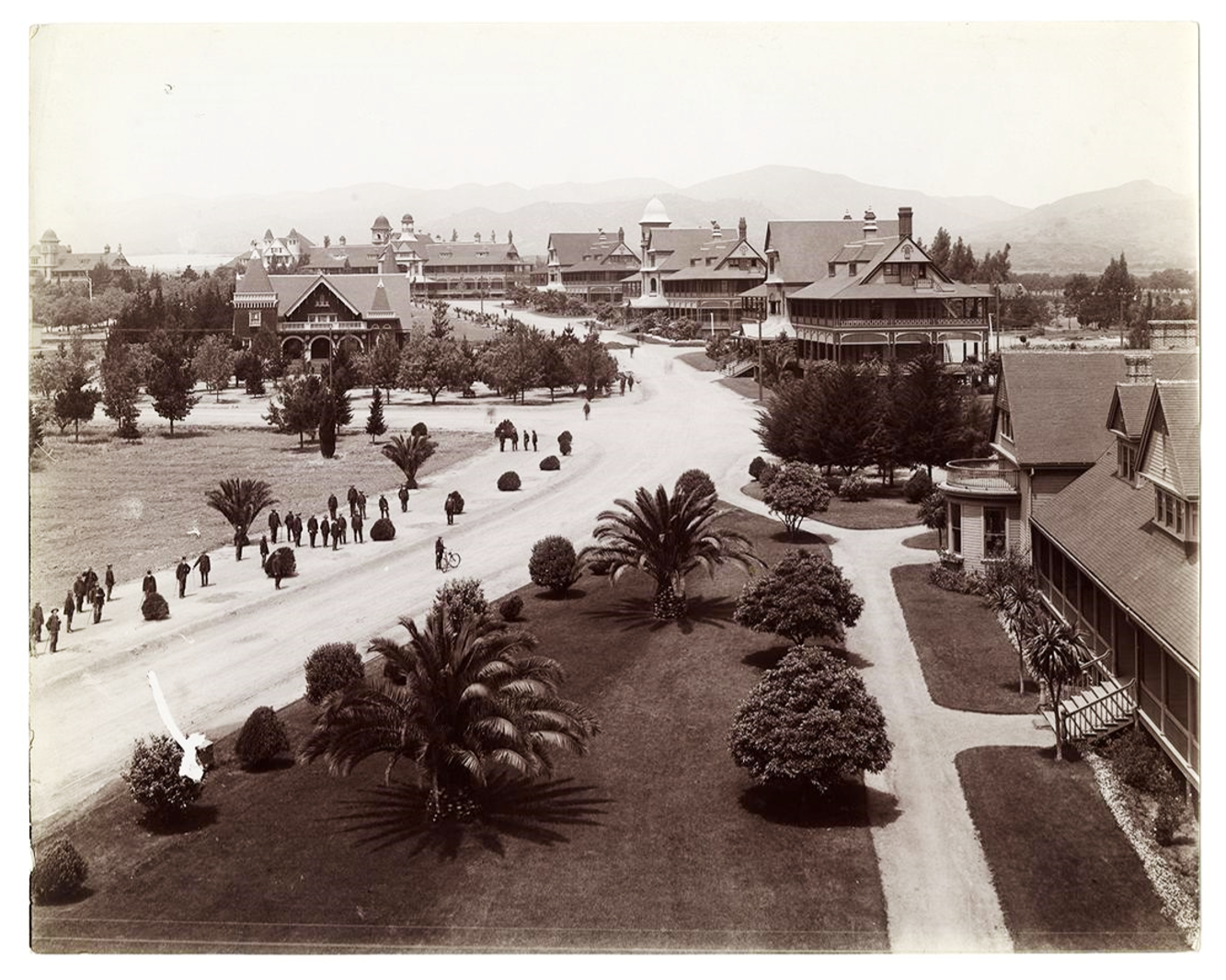
Photo courtesy Shannon Ratliff-Evans


You just don’t mess with Country-Western women.
20 Saturday May 2023

Posted by ag1970 in Uncategorized

≈ Leave a comment

Because they won’t stand for it.

Twelve favorite musical scenes from films

19 Friday May 2023

Posted by ag1970 in Uncategorized

≈ Leave a comment

Mike Nichols’ title sequence is stunning.

No, this isn’t intended to be a definitive list. There are dozens more that I’ll think of later, but here are twelve musical scenes—two of them opening scenes; one a conclusion—that make me happy.

  1. Amadeus. The transition is stunning. One of the most gorgeous films ever, and a stunning achievement in, thanks to F. Murray Abraham, dark humor.
  2. Pretty Woman. Speaking of musical geniuses, I give you Roy Orbison. I love the reactions to Julia Roberts’ grand exit from the hotel, especially from Hector Elizondo, such a fine actor. It’s sweet moment of vindication.
  3. Midnight in Paris: The Sidney Bechet song is perfect. Just as perfect is the lighting—is it a filter? Is it post-production digital editing?— Allen uses to record the Paris street scenes.
  4. Ferris Bueller’s Day Off.  Not necessarily my favorite film, but this moment is sheer joy. The beer-maiden dancers on the float are cool.
  5. I Walk the Line. I think this is what they mean by the term “courtin’ and sparkin.’”
  6. Marie Antoinette. I have always loved this Bow Wow Wow song. And the royal wigmaker and his entourage make such a grand entrance!
  7. Swing Kids. Such a great song. And this scene doesn’t even show the best dancer of the lot: Christian Bale can move!
  8. O Brother Where Art Thou. The “reveal” moment in one of my favorite films; one that reminds me (Places in the Heart is another) of the upbringing my Dad might’ve experienced. Vocals by Union Station.
  9. Michael. The best soul song ever? The Archangel Michael busts some moves as only Travolta can execute them.
  10. Sunshine on Leith. I found this charming scene, filmed in Edinburgh, just last week. It’s such a joyful song—and it was a 1980s Scots duo, The Proclaimers, who wrote and performed “Five Hundred Miles.” The young male lead, George MacKay, would star in a much different film, 1917.
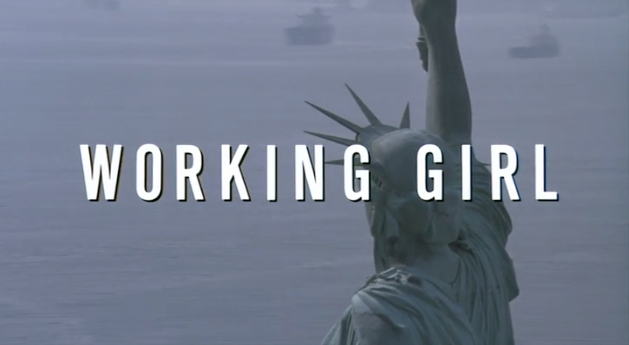
  11. Working Girl. The appearance of the Twin Towers breaks your heart, but this is a long excerpt because this Carly Simon song is so glorious, and the sweeping Mike Nichols shot, from the top of the Statue of Liberty to the inside of the ferry, is a masterpiece.

12. Love Actually. This is the Beach Boys’ incredible secular hymn; leaving the stars behind for the airport reunions of “real” people was such an inspired and touching way to end the film. It was them, not the film’s protagonists, who left me teary-eyed at the end.

If you click on the link below the line, a video will show excerpts from the films I mention.


    https://drive.google.com/file/d/1RnA28LXb268xe4EPRxznL0jf1Mz0NYun/view?usp=sharing

    ← Older posts

    Subscribe

    • Entries (RSS)
    • Comments (RSS)

    Archives

    • January 2026
    • December 2025
    • November 2025
    • October 2025
    • September 2025
    • August 2025
    • July 2025
    • June 2025
    • May 2025
    • April 2025
    • March 2025
    • February 2025
    • January 2025
    • December 2024
    • November 2024
    • October 2024
    • September 2024
    • August 2024
    • July 2024
    • June 2024
    • May 2024
    • April 2024
    • March 2024
    • February 2024
    • January 2024
    • December 2023
    • November 2023
    • October 2023
    • September 2023
    • August 2023
    • July 2023
    • June 2023
    • May 2023
    • April 2023
    • March 2023
    • February 2023
    • January 2023
    • December 2022
    • November 2022
    • October 2022
    • September 2022
    • August 2022
    • May 2022
    • April 2022
    • March 2022
    • February 2022
    • January 2022
    • December 2021
    • November 2021
    • October 2021
    • September 2021
    • August 2021
    • July 2021
    • June 2021
    • April 2021
    • March 2021
    • February 2021
    • January 2021
    • December 2020
    • November 2020
    • August 2020
    • July 2020
    • June 2020
    • May 2020
    • April 2020
    • January 2020
    • December 2019
    • November 2019
    • October 2019
    • September 2019
    • August 2019
    • May 2019
    • April 2019
    • March 2019
    • February 2019
    • January 2019
    • December 2018
    • November 2018
    • October 2018
    • September 2018
    • July 2018
    • June 2018
    • May 2018
    • April 2018
    • March 2018
    • February 2018
    • January 2018
    • December 2017
    • November 2017
    • October 2017
    • April 2017
    • March 2017
    • December 2016
    • November 2016
    • October 2016
    • September 2016
    • August 2016
    • July 2016
    • June 2016
    • April 2016
    • March 2016
    • February 2016
    • January 2016
    • December 2015
    • November 2015
    • October 2015
    • September 2015
    • August 2015
    • July 2015
    • June 2015
    • May 2015
    • April 2015
    • March 2015
    • February 2015
    • January 2015
    • December 2014
    • November 2014
    • September 2014
    • August 2014
    • July 2014

    Categories

    • American History
    • Arroyo Grande
    • California history
    • Family history
    • Film and Popular Culture
    • History
    • News
    • Personal memoirs
    • Teaching
    • The Great Depression
    • trump
    • Uncategorized
    • World War II
    • Writing

    Meta

    • Create account
    • Log in

    Blog at WordPress.com.

    • Subscribe Subscribed
      • A Work in Progress
      • Join 68 other subscribers
      • Already have a WordPress.com account? Log in now.
      • A Work in Progress
      • Subscribe Subscribed
      • Sign up
      • Log in
      • Report this content
      • View site in Reader
      • Manage subscriptions
      • Collapse this bar
     

    Loading Comments...