
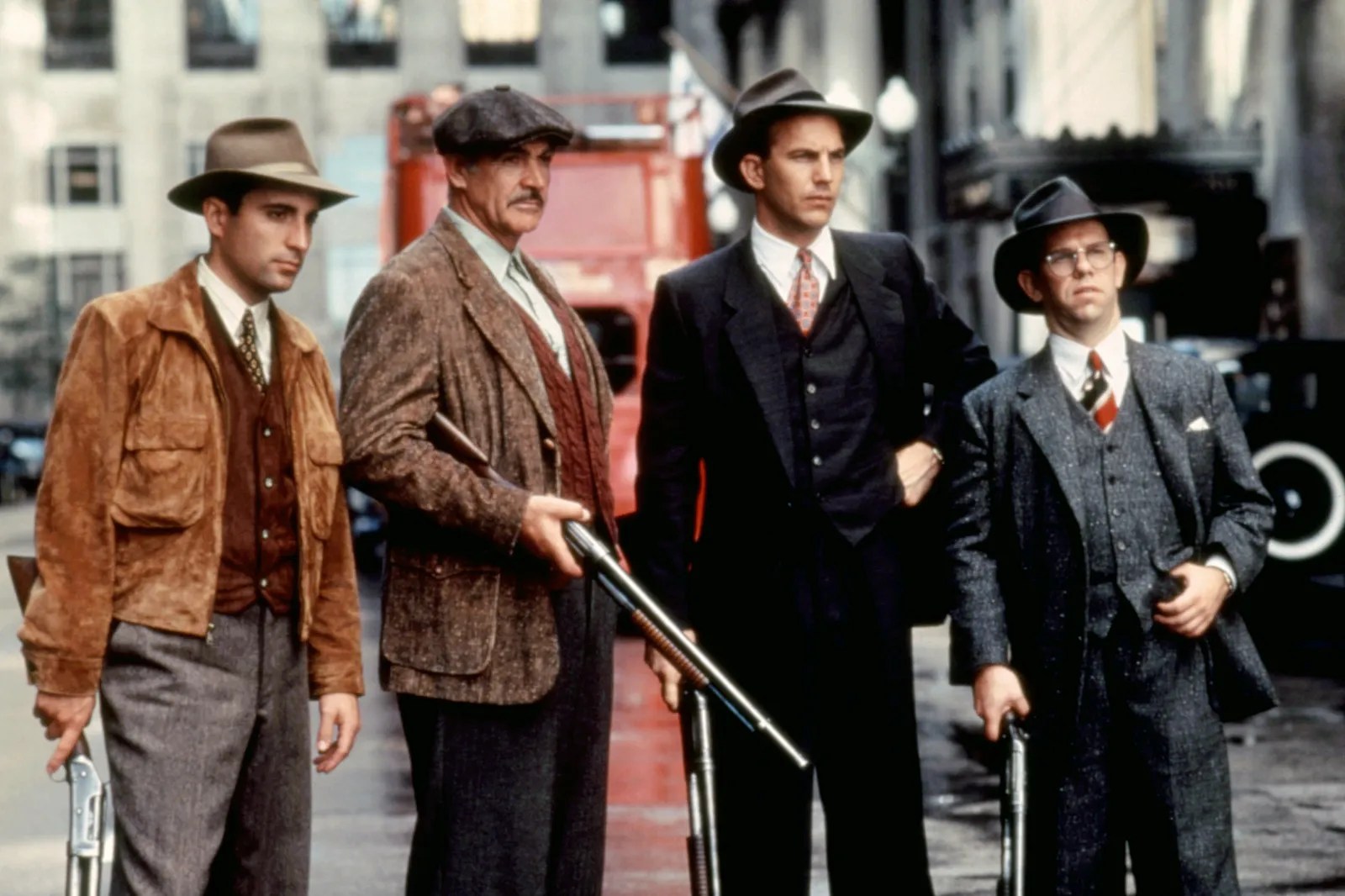
I tried real hard not to watch Brian de Palma’s The Untouchables the other night, and I failed once again. It is 95% hooey—Sean Connery is no more convincing as an Irish cop than The Simpsons’ Groundskeeper Willie, and the two most action-packed scenes, the shootout along the Canadian border and the second, far more graphic gun battle in Chicago’s Union Station—never happened.
Thank goodness. Those poor sailors.
The real Union Station shootout was in Kansas City’s Union Station between police and allies of Pretty Boy Floyd in June 1933. You can still see the marks left by bullets just as you can in the Louisiana State Capitol, where Huey Long was shot, or in Dublin’s neoclassic General Post Office, the site for the failed 1916 Easter Rising.
But The Untouchables’ cast is still compelling, despite Kevin Costner and the not-very-Irish Connery, whom I miss. Costner’s accent—is it San Fernando Valley? Maybe Topanga? Glendale?—is no more convincing and it grates even more in Dances with Wolves. I forgive Costner only because of Bull Durham.
Meanwhile, Charles Martin Smith’s nerdy IRS accountant is charming. His killing is horrific and heart- breaking. But to my mind, it’s Andy Garcia’s police recruit who almost steals the show.
The reason I keep going back to this film, though, is that Union Station scene. It is brilliant (it was parodied in one of the Naked Guns, which is high praise) and it’s homage, of course, to Sergei Eisenstein’s Odessa Steps scene, from The Battleship Potemkin (1925), set during the 1905 Russian Revolution, when Tsarist troops open fire on protestors. Here’s an excerpt:
I guess it’s pretty safe to say that Eisenstein was a pioneer. But dePalma’s staircase, with the blood now in color, is incredible, too:
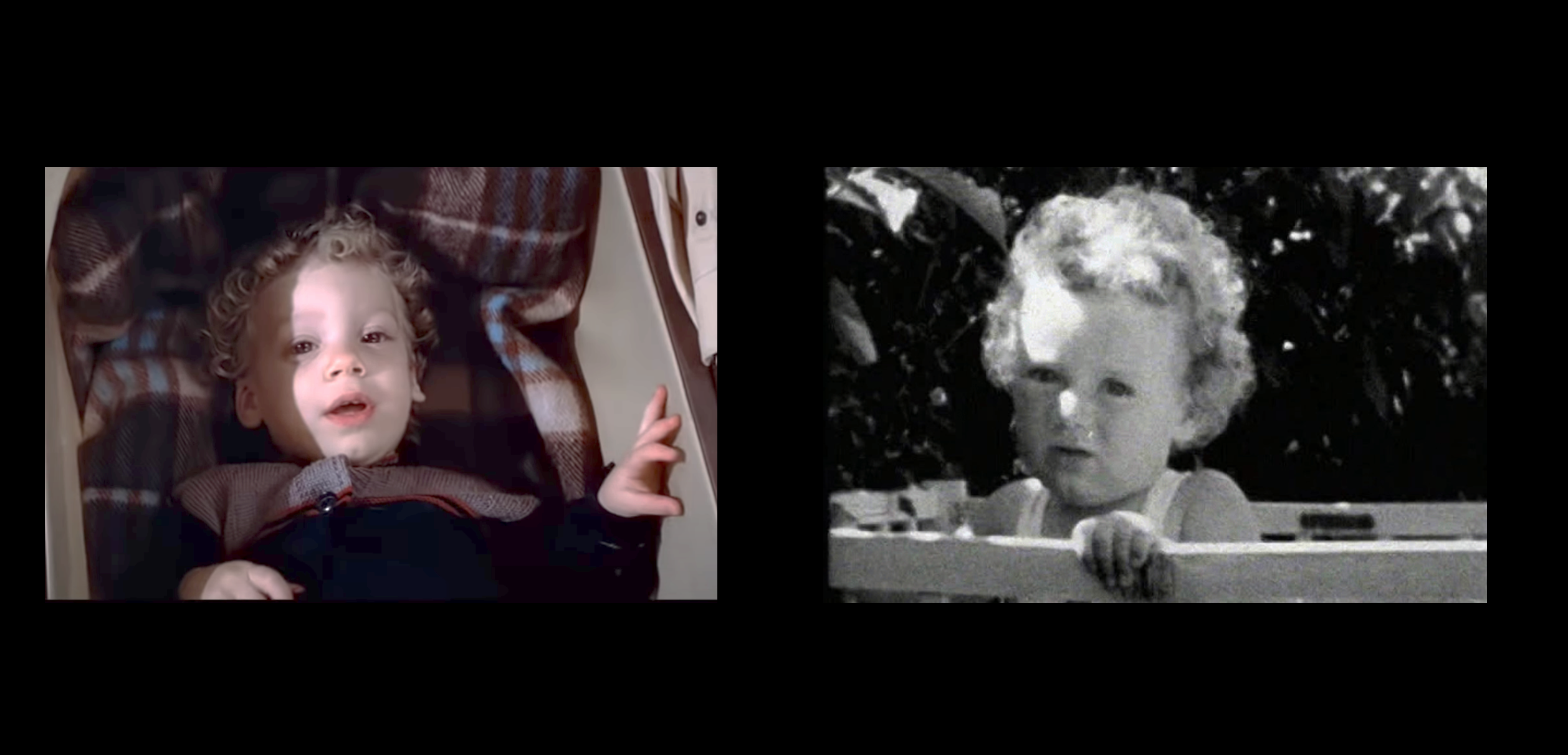
And, if the scriptwriters and dePalma played fast and loose with history, they used history to get into our heads in a way I wasn’t aware of until the last time I watched the film. Below are two images: the baby in the carriage and the Lindbergh baby, Charles A. Lindbergh Jr., murdered in 1932. I don’t think this was an accident. The Ness in Costner’s Wheatie-box portrayal was a cop, after all, but he helped the inept woman with her baby carriage, the trigger for the staircase scene, because being a father was just as important to him.
 A Work in Progress