• About
  • The Germans

A Work in Progress

A Work in Progress

Monthly Archives: June 2023

Summer, 1943

16 Friday Jun 2023

Posted by ag1970 in Arroyo Grande, Uncategorized

≈ Leave a comment


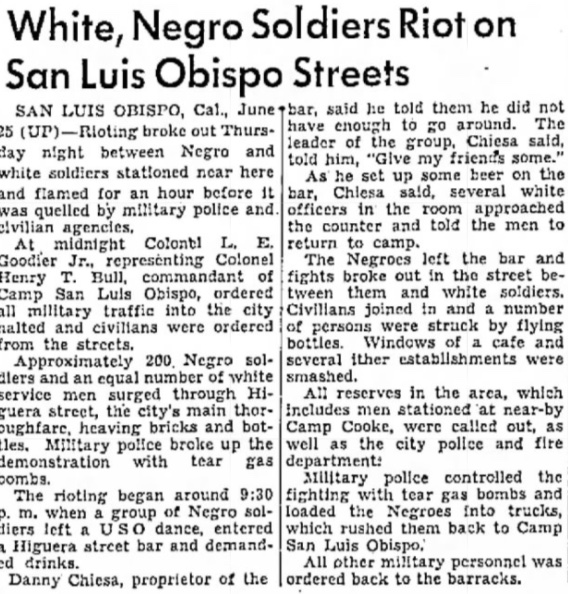
The wire press story recalls a painful part of our past, eighty years ago next week. There were Black Quartermaster units at Camp San Luis Obispo, support troops at the Santa Maria Army Air Force Base, and the 54th Coast Artillery—-a unit designation remindful of a proud part of our nation’s past, the Civil War’s 54th Massachusetts—manned gun positions overlooking Port San Luis and Estero Bay. The fighting the story describes took place on the night of Thursday, June 24, 1943.

San Luis Obispo, as the nation did, followed the color line. There were, according to extensive research done by military historian Erik Burn, separate USOs. White GI’s frequented what is today’s Ludwick Community Center; the extant USO for Black GI’s is today’s City Utilities Department at 873 Morro, near the Palm Street parking structure.
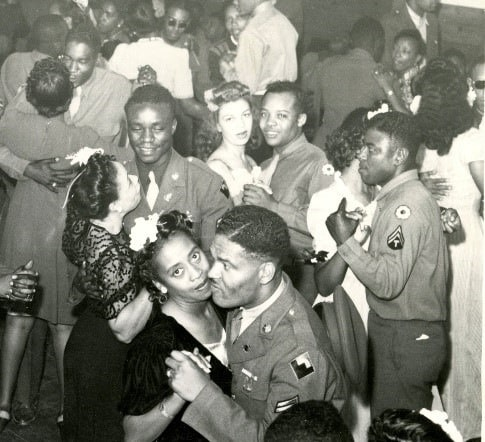
Black GI’s and their dates at their San Luis Obispo USO. Photo courtesy Lt. Col. Erik Brun


The most famous 1943 incident, of course, belongs to L.A., where Army and Navy enlisted men, many Midwestern or Southern, armed with axe handles, beat and then stripped young Latino “Zoot-Suiters” in fighting that had begun near the Naval Armory in Chavez Ravine and then rolled south to Chinatown and east to Boyle Heights, finally ending at a boundary that is today’s Santa Monica Freeway.
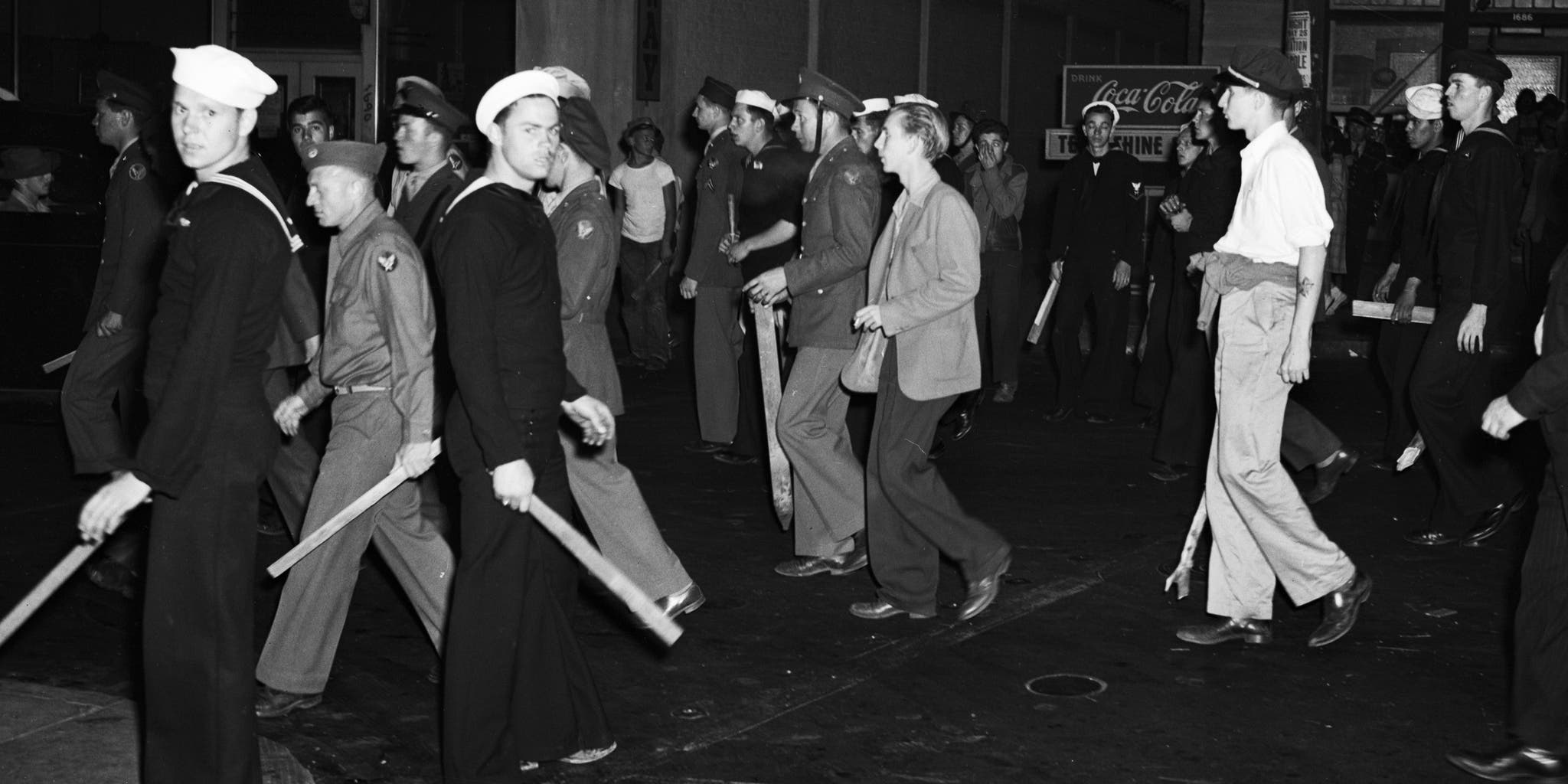


The Latino kids’ sense of style was made manifest in their Zoot Suits. The fashion—considered seditious, I guess, in a time when cloth was rationed, was popular with young Black kids, too. Cab Calloway is blatantly Zootish in the excerpt from 1943’s Stormy Weather, a film, I need to point out, that made the sixteen million men who served in World War II fall in love with Lena Horne. (The song spilled over into literature, too: a passage from Steinbeck’s Sweet Thursday has trumpeter Cacahuete, Joseph and Mary’s nephew, playing “Stormy Weather” into a Cannery Row storm drain for the reverb while the sea-lions accompany him from their rocks on China Point.)

The LAPD had no fondness for minority youth culture in 1943. As was its wont in those days, the Department arrested the Chicano kids, the Zoots, but only after they’d been stripped and beaten. They were easier collars then, when they were bleeding on the sidewalk. And, since they were overwhelmingly the victims of violence, the three days of mayhem were immortalized as the “Zoot Suit Riots.”
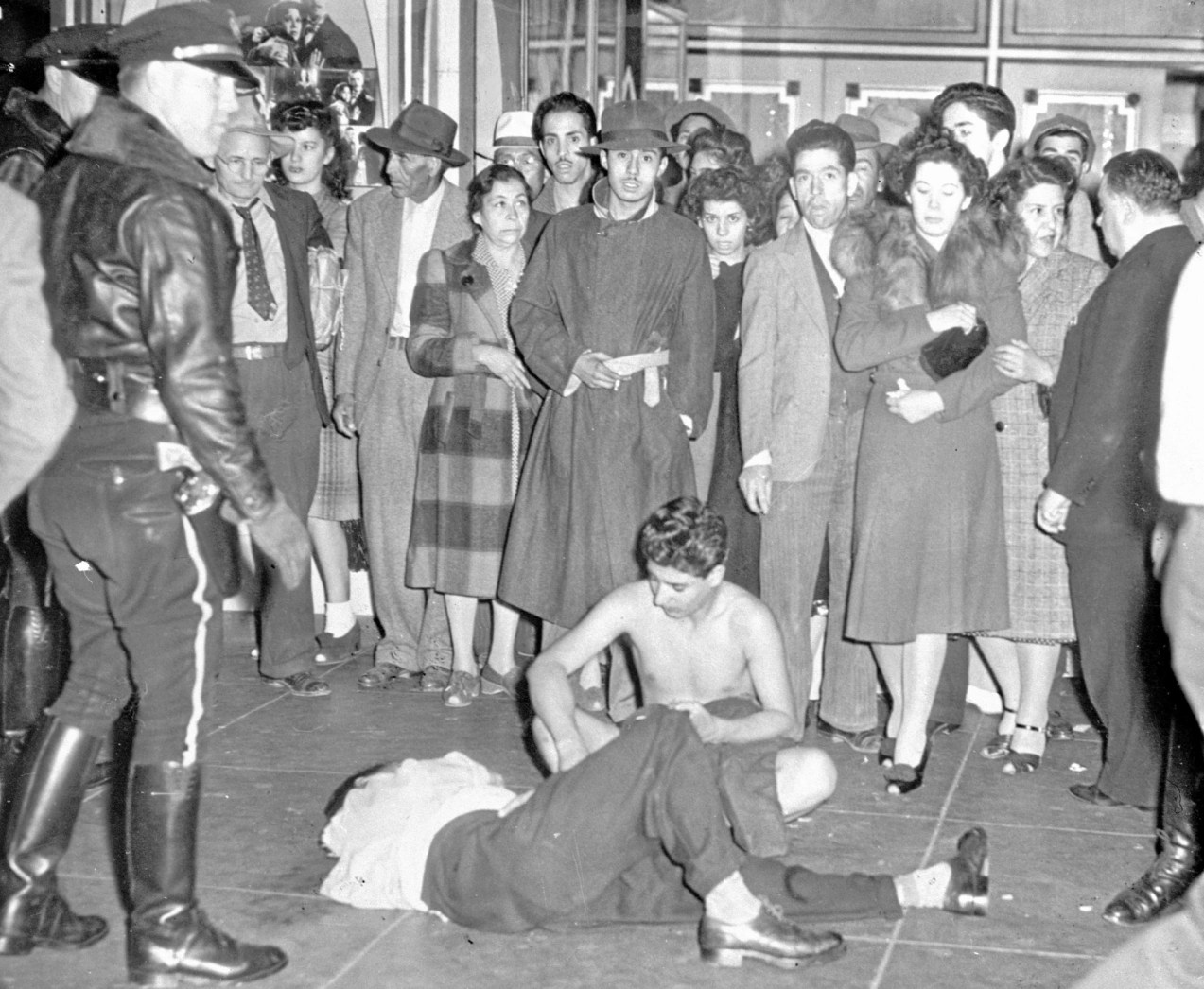
The Zoot Suit riots were a vivid but not exclusive reminder of American racism in 1943. Some of the other incidents:

May 25, 1943: On the same date that George Floyd was murdered in 2020, the promotion of twelve Black workers at a Mobile, Alabama, shipyard that built and maintained U.S. Navy warships led to attacks, by 4,000 Whites, on Black defense workers. Some of those workers jumped into the Mobile River to escape the mob. After at least fifty were injured, National Guard troops put the rioting down.

June 3-8: The Zoot Suit Riots.

June 15-17: Beaumont, Texas, where an influx of both Black and White shipyard workers and crowded housing were factors in three days of rioting that left three dead, two of them Black, one White. A White woman had accused a Black man of rape; when a White crowd gathered around the jail where suspects were held and were denied access, they invaded Beaumont’s Black neighborhoods, torching over 100 homes.

June 20: The Belle Isle Riots in Detroit. 6,000 troops were called out by the president to end violence that resulted in 34 deaths—twenty-five of the victims were Black– fueled by rumors that a White woman had been raped and that a White mob had thrown a Black mother and her child off a Belle Isle bridge. Background tensions included densely packed ghettos and, as was the case in Beaumont, the promotion of Black defense workers. Police stood by as a Black man was beaten to death; a White doctor was murdered as he was making a house call.

June 24: Fighting between White and Black GI’s in downtown San Luis Obispo. As the article notes, MP’s took the Black GI’s into custody and drove them to Camp San Luis Obispo.

August 1 and 2: As a Black soldier attempted to intervene in the arrest of a young Black woman, an NYPD officer shot him. Rumors that the soldier had been killed led to two days of violence that killed six and caused millions in property damage. Ralph Ellison, in The Invisible Man, and James Baldwin, in Notes of a Native Son, incorporated the riot into American literature.

Racial violence didn’t end at our shores. On April 3’s “Battle of Manners Street” in Wellington, New Zealand, the fighting resulted from American Marines blocking the entrance of Maori soldiers to an all-services social club. In June, one American soldier was killed during interracial violence in Northern England in what became known as the “Battle of Bamber Bridge,” after the town where fighting, including exchanges of gunfire, broke out between Black troops and White MPs. Five American servicemen were shot. In the aftermath, thirty-two, all of them Black, were court-martialed.

The people of Bamber Bridge were sympathetic to the Black soldiers they had begun to befriend. Anthony Burgess, the author of A Clockwork Orange, taught in the little town then, and remembered that when one local innkeeper was ordered to institute a color bar, he put out the following sign:


OUT OF BOUNDS TO WHITE SOLDIERS

* * *


When I taught U.S. History at Arroyo Grande High School, we learned about the L.A. riots every year, using animated maps to follow their progress, reading contemporary news reports and hearing, thanks to PBS, from people who’d lived through the time and scholars who’d studied it. I assume teachers aren’t supposed to teach anything anymore that puts America in a negative light or that might make European-American kids feel guilty.

It’s funny, but my kinds, mostly Anglo, never seemed to feel guilty. They loved the way these teenagers from East L.A. dressed and danced. What they hated was the cruelty visited on them. They would learn about other soldiers and sailors, heroes, as we studied the war itself. But, to use an analogy I’m fond of: I’ve been married for thirty-seven years, and my wife doesn’t love me because I’m perfect. What she feels for me is mature love.

I love my country in the same way, in spite of and in part because of its imperfections.

There was blood on the sidewalks sidewalks along Higuera in 1943. To look away does America and Americans a disservice. In confronting demons from our past, we give our young people the tools they’ll need to form a more perfect union.
June 17, 1933–ninety years ago–The Kansas City Massacre

16 Friday Jun 2023

Posted by ag1970 in American History, Uncategorized

≈ Leave a comment

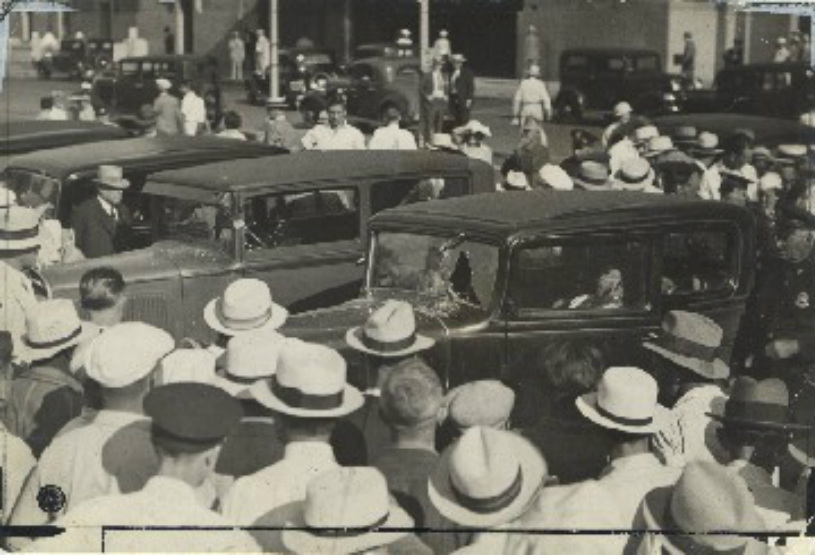
Aftermath.

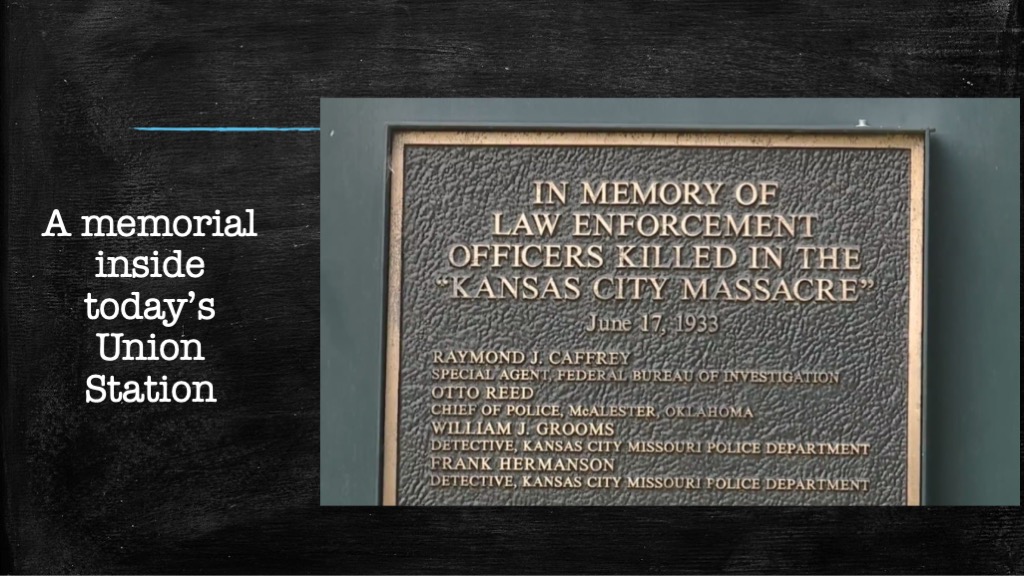
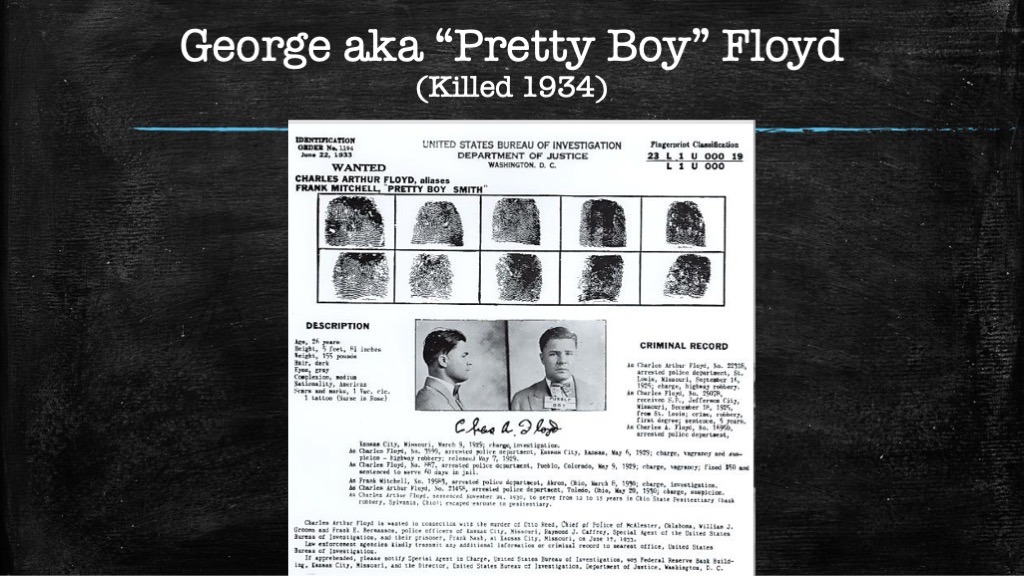
Tomorrow is the 90th Anniversary of the Kansas City Massacre. Police were escorting an associate of Pretty Boy Floyd’s to Leavenworth when they were jumped by gangsters with Thompson submachine guns.

Two police officers, a police chief and an FBI agent were killed. The attempt to free the prisoner, Frank Nash, failed, because the gunmen killed him,t oo.

There are still bullet holes from 1933 in the walls of Union Station.

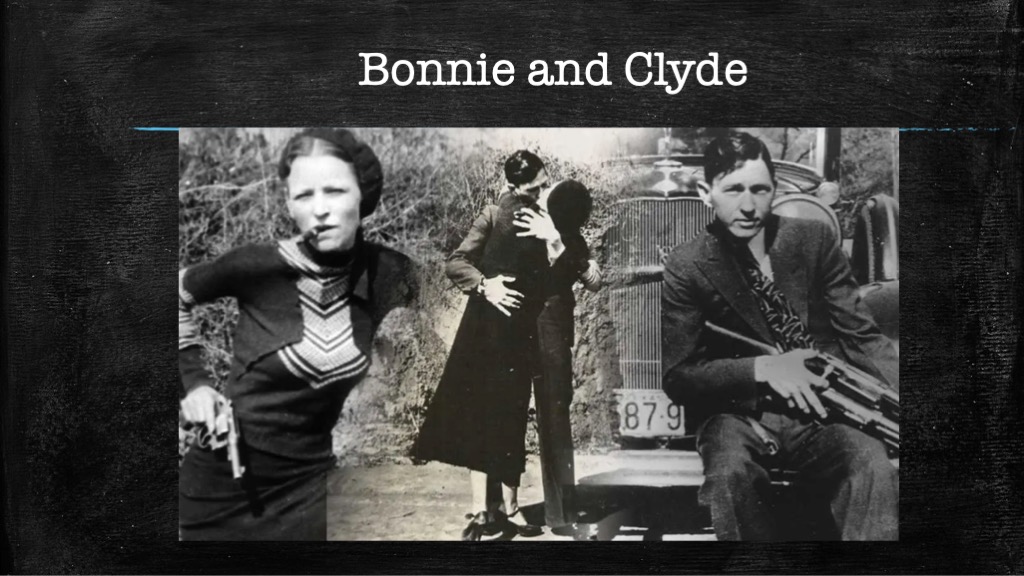
That was a hard year for Missouri. A highway patrolman and the Boone County Sheriff were assassinated, a police chief was kidnaped, an eighteen-year-old Black man was lynched in St. Joseph, and Bonnie and Clyde took up housekeeping in Platte City, about 30 minutes north of Kansas City.

Kansas City is a beautiful town–unexpectedly hilly–but it was wide-open in the 1920s and 1930s, both in good ways (Louis Armstrong played in speakeasies there) and in bad–violence and political corruption.

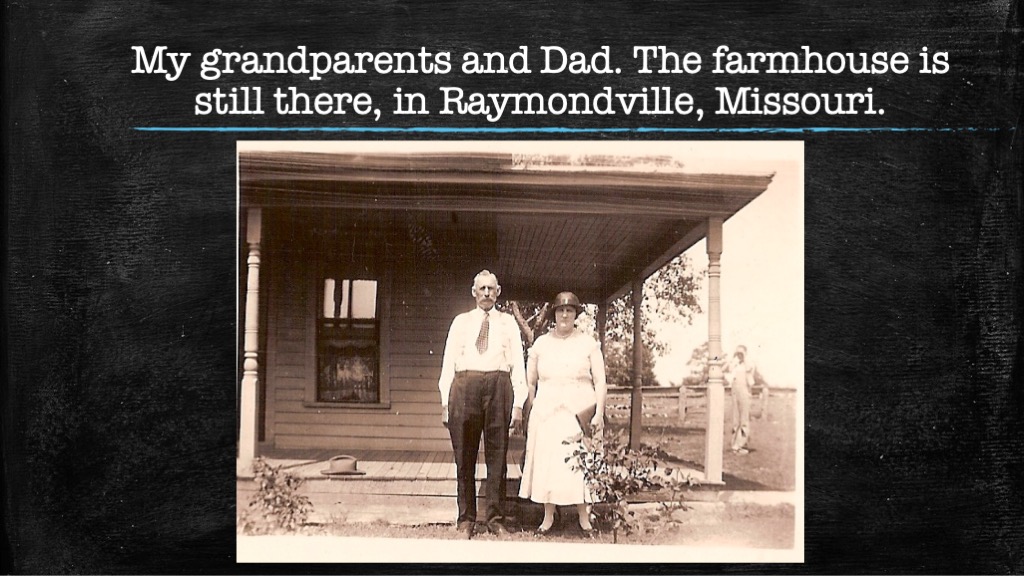
That’s where my Grandmother Gregory comes in. She was a powerful woman, the Democratic Chair of Texas County, Missouri, and one of the first women delegates to an national political convention, in 1924, for the Democrats in sweltering heat inside Madison Square Garden. It took them 109 ballots to nominate a nonentity, John W. Davis, trounced by Calvin Coolidge that November.

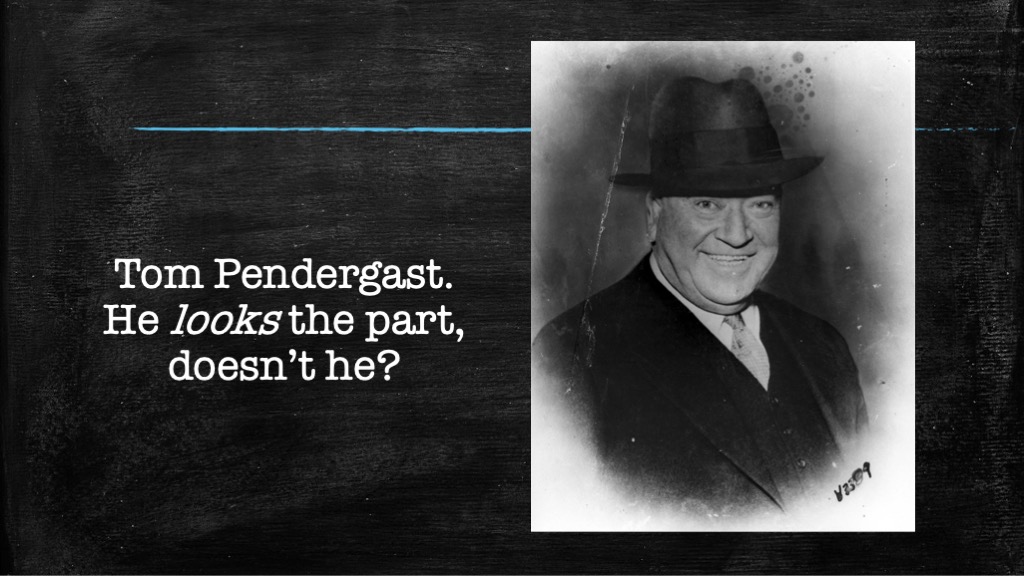
In the 1930s, the political “boss” of Kansas City was a Democrat, Tom Pendergast, whose machine was legendary and who influence extended far beyond the city limits. Nine years ago, I wrote down what my father told me about those times:

In Depression-era Missouri, before every election, my Dad remembered, a new car would pull up outside my Grandfather’s farmhouse and two men in three-piece suits (usually reserved for funerals, and even then for the Deceased) would deposit a bank-bag full of cash on Dora Gregory’s kitchen table. For them, it was but one more stop on a kind of purgatory circuit. That part of the state was thinly populated, so you had have a real passion for soybeans to make the drive enjoyable.

They were bagmen for the Kansas City Pendergast Machine, one of those old-timey operations that brought dead voters back to life, among other shenanigans.

Tom Pendergast had Texas County in the bag, because, come Election Day, my pre-teen Dad handed out fives to waiting voters, murmuring, “The Democratic Party thanks you,” over and over, like a priest at Eucharist, so the Democrats never lost Texas County. The bank bag on Grandma’s kitchen table assured that.

To be fair to the Machine, it distributed food, not just bribes, and people in the hills were hungry in the depths of the Depression. A young Dad also helped distribute food to the needy. Grapefruit stymied them. “We boiled it, Bob,” they told him apologetically, “an’ then we fried it, but it still tasted putrid.” (Dad, a supply officer in 1944 London, also gifted an English family he knew with a bag of oranges. They virtually adopted him: the British had not seen oranges since the fall of France in 1940. Citrus fruit seems to follow the course of my father’s life.)

Boss Pendergast also made the career of Harry Truman possible, which, in turn made me possible: Truman favored my grandfather’s blackberry wine on campaign swings downstate–he’d stop for a sip or seven– and that little talent of Grandpa Gregory’s paid off in World War II: Truman got Dad appointed to Officers’ Candidate School as a Quartermaster, and so he served much of the war defending London’s pubs from the Nazi Hordes, which saved me the inconvenience of having him get killed before I had the chance to be born.

And thank goodness, too, Dad survived the war to tell me the stories that would make me decide to become a history teacher.

On Cormac McCarthy’s passing

14 Wednesday Jun 2023

Posted by ag1970 in Uncategorized

≈ 2 Comments

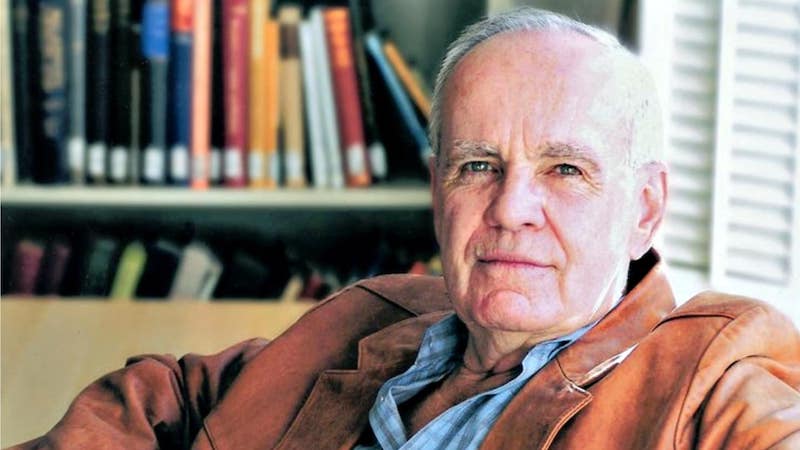
The great American fiction writer Cormac McCarthy died today. I know him best from his Western novels and even more from the two films made from them that stand out to me: All the Pretty Horses and No Country for Old Men.

My favorite Western writer is Larry McMurtry, whose ear for the American language is so clear in both his books and the films/television series adapted from them, including The Last Picture Show and Lonesome Dove. You can curl up inside a McMurtry dialogue and rest there awhile, in admiring silence, until someone like Gus McCall finishes what he has to say, just as you can in True Grit, by Charles Nelson Portis, Little Big Man, by Thomas Berger, or a novel long forgotten, The Travels of Jamie McPheeters, by Robert Lewis Taylor, which won the Pulitzer Prize after its 1959 publication. All of them are Westerns, all of them fall, in unexpected ways, sweetly on the ear.

McCarthy wrote westerns, but they weren’t meant for the ear. A McCarthy paragraph is an adventure—I’m reminded of Faulkner or Kerouac—because you don’t know, when you go in, how the paragraph will end once you see daylight again. His writing reminds me, in fact—which is why I used that word—of Vin Scully’s comment on the brilliant but erratic Dodger centerfielder, Willie Davis: “Every fly ball is an adventure.”

McCarthy’s novels are stunningly visual—they are movies that run inside your head— and so they must have been simple to adapt to film, because, in a way, he’d already framed and shot the scenes in his mind in the same way one of our finest directors, John Ford, did in films like My Darling Clementine and The Searchers.

All the Pretty Horses, with Matt Damon and Henry Thomas (the little boy in E.T., and he is excellent in this film), two Texas cowboys and close friends who make the mistake of heading south to Mexico for new jobs, is a vivid example of McCarthy’s vision. It’s also one of the most heart-breaking love stories I’ve ever seen. Here’s the trailer:


All the Pretty Horses is at least redeemed a little by the survival of its protagonist, but his own personal life is about all he has left. Despite what he’s gotten himself into, you can’t help but root for Josh Brolin in No Country for Old Men. Mexico, and jealous fathers, are the forces that doom Matt Damon. In No Country, it’s an even more elemental force: Javier Bardem. It’s no coincidence, I guess, that my favorite filmmakers (The Big Lebowski, Fargo, O Brother Where Art Thou?, Raising Arizona) the Coen Brothers, were the best choice to bring this McCarthy novel to the screen. Again, the trailer:


Since Tommy Lee Jones figures in No Country for Old Men, he stars, as well, in a third film that is not based on a Cormac McCarthy novel—it was in part inspired by Faulkner’s As I Lay Dying—called The Three Burials of Melquiades Estrada. Jones, one of our finest actors and one of our finest movie horsemen (see the street scene in Lonesome Dove when the cavalry scout is quirting Newt)—is a cowboy who takes the body of an undocumented worker, his friend, back to his village in Mexico. Along the way, he confronts the Border Patrol agent, played by Barry Pepper (the American sniper in Saving Private Ryan) who took his friend’s life. It’s a small film, with a punch, and as gorgeously filmed, for the barrenness of much of the landscape, as is All the Pretty Horses. Northern Mexico is a kind of costar.

Here is the scene from Lonesome Dove:

And here is the trailer for Three Burials:

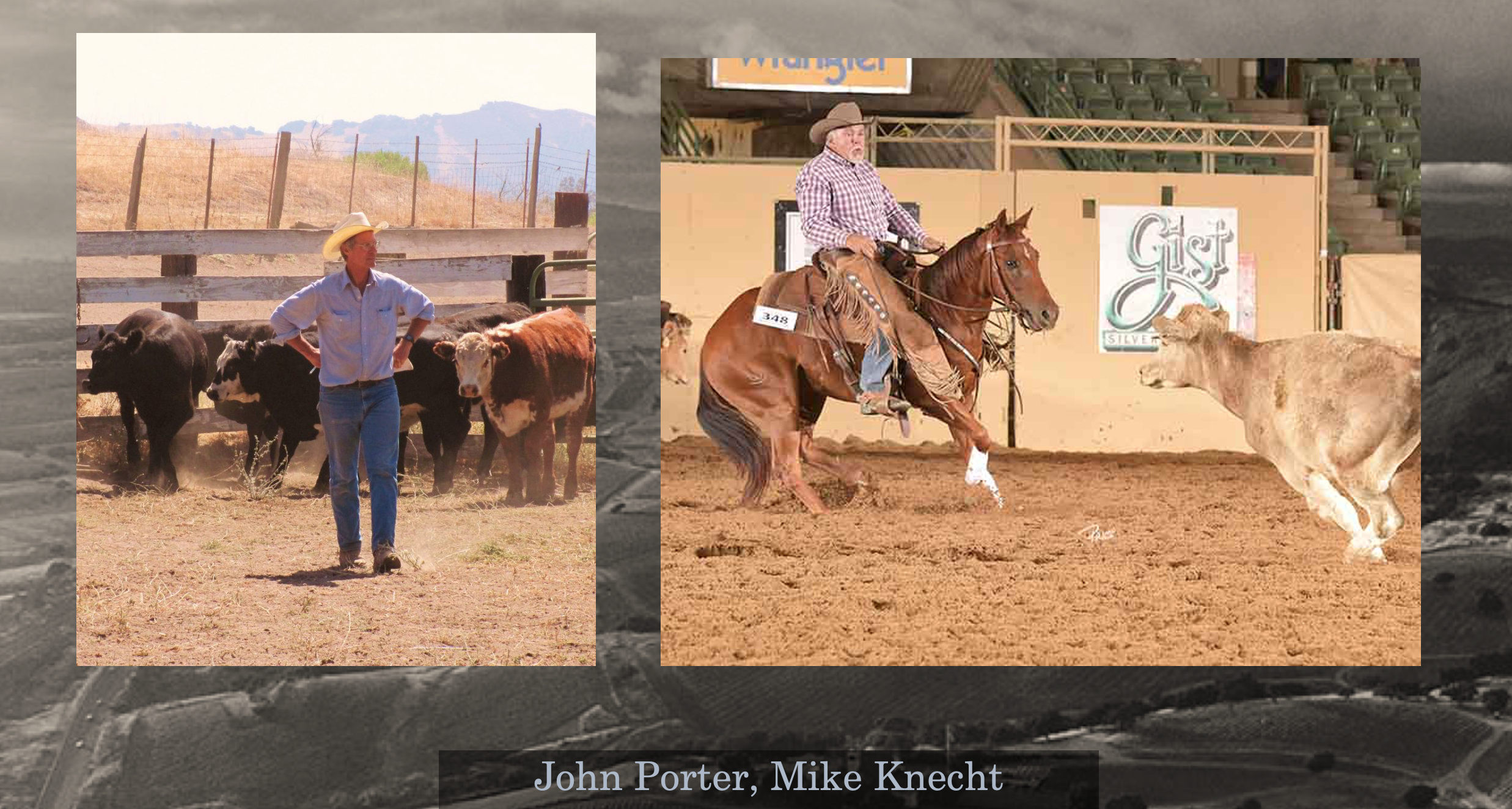
I flatter myself in suggesting that this blog post is like a Cormac McCarthy paragraph, but the final point is the most important: I have two friends from my graduating class at AGHS (1970) who write Western fiction, John Porter and Mike Knecht, and they are good.

I cannot write fiction. I would lose the thread of my characters’ backstories by Chapter Three when, I like to joke, I’d put all of them on an airplane and fly it into the side of a mountain.

But John, whose characters are resolute and often doomed—he makes you want to follow them anyway—and Mike, whose characters grab you in the opening sentences, where at least one was staked to an anthill, don’t need my airplane. These two know how to write and they know how to finish the thread of the stories they begin. That takes time, more time, and rewriting, and then more rewriting.

Writing is easy, as the famous saying goes: You just open a vein and let it bleed onto the page.

The best part is that both write Westerns because they know what they’re talking about. John, who’s written film scripts, as well, is the manager of a Huasna Valley ranch that’s been in his family since the 1840s. Mike knows cowhorses—the best thing I ever wrote was about a cowhorse, a mare named Ronteza—but Mike writes of them with precision and simple, powerful elegance. His love for horses is deeply moving.

So these are the men who immediately came to mind when my son Thomas told me that Cormac McCarthy had died today, at 89. At 71, I can think of few friends who amaze me as much as these two.

Thank you, John and Mike, for the gift of your friendships.


Your three-minute vacation to Rio…

08 Thursday Jun 2023

Posted by ag1970 in Uncategorized

≈ Leave a comment

Ipanema

Here’s Jimmy’s three-minute vacation to Rio.

Astrud Gilberto, the Brazilian singer who popularized “The Girl from Ipanema,” died this week. She’s performing the song here in 1965.

Which reminded me of another Brazilian standard, “Mas que Nada,” performed by Nossa, a French “girl group,” but the video was made in Rio de Janeiro.

I keep posting the Nossa video and then taking it down because—well, you’ll see. I would argue that the boy in the video is gorgeous, too.

But this is such a wonderful version of a wonderful song. It makes me happy.

And Astrud Gilberto’s singing is still cool, after all these years.

My 23 seconds or so of (local) fame

08 Thursday Jun 2023

Posted by ag1970 in Uncategorized

≈ Leave a comment

Thanks to KSBY reporter and former student Austin Herbaugh, of course.

The perils of sheet lightning, among other topics

06 Tuesday Jun 2023

Posted by ag1970 in Arroyo Grande, Uncategorized

≈ Leave a comment

Sheet lightning and thunder outside, and it’s June, for cryin’ out loud.

Of course, I have a story for that.

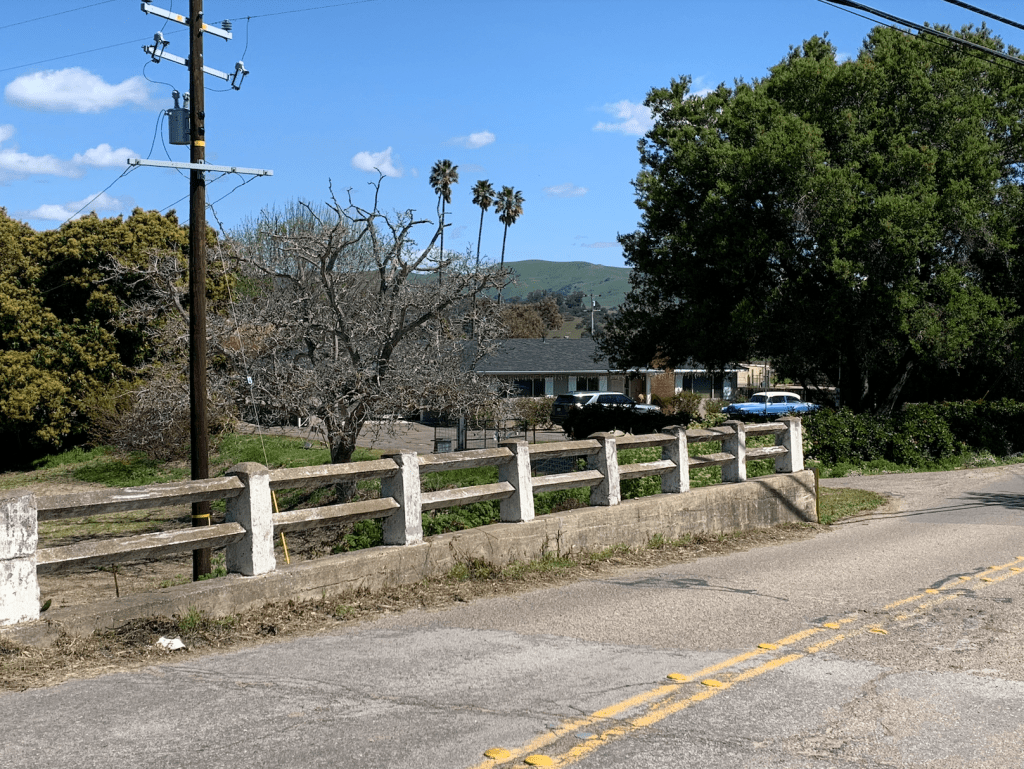
This was our house, the place where I grew up, on Huasna Road.

Just behind our house was a woodshed–we used it to store hay, oats, chicken mash and junk. There was also an E.C. Loomis and Son chicken incubator in there with a nice warm lamp where my baby chicks, incurable gossips, complained about the Eisenhower and then the Kennedy administrations. They were soft and fuzzy and charmingly nonpartisan.

Sam the carpenter was repairing the woodshed steps when I was six and fell off the top one and went ba-dump ba-dump ba-dump down the steps. Sam looked up and saw me coming. I think the nails he was holding in his mouth fell out when it flopped open and he caught me in his arms.

I loved Sam, who, I believed, was the first bald man I’d ever known. His head fascinated me. We went into town together once and he bought me some of those chocolates, at the Commercial Company–now Mason Bar– wrapped in gold foil that looked like old Federal gold pieces.

The woodshed far predated the house, which was built about 1956. There was a huge pile of finished graying lumber, some of it frosted by mint-colored moss, alongside the woodshed and now I half-wonder now if it had belonged to the Cundiff home. The Cundiffs lost a thirteen-year-old son, another Sam, in the 1911 flood.

When they came home, Sam was gone; he’d been hanging onto a telephone pole that had tumbled into the Arroyo Grande creekbed when it splintered His family, reaching for him, could reach him no longer.

When the floodwaters receded the sad family—they would lose three sons in three years, from different causes— returned home, where they found a steelhead trout in their waterlogged living room, or, rather, its remains, next to a very happy family cat.

Just behind the woodshed was my chicken pen. It contained thirty or forty hens and one Plymouth Rock rooster, roughly the size of velocirpator, and very full of himself.

The chicken pen also contained a replica Civil War cannon, built by the Shannon lads and my big brother Bruce (all of us were the descendants of Confederates; it gave me great pleasure to write a book about Arroyo Grande’s Yankees). The cannon was convincing from a distance, built from irrigation pipe and the axis and wheels from a turn-of-the-century cultivator.

The chickens didn’t mind. What they minded was weasels. That’s another story.

Beyond the chicken pen was the pasture and corral, which contained one quarter horse, one Welsh Pony and, for my brother Bruce’s 4-H project, one very bleaty but otherwise lovely Oxford lamb.

Bruce was gone for some reason. It fell on me to feed the lamb. Feeding the lamb involved taking a corrugated steel milk pail with a big white nipple out to Bruce’s lamb.

I opened the pasture gate and closed it quick, because the Quarter Horse and Welsh pony were like World War II airmen confined to Stalag Luft 7. They were always on the lookout for an escape.

On another topic entirely: Is it just me, or do horses have the most beautiful eyelashes ever?

Anyway, the lamb got bleaty as I closed the pasture gate, edged out from the corral, and approached with the big corrugated steel milk pail.

That’s when the sheet lightning began and raindrops the size of steelie marbles began to fall.

I let the bucket fall, too, and ran on my short legs back to the house and my Mom.

The lamb went hungry that night. That was sixty years ago. I still feel bad about her.

The Bert Bacharach PBS Special, including why Aretha Franklin can still make me cry.

06 Tuesday Jun 2023

Posted by ag1970 in Film and Popular Culture, Uncategorized

≈ 6 Comments

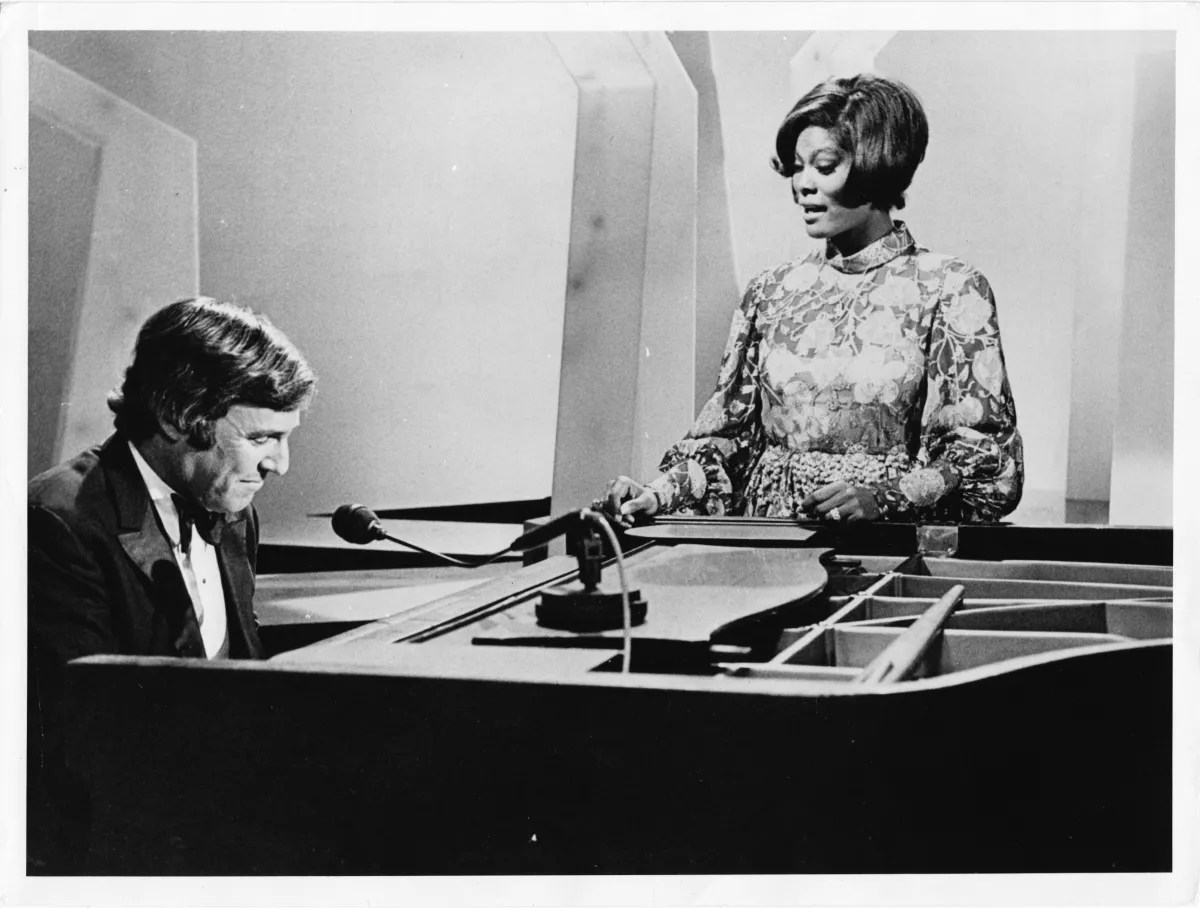
Bacharach and Dionne Warwick, the supreme interpreter of his songs and of Hal David’s lyrics.


PBS was gunning for Baby Boomer cash last night, because their Sunday night pledge drive featured a Bert Bacharach concert, taped when the great man was in his last years, and it was pretty marvelous. We have no cash for them, with pensions and all being what they are and inflation being what it is. But the special made Elizabeth and me pretty happy.

If you are not a Baby Boomer, then may blessings flow over you and your life. I am a Boomer, too, and even though we are not dying nearly quick enough for a couple of younger generations whose time has come, we had a few things going for us. Before the Internet it was AM Radio that gave life to our lives and, like the internet, made our lives shared lives, albeit far less perniciously.

When I was your age. young people—pardon me, my dentures slipped— when I listened to KSLY in the 1960s, you would have a Beatles song, a Supremes song, a Stones Song, a Beach Boys song, a one-hit wonder (“Friday on My Mind,” by the Easybeats, remains one of my favorites; Mason Williams’s guitar-driven “Classical Gas” another. So sue me).

Then there would be a Bacharach/David song, almost always sung by Dionne Warwick, who should be on Mt. Rushmore, scowling at Thomas Jefferson, I think, for the way he treated Sally Hemings.

My parents were part of the Greatest Generation, the inheritors of the Great Depression and the Second World War, but they dropped the ball after all they’d gone through in the 30s and 40s. This is because my parents’ favorite 1960s-1970s musical program was The Lawrence Welk Show, which was dreck. Myron Floren was a featured musician, and he played polkas, grinning happily, on his accordion, which have their place, in Zydeco and Tex-Mex music, for example.

Not in my living room in the 1960s, however.

The Lennon Sisters—no relation to John—were another favorite, and their performances were enough to send the vulnerable into diabetic shock. Here’s what I mean:


Lawrence Welk was dreadful, a kind of musical War Criminal. We Boomers ran screaming from the room when his show came on, and, years later, when I discovered how wonderful my parents’ music really was (Glenn Miller, the Andrews Sisters, Benny Goodman, Tommy Dorsey, Duke Ellington, Frank Sinatra, Ella Fitzgerald), their love for Lawrence Welk bewildered me even more.

So the PBS Bert Bacharach special was a comfort. Whatever else you say about my generation, and we deserve it, our music was wonderful. (I started teaching at Mission Prep in the 1980s, and I thought that generation’s music was, too. I can’t figure out how to insert it here, but I refer you to MTV Unplugged and Aha’s “Take on Me.” Incredible.)

But the program led me to another thought. Bert Bacharach is light-years better than Lawrence Welk. The concert tape was a little unnerving, because he was so very old and obviously so close to leaving us, but he still played a piano, a synthesizer, and sang, which might’ve been a mistake. In general, the younger singers were not a mistake. They were wonderful, except for the Opera Guy, who destroyed his song, and for a lovely British girl in a miniskirt, whose voice was simply too light and delicate for a Bacharach/David song.

I will borrow a phrase from a woman teaching colleague of mine: Even if you’re a female-type Human Being, you have to have Balls the Size of Church Bells to sing a Bacharach/David song. They are complex, the tempo shifts without warning and you have to learn the difference, often in the same song, when the narrative is softer, like the descriptive passage in a novel, and then it’s interrupted by a direct quote, often urgent or triumphant and sometimes even angry.

That is why Dionne Warwick was perfect for these songs. But thinking that led me down another rabbit-hole: Which singers, other than Dionne Warwick, are my favorite interpreters of the great man’s songs?

I still want Dionne on Mt. Rushmore, mind you.

Here is what I mean about Ball the Size of Church Bells. Nobody knows who Cilla Black is today. Not that many Americans knew who she was in 1964, when she was videotaped performing one of my favorite Bacharach songs, “Anybody Who Had a Heart.” She owns this song, which is also one of the most difficult of his songs to sing. (A quick cultural reference: I suspect that the woman lighting up a cigarette in the background near the song’s end is lighting up a Virginia Slim, a 100-mm cigarette aimed specifically at women. Big Tobacco was egalitarian in its intent to kill both genders and anybody in between.)

So it goes.

Anyway, here’s Cilla. That haircut, by the way, was a big deal in 1965. Two of my AGHS classmates, MaryJane Allen and Prisila Dalessi, both stunning young women, had similar haircuts.

I didn’t hear this performance until about six months ago. It made me happy.

So did the second non-Dionne singer I chose for interpreting Bacharach, and that’s Jackie DeShannon (born and raised in Kentucky and Illinois, as was Lincoln) and her interpretation of “What the World Needs Now.” I guess it’s even more relevant today, as obvious as it is for me to say it, than it was in 1965. Bacharach loved horns, too, especially trumpets, and they are lovely in this song. DeShannon always delivered the song this way, with the the Julie Andrew-esque Sound of Music gestures and turns because, I think, she was on a mission.

I think it’s important to remember this song’s context: It was released two years before the Summer of Love in San Francisco—there were no Hippies in 1965—and three years before the Tet Offensive. There were no Peaceniks in 1965, either, except for at Cal, perhaps, and their focus was on nuclear annihilation, which seemed pretty imminent. DeShannon’s gentle interpretation of Hal David’s lyrics is more powerful than it might seem. She’s pulling us back, in her way, from the brink. (Another popular song with a different message that year was “Eve of Destruction,” sung by Barry McGuire, which assured us that we were all going to die, and real darn soon.)

Last one.

Everyone knew the context of “Say A Little Prayer.” It was a Vietnam song, and everyone knew someone over there—In Country—who needed a little prayer to bring them home. Thirty-four young San Luis Obispo County men came home in flag-draped steel caskets, so there’s a deep emotional undercurrent that goes with this song; it’s the freight my generation carries, heavier than a C-130 cargo plane with thirty steel caskets as ballast.

I’ve played this version of Aretha’s song, surrendered to her by Bacharach and David, I am sure, over and over, but just for me.

I played it again with the earplugs in after the PBS special and my eyes welled up with tears. This incredible woman owns this incredible song, just as Cilla owned hers. If Aretha isn’t in Heaven, I ain’t a-goin.’ I’m joking, of course: God made her with His own hands just to remind us, I think, of how much He loves us. That’s what brought the tears.


Why William Holden is my favorite actor

05 Monday Jun 2023

Posted by ag1970 in Film and Popular Culture, Uncategorized

≈ Leave a comment

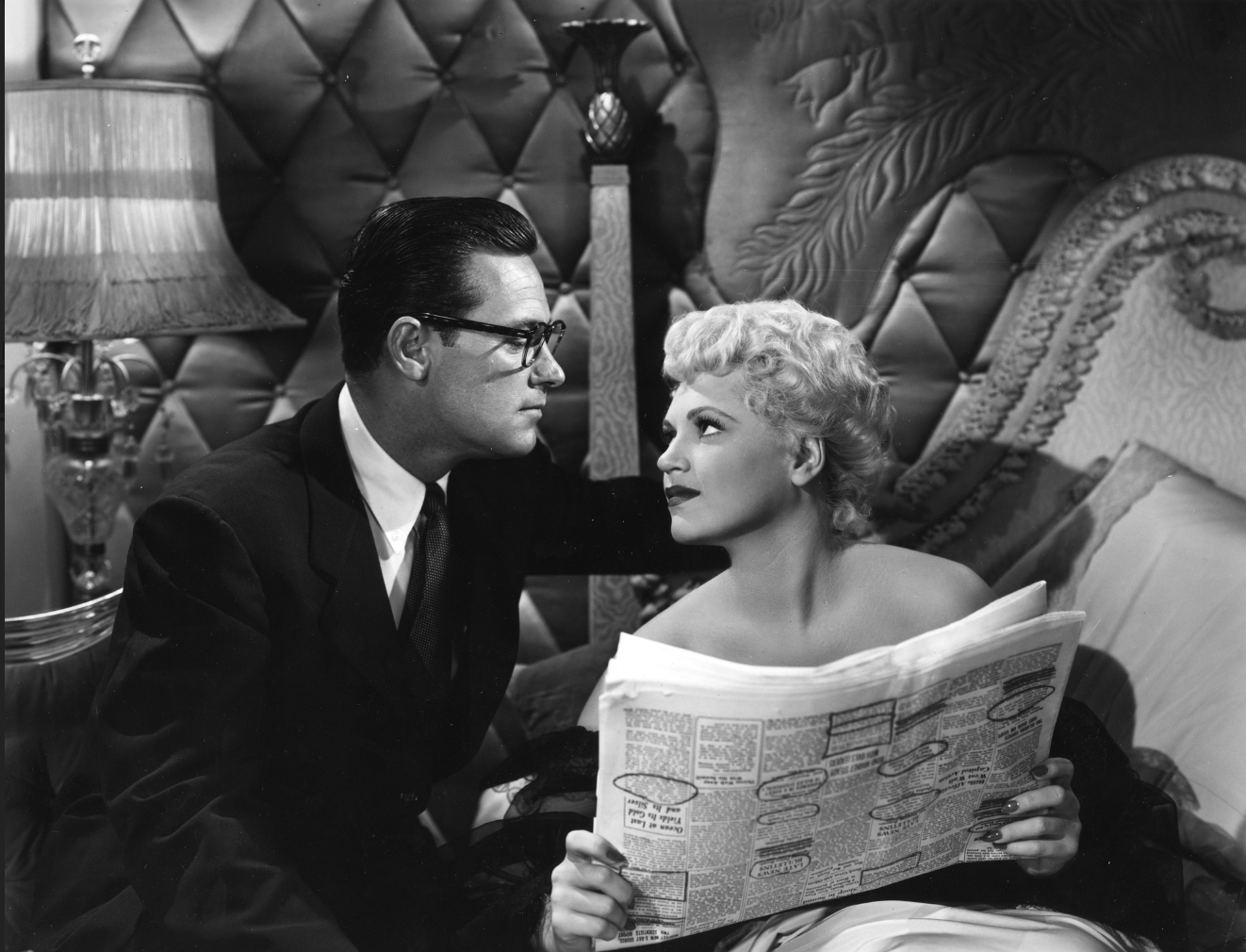
Elizabeth was supposed to leave earlier than she did to write her finals for St. Joe, but Born Yesterday (1950) was on Turner Classic Movies this morning and I turned to it and that messed up her schedule.

The reason it messed up her schedule was the lead actress, Judy Holliday.

You have to give Holliday a chance. I couldn’t stand her when I was younger; her voice–she plays a retired chorus girl–is like fingernails on a chalkboard.

She is also spectacularly dumb. Until the screenwriter, the legendary Garson Kanin, who wrote the original play, starts to drop little breadcrumbs. She is Broderick Crawford’s “kept woman,” and when the two play gin rummy, she cleans him out three times in a row with the first hand she’s dealt.

“GIN!”

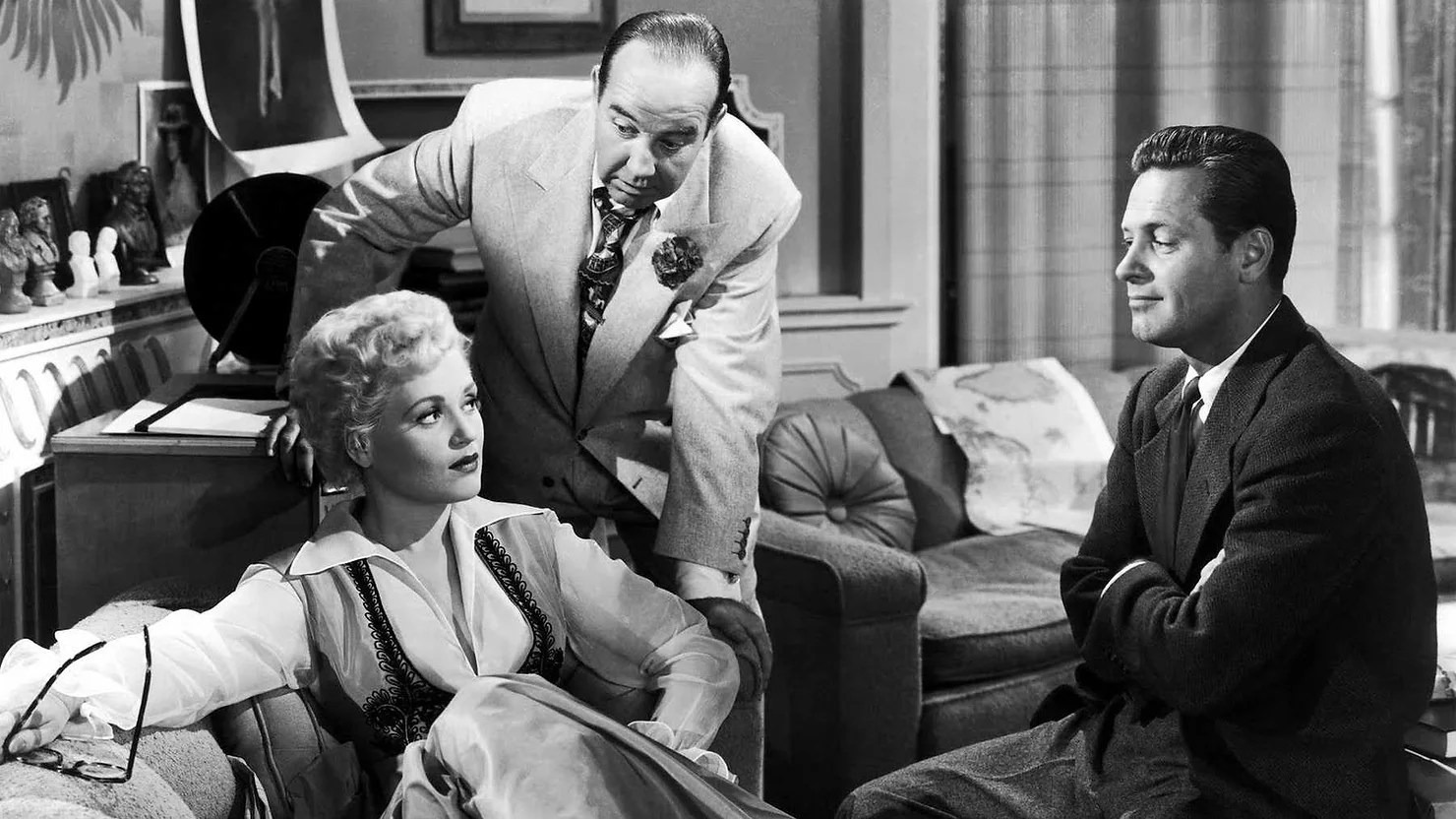
Judy Holliday, Broderick Crawford, William Holden

Crawford hires William Holden to give Holliday’s character a smattering of education so that she can more or less hold her own in Washington D.C. while Crawford tries to bribe his way into a government contract.

Well, wouldn’t you know? Holliday, it turns out, with Holden as her teacher, loves to learn. Her eagerness to better herself reminded me of one the most powerful experiences I had in over thirty years of teaching, when I taught an adult woman to read. She was miraculous. The experience made me realize that learning to read is miraculous, too. (I realized, in my first day of school at the two-room 1888 Branch Elementary in the Upper Arroyo Grande Valley, that Mom had already taught me how to read, because I could decode the names of my classmates as Mrs. Brown wrote them on the blackboard. My Mom was kind of miraculous, too.)

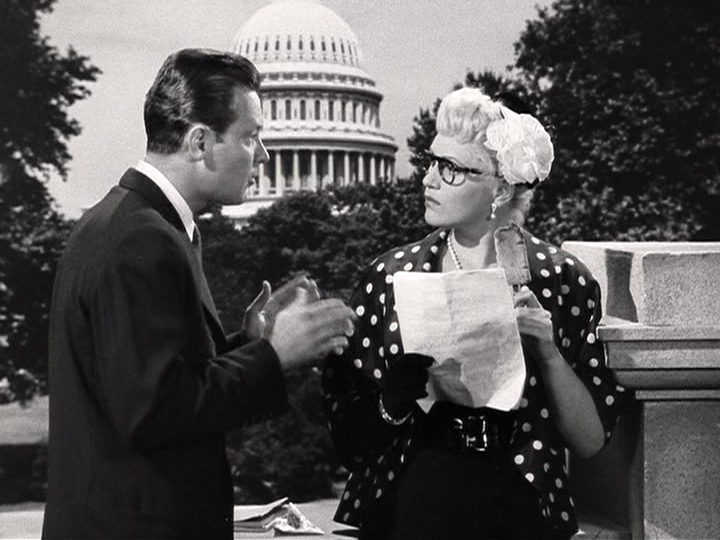
And Holliday’s character, Billie, is as excited as I was that day in 1958 when Holden teaches her about American history and government in their tours of D.C. monuments.

The film takes a moment to admit that Washington has crooked legislators and that our democracy isn’t perfect. Our democracy, you might have noticed, has been under attack lately, and Holden’s character—this is 1950, mind you—delivers a brief but stunning monologue about fascism, which, you might have noticed, has been fashionable lately. It’s a startling moment in a film that’s older than I am. The Washington D.C. scenes are, in their way, as affirming of our democratic traditions as those in Mr. Smith Goes to Washington.

There’s not enough time in the screenplay to smooth out all her rough edges, but, of course, by the end, Holden has fallen in love with her and she’s gained enough self-respect to love him right back.

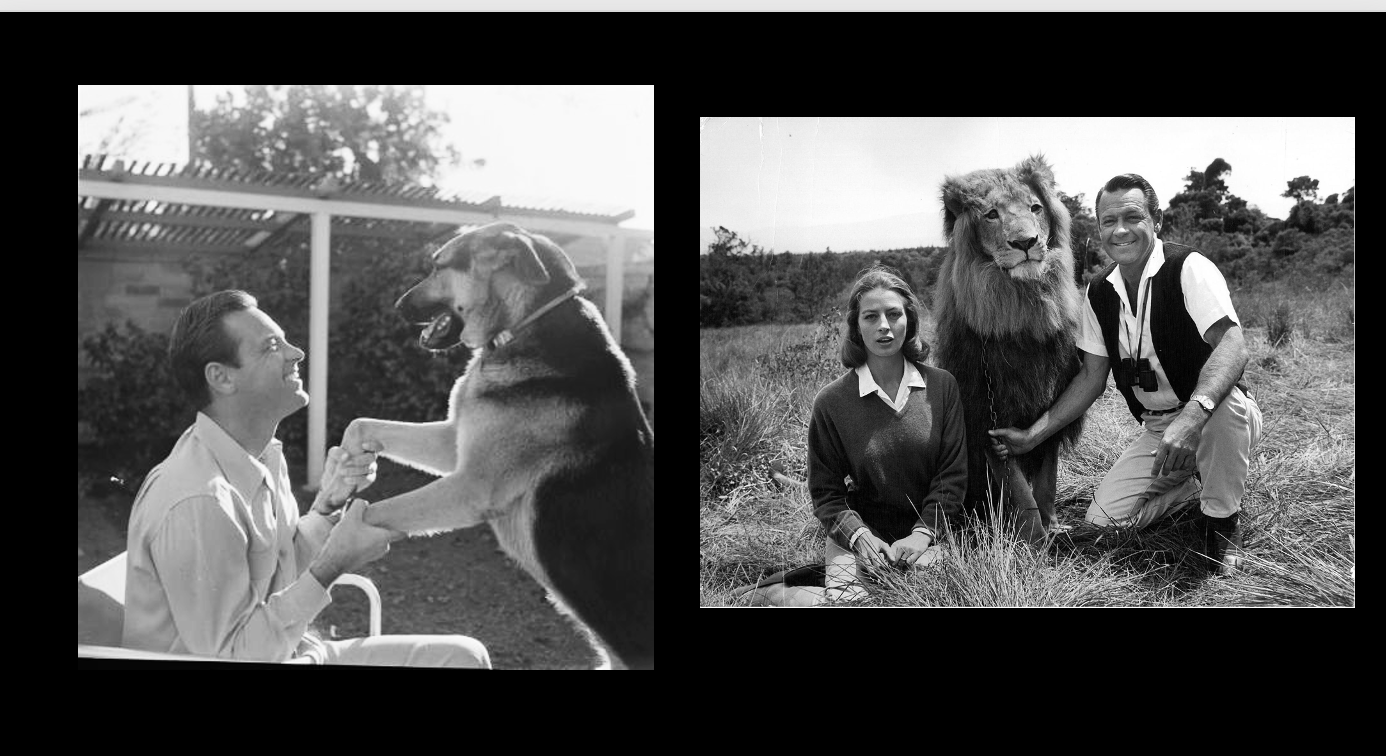
Holden is one of my favorite actors–he’s my Linked In avatar (my brother chose Clark Gable)–and he’s generous enough in this film to play his character quietly. He’s letting Holliday steal the show.

Which she deserved. She won the Academy Award that year–beating out, among others, Bette Davis and, good Lord, Gloria Swanson in Sunset Boulevard. Holden was Swanson’s co-star in that film, too—her kept man— and I now realize he did the same thing that he did with Holliday: he let the actress do the heavy lifting because Swanson, once a silent star, deserved it. (The final scene on the staircase—as Holden’s character floats face-down in the swimming pool just outside—“I’m ready for my closeup, Mr. DeMille,” is, I think, one of the most indelible moments in American film. And it still scares the hell out of me, and I’m seventy-one now.)

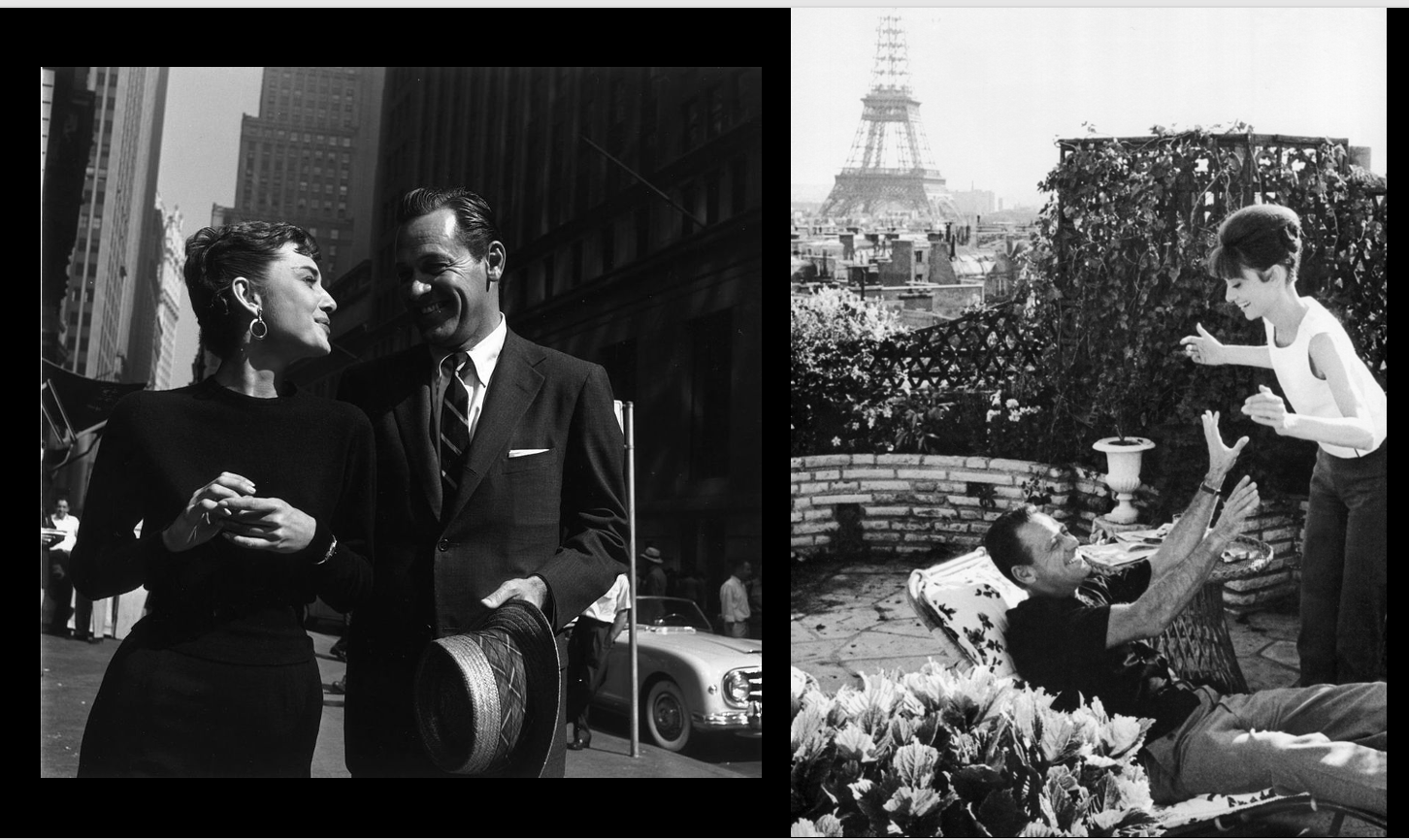
Holden was a problematic man; stalked throughout his life by the alcoholism that would finally kill him, in a fall. I also wished he’d married Audrey Hepburn, a Hollywood love story that rivals Fairbanks and Pickford or Bogart and Bacall. He didn’t, alas.

Holden and Hepburn on Wall Street for Sabrina (1954) and ten years later for Paris When It Sizzles.

He loved animals–was a wildlife preservationist–which goes a long way in our house.

His characters are as problematic as Holden was. The one thread that marks them all, in films like Sunset Boulevard, Stalag 17, Bridge Over the River Kwai or Network, is integrity, the kind that often leads to a moment of self-disgust, when Holden’s character realizes that he was meant to be a better man than he is. But there’s a lie in that common thread, because communicating integrity was not a stretch for Bill Holden, not even when his characters were, in the same order as the films I cited, two cynics, a coward and an alcoholic television news executive who kept telling the same stories from his glory days as a reporter on live television in the 1950s.

(The film, now nearly fifty years old, was as prescient as was Holden’s outraged comment on fascism in Born Yesterday; screenwriter Paddy Chayefsky envisioned a time when television news would leave its Walter Cronkites behind for its Tucker Carlsons.)

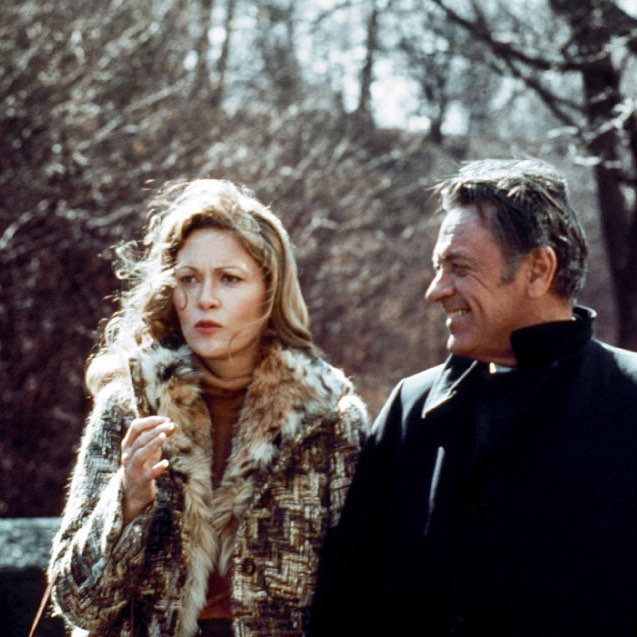
Faye Dunaway and Holden in Network.

Maybe Holden never had a moment of insight that would’ve taught him that he was a better man than the counterfeit his self-destructiveness and his self-doubt had made him. But what remains, for me, is what I love in his acting: his integrity and generosity. Despite his flaws, and maybe because of them, that’s why I love the man, too.


Dr. Mr. O’Leary, they are not “banzai” trees, you ignorant bastard

01 Thursday Jun 2023

Posted by ag1970 in Uncategorized

≈ Leave a comment

I don’t know this man, nor do I want to. I guess he’s a regular on a show I don’t know, nor do I want to, called Shark Tank on CNBC. Maybe you’ve seen this television commercial for a venture of his in which promises to get, just for you, Large Amounts of Money in Covid Relief. So I guess he is a shark, after all. He is Canadian, which gets him no slack in my book. This is the letter I just wrote him.


Mr. O’Leary:

Your “bonsai” television commercial is offensive.

They’re not “banzai.” They’re “bonsai.”

They’re not “shrubs.” They are trees.

If you’re trying to be funny, you have failed.

I come from a California town whose entire Japanese American population was interned behind concertina wire in the Arizona desert, where the temperature in summer and fall hovered at 109°.

Twenty-five of the fifty-eight members of our high school’s class of 1942 were Nisei.

Many of them would go on to serve in the United States Army. Two were members of the 442nd Regimental Combat Team, the most highly-decorated unit of its size in United States History.

Three were awarded Bronze Stars for valor.

One, the twenty-year-old leader of an intelligence team inserted into the mountains of China, disguised himself as a peasant to go behind Japanese lines—the enemy’s lines—to rescue another American, a downed pilot. After the war, businessman George Nakamura was awarded a Congressional Gold Medal for his efforts to heal the relationship between Japan and the United States.

Another, a medic in the 83rd Infantry Division, was shot by a German sniper in the Hurtgen Forest as he was kneeling over a wounded comrade. Medics, with their distinctive helmets marked by red crosses, were prized targets. Makoto Yoshihara’s Bronze Star was posthumous.

A third, a member of the 442nd,  volunteered to bring up more ammunition under heavy German fire in the Vosges Mountains of France. The 442nd was there to liberate 230 Texas National Guardsmen, mostly justifiably terrified nineteen-year-old draftees, who were surrounded. Nearly 1,000 Japanese American GI’s were killed or wounded in the relief of what became knowns as “The Lost Battalion.” Sadami Fujita didn’t make it.

I understand that your nickname is “Mr. Wonderful.”

Earn it.

Withdraw this disrespectful commercial.


Newer posts →

Subscribe

  • Entries (RSS)
  • Comments (RSS)

Archives

  • January 2026
  • December 2025
  • November 2025
  • October 2025
  • September 2025
  • August 2025
  • July 2025
  • June 2025
  • May 2025
  • April 2025
  • March 2025
  • February 2025
  • January 2025
  • December 2024
  • November 2024
  • October 2024
  • September 2024
  • August 2024
  • July 2024
  • June 2024
  • May 2024
  • April 2024
  • March 2024
  • February 2024
  • January 2024
  • December 2023
  • November 2023
  • October 2023
  • September 2023
  • August 2023
  • July 2023
  • June 2023
  • May 2023
  • April 2023
  • March 2023
  • February 2023
  • January 2023
  • December 2022
  • November 2022
  • October 2022
  • September 2022
  • August 2022
  • May 2022
  • April 2022
  • March 2022
  • February 2022
  • January 2022
  • December 2021
  • November 2021
  • October 2021
  • September 2021
  • August 2021
  • July 2021
  • June 2021
  • April 2021
  • March 2021
  • February 2021
  • January 2021
  • December 2020
  • November 2020
  • August 2020
  • July 2020
  • June 2020
  • May 2020
  • April 2020
  • January 2020
  • December 2019
  • November 2019
  • October 2019
  • September 2019
  • August 2019
  • May 2019
  • April 2019
  • March 2019
  • February 2019
  • January 2019
  • December 2018
  • November 2018
  • October 2018
  • September 2018
  • July 2018
  • June 2018
  • May 2018
  • April 2018
  • March 2018
  • February 2018
  • January 2018
  • December 2017
  • November 2017
  • October 2017
  • April 2017
  • March 2017
  • December 2016
  • November 2016
  • October 2016
  • September 2016
  • August 2016
  • July 2016
  • June 2016
  • April 2016
  • March 2016
  • February 2016
  • January 2016
  • December 2015
  • November 2015
  • October 2015
  • September 2015
  • August 2015
  • July 2015
  • June 2015
  • May 2015
  • April 2015
  • March 2015
  • February 2015
  • January 2015
  • December 2014
  • November 2014
  • September 2014
  • August 2014
  • July 2014

Categories

  • American History
  • Arroyo Grande
  • California history
  • Family history
  • Film and Popular Culture
  • History
  • News
  • Personal memoirs
  • Teaching
  • The Great Depression
  • trump
  • Uncategorized
  • World War II
  • Writing

Meta

  • Create account
  • Log in

Blog at WordPress.com.

  • Subscribe Subscribed
    • A Work in Progress
    • Join 68 other subscribers
    • Already have a WordPress.com account? Log in now.
    • A Work in Progress
    • Subscribe Subscribed
    • Sign up
    • Log in
    • Report this content
    • View site in Reader
    • Manage subscriptions
    • Collapse this bar
 

Loading Comments...