
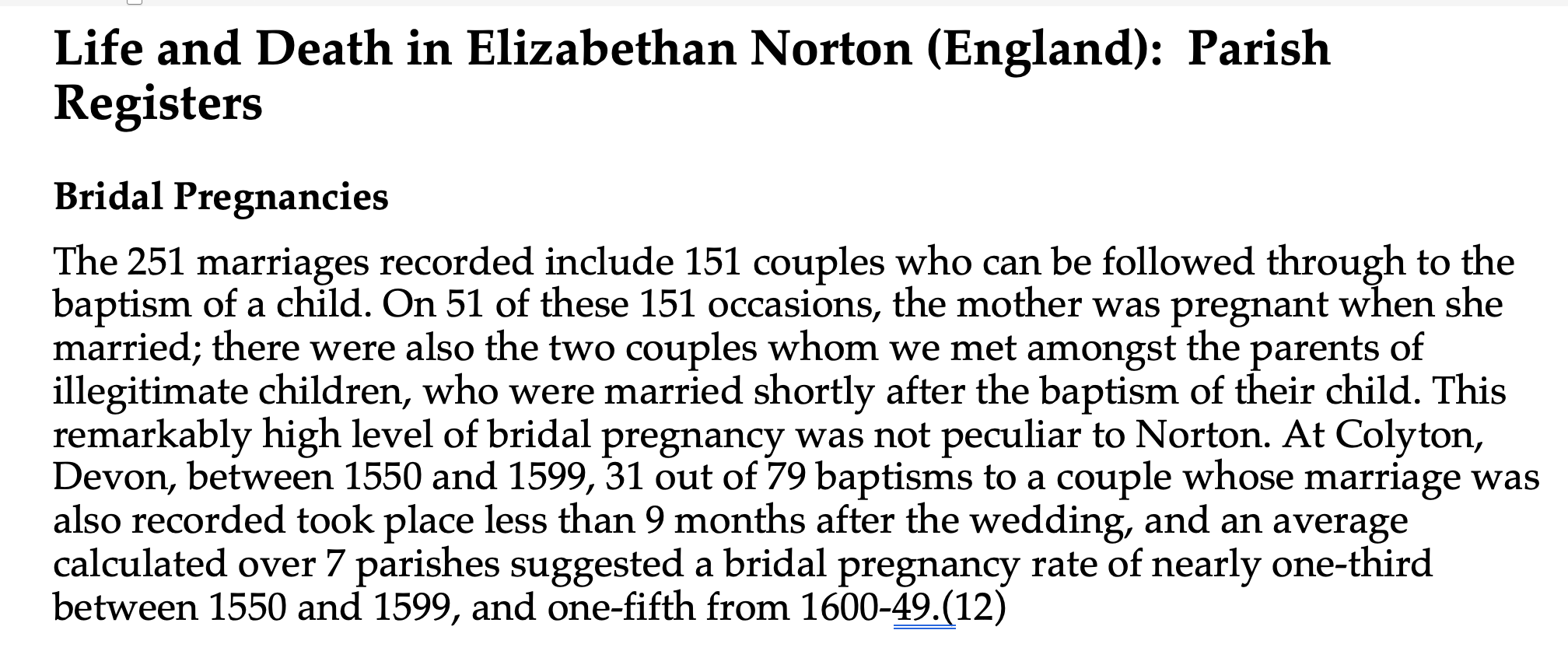
In early modern Europe, illegitimacy was a rare problem. Premarital sex wasn’t rare, not at all.
But early modern Europe was overwhelmingly rural and based on subsistence agriculture—“strip farming,” an inefficient tradition handed down from the Middle Ages. The problem with illegitimate babies in subsistence villages, so often on the edge of starvation, was that they represented another more mouths to feed. A fatherless child was a clear and present danger.
The solution was decisive and it was immediate: Once village lad got a village lass pregnant, they were married. Community pressure was formidable. And since peasants in France, for example, rarely traveled beyond the sound of their parish church’s bells, running away, for fathers-to-be, was not an option. The world beyond those bells was full of wolves and witches and brutal highwaymen. It was time to face the music, you accidental fathers.
Thanks to parish registers, we understand why so many weddings are followed so closely by so many christenings.
The 18th Century Industrial Revolution changed all that. With improved roads and, later, railroads, the young village lout who got a girl pregnant could more easily disappear, and growing cities provided young louts with factory work.
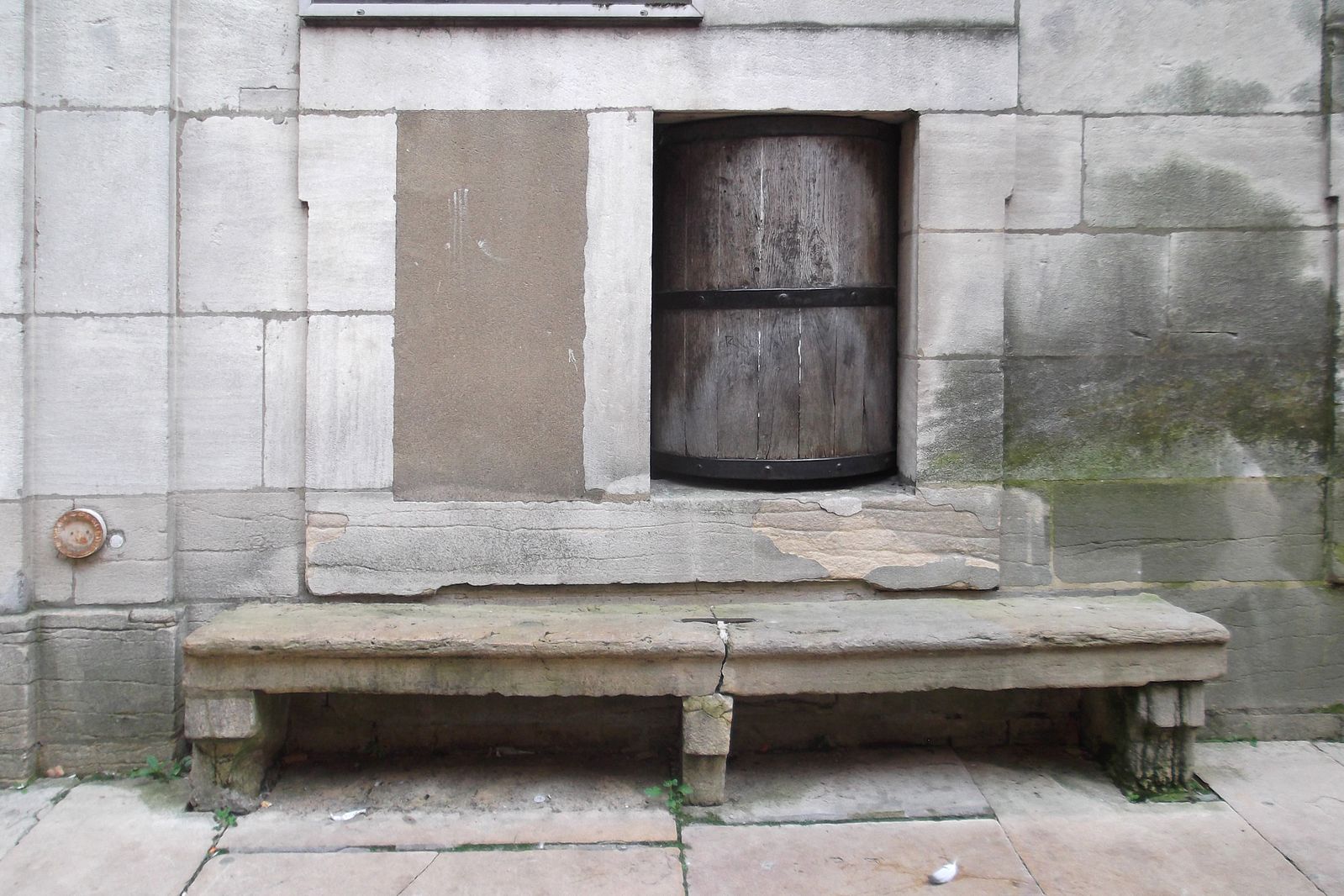
The result was catastrophic: an explosion in fatherless babies. This is a “foundling wheel” in Macon, France, where a distraught mother could deposit her baby and so place it in the hands of the Church. The lives of abandoned children would be chronicled by Victor Hugo and Charles Dickens.
One way of coping with this “illegitimacy explosion,” of course, was the establishment of orphanages. Some of those were run by the Daughters of Charity of St. Vincent de Paul. The Daughters also ministered to the poor and the sick.
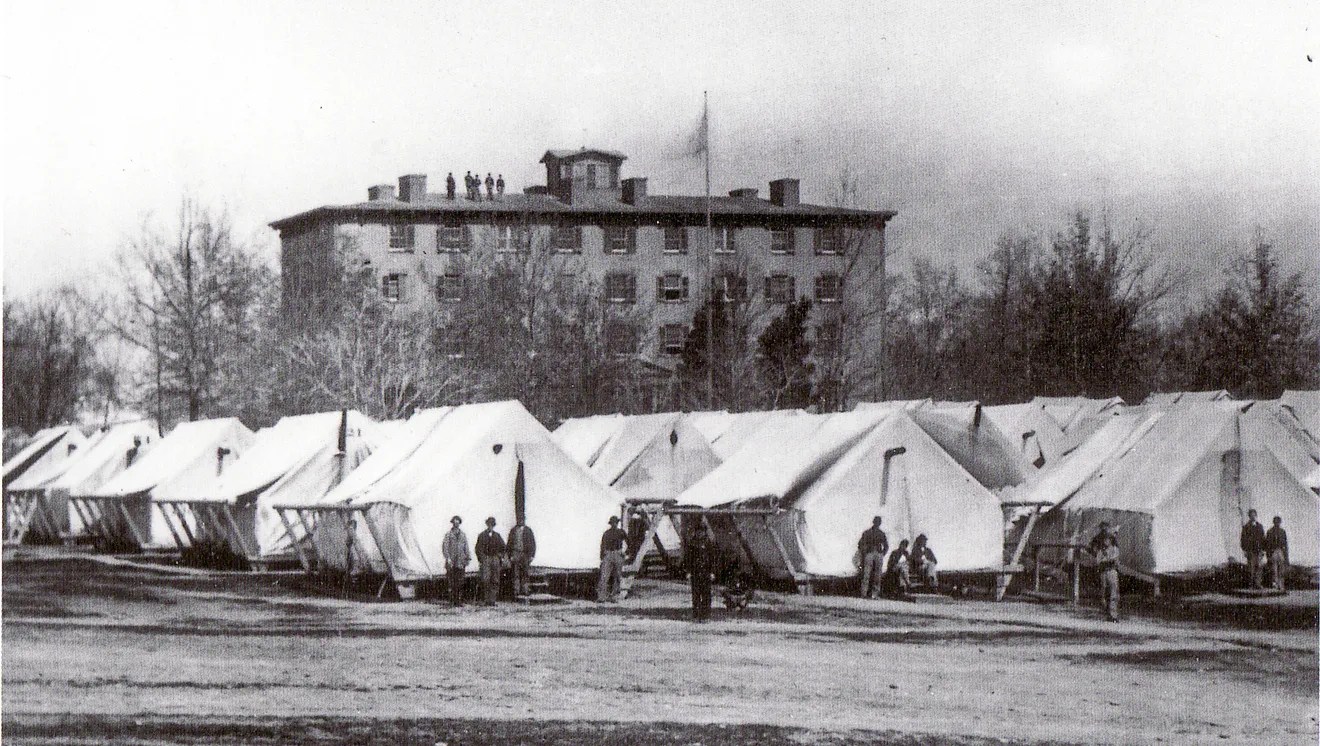
Which leads me to this building, the Marine Hospital in Evansville, Indiana, built in 1850, became a military hospital during the Civil War. There’s a chance that an Arroyo Grande woman, Maria Elizabeth Breed, worked here in the wake of the 1862 Battle of Shiloh, when casualties were evacuated by steamboat from Pittsburg Landing up the Ohio River to Evansville. My friend and fellow historian Shirley Gibson discovered Breed in searching old newspapers.
Serving as a Civil War nurse wasn’t for the faint-hearted. At Antietam, a bullet nicked Clara Barton’s sleeve and killed the soldier who was her patient. Lauretta Cutter Hoisington of Halcyon contracted typhoid while tending to Union soldiers taken down by the disease. And Hannah Ropes, who knew the author Louisa May Alcott, literally worked herself to death in her devotion to her young soldiers.
After the war, the Daughters of Charity, the order already noted for its devotion, took over this hospital.
And that brings me to another woman: our second great-aunt, Sister Loreto, born Margaret Fox in 1840 County Wicklow, Ireland.
She would’ve been about nine when her family, the Foxes, and the Keefes sailed for Quebec. This was the same year where two Famine Ships foundered on icebergs. One of them, the brig Hannah, so close to its destination, struck an iceberg in the Gulf of St. Lawerence; the captain and two mates escaped in a lifeboat, leaving 176 Irish passengers behind. Forty-nine drowned.
The ordeal wouldn’t have ended then. Grosse Isle, on the St. Lawerence River, served as a quarantine station for the passengers coming to Canada. At least 3,000 Famine refugees died there between 1847 and the arrival of the Foxes and the Keefes, whose friendship would someday be cemented by the 1874 marriage, in Ontario, of Thomas Keefe and another Margaret Fox. These were our great-grandparents.
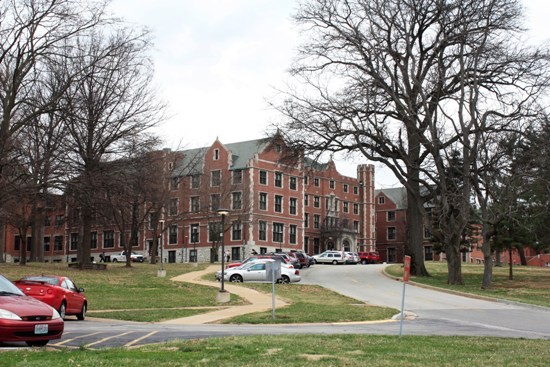
When the Irish-born Margaret Fox took her vows, she lived as a novice at this convent. It remains as part of the University of Missouri-St. Louis campus. Sally Jackoway, my sister’s late mother-in-law, worked as an UMSL administrator and may have worked here.
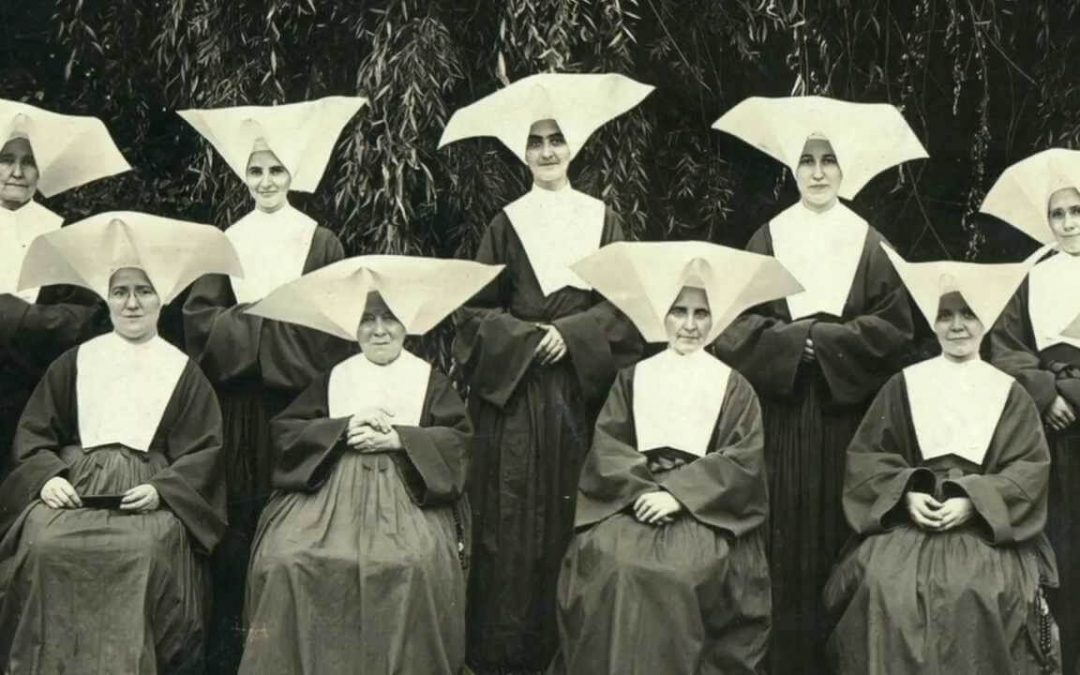
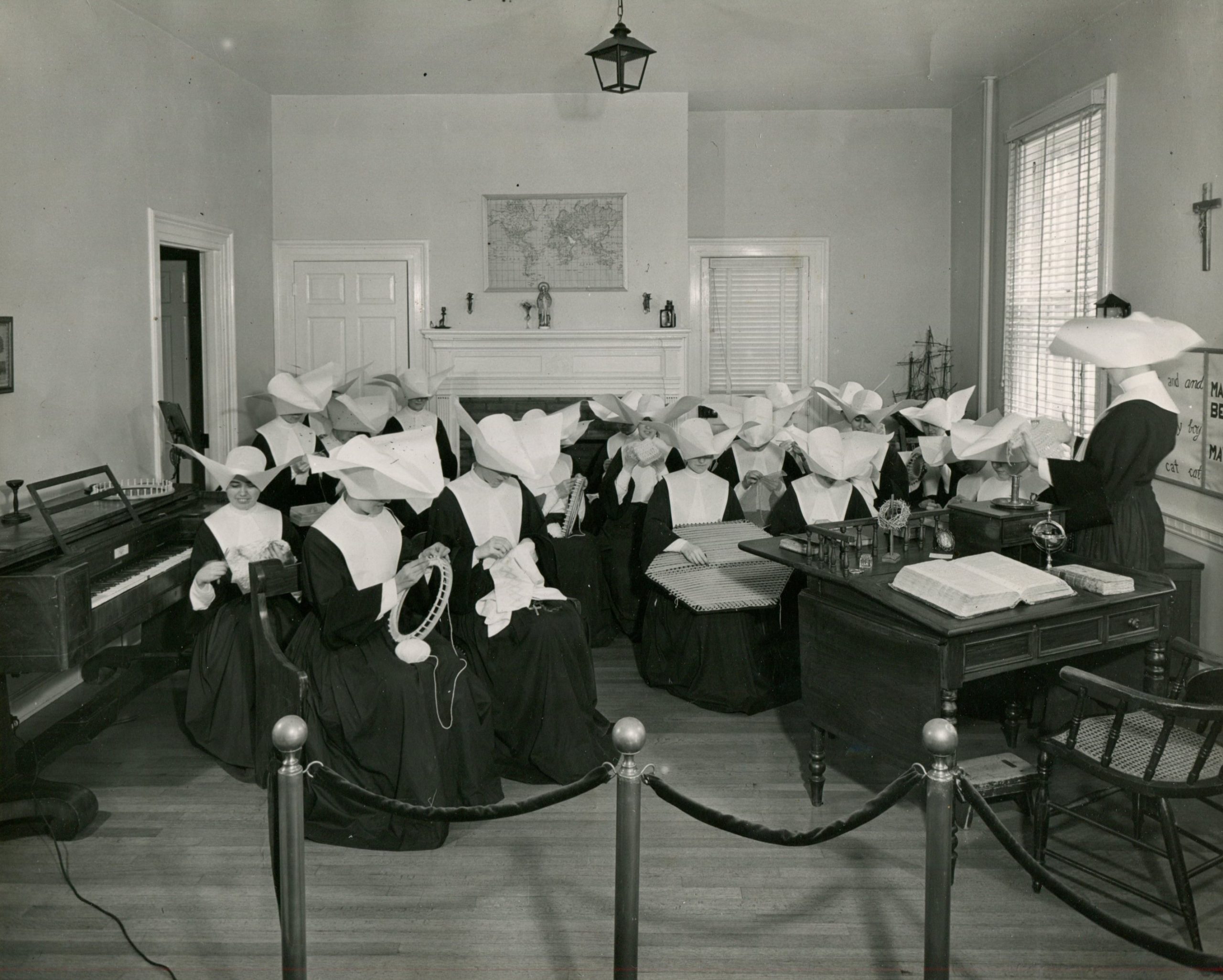
Meanwhile, this is the only image we have of Sister Loreto and, granted, it’s a little terrifying.
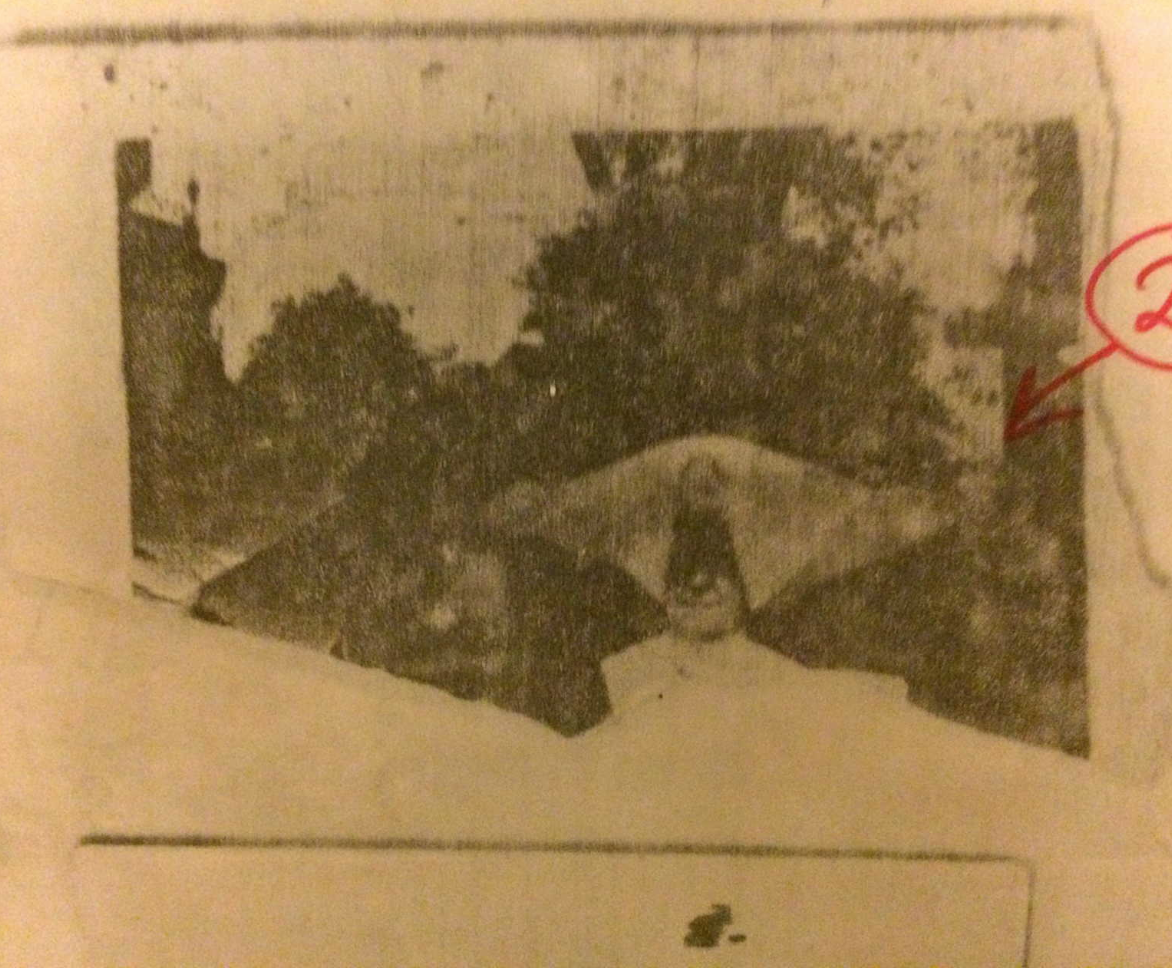
Sister Loreto, Daughters of Charity of St. Vincent de Paul, chose serving orphans as her vocation. One hopes that this photo, from a Daughters of Charity website, is indicative of Loreto’s attitude toward them:
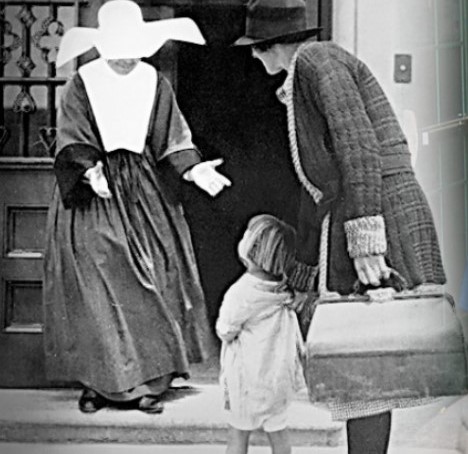
The headgear, the cornette, marked the Daughters. Here they are at their orphanage in Albany, New York, with some of their little charges:

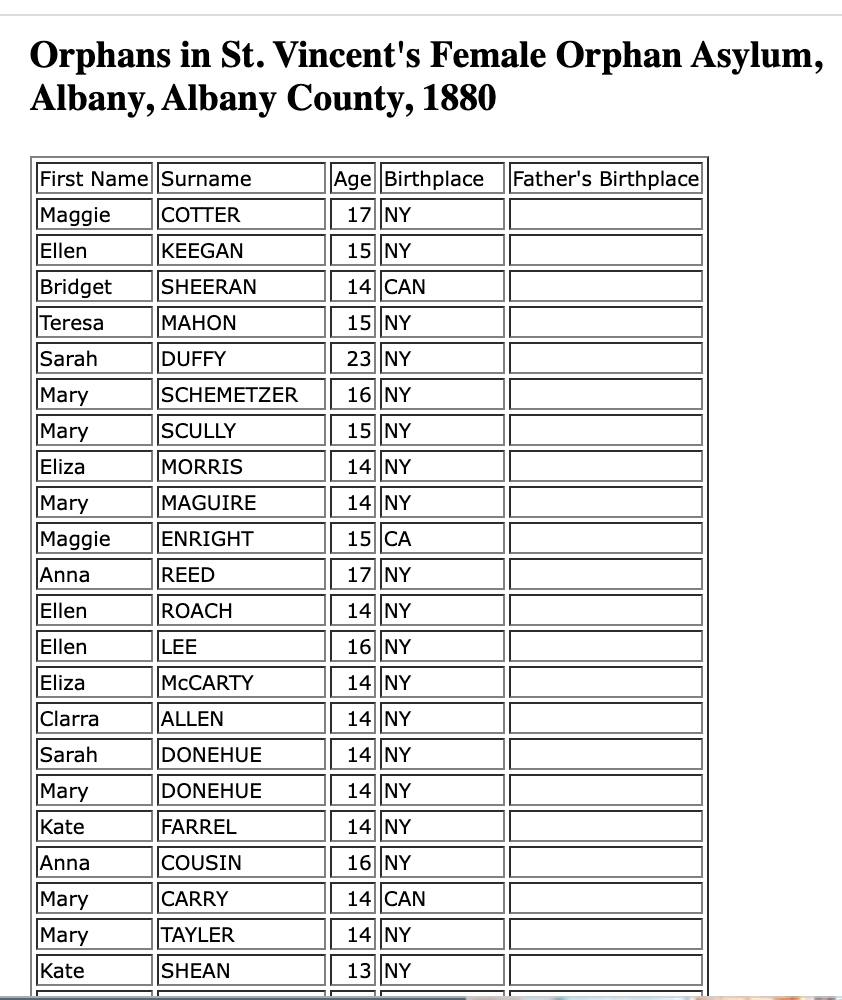
And this poignant record reveals the names and origins of some of those Albany orphans (note that the fathers’ column is blank); judging from their ages, many would always be orphans. One hopes the Daughters had prepared them to cope with life as adults, which can be as cold as an Albany winter.
While the orphans would eventually leave the orphanage, Sister Loreto didn’t. She died there, at 77, in 1917. And this is where she did her life’s work, at the Philip Schuyler mansion, completed in Albany in 1761.
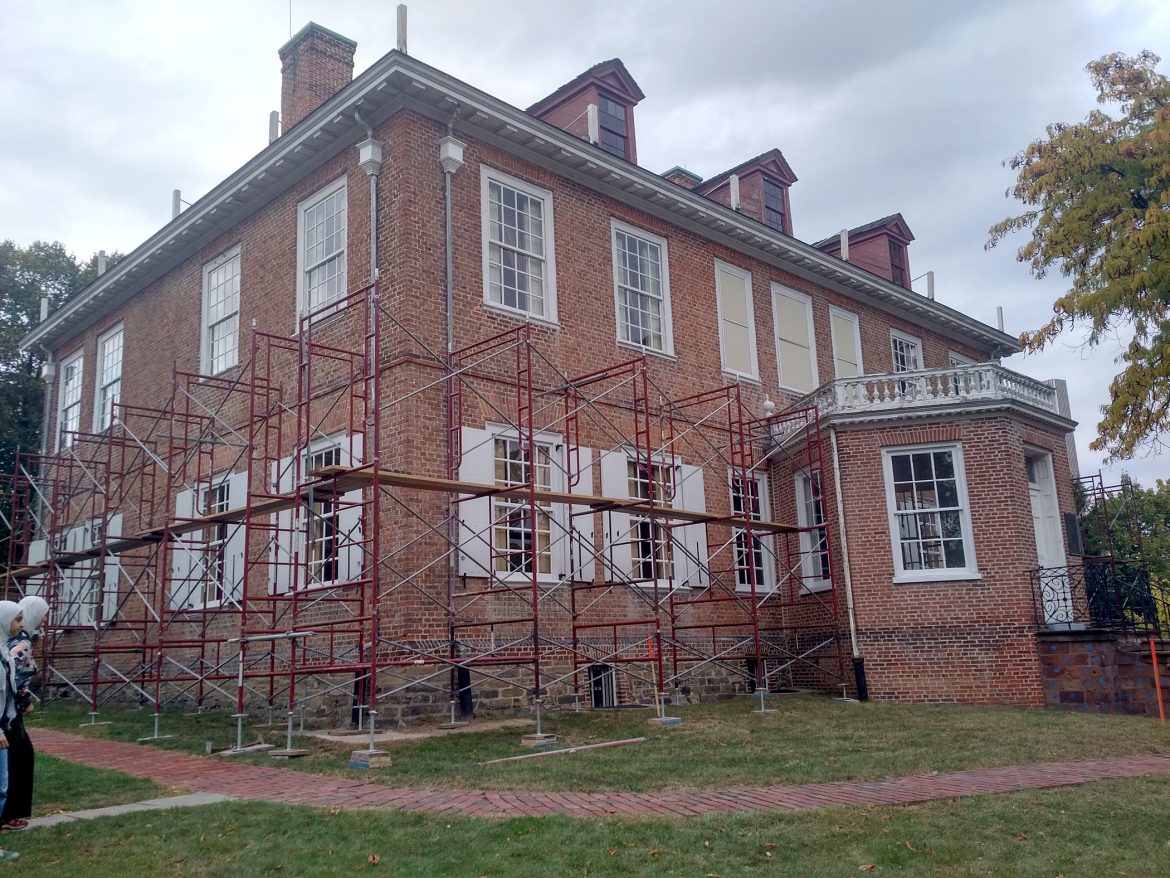
If you look closely at the upper-left side of the old photo of Sister Loreto, you can detect the pediment and a post that supports the railing along the roofline, seen during restoration here.
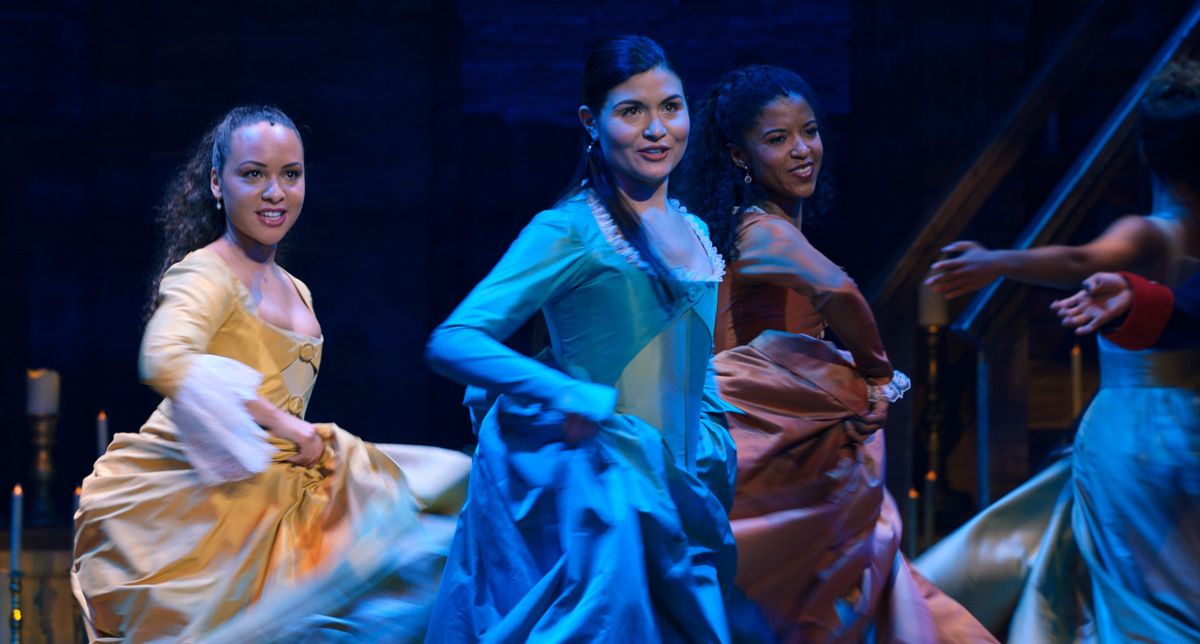
So this was once the home, built by her father of Elizabeth Schuyler, a Revolutionary War major general. Elizabeth was the woman who would marry Alexander Hamilton in this home, and she was the middle of the three daughters imagined by Lin-Manuel Miranda. Her life would be marked by sadness: their son, Philip, died in a duel in 1801 on the same site, on a bluff above the Hudson, where Burr would take Alexander Hamilton’s life three years later. Hamilton left her with his substantial debts; financial genius doesn’t necessarily translate, I guess, to a financial genius’s personal life.
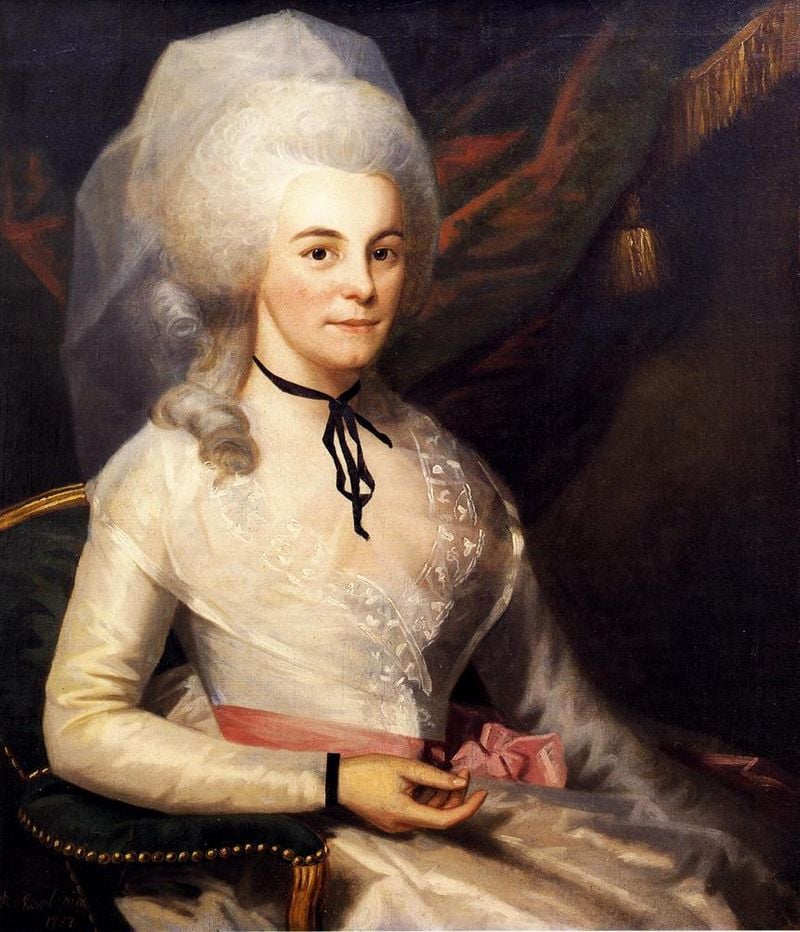
But Elizabeth achieved a kind of Elder Stateswoman status among young society women too young to remember the American Revolution. She outlived some of them. And it was appropriate that her childhood home became what it did. Until her death, at 97, Elizabeth Schuyler Hamilton devoted herself to a charity that cared for orphans.
 A Work in Progress