
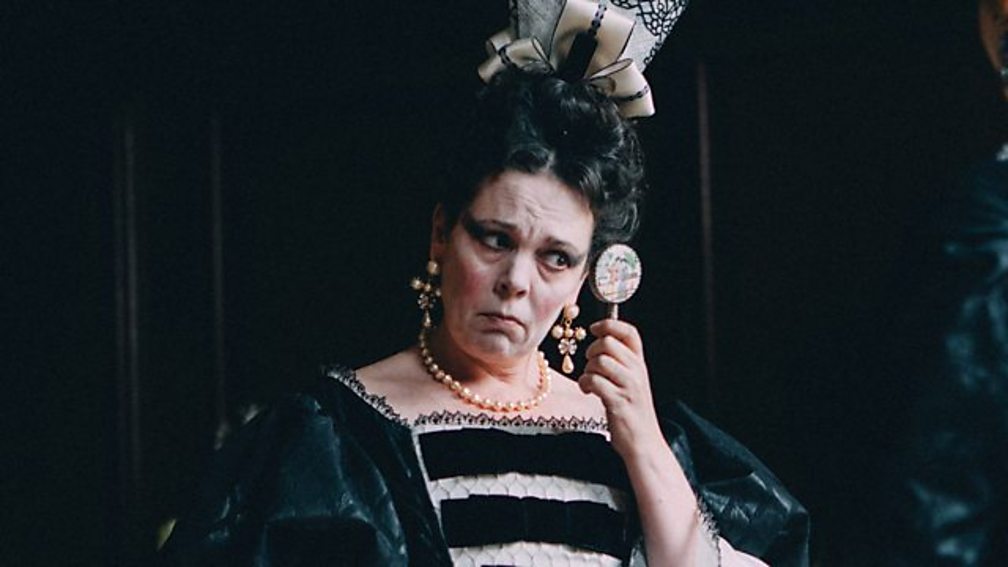
On August 1, 1714, the last Stuart monarch, Queen Anne, 49, died at Kensington Palace, today the home of Prince William, Princess Kate and their children. The eccentric, sickly and probably underrated Anne was brilliantly played by Olivia Colman in The Favourite.
Anne’s life was tragic, marked by widowhood, poor health and by the unimaginable physical and emotional pain that came with seventeen miscarriages and stillbirths. The Favourite suggests that Anne’s beloved little pet rabbits became her surrogate children.
And so the Stuart line ended with Anne, ended with her hopes for the children she’d wanted, the heirs that her duty required. England turned to Germany for the next dynasty, whose descendants make up the modern royal family.

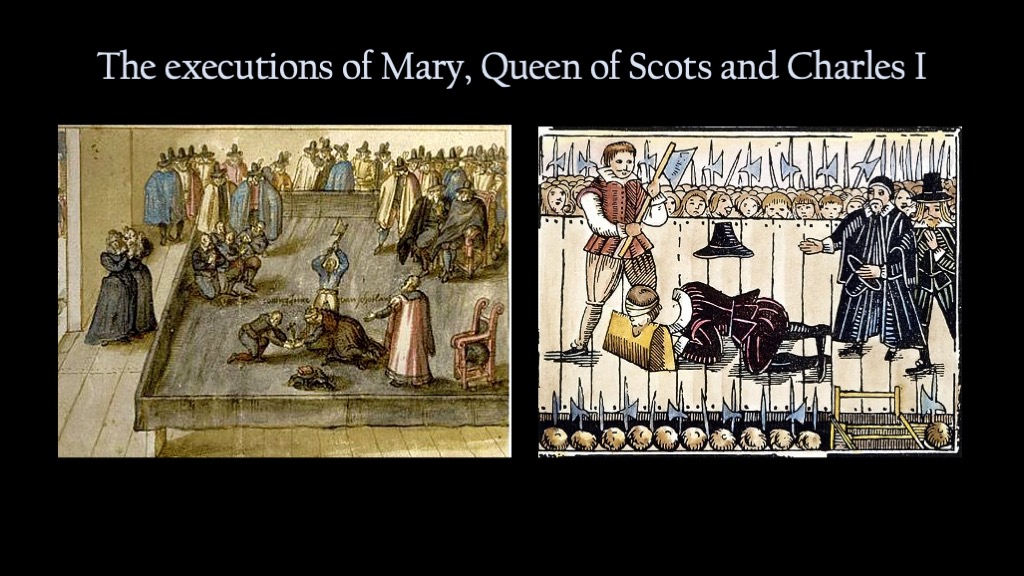
The Stuart line, of course, began inauspiciously, since these royals were descended from Mary Queen of Scots, ordered beheaded for high treason by her cousin, Elizabeth I, in 1587. Mary, the Great Catholic Hope, was dispatched while another Great Catholic Hope, the Armada, was being planned.
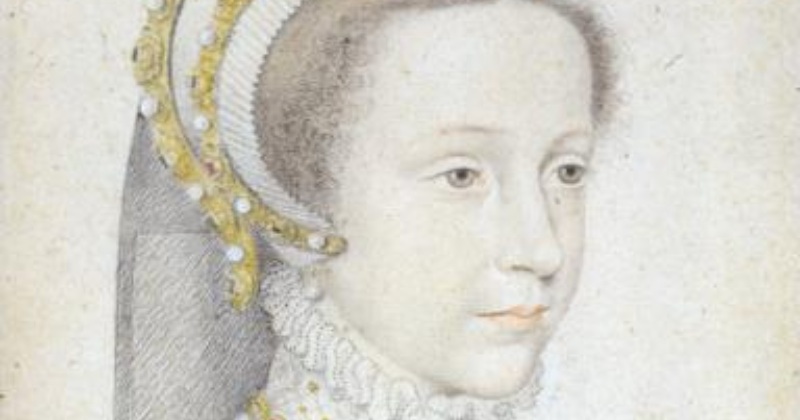
She went out with panache—blood-red petticoats beneath the shift she wore to the the block. Sadly, she drew a nervous executioner, and it took two tries to separate Mary’s head from the rest of her. Afterward, her disconsolate little Skye terrier crept out from beneath her petticoats.
No one told the hapless executioner that Mary was wearing a wig. He only discovered this when, in the ceremonial moment required of traitors’ executions, he held her head high aloft for the crowd to see.
So it goes.
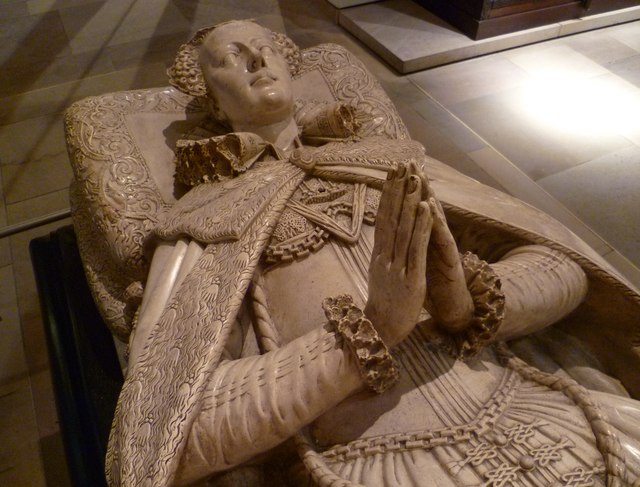
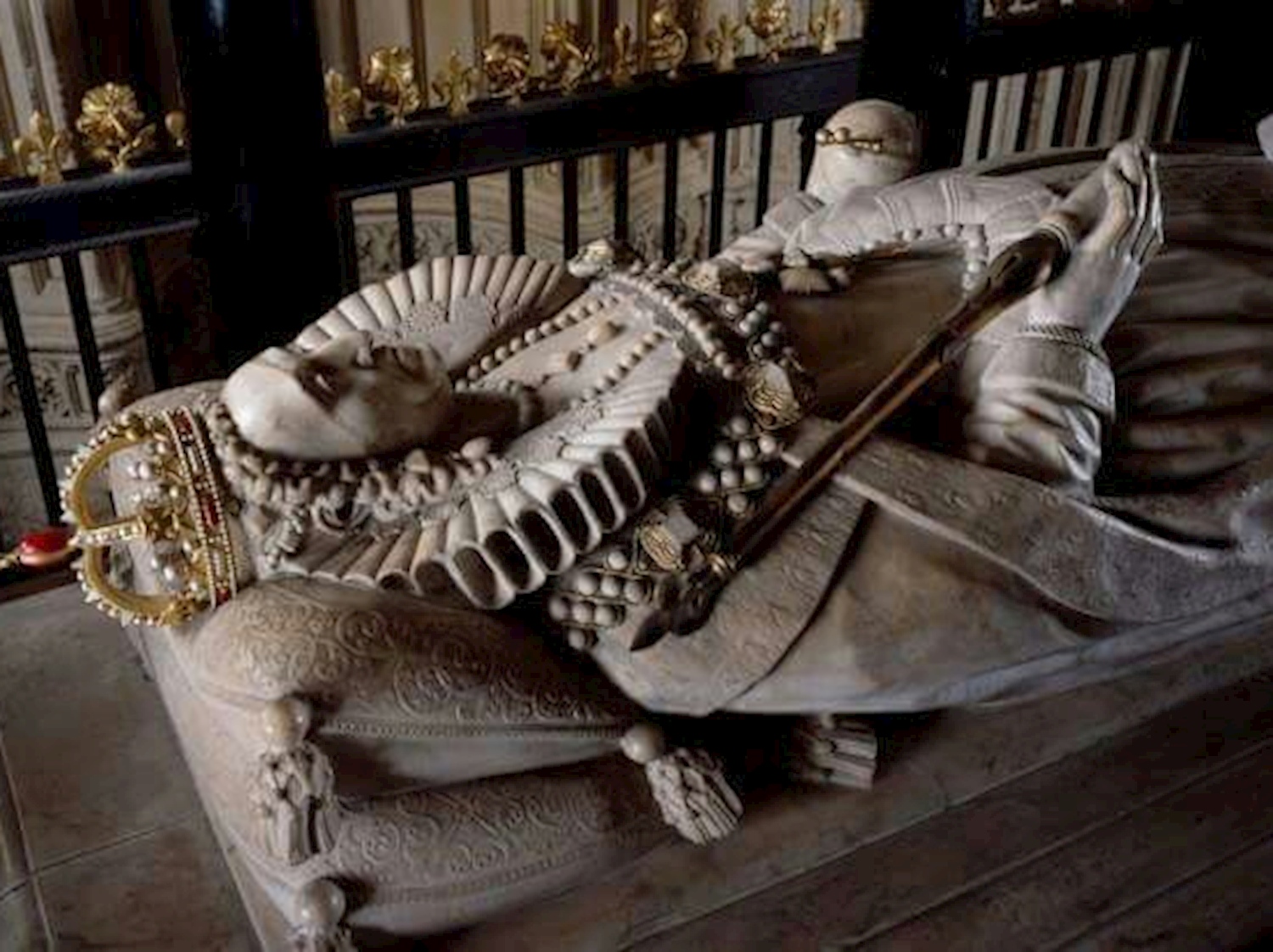
In a way, Mary got even. She lies in splendid isolation in Westminster Abbey, while her cousin, Elizabeth, is in a tomb version of bunk-beds with the half-sister who was her predecessor— and who feared and despised her—Queen Mary Tudor (“Bloody Mary”). Elizabeth is on top.
Ha.
Mary’s grandson, Charles I, was likewise beheaded in 1649 at the outset of the Interregnum, when Cromwell’s Puritan dictatorship interrupted the royal parade.
And in 1813, a funeral vault beneath the floor Windsor Castle—Philip and Elizabeth II are buried at Windsor, as well– was opened and they found Charles I’s coffin. The old boy’s head, it was reported, was in fine shape; nearby were the coffins of Jane Seymour, Henry VIII’s favorite wife, and Henry himself, who was all bones. His coffin had exploded from expanding gases, in my mind the result of the King’s gargantuan appetite. Some historians maintain he was close to 400 pounds when he expired.
So his lead coffin was large.
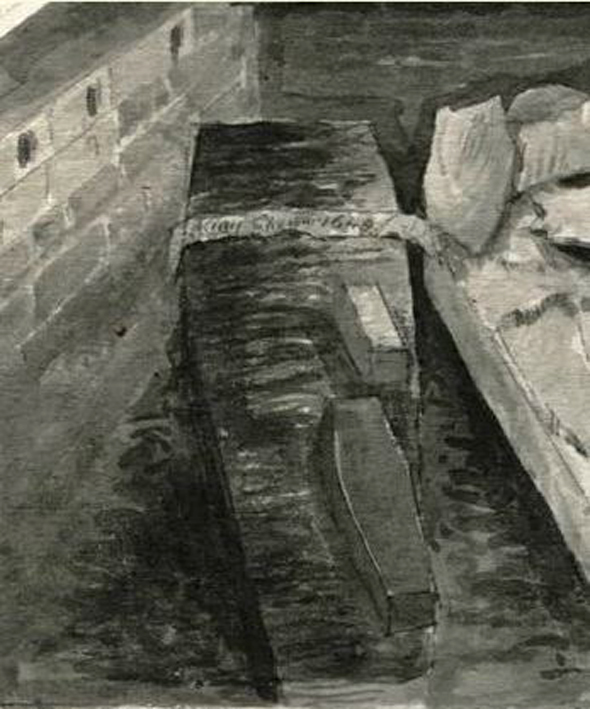
It was a small coffin atop that of King Charles that surprised the little crowd of morbid scholars murmuring beneath the floor. They found that it was one of Anne’s stillborn children, at rest with his great-great uncle.
Executions, lost babies, little rabbits. Monarchs are, of course, an anachronism, as Charles and Camilla so amply prove. But some of them, like Anne—who delivered a stunning inaugural speech to Parliament and whose armies vanquished those of Louis XIV—deserve a second look, and perhaps our sympathy, as well.

 A Work in Progress