
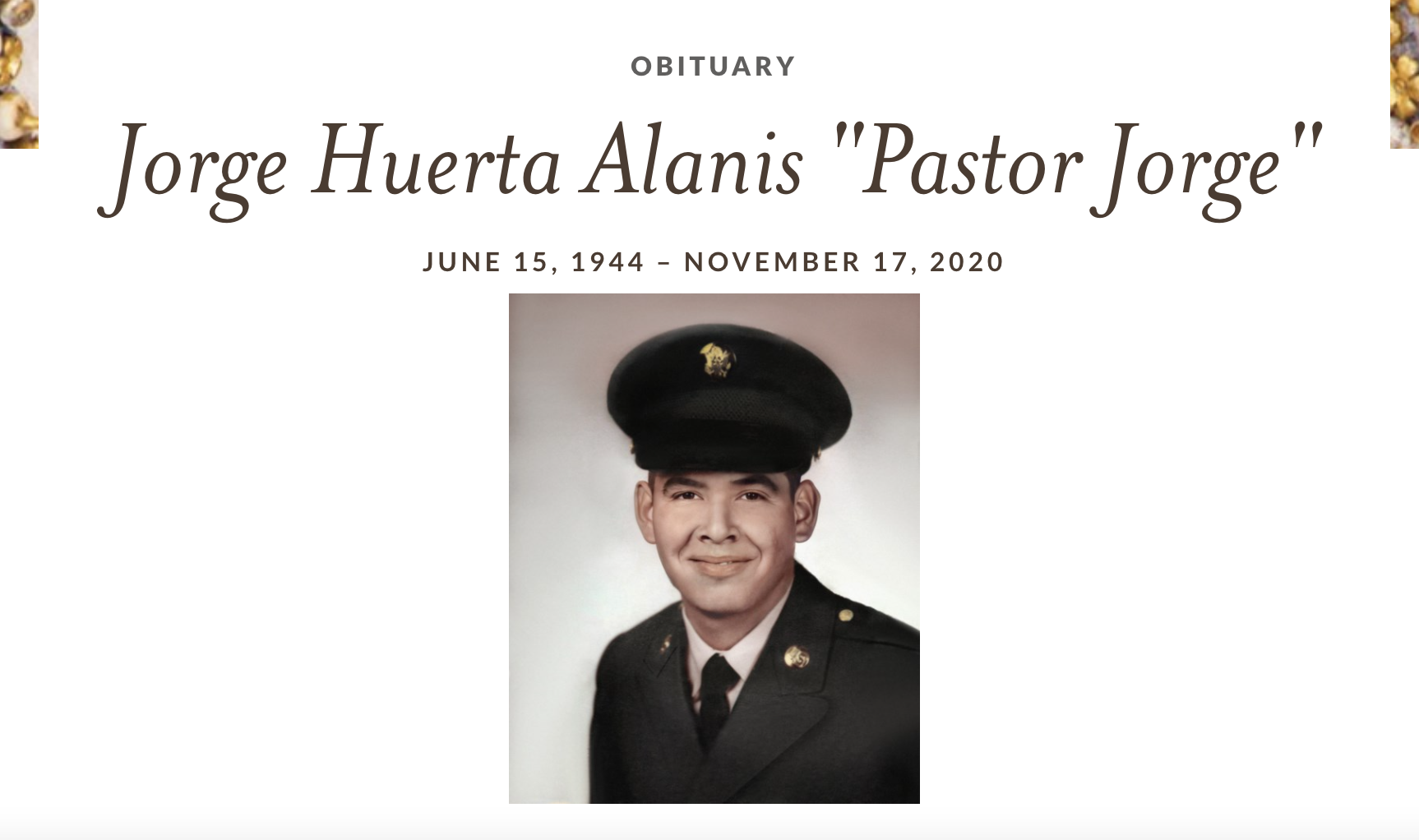
Fifty years ago, this man was one of my best friends. I was working at a Western Auto in Lamont, right out of high school, and moving from Arroyo Grande to Lamont made me unhappy. I missed my hometown. I missed my friends. I missed my girlfriend.
Jorge saved me. We worked together at the Western Auto my father managed. That store stocked everything from bicycle derailleurs to Curtis-Mathes console televisions big as Orson Welles’ coffin and just as heavy, and Jorge, my co-worker,made me laugh. He taught me more Spanish, teased me, threw his arms up in the air when I mangled the language. When something needed to be done–moving a refrigerator, for example, from the store to somebody’s home, he’d put his arm around my shoulder and tell me, “okay, here’s the plan.”
Jorge and I ate together. I discovered chorizo-and-egg burritos because of him, and they so impressed me that included them as a detail in a book I wrote about World War II.
He was a superb golfer. Like another Texan, Lee Trevino, he’d learned to hit low smoking fairway shots beneath the wind. When he messed up a shot, he laughed. When I messed up a shot–usually, a suicidal duck hook–he laughed. He had a beautiful swing, I remember.
I learned how to drive a three on the tree, the delivery truck, from him, how to get a furniture dolly through narrow doorways, but, given my ADHD, I never did learn how to tie a grape knot.
Going into a Mexican-American home in Bakersfield to make a delivery was, for me, like entering another world where I felt completely safe. The kids would be hopping up and down–a refrigerator!–and Grandfather would wave cheerily from his Western Auto recliner while the smells from the kitchen, thanks to Grandmother, were incomparable, chiles and onions and chicken or pork and fresh-baked tortillas. You could not leave without eating first.
There was always a dog, usually a shepherd mix, a statuette of Our Lady of Guadalupe, often with a votive candle, portraits of one or more Kennedys , and in heavy dark rose frames, sepia-toned portraits of los abuelos, the grandparents, on their wedding day. Grandfather was frequently in Army khakis, Grandmother’s face was framed in white lace. They looked serious.
Young men would be working on a car out front. Mom would be hanging laundry—it dries quickly in Bakersfield— on a line out back before she stopped to come in and greet us and her refrigerator (autumn gold or avocado or bronze; these were the seventies, after all).
Years after the seventies, I knew that Jorge had become a pastor but I did not know until tonight that he’d died.
I wish you could have seen him in between that army portrait and the photos of him as an older man. He was handsome, with a small Cantinflas mustache that twitched when he was about to laugh. Or when he was about to make me laugh.
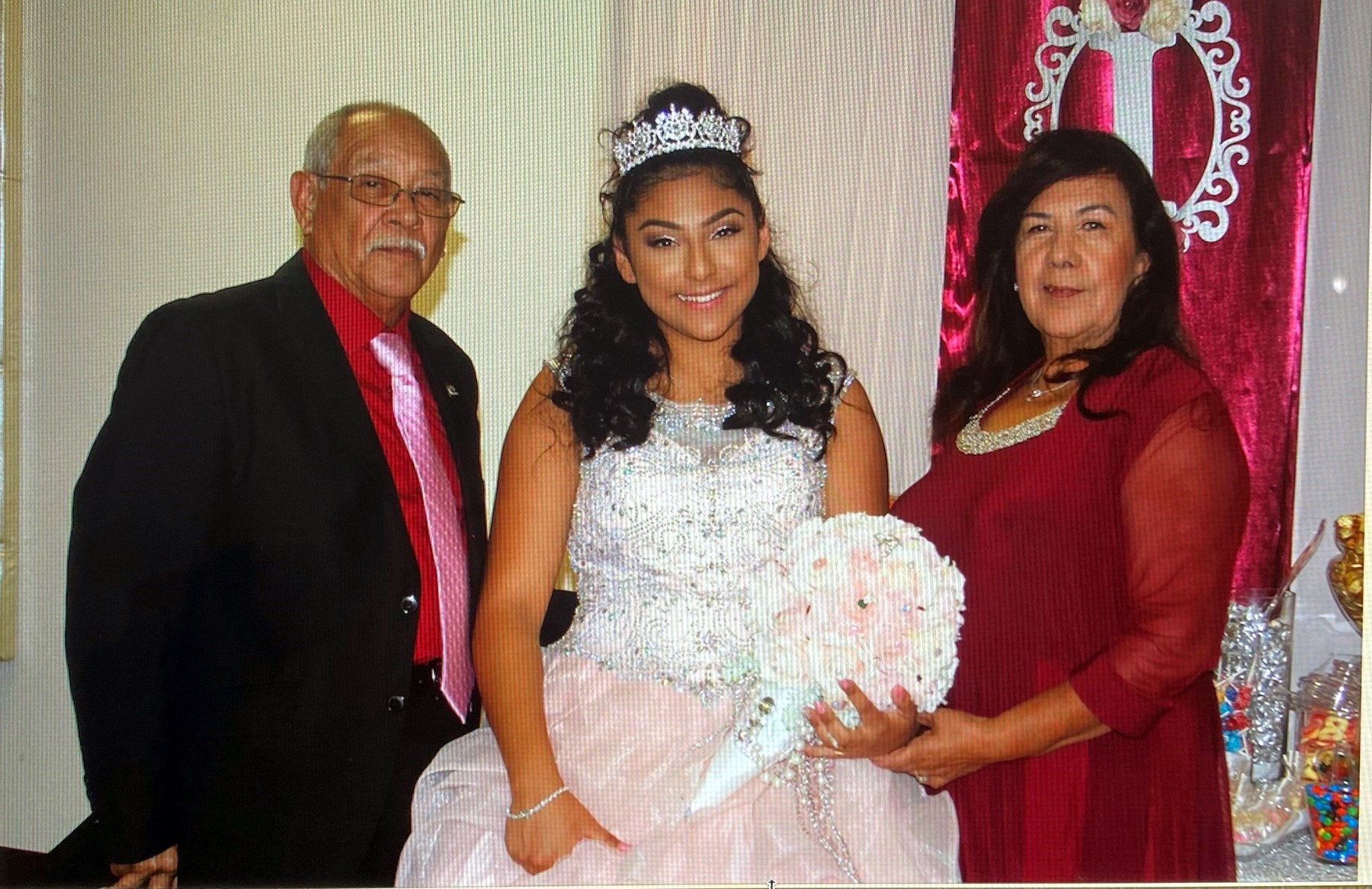
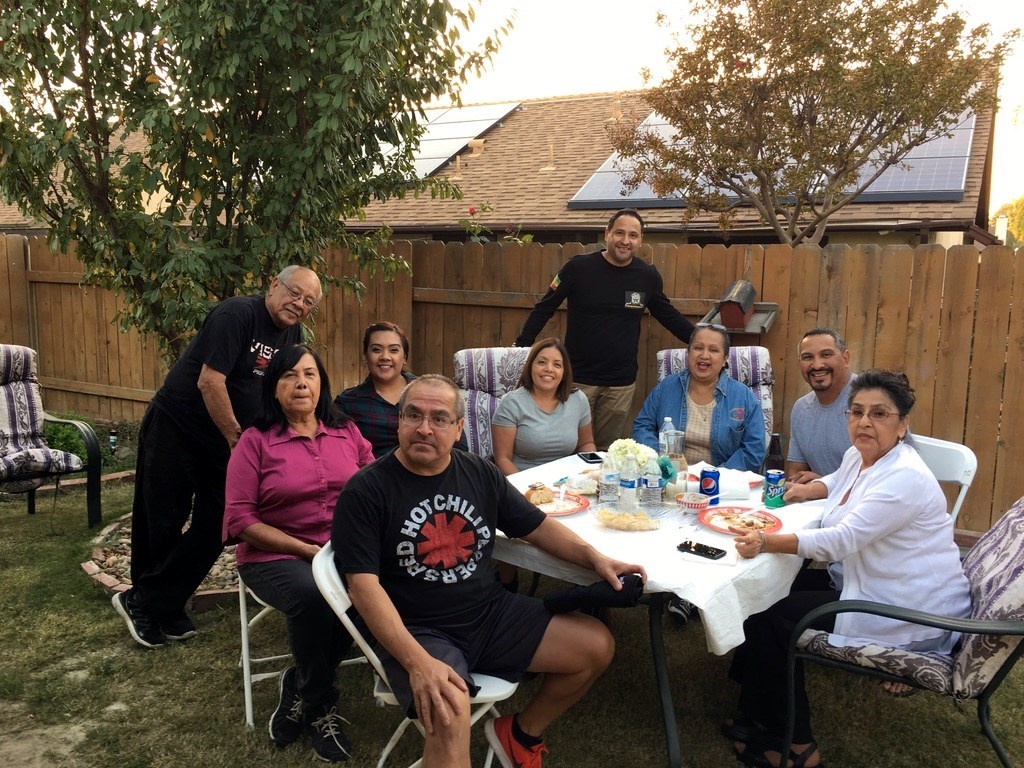
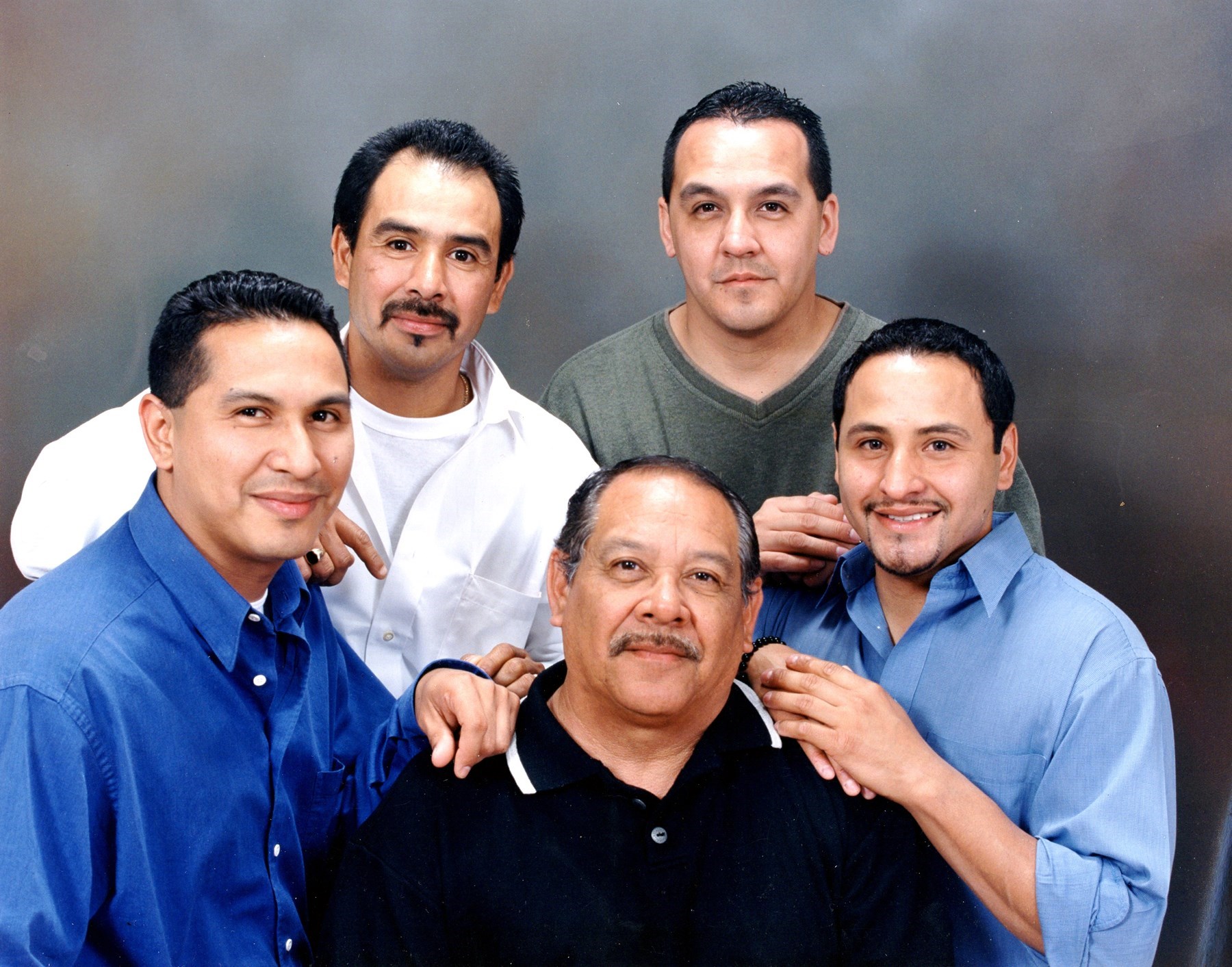
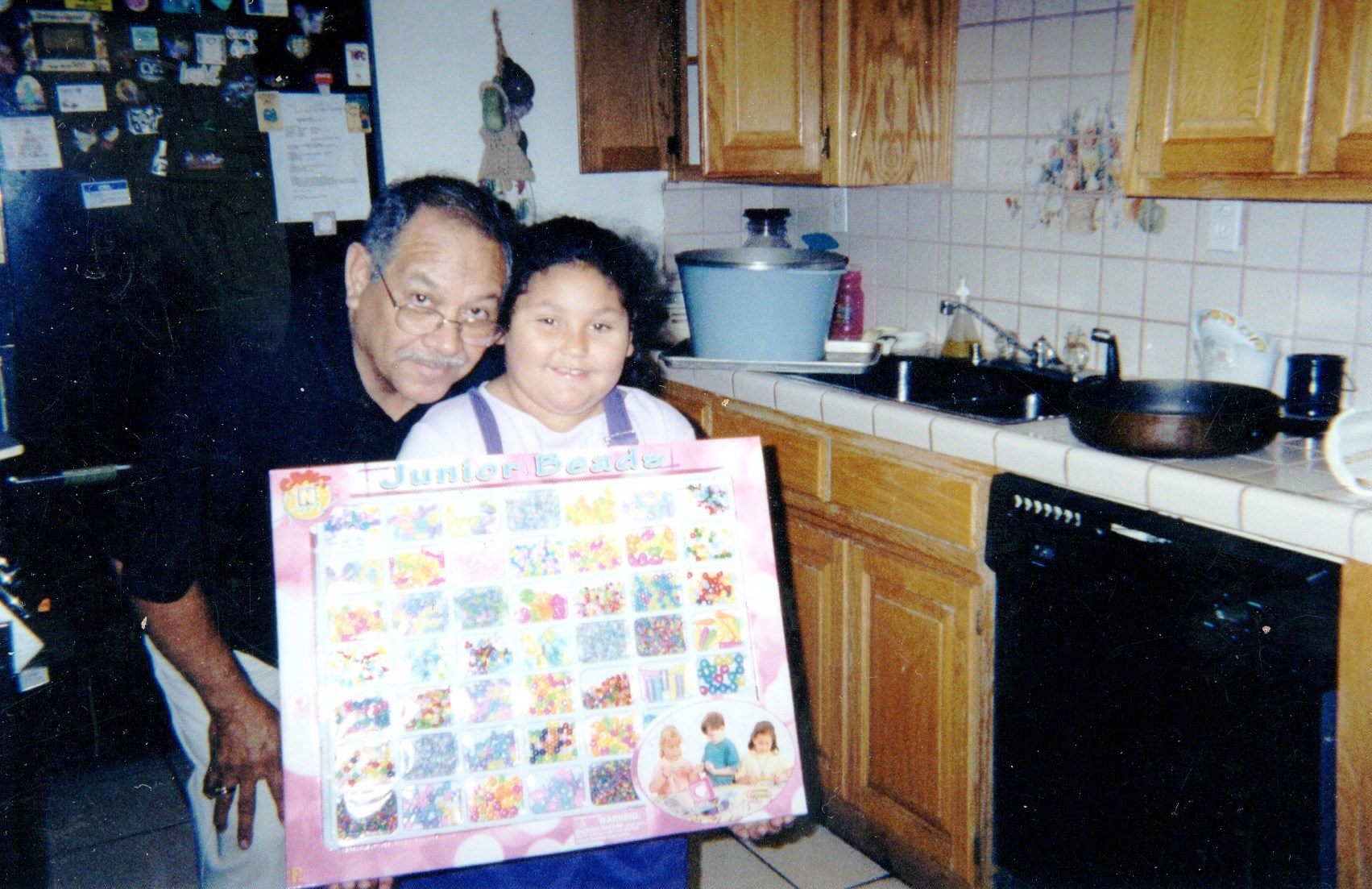
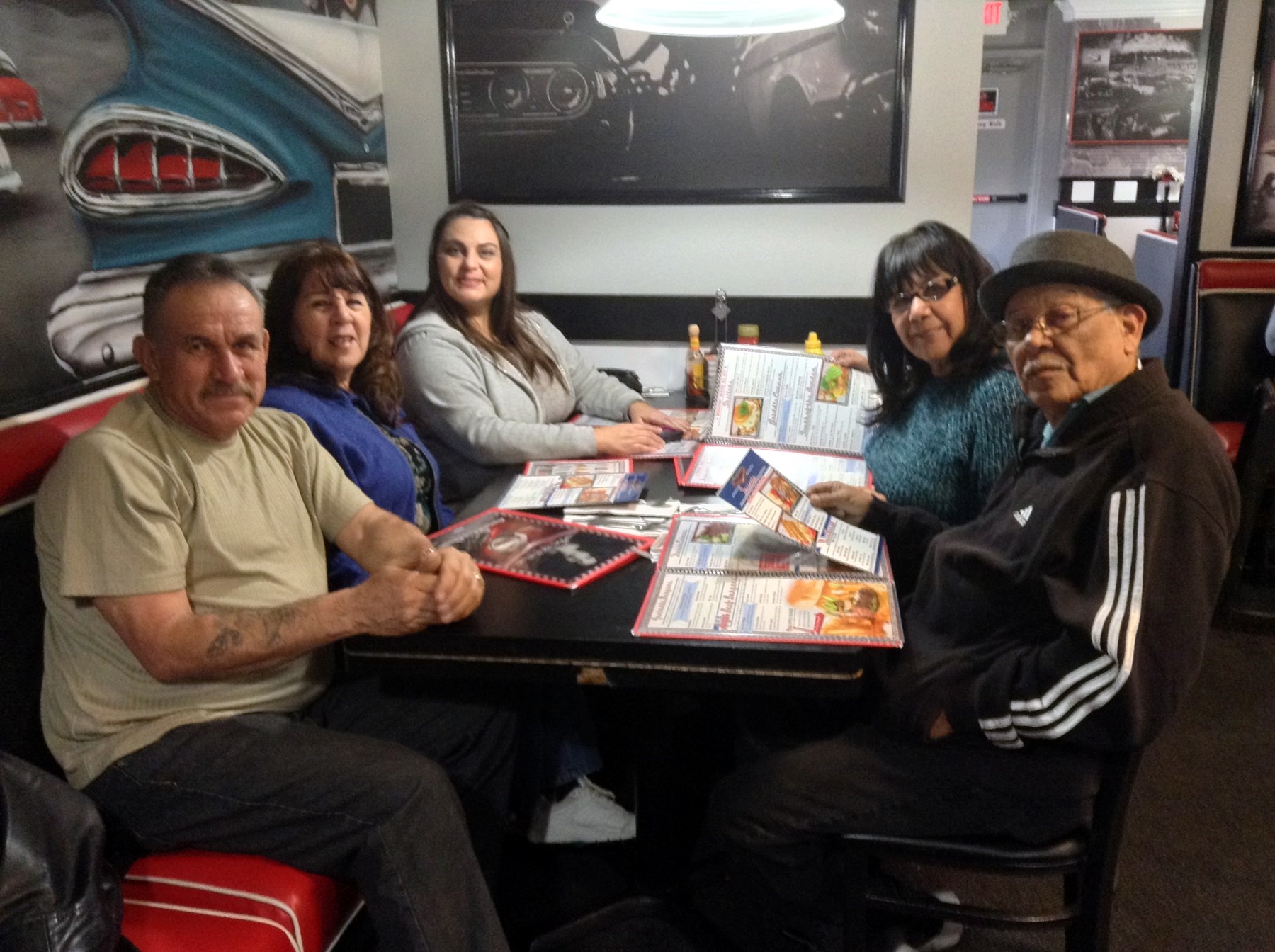
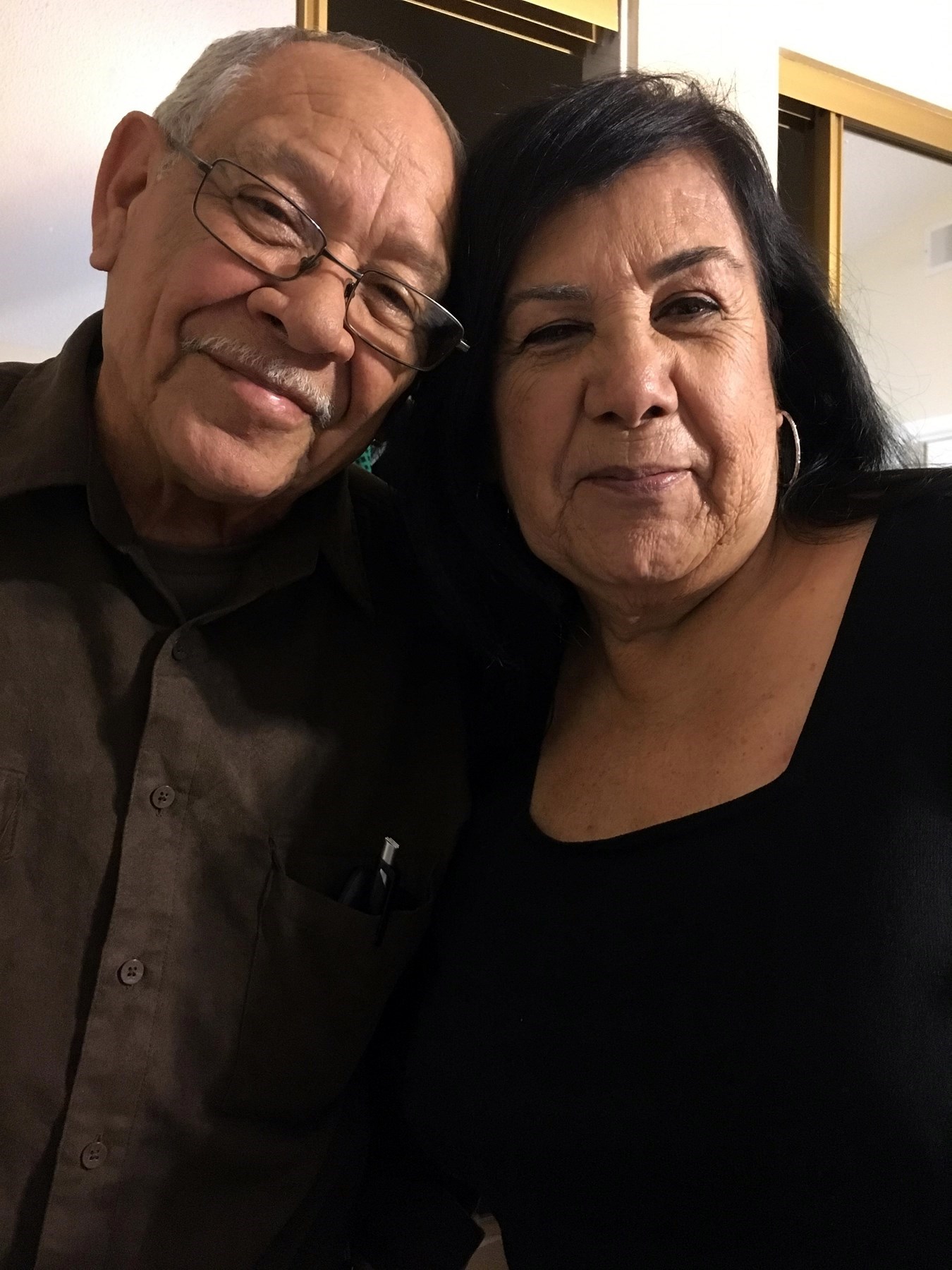
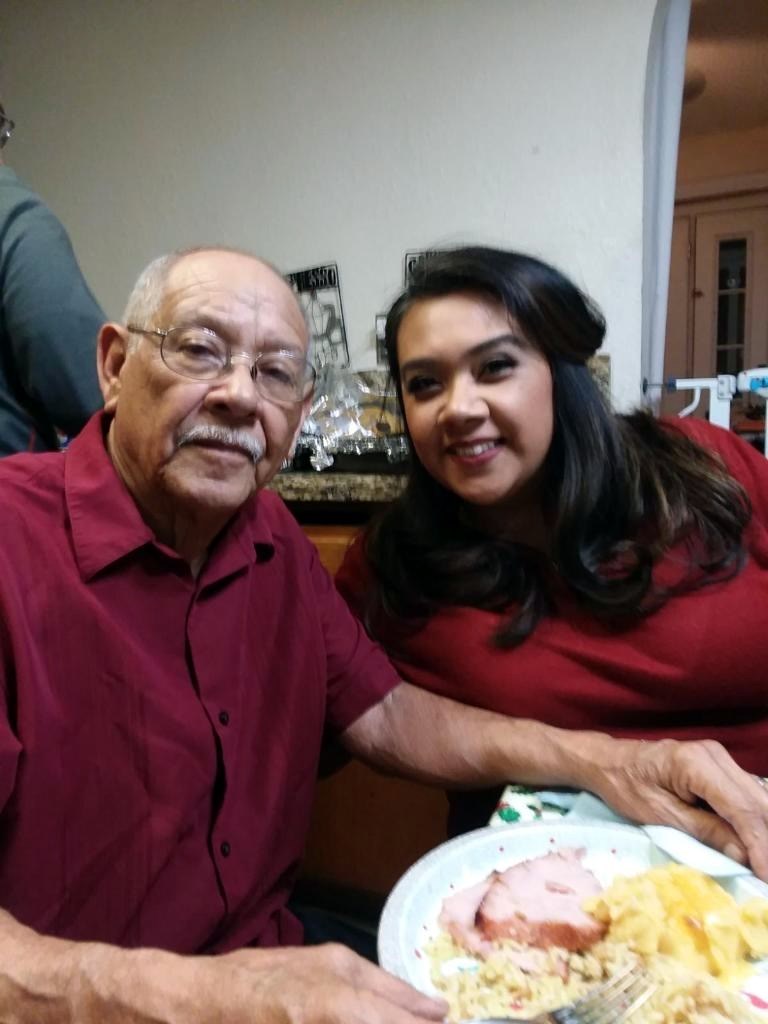
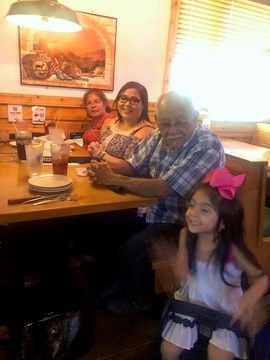
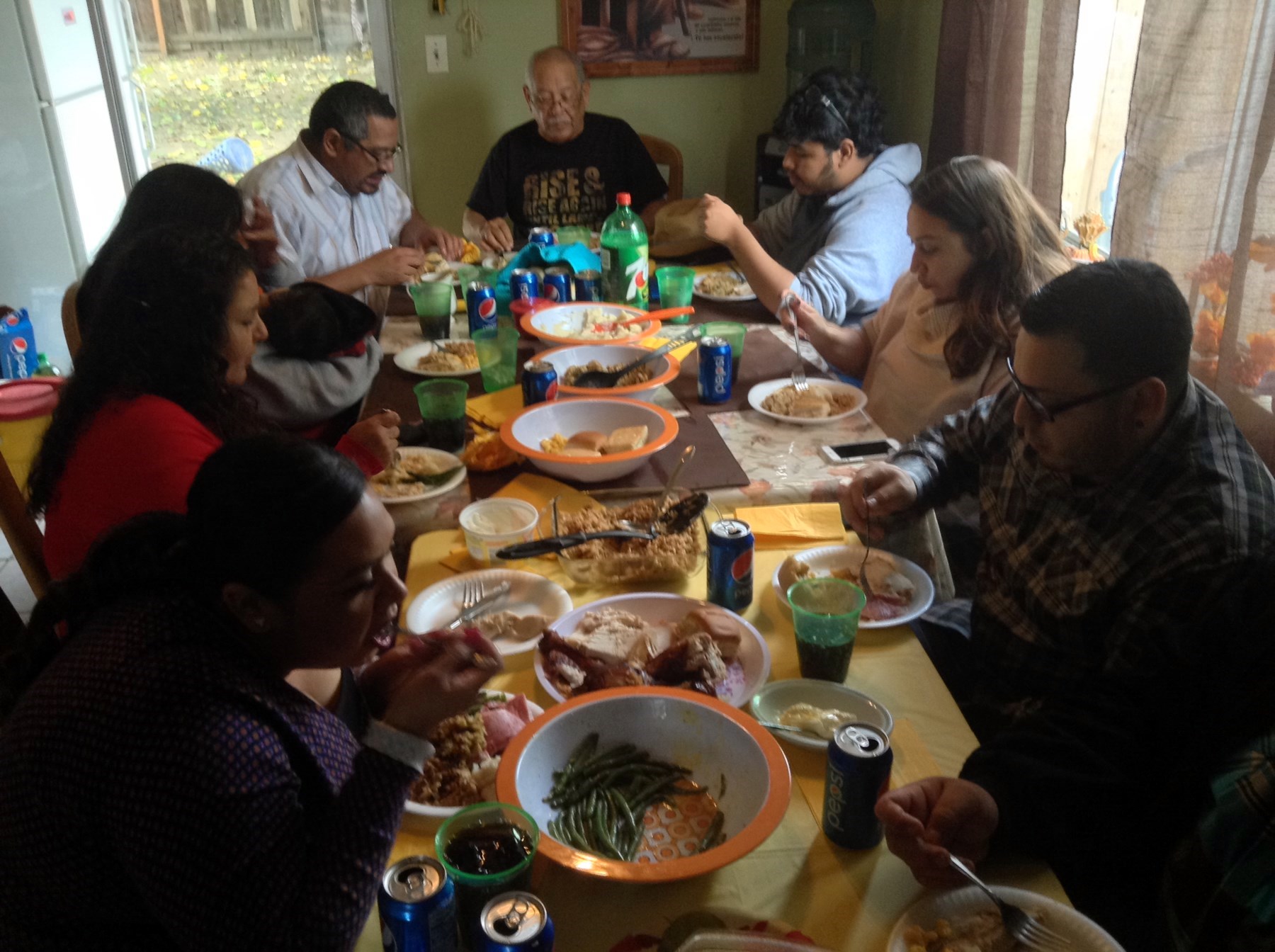
Jorge Huerta Alanis, you were one of the great men of my life. So many of the photos posted by your family show you at table, surrounded by your children and grandchildren and by the food I can almost smell.
I cannot tell you how perfect those images are.

 A Work in Progress