

I guess last night’s Game 1 of the World Series was a thriller. The Rangers won with an 11th inning walk-off hit of some sort. I don’t know what kind. Schindler’s List was on another channel. And a high-school football game on another. Jack Osbourne was investigating UFO’s in Utah on one more. There was always CNN.
Yes, I am having a snit. I don’t care who wins this year’s Series. I don’t have a dog in this fight. I hope both teams lose.
Here’s why: MLB’s best teams have already been eliminated. Here are the grim outcomes:
These teams were a combined 1-13 in the 2023 playoffs:
- Atlanta Braves: 104-58 (lost NLDS 3-1)
- Baltimore Orioles: 101-61 (swept in ALDS)
- Los Angeles Dodgers: 100-62 (swept in NLDS)
- Tampa Bay Rays: 99-63 (swept in Wild Card Series)
- Milwaukee Brewers: 92-70 (swept in Wild Card Series)
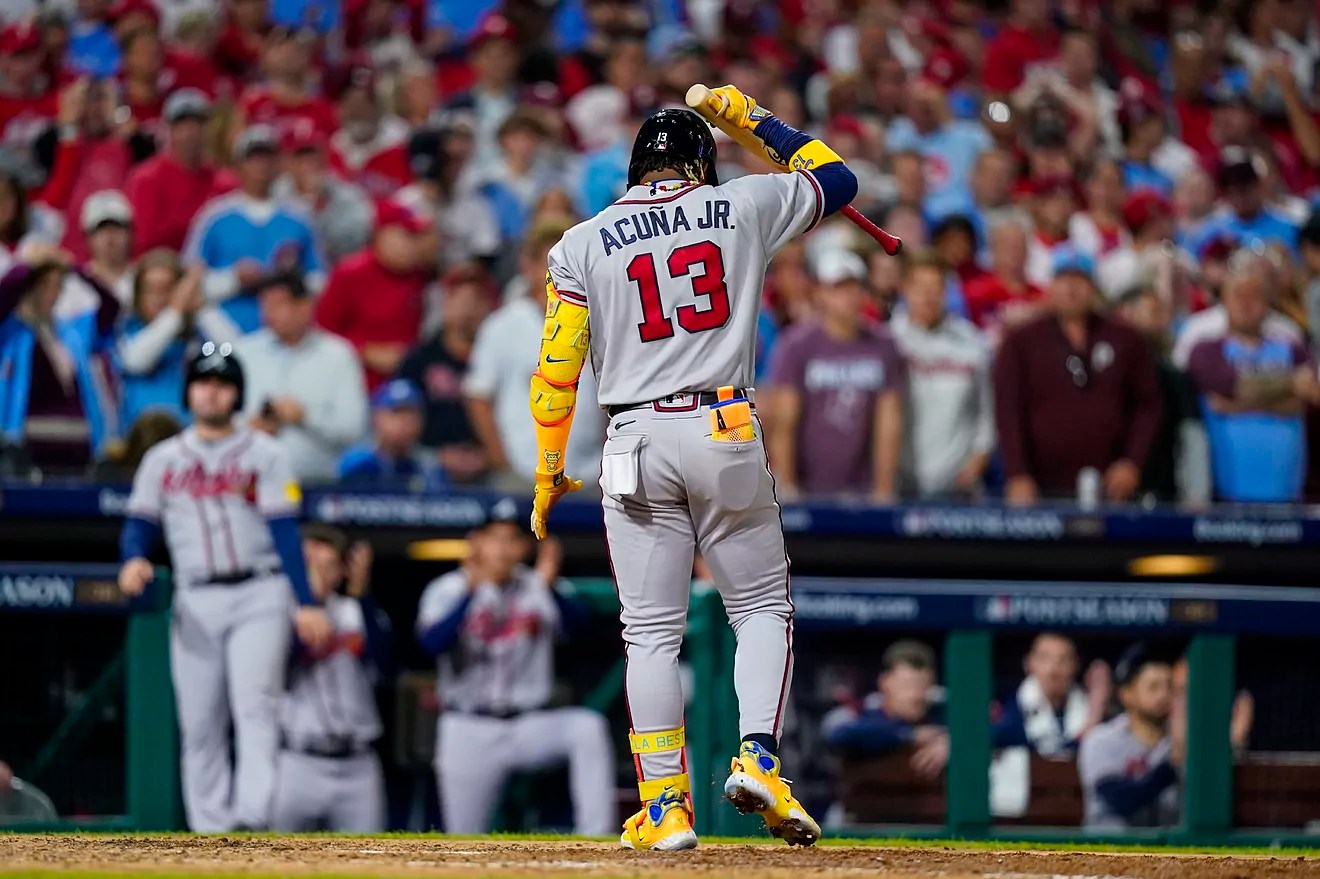
I don’t why this is so, other than star players played terribly. Clayton Kershaw was shelled more than Omaha Beach. Ronald Acuña Jr. wielded a bat that looked like an al dente spaghetti noodle. He was two for 14. The best teams weren’t the best teams at the exact time they needed to be. That’s baseball, I guess. I just hated the way the season turned out.

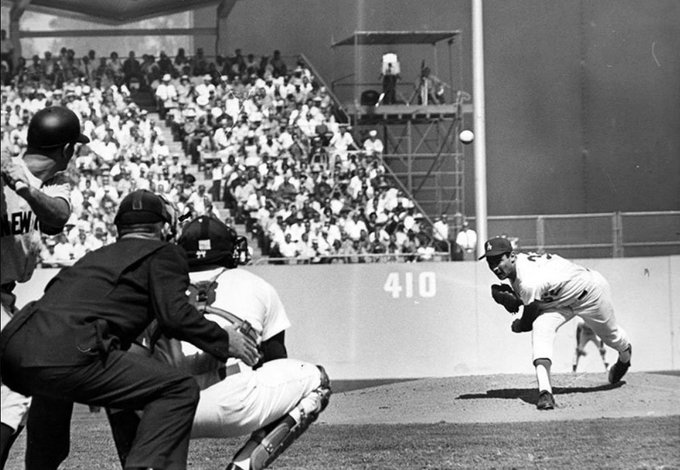
Just to make myself feel better, I will Wax Nostalgic in my Baseball Snittery. This is Sandy Koufax pitching in the 1963 World Series:
And this is Randle McMurphy calling the 1963 World Series:
And the 1963 World Series was a terrible World Series. The Dodgers, after years of Brooklyn humiliation, with the exception of 1955, swept the Yanks 4-0.
I don’t even need winners to be a baseball fan. The Series that made me a semi-Red Sox follower was lost by the Red Sox in 1975. The Cincinnati Reds won in seven games. But in what many called the greatest game Series history –Game 6–the Sox gave up six runs to lose a 3-0 advantage. Then they tied the game 6-6. In the bottom of the twelfth inning, Sox catcher Carlton Fisk came to bat. What followed passed into legend, etc.
Cuckoo’s Nest demonstrates how vital baseball was to us when I was a kid. A little before, in 1956, Mr. Adams was the principal of Harloe Elementary—he pitched softball on the playground from his wheelchair—and he made sure that lessons were finished in time so that the staff and their students could watch the Series, when the Yanks got their revenge. Those kids saw Don Larsen pitch his perfect game.
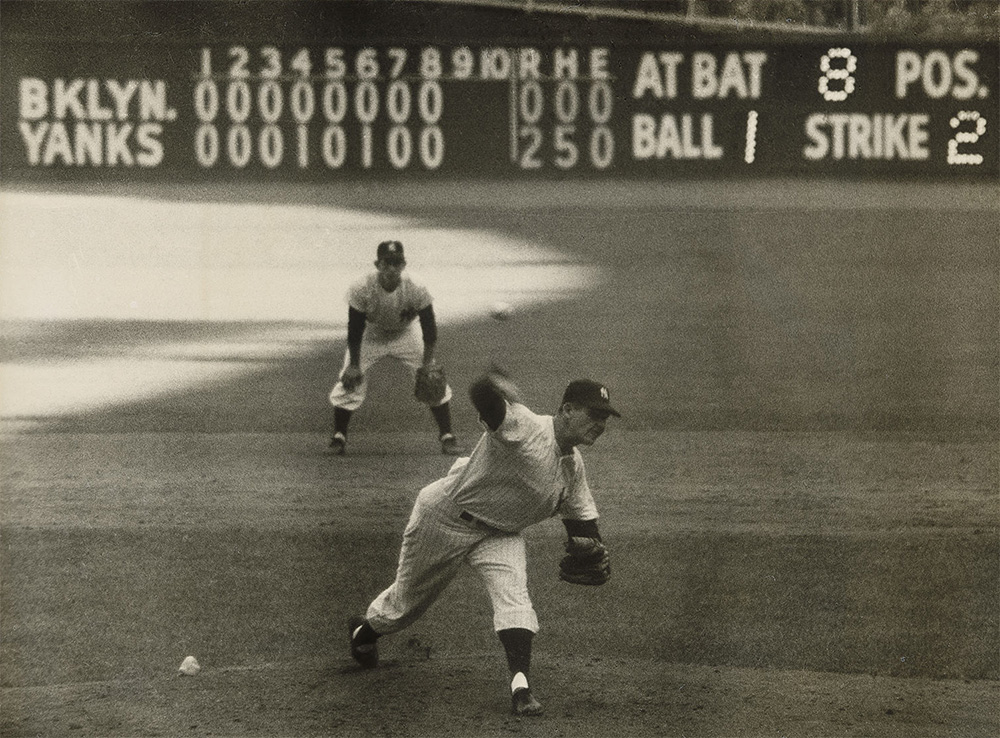
Even though two teams I don’t like—one named for a venomous snake, the other for cops who wear Stetsons and big badges (who fought the Comanche, firing their Colts from the saddle at full gallop, but were inert at Uvalde Elementary), I might manage to watch one or two games, if only for what I owe baseball for all the pleasure it’s given me. And World Series coverage has improved so much from Mr. Adams’ time and my childhood, with their black and white static cameras. I have to admit that I love to see close Series games nowadays in the late innings, when the fans are as much fun as the players. The images of what’s on the field are juxtaposed by images of fans in their rally caps, or chewing on the bills of their rally caps, holding their hands over their eyes or even waving those stupid towels. All of them demonstrate the bond between fans and The Game.
But baseball apparently doesn’t have the hold it did on kids— or on Oregon mental patients. A CNN writer suggested why this is so:

This year, World Series viewership will likely not greatly exceed 10 million – or half of what it was 30 years ago. It certainly won’t come anywhere close to the approximately 30 million to 40 million that watched the Fall Classic during the late 1970s and into the 1980s.
Part of what plagues baseball is what plagues all of television: streaming and cable are dividing audiences. Those issues, however, don’t tell the full story.
Indeed, for adults aged 18-29, the rankings for most popular sports to watch in the Washington Post poll were as follows: football (20%), basketball (17%), competitive video gaming (14%), soccer (13%), baseball and auto racing (7%).
I completely understand Enten’s central point: viewership is fragmented. We constantly see advertisements for what look like riveting television miniseries from networks that might as well be on Mars. We subscribed to Netflix once but retreated once the charges for it and the other networks we’d accidentally added started to appear on our credit card. We are neither hip nor affluent.
But competitive video gaming is twice as popular as baseball? I don’t get that. I would rather watch mold grow on bread. No sport—whether it be Ty Cobb spiking a defensive player or Babe Ruth consuming his fourth in-game hot dog—can generate the kind of stories (Roger Angell, Roger Kahn, Doris Kearns Goodwin) the way that baseball can. But competitive video gaming probably oustrips reading, too
What’s far more serious to me is that we are so fragmented, and in so many ways, that baseball is no longer the communal experience it was, for example, at Harloe Elementary in 1956 or in 1963.
If you build it, they will come, the voice told Costner’s Ray Kinsella. If only that was true today.
 A Work in Progress