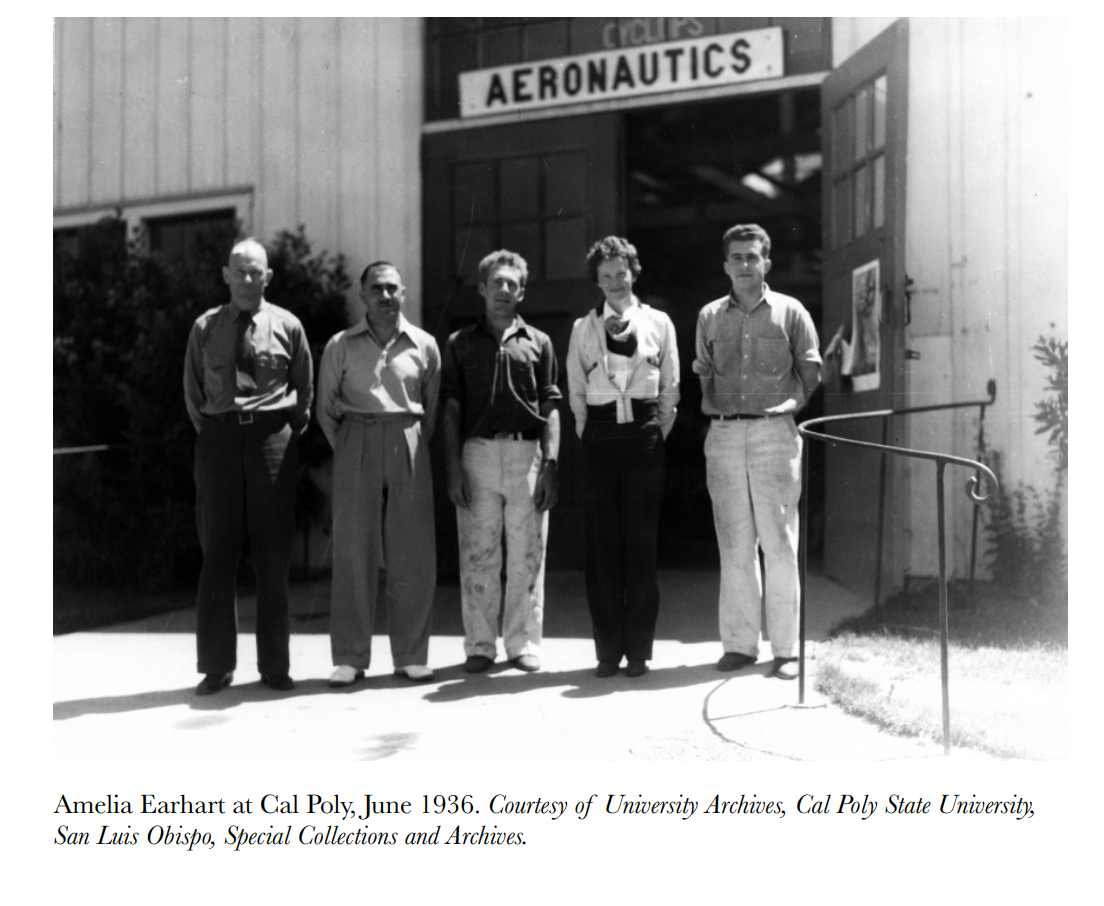
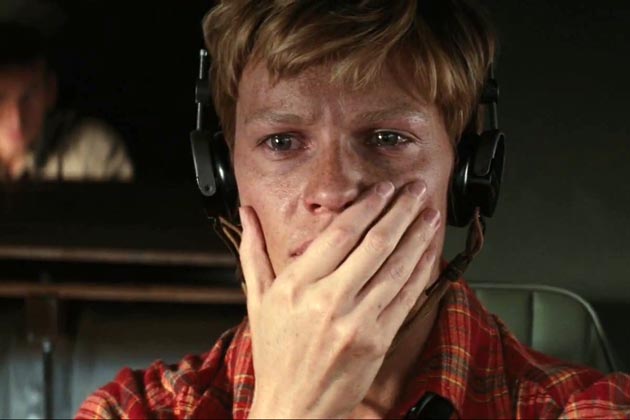
My AGHS teaching partner and dear friend Amber Derbidge (we both love airplanes) once loaned me her DVD of Amelia, the movie bio of the aviator’s life, and it just happened to be on the TV again yesterday and I got all misty-eyed again and damn if she and Fred Noonan didn’t disappear again. It happens every time. What’s haunting are the stories that seem authentic, about people who reported hearing Amelia’s voice over their short-wave radios for weeks after the Coast Guard lost contact with her.
In the movie, Hilary Swank’s Amelia knows she’s done for, and she gets misty-eyed, too, as the enormity of her situation sinks in. It’s heart-breaking.
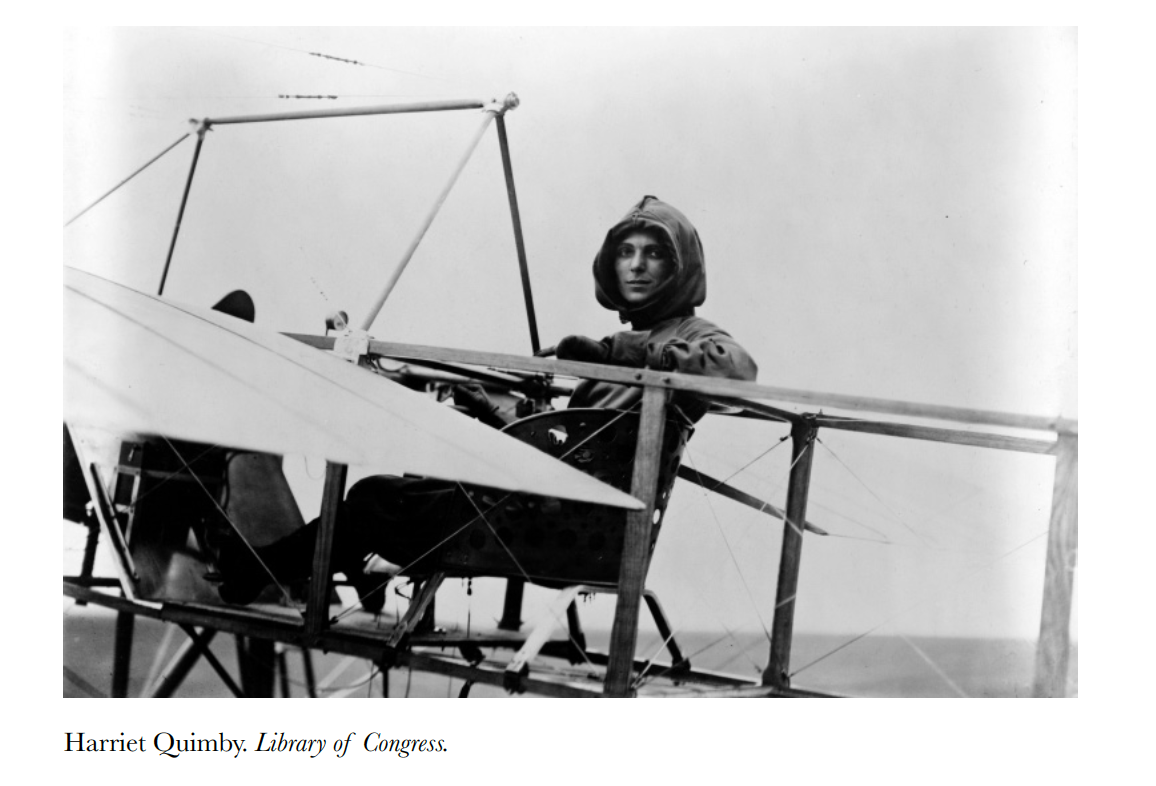
It’s obvious to say that early aviation was dangerous. Harriet Quimby, who claimed Arroyo Grande as her hometown, became the first woman in American to earn a pilot’s license. She was the first to fly across the English Channel in April 1912. In July, she was dead, killed when her Bleriot monoplane flipped and dumped her and a passenger into the ocean near Boston.
Harriet and Amelia and then I learned about Dorothy, who became yet another pilot-hero. She was a WASP. Here’s the story:
Dorothy Rooney died a few years ago at 102. But on Sunday, when I gave a talk on aviation history at the SLO Airport, I met Dorothy’s flight instructor, Elizabeth, once again. No, not her World War II flight instructor, but almost that good. I will try to approximate Elizabeth’s story. (Elizabeth wears little P-40 Thunderbolt earrings, which endears her to me).
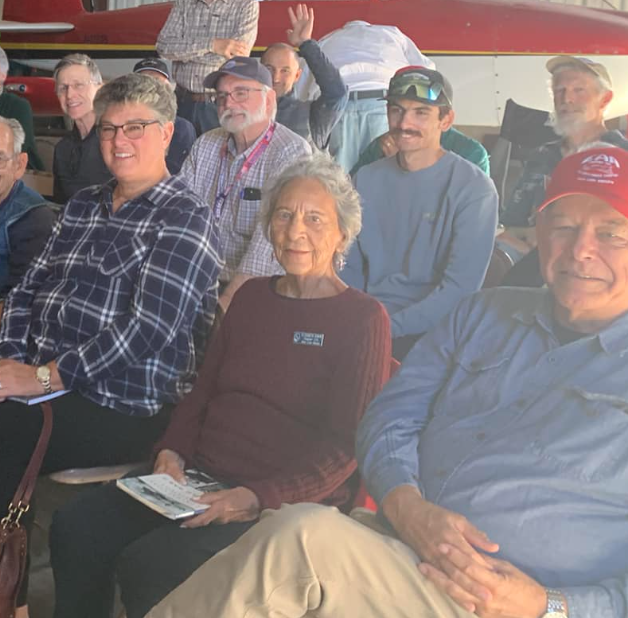
“Are there any female flight instructors here?” an older woman asked Elizabeth one day at McChesney Field.
“Well, I’m one.”
“Can you give a lesson?”
“Sure. When would like to go up?”
“Now. I flew a little during World War II and I just wanted to see if the magic was still there.”
So they went up. After fifteen minutes or so, Elizabeth asked her student, who was, of course, Dorothy May Moulton Rooney, if she’d like to take the wheel.
“Naw.”
A moment passed.
“OKAY!”
For the next forty-five minutes, Elizabeth’s student took the Cessna through its paces, kind of lazy-like.
“Why’s the rudder so sticky?” Dorothy asked.
Elizabeth realized that Dorothy had been used to flying military trainers and warplanes, and the Cessna’s controls must’ve seemed primitive. But she brought the plane in for a landing. It was a bouncy one.
For Dorothy, the magic was still there.
“Can we do this again?” she asked Elizabeth. Elizabeth nodded. That began decades of friendship.
But it took awhile to work out Dorothy’s landings. Again, it was because of the warplanes she’d flown–the approach in a powerful plane is much steeper and more abrupt as the pilot brings it home. After awhile, Dorothy learned to make her approaches shallow enough so that the landings were almost as smooth as the happy moments the two spent in the air.
Here’s a wonderful SLO Tribune story about the group, the 99s, that Elizabeth’s part of—you’ll recognize her by those earrings— and what makes this old geezer (me) happy is to see how many young women are becoming pilots.
 A Work in Progress