
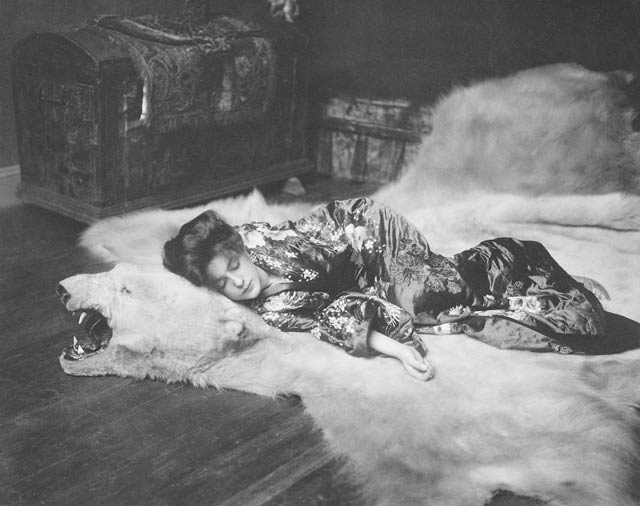
If you thought that something prurient was going to follow, you are wrong. Got your attention, though, right? And we shall return to Evelyn in just a moment. And yes, she was lovely, That was the problem.
I used to show, in my AP European History class, several episodes of The Day the Universe Changed, from the 1980s, narrated by English science historian James Burke, and this is why: He thinks like me. I am nowhere near that bright, but a typical episode of Day would take the viewer inside a French teaching hospital and then to Philadelphia, where Benjamin Franklin more or less invented hospitals, then to London laid low by cholera (the Thames stank so badly that Parliament’s window shades were soaked in lime chloride and then lowered), then to William Farr and the invention of London’s system of intercepting sewers and then to the Victorian mania for clean water (European spas) and for Victorian manly sport at British public schools and then you were back at the French hospital. He then tied the package. All these disparate events were connected. In fact, Burke who, thank God, is still with us, had an earlier show with that precise name: Connections.
Burke would stop only occasionally, to make himself a cuppa tea.

I think I enjoyed him so much because I recognized a kindred mind. And, mind, I am NOT saying that I’m as smart as James Burke. What I’m saying instead is that I think like him. I am not and never have been a linear thinker, moving from point A to point Z while shattering all the letters in between to finish my quest. Nossir. Nossirreebob.
I think laterally: I start with point A and that reminds me of something that happened to point Q—oh, and do you know that points Q and D are first cousins? and then to point R, because R was D’s tutor when she was a little girl. Eventually, we get to point Z and (most of the time) we finish our quest. But, if my mind were a Greyhound bus, it’d be a local, not an express. There are too many stops to make and things to see before I get to my destination.
Or, to put it another way, if my mind were a street, it’d be Lombard in San Francisco.

Allow me to use an example. Ahem:
Yesterday I read a friend’s post that cited the West Los Angeles Veterans’ Hospital. I remembered that it was once called the Sawtelle (after the boulevard) Veterans’ Home. Two of Arroyo Grande’s Civil War veterans, Medal of Honor awardee Otis Smith and Morris Denham, whose home still stands on Ide Street, were patients there–as were many other South County veterans–but they were called “inmates,” which gives you an idea of how they were treated. “Prunes, toast and tea,” one of them sighed. “I know exactly what they’ll give us for dinner.”
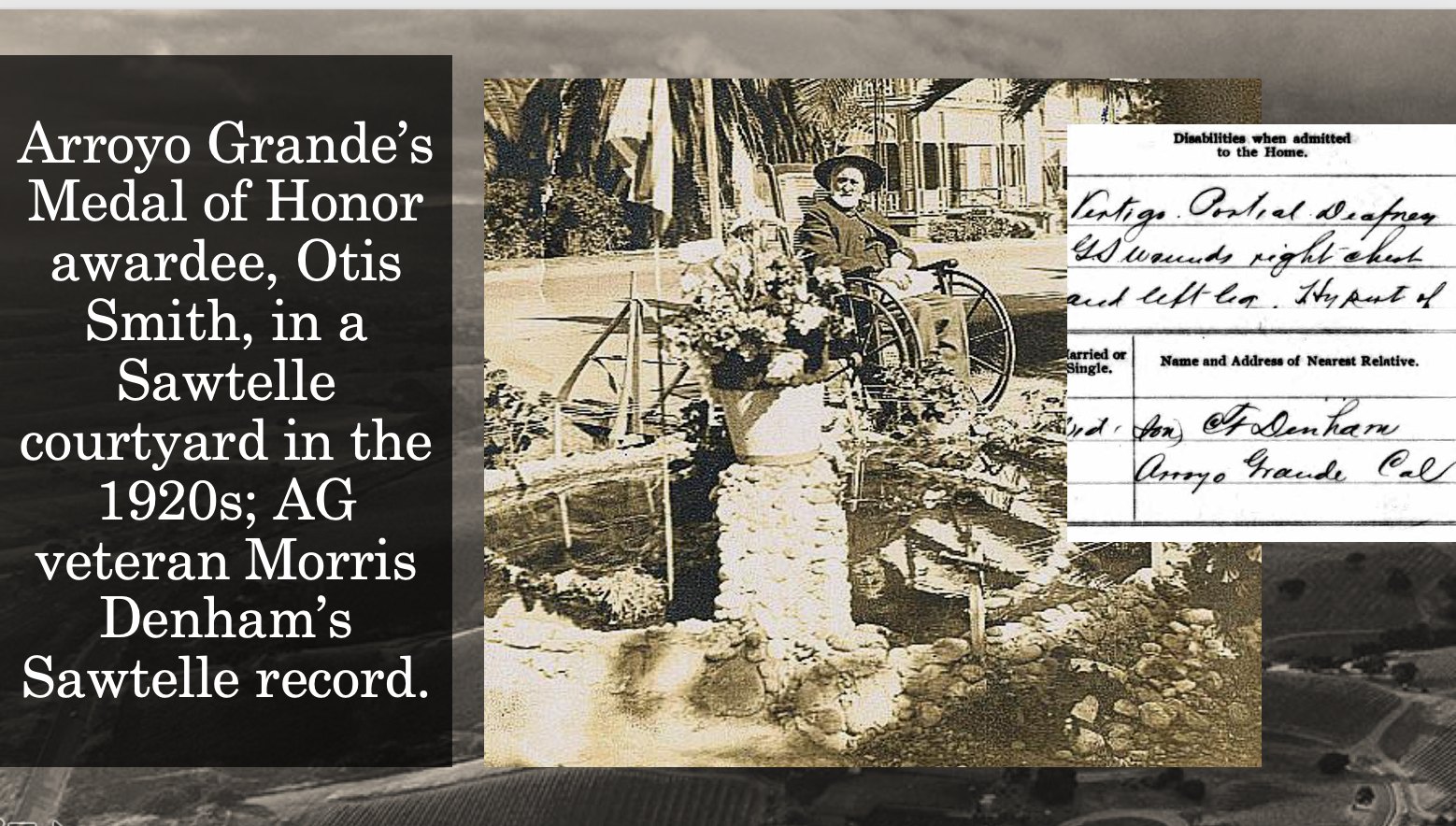
But Sawtelle looked beautiful because it was designed by the superb American architect Stanford White.
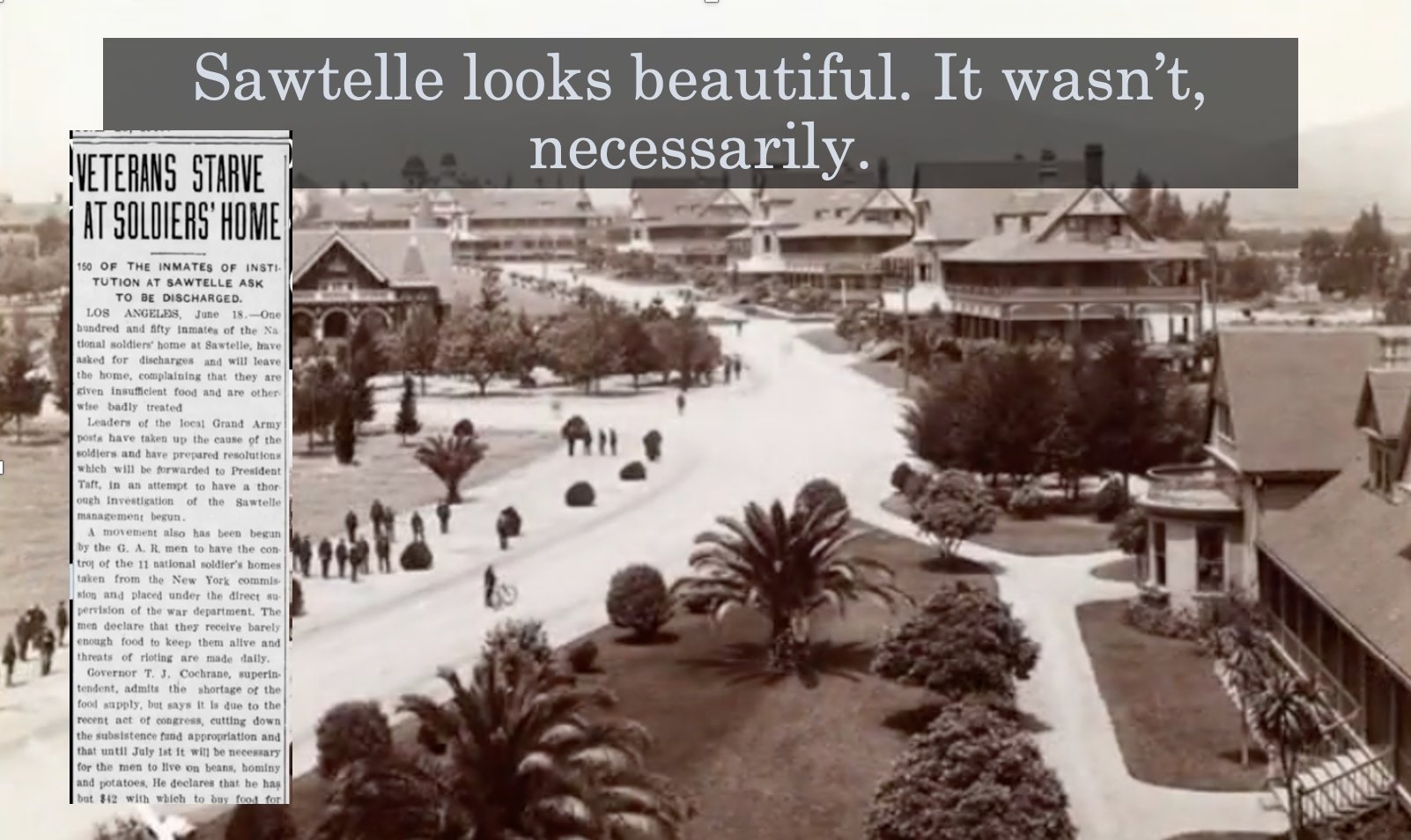
Superb American architect Stanford White was a creep.
He did what we might call a “Bill Cosby” on up-and-coming model and showgirl Evelyn Nesbit. That is, he drugged and raped her. He was 48. She was sixteen. She would go on the become the archetypal “Gibson Girl.” White would go on to become richer and famouser. And deader.
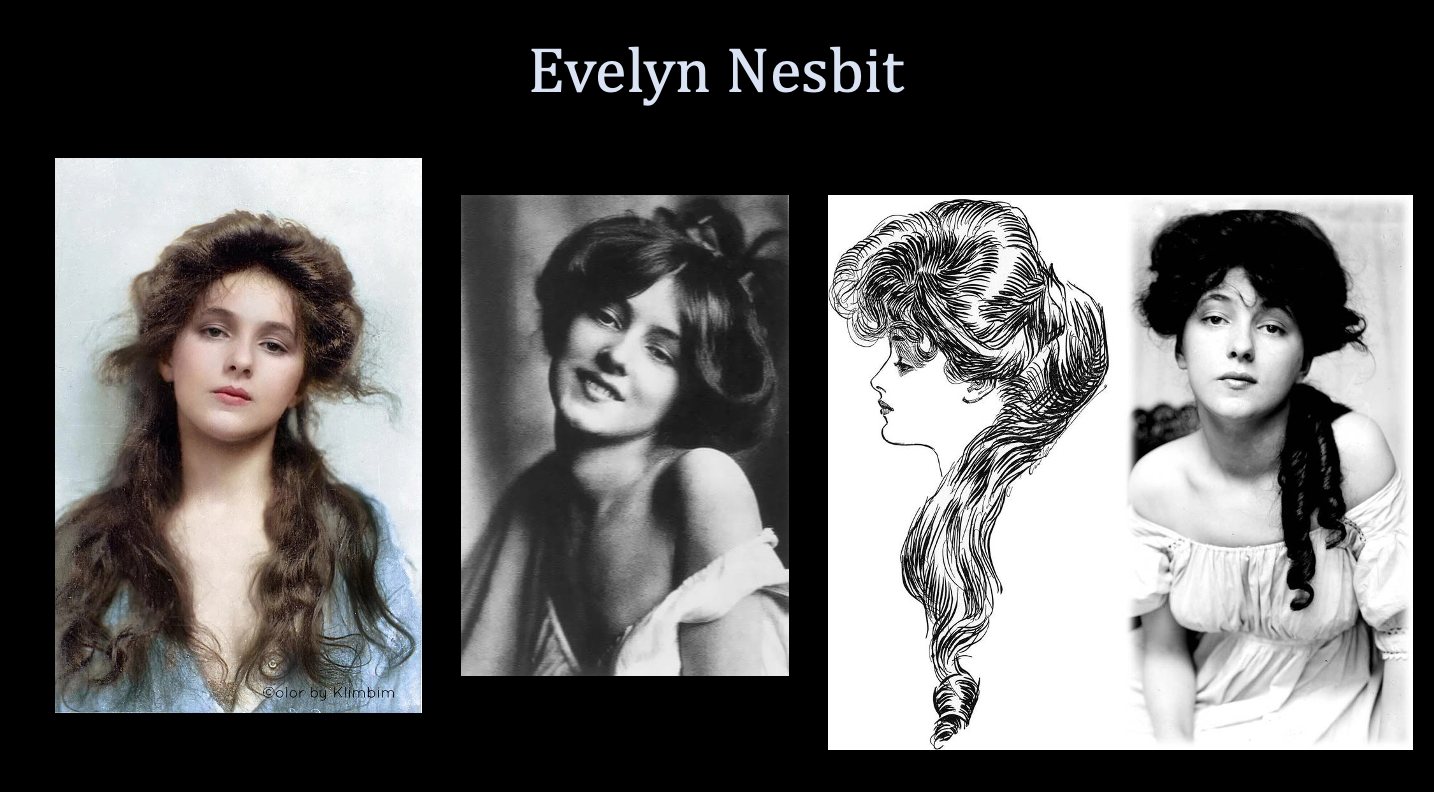
Nesbit later married the mercurial Harry Thaw. Both Thaw and White were attending a 1906 show at White’s Madison Square Garden. During the song “I Could Love a Million Girls,” Thaw, after bellowing “YOU RUINED MY WIFE!” shot White three times at point-blank range.
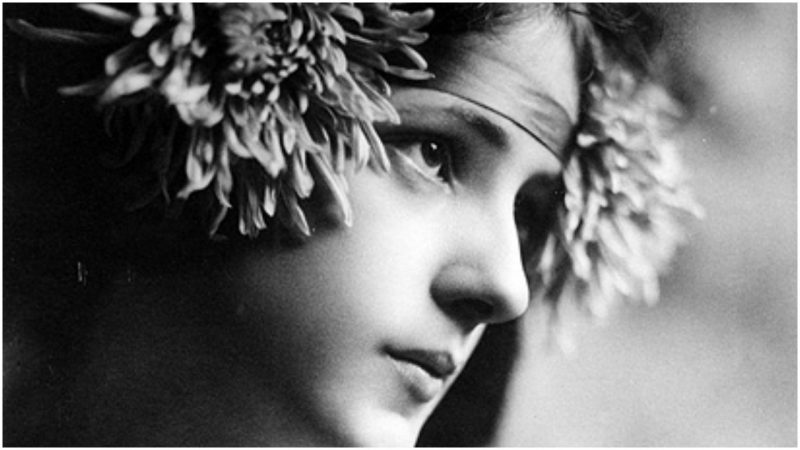
White died. Thaw went to prison. Good for them.
Evelyn lived to be 82, by which time I don’t know that she’d learned anything more about men than she’d known when she was sixteen.

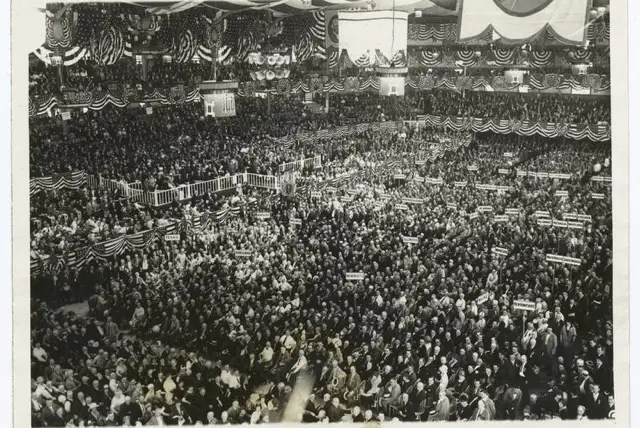
And eighteen years after the murder at Madison Square Garden, my grandmother was a delegate to the Democratic National Convention, held inside the Garden in sweltering heat. Unless she had the good luck to find a bathtub full of ice, she would’ve had the chance to hear young Franklin Roosevelt, struck down by paralysis at Campobello, make his comeback by placing Alfred E. Smith’s name in nomination.
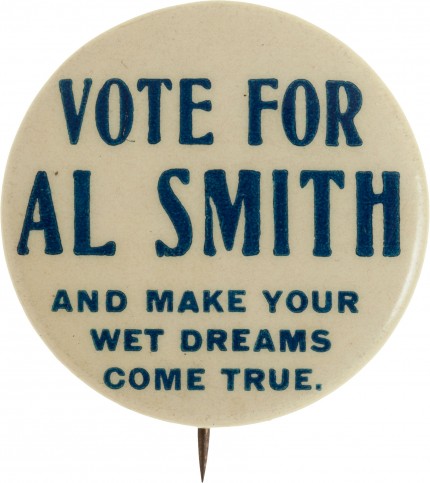
Smith didn’t win the nomination that year, but he did in 1928 and ran against Hoover. Smith was Catholic, which produced a bigoted anti-Smith campaign button, and favored repeal of Prohibition, a plank on the 1928 platform that produced the most salacious campaign button in American history. The button didn’t work, of course, Hoover won what turned out to be, thanks to the October 1929 Crash, the booby prize.

So four years earlier my Ozark Plateau grandmother had fought against the nomination of Smith and for the nomination of a compromise nonentity, John W. Davis, a man so conservative that thirty years later, he argued against Brown v. Board before the Supreme Court. He lost in 1924, and to the effervescent Calvin Coolidge, who had stop taking rocking-chair naps on the White House portico because tourists thought he was dead.
Grandma Gregory got her way, after 103 ballots and twelve days—the longest political convention in American history, in the un-air-conditioned Madison Square Garden of Stanford White.
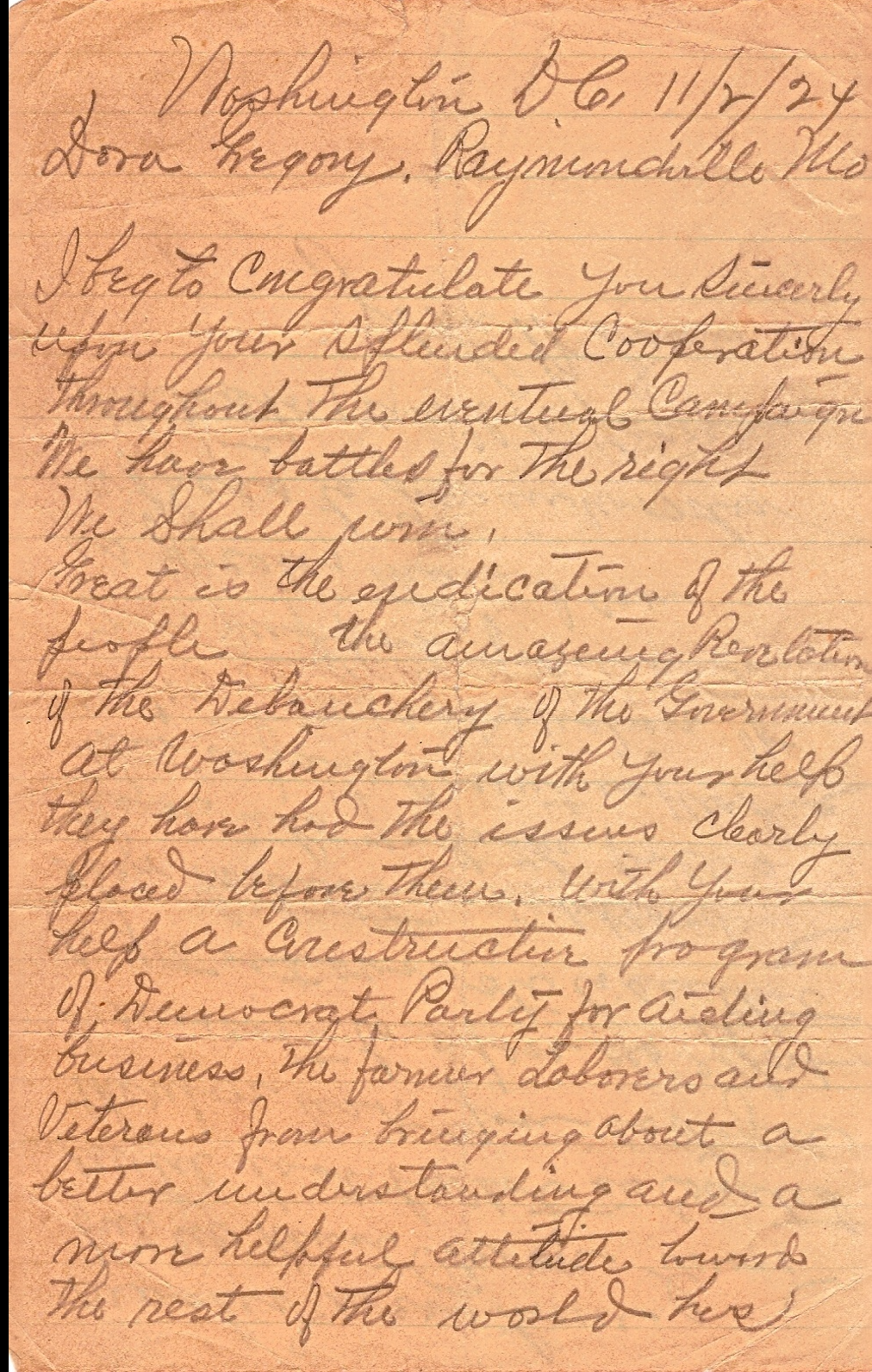
Nominee Davis wrote this thank-you note just before losing the general election. And so the debauchery of government continued, although certainly not on the scale of recent years.

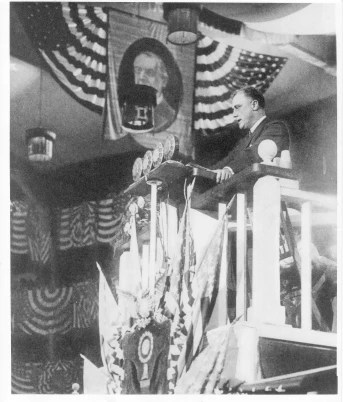
Maybe Grandma Gregory knew about the Stanford White story, but she would have no use for him, anyway. And not because he was immoral*, but because he designed a hospital for Yankees. She never let a week go by, I’d bet, to remind folks that she was the granddaughter of this Confederate general, James H. McBride, for whom I am named.
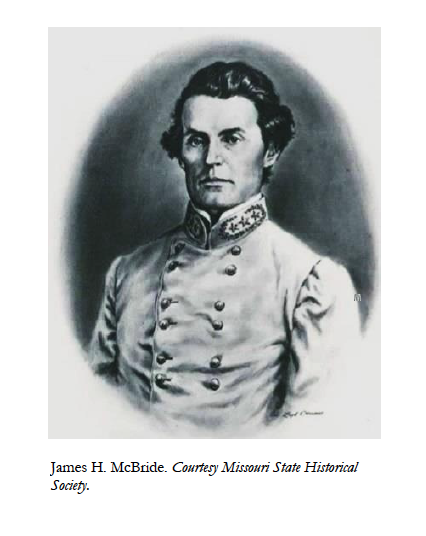
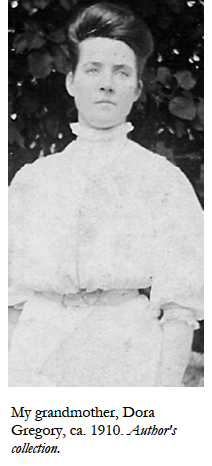
And so, here we are, right back where we started, at the Civil War.
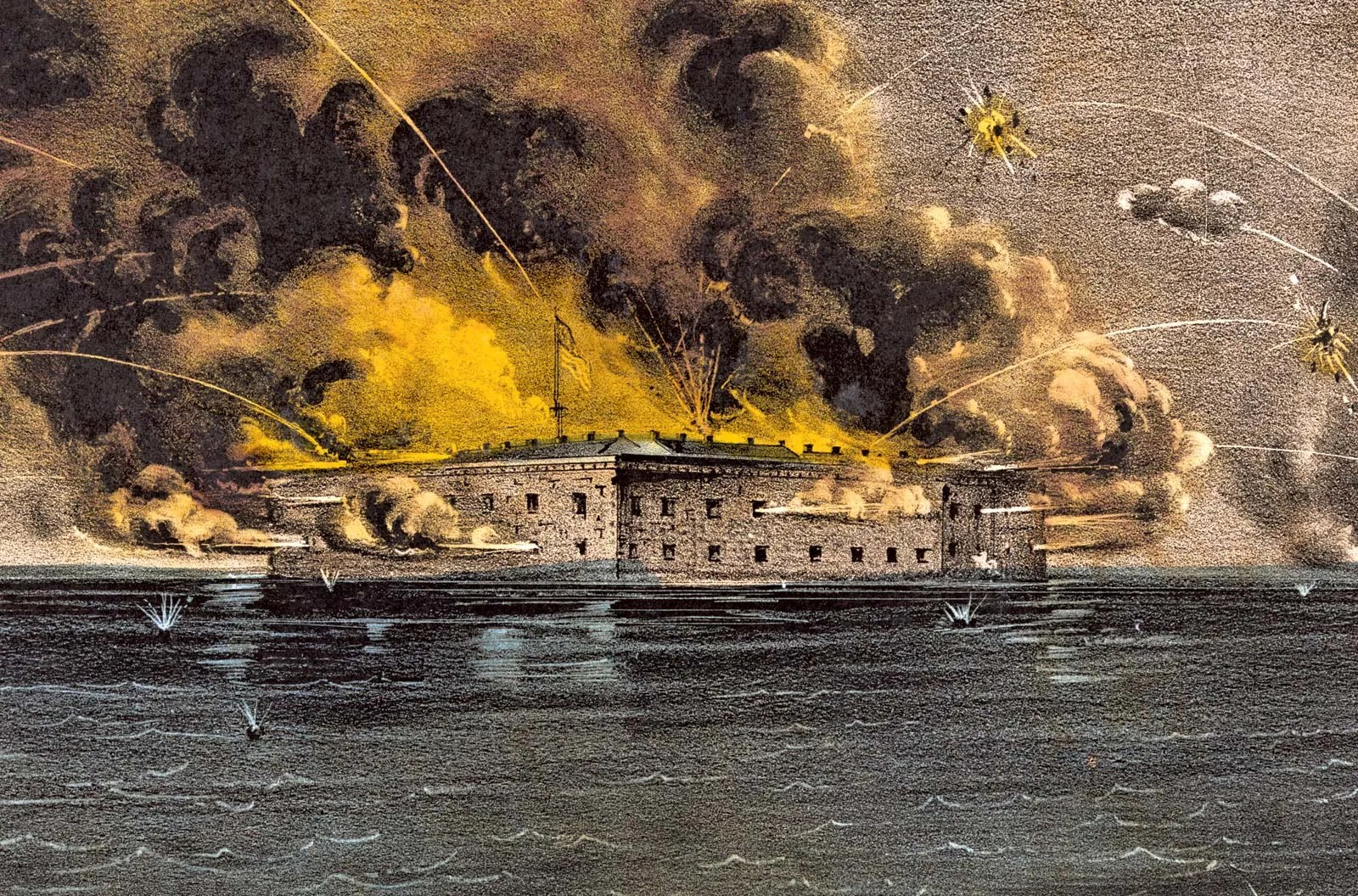
*However, she was Church of Christ. St. Peter was showing a newcomer around Heaven when he suddenly shushed the lucky arrival. “Why do we need to be quiet?” the newcomer asked. “This is the Church of Christ section,” Peter replied, “and they think they’re the only ones here.”
 A Work in Progress