Tags
When I was little, we had a reflecting telescope that we’d set up in the back yard of our home on Huasna Road, before the city lights crept east to obscure the sky. You don’t mind the cold when you can see the lips of craters or the jagged mountain-tops on a Moon that wouldn’t be visited for five more years.
I’ve written, too, about getting home from long trips—say, to Dad’s nephew John in Glendale or to his mother Dora, in a Bakersfield rest home– climbing wearily out of Dad’s 1958 Oldsmobile 88, and the Gregory kids staring, open-mouthed, at the vastness of the Milky Way above us.
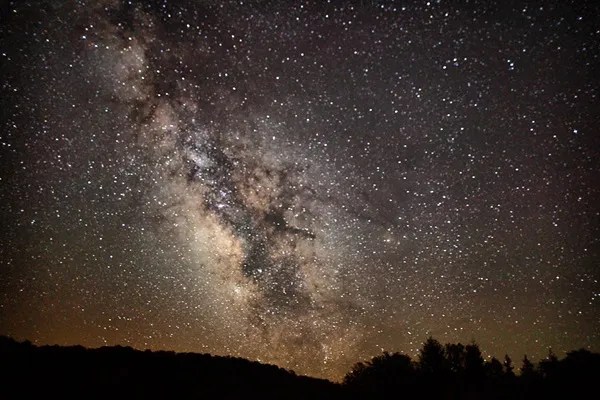
Elizabeth and I bought a ’78 Westphalia VW bus, with the pop-top roof, and I miss it so much because camping overnight at Lopez with our boys reminded me of how beautiful the stars are.
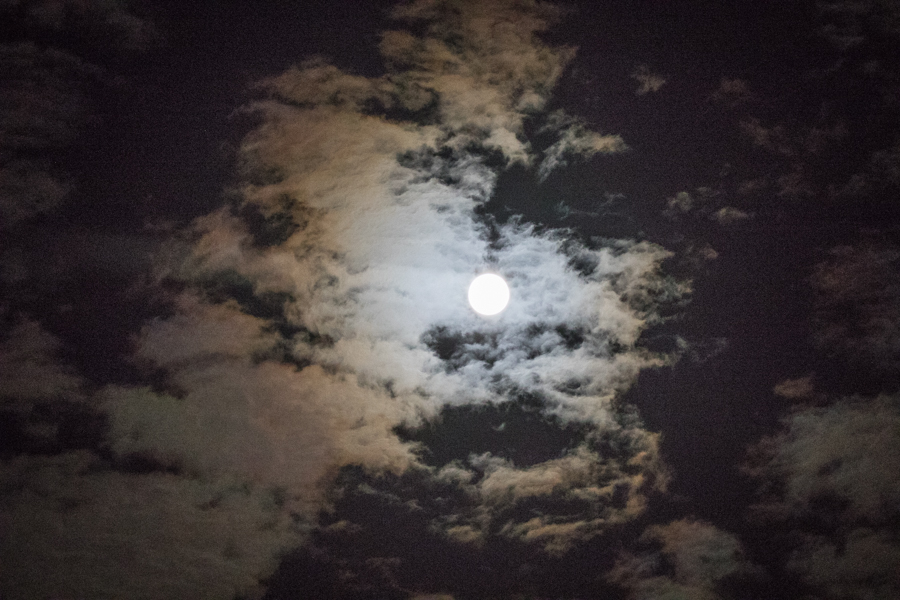
And tonight, it’s moon-bright with scudding clouds, which I discovered while taking out the recycling. How mundane. But then. since I love history so much, I thought about these things.
The Northern Chumash, the yak titʸu titʸu yak tiłhini (ytt) people, take their name from the Moon. They were sophisticated astronomers. The time has just passed, the Solstice, when they prayed fervently and sang songs that urged the sun to return, and it always did, which meant that steelhead trout likewise would return and so would mule deer and jackrabbits, and so, too would the oaks—old even then—as they began again to drop the acorns that became the bread of the ytt people. Maybe their prayers sounded like these ytt people from three hundred years later:
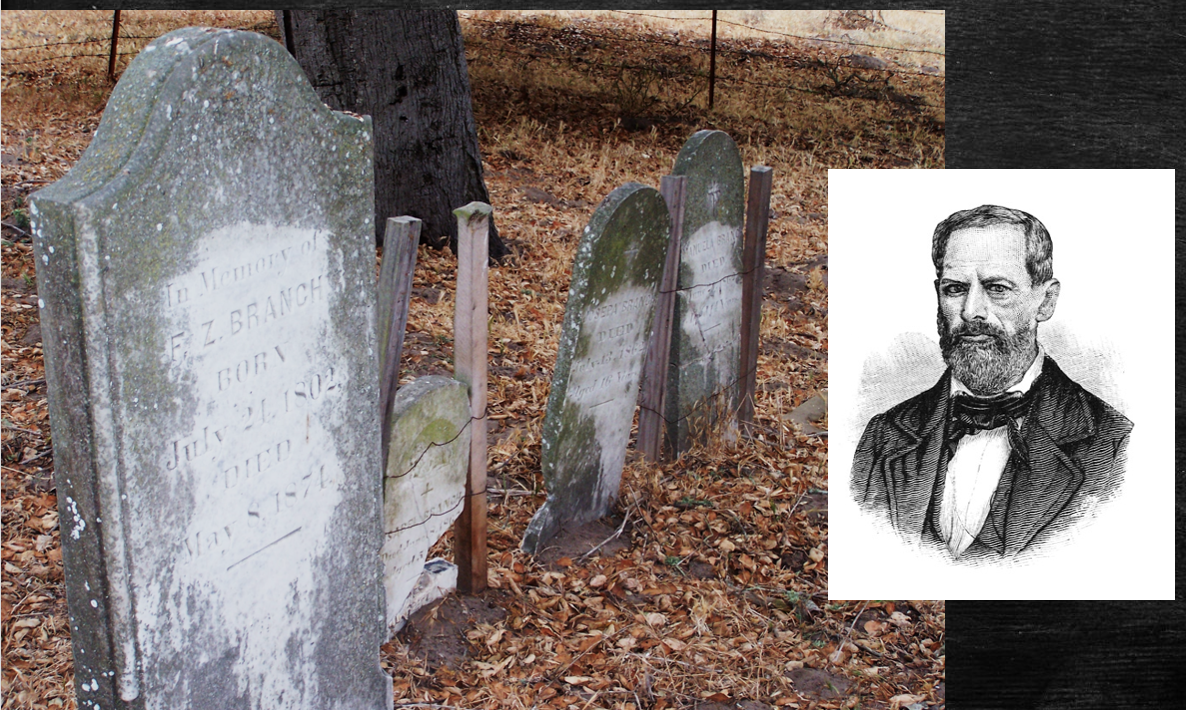
In 1862, Francis Branch rode hard from San Francisco to Arroyo Grande on receiving word that his little girls were sick. He might have seen a moon like tonight’s on that ride. By the time he arrived at Rancho Santa Manuela, in the Upper Valley, exhausted even for a man of his energy, three of his girls were dead. They are buried next to him. If the Moon had been anything like tonight’s on that ride south, he would never see it on nights like tonight without missing his daughters.
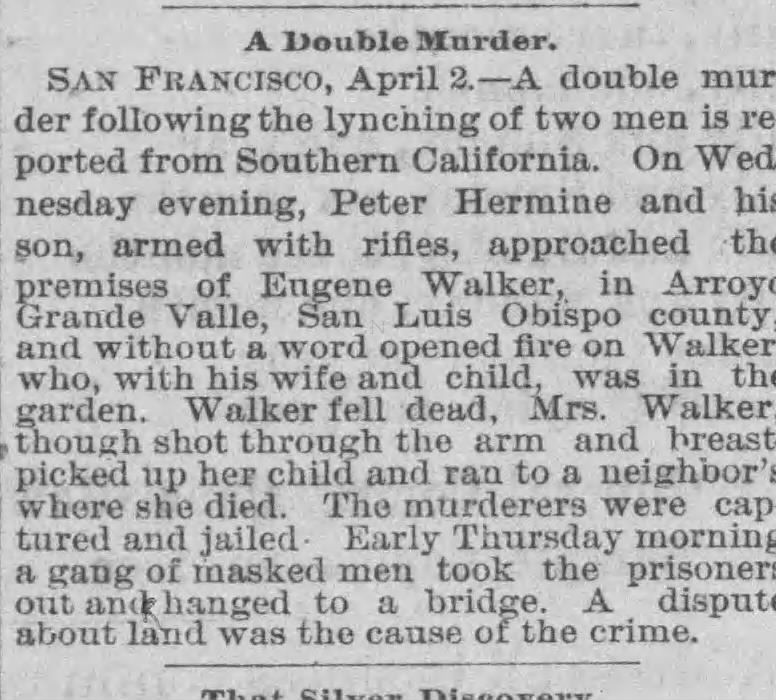
The Moon wasn’t like tonight’s at all on Wednesday, March 31, 1886. That would have suited the men with handkerchiefs over their faces fine, because their work was done best in the dark. That was the night they lynched a father and son, suspected killers, from the Pacific Coast Railway Bridge over Arroyo Grande Creek, near the foot of Crown Hill. Schoolchildren found the bodies the next day—April Fool’s Day—as they walked to school.
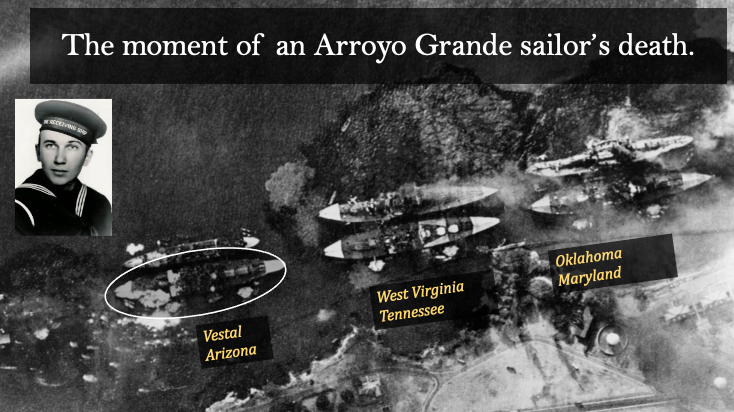
But the Moon would’ve been this bright on the night of December 7, 1941—it was 93% illuminated—as it is tonight. Little boys that night might have seen Japanese attack planes in the shapes of the scudding clouds, and they would have seen their imaginary foes easily everything else was was so dark. The blackout had been announced, with the same terrifying urgency as 1938’s radio broadcast of War of the Worlds, and then the Pacific Coast stations, including San Luis Obispo’s KVEC, went off the air. For little boys, what made that night terrifying is that the only inside light came from the big family radio’s hot vacuum tubes with their brightness creeping out from the shutters in the big radio’s cabinet, the only light in a darkened home. At the same time, the only sound, for a family deep in shock from the news, came from radio announcers, who were saying that enemy planes, phalanxes of them now, were headed for San Francisco.
If you, as a little boy, went outside your darkened home, you could wait for them to appear, which they finally did, if only in your imagination, and they were vivid there, in the guttural rumble of a thousand Mitsubishi 14-cylinder engines, as they turned in vast squadrons, one to the north, the other to the south, to devastate the big cities of you’d known, San Francisco and Los Angeles, on family trips in the big Ford your father drove.
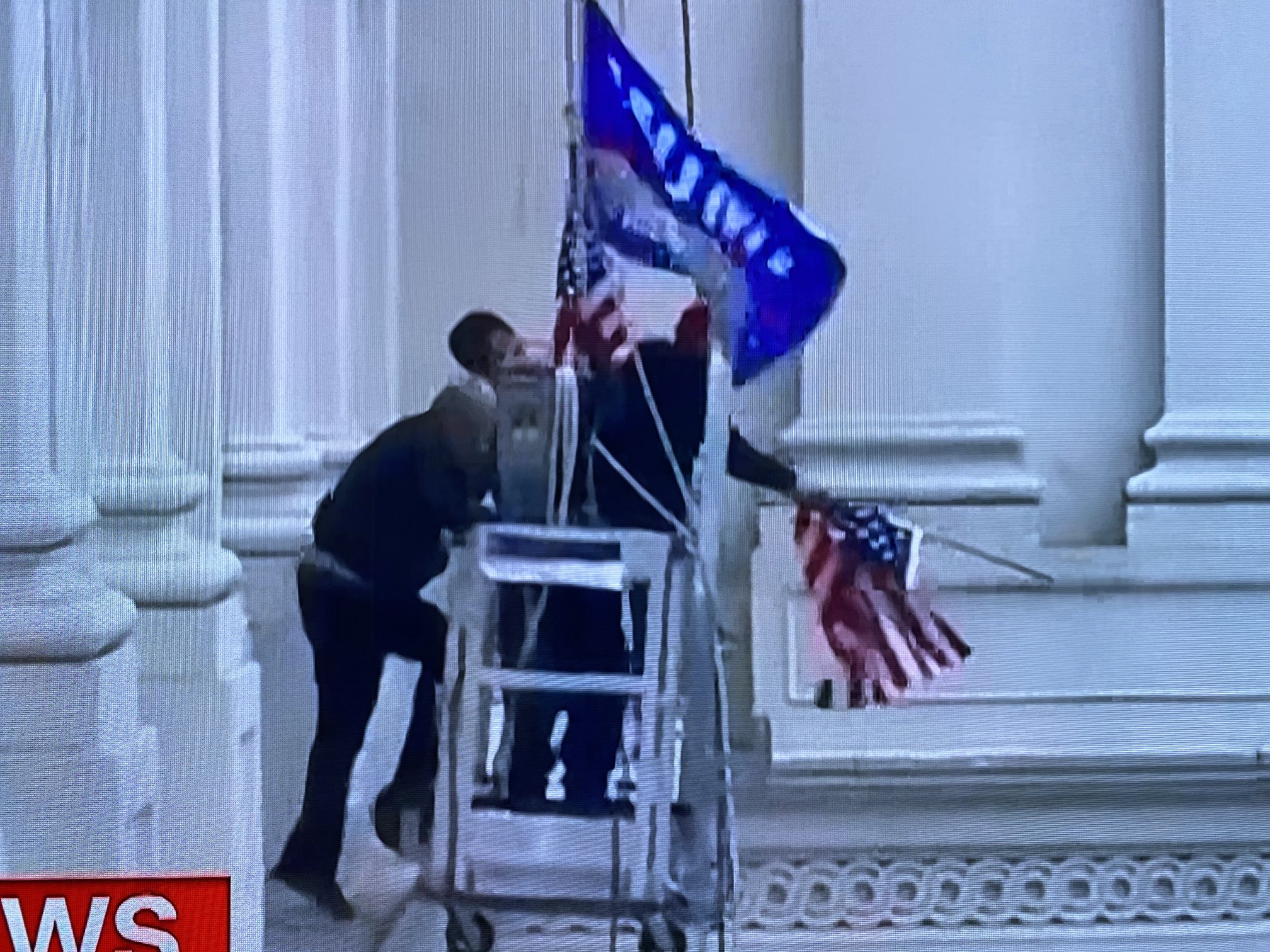
And so that Moon has come back to me tonight. We are in no less danger tonight than we were on the night of December 7. Evil forces intend to harm us, capitalizing on the very real fear that our government has abandoned us. We are in no less danger tonight than we were on the night after the December 7 attack or in the morning dark when the cannonade of Fort Sumter began in April 1861.
But in my momentary pause to regard the Moon tonight, in perfect silence, as Whitman once wrote, brought me comfort. Its brilliance will never leave us. Now it’s time to understand that we can never leave each other, even if our affection for each others waxes and wanes as surely as does the Moon.
Francis Branch’s America had already come apart by the late summer of 1862, when he learned about the smallpox that threatened his little girls. What he needed to focus was beyond politics, he was instead fixed on the road ahead in the dark ahead. His horse’s breathing was labored and his own breath would have struggled to keep up with his effort. He had to fight the pain in his back and his thighs and in the soles of his feet, trapped in their stirrups. He was riding hard to come home, in the light the Moon offered him, to the people he loved.
 A Work in Progress