

Thomas and I were among many guests at the Palm Theater for a screening last night, courtesy of the theater owners and also David and Naomi Blakely, because David’s father, Everett, is among the fliers featured in this Apple TV Spielberg/Hanks miniseries.
David was a warm and generous host and, best of all, his Mom, now 101, joined us along with other heroes of mine, including Dan and Liz Krieger, writer Tom Fulks, fellow historian and fellow TR fan John Ashbaugh, military historians Erik Brun and Preston King, the Central Coast Veterans Museum’s Bart Topham and world traveler/radio correspondent extraordinaire Tom Wilmer.
Thank you, David and Naomi.
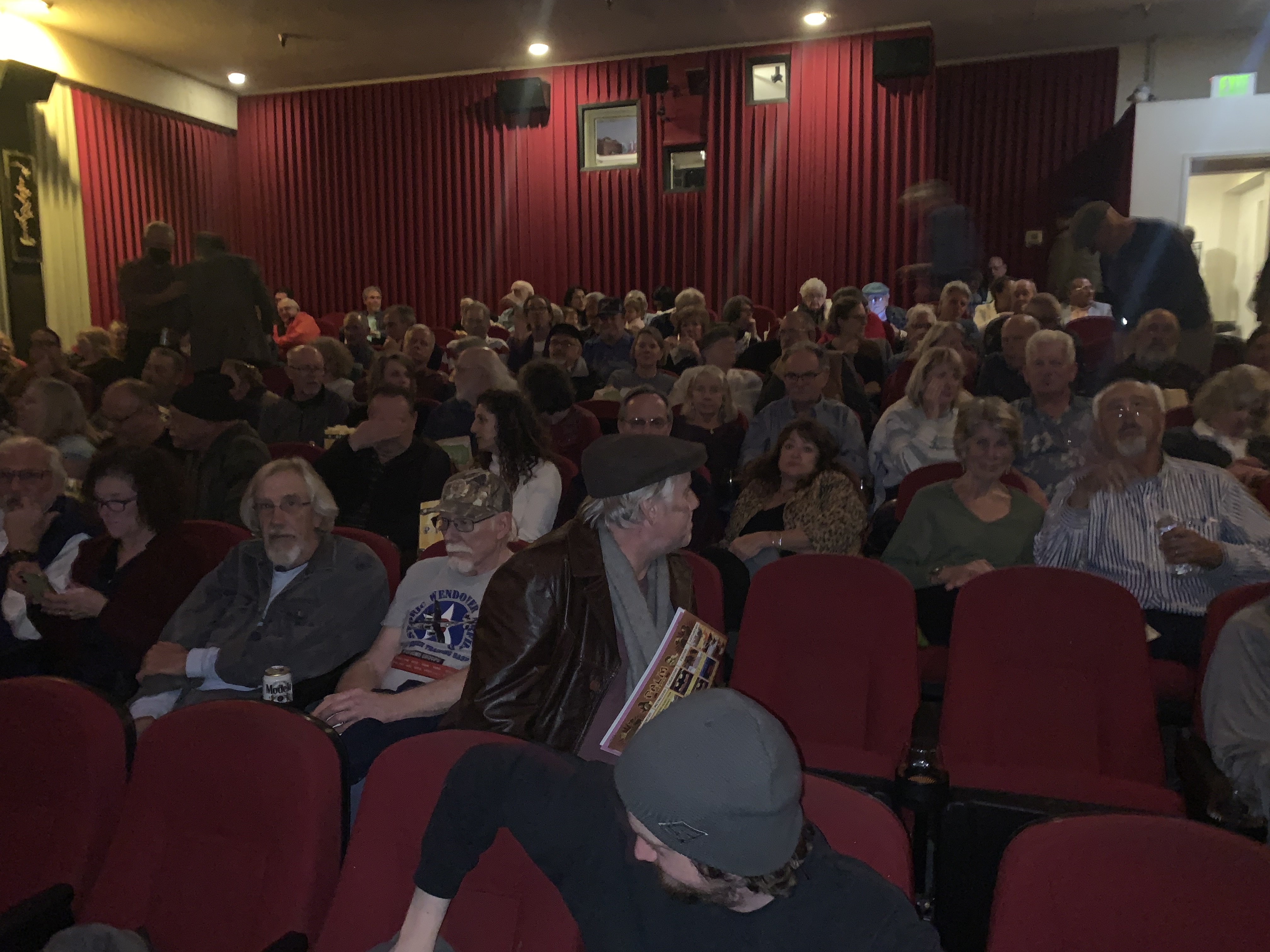

As to the miniseries—we saw the first two episodes—it was excellent, beautifully photographed, by turns harrowing, inspirational and funny, and it was all about men who in their late teens or early- to mid-twenties who fought a war that was unbelievably dangerous. We saw airmen wounded—including from frostbite— in last night’s screening. I was reminded that for every American infantryman killed in World War II, three were wounded. For every American airman wounded, three were killed.
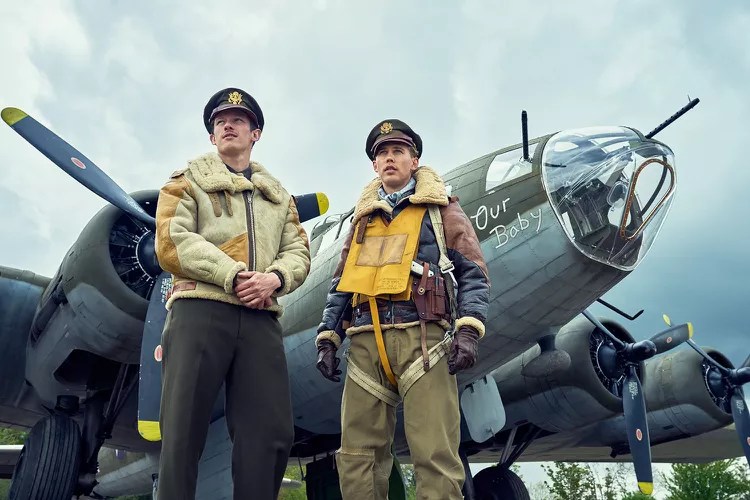
Two friends are at the heart of the first two episodes. Major Bucky Egan (Collum Turner) is mercurial, a grand and extravagant drinker, whose anger comes explosively. His friend, Major Gale “Buck” Cleven (Austin Butler, Academy Award winner for Elvis) is stoic, reserved, unbelievably cool under fire. It’s the same kind of dynamic that made Kirk and Spock and many years later (the film based on O’Brian’s novels, Master and Commander) Aubrey and Maturin work so well.
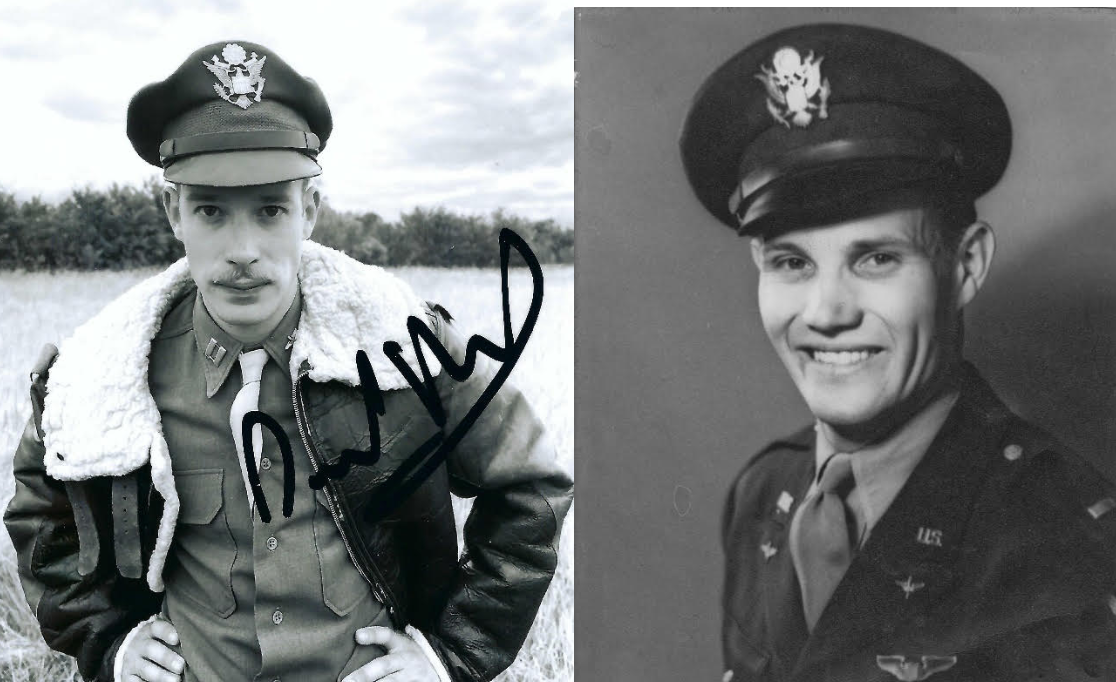
And, even though he was hidden behind his oxygen mask, there was Ev Blakely, the kind of man who, in later years, worked in the shop in the garage of his San Luis Obispo home to help Boy Scouts finish their Eagle projects or boys and girls build Christmas gifts for their parents. He was a warrior with a heart called to service, including to children.
There were many things that struck me about the showing, and I was profoundly touched by them. In no particular order:
Grommet: The wire that gave an officer’s hat its stiffness was removed in the Army Air Forces. You couldn’t get your headphones around a grommetted hat, but the unintended side effect was a kind of rakish look that, I guess, charmed young women, and U.S. Army officers in World War II already wore uniforms that were so handsome that the Army has recently brought them back.

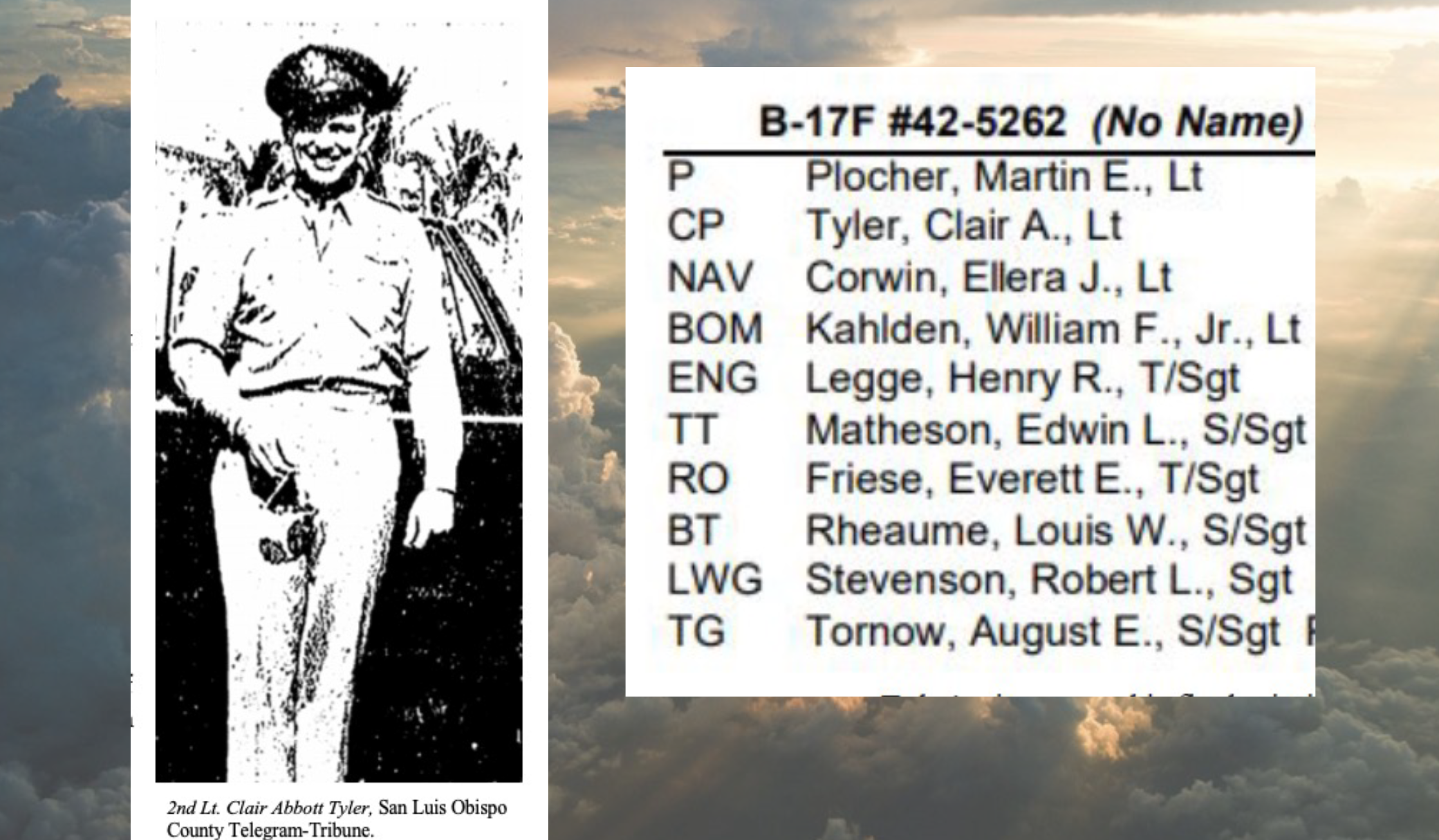
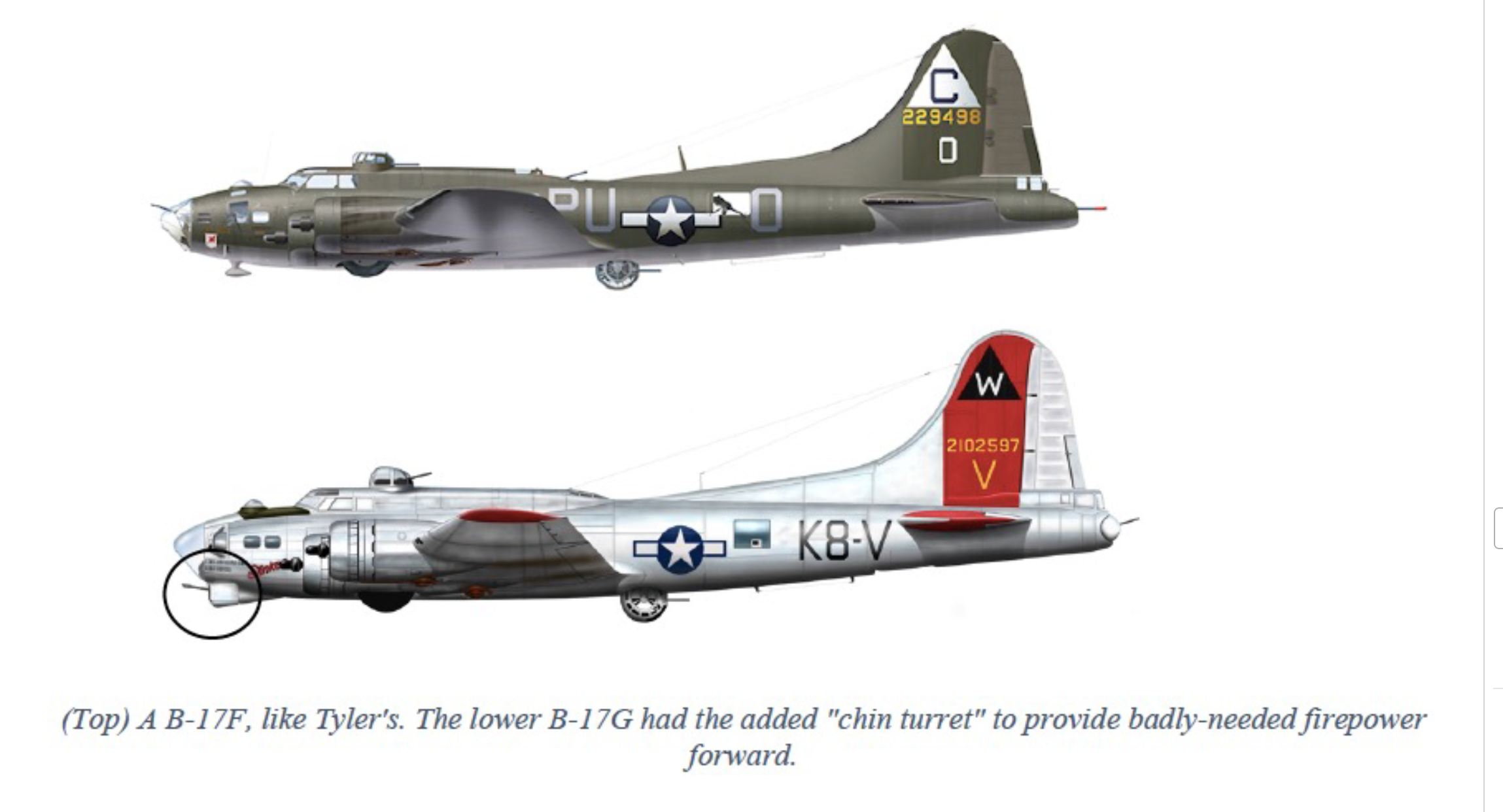
The B-17F’s weakness: Masters is set early on in the American air war, in 1943, and Ev Blakely and his fellow pilots flew the B-17F, a superb airplane with a fatal weakness: Only one machine gun in the plexiglas nose. So German fighter pilots learned quickly to attack B-17s head-on, and one of our county’s first air casualties, Clair Abbott Tyler, was a co-pilot killed in precisely this kind of attack, from a Focke-Wulf 190 that came out of the sun.

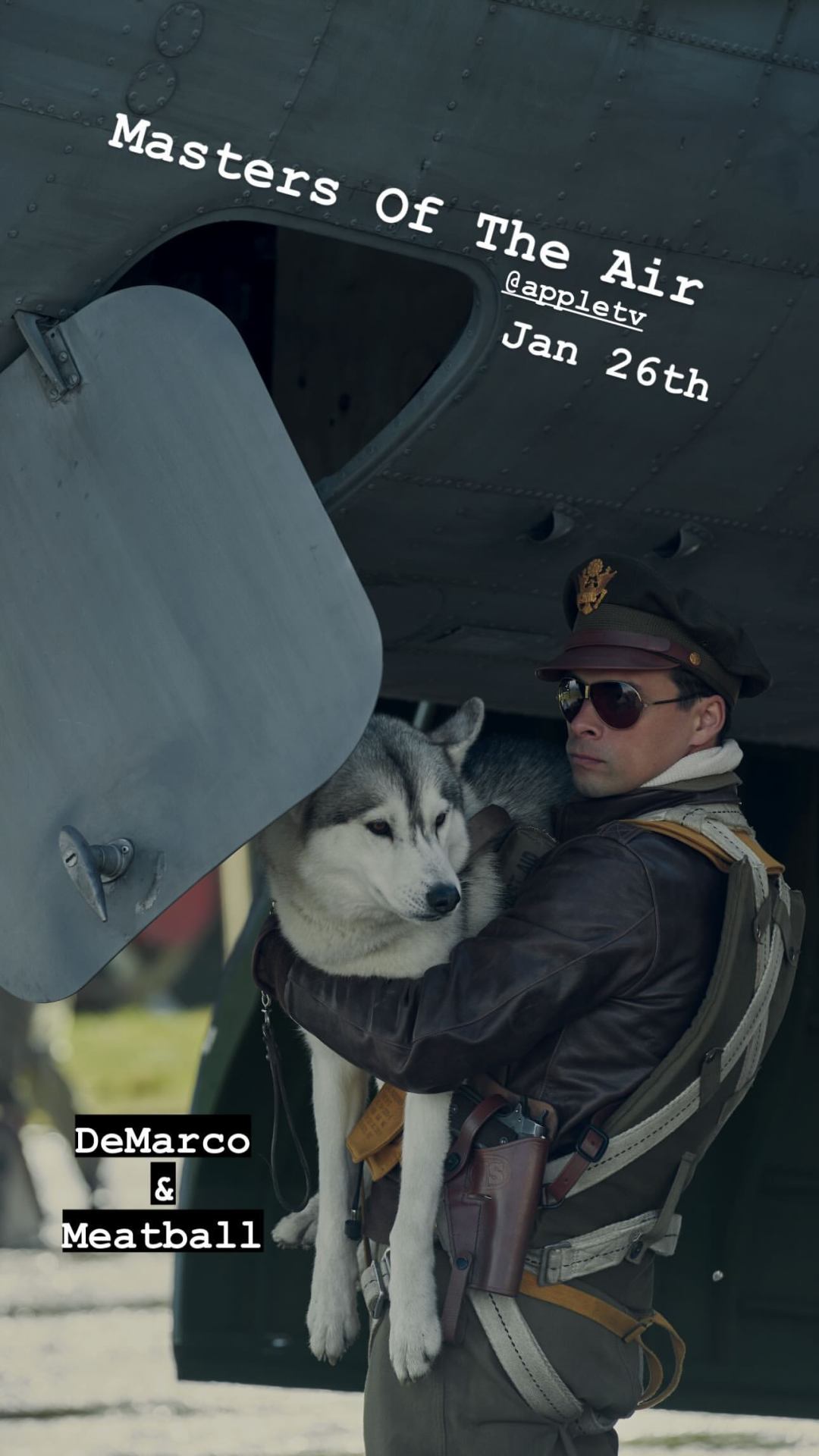
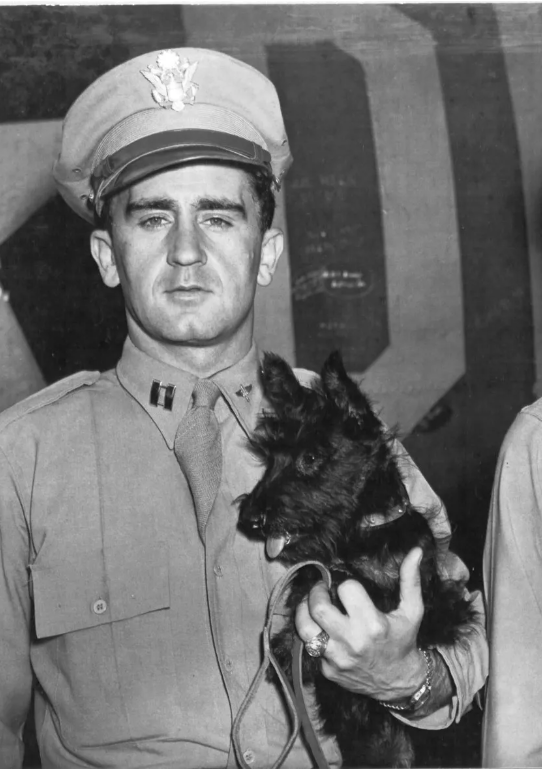
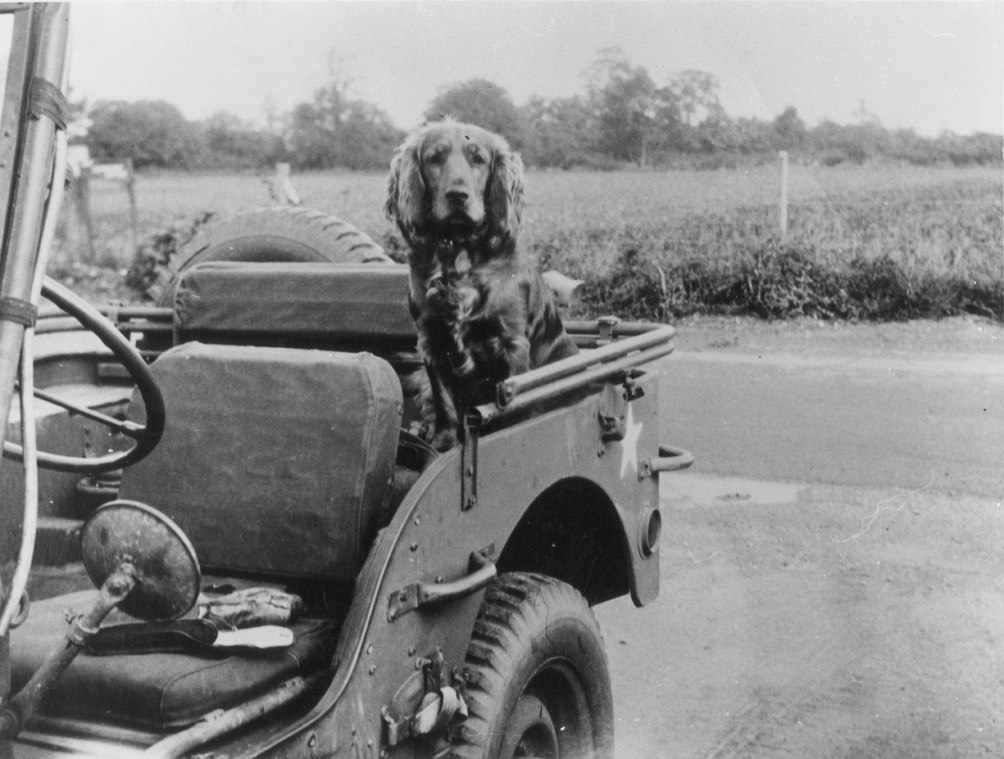
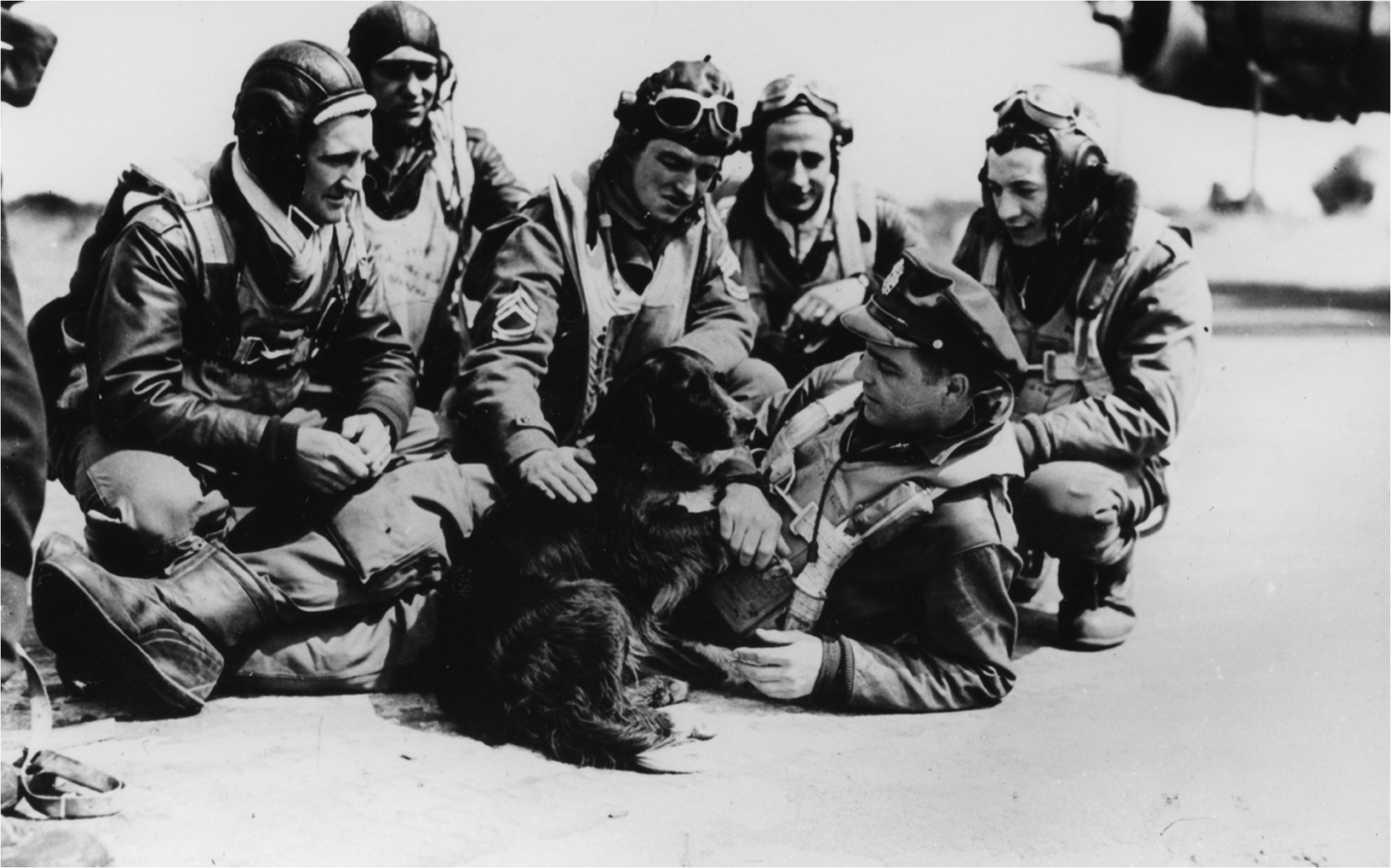
Dogs: Meatball, a gorgeous Siberian Husky, makes an appearance in the first episode. Airmen were devoted to their dogs—one of the most famous, the Scottie named Stuka, was Capt. James Verinis’ dog and the mascot of the B-17 Memphis Belle. She was in a London pet shop window and for Verinis, it was love at first sight. Stuka became a Yank after the war.
The historian for one bomb group told me that dogs not only heard the B-17s coming home first, but ground crews knew an aircrew was safe when a dog became noticeably excited. She’d recognized the individual pitch of her human’s engines. No greater love.
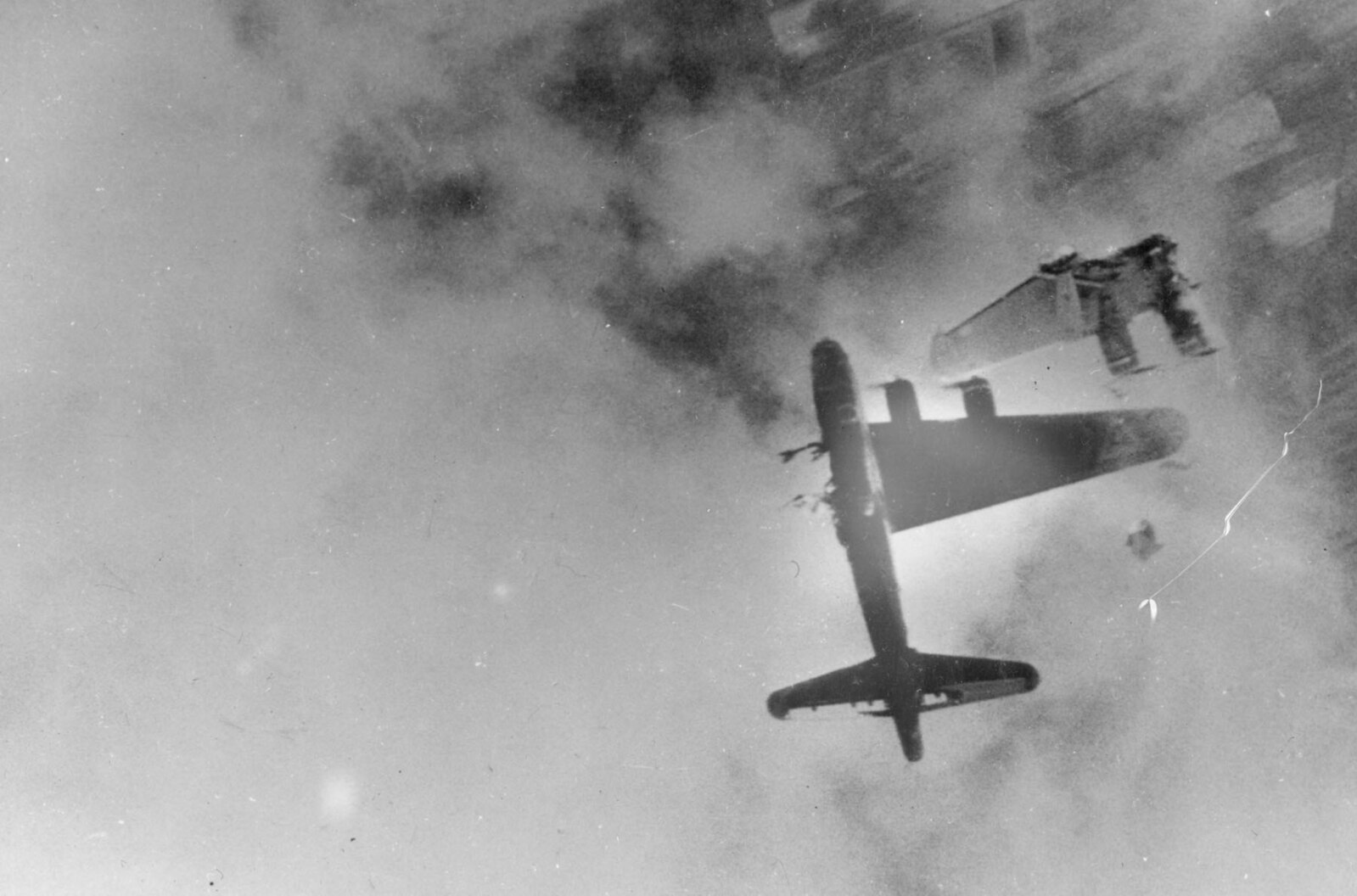
Losing the B-17: Maj. Blakely’s 100th Bomb Group suffered appalling losses—they were the “Bloody 100th”—and as many airmen were killed in World War II as Marines were killed in their deadly march across the Pacific, from Guadalcanal to Okinawa. It’s hard to watch a ship carrying ten young men, all between sixteen (some gunners were also liars in their enlistments) and twenty-two, burst into flames or come apart in midair, even in computer-generated images. On one mission, Henry Hall of Cayucos, saw the following: a shot-up B-17 lazily dropped one of its wheels before beginning its fatal plunge. On the way down, it clipped two more B-17’s and they went in, too. Another bomb wing, off-course and late, came in behind Hall’s and they were pummeled. Ev Blakely’s 100th Bomb Group sent in sixteen B-17s on that mission. Only one came home.
The Target: Two of the 100th’s missions in the first episodes are attacks on German U-boat pens, one near Bremen and another in Norway. The impact of the U-boat on transatlantic shipping was such that in a story that stayed with my father, he gifted a British family with a bag of oranges in 1944. The mother of the family burst into tears. They hadn’t seen oranges, thanks to the U-boats, since 1939.
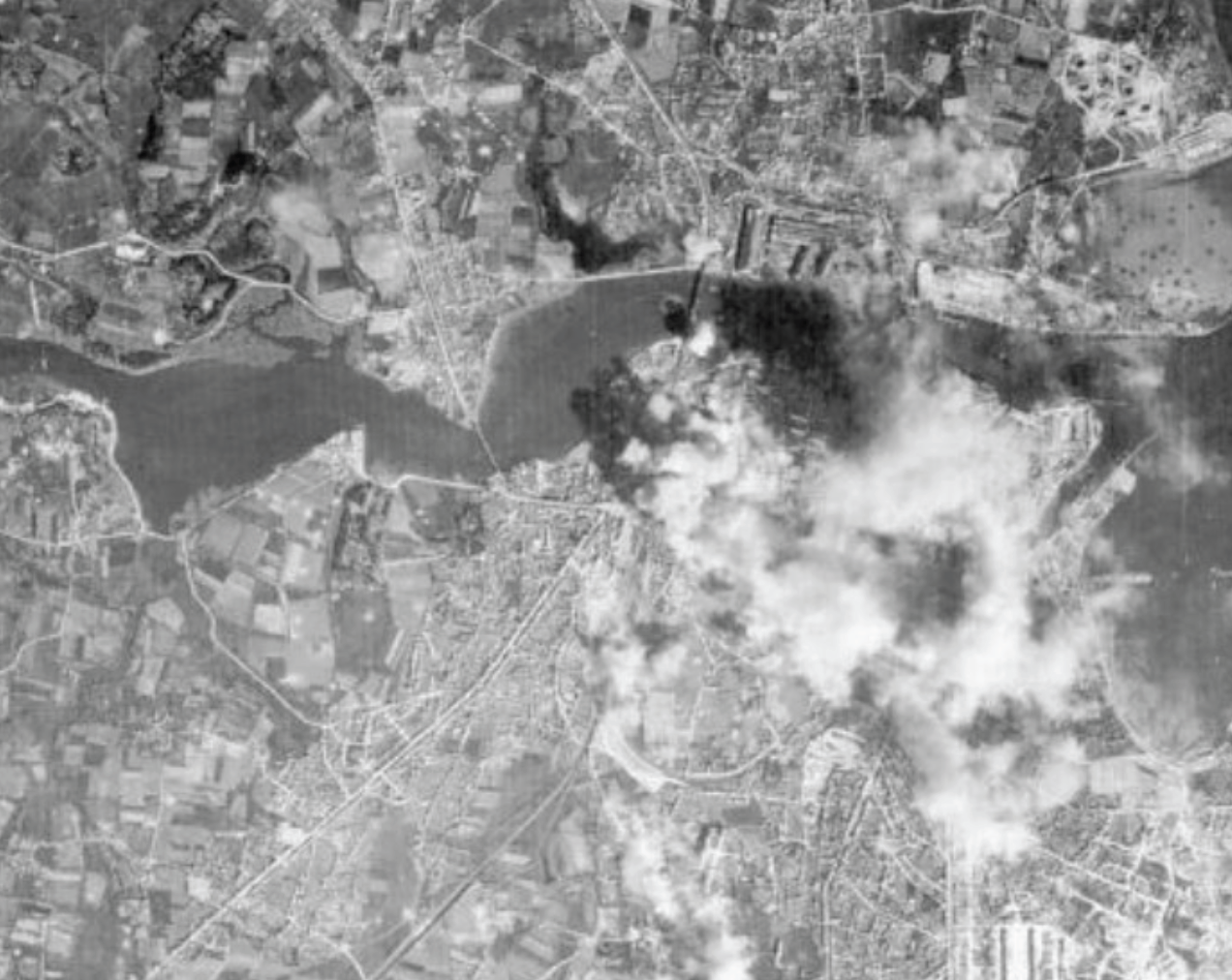
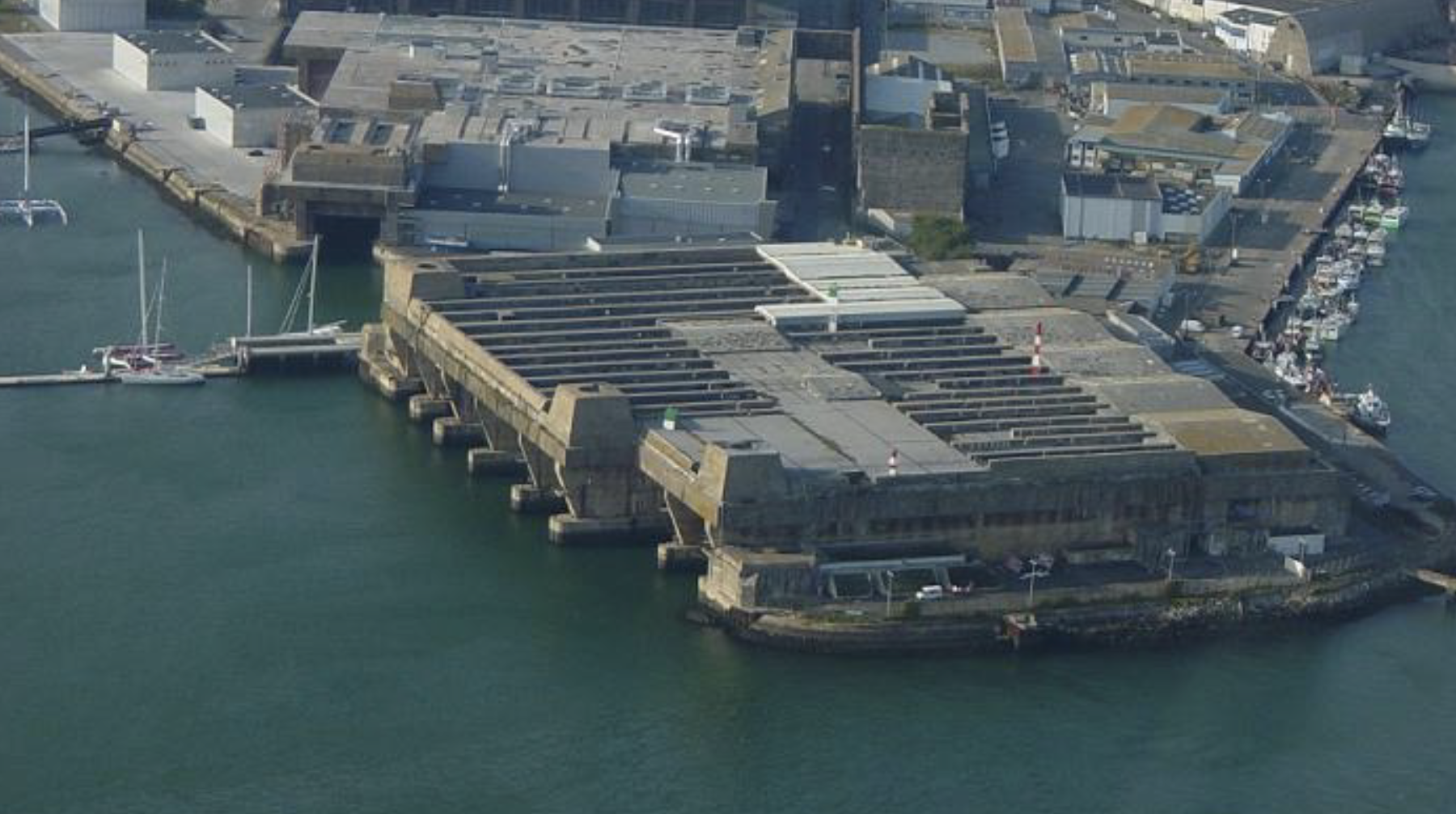
Clair Tyler was killed after an attack on the sub pens at Lorient, France. Below is a strike photo from his last mission and next to it are the sub pens. Today. They were indestructible—in fact, the Lorient pens were the base for French submarines four decades after World War II had ended.
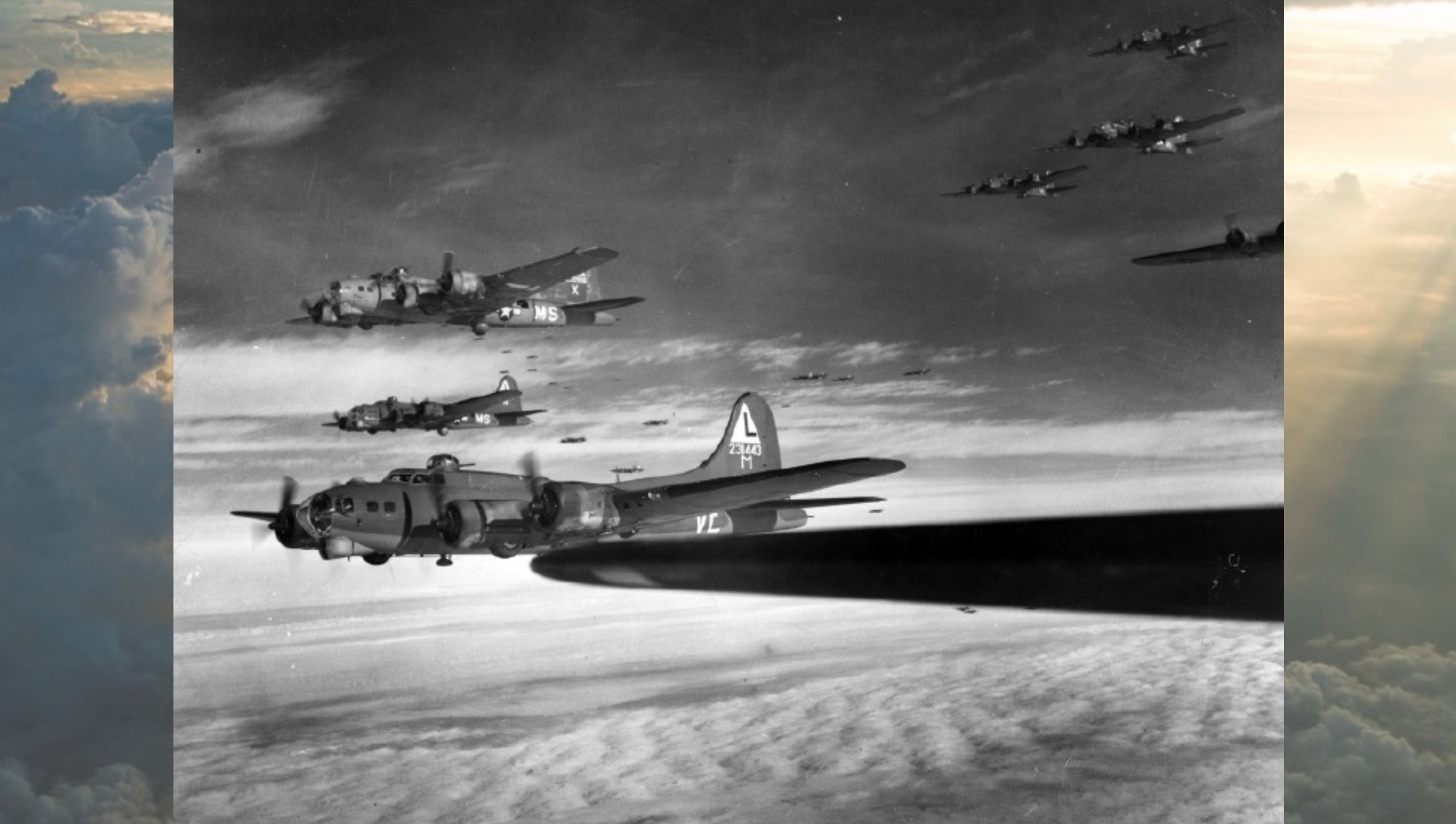
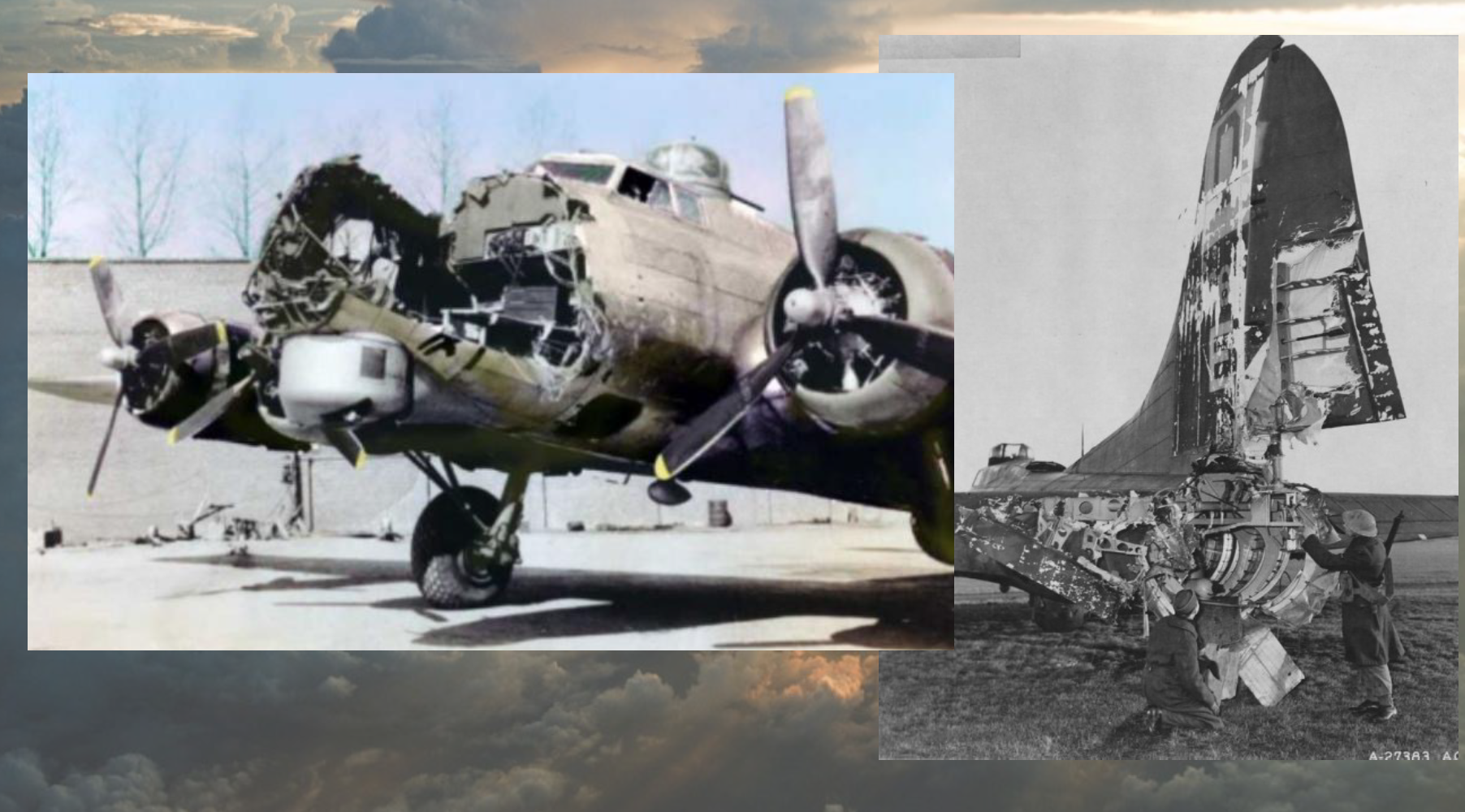
Loving the B-17: Its partner among heavy bombers, the B-24, was a little faster, carried a bigger payload and had a longer range, and there were more of them. But the B-24 lacked the B-17’s graceful Art Deco lines and it was a beast to fly—an analogy might be that the B-24 lacked the B-17’s “power steering,” and pilots of the former sometimes lost five to ten pounds on a typical mission. But the B-17’s most admirable trait may have been its ability to absorb punishment. Maj. Cleven is stunned by the damage German explosive shells (flak) have done to his ship on his return to the airfield at Thorpe Abbots. These planes returned home, too.
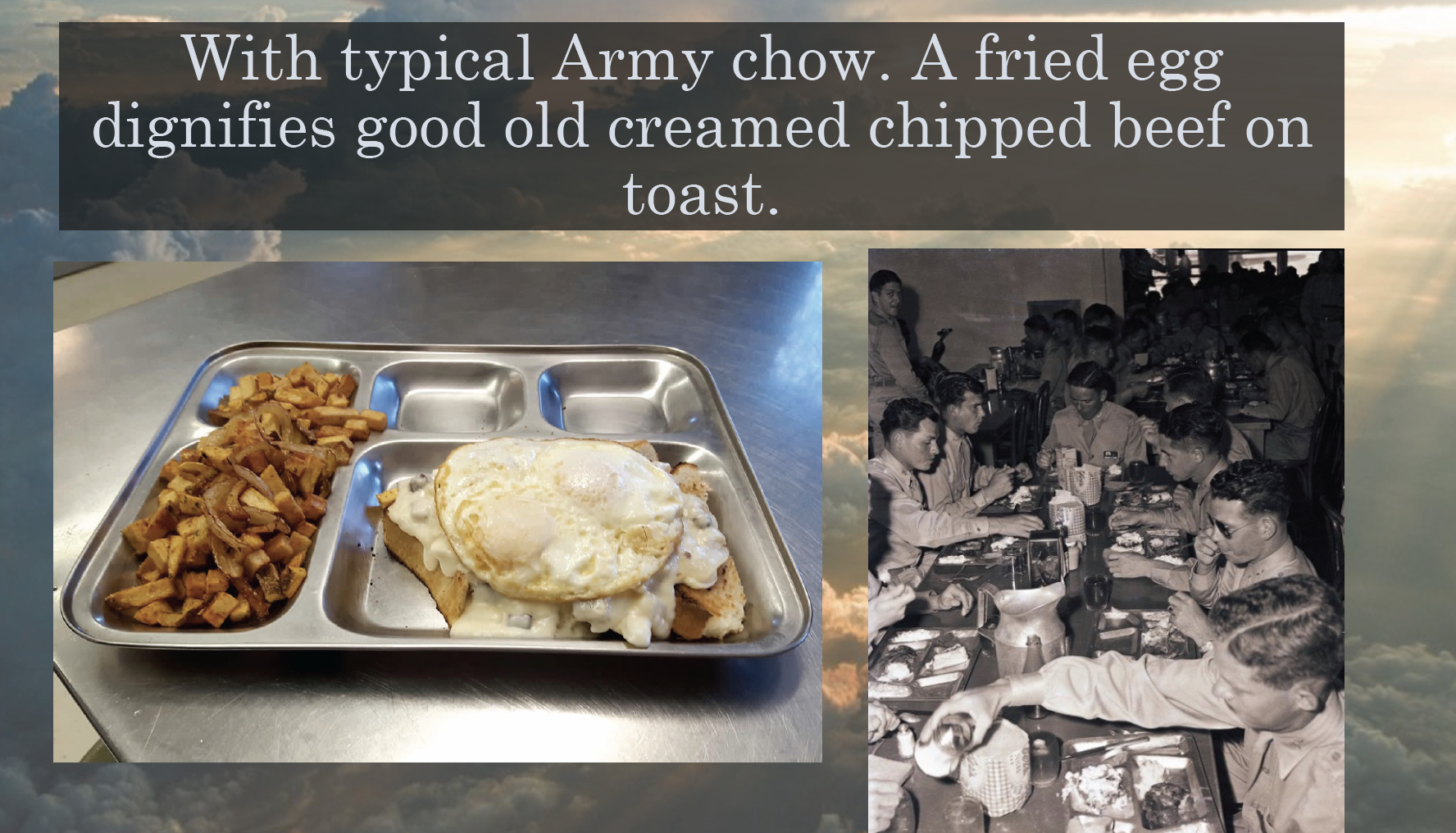
Green eggs and Spam: One of the funniest lines in the first episode is a speculative comment on the age of the powdered eggs airmen ate. This passage from Central Coast Aviators also comments on the food airmen ate:
...[E]en in the AAF, the green-hued powdered eggs, along with the ubiquitous Spam, were breakfast standards, and creamed chipped beef on toast—referred to as “shit on a shingle”—followed airmen across the Atlantic from the air bases stateside where they’d first encountered what seemed to be, to the military, a perverse culinary masterpiece.
British children: David made one of the best points of the night in his introduction. The series pays attention to the ground crews who kept the B-17s flying. While the aircrews slept—fitfully—before a mission, the ground crews were up all night arming, fueling, tuning engines, fine-tuning electrical and hydraulic systems. The most prized crew chief in the episode is a nineteen-year-old corporal who’s struck up a friendship with two British kids. In truth, while other Brits may have resented the Yanks, who could sometimes be obnoxious (“Overfed, overpaid, oversexed and over here”), children adored them. And their Hershey bars. If takeoff came at a decent morning hour, the perimeter fence around an airfield would’ve been lined with schoolchildren, there to wave goodbye to “their” Yanks.
In 2019, the city of Sheffield commemorated the crew of a crippled B-17G returning from a mission in 1944. As the pilot began to bring his plane down, he pulled up to avoid a park crowded with children. The bomber came down somewhere else. There were no survivors.
 A Work in Progress
Wonderful commentary. I loved the evening and the history of the last “noble war” My Dad was in the 42nd Rainbow Division all over Europe (Army Corp of Engineers) from 1942 to 1946 when the war ended. He died of war injuries in 1950. I was born in 1949. I have lots of photos he sent to my Mom. Some of Hitlers executions and some of freeing of concentration camps. I’d like to find out more.
LikeLike
Thom, I am honored. God bless your Dad.
LikeLike