
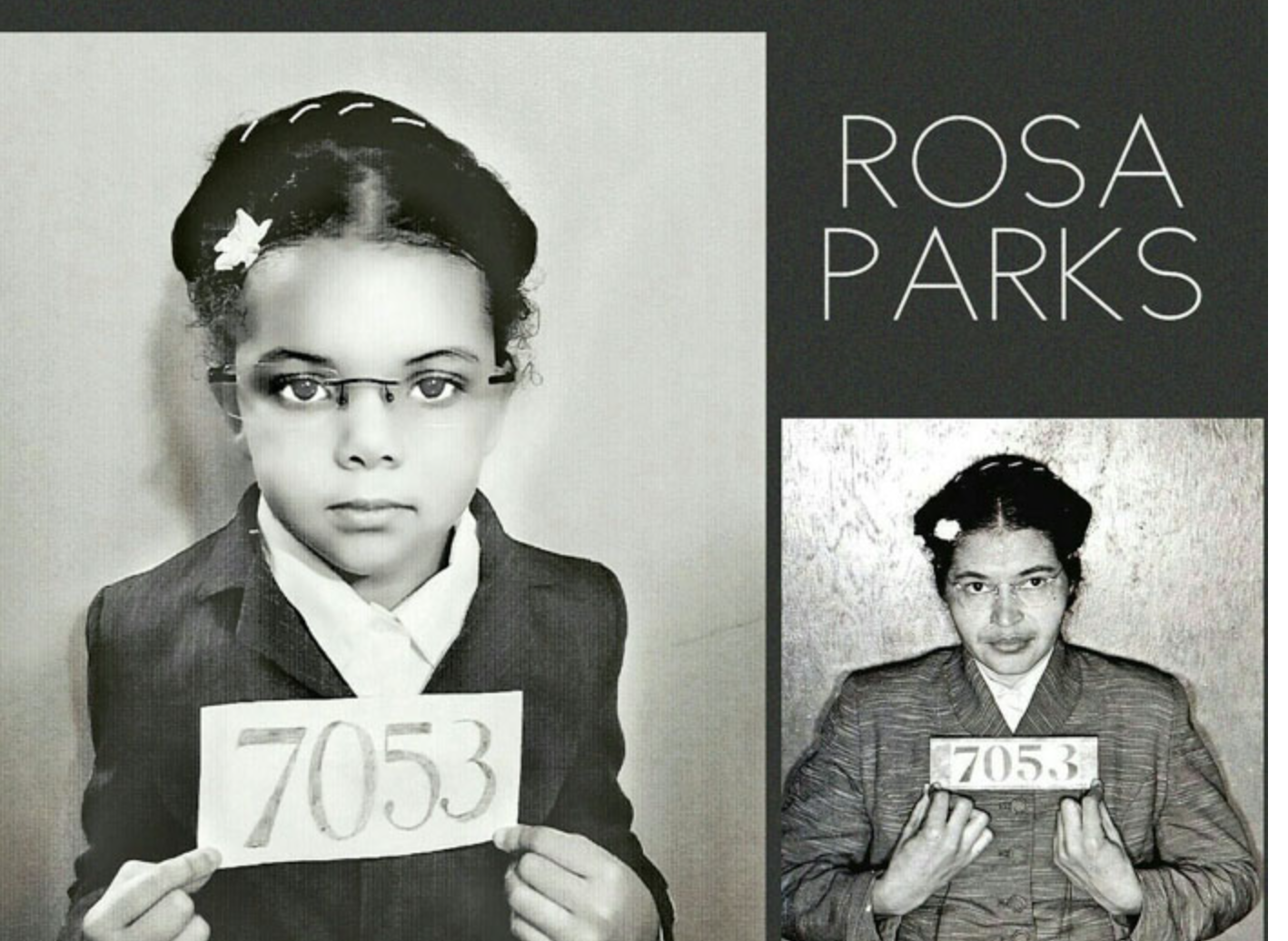
Happy Birthday today to Margaret Logan Gregory (Feb. 7, 1766), my 2nd great-grandmother, and to her son George Washington Gregory (Feb. 7, 1808), my great-grand uncle.
Margaret’s husband and GW’s father, Godfrey Gregory, claimed to own the human beings in the 1850 Kentucky census below. They have no names, of course.
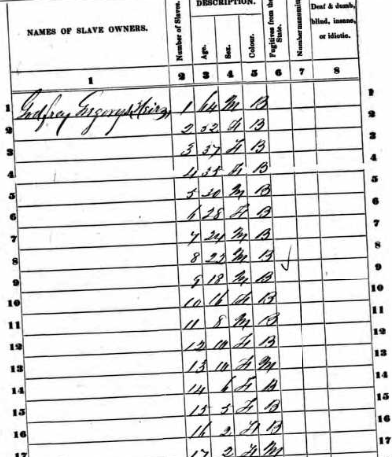
By extension, and in Black History Month, Happy Birthday to these unnamed people. If there’s even the slightest chance that the slightest amount of their blood flows in my veins, I’d be proud beyond imagination.
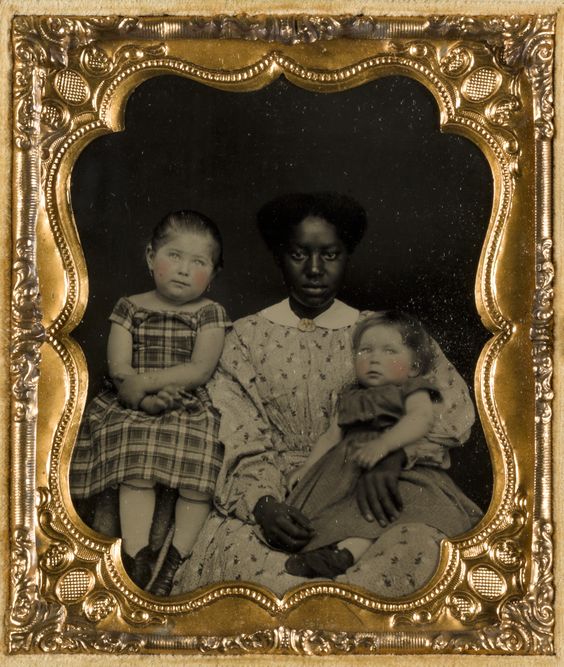
They Gregorys are all buried in a family cemetery in Washington County, Kentucky.
When Elizabeth and I visited Stratford-on-Avon, we noticed that the churchyard is bounded by a fence made up of black granite tombstones from which time has erased the names.
There’s a good chance that the Gregory family cemetery and its tombstones’ names have vanished, too. History has a way of getting even.
I think that we leave behind is intangible. Godfrey’s grandson was my grandfather, the Kentucky-born John Smith Gregory, the man in the chair in front of his farmhouse.
What Mr. Gregory left behind was a legacy of kindness, service to others and the indelible reputation as the most graceful waltzer in Texas County, Missouri. Maybe the most graceful waltzer on the Ozark Plateau. He made the teenaged girls who shyly lined up for his dance card believe that a sawdust-strewn barn floor was made of polished glass.

So there is, indeed, is slightest chance that my grandfather and I share a common ancestor—one I might meet someday meet–who had his or her origins in Africa, not in Lowland Scotland or the English Midlands.
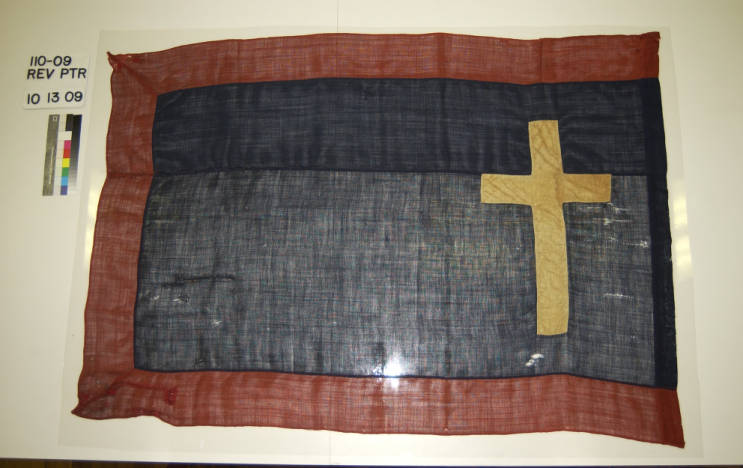
I read a rant on Facebook on Critical Race Theory, which is not taught in any California high school, despite the ranter’s insistence that it is. Willful ignorance seems to be seductive nowadays. It was in 1861, too. My namesake from another branch of the family, Confederate officer James McBride, led his Confederate into battle under this flag. They knew what they were about: States’ Rights, the defense and extension of slavery, and Jesus Christ.
I am fond of the Bogart line from Casablanca, when Rick informs Major Strasser that he came to Casablanca for the waters. “I was misinformed,” Rick says.
I do know this: I took a year of the History of the American South in college and, I, the namesake of two Confederates, was entranced. That led to me teaching Black History to my high-schoolers for thirty years.
So they learned about Harriet Tubman and Maya Angelou, Frederick Douglass and Malcolm X, Bessie Smith and Louis Armstrong (they instinctively loved Armtrong), osh Gibson and Satchel Paige, Brown v. Board and Loving v. Virginia.
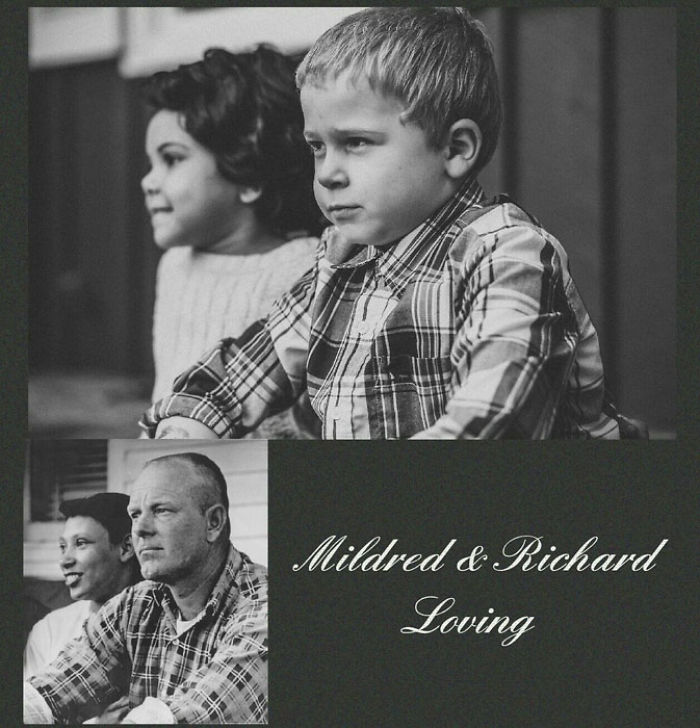
They were entranced. Learning this history made my kids proud to be Americans.
Immensely proud, you might say.
Black history’s part of their history, after all:
–The ferocity of the assault of Black soldiers on the Confederate center as Nashville in 1864 guaranteed the success of an the Ohio regiment’s assault on the Confederate left a few hours later. That’s where Arroyo Grande farmer Otis Smith earned his Medal of Honor.
–Huasna Valley rancher Adam Bair, a Mankins ancestor, watched the Black troops descend into the Crater outside Petersburg, Virginia, in 1864, where they were slaughtered like sheep. That’s because they knew what they were doing and should have gone in first, instead of the White troops who preceded them, chosen because they were White.
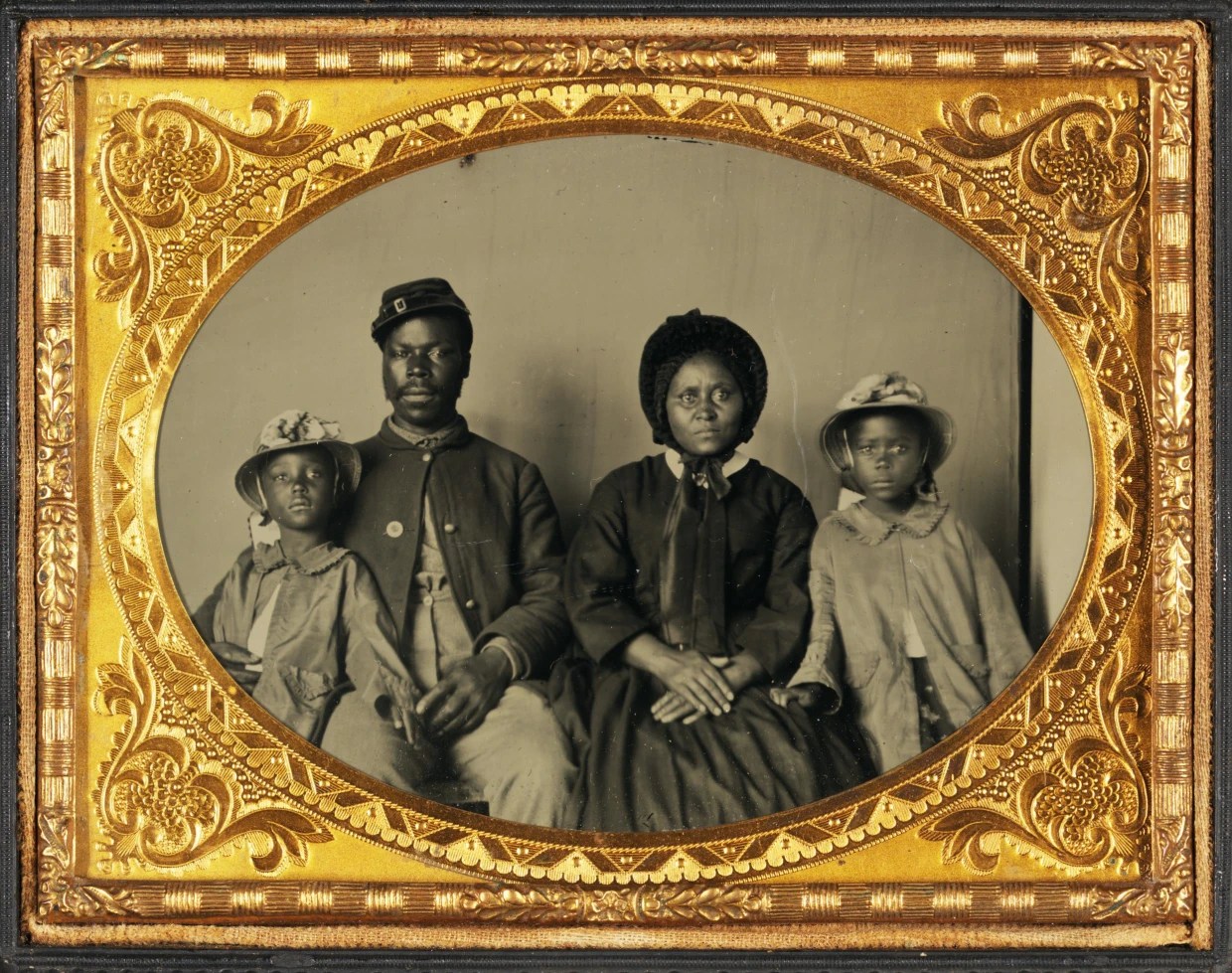
–The all-Black 54th Coast Artillery had barracks in Shell Beach. The audience demanded three encores when a 54th octet sang spirituals at a 1943 Christmas concert at the Army Rec Camp in Monarch Grove in Pismo Beach. Sometimes those GI’s played baseball against the AGUHS Varsity.
My students, nearly all White or Latino, loved learning about these Americans.
During World War II, “these Americans” were not allowed within the Arroyo Grande city limits after sundown. Black History month means learning the painful parts, too. Learning them only makes us stronger.
.
 A Work in Progress