
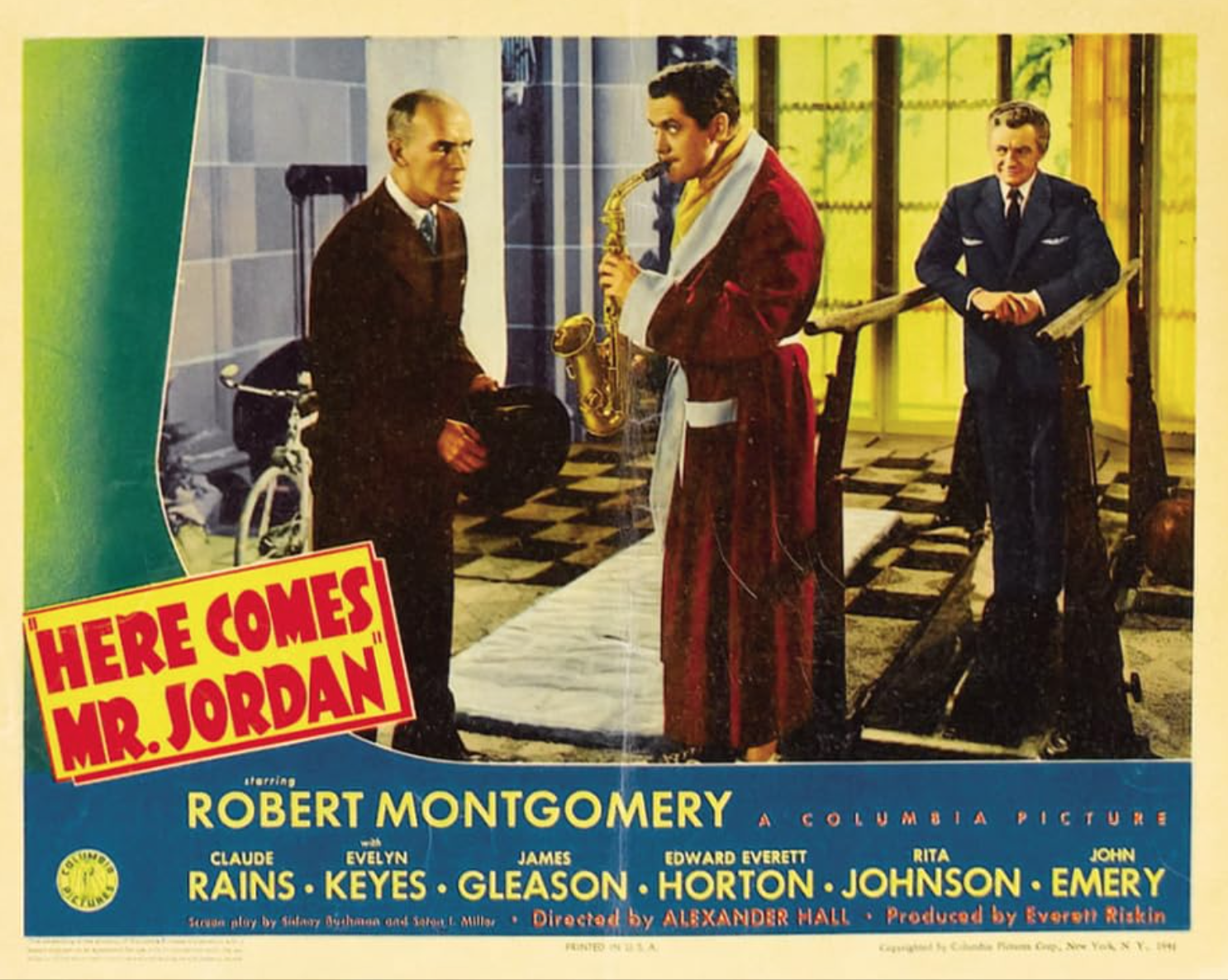
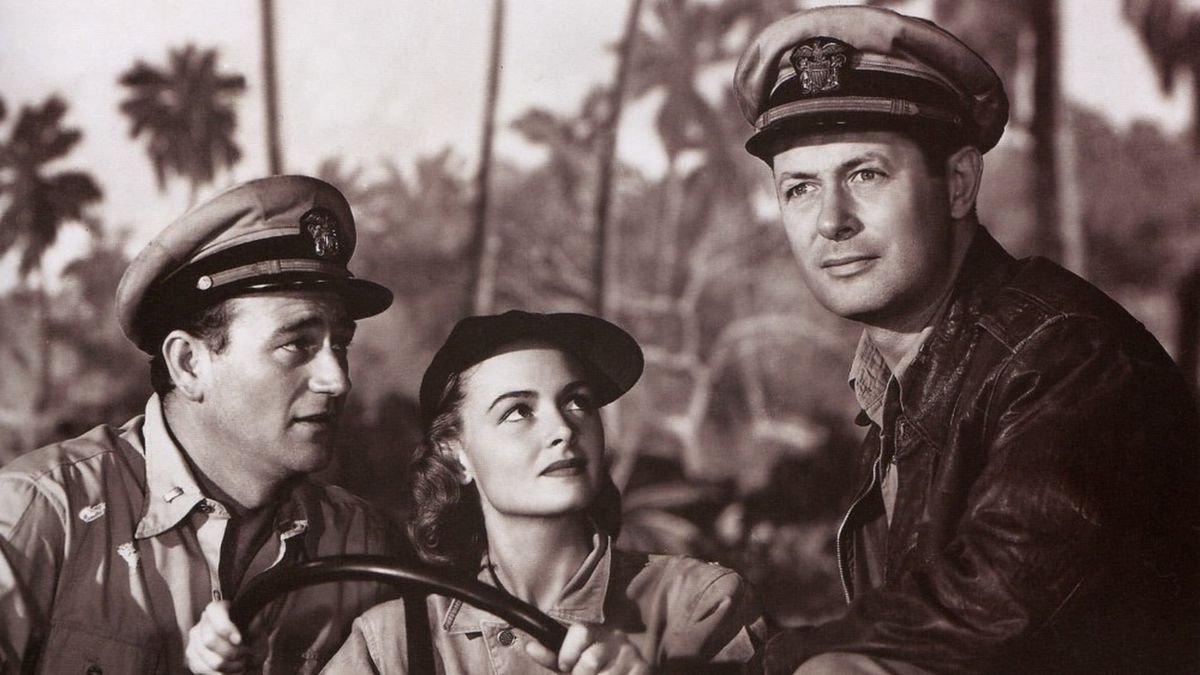
I knew this film was a four-star classic, but I’d never seen it, maybe because I wasn’t acquainted with all the leads, especially Robert Montgomery, whom I knew only as John Wayne’s PT Boat commander in They Were Expendable. More on Montgomery to follow; he was perfect in Mr. Jordan.
Mr. Jordan, of course, belongs to my parents’ generation—at least it did, before Turner Classic Movies (thank you, TCM). But since imitation is the sincerest form of flattery, the remake that belongs to my generation is its own classic. Heaven Can Wait. No wonder it’s a classic, too: Elaine May wrote the screenplay, Buck Henry directed it and Warren Beatty was that film’s producer and star.
The premise for both films is that an athlete is snatched from his body just before a painful death by a well-meaning collector/angel. When he gets to St. Peter’s Gate, it’s actually an airport where a fog-enshrouded airplane awaits for another manifest of souls to board. Both the dead protagonists, Joe (Robert Montgomery) the boxer and Joe (Warren Beatty) the Rams quarterback, are not on the admittance list. It’s not there time. So both have their souls kind of transfused into not-dead-yet bodies to give them a chance to live out their lives. In both cases, the bodies belong to ruthless tycoons who have victimized countless people in their climb to the top.
Among their victims are the beautiful young women that will figure in Joe’s second chance at life.
Montgomery’ s boxer—is that a Bronx accent?—is a big dumb guy who really isn’t dumb at all. He’s an innocent, a man who’s driven to be a boxing champ takes great joy in playing an atrocious sax. He’s also kind, innately generous, loves kids and he falls in love. Beatty, who is masterful at playing characters who are on the verge of incoherence, due mostly to their shyness, is likewise charming. His Joe’s a good Joe, too.
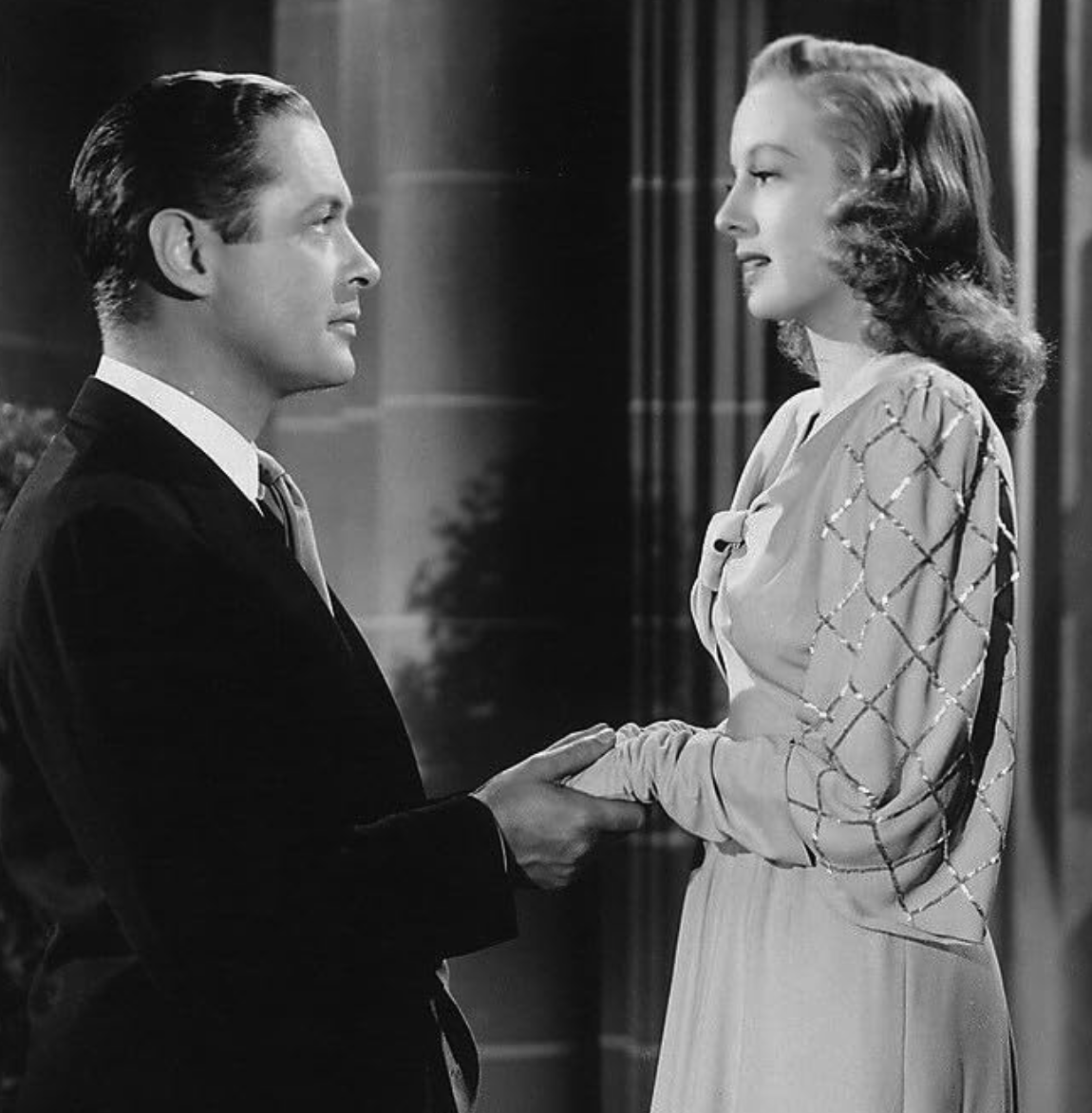
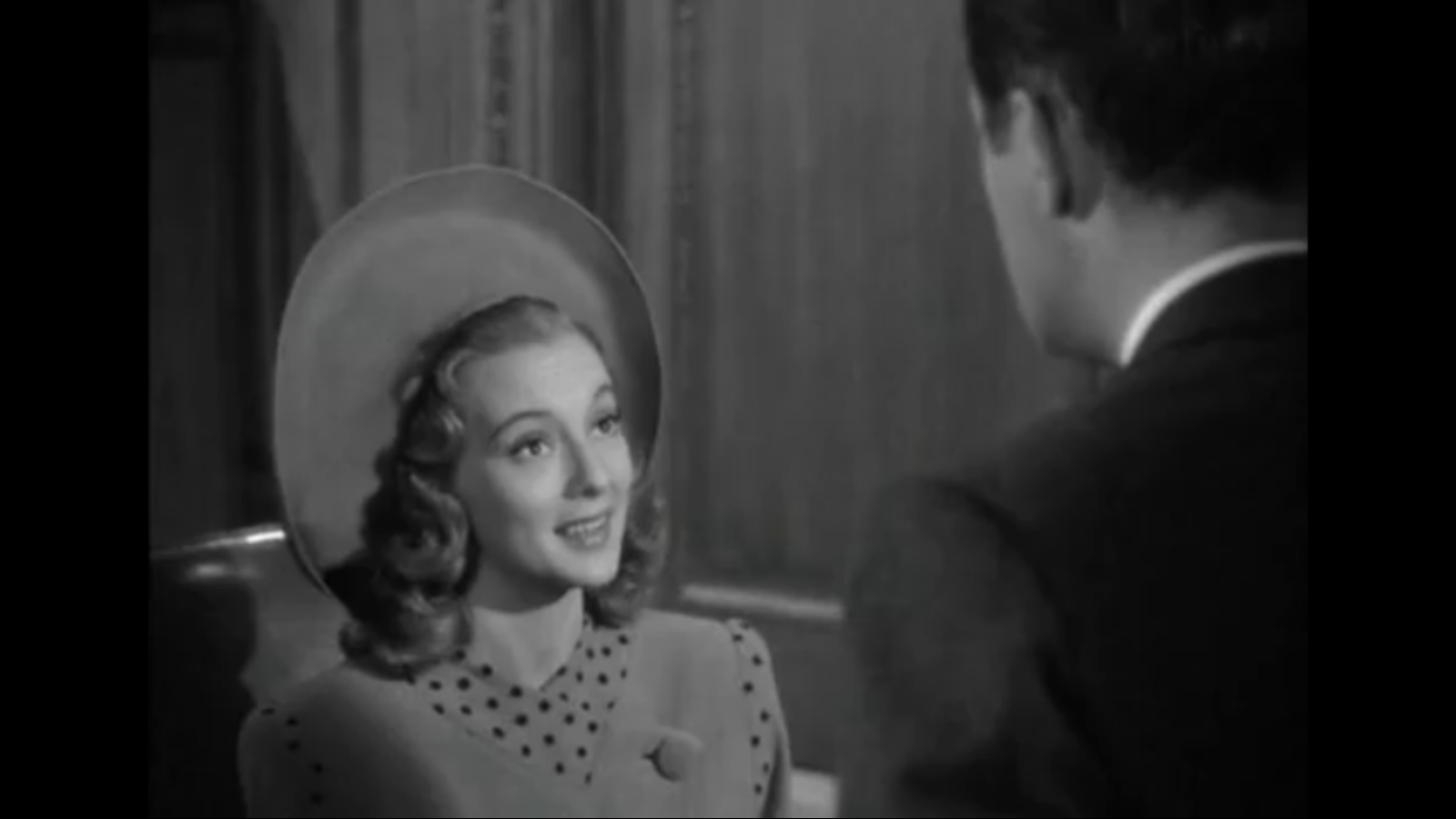
And both fall in love, hit by the thunderbolt, with young women who are very much like the Joes, pure of heart. Evelyn Keyes (Betty) plays that role in Mr. Jordan. She is stunning. I got hit by the thunderbolt, too.
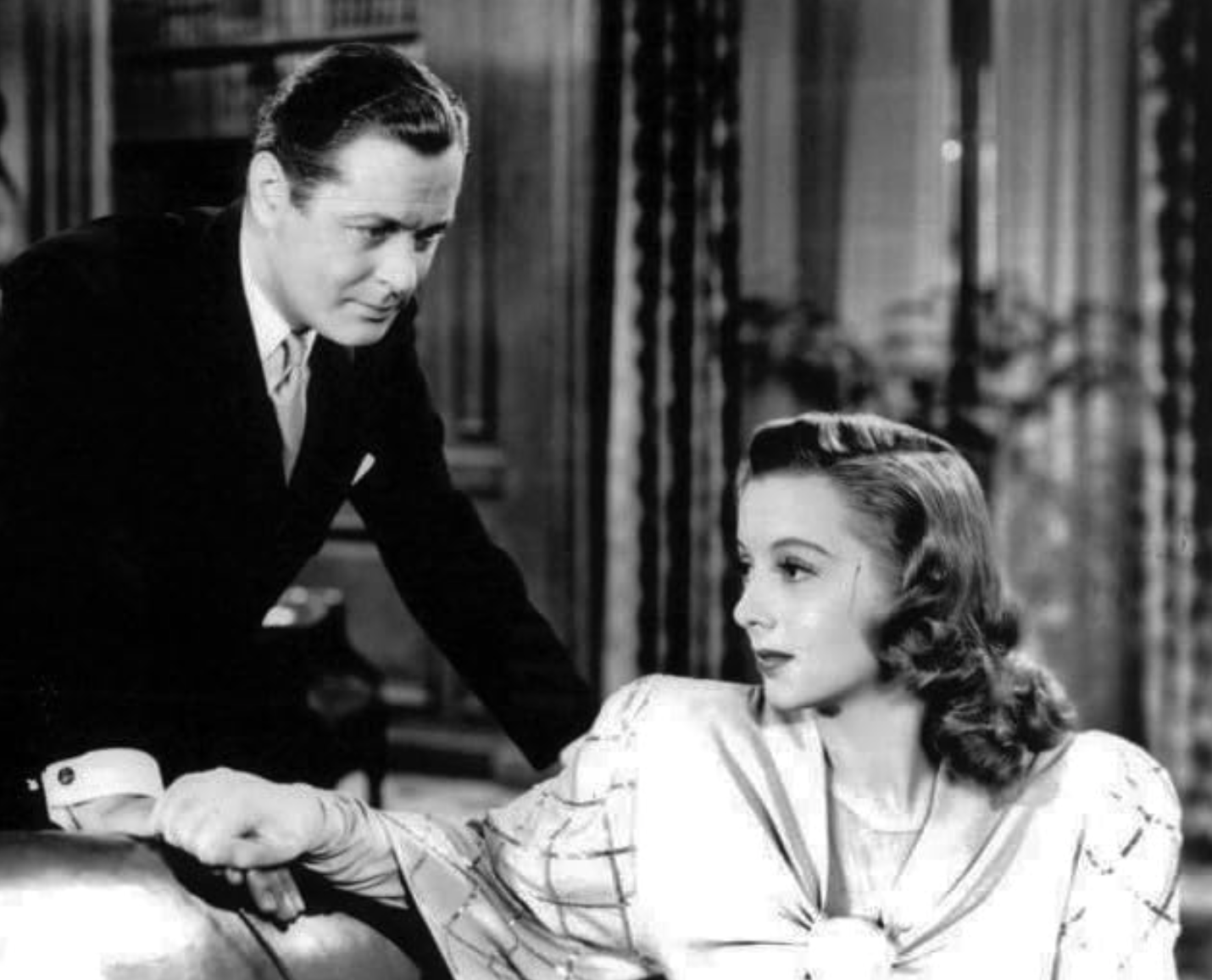
Keyes was 25 when she made this film; she was 23 as Suellen O’Hara, in GWTW, where she got two minutes’ screen time as a whiny kid sister. In Mr. Jordan, she’s so pure of heart that she’d kind of shiny. Hollywood’s a fantasy factory, of course: the real-life Keyes was married five times, had an abortion just before Gone With the Wind, and took as lovers Kirk Douglas, Glenn Ford, Anthony Quinn, Eddie Fisher (later Elizabeth Taylor’s husband), Mike Todd (ditto), David Niven, Robert Stack, Peter Lawford, directors John Huston (a husband) and Charles Vidor (another, no relation to King Vidor) and studio executives Harry Cohn and Joseph Schenck. She paid, by golly, for all those bedroom gymnastics, dying in Montecito in 2008.
She was 91.
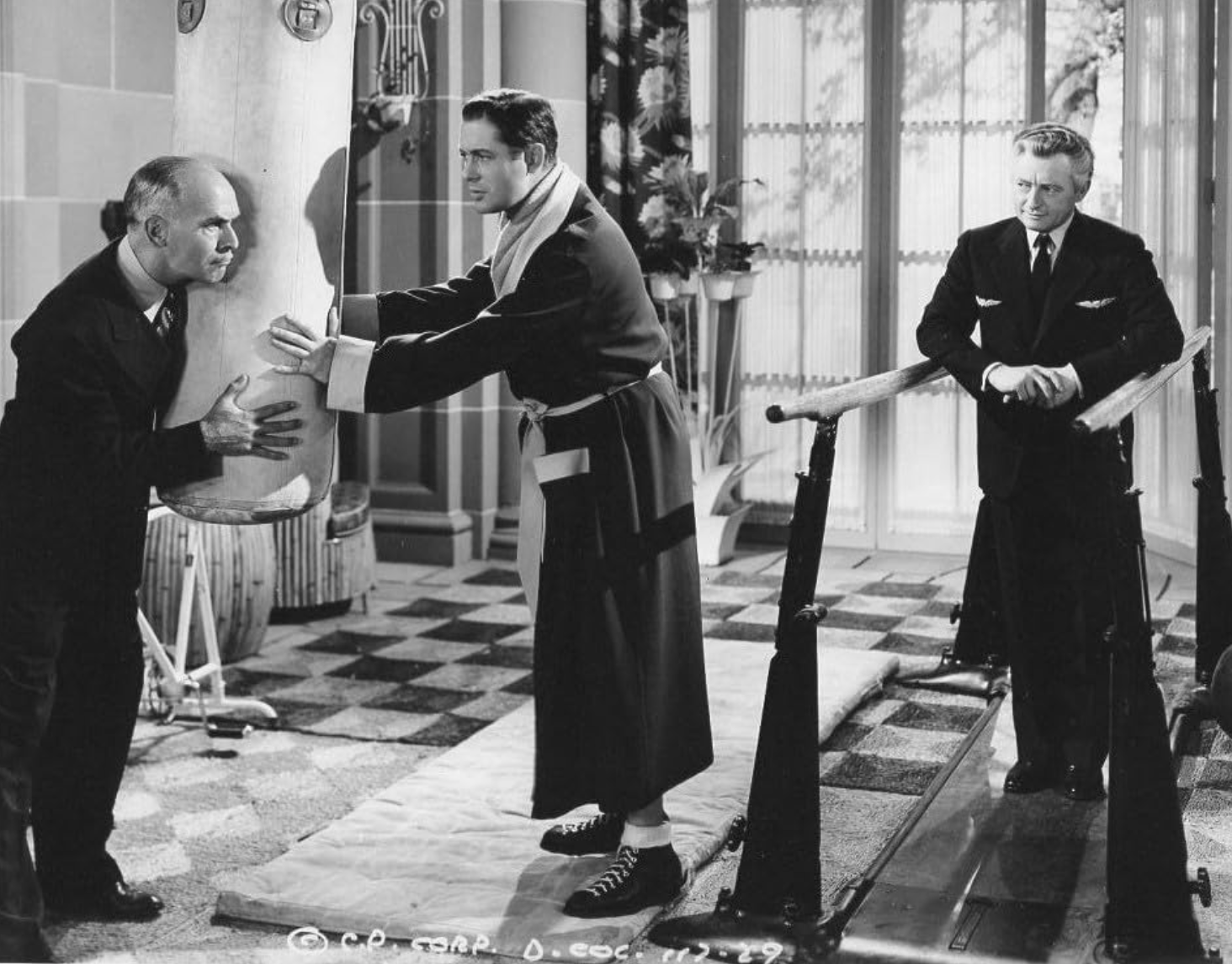
The cast of Mr. Jordan is slightly smaller, but it includes three actors I admire. Claude Rains was a pain in the ass to work with, it’s said, as demanding as a rock band that demands iced Stolicynaya and a gallon jar of M&Ms, but no green ones, in the dressing room. His arch portrayal of Captain Renault almost steals the show in Casablanca; in this film, he is suave and unrufllable, a word I just made up. That’s a wonderful character actor in the photo below, James Gleason, as Joe’s manager, Montgomery, and Claude Rains as Mr. Jordan. In the second, on the left, is Edward Everett Horton, and endearing comedic actor who became the voice of “Fractured Fairy Tales,” in an equally endearing cartoon show, The Adventures of Rocky and Bullwinkle, from my long-ago youth.
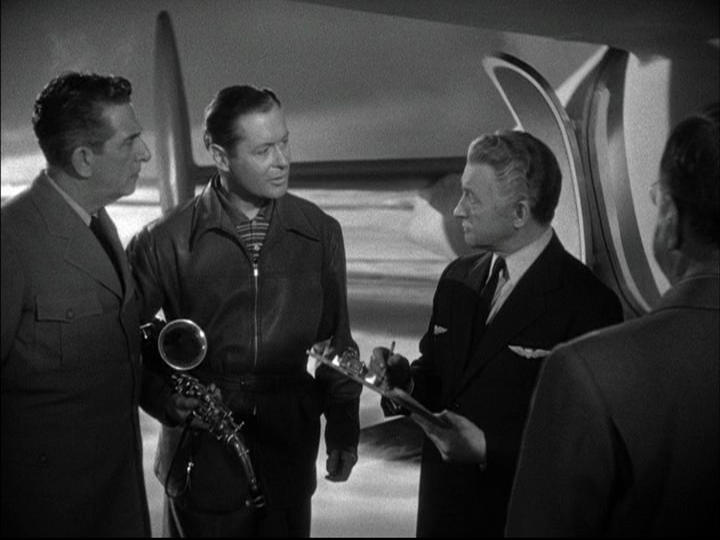
The Beatty film’s actors are just as impressive. Jack Warden is Joe’s football coach and James Mason is the perfect counterpart to Rains’s Mr. Jordan.

This film is nearly stolen by the two co-stars, Dyan Cannon and Charles Grodin, who plot to murder the Beatty character, now in a millionaire’s body, for his estate. Their ineptitude is spectacular. In the earlier film, Rita Johnson and John Emory are the would-be killers.
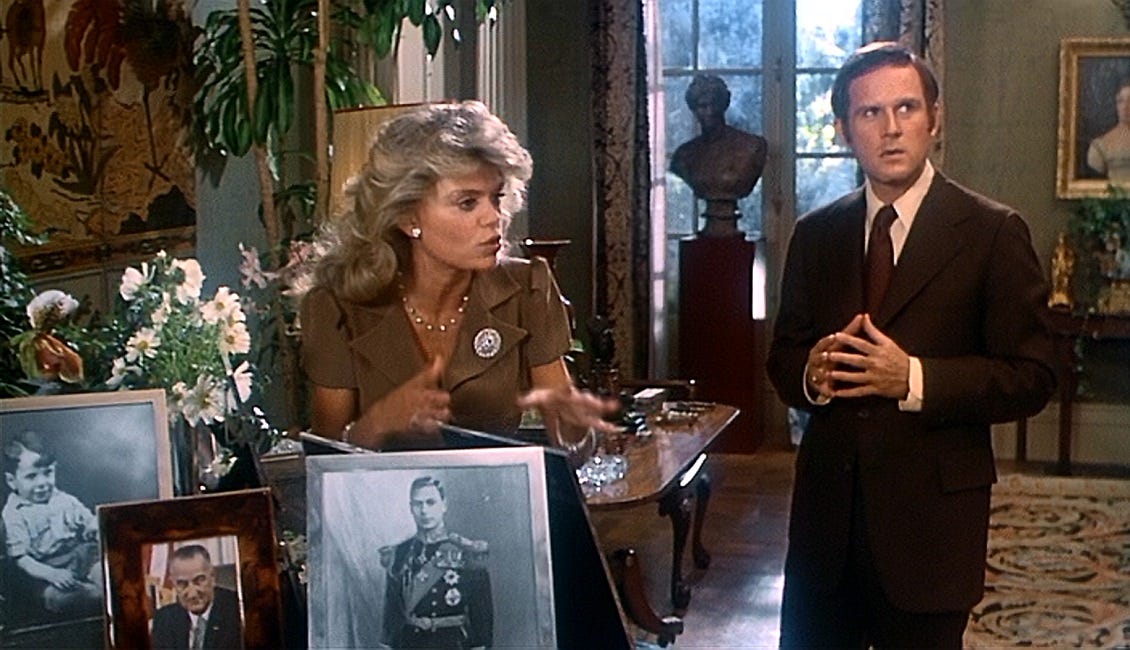
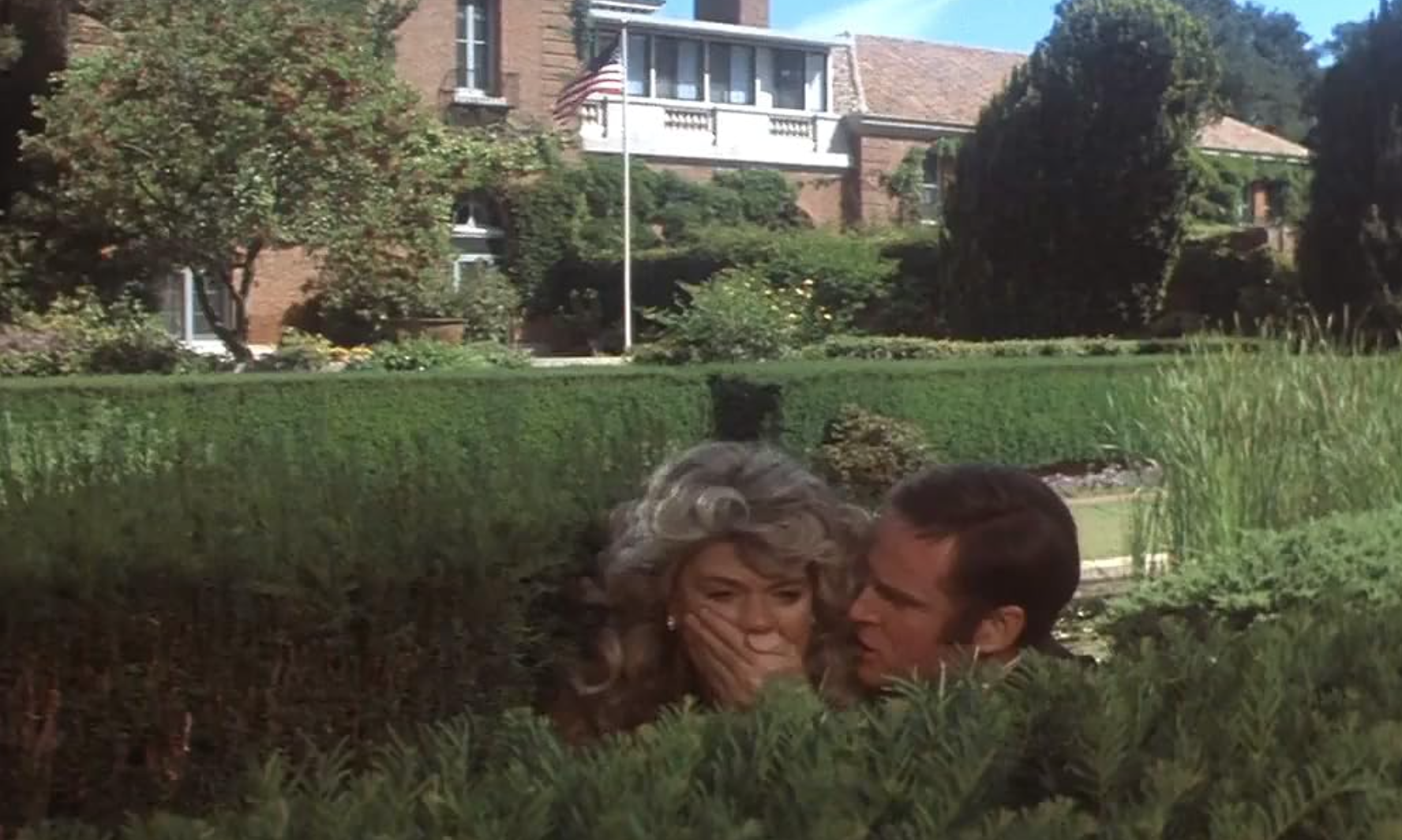
And the young woman who falls in love with her Joe in the later film is Julie Christie. (Montgomery’s tenor sax in 1941 has become a soprano sax in 1978.)
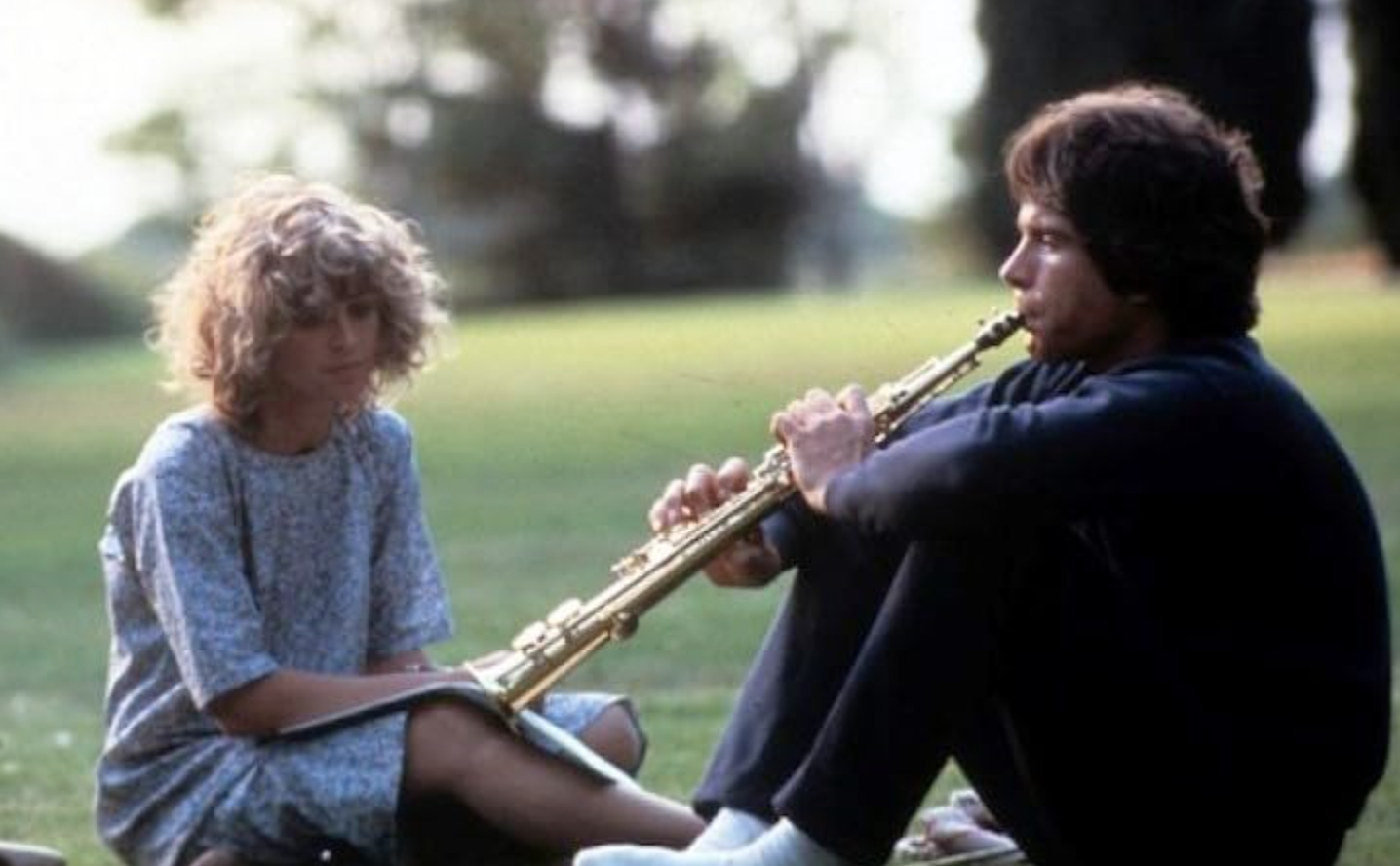
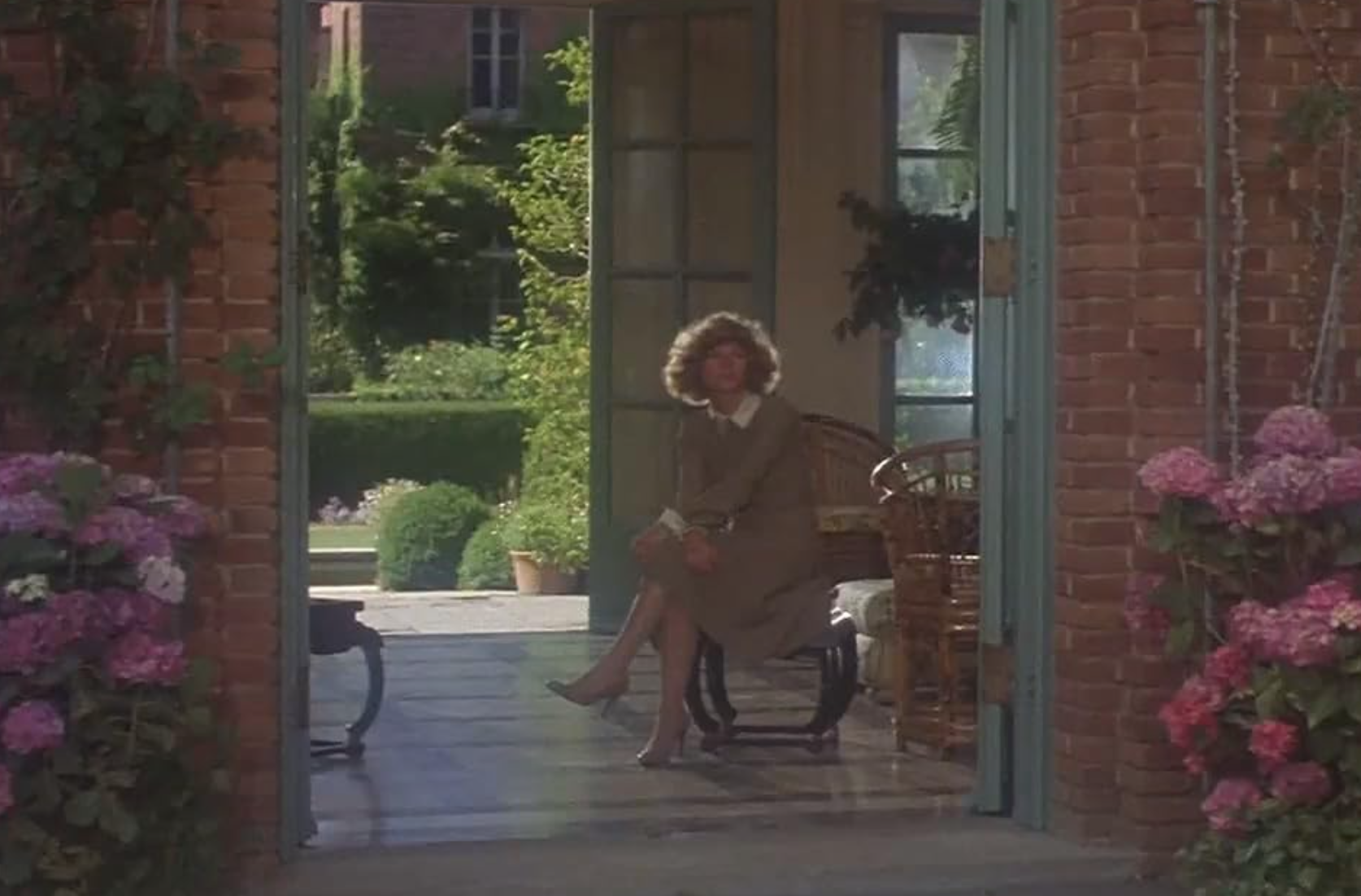
When we see both young women in both films the first time, we are gobsmacked. No wonder it wasn’t Joe’s time.
Robert Montgomery’s Joe discovers it’s not his time in the transport to Heaven way-station early in the 1941 film. Unfortunately, the plane chosen for the 1978 version is the ill-fated Concorde. But there’s one more little payoff: the co-pilot in 1941 is twenty-eight-year-old Lloyd Bridges, I wonder why Evelyn Keyes didn’t conquer that incredibly handsome young man.
But, of course, maybe she did.
 A Work in Progress