

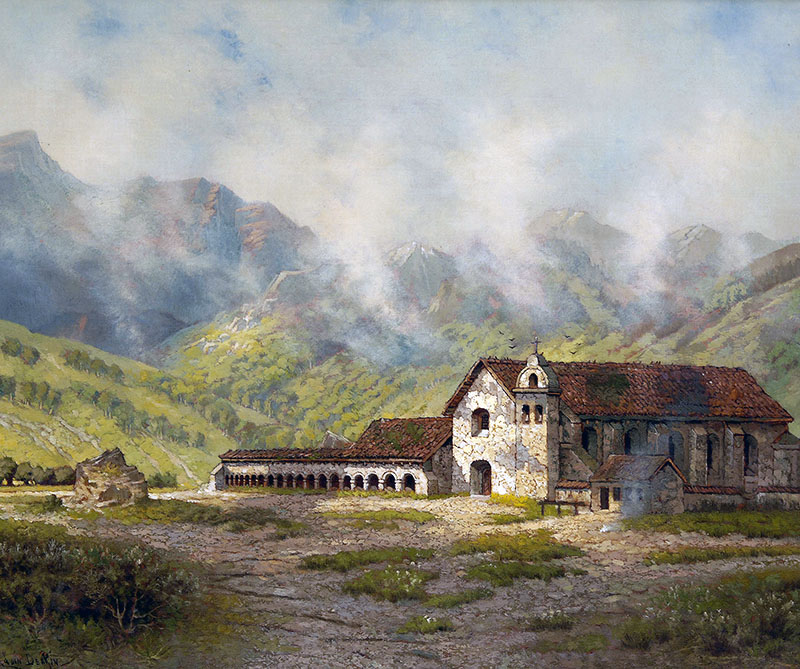
Today’s blog post title shows you how much I like working without a net. I will now attempt to tie all of those elements together.
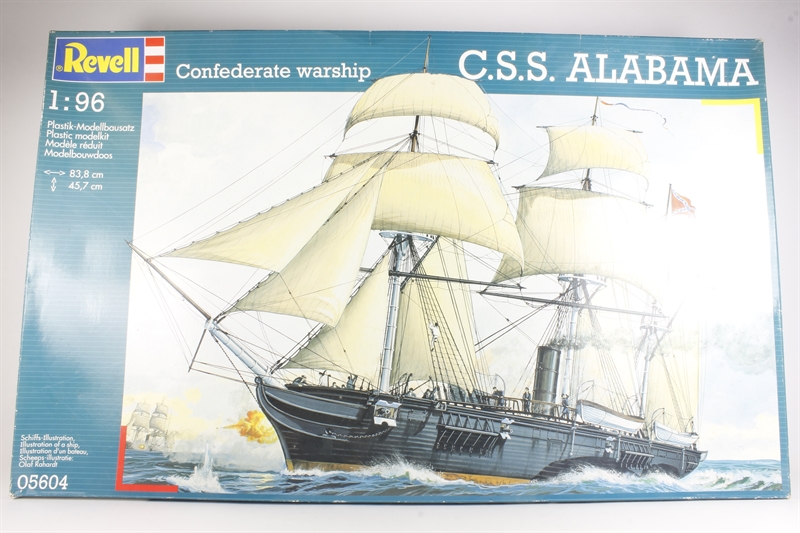
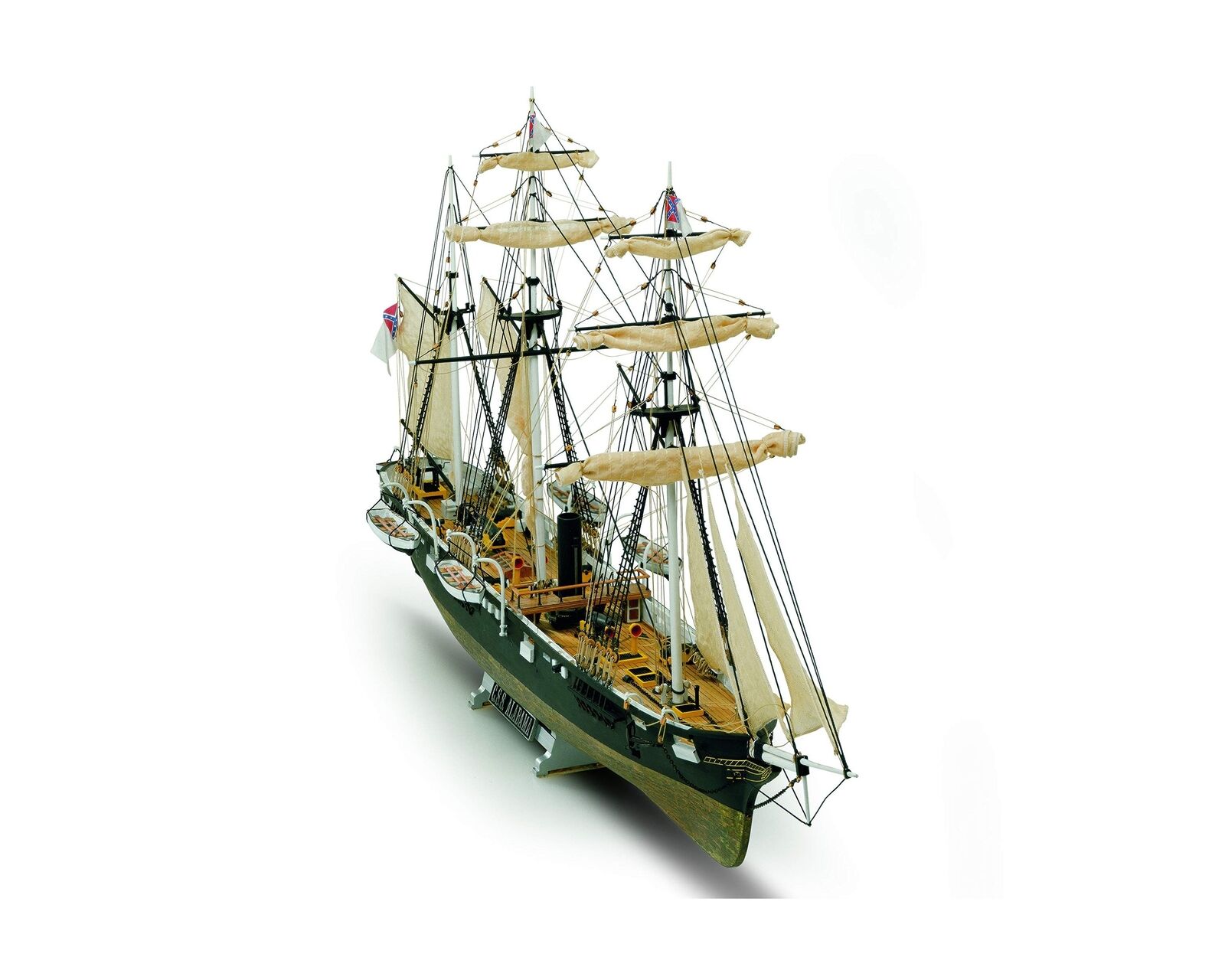
Let me start with my brother Bruce. Bruce is meticulous, precise and gifted in many ways. He builds stuff. When we were kids (he’s four years older), he built a scale model of the CSS Alabama, a sloop of war that played hell with Yankee shipping, especially with whaling ships, which I mind not very much at all. Bruce’s Alabama, a Revell kit, was gorgeous down to its copper-plated hull and including its monster swivel gun, a 110-pounder mounted amidships. (The Revell kit’s gun was somewhat smaller.)
Since yesterday marked the anniversary of the Confederate submarine Hunley’s first successful mission in attacking a Union ship—it was also her last, since the sub sank with her crew—thinking about Alabama today seemed natural.
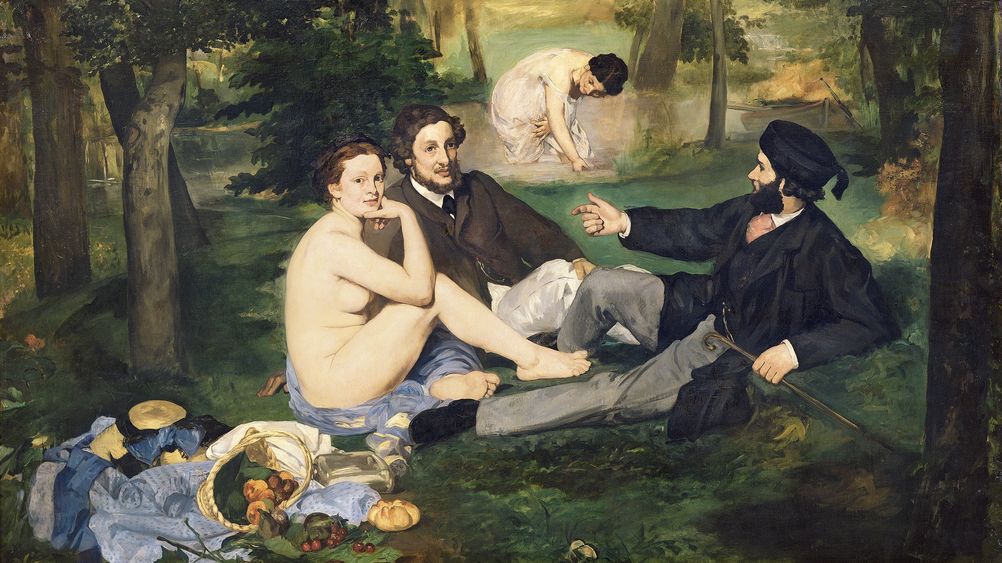
And then we come to this Edouard Manet painting, Luncheon on the Grass.
I like Manet because he threw out this style, brightened his palette, and learned from young Impressionists like Renoir and Monet. That takes courage, humility and, conversely, a good deal of self-regard.
This painting baffles me. The young men are so full of self-regard—look at that one guy staring smugly at the artist—that they have failed to notice that one of their party is, to borrow a term, buck nekkid. How could anyone be so obtuse?
And what is the other lady doing, anyway? Pulling up watercress for their sandwiches? Trying to catch polliwogs? Has she lost a contact lens? And she’s in peril of losing her clothes, too.
In a trial-and-error process, I discovered that I like the French, especially those north of Paris, from Metz to Normandy. I just don’t understand them. This painting only confirms that.
Anyway, here is the original Revell model kit and a model that looks very much like the one my brother built, except I think his was under sail, not uncommon to 19th-century steamships. Again, his model was gorgeous.
Hang on. We’re almost getting to the point.
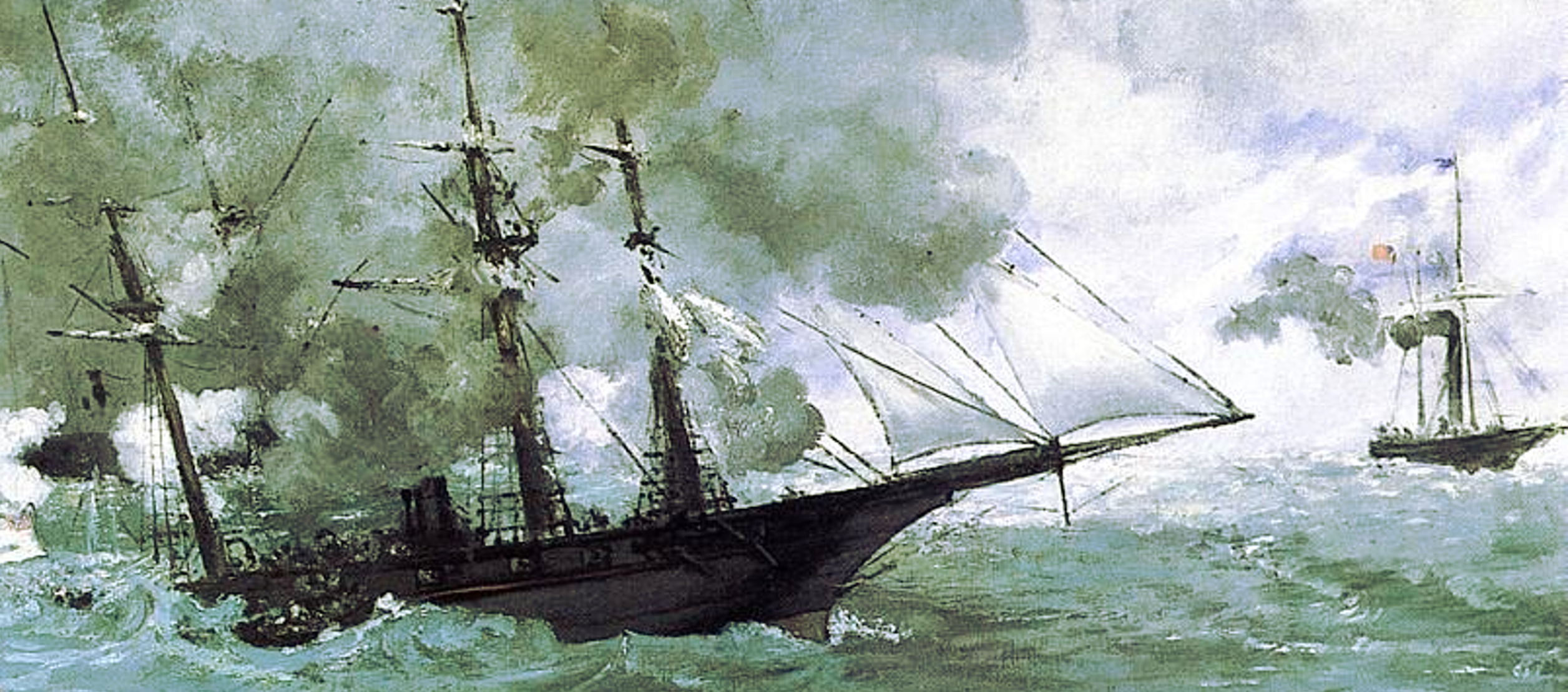
In 1864, off the coast of Cherbourg, France, citizens watched as the Union Navy finally caught up with Alabama. After a one-hour gun duel during which over 200 shots were exchanged, a hit at the commerce raider’s waterline sent Alabama to the bottom.
Edouard Manet painted the battle; below is his painting and a detail from it. A little rescue boat heads for Alabama as she begins her final plunge.

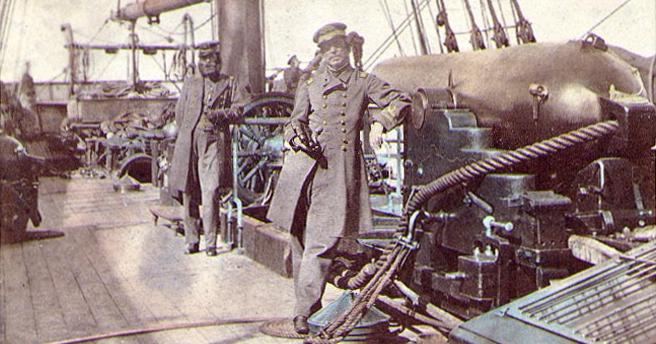
The rescue boat’s important, because Capt. Raphael Semmes, seen below next to the Big Fella during an 1863 visit to Capetown, South Africa, survived this battle. He had little Semmeses who had more of the same until…wait for it…I had the pleasure of teaching history to a direct descendant, Travis Semmes, at Mission Prep. Ta-daa!
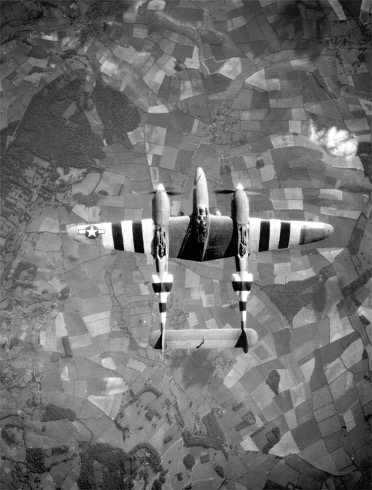
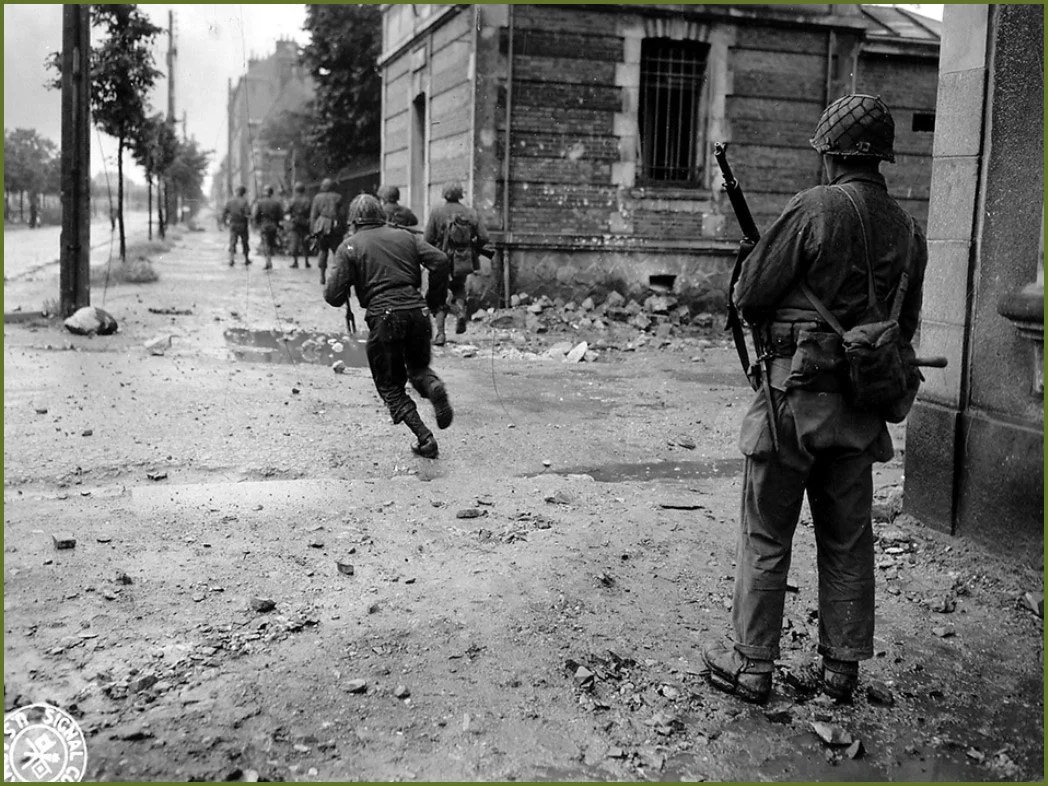
By the way, Cherbourg has ties to San Luis Obispo County history, too. In June 1944, Jack Langston of Shandon lost his life over the city when German batteries brought down his fighter, a P-38 that would’ve looked exactly like the one in the photo. He was never found. Far below, the 79th Infantry Division was fighting street to street, a terrible thing for a foot soldier to endure. One of them, a San Luis Obispo County farmworker, Domingo Martinez, was there; the 79th secured Cherbourg but Martinez was killed in the bocage beyond the city in July. My students and I found his grave at the American Cemetery above Omaha Beach on a 2010 visit.
We wanted to thank him.


Raphael and Travis Semmes made up the first coincidence. The second has to do with the fact California mandates the teaching of state history in fourth grade. That included, in 1962 and still in 2024, the construction of a model California mission. It’s a rite of passage in California, like road rash from falling off your skateboard, Senior Class Night at Disneyland or getting lost on the 405.
Of course, this tradition of building a model of a California mission devolved into outbreaks of Helicopter Parenting, wherein in Mom and Dad “helped” their fourth-grader with their mission project, which might turn out to look liked something architect Julia Morgan had turned out in her studios.
Mine didn’t.
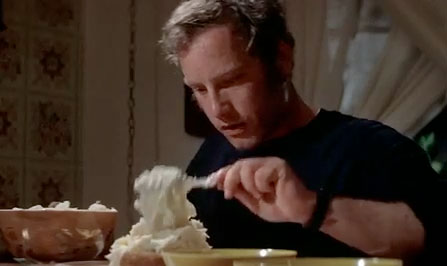
Mine, consisting of cut-up grocery store cardboard boxes, strips of newsprint that became gobs of papier-mache (the goo doesn’t taste all that bad, I found out), looked more or less like Richard Dreyfuss’ s mashed potatoes in Close Encounters of the Third Kind. Contrast that image with the companies who figured out how to make a buck off modern fourth-graders by selling them manufactured kits (“Insert Bell Part 36a into Belltower Part 12”). This kit depicts Mission Santa Ines, my Mom’s favorite mission and my fourth-grade project.
Mine really shouldn’t have been named for little St. Agnes, who’d already been martyred once. It instead wound up looking like Our Lady of the Mashed Potatoes.
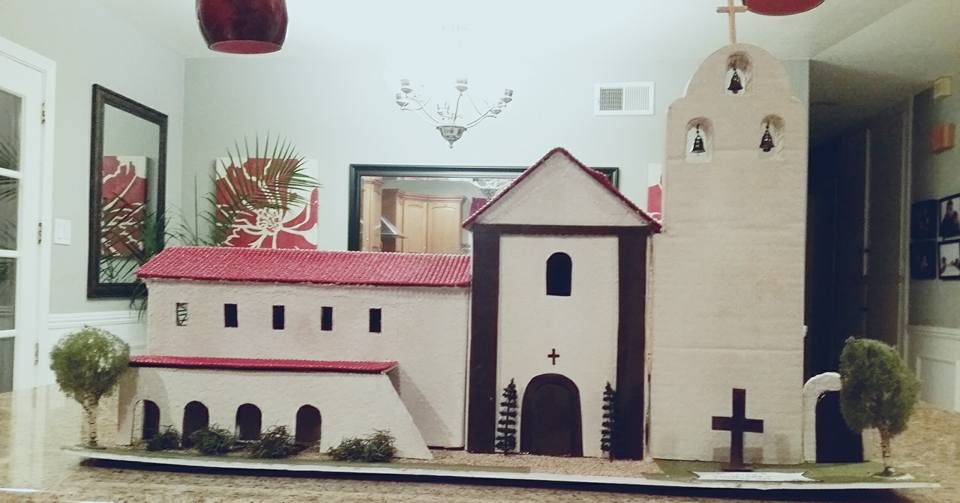
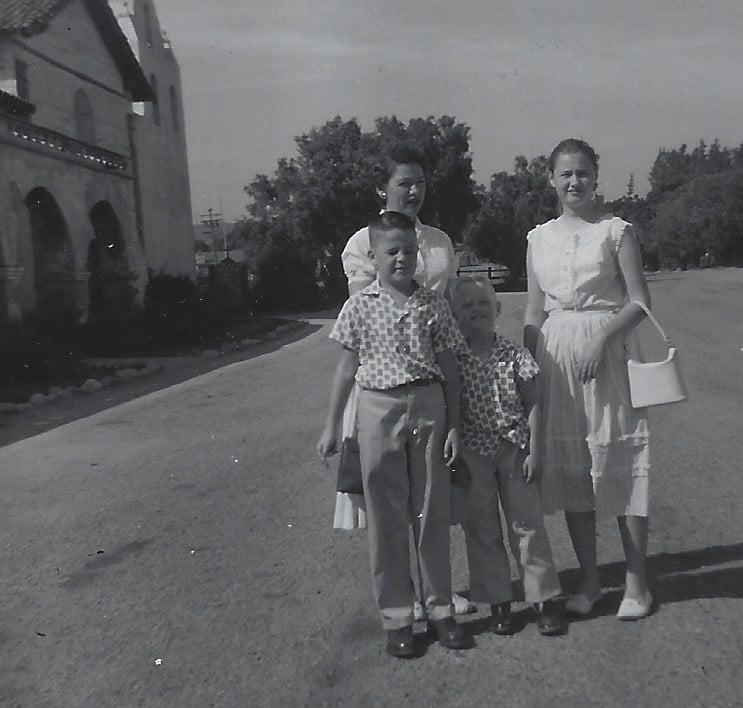
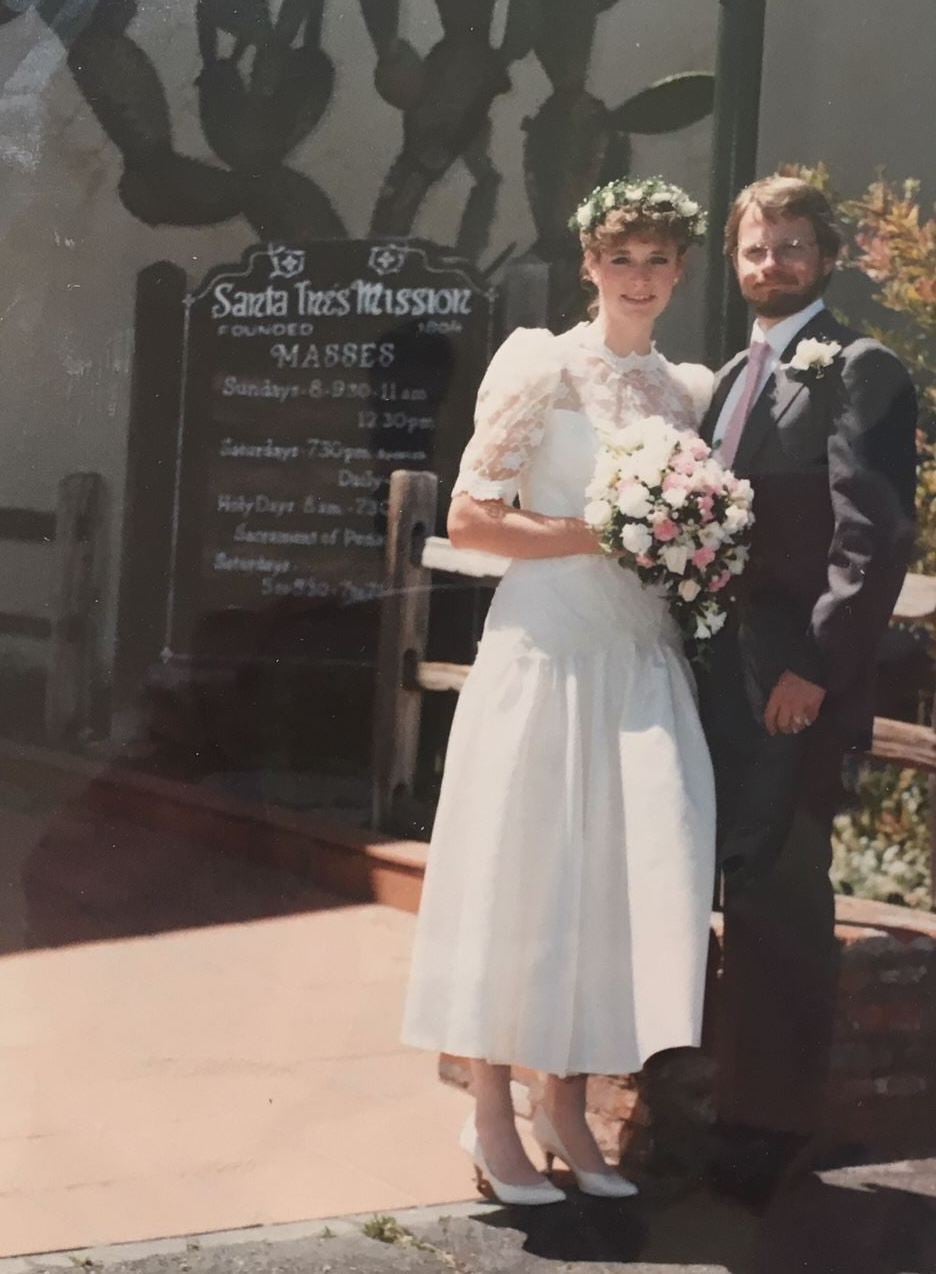
I passed fourth grade, despite that project. The historic coincidence? Here are Mom, Roberta, Bruce and me visiting Mission Santa Ines about 1960. Twenty-six years after that photo was taken, and twenty-four after my Mission Santa Ines fourth-grade project, my wife Elizabeth and I were married there.
The end.
 A Work in Progress