
I was interviewed yesterday, via Zoom, by a wonderful young woman who, like I did once upon a time, teaches AP European History. I am among a brace of teachers she’s interviewing as part of her Master’s thesis for Columbia Teachers’ College in New York City.
Her ancestry is Chinese. She grew up in Brooklyn in a neighborhood still dense with the children and grandchildren of immigrants from Italy and Ireland.
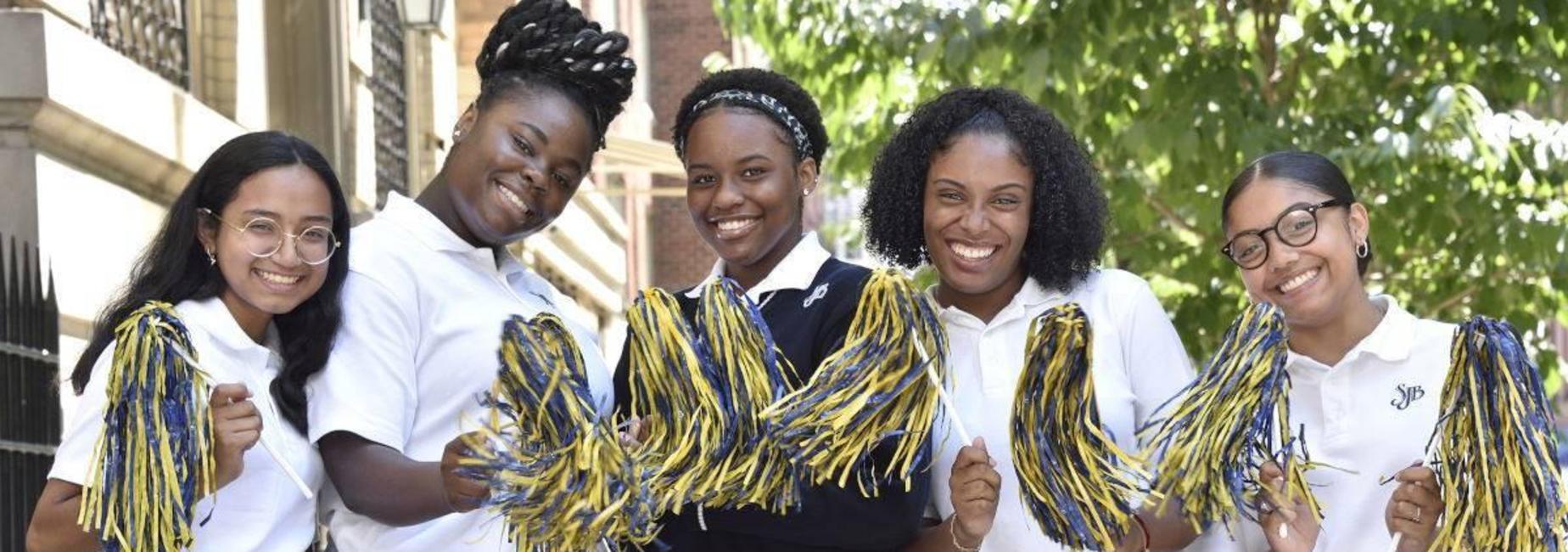
She teaches at St. Jean Baptiste High School on East 75th Street, founded by a teaching order, the Congregation de Notre Dame, with origins in 17th-Century France, who came to Quebec to teach.
Quebec is where my Famine ancestors from County Wicklow arrived as immigrants in 1849.
Many of her students are Black, and several are the children of recent immigrants from West Africa.
Two of what were called “coffin ships” in 1849 wrecked on icebergs on their way from Ireland to the New World. All were lost except for the crew of one ship who abandoned their passengers.
For years after the American slave trade ended in 1808, sharks trailed ships sailing in the same latitudes as the slavers.
Americans, despite Hitler’s dismissing us as “a mongrel race,” are not weak, being galvanized, as we have been, by the immensity of our tragedies.
All of this reminded me of a film I’ve always loved about immigration–“The Godfather Part II”–and a more recent film, “Brooklyn,” with Saoirse (“Sur-shuh”) Ronan, about an Irish girl from Wexford–next door to Wicklow—who comes as an immigrant to America soon after World War II.
Ronan’s character falls in love with a charming Italian-American boy, a plumber, Tony, who is played by a young Jewish actor.
Oh, America.
We are galvanized by tragedy, but it’s true, too, that we are an alloy of many people from out past, from many places. I think that we owe them, in these terribly dangerous and divisive times, the future
 A Work in Progress