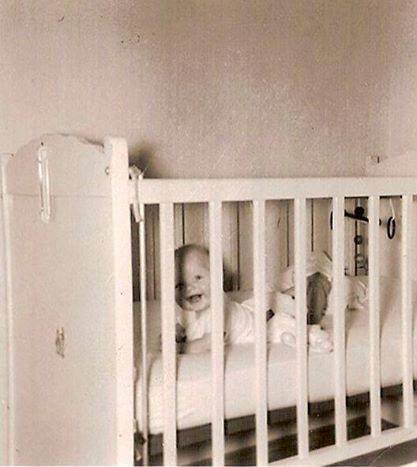
My mother taught me, the little joker in the crib, how to read a few years later. On my first day of education, first grade at Branch School in the Upper Arroyo Grande Valley, I realized that I could read the names of my classmates as Mrs. Edith Brown wrote them on the blackboard.
My mother’s teaching made me want to be a teacher.
She taught me about music and art. Harry Belafonte and Mozart and Glenn Miller were on our Zenith cabinet record player and there were immense and immensely heavy art books in our den, along with several decades of National Geographic magazines. I spent hours in the den, inside the big cabinet built into the wall —it was like a little house—where the books were kept.
She taught me to love God—admittedly, with me, still a work in progress— with the intensity and the intellectual hunger of a Jesuit. Her favorite was Teilhard de Chardin, the Jesuit, an anthropologist who saw no contradiction between Darwin and Genesis, and her margin notes in his books, declamatory and questioning and meticulously written in Ticonderoga #2 pencil, were nearly as brilliant as Chardin’s text.
She wanted to go to college, but it was the Great Depression. Still, I can almost see her, as I’ve written before, with her notebooks and textbooks spread on a lawn, Memorial Glade outside UC Berkeley’s Bancroft Library. My mother is wearing a pearl-buttoned blouse with a knotted sweater around her shoulders, a pleated skirt, bobby socks and saddle shoes, and there’s a bright red ribbon restraining her curly auburn hair. She brushes her hair aside, irritated, because it gets in the way of her reading.
I can almost hear her, respectful but premeditated, questioning a history professor on Wednesday about a point he’d made about the French Revolution on Monday.
She didn’t go to college, but she used tulip bulbs to teach me about death.
She instructed me to carry a jug full of cold water down to the braceros who were working a pepper field just beyond our pasture fence.
When we lived on Sunset Drive in Arroyo Grande, she was a Den Mother to my brother’s Wolfpack, which included my brother Bruce, the Fesler twins and the Cub Scout she adored, Greg Folkerts. Greg, AGUHS ’66, became a surfer, impossibly handsome and effortlessly charismatic, and when he was killed on the beach at Pismo in a car accident, at 17, Mom was heartbroken. So was my brother.
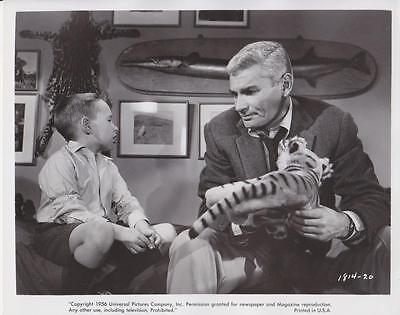
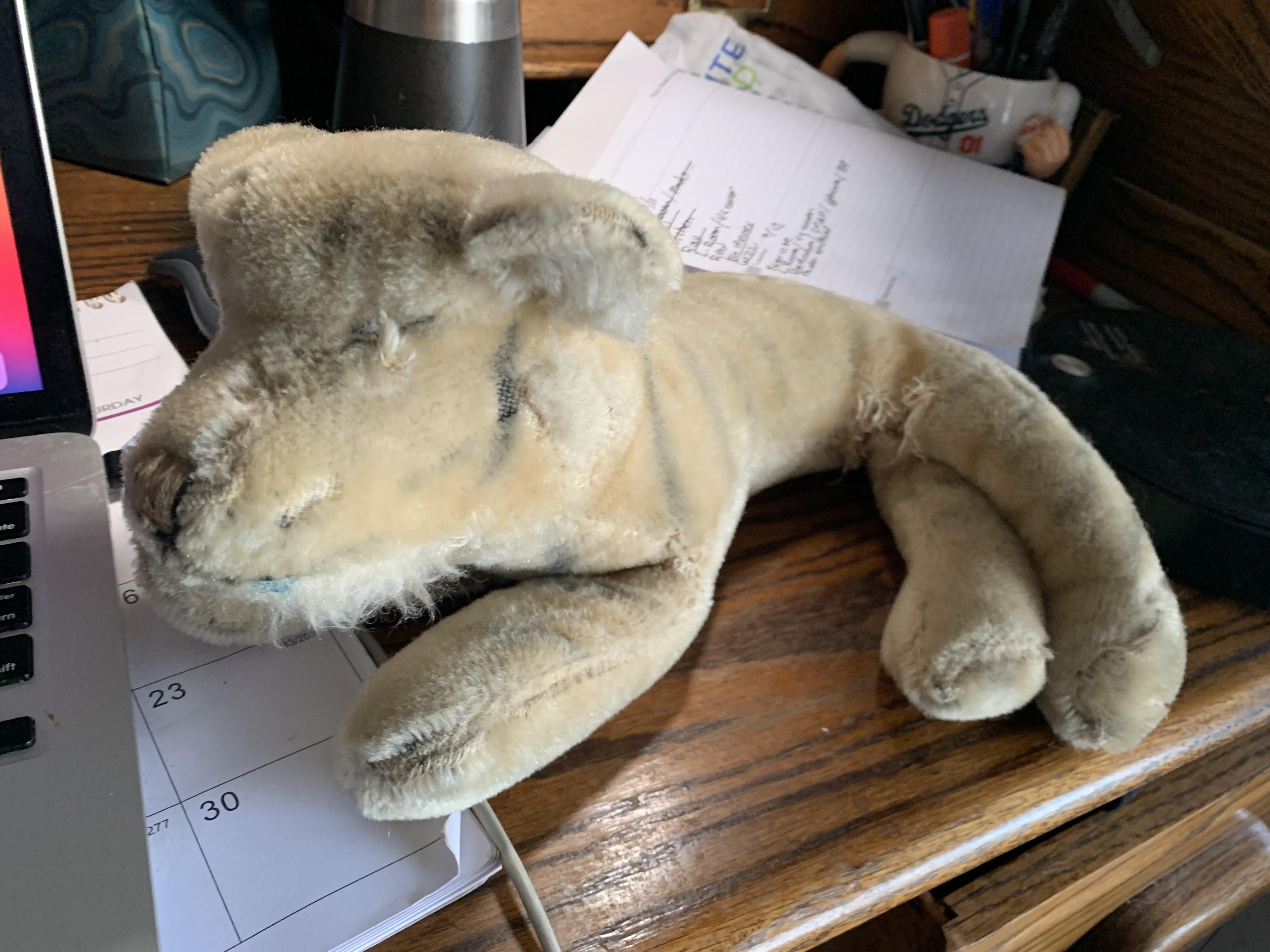
Since we lived on Sunset Drive, we were close to the Fair Oaks Theater, so we saw a lot of movies together. One of them, from 1956, was a Jeff Chandler comedy-drama, The Toy Tiger, about a little boy and his stuffed animal. I still have mine, now sixty-eight years old. He’s named “Toy Tiger.” I stuck to the script.
She had a wonderful sense of play. Once, on Sunset Drive, we all decided we wanted to be Bedouins. Mom thought that was a fine idea. She dressed us up in bathrobes, made us all burnooses out of towels, used eyeliner to paint curly mustaches on my brother and me. She even made a gauze burnoose for our Cocker Spaniel, Lady—she was a beautiful little dog, named, of course, for the Cocker in Lady and the Tramp. We stuck to the script.
She was a delegate, from St. Barnabas, then the Camp SLO World War II chapel where the Arco station stands today, to the Grace Cathedral convention that elected James Pike bishop.
When we lived on Huasna Road, she was vice president of the Branch School PTA.
On Huasna Road, she grew roses—I remember one varietal, a Sutter Gold—and there were two long rows of them alongside the house. We once visited Mission San Antonio de Padua to the north, near the Hunter-Liggett Military Reservation, just to buy some of their famed rose cuttings. The manurage from my big sister’s Roberta’s horses—Quarter horses and Morgans and Welsh Ponies—were perfect for growing roses.
Despite the San Antonio mission, she loved Mission Santa Ines above all others. We visited often when were were little. (The aebeslskivers and frikadeller and the nearby Andersen’s Split Pea Soup added to the attraction for the rest of us.) She bought me a little book, a juvenile novel, about Pasqaule, a little Native American girl, a neophyte at Santa Ines. My fourth-grade obligatory mission model was of Santa Ines. Elizabeth and I were married there, not by Jesuits, but by Irish Capuchin Franciscans. Mom loved that, I am sure.
She was, in anything to do with fabric, an artist: knitting, crochet, needlepoint, weaving, sewing.
She loved the Beatles, Ringo most of all. He reminded her of a Basset Hound.
She asked for Richard Burton one year for her birthday. That was the name of her Basset Hound puppy. It’s no coincidence that I love Basset Hounds.
She was forty-two when she went into labor during a driving rain–Dad drove her to the hospital, seventeen miles away, in his big 1961 Dodge Polara station wagon, roughly the size of a World War II jeep carrier. She gave birth to Sally, the youngest, the family beauty, who turned out to be a wonderful mother, too. I can’t tell you how much she would have loved her granddaughters and our sons, John and Thomas, her grandsons.
This coming March 19 marks fifty-five years since Patricia Margaret Keefe Gregory died.
I was seventeen. I am seventy-two. I still miss her, and that’s probably because she was such a beautiful woman. When I say “beautiful,” I’m referring to her heart and to her mind, not to her looks.
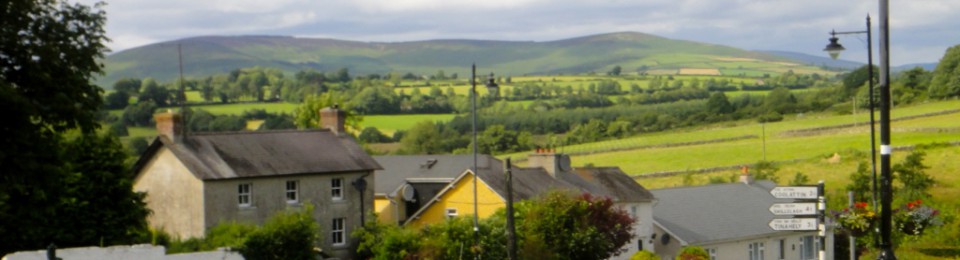
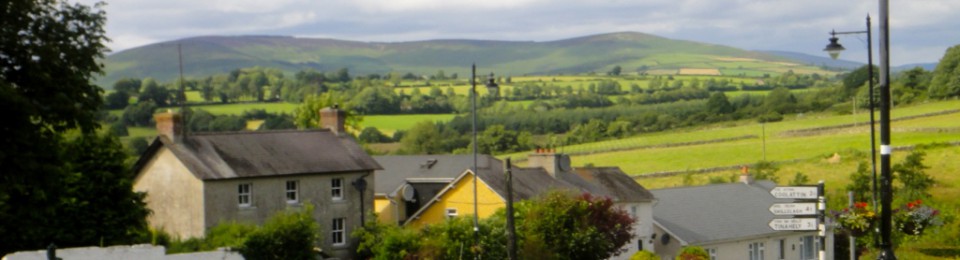
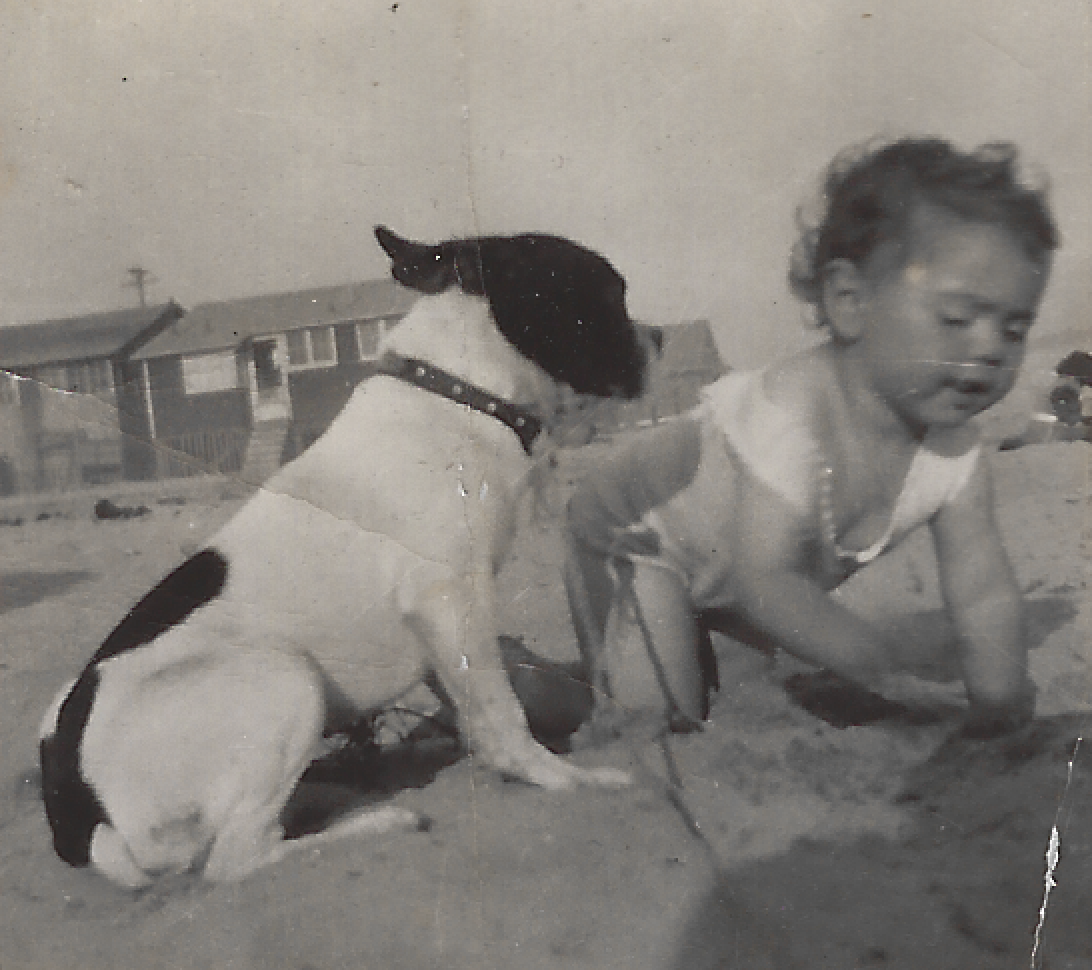
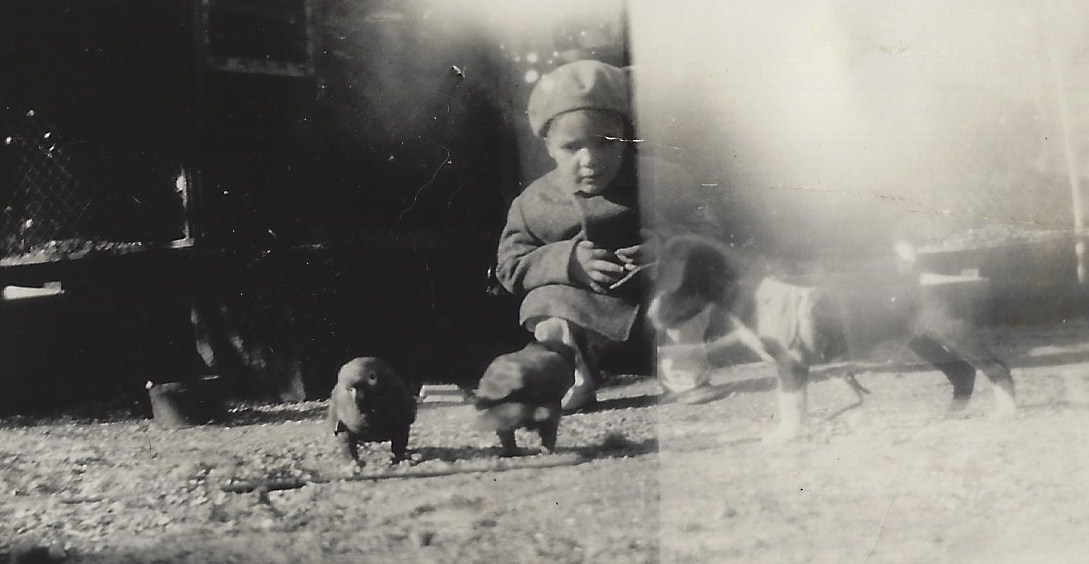
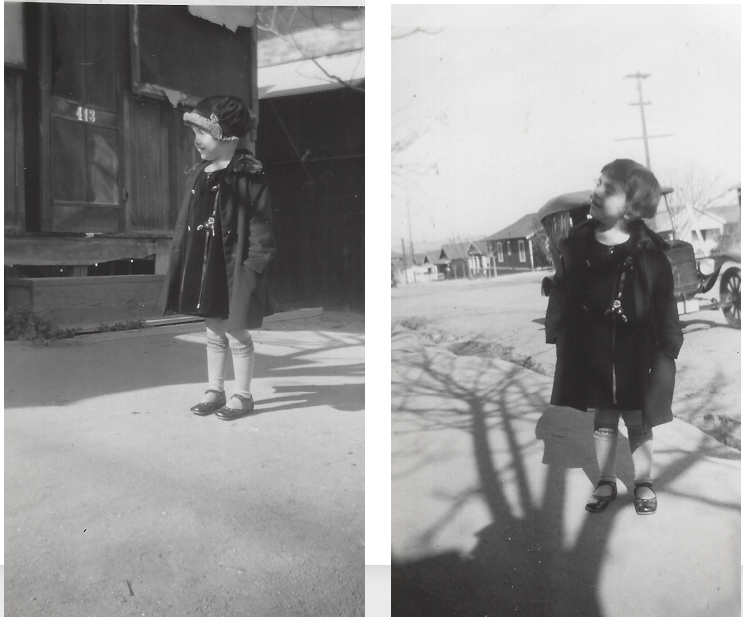
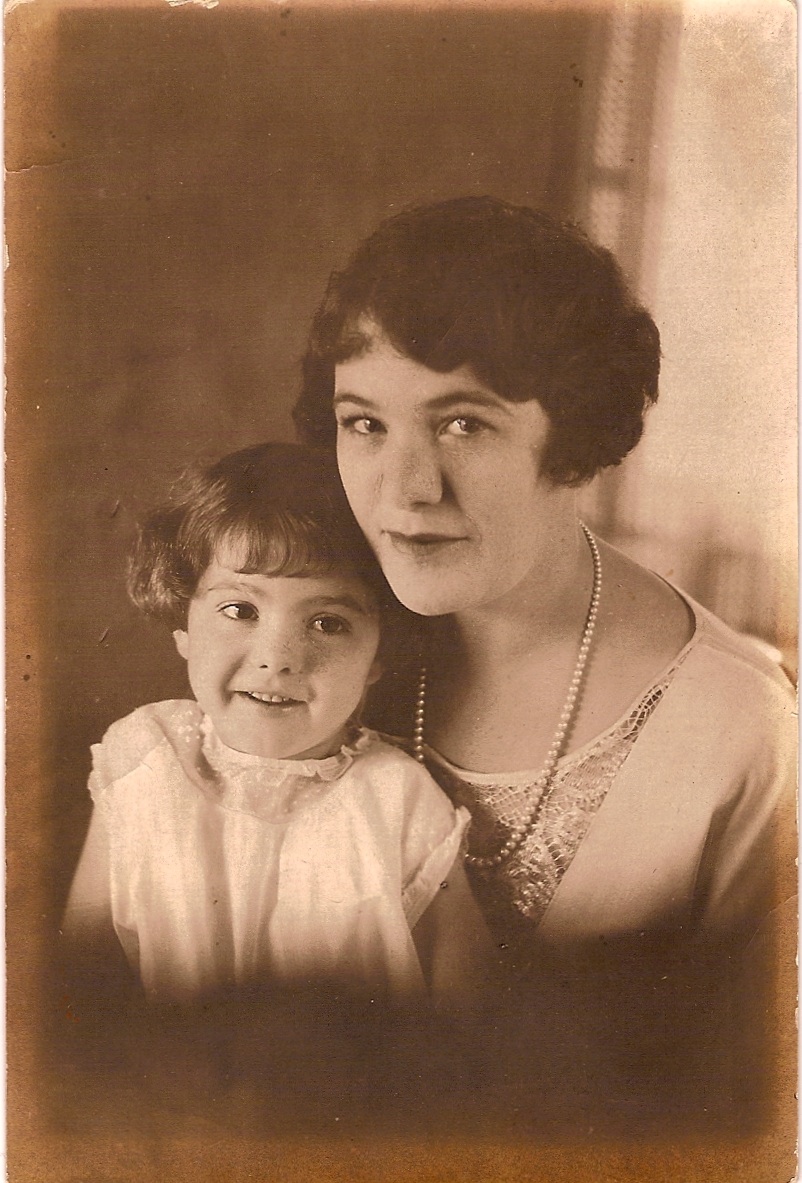
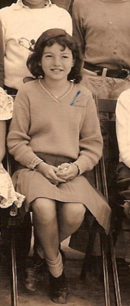
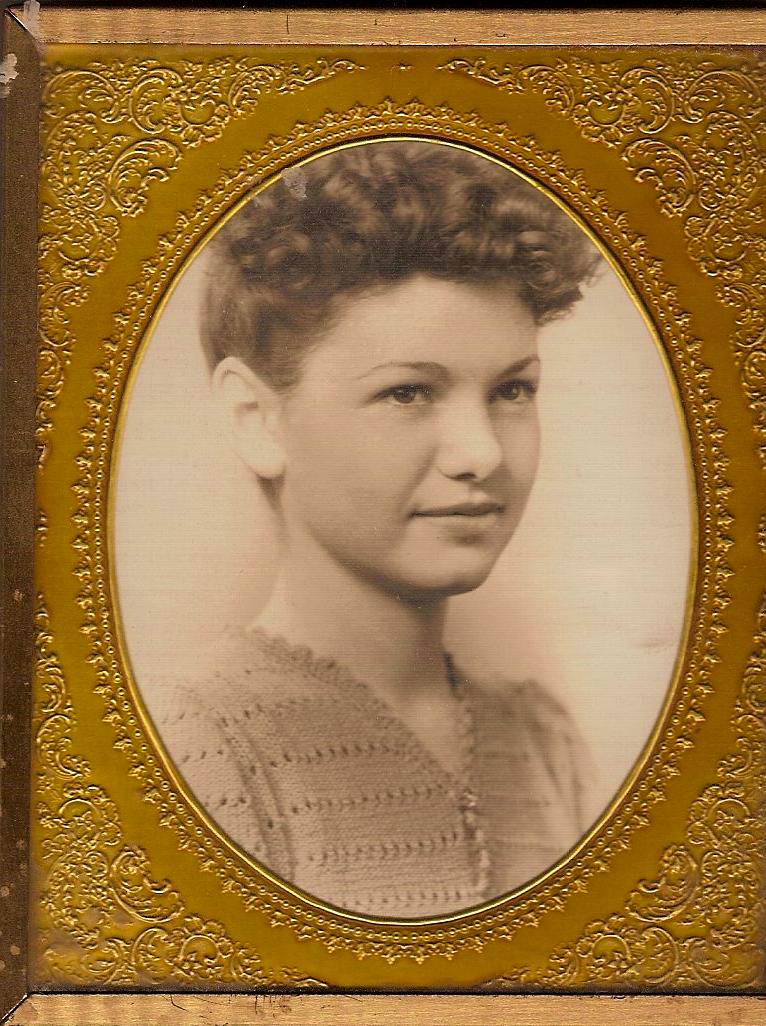
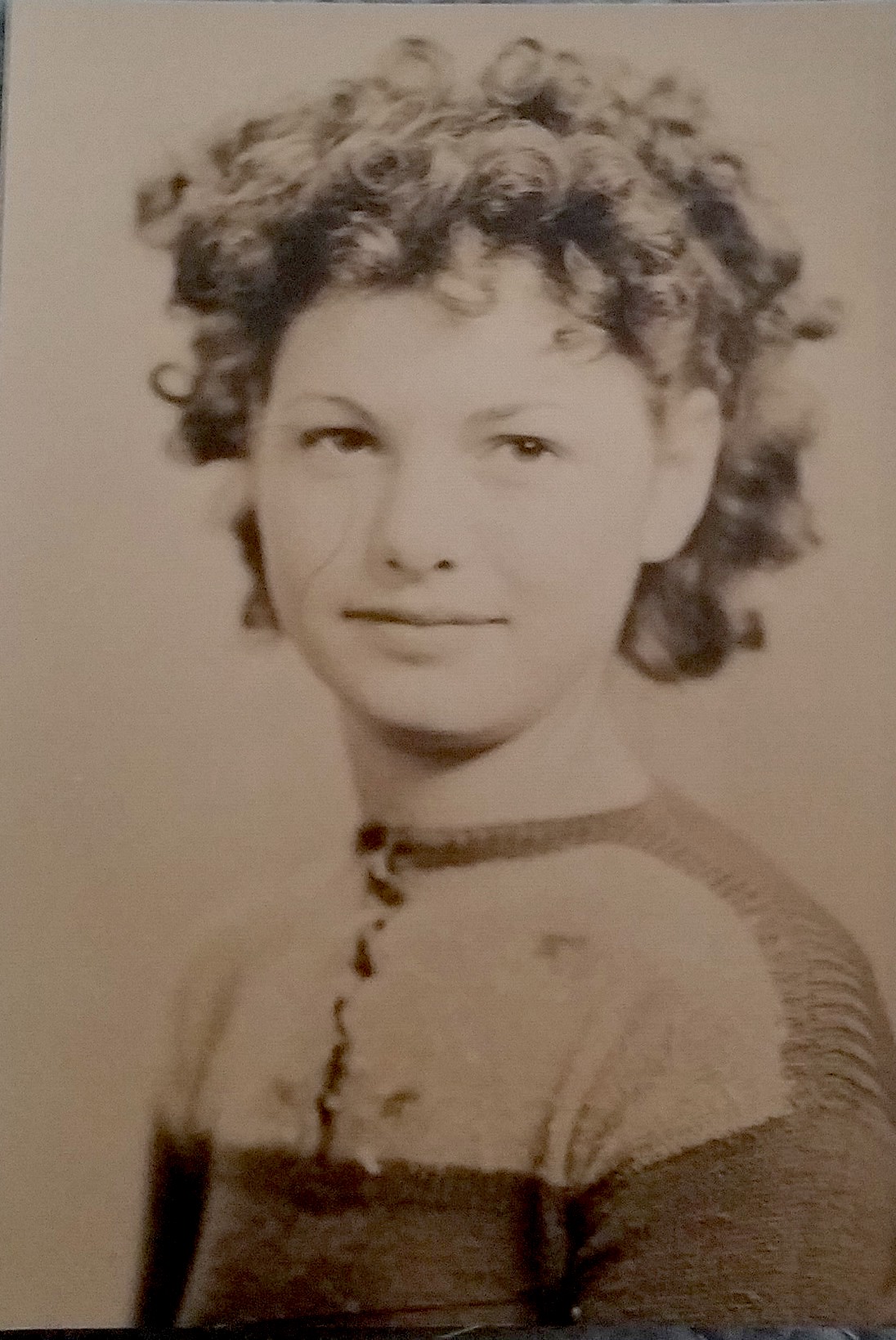
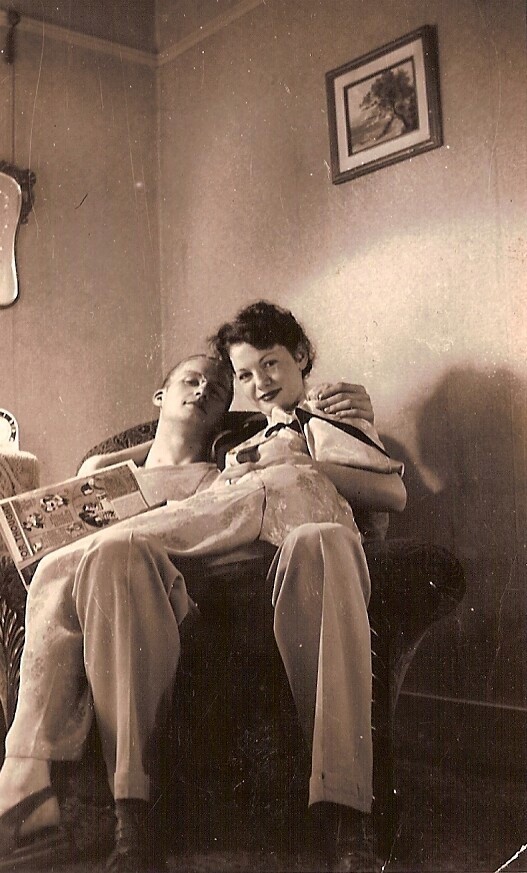
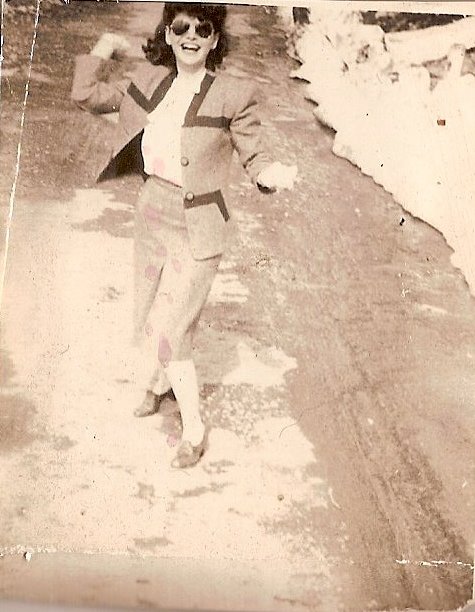
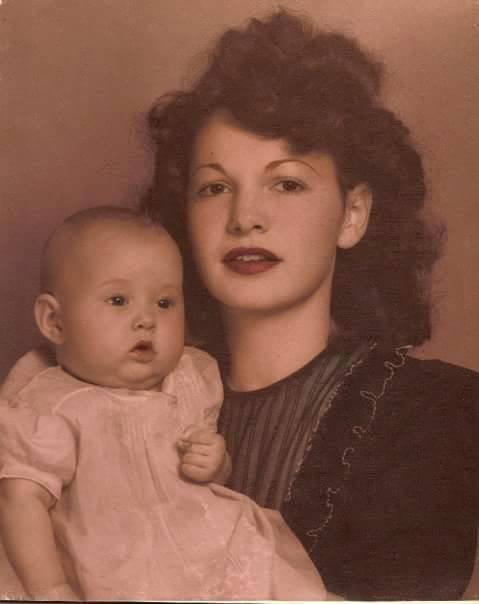
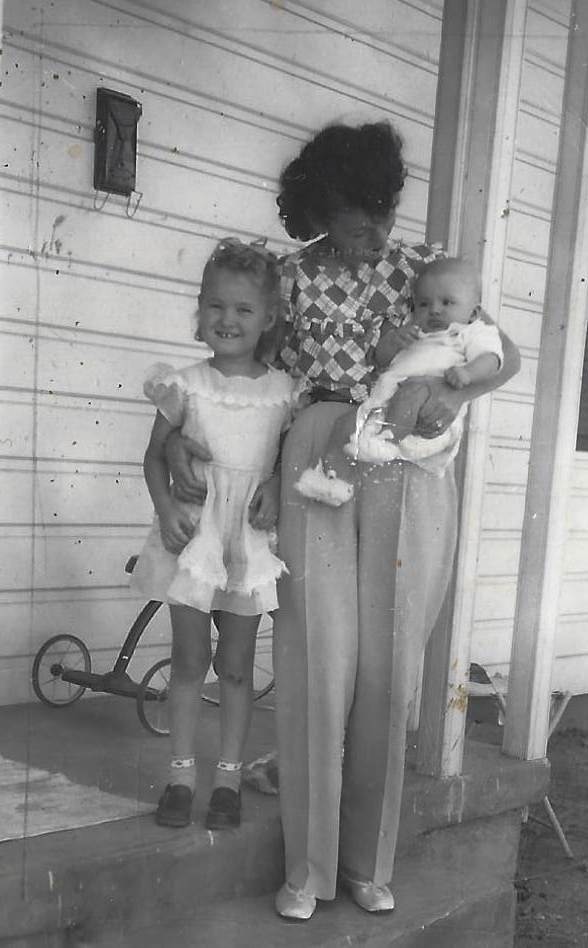
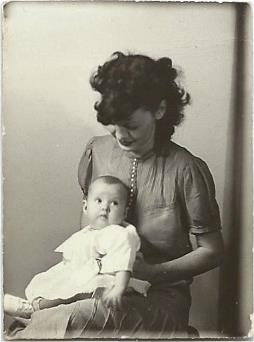
She was named “Patricia,” after two grandfathers, Patrick Keefe and Patrick Fox, Famine refugees from County Wicklow, two men who would’ve been immensely proud of the little girl they never met. The two Patricks came from Coolboy, the village below. Then there’s some photos of my mother, of the kind of woman the Irish would refer to as “Herself.”
And, yes. She was beautiful.
 A Work in Progress
Pure Love : )
LikeLike
Thank you, my much-loved friend.
LikeLike