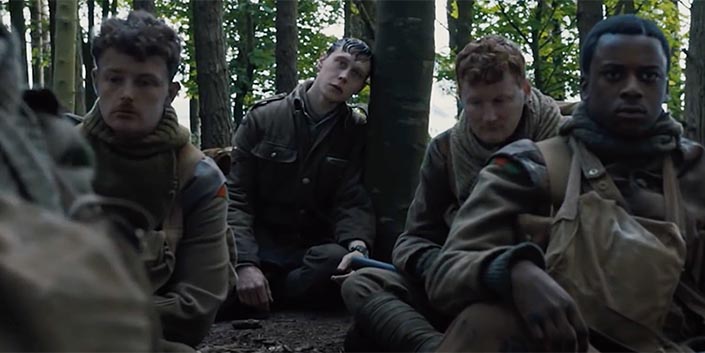
In Sam Mendes’ 1917, Lance Corp. Scholfield has survived a harrowing journey when a voice calls him into a woods. A soldier is singing an old song, “(I Am a Poor) Wayfaring Stranger,” as his regiment prepares to go into an assault that will doom most of them. It’s Schofield’s task to stop them, but he needs to regather his strength first.
It’s a mesmerizing moment. Here is the song, performed by Joe Slovick and recorded at Abbey Road:
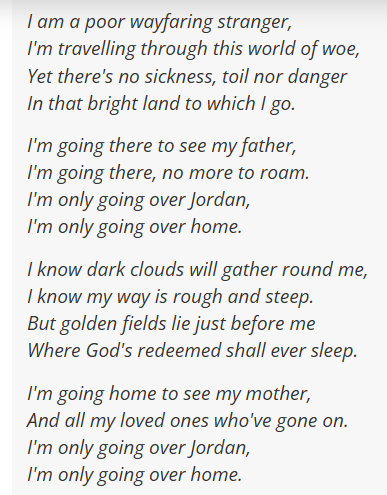
And here are the lyrics:
The irony, according to an excellent website, Counting Stars, is that the song has its origins in 1816 as a German hymn. But it gained new life recast as an American song in 1858 and became popular among other soldiers in another war–our Civil War. In the 20th and 21st centuries, it became a bluegrass staple, performed by Johnny Cash, Emmylou Harris and Jack Black in the Civil War film Cold Mountain.
This borrowed German song—it must’ve come here with the “Forty-Eighters,” the wave of German immigrants fleeing a failed revolution as their Irish contemporaries were fleeing hunger—is now completely American.
I am fond of this version, quite different from Slovick’s stunning solo but valuable because it restores the song to its bluegrass roots. The beauty of American music? This is a Norwegian band.
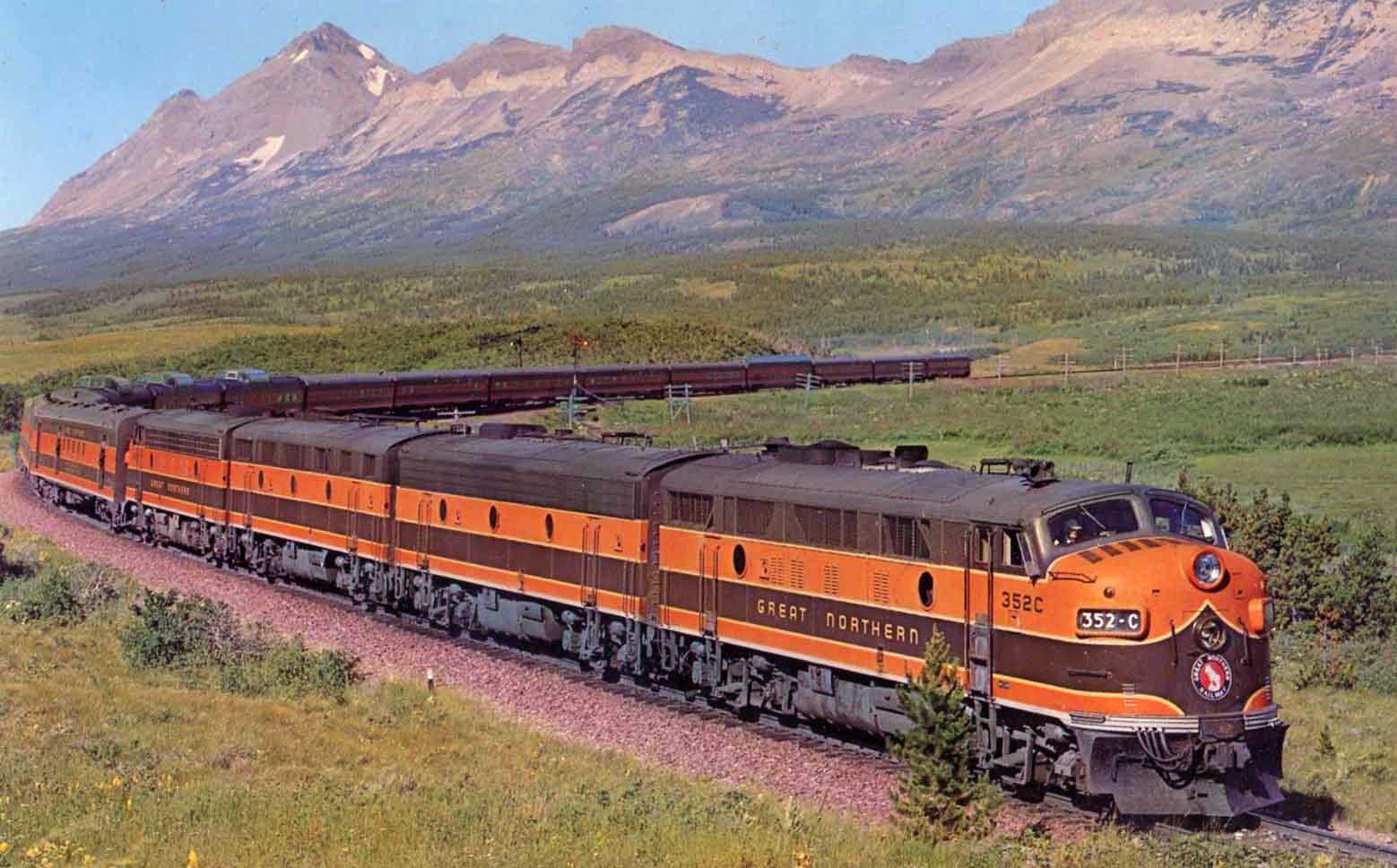
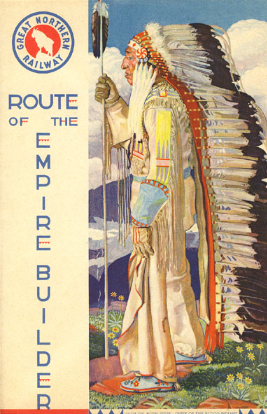
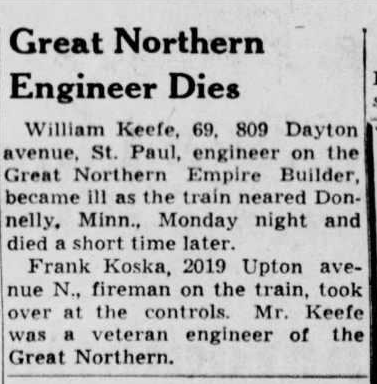
I’m not arguing here in favor of death. But on this day in 1948, my mother’s uncle, Willie Keefe, died at the controls of this engine, the Great Northern’s Empire Builder. (Three days later, my big brother, Bruce Keefe Gregory, was born. He inherited the Keefes’ brown eyes, the only one of the four of us.)
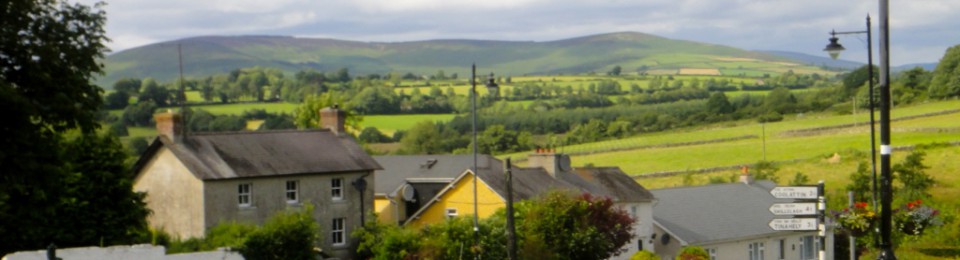
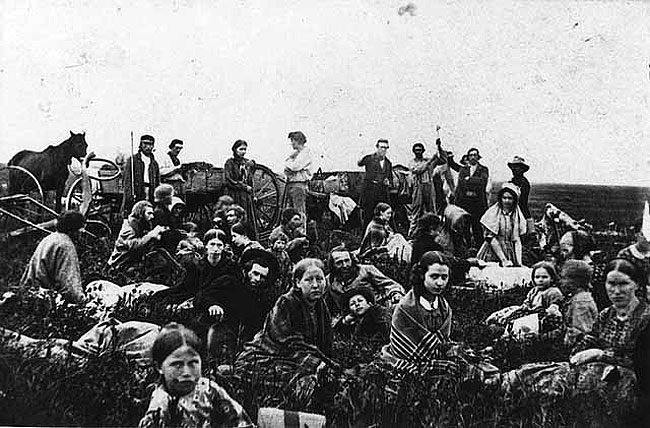
Willie got to see some beautiful country between Minneapolis and Seattle, but a heart attack felled him early on that day’s route. Uncle Willie grew to manhood in Minnesota, but his life began in Clarion, Pennsylvania, which looked like this:
Minnesotans fleeing the Great Sioux Uprising of 1862. It began in Meeker County, where my Irish great-grandparents later homesteaded. The Dakota reservation had been halved in size and the government was dithering in supplying the promised beef and flour allotment. The war began in Meeker County when hungry young men were caught stealing a farmer’s eggs.
William was the eldest of ten children born to my great-grandparents. His younger brother was born in the same kind of place, Pennsylvania oil country, two years later, in 1879. The last of the bunch o’Keefes—there were ten—was my ne’er-do-well Grandfather Edmund, born, like the rest, in Minnesota. Their parents were Famine refugees from County Wicklow, farmed in Ontario, worked in the oilfields (it’s no coincidence that I was born in Taft), homesteaded in Meeker County, the site of the Great Sioux Uprising in 1862, grew oranges in Southern California and then, when they were in their seventies, got divorced.
Go figure.
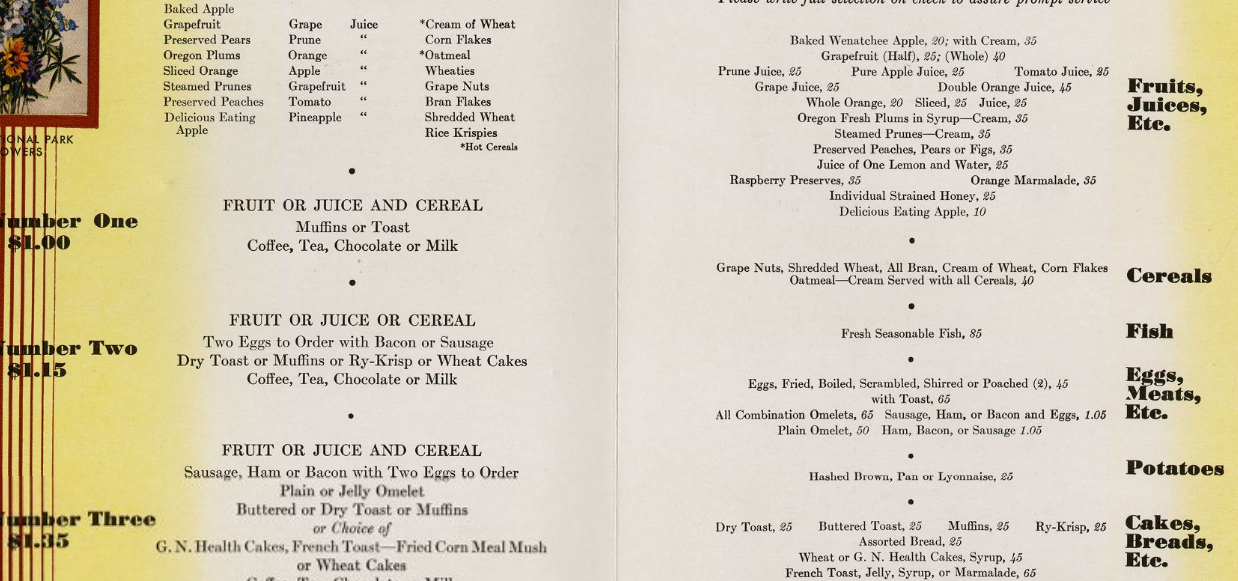
Uncle Willie’s train was the equivalent, in railroad terms, of the Queen Mary. The guides that came with the trip honored the kind of people Minnesotans killed in great numbers—thirty-eight were hanged in Mankato—in 1862. These are menus from the 1940s, Uncle Willie’s time.
And oh, what a menu it was. Especially the breakfasts. As passengers headed all the way to Seattle (the route actually began in Chicago, so it was a forty-five hour trip that covered over 2,000 miles.) they needed a Breakfast of Substance.
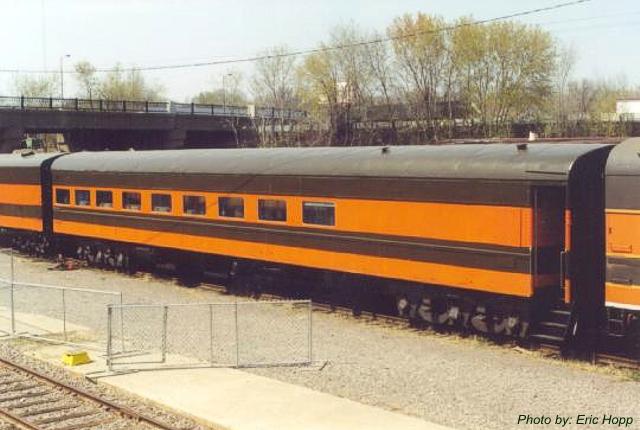
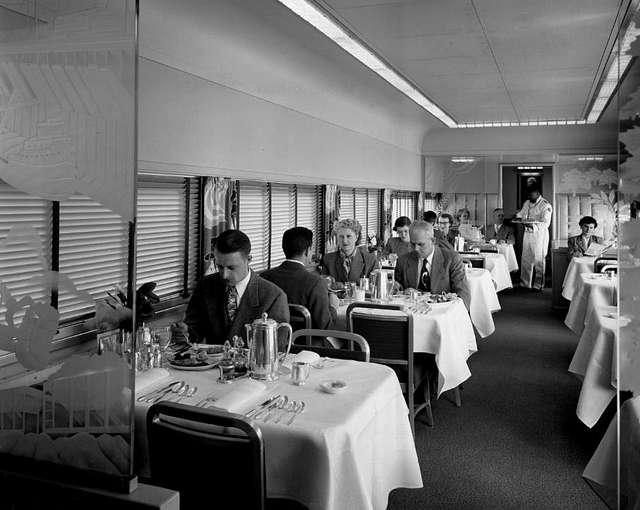
And here’s the dining car, outside and in:
Other than the food, the Builder’s great selling point was the observation car, where one might precede breakfast with a coffee or a Bloody Mary and look out upon the occasional formation of buffalo, mothers with calves or a puzzled Grizzly. It had to be, along with the Coast Starlight (I’m prejudiced), one of the most beautiful routes in America.
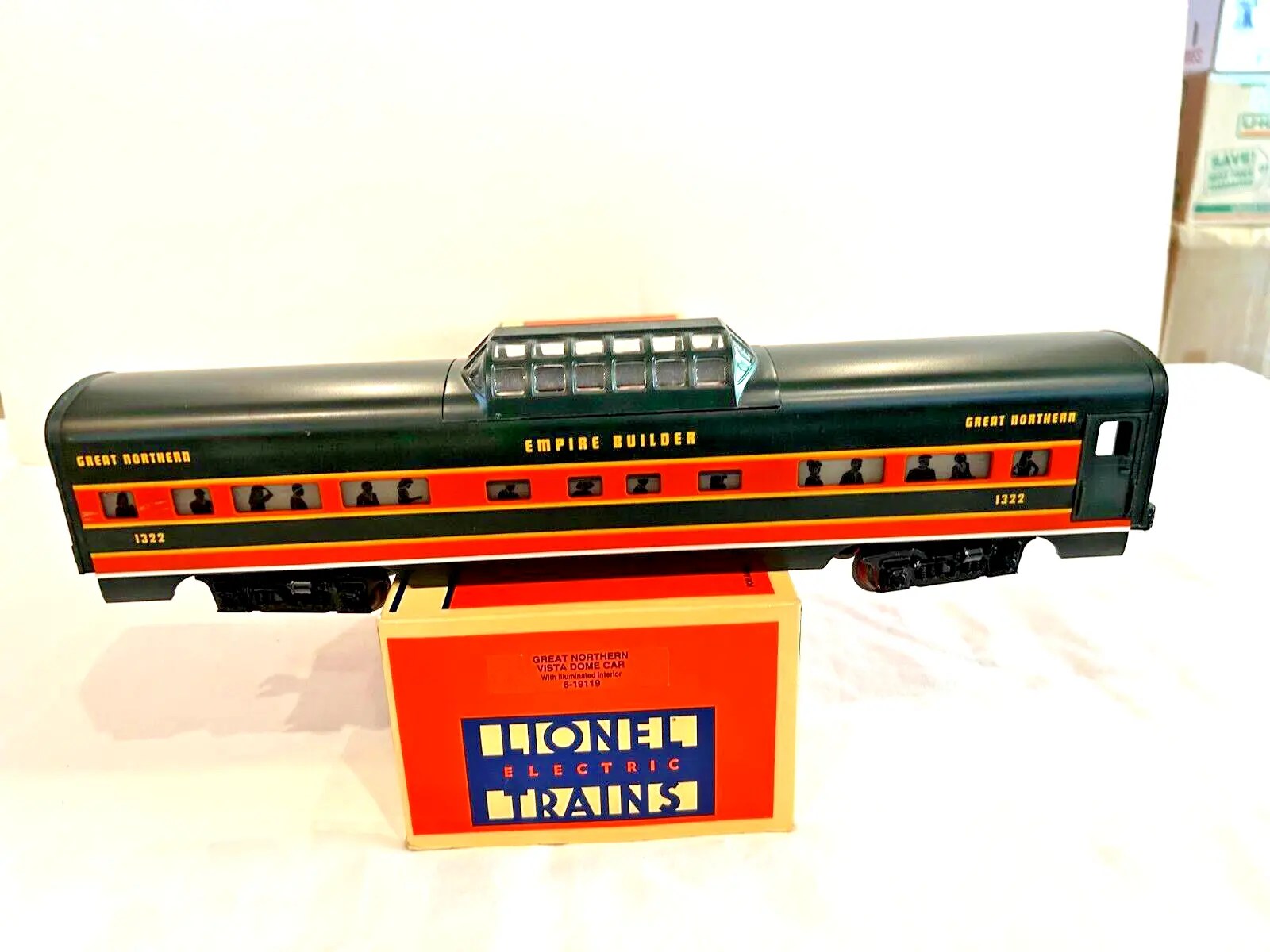
And you could buy this observation car at Macy’s.
Maybe it was too many of those Great Northern breakfasts that did my great-uncle in. Every death is a loss, but Willie died that day early in the route as his engine was accelerating. He would have felt the engine’s power throughout his body before his body failed him. In those last few moments, his journey was just beginning. He had to be happy as he drove the Empire Builder westward, toward the sunset at the end of his shift.
If you drop an object on the floor or ground, there’s only a 50% chance that you will pick it up.
You still bend the bill of your baseball cap.
You are innocent of tattoos.
You can still sing the first verse of the themes from the following TV series: Zorro, Davy Crockett, King of the Wild Frontier, The Jeffersons.
You have a scar under your arm from your smallpox vaccination.
You occasionally refer to the fridge as “the ice box.”
You can still sing TV commercial jingles like “Bry-Creem, a little dab’ll do ya…”
You can remember watching Dizzy Dean (“HE SLUD INTO THIRD!”) and Pee Wee Reese calling The CBS Game of the Week.
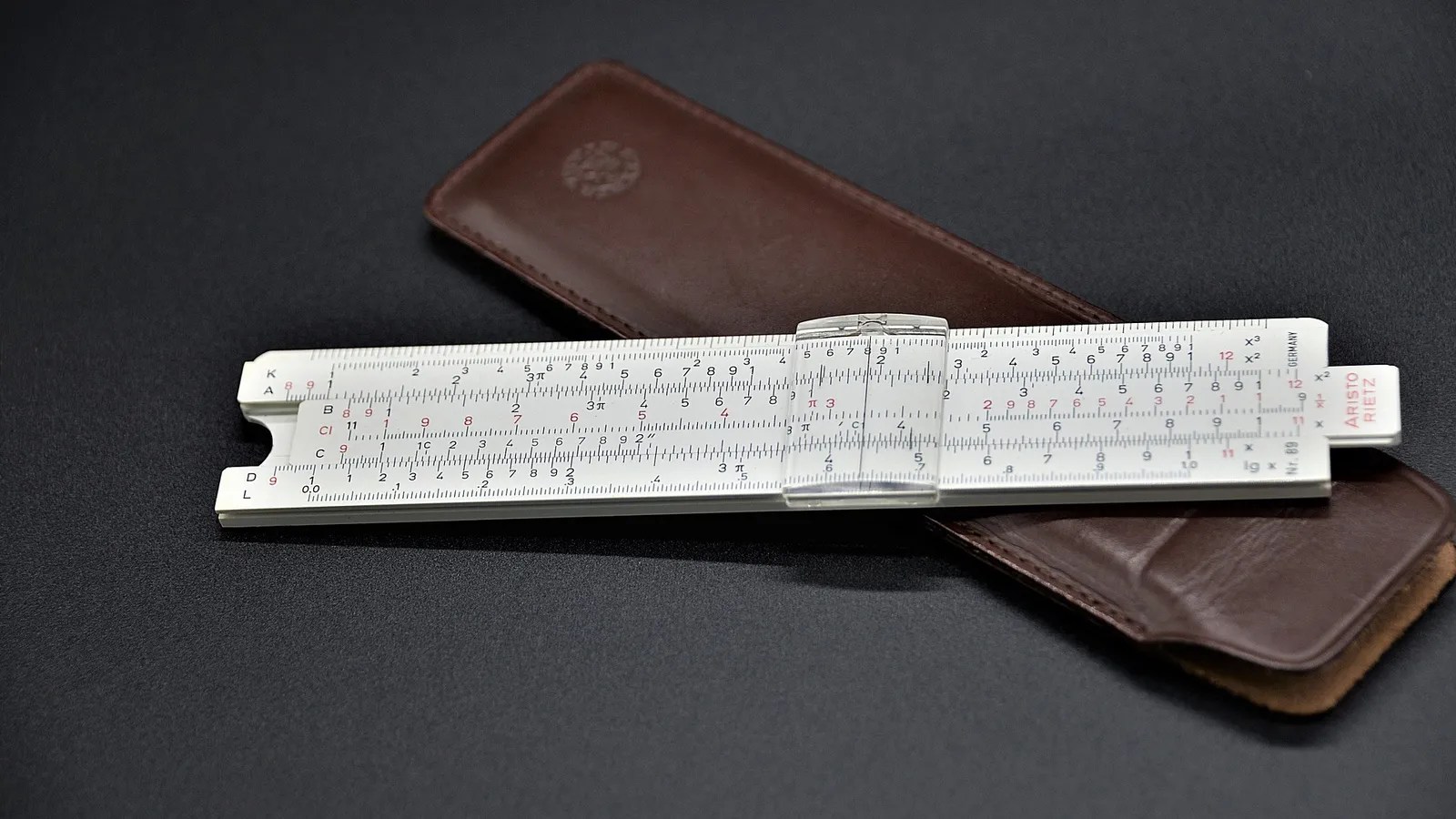
Once upon a time, you knew how to use a slide rule.
You had a crush on puppeteer Shari Lewis or Mousketeer Annette Funicello.
You can name at least four British Invasion bands that weren’t the Beatles or the Stones.
You were sent home for a dress code violation, e.g., letting your sideburns creep below you earlobes.
You used the wax paper from Mom’s sandwiches to go faster down the slide at your school.
You waited in line for an hour or more to see Star Wars.
You know what a “pay phone” is. And a dial phone.
You did your research papers in school on a typewriter.
You can explain the function of something called “A 45.” (A-side and B-side)
You used a crank to lower your car window.
While you were busy cranking down your window, the service-station attendant filled your tank, checked your oil and cleaned your windshield.
Twenty dollars = Four bags of groceries.
You draped your Christmas tree with aluminum “icicles,” also useful for foiling Soviet radar.
You know the actor to whom this refers: “Kookie, Kookie, lend me your comb.”
Route 66: You wanted to grow up to be those guys. Or, failing that, you wanted to grow up to be their Corvette.
Sadly, you drove a Ford Pinto.
You can at least hum the following tunes: “How Much is That Doggie in the Window?” “Itsy-bitsy Teenie-weenie Yellow Polka Dot Bikini,” “Purple People Eater.”
You know that Hoss’s Mom was Swedish, that Lassie’s human was Timmy (Timmy-Fell-Down-the-Well) and Rin Tin Tin’s was Rusty.
Saturday mornings started with Fury, the horse equivalent of Lassie, followed by Warner Brothers classics (see below) and Rocky And Bullwinkle.
During the Cuban Missile Crisis, you were reasonably sure that you were going to die.
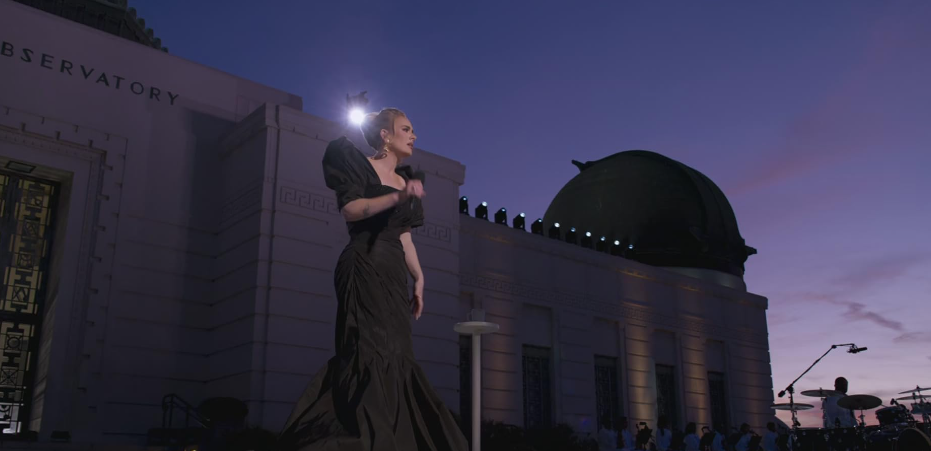
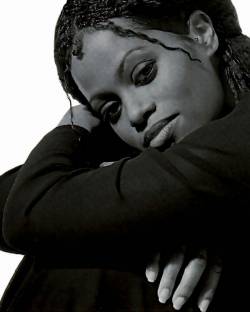
AmyMarianne FaithfullEmeli SandeFlorenceAdele at the Griffith ObservatoryDes’Ree
This NOT rocket science, and I know full well I’ve left out forty or fifty. But here, in no particular order, are ten.
Petula Clark on The Ed Sullivan Show, 1965. My Mom adored these three without reservation: Petula, Diana Ross, and Ringo.
2. Maybe a one-hit wonder, but Duffy’s performance of this song is gritty. Not “more cowbell,” but more cigarette smoke? And I love the dancers.
3. This is not a “music video,” because it was filmed, not videotaped, and thankfully preserved for us nearly sixty years later. Shirley Basseyhas pipes. I think she did two more Bond themes, as well. Check them out.
4. I had to post Emelie Sands’ photo above–she’s Scots–because she doesn’t appear in this video. Somehow, even though this is Britain’ Got Talent, I saw this performance. The song is incredibly moving. The shadow dancers are divine
5. Given the setting, I would have spent several thousand dollars I don’t have to see Adele that day, and at that place, two years ago.
6. Des’Ree’s song is, to me, a threat to the antidepressant industry. Just the song will do, thank you.
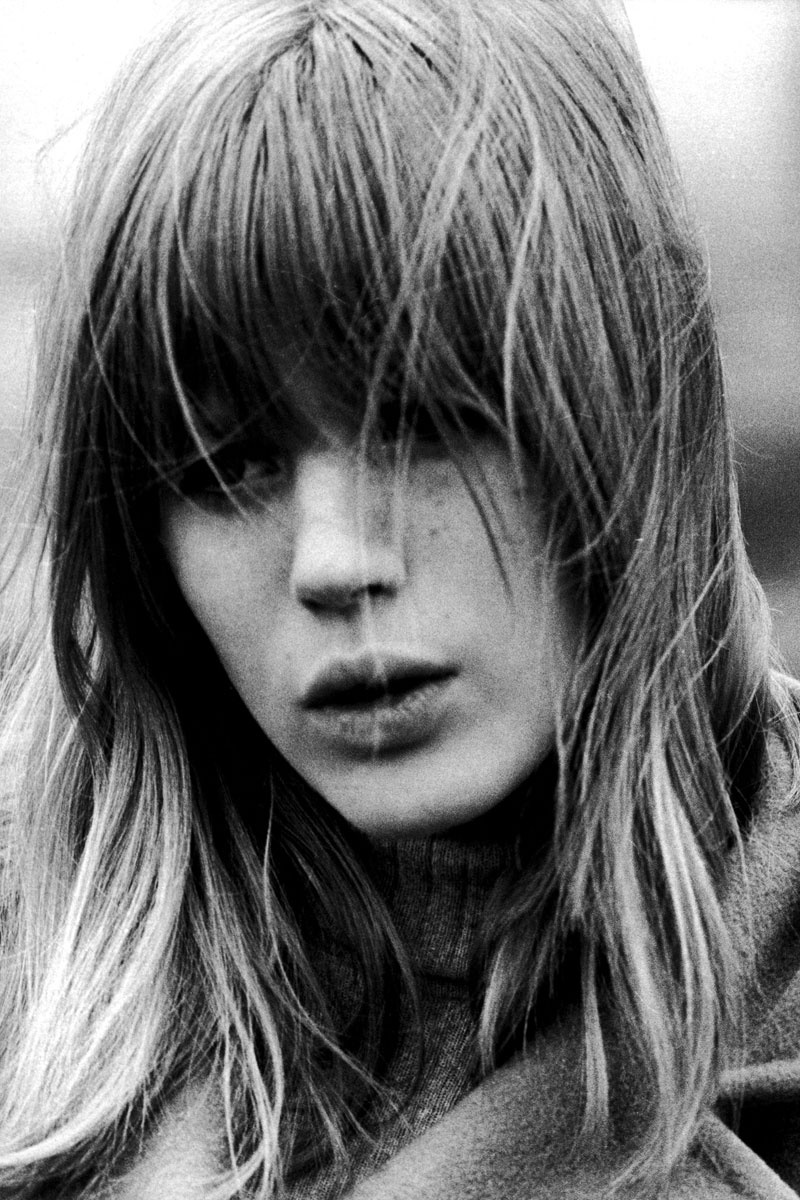
7. Marianne Faithfull, 1965. Her much-later album, Broken English, was bitter, raunchy and glorious–pre Amy Winehouse. But this Stones song stands on its own when her voice was still very young and very sweet.
8. Cilla Black, 1965. She masters this Bacharach song–they’re notoriously difficult to sing, hence Dionne Warwick and Aretha Franklin and Cilla Black They mastered the Master.
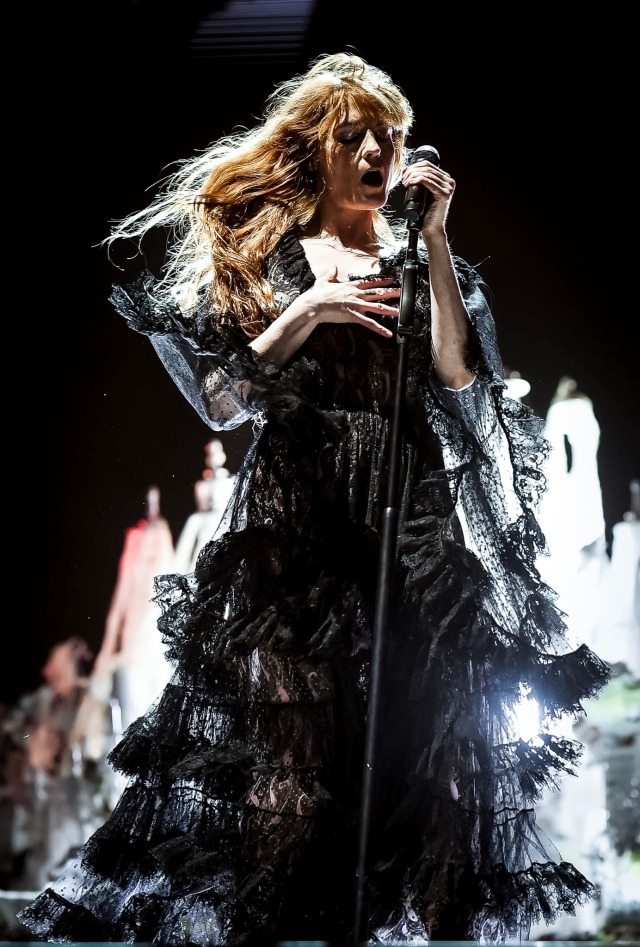
9. Florence Welch fourteen years ago, This is a bewitching performance, if you’ll forgive me, because at one point, she does a little hip movement that comes straight from Diana Ross and “Stop! In the Name of Love.” Watch for it.
10. There’s not much I can add about my admiration for Amy Winehouse, and how much I miss her. Let her do the talking instead.
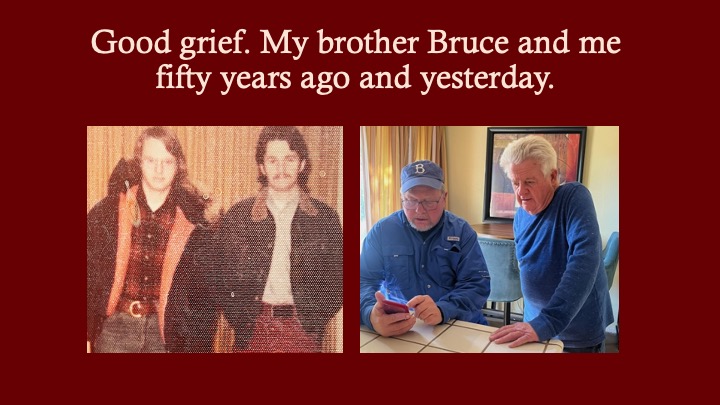
The earlier photo was taken when we were roadies for the Allman Brothers Band. (Okay. I made that up.)
There used to be records called “45’s,” young people, that you popped onto what was called a “turntable” inside the listening booth at Brown’s Music in San Luis Obispo. Since my big brother, Bruce, had four years and a driver’s license on me, he would bring 45’s home and play them in the back bedroom–the back back back bedroom—of our house in rural Arroyo Grande.
I was into, even then, in sixth or seventh grade at Branch School, the Beach Boys and then the Beatles. Not Bruce. He didn’t have time for that kind of nonsense. Bruce was into The Rolling Stones. If I could think of a classic film comparison, the Stones would be Humphrey Bogart, with his .45, as Duke Mantee in The Painted Desert, dropping into the middle of jubilant singing Munchkins in The Wizard of Oz.
The Stones, you must understand, were hard-edged,, a bit scruffy—they’d rejected the matching Edwardian suits that the Beatles and all their imitators favored—and they were, in 1965 terms, salacious: “Let’s Spend the Night Together” did NOT imply reading the Book of Proverbs aloud with your girlfriend with a plate of ginger snaps and some steaming hot chocolate.
Nossirreebob.
So imagine our Extremely Beautiful Dear Sainted Irish Catholic Auburn-Haired mother finding this 45 record cover sleeve (not “album” sleeve. With a 45, you got a song. With the bonus “B” side, you got one more song. That was it). in Bruce’s bedroom. This was for the song “Have You Seen Your Mother, Baby, Standing in the Shadows?”
We would get used to this kind of thing with Monty Python, but we weren’t there yet, not on Huasna Road. (I am pleased that two of the lads are in uniform, one, Bill Wyman, as a World War II U.S. Army WAC, a top sergeant, and Brian Jones, very blonde, as a female RAF member.) That wouldn’t have impressed Mom.
I can almost hear a little shriek from the back back back bedroom punctuating the bucolic quiet of our three acres near the Harris Bridge.
Oh, here’s the song, reflective, as the Stones often were, of the way postwar middle-class life could suffocate young people. This is, quote, “The Official Music Video.”
Of course, that wasn’t the end of it. Another shriek must’ve escaped my mother when she found this full-length poster on Bruce’s bedroom door.
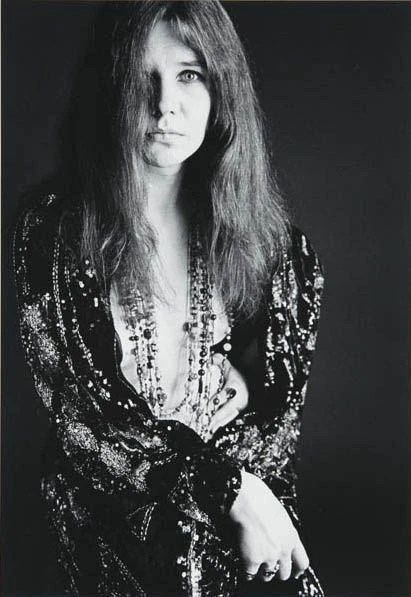
Yes, that’s Janis Joplin. And her left nipple. It took me a few more years, thanks to my friend David Cherry, to discover Janis and this album, which remains one of my all-time favorites.
It would be many more years after that when I first saw her perform Big Mama Thornton’s “Ball and Chain,” filmed at Monterey Pops. This video still flattens me, in the best way. The performance amazed Mama Cass, too—you can see her in the audience.
Luckily for our Mom, this was the next poster Bruce put up. Considerably more wholesome, I think.
By then, I was beginning to catch up to Bruce. Maybe his hard edges were softening. Maybe my tastes were maturing. By my early teens, I loved any music—the Byrds, the Doors, Joni Mitchell, Buffalo Springfield, Judy Collins—that came from Laurel Canyon in Los Angeles. The other half of my palette was British Blues, thanks to my friend Paul Hibbard—Cream, John Mayall and the Bluesbreakers, the Yardbirds. And, thanks to my Dad’s 1965 Chrysler car radio, which picked up Wolfman Jack and XERB, all things Motown.
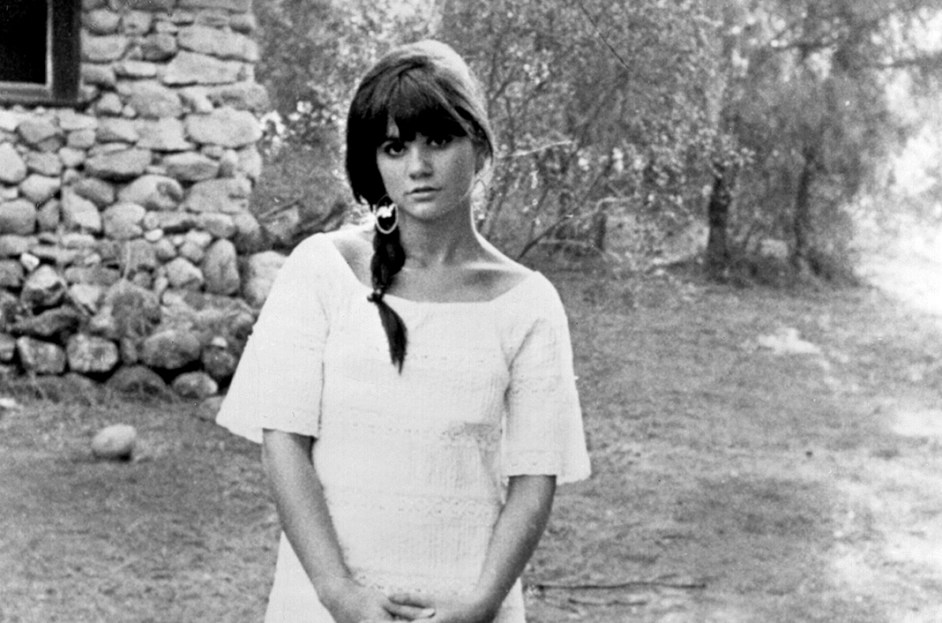
But that poster—and that young woman, another drifter in Laurel Canyon—is where Bruce and I found rich common ground. I’ve written a lot about LInda Ronstadt—along with Aretha Franklin, the greatest voice of our generation, Bruce’s and mine. But this seemingly innocuous little pop song, written by the Monkees’ MIchael Nesmith, made my big brother and I fall in love with the same woman.
Sadly, there is not one damned decent video I can find of Ronstadt performing the song, “Different Drum,” from 1967. But I did find this touching cover:
And I wouldn’t want you La Ronstadt fans out there to go away mad, so I do have this performance. Her range was amazing, and the last note might just be as close to Heaven as the Good Lord will ever permit me.
But that’s not the big news. Nope. And I know I will lose some of you here, but you can go listen to your Tony Orlando and Dawn.
Bruce texted Elizabeth, my wife, yesterday morning: “Have you heard Taylor Swift’s new album yet?”
She had not. Neither have I.
Maybe I should’ve read the tea leaves. Ronstadt indicates that, even by 1967, my Stonesy big brother was already edging into what we would eventually call “country rock.” And now, at 75, he’s gone plumb over the edge.
My big brother is a Swiftie.
Damn!
I am not in the league of one of my all-time favorite AGHS students, Robert Kobara, who is a confirmed, devoted, memorize-the-lyrics kind of Taylor Swift fan, but I am pretty darned close, and I’d love Robert even if he were a devotee of polka music.
Bu there are, in great part hanks to Robert, are at least forty Swift songs on my mp3 player (along with Of Monsters and Men, The Chicks, Imagine Dragons, Bikini Kill, Lykke Lei and oldies like The Velvet Underground and Quicksilver Messenger Serice and The Supremes).
Swift wins, on sheer volume and disk space.
The girl writes a mean hook, her arrangements are stunning, her backup musicians are sublime. Yeah, I could probably do without the Stadium Exploding Special Effects
Stadium Exploding Special Effects are okay for this song, my favorite Fleetwood Mac songs, and that’s a mighty tasty Keith Urban guitar solo. His wife, Nicole Kidman—sigh!—is in the audience.
Also rocking out, for a brief instant, is bigolly Taylor Swift, about 35 seconds into the video posted below.
She had another moment, a little longer, when she was captured on video in the audience at the Grammy Awards. She was swaying along to Tracey Chapman and Luke Combs in their incandescent performance of “Fast Car.” Swift was singing along, standing, eyes closed, enraptured. It was a touching moment of respect. She had recorded this song, and it was fine. It was not in Tracey Chapman’s league, and I think Swift understood that.
But. by the way, here’s Urban, being mighty fine but with far too many explosives, a development that bothers me about Swift.
Urban’s guitar solo is terrific, but you wonder how much dry ice had to die for this performance and whether the lighting bursts provoked seizures in the audience that lasted for months afterward.
I need to check with Bruce, but I don’t need the stadium explosives to love Swift. Maybe he yearns, as I do, for more intimate days, like this performance on The Letterman Show. This is one of earliest songs, and it’s still simple. That’s what attracts me about it.
I’d guess you could say she’s “working” the audience in this video. Then she kisses the little girl, so I don’t think that’s the case, not at all. I am not saying I’d want to be one of her ex-boyfriends, but you get the sense that she loves touching people. Then this morning I found one of those fluffy news articles about “Celebrities Who Are Either a Dream or Nightmare to Meet.”
She was a “Dream.” Despite the possibility that she’s gotten far too big for us—the music equivalent of WalMart, the biggest conglomerate on this here planet Earth—she is genuinely kind.
I don’t get it, either, Maybe my big bro and I can figure this girl out together. Maybe we’ll find out we were right about her all along.
Just one more. Red remains my favorite album, and this is one of my favorite songs, and not at all like the version on my mp3 player. From the BBC, without pyrotechnics. Delicious.







 A Work in Progress