
Tags
I was on the rowing machine that goes nowhere (“Louie Louie” on the earbuds made me zip a little), when this little number popped up on one of my playlists.
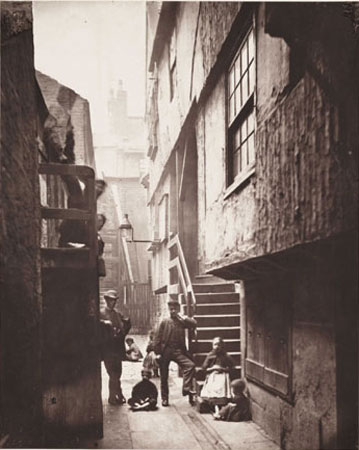
The Animals, from 1965. The lead singer, Eric Burdon, remains one of my favorites, with a surliness quotient, when he looks into the camera, that is sublime. They dress like Beatles. They don’t act like Beatles. And the lyrics, for a historian, are sublime: The sun didn’t shine in working-class tenements like this in Victorian/Edwardian London, in the photos below. Young women did die before their time was due—or, in 1965, were artlessly-smudged television models– often violently, and fathers did lie abed, worn out from factory labor or from the mines. These things lasted into the Animals’ childhoods. This is a wonderful song and a wonderful artifact, come to think of it.
Burdon was born into a working-class family, in Newcastle, which is about as working class as British history allows. “Coals to Newcastle” is an old British saying that refers to doing something useless. You didn’t need to take coals to Newcastle. They had plenty already.

“Salt of the Earth,” from one of my favorite Stones albums, Beggars’ Banquet. This little sing-along includes Jagger’s muse, Marianne Faithfull, Moonie from The Who, and a remarkably youthful Keith Richards. This is an anthem, and it looks as if they’re all having great fun singing it. Perhaps with some psychedelic additives. They’re not industrial workers here; they appear to be farmhands out of a Thomas Hardy novel, like Far from the Madding Crowd.

Thirty years later, Faithfull covered John Lennon’s “Working Class Hero.” I bought her album, Broken English, brought it home, put it on the turntable, and then paralysis set in after the this song had ended. It is enormously painful.
“Factory Girl” is from the same album, Beggars Banquet, that includes “Salt of the Earth.” . I’ll try out the lyrics video first:
The same song, from Madams Pants, a Japanese cover band. The lyrics may be a little uncertain, but that’s a fine mouth harp. And, I could be wrong—is there a Japanese version?—but another member of the group appears to playing the bohdran, the Irish hand-held drum.
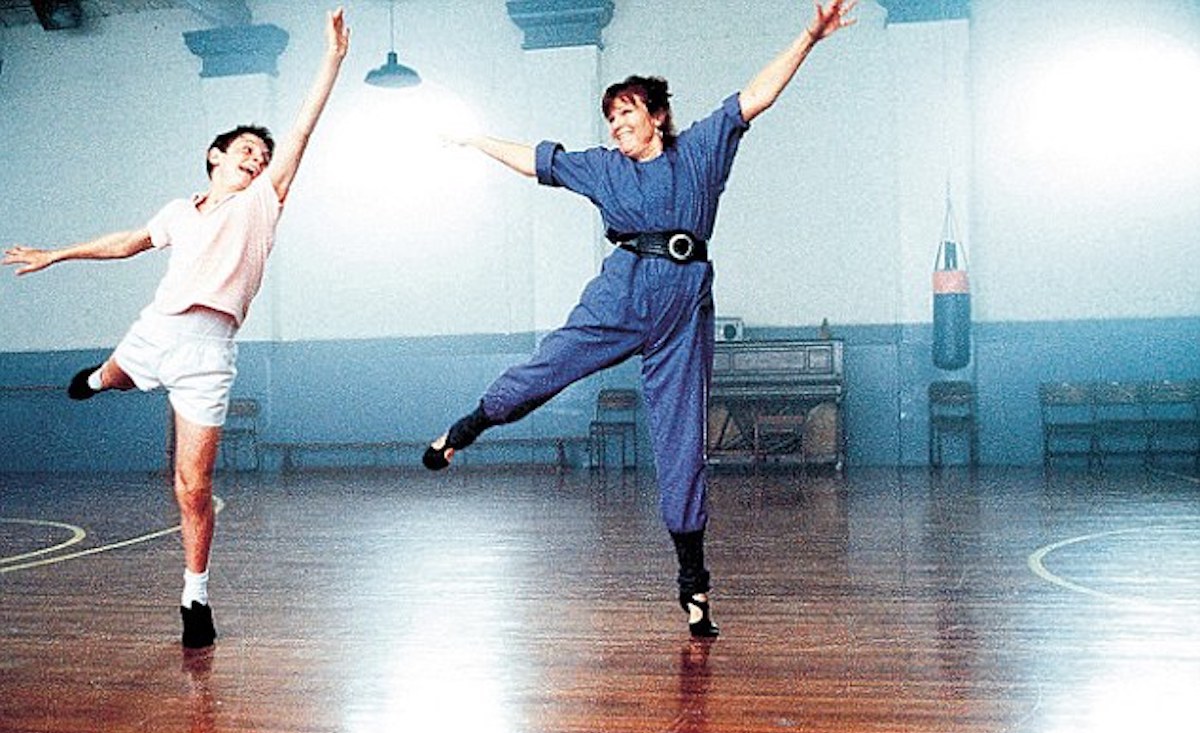
Elizabeth and I recently watched Billy Elliot, the wonderful film about a kid from a tough union town who wants to become a dancer, and it reminded me of this lesser-known working-class song from 1973, by a British group, The Strawbs. I like its anthem-like sound, too.
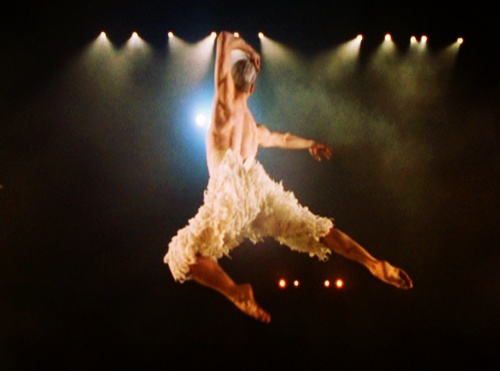
And we do love that film—that’s Billy, learning ballet from a chain-smoking dance teacher and, in the final scene, with his immensely proud Da in the audience, Billy bursts onto the stage in Swan Lake.
This song was one of my favorites when I was a working-class teen. I didn’t work all that hard, mind you, but The Easybeats expressed exactly what I felt about Fridays. And I like the pinstripes in this video. Posh.
A decade or more later, The Waterboys, a Scots band, cast their workingman’s hopes far beyond a mere Friday. The lyrics, and then a performance, of “Fisherman’s Blues,” also the marvleous opening song to the Irish comedy Waking Ned Devine.
Fisherman’s Blues
I wish I was a fisherman
Tumblin’ on the seas
Far away from dry land
And its bitter memories
Casting out my sweet line
With abandonment and love
No ceiling bearin’ down on me
Save the starry sky above
With light in my head
You in my arms
I wish I was the brakeman
On a hurtlin’ fevered train
Crashing headlong into the heartland
Like a cannon in the rain
With the beating of the sleepers
And the burnin’ of the coal
Counting the towns flashing by
In a night that’s full of soul
With light in my head
You in my arms
For I know I will be loosened
From bonds that hold me fast
That the chains all hung around me
Will fall away at last
And on that fine and fateful day
I will take thee in my hand
I will ride on the train
I will be the fisherman
With light in my head
You in my arms
Light in my head
You in my arms
Light in my head
You
Light in my head
You in my arms
Light in my head
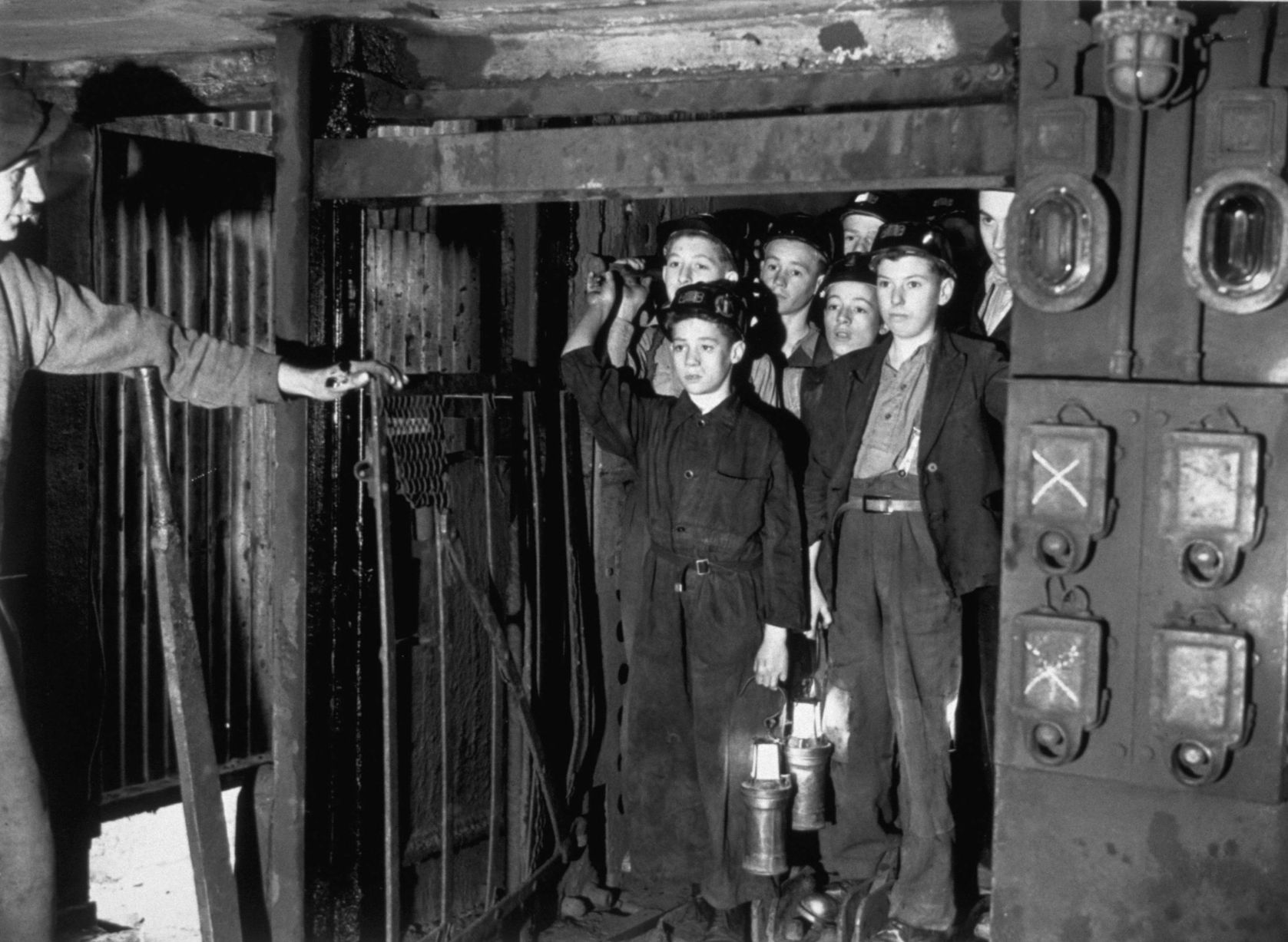
It was Sting who reminded us of the work that gave us the Industrial Revolution in the first place. Yes, these are English coal miners.
If we cross The Waters to America, we come, finally, to this fellow. This is a wonderful working-class song, among many of his, so many written from a workingman’s perspective. The thrill of this performance, I guess, as so often happens with his concerts, is as much in the audience—Catalan, in this case— as it is in the band.
 A Work in Progress