• About
  • The Germans

A Work in Progress

A Work in Progress

Monthly Archives: August 2024

Yes, I smoked pot fifty years ago. There’s a little more to that story.

31 Saturday Aug 2024

Posted by ag1970 in Uncategorized

≈ Leave a comment


I don’t mean to shock anybody. Wait. Maybe I do. Maybe I don’t much care.

In the early 1970s, when I was editor of the Cuesta College newspaper, The Cuestonian–-a job I’d inherited from my big brother, Bruce (AGUHS ’66; me, AGHS ’70), among the many favorite human beings on that staff, and there are many, was a reporter named Mike Partain, who had a bushy bushy blonde hairdo, and his girlfriend, Cathy, who went to work every day on a 500 cc Honda.

Mike and Cathy loved me, for reasons that still elude me. What is uneludable is the fact that I loved them, too.

When The Cuestonian was put to bed, to be printed by the Blankeburgs, who were kind to us, we were exhausted. It was a good paper, from a little podunk community college housed in World War II barracks, and it won statewide awards for photography and writing and layout. So I would celebrate with Mike and Cathy, because we knew that newspaper we’d sent to the printer was good and we all knew that we’d worked hard to make it good.

So we would barbecue and drink wine—red, usually—which is exactly the same pattern I followed took many years later with the dearest friend of my life, Joe Loomis, who taught me many things including generosity, kindness, and Neil Young and Crazy Horse. There is no one on Planet Earth that I loved, and still love, quite so much as Joe. But we, too stayed up so late. There is no one who I feel the need to apologize to quite so much as Joe’s wife back then, Carol, when they lived on Mr. Boysen’s place (where I learned that garbanzo beans, the supply-and-demand agent that Mr. Avila used to make sense of macroeconomics to me at Cuesta, were like caviar to mule deer. Joe Loomis was an economics major in college. That fact amazed me. Fareed Zakaria was among the authors on his bookshelf in a little house in the Huasna Valley when he died suddenly of a heart attack. His intellect, and his appetite for learning—among the books he left behind were those written by Fareed Zakaria—were as as moving and joyful as a Vermonter’s first visit to a California In N Out Burger.

Mr. Boysen’s farm, where Joe and Carol lived, was beyond the “T” intersection of Foothill and Los Osos Valley Road, and I used to come over to visit. I’d like to think that it was all the time, but it was, maybe, only twice. A finned and oxidizing maroon Mercedes Benz graced the front yard. Someday, Joe was going to make it drivable again. I don’t know that he did, since there was wild mustard emerging from the engine block, but before we went inside, Joe and I regarded the Mercedes for a few moments. We admired its promise.

Four hours later, and I think of this with shame, we’d wake Carol and baby Gram up with our laughing. I owe Carol, a beautiful woman/human being/friend who makes beautiful art—I had an immense crush on her— forty years’ worth of apologies. We were incorrigible, Joe and I, though not nearly as much as Joe’s father John Loomis and his uncle, Gordon Bennett. But I kept Joe Loomis’s photo atop my teacher desk at Arroyo Grande High School thirty years after Mr. Boysen’s place.

Sometimes, in Room 306 at AGHS, I’d look down aet Joe’s face—that’s the face I saw, just below, and my heart would soften. His image made me a better teacher.
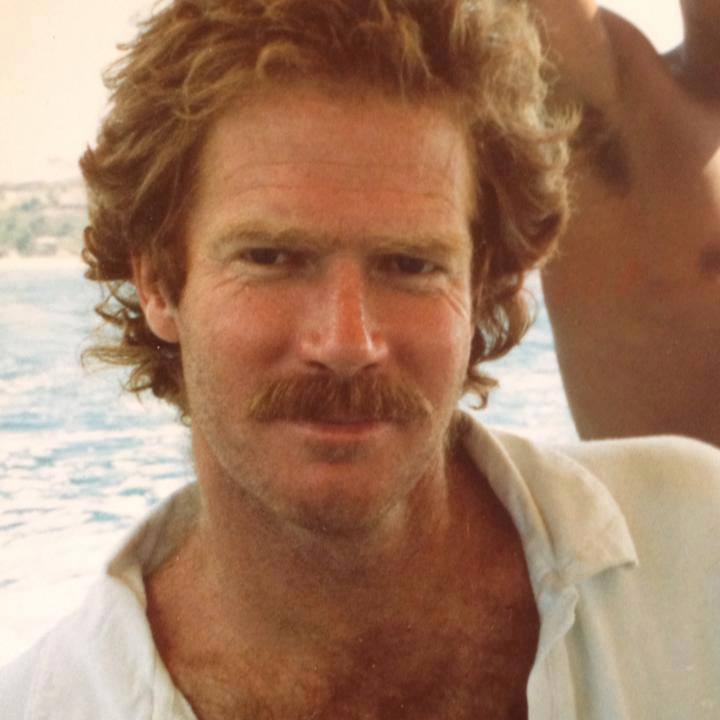


Years before that, at Mike and Cathy’s house, after many hours of ribs and red wine and pot and deep philosophical conversation (I liked to imagine that we were the heirs to Ed Ricketts, John Steinbeck and Joseph Campbell at Pacific Biological on Cannery Row in the 1930s), it was just about time for me to go home when I asked Mike to play two songs on his lovely Warehouse Sound turntable, with his lovely Pioneer amp and his tombstone-sized Harmen Karden speakers. So here they are.

,
Devotion

31 Saturday Aug 2024

Posted by ag1970 in Uncategorized

≈ Leave a comment

Please forgive this reflection, but this is how I think, and this is how I taught history.
* * *

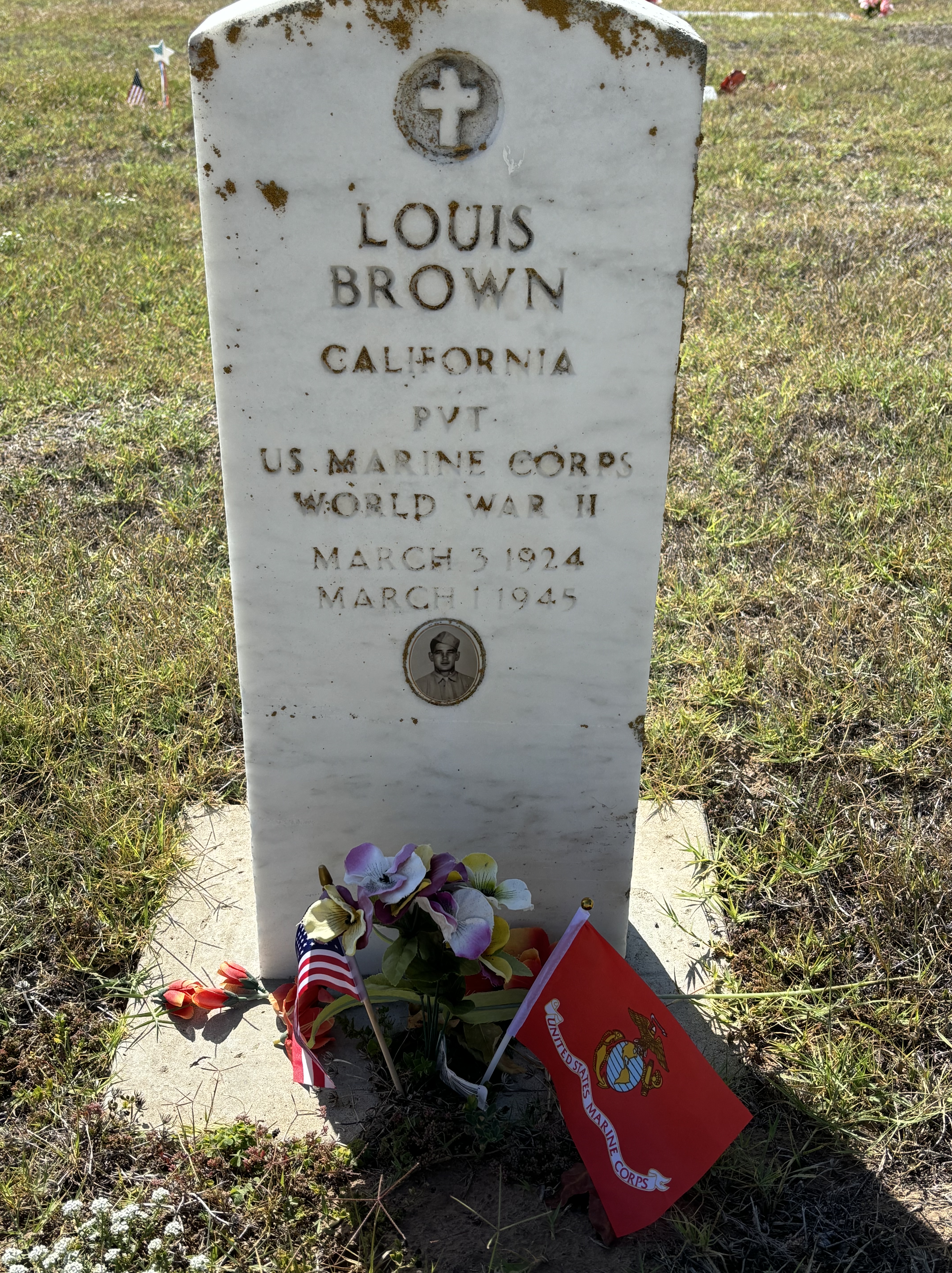
Pvt. Brown’s flags were threadbare–the American flag was gone–so I needed to take care of business.

On the way to his grave, in he IDES section of our cemetery, a big Dodge pickup was parked in the drive-path, the driver’s side door open. . Next to it was an older woman, a term, at seventy-two, that I use heedlessly, kneeling in front of a grave that was almost knee deep in flowers, surmounted by a happy pinwheel.

I don’t know why I say things like this, but I do.

“That is beautiful!” I told the lady.

She smiled and then her shoulders sagged. “My daughter. She’s been gone twenty-seven years.”

“I am so sorry.” The obligatory and stupid response. “I’m going to visit a Marine killed on Iwo Jima.” I had to repeat it. We’re both a little hard of hearing.

She put her hand over her mouth for a moment. “He died for his country.”

“Yes, he did, and he helped me to write a book about Arroyo Grande and World War II. He was the inspiration. I owe him so much.”

She liked that, I think, but we were still standing by her daughter’s grave, in the sun, and it was a little warm.

I don’t know why I do this, but I do. I had Private Brown’s flags in my left hand, so I reached out to her with my right. We held hands for a moment. I didn’t squeeze hers too tightly; she was wearing rings, one of them I am sure a wedding band.

“God bless you,” I said. I do know why I said this. Yes, I do. That’s the way my mother raised me.

After I’d tended to “my Marine”–he got fresh flags (needs new flowers), I ran my fingers over the smooth glass that covers the oval portrait on his tombstone, used the tombstone to get my my 72-year-old feet again, and gave its rough top a few pats with the palm of my hand. Then I began to walk back to my car.

The woman was still there, but this time, in the shade, thank goodness. She was kneeling at another grave, like her daughter’s, rich with flowers.

I didn’t bother her this time. I left her alone there, in the shade. She was by now standing but looking intently at the tombstone.

The past, Faulkner famously wrote, isn’t dead. It isn’t even past. I hope that the devotion the woman showed has been inherited by her grandchildren and great-grandchildren. I suspect that it has.

Tragedy at the In-N-Out Burger

14 Wednesday Aug 2024

Posted by ag1970 in Uncategorized

≈ Leave a comment


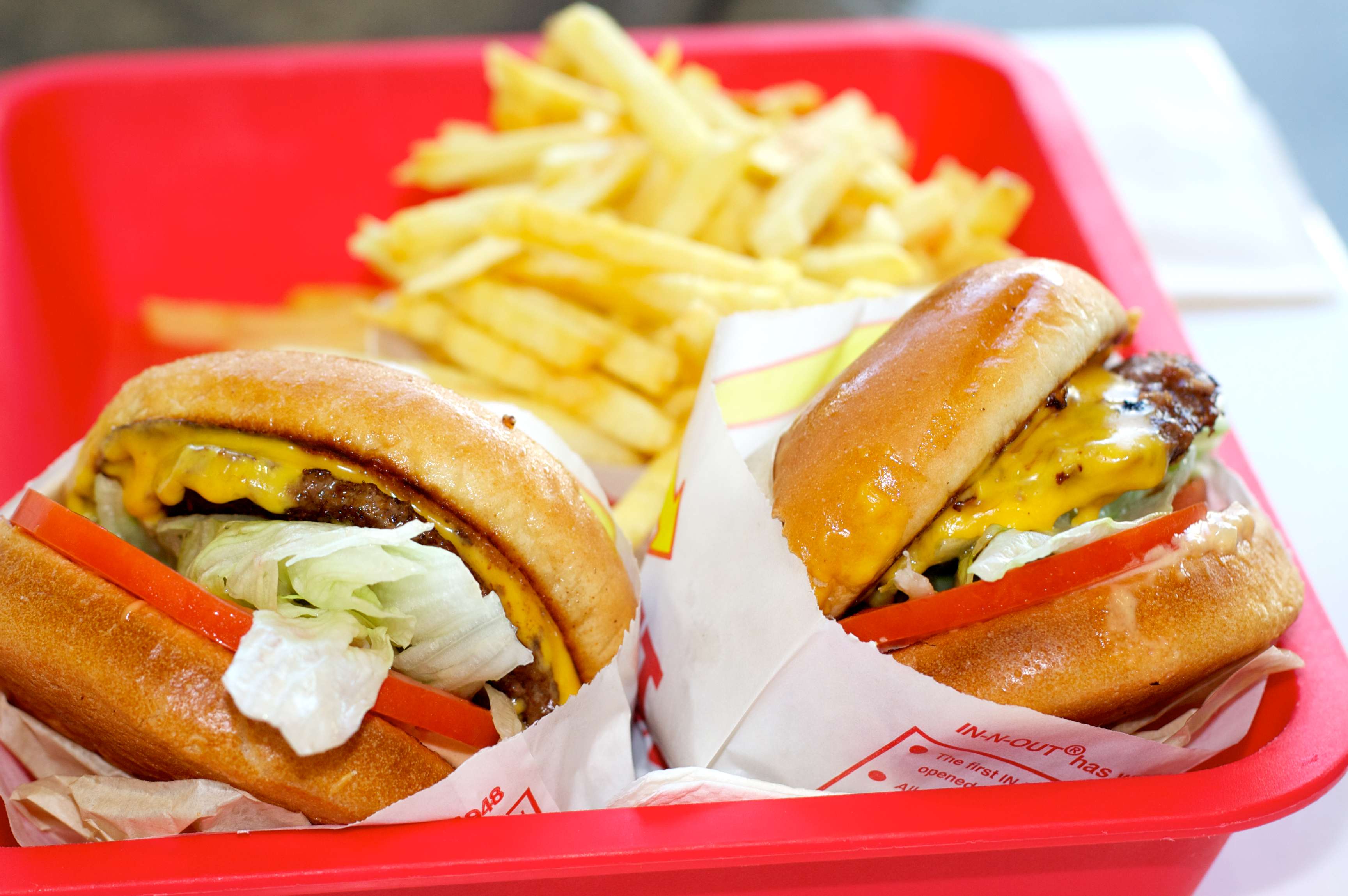
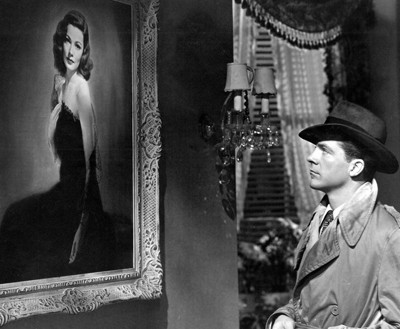
I have long been an In-and- Out burger fan. Unless you count those photos of World War II wives saying goodbye to their husbands, there’s nothing quite so heart-breaking as the last bite of one of their cheeseburgers. You don’t have room for another, but you don’t want to let this one go, kind of like Joseph Cotten in Laura or James Stewart in Vertigo. Poor saps.


My family and I have loved In-N-Out burgers when the only franchise was in Ventura. off the Seaward Ave. offramp, where we’d stop on the way to a Dodger game or some other catastrophe. The crowds inside were thicker than the extras in The Ten Commandments. Then the franchise inched closer, to Santa Maria and then—O Happy Day!—Arroyo Grande finally got one!

That wasn’t the franchise we visited yesterday when, after the first bite, I realized that the bun was faintly stale, This has never happened before! I thought, but the Counter Lady was so engrossed with a six-year-old girl (they were discussing the first day of school) that I didn’t want to interrupt the flow of that conversation. So I finished my burger, which was adequate, and focused on the fries, which were mighty fine.

So that led me to ponder mighty fine burgers, which In-N-Out’s usually are. Here we go:

—Bob Gregory Burgers. Back when $20 would fetch four bags of groceries (Young’s Giant Foods, 18th and Grand Ave, Grover, George the Happy Butcher), my father’s grilled burgers were so thick that we learned to unhinge our jaws, like Boa Constrictors, so we could take a bite. Like Boa Constrictors, we did not have to eat again for a long, long time.

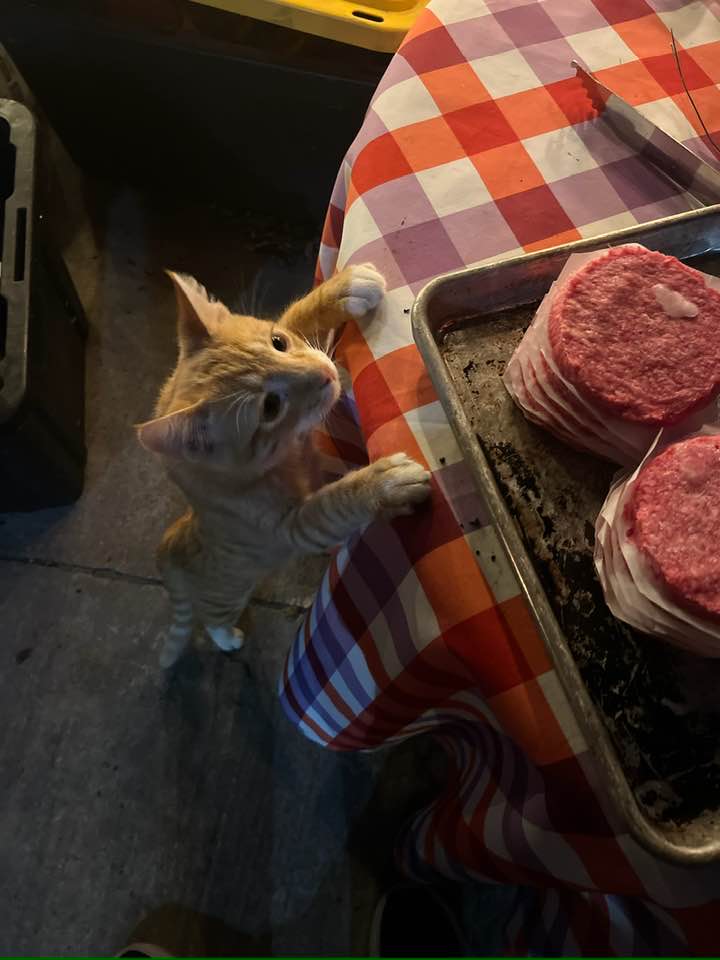
Winston approves of my burgers.


—Teen Burgers, A & W Root Beer (across from Young’s Giant Food). The idea of pairing cheese AND bacon to a hamburger was once novel and, when you’re twelve, you could inhale at Teen Burger and get away with it. My cardiologist would not be thrilled today. Best accompanied by a root beer freeze.

—Village Grill. For some reason, I am not a fan of shredded lettuce, but everything else about this burger is quite good. So are their onion rings, a dish that remains atop the pyramid of my personal food groups, thank you very much.

—Gradburgers. Alas, The Grad, now closed on Industrial Way in SLO, made an epic burger, served on a big square fluffy bun that you could see being prepared. The first bite of a Gradburger, I think, was kind of like (someday, and hopefully) St. Peter informing you that you’d made it into The Show. My great and good friend Randy Fiser and the best man at our wedding, Rob Rosales, were bouncers there. Gradburgers gave them the protein they needed to heave drunks deep into the parking lot.

Alas, I never had a Scrubby and Lloyd burger, mythical in SLO. We just never got up to the Big City often enough.

—Sylvester’s Hawaiian Burger (Los Osos). Burger, teriyaki, pineapple, the usual trimmings. While it decomposes faster than a Reese’s in Oildale at noon, the Hawaiian, when accompanied maybe by a beach towel to keep yourself kind of pristine, is divine.

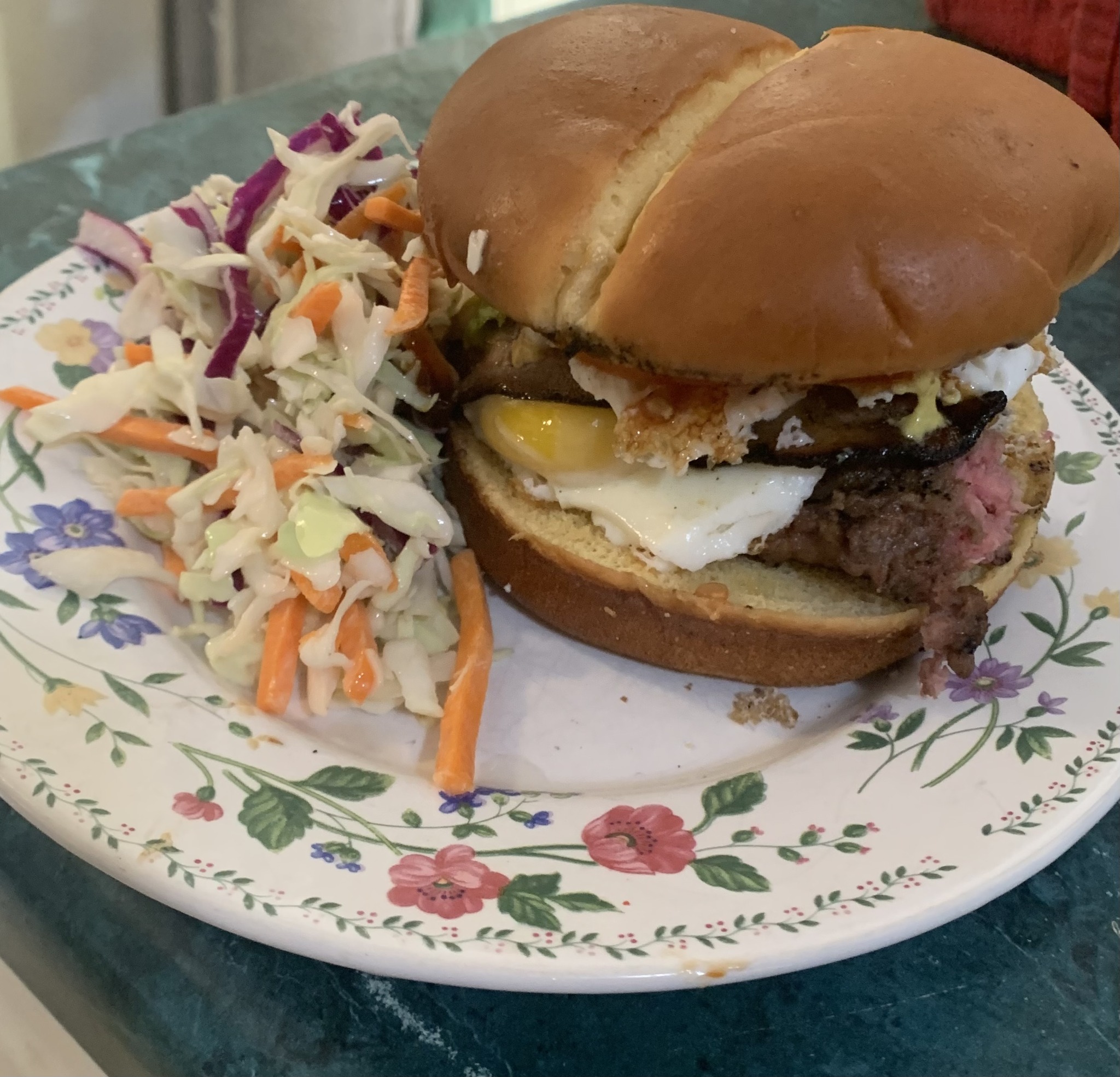
A Jimmy fried egg burger, brioche bun, side of slaw.

—Whoever that lady was who babysat me in 1956. When we lived on Sunset Drive in Arroyo Grande, my parents, for some unfathomable reason, decided to go out on the date. They deposited me with some elderly lady—she had to be fifty, for cryin’ out loud—and she made me a burger for dinner. She added a tomato, also unfathomable to me at age four, that I found so delicious that I raved about hamburgers with tomatoes until the next morning. Maybe until the late afternoon.*

By then, of course, I was ready for a Breakfast Burger. I’ve made those, too, if not for breakfast, then with a fried egg on top. They are incredible.

Don’t tell my cardiologist.


* Here is your cultural reference for 1956:


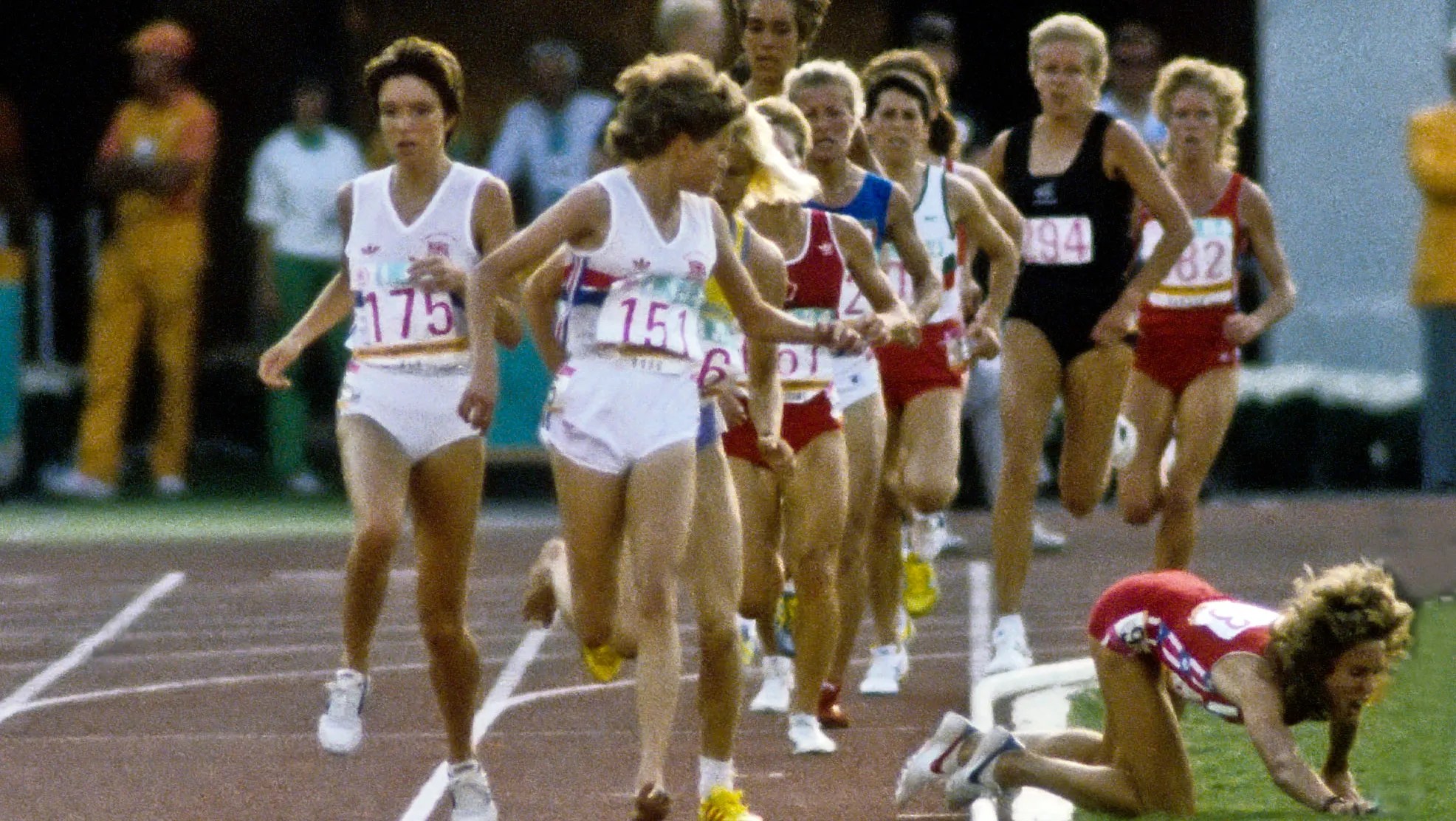
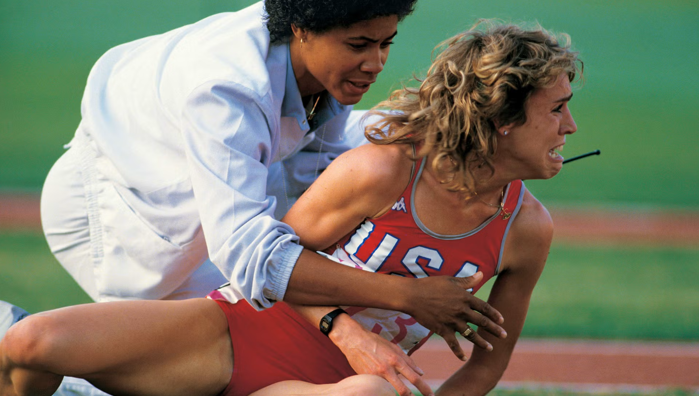
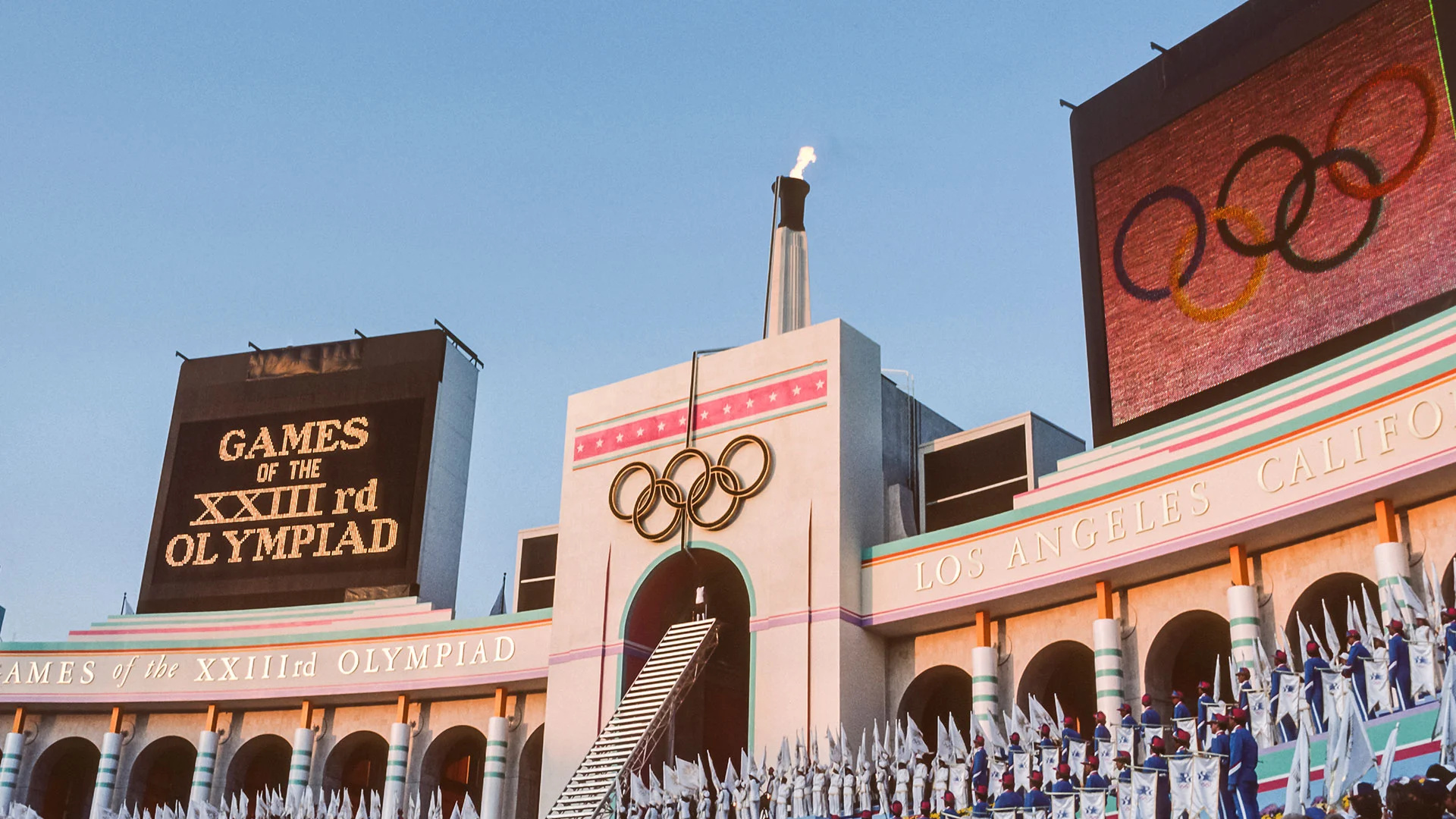
The L.A. Olympics, 1984

13 Tuesday Aug 2024

Posted by ag1970 in Uncategorized

≈ Leave a comment

Still suffering Olympic withdrawals.

For those of you who weren’t even around then, the 1984 Olympics–maybe they’ll shoot Tom Cruise out of a cannon in 2028?–were in L.A., too.

The street art, murals inspired by artists like Diego Rivera and Jose Clemente Orozco, were amazing. Many of them, alongside the freeways, were painted over; some are being restored.

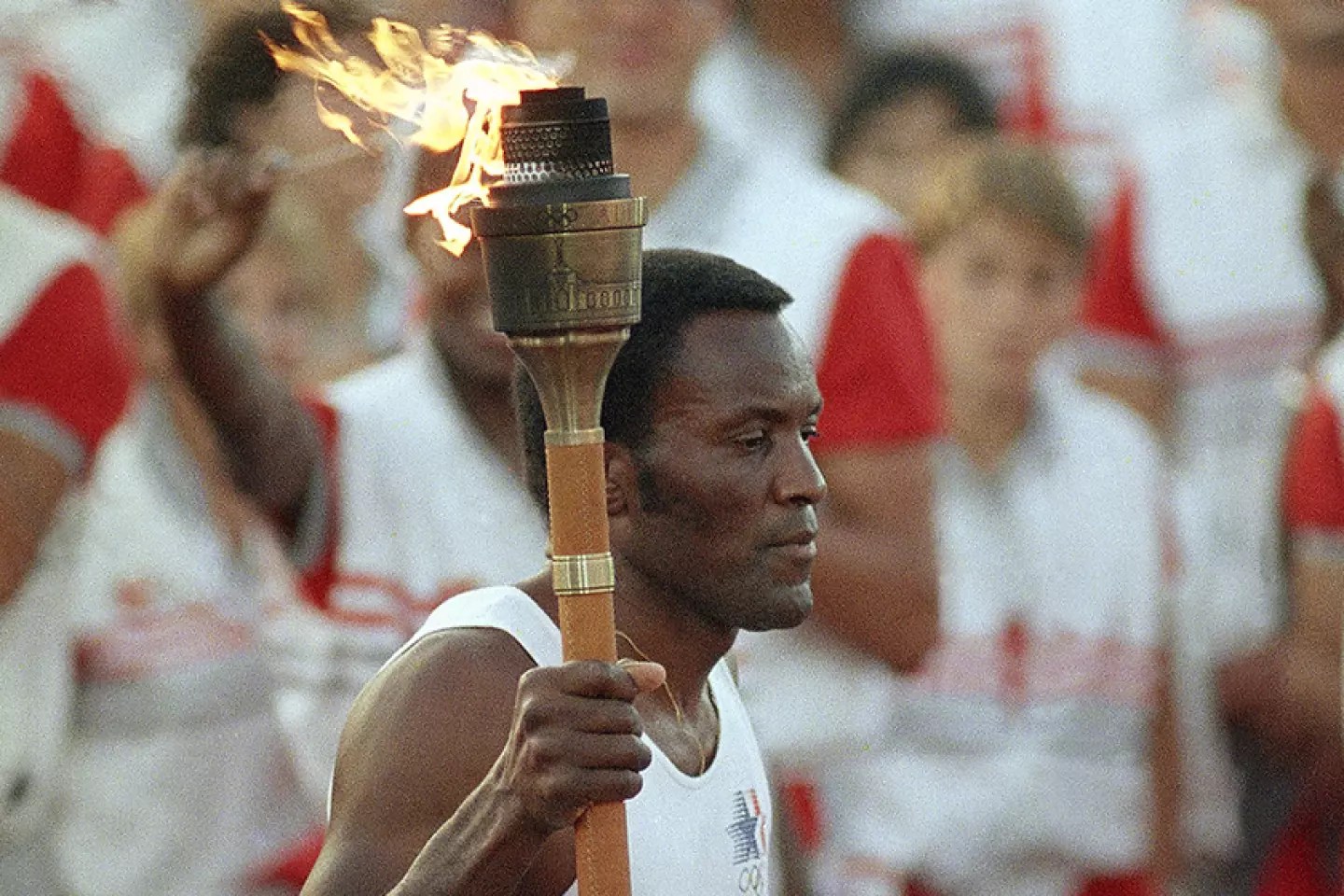
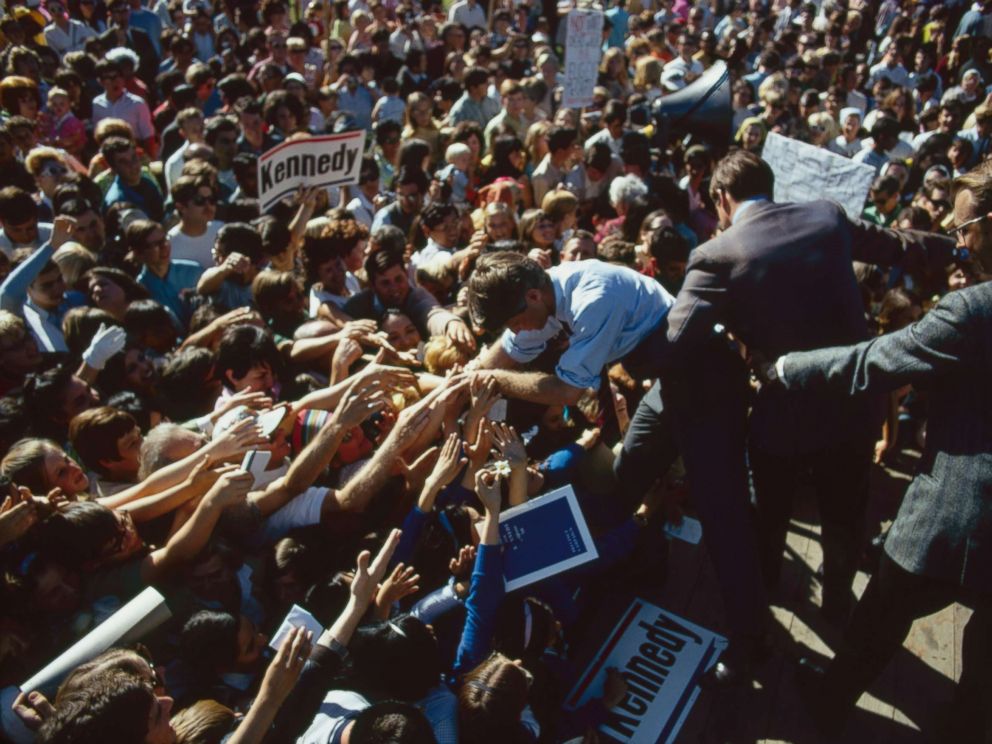
The torch was carried into the Coliseum by onetime decathlete Rafer Johnson, a simply beautiful man who’d been one of Bobby Kennedy’s bodyguards in 1968. Johnson, L.A. Ram Roosevelt Grier or the Secret Service had to hold onto Kennedy by the waist or hold tightly onto his belt to keep the crowds–neither Trump nor Harris could top those crowds–from kind of absorbing him.

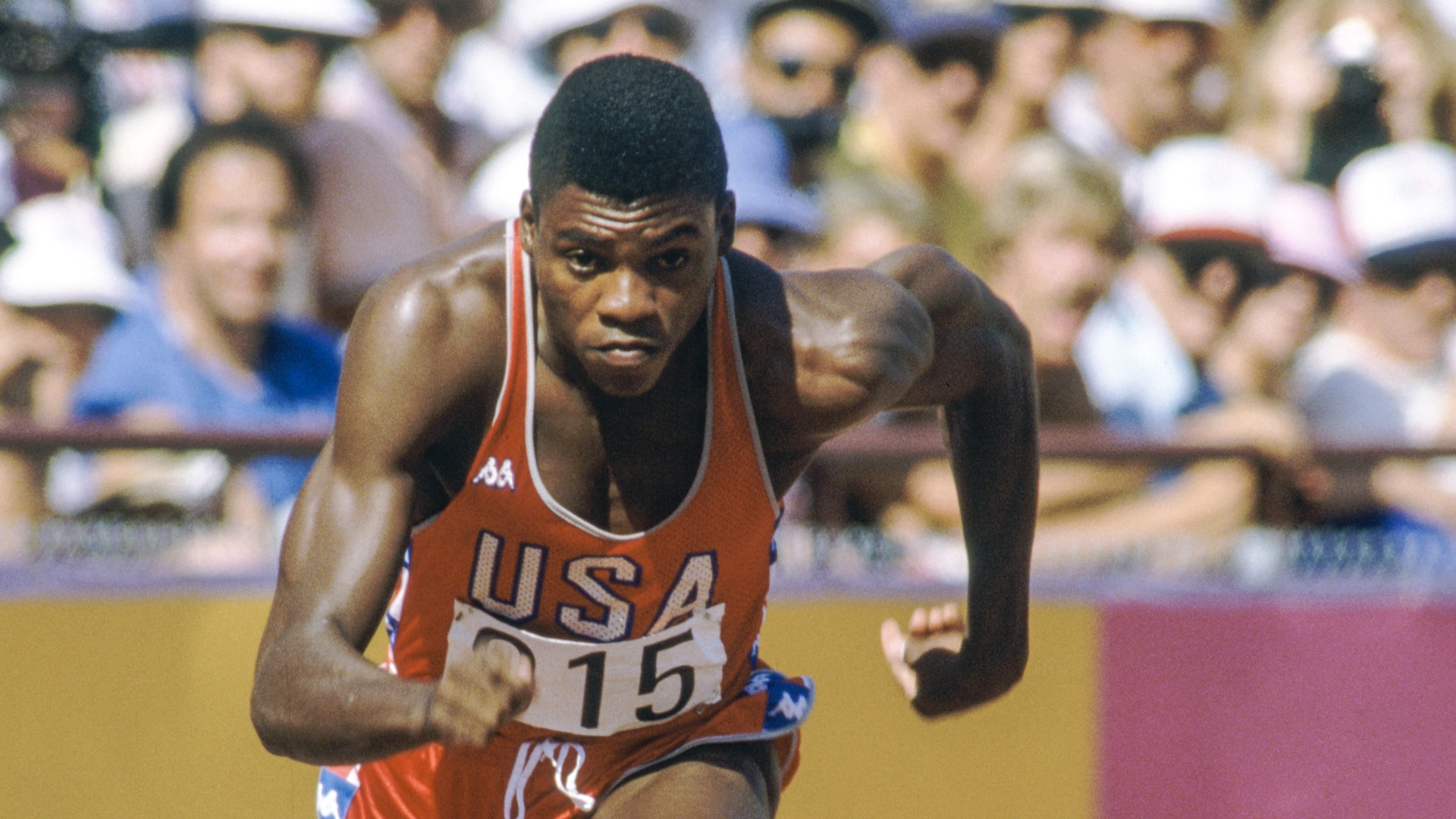
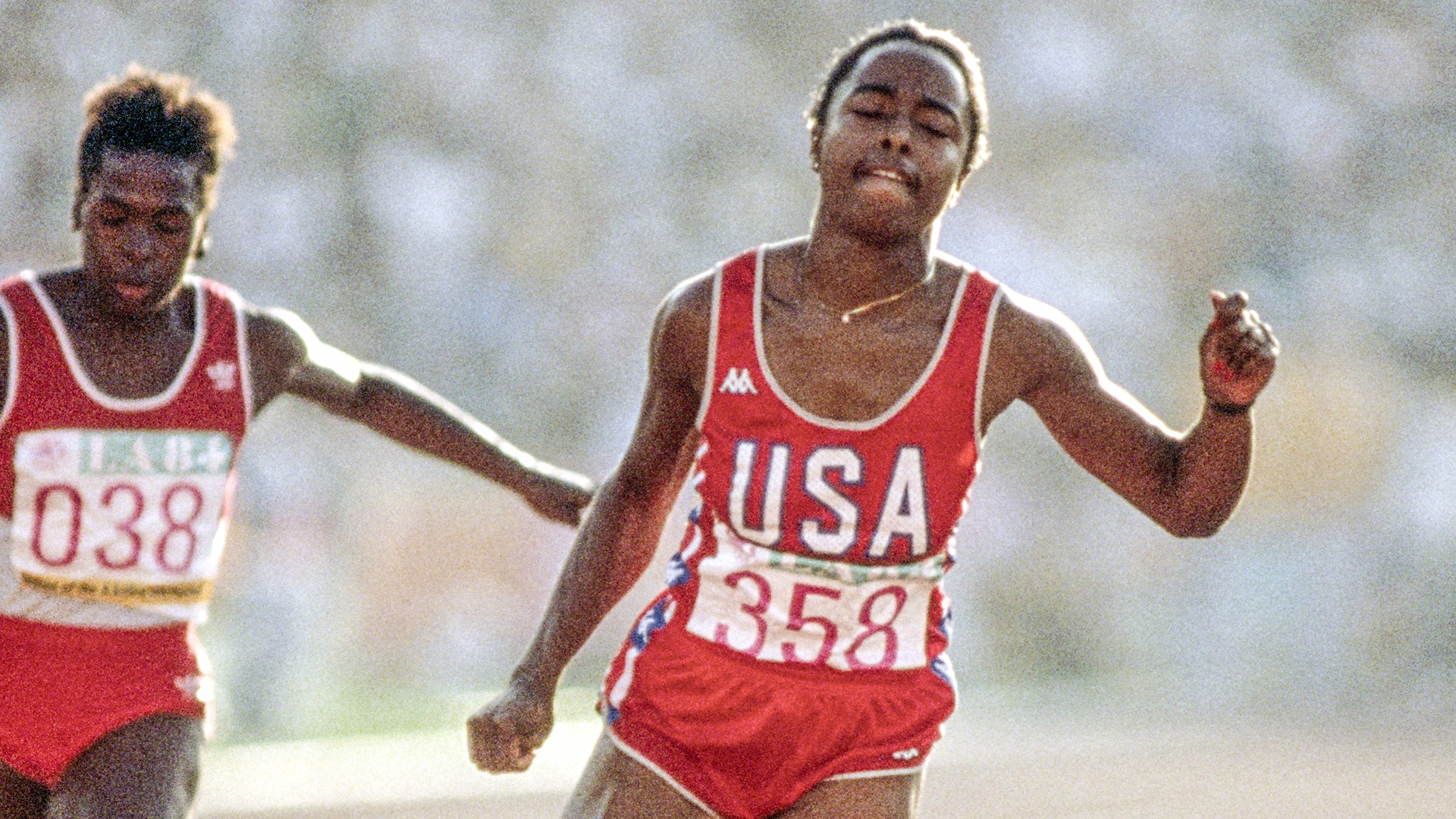
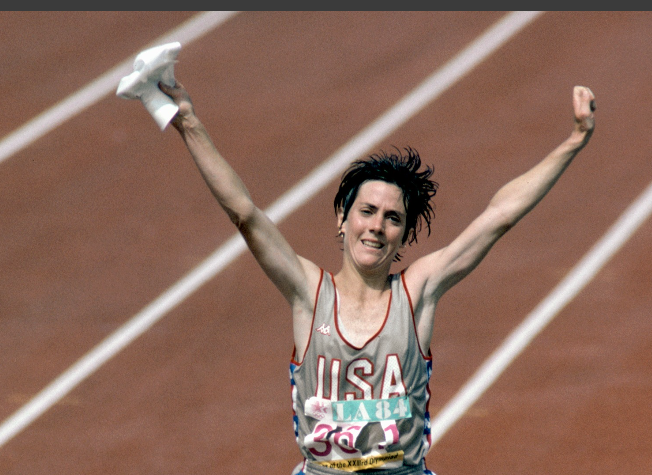
Carl Lewis was a star American sprinter, as was Evelyn Ashford. Lewis also won the long jump. Rowdy Gaines, who called swimming with such enthusiasm in the Paris Olympics, was a multiple medalist. American Joan Benoit was the marathon gold medalist.

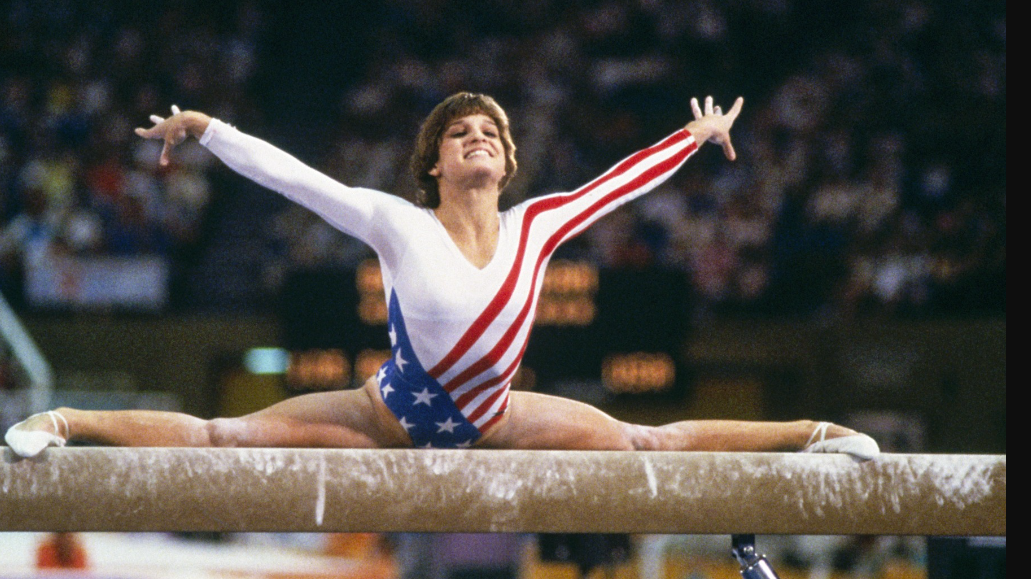
And, darn her perkiness, Mary Lou Retton, who recently nearly died from Covid—we are, all of us, mortal—was the star American gymnast. (This was before we found out how brutal her trainers, the Karolyis, were.)


This is the Olympic flame in the Coliseum in 1984. It burned from the same place in 1932. There would be one more Olympics, in 1936, but this time in Berlin. For twelve long years, the flame went out. The fires that burned in between, from Kursk to Normandy, from Stalingrad to London—most of the all, the fire that burned at Auschwitz-Birkenau, would consume millions of lives.

It’s life that the Games celebrate.

At no charge: Jimmy’s Grocery Store Reviews, Arroyo Grande, California

11 Sunday Aug 2024

Posted by ag1970 in Uncategorized

≈ Leave a comment

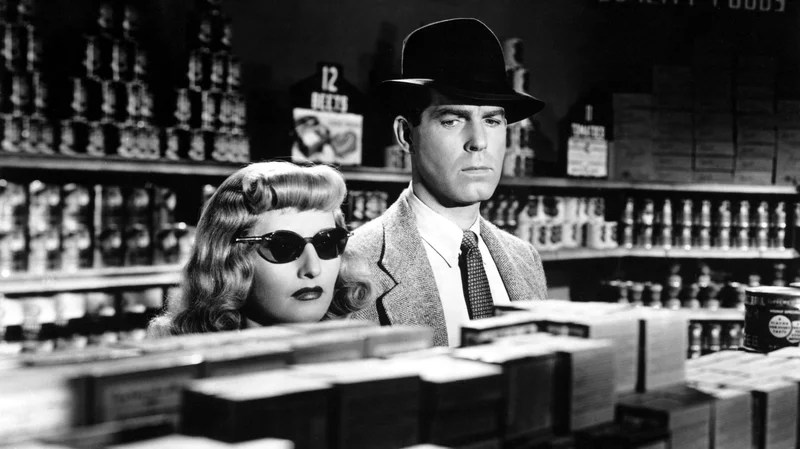
Barbara Stanwyck and Fred MacMurray, Double Indemnity


Vons, Grover Beach: Here is a store that’s clearly in violation of Brown V. Board (1954), which struck down the “Separate But Equal” doctrine laid down in Plessy v. Ferguson (1896). This Vons is nowhere near equal to the store in San Luis Obispo, which is luxurious, with their salmon and cod laid out in mink-lined trays, and makes me feel like Poor White Trash on the scarce occasions when I stop there. The Vons in Nipomo is almost as classy. No, the Grover Beach Vons is shopped by Bakersfield refugees, massively obese women in motorized carts who enjoy gunning down the aisles in search of bargains or shoppers, especially small children, to run over. Negative: The Bake-o’s have the habit of showing up simultaneously and thus shutting down checkout lines when they reach critical mass. Far too many MAGA bumper stickers in the parking lot. Positive: If you order online, the clerks who bring out your groceries are unfailingly polite and sometimes even cheerful. And, while waiting for the checkout stand to FINALLY open up, I get to try out my Spanish on latino families in line with me, who smile at me indulgently and wonder why the old gabacho is speaking to them in Afrikaans.

Smart and Final, almost but not quite Grover Beach: Marvelous produce, pretty decent meat department, a vast array of one of my favorite foods: cheese. Negative: Counterintuitive entrance/exit doors, weird parking lot. The aisles are as narrow as arteries in need of immediate bypass surgery. Online ordering is terrible unless you order delivery. Why not go out and buy a new Porsche instead? It’s cheaper. Positive: The checkout people are usually very pleasant and positive. The customers are even pleasanter and positiver. You don’t mind much when the clerk listens happily to the old, old man in front of you who talks about his sopa recipe. Also, it’s great fun to call it “Fart and Sminal.”

Trader Joe’s: On the site of Elsie Cecchetti’s dairy farm, where she learned to drive a tractor when she was a little girl (she later drove our Branch School Bus). Negative: The worst parking lot in the Western Hemisphere. I strongly suspect the TJ’s has illicit business partnerships with local body shops. Positive: Stunning array of coffees, wines, and one of the best frozen aisles around. Pleasant, helpful clerks, some of the obviously the children of parents who came of age in The Haight during the Summer of Love. Yummy treats at the checkout stands, damn you, TJ!

(Below: A typical TJ parent; the TJ parking lot at 8:12 a.m. on a Tuesday)

HE6767-001


Aldi: The relatively new kid on the block; a partner with the TJ people, German-based and so with organized Teutonically. Negative: Checkout Lines of Death. Sometimes the last cart in line has it back wheels in Los Berros. Quirky inventory: You can buy Bavarian Spaetzel AND rain boots on the same shopping trip, but sometimes they’re out of both, because said inventory seems to depend on Mr. Aldi’s mood that day. Go tomorrow, because a young German golfer earned a Silver in the Olympics golf tournament. Positive: Great prices, especially in the meat section, nice frozen foods, decent pickup service, pleasant checkers most days. If you don’t bring your own, they have PAPER BAGS, unlike the plastic bags that overrun, sadly, places like Tijuana. The real problem with Tijuana isn’t the cartels. It’s the Vons plastic grocery bags.

Aldi’s corporate executives

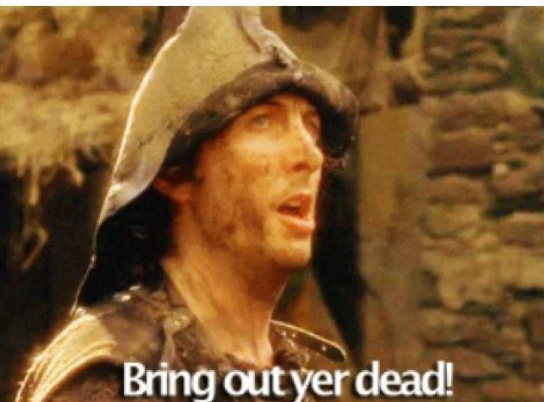
Bring out your dead!

09 Friday Aug 2024

Posted by ag1970 in Uncategorized

≈ 1 Comment

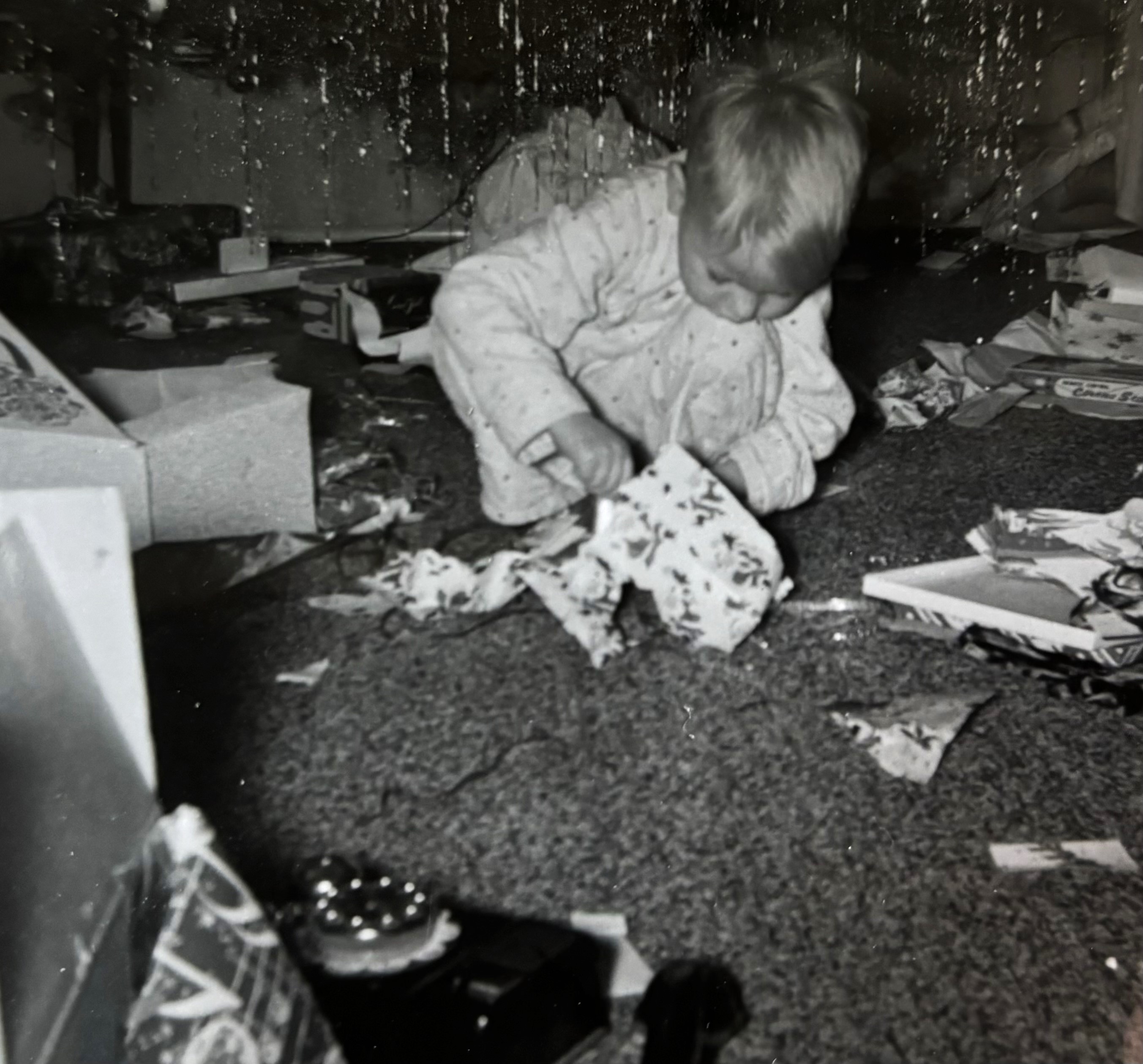
Me tearing into my Christmas gifts, 1956, Sunset Drive, Arroyo Grande.

Some TV pundit this morning made the point that the American electorate’s demographics have changed drastically in the last eight years.

Twenty million Baby Boomers, he noted, have died. He was uncommonly cheerful about it.

I know, and it’s probably justified, that it must seem that my generation–there were so MANY of us– is doing 55 mph in the fast lane.

But, to borrow from another of my generation’s contributions, Monty Python’s Flying Circus, I’m not dead yet.


Hey! I’m doing the best I can!

And I don’t mind being dead all that much, but that might be because my generation grew up with such a massive inferiority complex. After all, who could top our parents’ generation, labeled as “shallow and pleasure-seeking” by academics?

That was before Pearl Harbor.

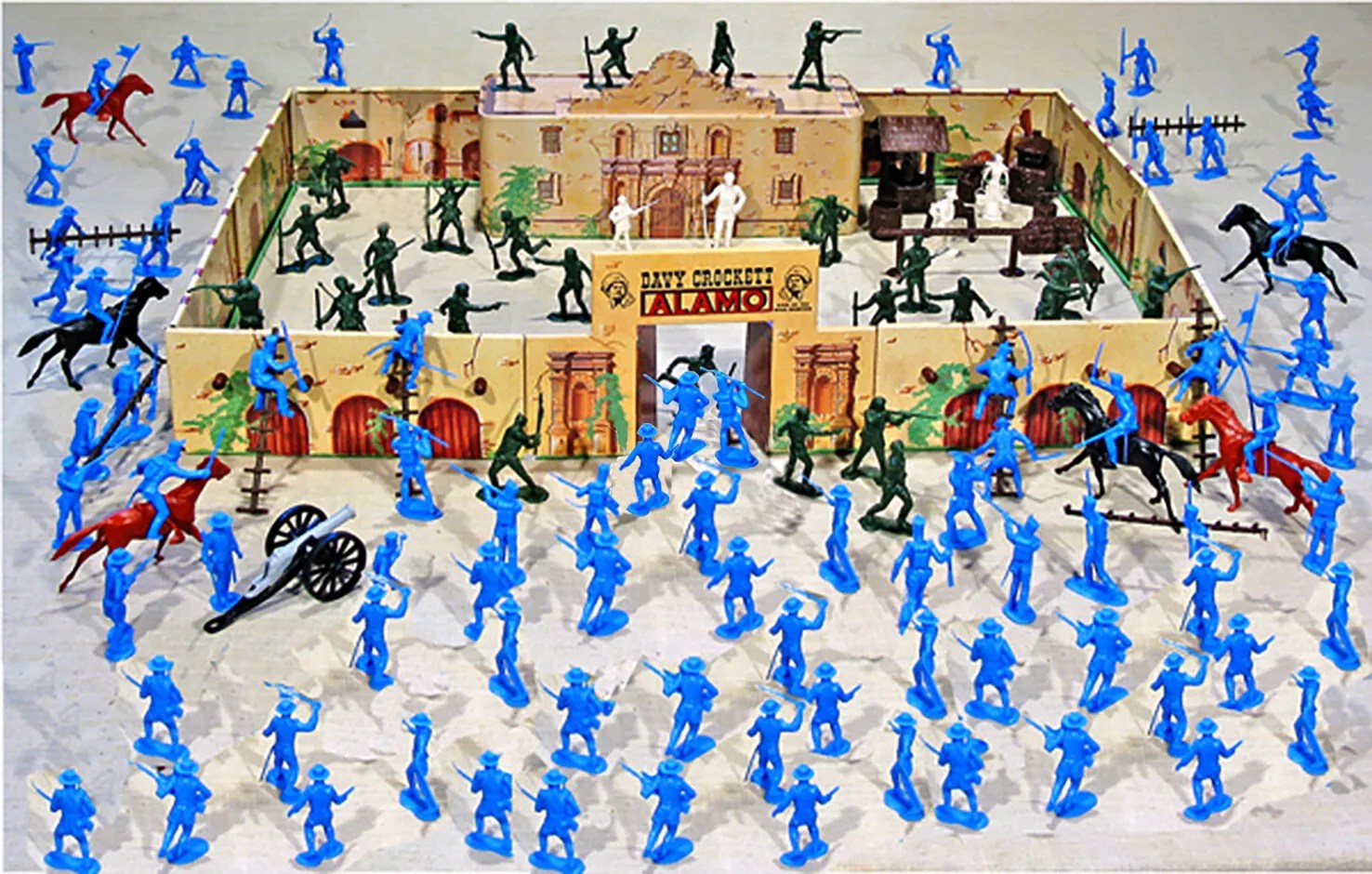
Alas, our greatest battle was probably Fess Parker, as Davy Crockett, fighting off Santa Ana’s soldiers at the Alamo. Since we were so massively overgifted at Christmas, here is a Marx Alamo playset like mine. The rounded parapet atop the mission was made, I think, of tin, and was so sharp that it was capable of inflicting deep and potentially fatal wounds, if sepsis set in, on careless eight-year-olds who tripped and fell on it.


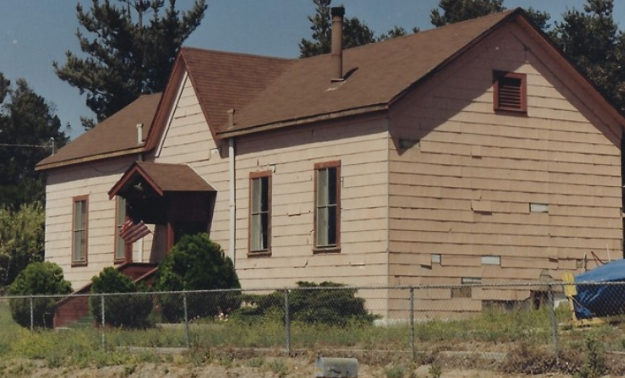
Our two-room 1888 Branch Schoolhouse was covered, too, by pink asbestos shingles, and I used to frolic amid the crop-dusters as they laid down pesticides all along the Upper Arroyo Grande Valley.


But I’m still here, still a Boomer. I guess we won’t be around all that much longer, according to Political Prognosticators.

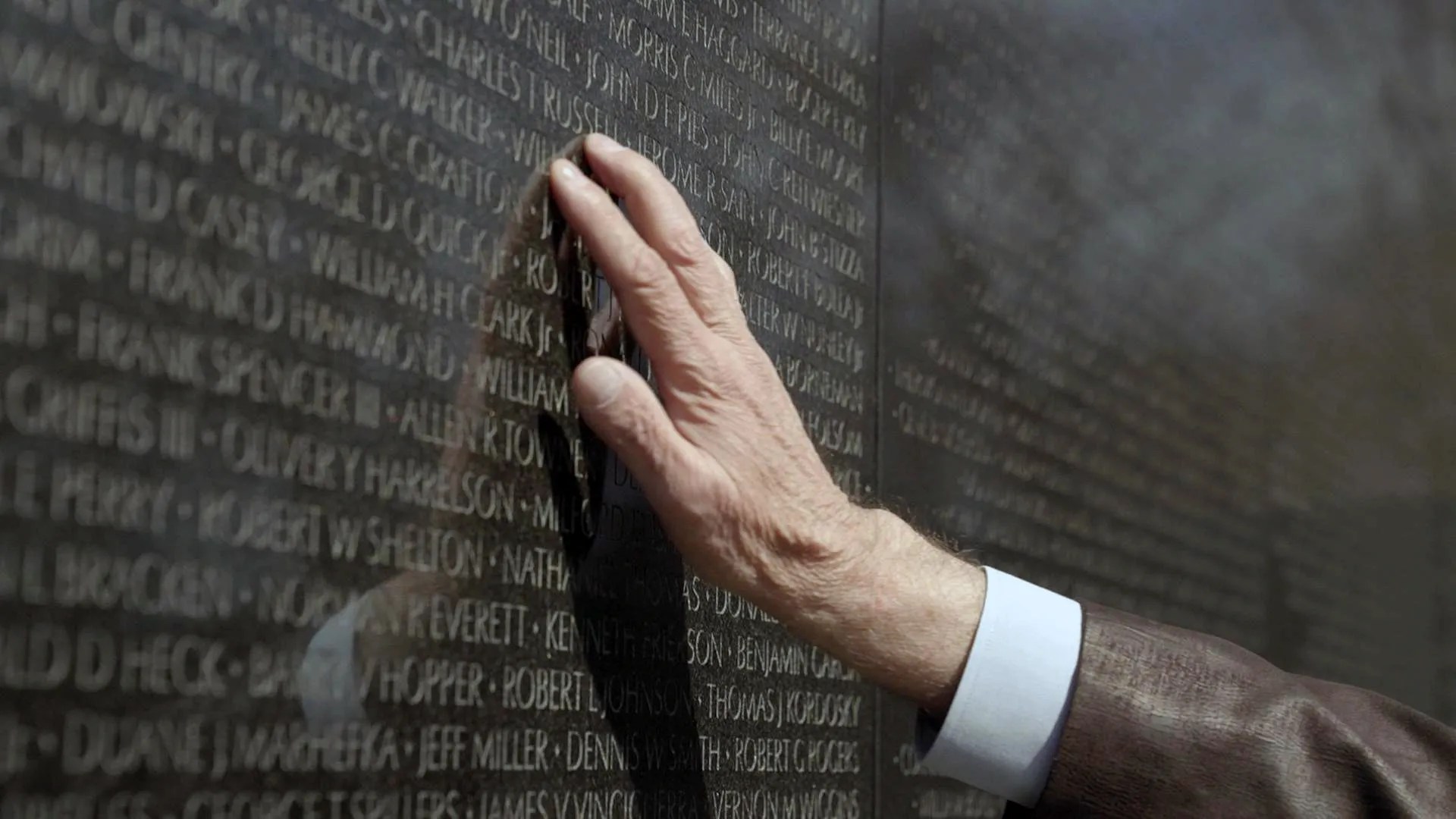
But, if nothing else, we will have left this behind:

And this:

And this.

Ukrainian Medals

06 Tuesday Aug 2024

Posted by ag1970 in Uncategorized

≈ Leave a comment

Another favorite Olympics moment: Ukrainian Gold Medal high jumper Yaroslava Mahuchik takes a little nappy between jumps. Ukraine has done itself proud: Seven medals so far. Two golds–Mahuchik’s one of them—two silvers, three bronzes.

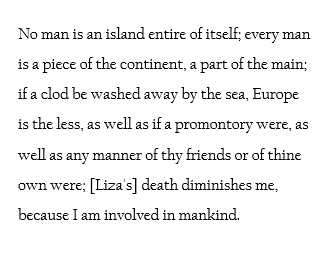
Another young Ukrainian, a mother, lost Liza, her four-year-old, in a Russian rocket attack about a year ago. This was Liza’s stroller in the aftermath.

Olympic medals and one stunning Ukrainian gold medalist cannot come close to making up for losing Liza. To borrow from the poet John Donne:

But amid the unimaginable grief, Olympic medals must count for something in Ukraine. That means, of course, that this one must count for all of us.

As if you needed more Lincoln trivia…

01 Thursday Aug 2024

Posted by ag1970 in Uncategorized

≈ Leave a comment

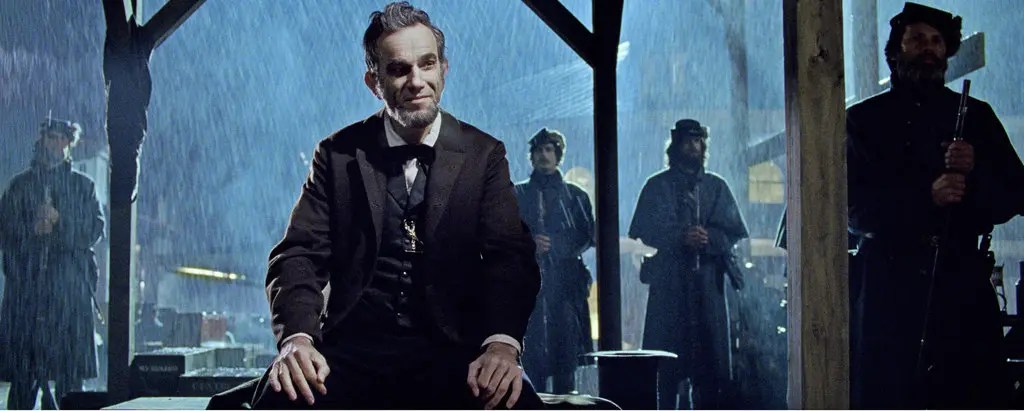
Daniel Day-Lewis

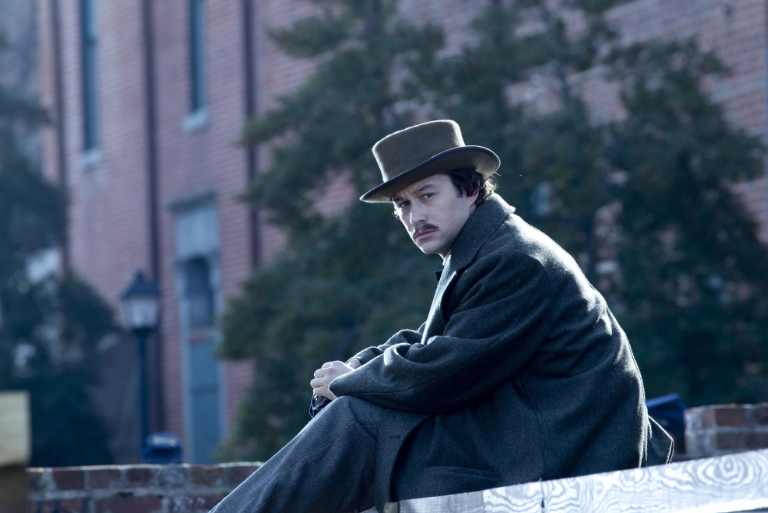
The son the Lincolns lost in the White House in 1862 was Willie, who died of typhoid fever.  Of the four boys, he was the most like his father—sensitive and intelligent.  They’d lost another son, Eddie, before Lincoln became president; the man for whom that son was named, family friend Edward Baker, was killed in action early in the war.  Robert and his father did not get along; Tad, who suffered from a speech impediment and probably developmental disabilities, would die six years after his father was murdered.

Tad and his father, 1865
Joseph Gordon-Levitt as Robert Lincoln

Lincoln and his own father, Thomas, did not get along, either.  Lincoln would refuse to attend Thomas’s funeral in 1851; as the film suggests, Lincoln’s temperament resembled that of his mother, Nancy Hanks, who died when Lincoln was nine.  His stepmother, Sarah, adored her stepson, and Lincoln returned Sarah’s love.  She would never learn to read.

Robert Lincoln was Secretary of War and was nearby when President James Garfield was assassinated in 1881.  He was President of the Pullman Car Company and was on his way to meet President McKinley—probably within earshot of the gunfire—when that President was assassinated in Buffalo in 1901.

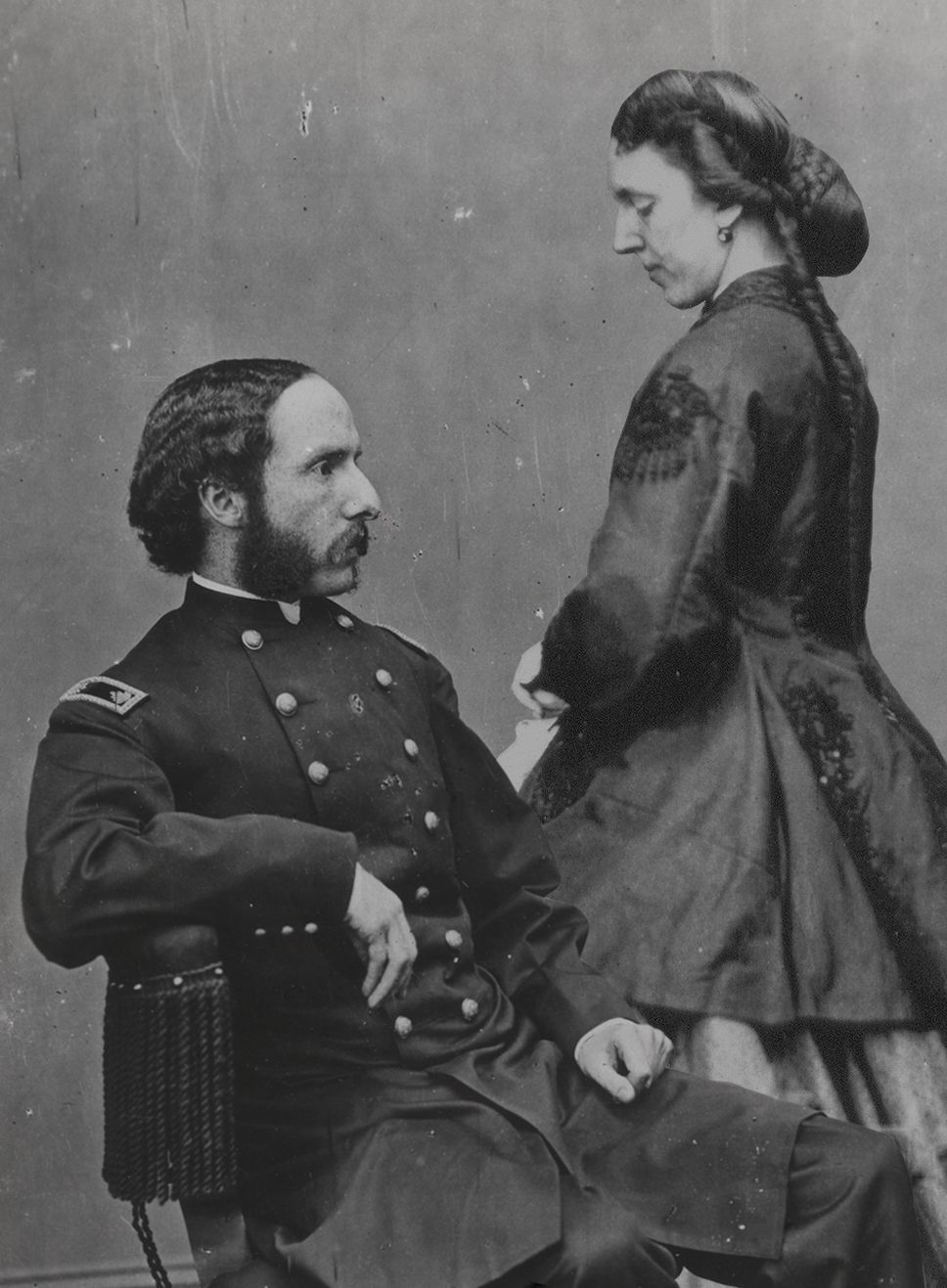
Lincoln alludes to picking up a Major Rathbone and his fiancé, Miss Clara Harris, for the showing of Our American Cousin at Ford’s Theater.  Booth slashed Rathbone’s forearm with a dagger before leaping from the presidential box, then broke his leg when he landed on the stage.  The Rathbones would marry but the assassination haunted them the rest of their lives:  In 1883, while a U.S. consular official in Hanover, Rathbone would murder his wife, attempt suicide, and eventually die in a German insane asylum.

Rathbone and Harris

Robert Lincoln would commit his mother to an insane asylum in 1875.  Released to the custody of her sister, she died in 1882.

Mary Lincoln

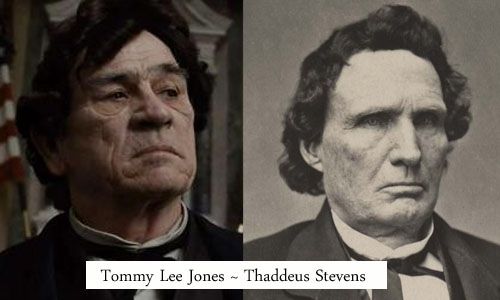
Mary Lincoln may have suffered from bipolar disorder.  Thaddeus Stevens, played by Tommy Lee Jones, was head of the House Ways and Means Committee and Mrs. Lincoln’s spending sprees, a behavior frequent to bipolar disorder, which she attempted to hide with the collusion of the White House gardener, were subjects of his investigations and a constant headache to the president.  She was famous for her temper:  the Lincolns’ Springfield neighbors once recalled him fleeing the house, laughing, but followed by a volley of potatoes hurled by Mary.

Lincolns’ two secretaries, John Nicolay and John Hay—Hay wakes up in one scene to find Lincoln sitting on their bed–referred to her as “The Hellcat.”  (Lincoln was “The Tycoon,” after the Japanese head of state in Gilbert and Sullivan’s The Mikado.)  Hay would eventually become the Secretary of State.

Stevens’s wig was the object of much ridicule in Washington circles, as was the wig of Lincoln’s Secretary of the Navy, Gideon Welles.  Welles’s elegant white curls and silky beard—and his cabinet office—earned him the nickname “Old Neptune” from the president.

Stevens’s housekeeper and mistress—“My Love”—was Lydia Hamilton Smith, whom the congressman met while living in Gettysburg before the war.  Their relationship would last for twenty years, until Stevens’s death three years after the passage of the Thirteenth Amendment. Mrs. Smith was born—and died—on Valentine’s Day.

Lincoln had litigated against the man who would become his Secretary of War, Edwin Stanton, before the war.  Stanton had snubbed Lincoln then and later referred to him as “the original gorilla.”  Stanton, like most of Lincoln’s adversaries, would discover that he had seriously underestimated the man; in his devotion to Lincoln, Stanton was relentless in hunting down the President’s assassins and in executing them, including Mary Surratt, who would hang after a conviction some said was circumstantial at best.

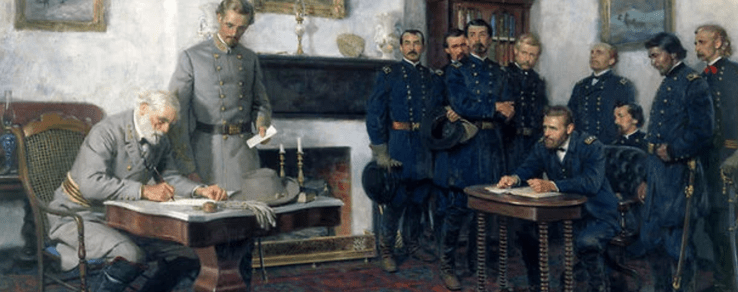
The Native American army officer seen at Grant’s side in several scenes was Brigadier General Ely Parker, a member of the Seneca Nation.  It was Parker who drafted the surrender document at Appomattox; George Custer made off with the table on which it was signed, a gift for his wife, Libby.

On meeting Parker in the McLean home at Appomattox, Lee is said to have remarked:  “I am glad that there is one real American here.”

“We are all real Americans, sir,” Parker replied.

Eli Parker and George Custer at far right i

Lincoln was far too tall for the bed at the boarding house across the street from Ford’s.  The film depicts him with his knees bent; actually, the doctors laid him full-length but diagonally on his deathbed.

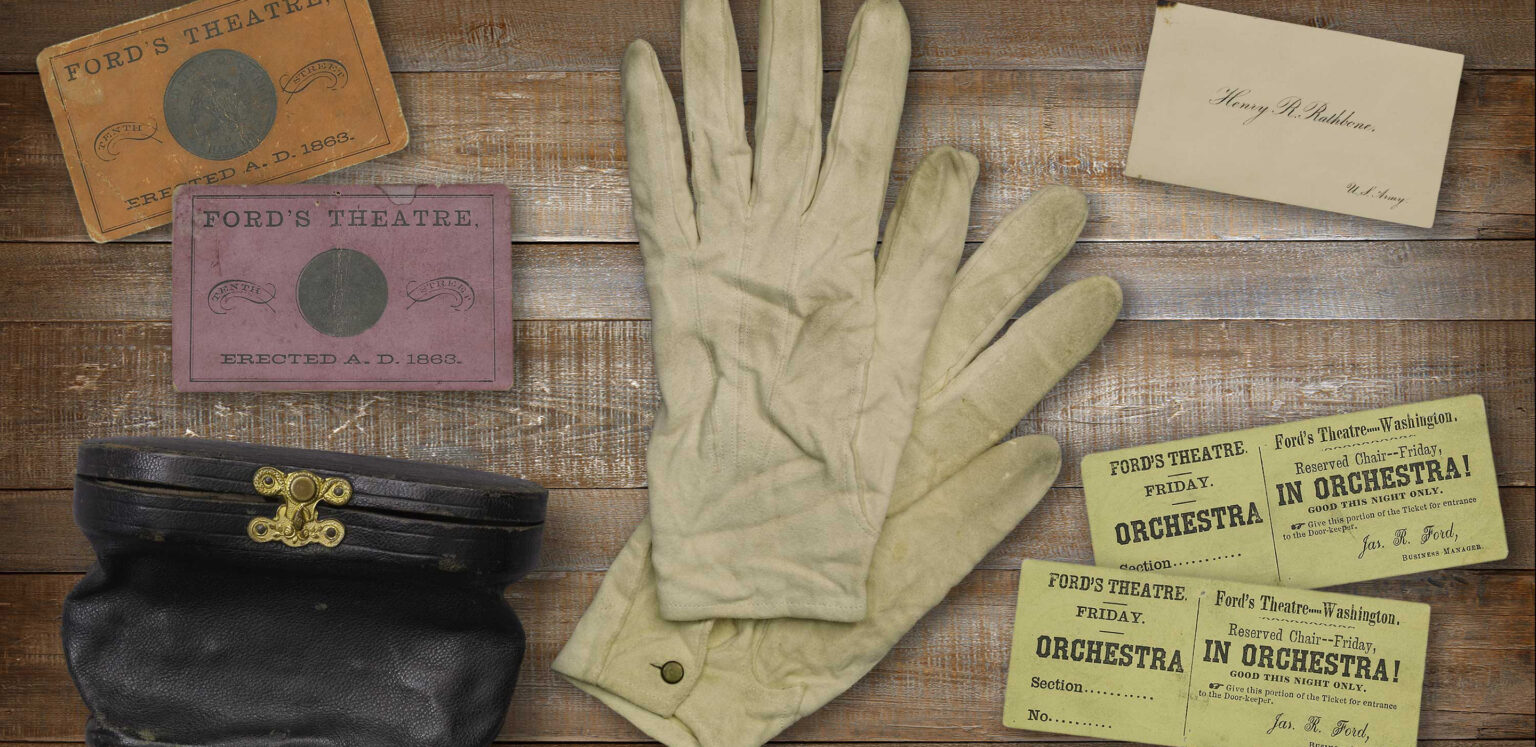
Artifacts from the Presidential Box, Ford’s Theater, April 14, 1865. (Lincoln had his gloves with him, contrary to Spielberg’s film version of that night

The president was immensely strong.  On one visit to Grant’s Army of the Potomac, Lincoln showed an old trick:  He could lift an axe gripped at the end of its handle and hold it at arm’s length, and the young soldiers who tried the same thing failed.  After he was shot, the doctors who removed Lincoln’s clothing remarked at his musculature.  Booth’s large-caliber bullet had traversed the president’s brain from back to front but Lincoln, shot at 10:15 p.m., would not die until 7:22 the next morning.

“Now,” a grief-stricken Secretary of War, Edwin Stanton, who had once called Lincoln an ape when the two were practicing law,  “Now he belongs to the angels.”

It has come down to us differently:  “Now he belongs to the ages.”  Lincoln, I think, would have been more comfortable with that.

—Reactions to the Spielberg film, 2012

Subscribe

  • Entries (RSS)
  • Comments (RSS)

Archives

  • January 2026
  • December 2025
  • November 2025
  • October 2025
  • September 2025
  • August 2025
  • July 2025
  • June 2025
  • May 2025
  • April 2025
  • March 2025
  • February 2025
  • January 2025
  • December 2024
  • November 2024
  • October 2024
  • September 2024
  • August 2024
  • July 2024
  • June 2024
  • May 2024
  • April 2024
  • March 2024
  • February 2024
  • January 2024
  • December 2023
  • November 2023
  • October 2023
  • September 2023
  • August 2023
  • July 2023
  • June 2023
  • May 2023
  • April 2023
  • March 2023
  • February 2023
  • January 2023
  • December 2022
  • November 2022
  • October 2022
  • September 2022
  • August 2022
  • May 2022
  • April 2022
  • March 2022
  • February 2022
  • January 2022
  • December 2021
  • November 2021
  • October 2021
  • September 2021
  • August 2021
  • July 2021
  • June 2021
  • April 2021
  • March 2021
  • February 2021
  • January 2021
  • December 2020
  • November 2020
  • August 2020
  • July 2020
  • June 2020
  • May 2020
  • April 2020
  • January 2020
  • December 2019
  • November 2019
  • October 2019
  • September 2019
  • August 2019
  • May 2019
  • April 2019
  • March 2019
  • February 2019
  • January 2019
  • December 2018
  • November 2018
  • October 2018
  • September 2018
  • July 2018
  • June 2018
  • May 2018
  • April 2018
  • March 2018
  • February 2018
  • January 2018
  • December 2017
  • November 2017
  • October 2017
  • April 2017
  • March 2017
  • December 2016
  • November 2016
  • October 2016
  • September 2016
  • August 2016
  • July 2016
  • June 2016
  • April 2016
  • March 2016
  • February 2016
  • January 2016
  • December 2015
  • November 2015
  • October 2015
  • September 2015
  • August 2015
  • July 2015
  • June 2015
  • May 2015
  • April 2015
  • March 2015
  • February 2015
  • January 2015
  • December 2014
  • November 2014
  • September 2014
  • August 2014
  • July 2014

Categories

  • American History
  • Arroyo Grande
  • California history
  • Family history
  • Film and Popular Culture
  • History
  • News
  • Personal memoirs
  • Teaching
  • The Great Depression
  • trump
  • Uncategorized
  • World War II
  • Writing

Meta

  • Create account
  • Log in

Blog at WordPress.com.

  • Subscribe Subscribed
    • A Work in Progress
    • Join 68 other subscribers
    • Already have a WordPress.com account? Log in now.
    • A Work in Progress
    • Subscribe Subscribed
    • Sign up
    • Log in
    • Report this content
    • View site in Reader
    • Manage subscriptions
    • Collapse this bar
 

Loading Comments...