
Still suffering Olympic withdrawals.
For those of you who weren’t even around then, the 1984 Olympics–maybe they’ll shoot Tom Cruise out of a cannon in 2028?–were in L.A., too.
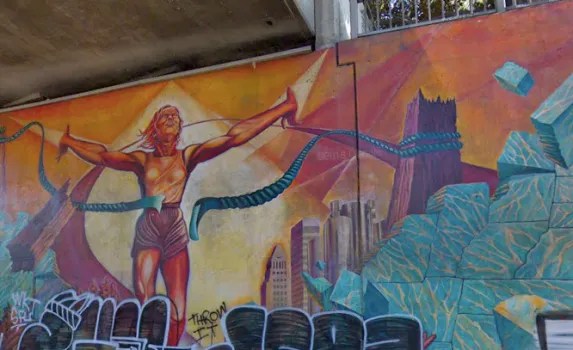
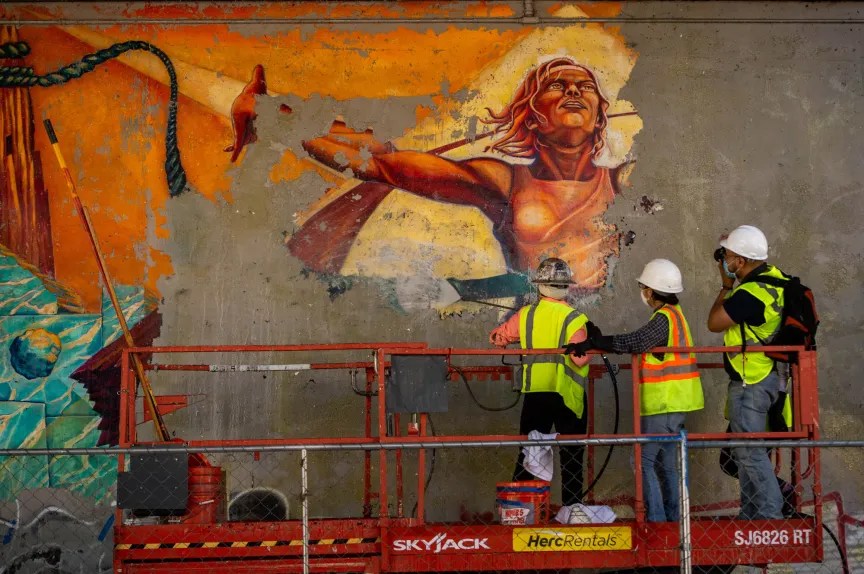
The street art, murals inspired by artists like Diego Rivera and Jose Clemente Orozco, were amazing. Many of them, alongside the freeways, were painted over; some are being restored.
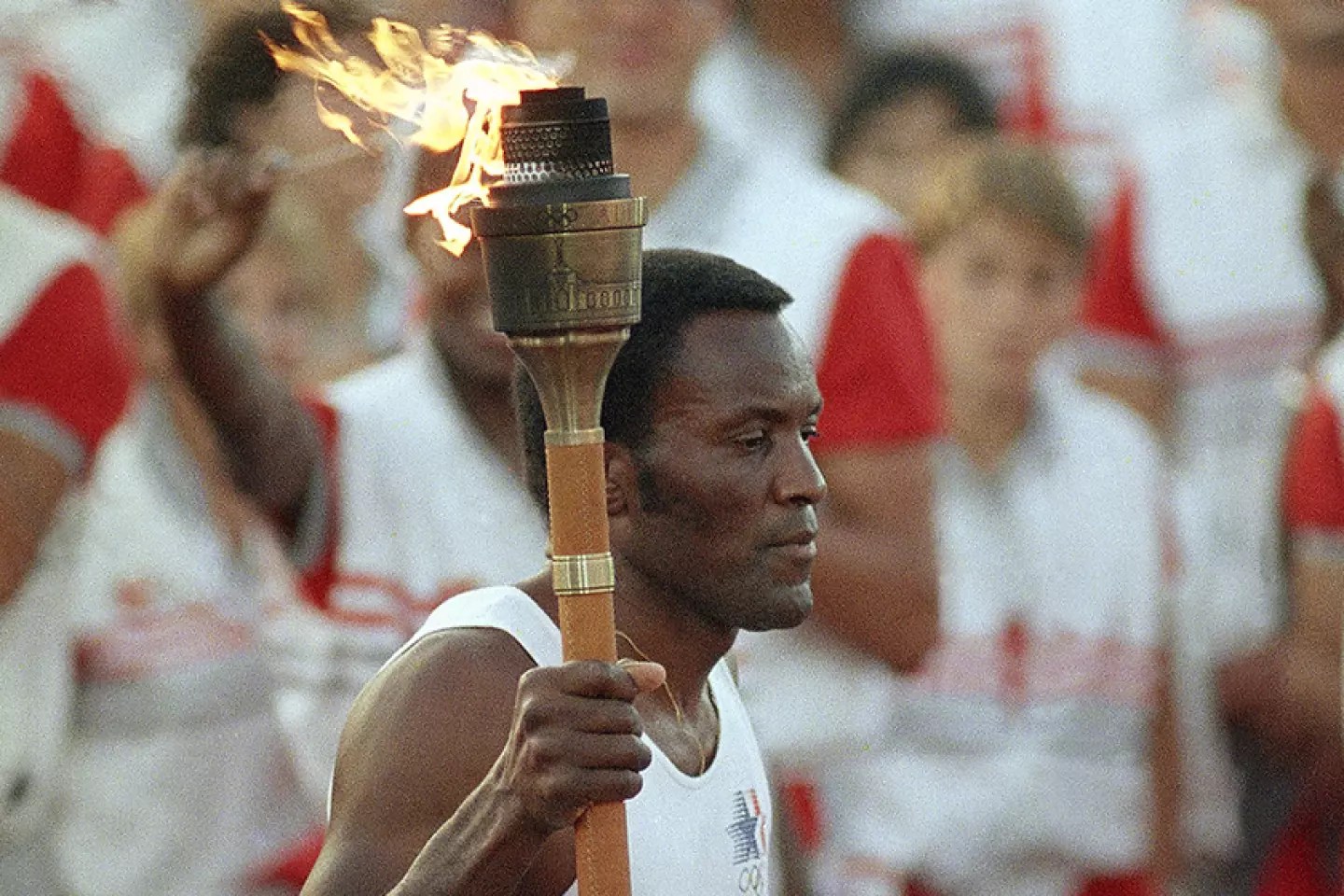
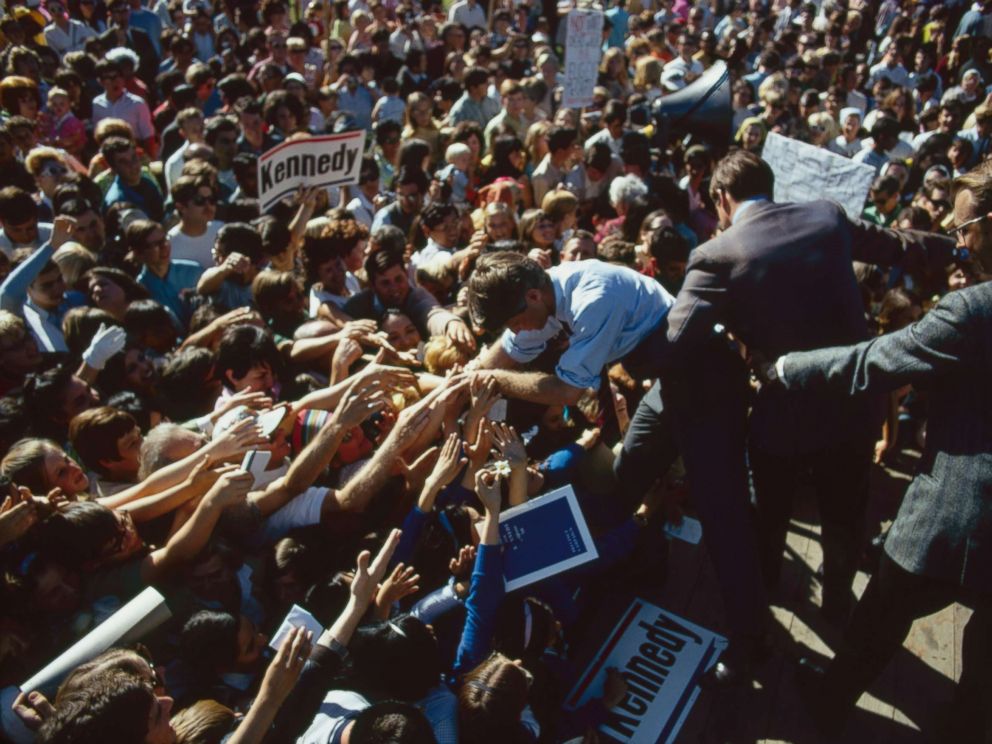
The torch was carried into the Coliseum by onetime decathlete Rafer Johnson, a simply beautiful man who’d been one of Bobby Kennedy’s bodyguards in 1968. Johnson, L.A. Ram Roosevelt Grier or the Secret Service had to hold onto Kennedy by the waist or hold tightly onto his belt to keep the crowds–neither Trump nor Harris could top those crowds–from kind of absorbing him.
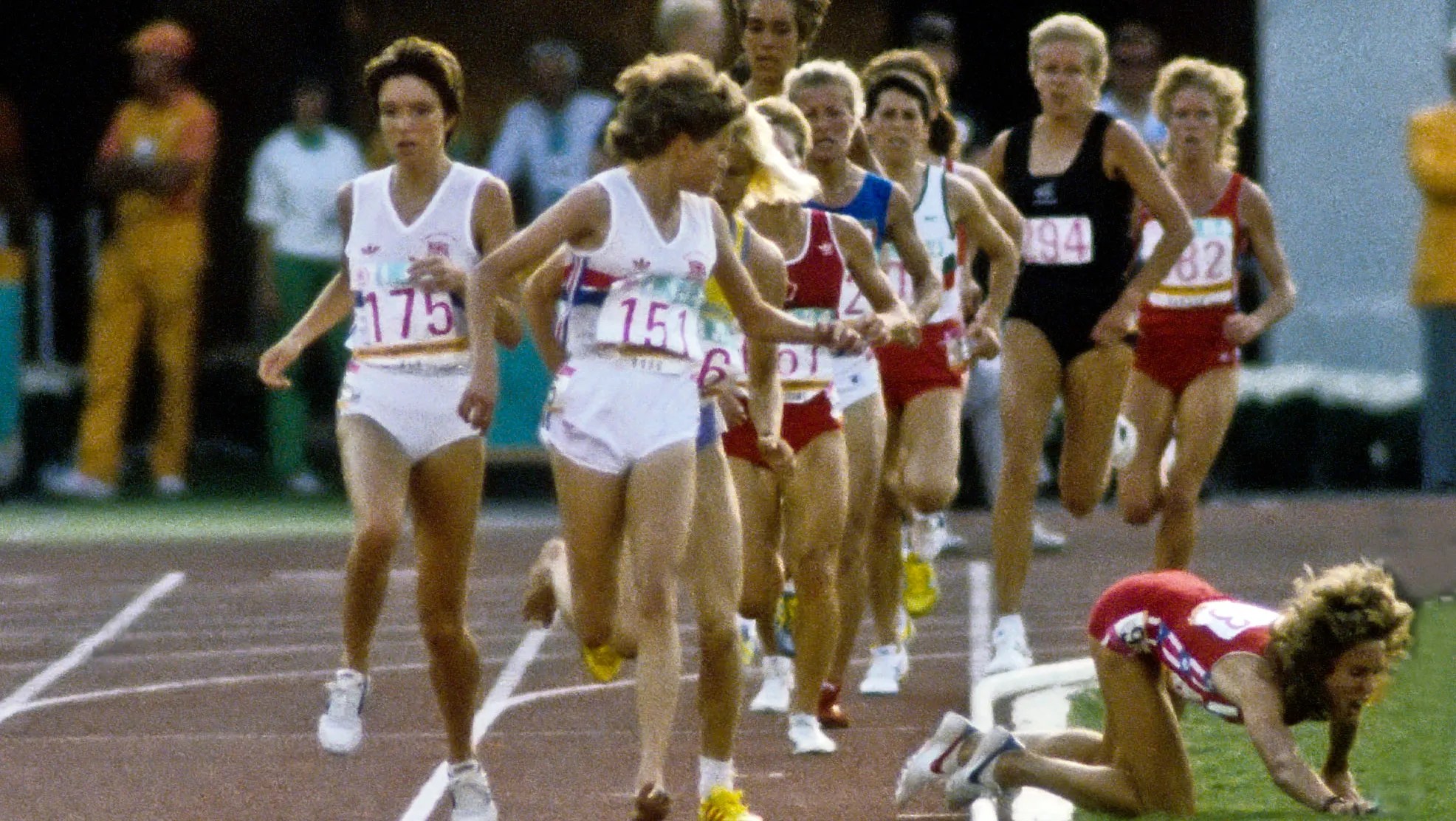
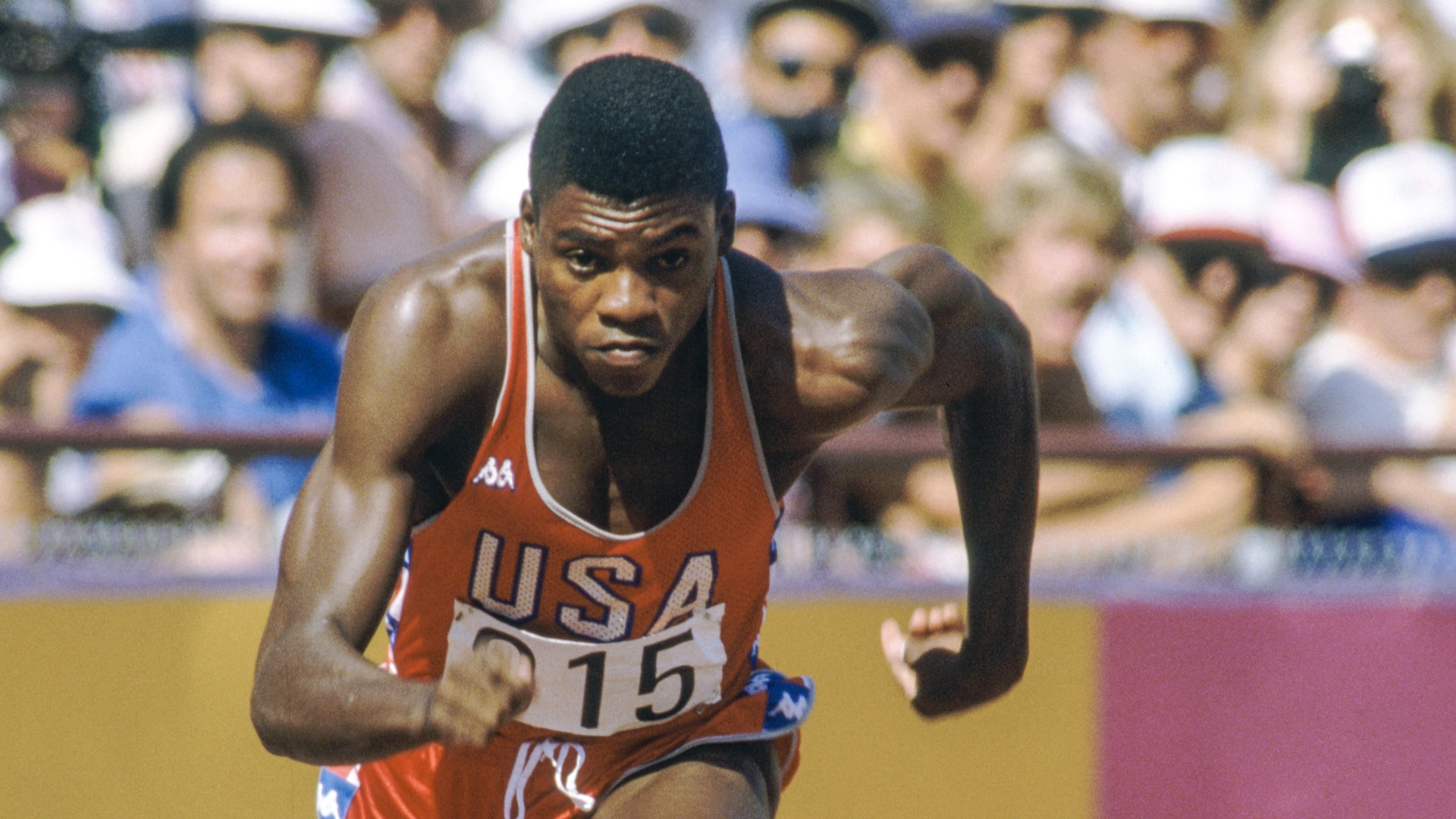
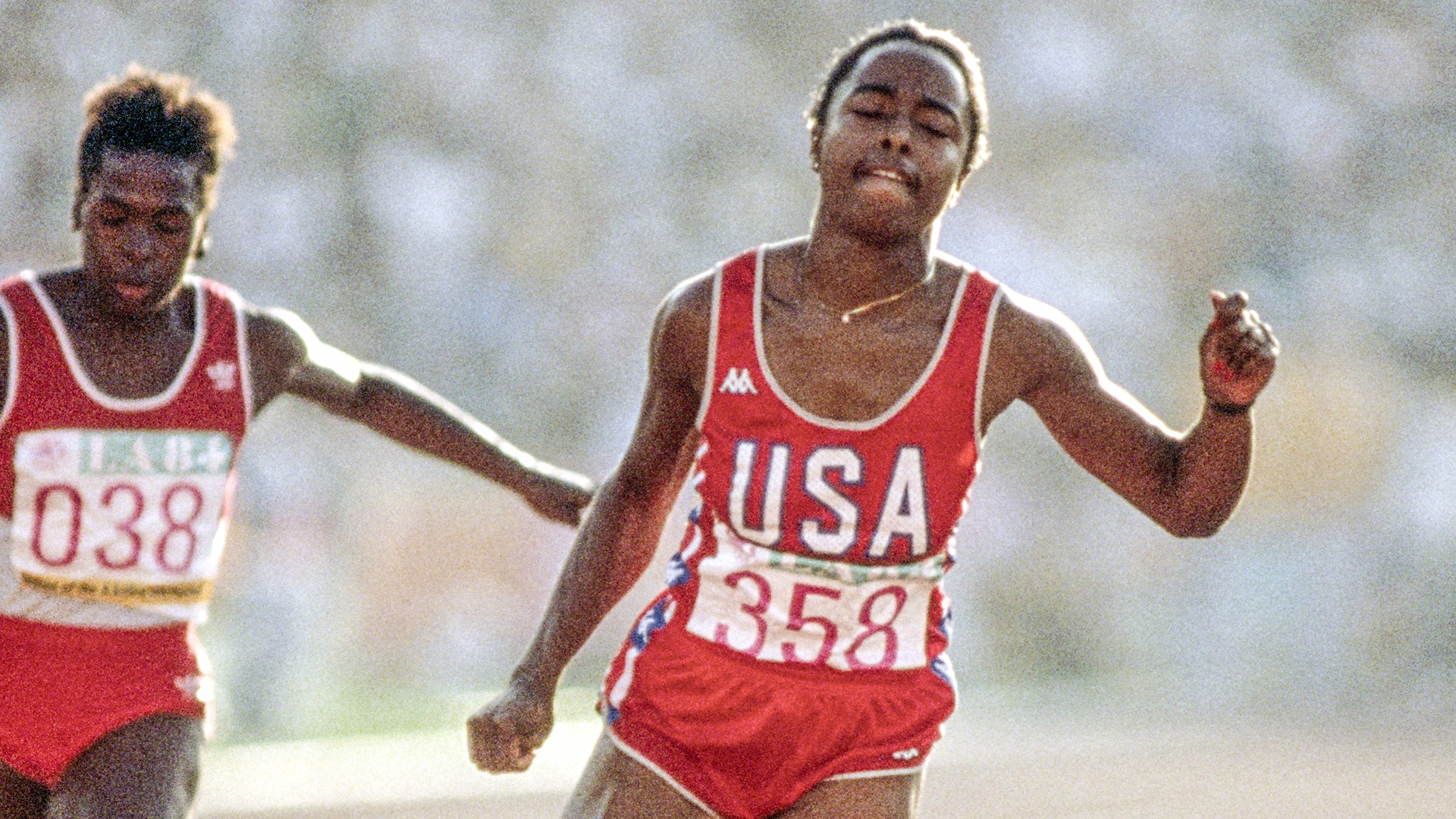
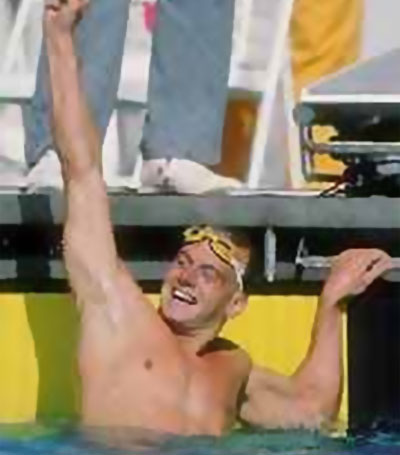
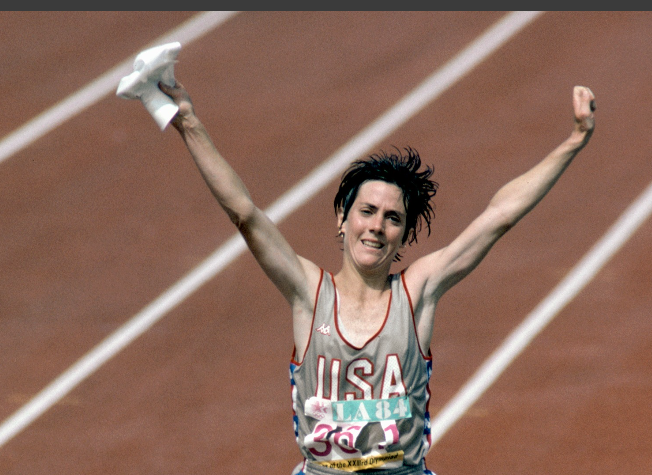
Carl Lewis was a star American sprinter, as was Evelyn Ashford. Lewis also won the long jump. Rowdy Gaines, who called swimming with such enthusiasm in the Paris Olympics, was a multiple medalist. American Joan Benoit was the marathon gold medalist.
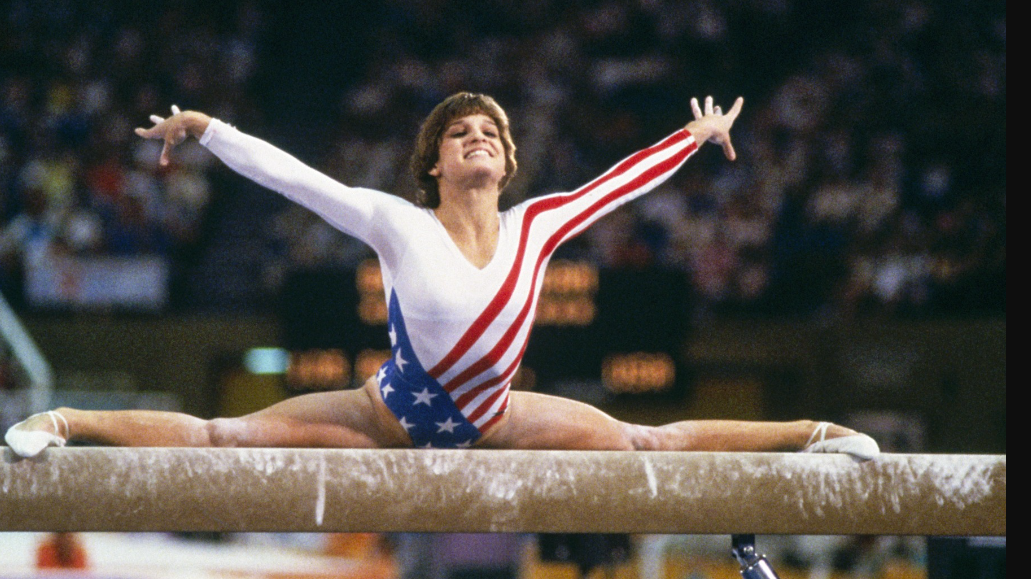
And, darn her perkiness, Mary Lou Retton, who recently nearly died from Covid—we are, all of us, mortal—was the star American gymnast. (This was before we found out how brutal her trainers, the Karolyis, were.)
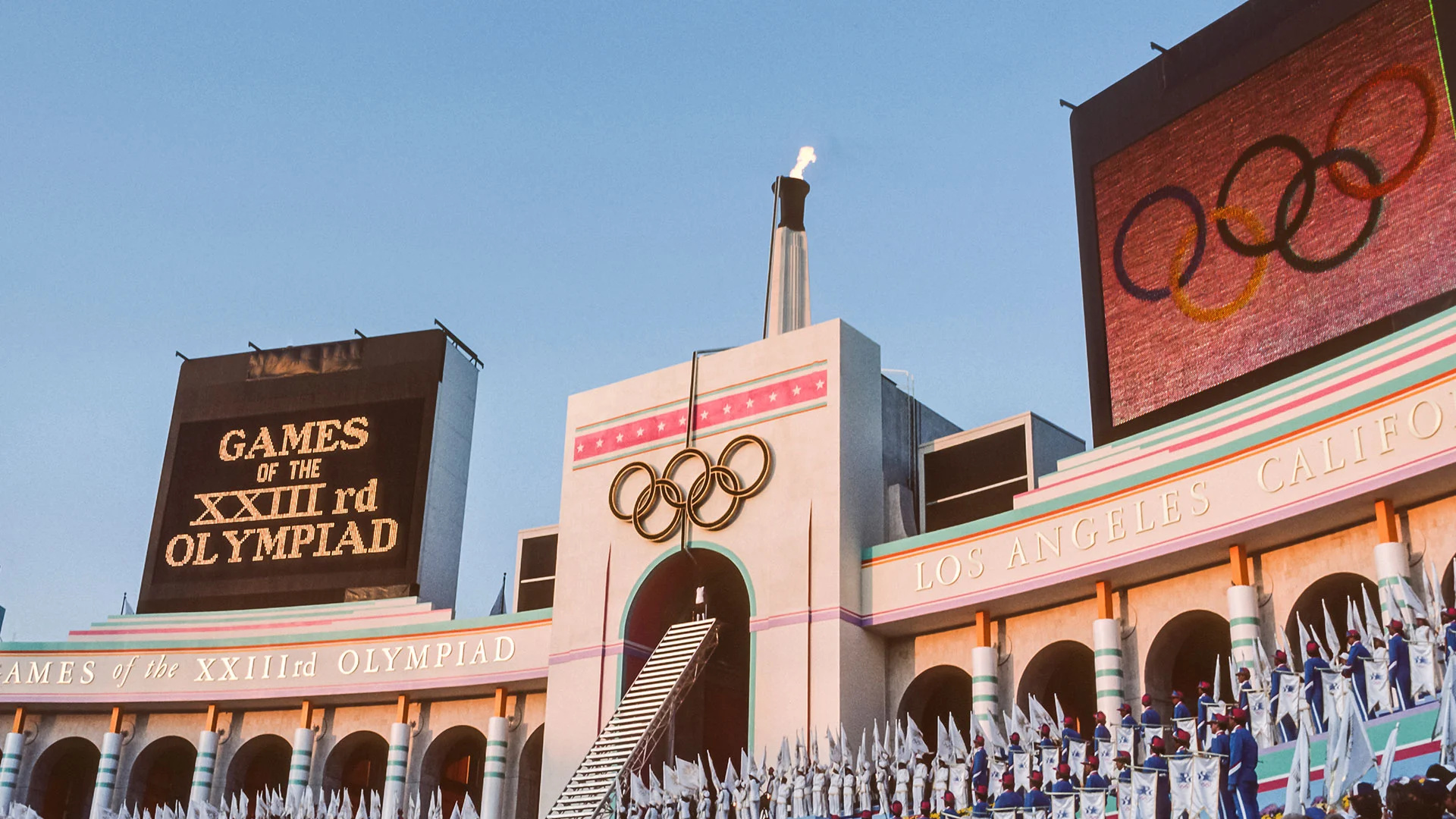
This is the Olympic flame in the Coliseum in 1984. It burned from the same place in 1932. There would be one more Olympics, in 1936, but this time in Berlin. For twelve long years, the flame went out. The fires that burned in between, from Kursk to Normandy, from Stalingrad to London—most of the all, the fire that burned at Auschwitz-Birkenau, would consume millions of lives.
It’s life that the Games celebrate.
 A Work in Progress